Feeds:
Posts
Comments

Archive for the ‘accidents’ Category

I am again sharing this touching tribute to the 11 men who lost their lives on the Deepwater Horizon on April 20, 2010. The video is introduced by country singer Trace Atkins, a former Gulf of Mexico rig worker. The video and Trace’s song serve as a memorial to the 11 Deepwater Horizon workers and others who have died exploring for and producing oil and gas around the world. Please take a moment to watch.

Macondo revisited series:

Reiterating this proposal: Make April 20th International Offshore Safety Day to honor those who have been killed or injured, to recognize the many workers who provide energy for our economies and way of life, and to encourage safety leadership by all offshore operators, contractors, and service companies.

Deepwater Horizon Memorial, New Orleans

Read Full Post »

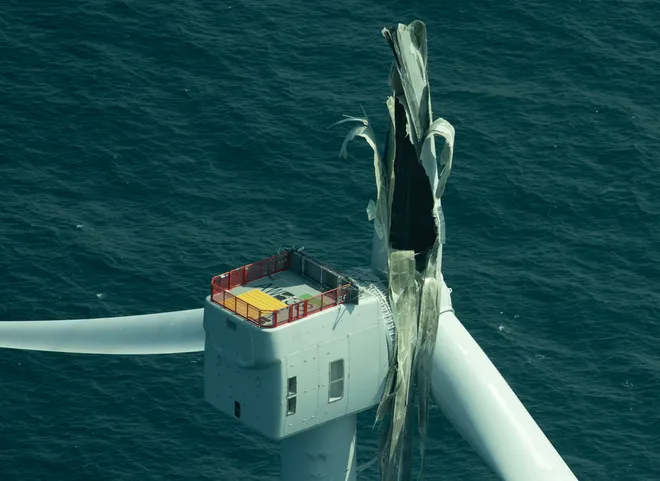
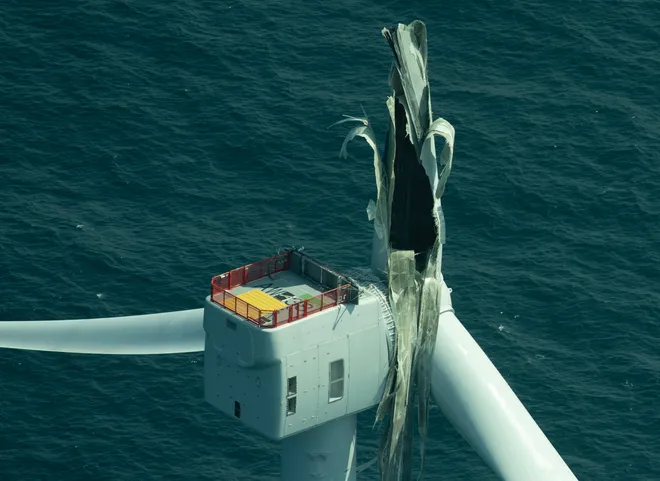
damaged Vineyard Wind turbine – Cape Cod Times photo

Excerpt from p.3 of Vineyard Wind’s suit against GE Renewables (attached):

“As was widely reported in national and local news, in July 2024, one of the GER offshore blades collapsed and fell into the waters off Nantucket, necessitating a massive environmental cleanup, and a six-month construction hiatus during which GER performed a “root cause” analysis. That analysis concluded that 68 of the 72 GER blades installed at the Project (nearly all manufactured by GER in Gaspé, Canada) were also defective because they were inadequately bonded together, and were so poorly made that they were beyond repair. GER’s remediation plan required it to remove all of the blades and to replace all Gaspé blades with others manufactured at a different facility in Cherbourg, France.

Regulatory issues of concern:

    Read Full Post »

    Rules of thumb for offshore spills:

    • The initial spill estimates are low; often by a lot
    • The estimates of oil recovered are high and unverified

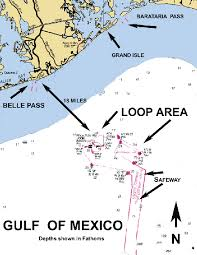
    Louisiana Offshore Oil Port (LOOP) spill:

    • product spilled: Venezuelan crude
    • first observed:  2/26 at approximately 0400
    • initial spill volume estimate: <100 barrels (bbls)
    • 3/3: spill volume update: 300 bbls
    • 3/5: final spill volume update: 750 bbls; volume reaffirmed on 3/17 and 2/26
    • reported cause: material failure in a section of the cargo transfer hose during a crude oil transfer between the offshore facility tanker
    • estimate of oil recovered: 655–664 bbls (>87%!)

    Comments:

    • According to a Unified Command interview, the spill volume estimate was based on visual observations and estimates of the volume of oil recovered. Neither are reliable indicators of the volume actually spilled.
    • Was the volume transferred being metered at the vessel and LOOP, such that meter differentials could indicate the actual spill volume?
    • The spill was first observed at night. What procedures were in place for monitoring the transfer operation for potential leaks?
    • LOOP first reported a spill estimate of <100 bbls, subsequently increased to 300 bbls, and then 750 bbls.
    • The oil recovery estimate of 655-664 bbls is highly suspect unless the spill was much larger than reported. Recoveries >50% are unlikely for open water spills. (Typically <20% is recovered.)
    • How were the oil recovery estimates determined? Is data available on the total fluid recovered and water content?
    • NOAA reports that the spill response and repair were postponed due to hazardous offshore conditions. This makes the spill and recovery numbers even more suspect.
    • Ed Tennyson, a leading authority on oil spill response capabilities and a former colleague, was skeptical of oil recovery claims. When on-scene, he would ask to see the recovered oil and data on how the volumes were determined.
    • Hopefully, the investigation report will be timely and comprehensive.

    Read Full Post »

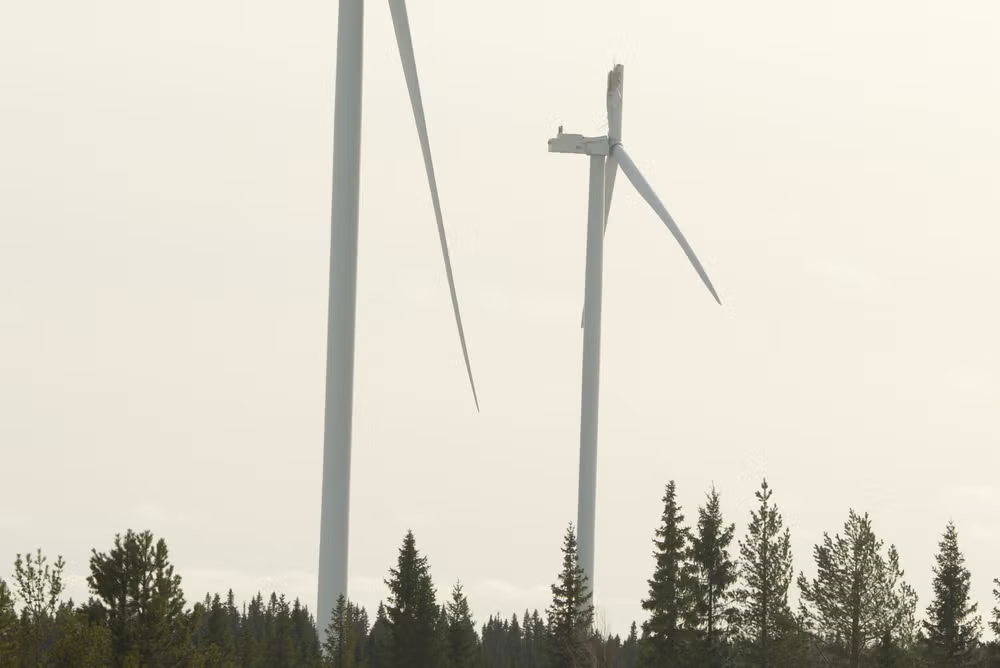
    Broken blade at GE wind turbine at Björkvattnet wind farm in Sweden. Alexander Pohl photo posted at Recharge
    Per Recharge: The first blade break at the wind farm was probably caused by a manufacturing defect, and the second was damaged during installation. According to regional newspaper Jämtlandstidning, local residents were complaining about not getting sufficient information about the third such incident.

    “We don’t know what’s happening because we’re not told anything,” Terese Björk, who witnessed the broken blade on Friday, told the newspaper.

    This is reminiscent of the delay in informing the public about the Vineyard Wind GE Vernova failure. The investigation report about that incident has still not been issued nearly two years after the blade failure.

    Read Full Post »

    Vineyard Wind has finished installing turbine blades at their 62 turbine (186 blades) project. Yet the Federal investigation report on the July 2024 blade failure has still not been published. How is this acceptable?

    The primary purpose of the independent investigation is to prevent recurrences at this or other projects in the US and worldwide. Available data suggest that blade failures are far too common.

    Nearly two years have now elapsed since the Vineyard Wind blade failure. Important questions remain about the failure mechanisms, the manufacturing, testing, and quality control, a fabrication report waiver, the role of the CVA, debris recovery, and environmental impacts. Where is the investigation report?

    Cape Cod Times photo

    Read Full Post »

    Important and long overdue:

    Read Full Post »

    Next week, BOE will rank the 2025 Gulf of America Safety Compliance Leaders according to the number of incidents of non-compliance (INCs) per facility inspection.

    Last year’s results.

    How is your company’s safety culture?

    Read Full Post »

    Read Full Post »

    The diligent folks at Scotland Against Spin (SAS) have already updated their turbine incident data through the end of 2025. Their latest summary is attached, and their detailed historical table (342 pages) is linked.

    The SAS data indicate that the number of wind turbine incidents has risen sharply in recent years (see chart below). The increased number of turbines worldwide, and perhaps better news coverage of incidents, presumably contributed to the sharp increase. Nonetheless, the growing number of incidents is disconcerting, as is the absence of industry and government summaries and reports.

    SAS acknowledges that their list, which is dependent on publicly available reports, is merely the “tip of the iceberg.” For example, the list does not include the June 2, 2025, Empire Wind project fatality.

    The SAS list does capture the 2008 collapse of the Russell Peterson liftboat, which was collecting data offshore Delaware for a wind project. One worker died and another was rescued. The Coast Guard never issued a report on this tragic incident. Serious questions remain about the positioning of a liftboat in the Mid-Atlantic for several months beginning in March when major storms are likely, the liftboat’s failure mechanisms, the operator’s authority to be conducting this research, and the actions that were taken in preparation for storm conditions.

    The Russell Peterson toppled in May 2008 while gathering data for a proposed offshore wind project.

    Read Full Post »

    BOE is pleased to report that there were no occupational fatalities during oil and gas operations on the US OCS in 2025!

    There were also zero fatalities in 2023. Two of the past three years were thus fatality free. One fatality occurred during decommissioning operations in 2024.

    One fatality was associated with US offshore wind development in 2025. A crew member died while conducting vessel maintenance on a ship working for Equinor on the Empire Wind project.

    Read Full Post »

    « Newer Posts - Older Posts »