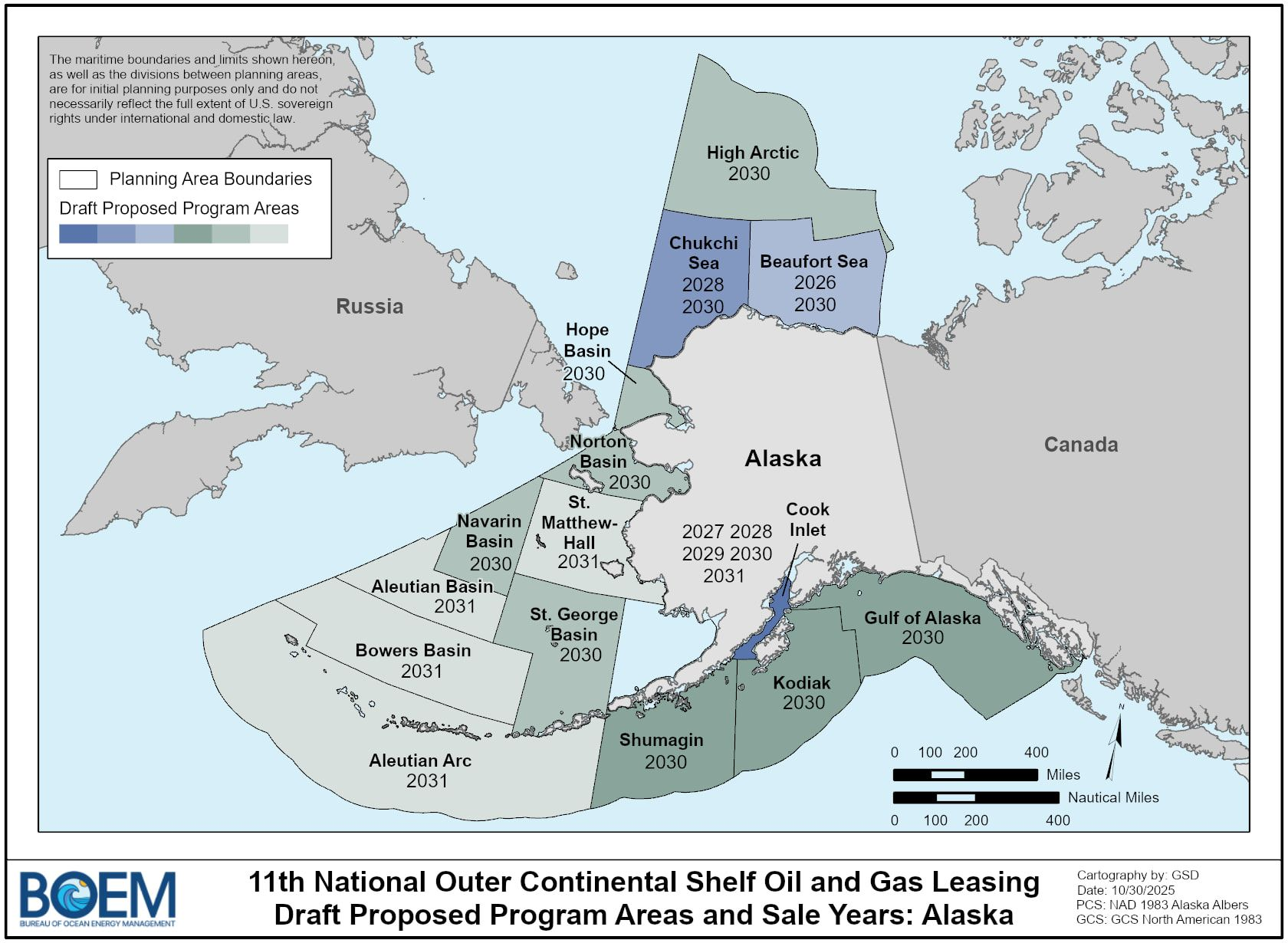
Comments on the proposed “Revisions to the Requirements for Exploratory Drilling on the Arctic Outer Continental Shelf” are due today.
My submission (one page) is attached. Main points:
- Removing the same-season-relief-well (SSRW) requirements is an essential precursor to the renewal of arctic drilling activity. The SSRW provisions make Arctic operations cost prohibitive while at the same time increasing safety and environmental risks.
- The potential risks and benefits of a subsea isolation device (SSID) should be assessed on a case-by-case basis considering water depth, temperature related BOP failure risks, wellhead integration, ice and vessel traffic exposure, and other factors.
- As is the case for floating drilling operations anywhere, the focus in the Arctic should be on well design, integrity, and control, including carefully verifying casing and cement integrity, ensuring complete barrier redundancy, and having standby capping and containment capability.

