🇺🇸 Florida man has finally met his match: Alabama man!
— Mario Nawfal (@MarioNawfal) October 11, 2026
This dude rode out Hurricane Isaias IN A BOAT…
Dauphin Island, AL Chief of Police:
"He's a local guy and he just wanted to be out there in his boat.
He knew the dangers of being out there and he was willing to take…
Archive for the ‘Uncategorized’ Category
Brave or crazy? Both!
Posted in hurricanes, Uncategorized, tagged Brave or crazy, Hurricane Isaias on October 11, 2026| Leave a Comment »
Dale Kunitomi – from interment camp to distinguished career as a Petroleum Geologist
Posted in California, Uncategorized, tagged Coast Geological Society, Dale Kunitomi, petroleum geologist, PSAAPG on September 28, 2026| Leave a Comment »
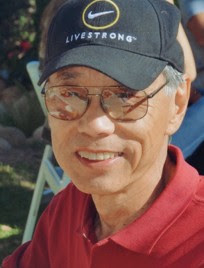
Dale Kunitomi, a distinguished Petroleum Geologist, was a good friend of Joan Barminski, geologist and retired Pacific Region Director for BOEM. Dale passed away on August 29, 2026. Joan shared the inspiring Coast Geological Society tribute to this remarkable man.
Dale was born at the Heart Mountain, Wyoming, Japanese concentration camp during World War II, where he spent the first year and a half of his life. When the camp closed, his family returned to Hollywood California to rebuild their lives with Dale and his four siblings. Growing up conflicted about his family’s hardship, he found his way back to his personal history as an adult, when he attended his first Manzanar Pilgrimage in 1988.
Dale’s parents were both college graduates and longtime teachers in the LA school system. After graduation from Belmont High School, Dale enrolled in Los Angeles City College then transferred to UCLA where he discovered geology courses. After graduation he worked for and lived in the City of Long Beach, California where the easterly extension of the giant Wilmington field had just begun. During that time, he attended four years of graduate night classes at USC in an attempt to “absorb the huge volume of literature documenting the emerging Plate Tectonics Revolution”. His education at UCLA and USC resulted in episodes of schizophrenia during fall football seasons.
From Long Beach his career took him to the Southern California Gas Company in Los Angeles, then to Santa Barbara, Ventura, Bakersfield, and Camarillo working for various small oil companies (Pauley, Argo, Celeron) concentrating on oil and gas exploration and development in California and Alaska. Dale’s work has also included geotechnical investigations, hydrogeologic assessments, and 3-D geologic modeling of oilfields. While living in Camarillo, he became an independent consultant in 1988 working for individuals, companies, municipalities and utilities on various aspects of oil and gas geology. A large portion of this work was as a contractor for Exxon / ExxonMobil from 1994 to 2003, as an operations geologist in the Santa Ynez Unit in the Santa Barbara Channel. Dale was the Exxon representative for most of the well logging operations during that time.
Dale and Grace enjoyed deep-sea fishing from their fifteen-foot 1978 Boston Whaler and from charter boats. The Whaler is still floating and berthed in the Channel Islands Harbor, and retains his classic sticker, “I brake for kelp paddies.” After one of his fishing trips, Dale treated the entire Exxon geology group to an exquisite self-prepared sushi lunch from his catch. Dale and Grace also enjoyed traveling to foreign lands that included China, Kenya, Kamchatka, Alaska, Canada, Australia, and Mexico. Many of these trips mixed geology and culture, and included a number of CGS folks.
The first presentation Dale made was to the Coast Geological Society in 1977 on transforming the Honor Rancho Oilfield to a Gas Storage Field after visiting the area. In 1993 Dale and Bob Michael presented on Kamchatka – The Russian Ring of Fire after a trip to the area. In 2005 he presented on Climate Change: The Paradox of Global Warming Causing A New Ice Age in a joint meeting with AEG. Dale was a CGS member and then an honorary member for over 45 years. Within CGS he proudly held the position of Assistant BBQ Chief under the tutelage of Dr. Eugene “Iron Chef” Fritsche. No doubt he was also proud to be CGS President in 1993-1994. He served as vice-president of the LABGS in 1976.
Dale was very active in the PSAAPG, where he was Vice President in 1999. He assisted with a successful convention held in Santa Barbara and was Convention Site Chairman for two conventions held in Ventura. Dale contributed or edited four Pacific Section publications including Structure and Petroleum Geology, Santa Barbara Channel as well as geology field guides and presented technical papers to the Pacific Section conventions.
In 2004 Dale S. Kunitomi was chosen to receive the Distinguished Service Award presented by the Pacific Section AAPG in recognition of his contribution to and involvement with the western United States geological community. In 2013 Dale received Honorary Life Membership, which is the highest award given to PSAAPG members. It is bestowed upon members who have distinguished themselves by their contributions and devotion to the science and profession of petroleum geology and by outstanding service to the Pacific Section.
In his DSA nomination autobiography, Dale wrote:
“I believe being born in the shadow of the geologic marvel of Heart Mountain, where Mississippian Madison Limestone overlies Eocene sediments, in some way influenced my life and career choices. I have been fortunate to have learned my craft from many knowledgeable geologists.”
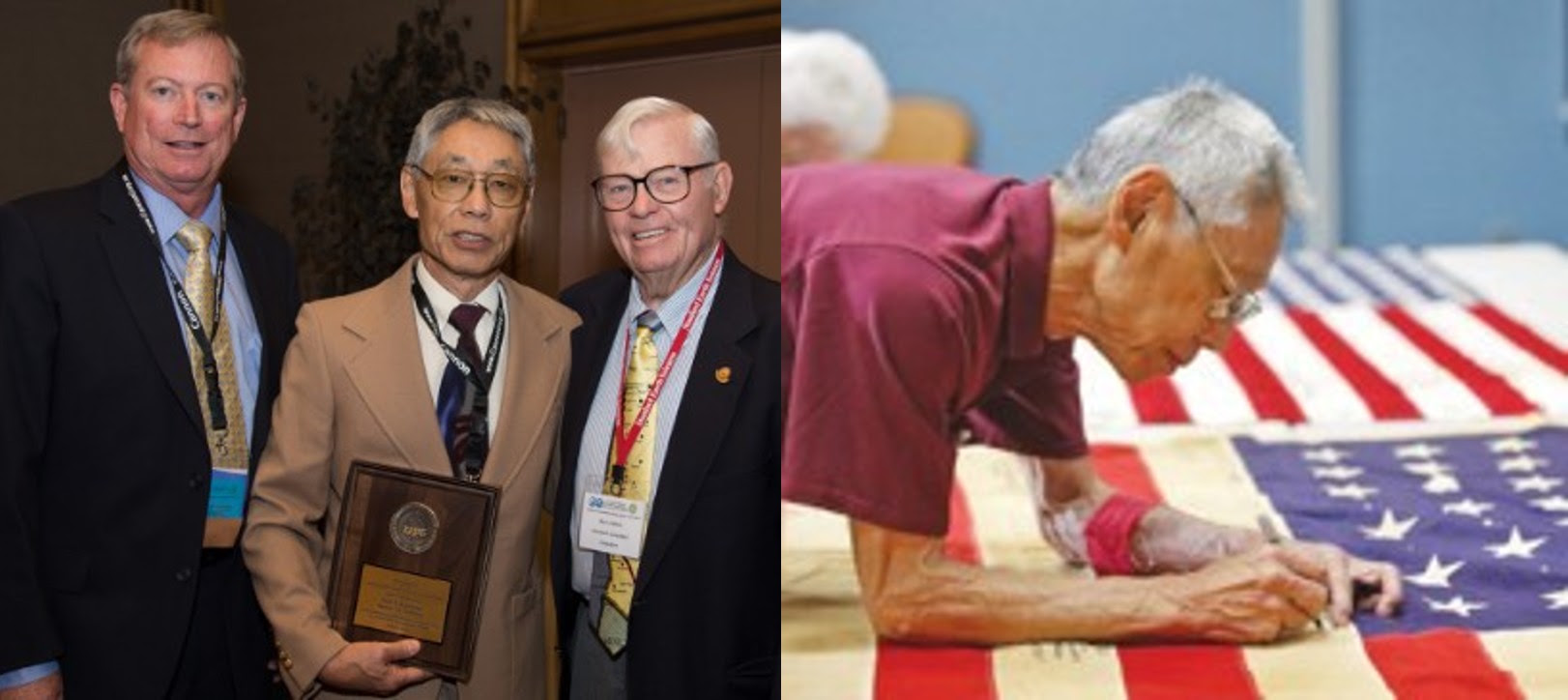
Ken Arnold recalls an early “Rigs-to-Reactors” project
Posted in energy policy, Gulf of Mexico, Uncategorized, tagged Ken Arnold, Offshore nuclear plants, Paragon Engineering Services, Rigs-to-Reactors, Three Mile Island, Westinghouse on September 8, 2026| Leave a Comment »
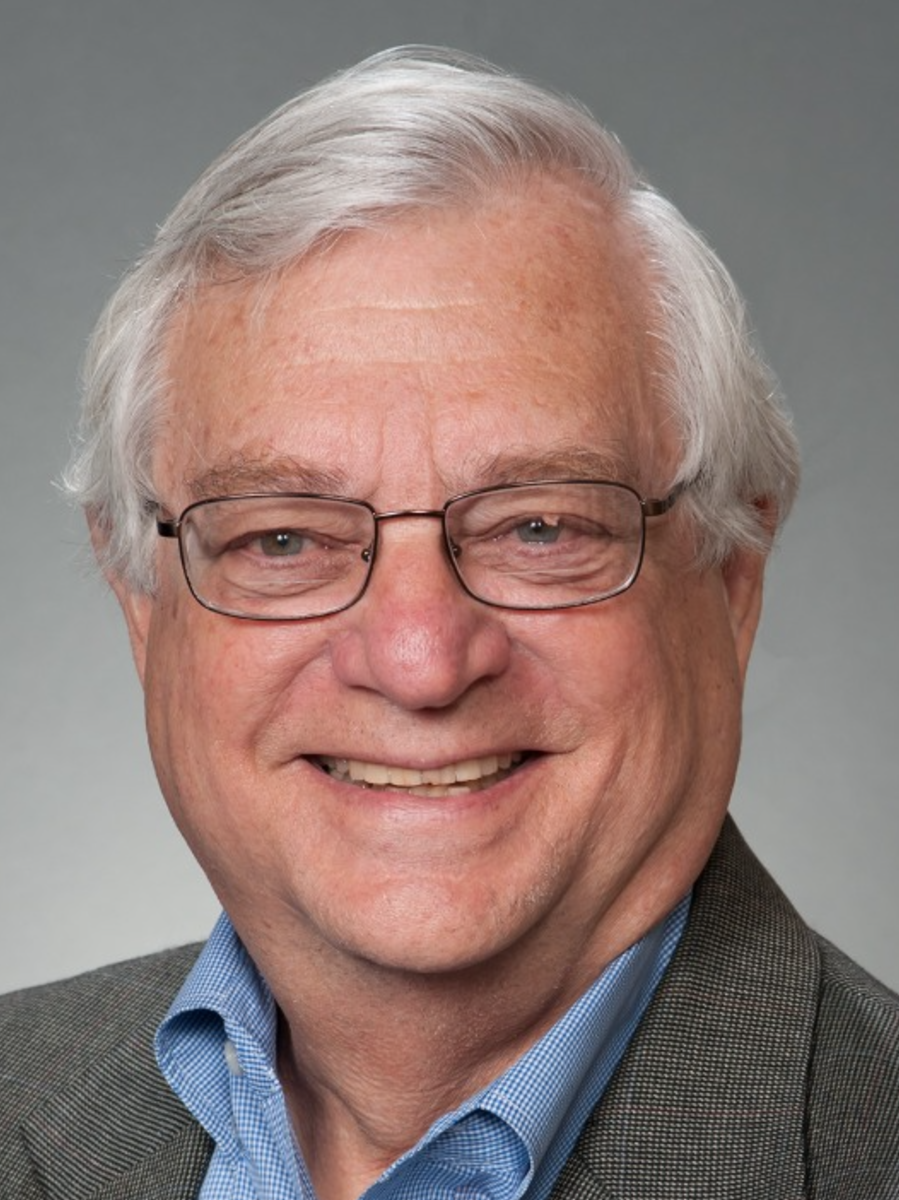
Ken Arnold, NAE, contributed greatly to the responsible development of offshore oil and gas resources. Among Ken’s achievements – lead engineer for a major offshore operator, entrepreneur who founded a successful engineering and management company, author of production textbooks, distinguished SPE lecturer and university instructor, NASEM Marine Board member, and safety leader who participated in the development of OCS regulations and standards.
Ken explains how his new engineering company was involved in the Gulf’s first “Rigs to Reactors” initiative:
My first job as Paragon Engineering Services was to advise Westinghouse on the ability of their yard in Jacksonville, FL to fabricate offshore jackups.
They had built a total facility with acres under roof, a huge drydock, and the biggest gantry crane in the US to fabricate large nuclear reactor vessels which stood on top of a barge hull which contained all the equipment necessary for a power plant. They had an order for, I think, 12 of these units. The plant was designed to complete one a year through an assembly line type of process. The facility was approved by Nuclear Regulatory Agency, and others. The piping model of the barge hull (this was in 1980 before we had 3-D models and large complex facilities were often constructed in scaled plastic) had a footprint as big as my house.
The goal was to make identical units which would be floated to a shore-based site where it would be sunk and protected from waves, etc.
Then came Three Mile Island and all orders were canceled.
Ken recalls further:
They eventually decided not to get into the rig fabrication business. The only thing I know of which was ever fabricated in the huge fab building was some cars for a ride at Disney World. I drove by the site many years later and the gantry crane was gone and it had been turned into a container port. I am not sure what happened to the huge drydock.
Labor Day Salute to Offshore Workers
Posted in Offshore Energy - General, Uncategorized, tagged Labor Day, offshore safety, offshore workers on September 7, 2026| Leave a Comment »

On Labor Day 2026, BOE is proud to salute the thousands of dedicated offshore professionals, in the US and around the world, who work in remote locations under challenging conditions to support their families and power economic growth.
The overwhelming majority of offshore workers do their jobs skillfully and conscientiously, and are committed to protecting their colleagues and the environment. It is their lives that are threatened, their “back yard” that is polluted, and their jobs that are at stake if accidents occur.
Fortunately for us, energy exploration and production doesn’t stop on holidays. BOE wants offshore workers to know that their important contributions to society are greatly appreciated, on Labor Day and throughout the year.
Happy Labor Day!
Amazing orcas!
Posted in Uncategorized, tagged Evan Zimmerman, orcas on August 21, 2026| Leave a Comment »
Geology of the Strait of Hormuz
Posted in Uncategorized, tagged geology, oil transport, plate tectonics, Strait of Hormuz on August 7, 2026| Leave a Comment »
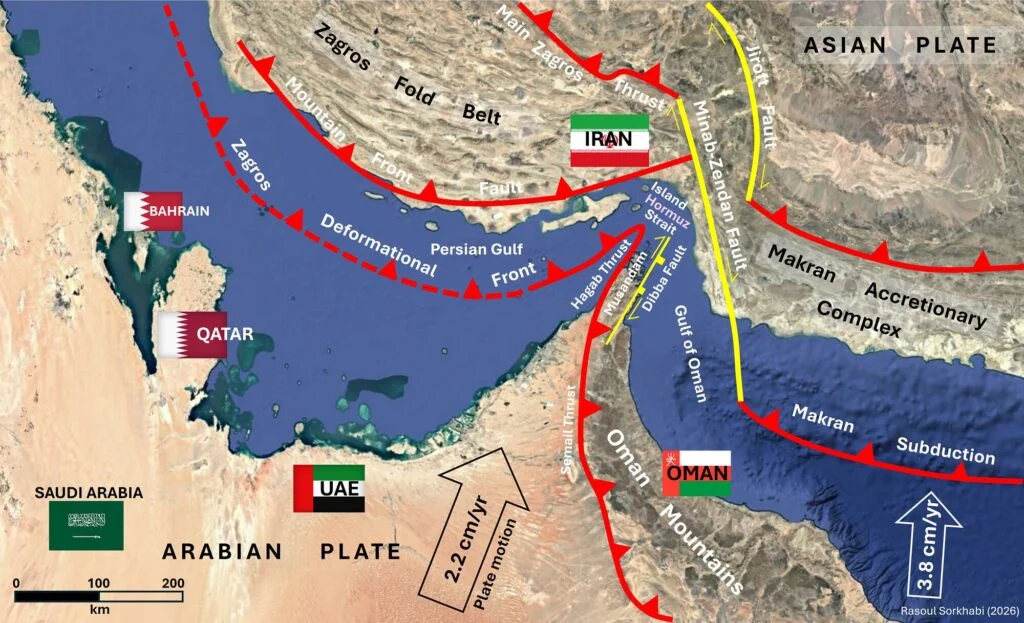
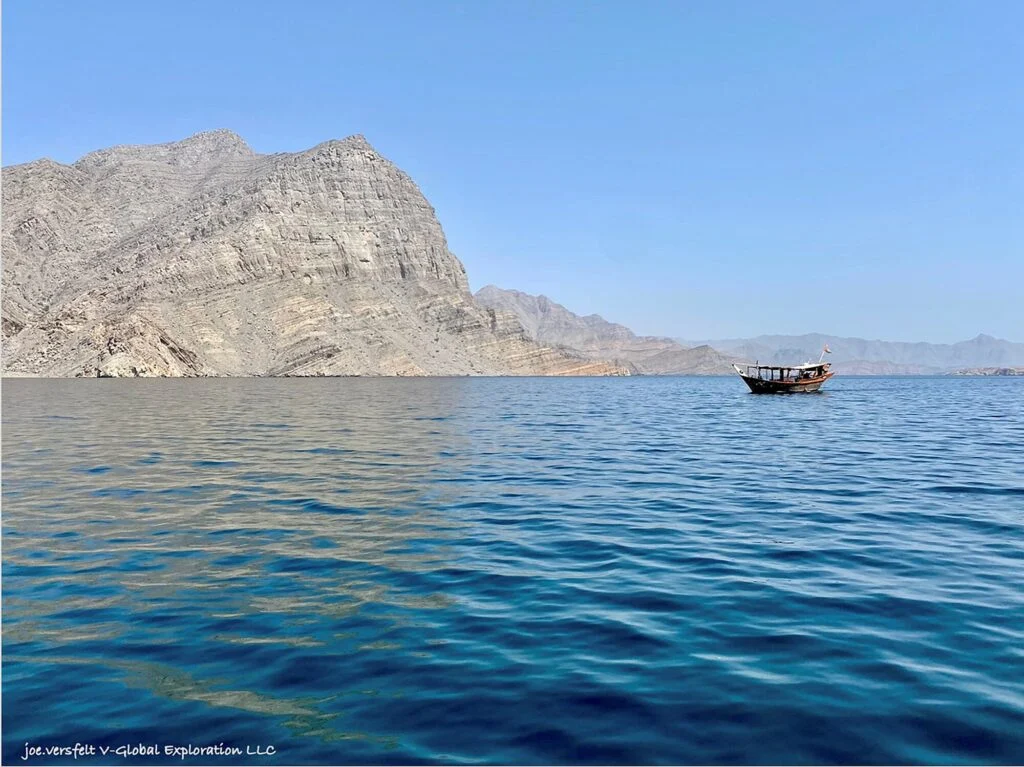
Contrary to what you might see or read on social media, the Strait of Hormuz has not “opened” by continental rifting between Iran and Oman. This waterway is the locus of converging plate tectonic interactions between the Arabian and Asian plates and offers a natural laboratory to study plate tectonic subduction and collision.
This narrow waterway, only 60- to 24-miles wide, is the passage for one-fifth of the world’s oil transportation, or about 20 million barrels per day. According to the International Energy Agency, 80 percent of this oil goes to Asian markets; however, any major disruption in oil flow impacts the global economy because of the international connectedness of the oil industry.
The offshore world mourns the passing of Sir Ian Wood
Posted in Offshore Energy - General, UK, Uncategorized, tagged Aberdeen, engineering firm, JL Daeschler, North Sea, Sir Ian Wood, Wood Group on July 29, 2026| Leave a Comment »
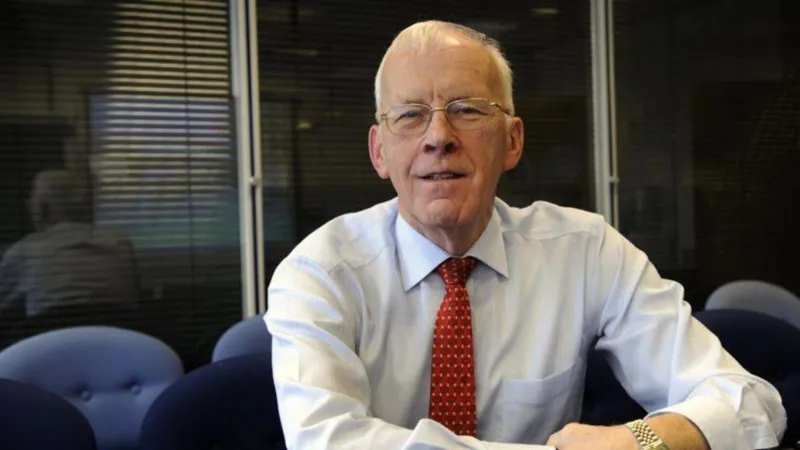

North Sea pioneer JL Daeschler comments on the passing of Sir Ian Wood: “A great North Seas leader who had an amazing career. He founded the Wood Group, an internationally important engineering firm. Mustang Engineering, well known to the US offshore industry, became part of the Wood Group in 2000.”
Last September, JL reminisced about Ian following the sale of the Wood Group:
I knew Ian in the early North Sea development stage. He became Sir Ian Wood. We used to chat at various conferences in Houston, Stavanger, and Aberdeen. Ian was an energetic man, who had a friendly a approach to our North Sea challenges. He was a true Aberdonian entrepreneur who employed 1000’s in offshore related disciplines worldwide.
Sir Ian turned his father’s fishing business into the Wood Group oil giant, leading the way as Aberdeen blossomed into Europe’s energy capital. When Sir Ian announced his retirement in 2012, Wood Group employed 41,000 people in 50 countries.
The Aberdeen Press and Journal and the BBC have posted excellent obituaries.
RIP Ian. You made the offshore world safer and more productive!
Offshore and space synergy!
Posted in energy policy, Florida, Uncategorized, tagged BOEM, Gateway-S, MMA, Oceaneering, offshore and space synergy, Rigs-to-Rockets, Seagate Space, Space Florida on July 28, 2026| Leave a Comment »
MMA’s public notice about support for space launch activities (Rigs-to-Rockets) recognizes the importance of collaboration between the highly innovative offshore and space industries.
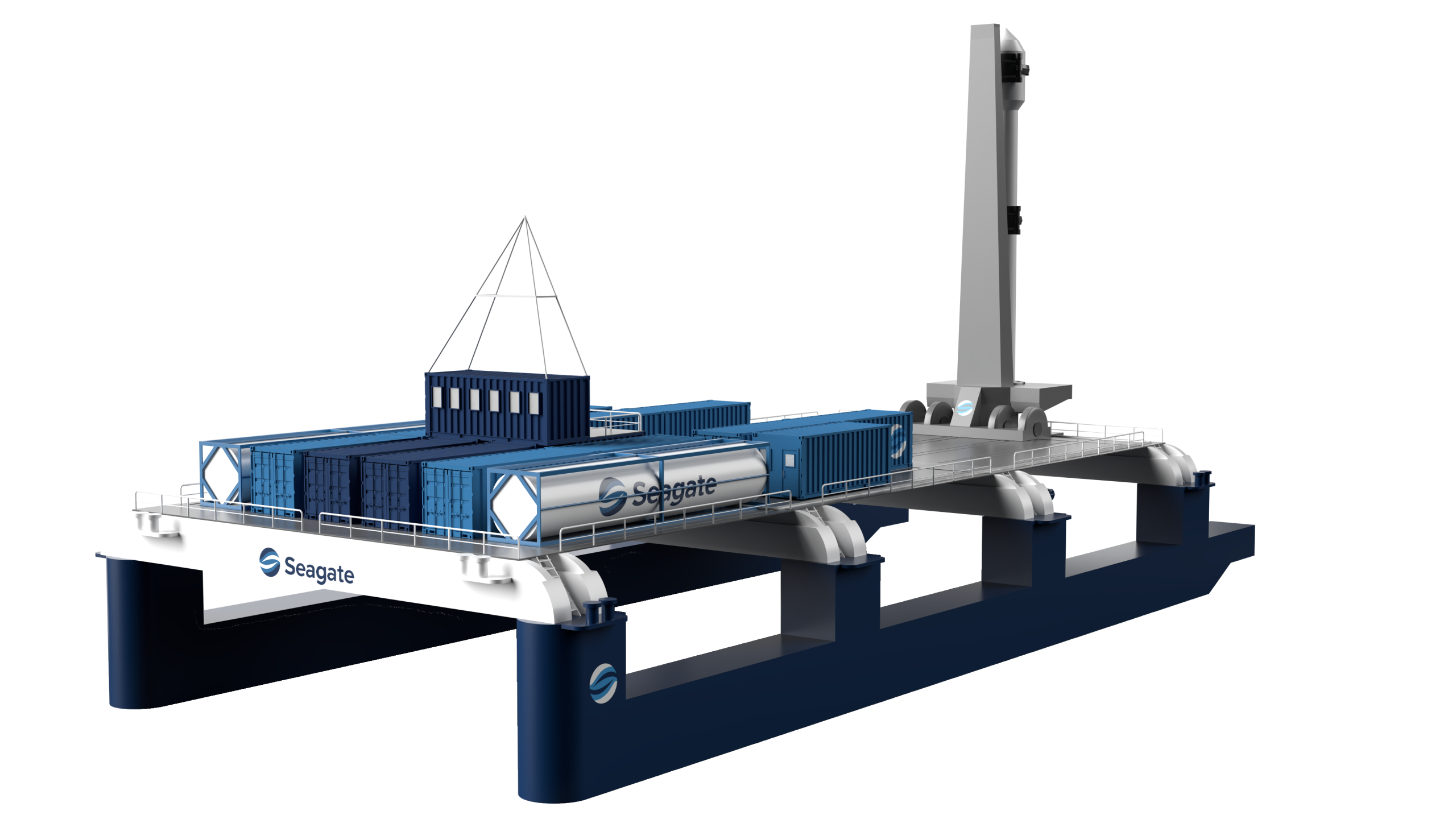
In that regard, Seagate Space, a Florida company, is moving forward with plans for offshore launches. Seagate is “developing cutting-edge maritime infrastructure to avoid land site limitations and scale orbital launch cadence for commercial, government, and defense missions.”
Seagate’s Space Gateway-S platform has adopted features that have been widely applied by the offshore industry:
- Autonomous dynamic positioning – developed and advanced by the drilling industry
- Modular architecture – common in offshore facility design
- Pontoon design – ala semi-submersible drilling units
- Mobility – like mobile offshore drilling units (MODUs) – jackups, drillships, semi-submersibles
Space Florida, a public corporation and innovation connector, recently announced a partnership with Seagate Space:
EXPLORATION PARK, Fla.—June 2, 2026— Today, Space Florida announced Project Manta, a strategic investment in Seagate Space to expand Florida’s launch capacity through specialized maritime solutions. Space Florida’s Board of Directors approved an investment to prototype and demonstrate key elements of Seagate Space’s novel offshore launch infrastructure system, setting the stage for future development and manufacturing within the state of Florida.
Seagate has also signed an MOU with Oceaneering, a leading offshore company.
Jacksonville news clip about offshore launches:
Rigs-to-Reactors baby! Let’s go!
Posted in energy policy, Offshore Energy - General, rigs-to-reefs, Uncategorized, tagged MMS, MOU, Rigs-to-Reactors, Offshore nuclear plants, NRC on July 23, 2026| Leave a Comment »
MMA and NRC signed an MOU (attached) to strengthen cooperation on potential nuclear projects on the OCS. Nuclear power has been on the alternate use list (Rigs-to-Reefs+++) from the outset, so this is pretty exciting. Challenges and opportunities!
“Submerged reactor systems have been safely deployed in naval applications for decades, demonstrating their potential as a reliable source of energy in demanding marine environments. While no commercial deployment on the Outer Continental Shelf is planned or approved at this time, it could greatly strengthen America’s energy security in the future,” said MMA Acting Director Matt Giacona. “With nearly 3.2 billion acres of the Outer Continental Shelf under federal jurisdiction, this MOU is an important step toward building the technical expertise, regulatory clarity, and interagency coordination needed to assess whether and how this technology could be responsibly implemented in the years ahead.”
Rigs-to-Rockets baby! Let’s go!
Posted in Uncategorized, offshore, tagged BOEM, OCS facilities, Rigs-to-Rockets, alternative uses, space launches, offshore launches on July 8, 2026| Leave a Comment »

The Bureau of Ocean Energy Management today announced the publication of a Request for Information to explore the potential use of the Outer Continental Shelf for offshore space launch and re-entry activities.
“The Outer Continental Shelf presents a significant opportunity to support the future of America’s space economy. Offshore launch, re-entry, and recovery infrastructure could expand operational flexibility, increase capacity, reduce constraints on growing launch demand, and strengthen the nation’s commercial and national security space capabilities. With approximately 3.2 billion acres under federal jurisdiction, BOEM is uniquely positioned to help evaluate this emerging opportunity,” said Acting BOEM Director Matt Giacona. “This Request for Information is an important first step in assessing how offshore development could support the next era of U.S. space leadership.”
Rigs-to-Rockets is one of the alternative OCS uses promoted on this blog. Sea Launch was the first company to launch rockets from a converted semi-submersible drilling rig (photo above).
Kudos to BOEM for this initiative. Their Federal Register Notice is attached.

