The Constance Gee letter (pasted below) is entertaining no matter where you stand on the Vineyard Wind debacle. A couple of quotes 😉:
It’s been a mess from the beginning and in a mess it will end, but the current “he said she said” over who owes more millions to whom is especially trashy.
Poor Vineyard Wind doesn’t have a clue how to service and maintain the 62 turbines they’ve hammered into the seabed 15 miles off our coast, and they are upset that GE Renewables won’t hand over the troubleshooting manual.
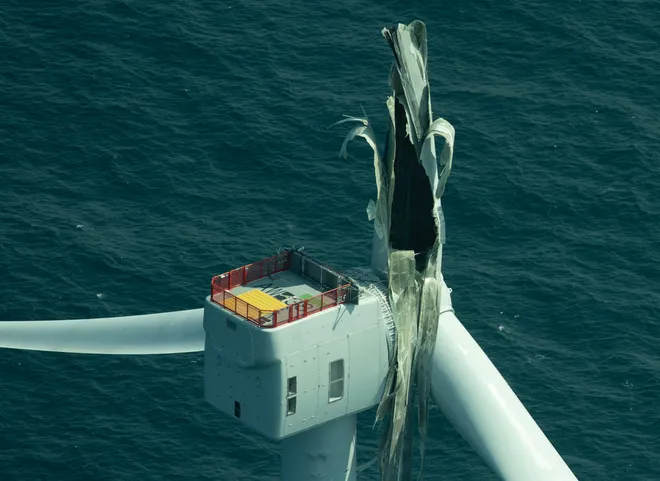
damaged Vineyard Wind turbine – Cape Cod Times photo
Excerpt from p.3 of Vineyard Wind’s suit against GE Renewables (attached):
“As was widely reported in national and local news, in July 2024, one of the GER offshore blades collapsed and fell into the waters off Nantucket, necessitating a massive environmental cleanup, and a six-month construction hiatus during which GER performed a “root cause” analysis. That analysis concluded that 68 of the 72 GER blades installed at the Project (nearly all manufactured by GER in Gaspé, Canada) were also defective because they were inadequately bonded together, and were so poorly made that they were beyond repair. GER’s remediation plan required it to remove all of the blades and to replace all Gaspé blades with others manufactured at a different facility in Cherbourg, France.
Regulatory issues of concern:
Nearly 2 years after the blade failure, all Vineyard Wind (VW) turbine blades have been installed, yet BSEE has still not issued their investigation report. The primary purpose of independent Federal investigations is to prevent recurrences at this or other projects in the US and worldwide. The investigation should assess the extraordinary VW blade defect rate.
DNV was the Certified Verification Agent (CVA) for the VW project, and was thus required to verify the design, fabrication, and installation procedures. When will we hear from them?
BOEM waived the requirement that the Facility Design Report (FDR) and Fabrication and Installation Report (FIR) be “received and offered no objections to” before beginning the fabrication of facilities. They did so to “allow Vineyard Wind to adhere to its construction schedule, maintain its qualification for the Federal Investment Tax Credit, and meet its contractual obligations under the Power Purchase Agreements with Massachusetts distribution companies.” Did BOEM’s commitment to promoting offshore wind and accelerating development influence their regulatory decisions?
Three wind turbines, including one with a damaged blade, at the Vineyard Wind offshore site in November 2024. Credit: Eleonora Bianchi / The New Bedford Light.
New Bedford Light:Vineyard Wind on Wednesday sued its turbine supplier, GE Renewables, in civil court in Boston, alleging GE is breaching its contract and planning to abandon the project by April 28 — during the critical final stage of coming fully online.
According to the complaint, GE filed a termination notice with Vineyard Wind in late February for its contracts to supply wind turbines and service and maintain them, citing more than $300 million in claims unpaid by Vineyard Wind.
If GE exits, Vineyard Wind says, the project “will likely fail, leaving the windfarm stranded.”
Wamsutta Frank James speaking in Plymouth, at the statue of Massasoit.
My wife has native American (Micmac) heritage. Her family has deep respect for the Wampanoag tribe, in part because of their friendship with Aquinnah Wampanoag elder and activist Frank B. (Wamsutta) James.
Frank rescued my father-in-law after a car crash on Cape Cod and was a close friend for the rest of his life. Frank and my father-in-law, who headed the Art Dept. at Barnstable H.S., had common interests in art and history. Frank was also a talented musician, and was my wife’s music teacher at Eastham Elementary School on the Outer Cape.
Frank fought for the rights of Native Americans long before it was fashionable. In 1970, the speech be wrote to commemorate the 350th anniversary of the arrival of the Mayflower was never delivered, because it was deemed to be inflammatory. In his draft remarks, Frank succinctly summarized the tribe’s recent history:
“Although time has drained our culture, and our language is almost extinct, we the Wampanoags still walk the lands of Massachusetts…. Our spirit refuses to die.”
This spirit is evident in their opposition to wind projects that impact their historic and cultural homeland.
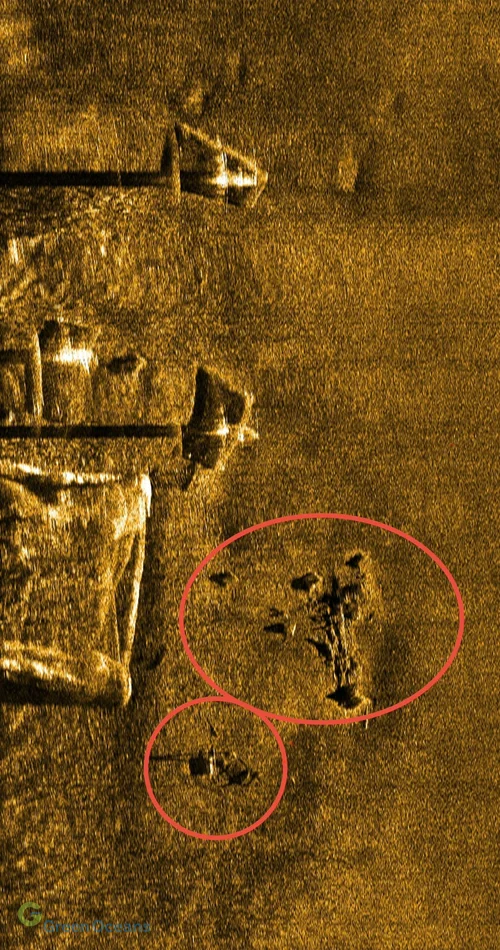
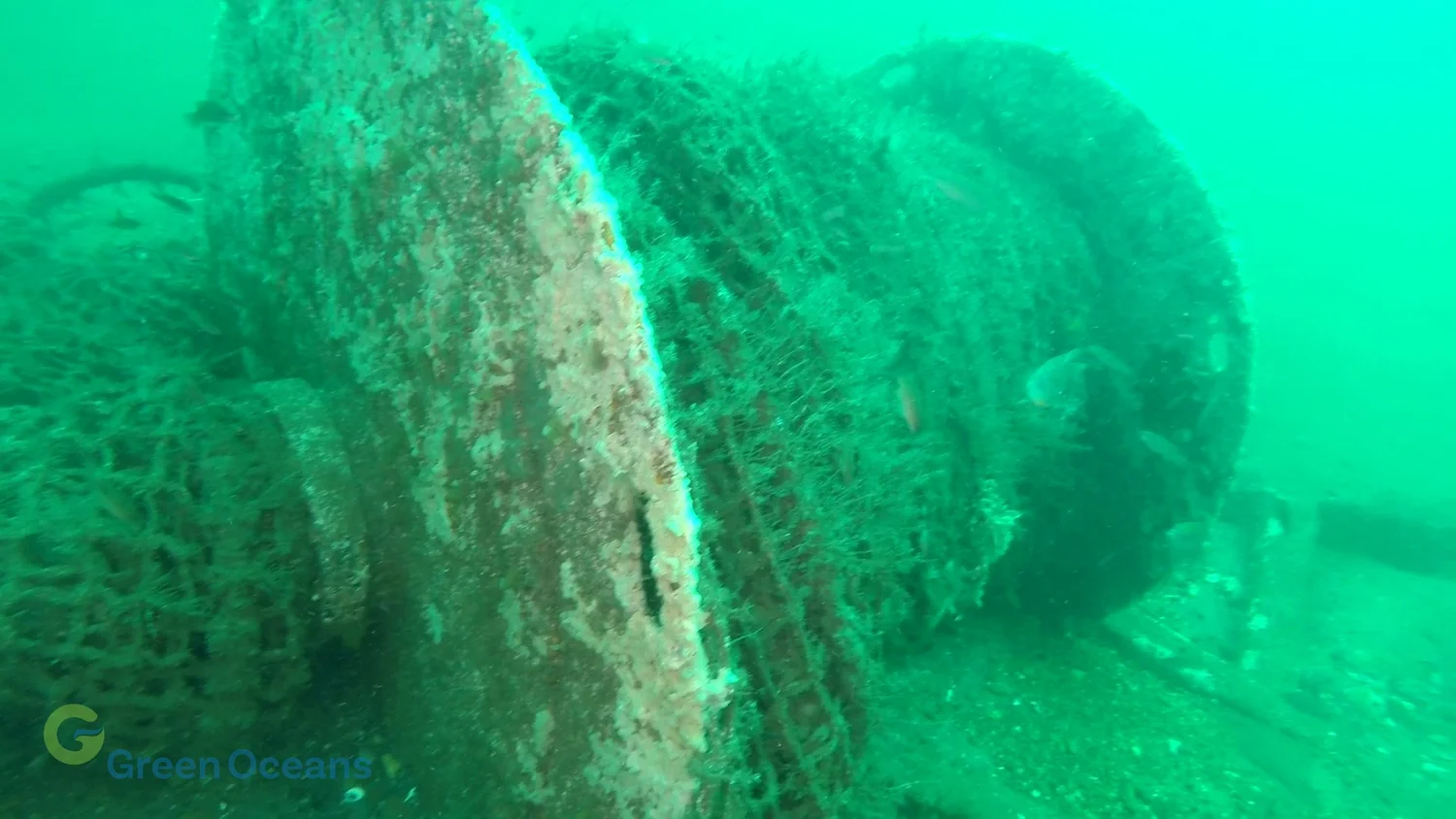
If Frank was alive today, he would no doubt be tirelessly supporting the preservation efforts of the Aquinnah Wampanoag Tribe. Most recently, the tribe joined the Narragansett Tribe, Green Oceans, commercial fishermen, and others in a suit challenging federal approvals for the Sunrise Wind project. Green Ocean’s press release is attached.
TotalEnergies commits to invest approximately $1 billion—the value of its renounced offshore wind leases—in oil and natural gas and LNG production in the United States.
Following their new investment, the United States will reimburse the company dollar-for-dollar, up to the amount they paid in lease purchases for offshore wind.
Specifically, TotalEnergies will invest $928MM, in the following projects in 2026:
The development of Train 1 to 4 of Rio Grande LNG plant in Texas;
The development of upstream conventional oil in Gulf of America and of shale gas production.
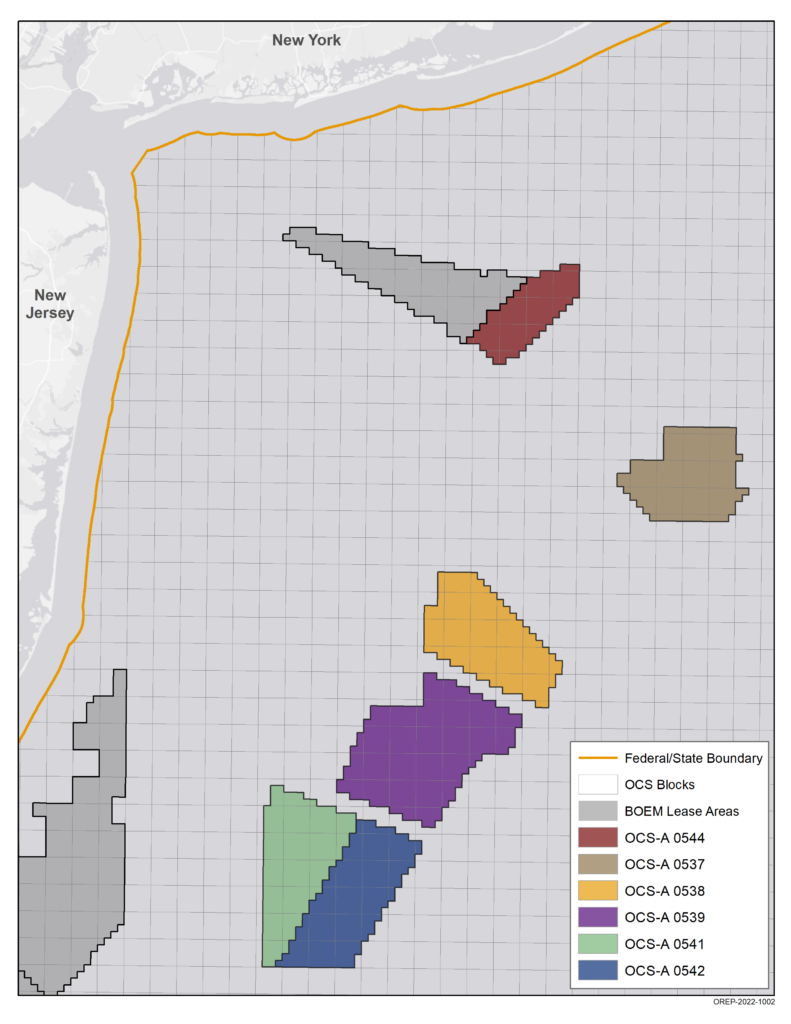
Following theseTotal investments, the U.S. will terminate the following leases and reimburse the company:
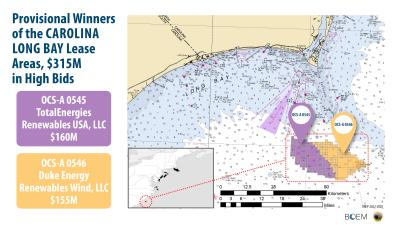
Lease No. OCS-A 0535 (now 0545). The lease is located in Carolina Long Bay area. This lease was fully executed by TotalEnergies Renewables USA, LLC on June 1, 2022, after payment of $133,333,333.
Lease No. OCS-A 0538. The lease is located in the New York Bight area. The lease was fully executed by Attentive Energy, LLC on May 1, 2022, after payment of $795,000,000.
Total pledges not to develop any new offshore wind projects in the United States.
Broken blade at GE wind turbine at Björkvattnet wind farm in Sweden. Alexander Pohl photo posted at Recharge Per Recharge: The first blade break at the wind farm was probably caused by a manufacturing defect, and the second was damaged during installation. According to regional newspaper Jämtlandstidning, local residents were complaining about not getting sufficient information about the third such incident.
“We don’t know what’s happening because we’re not told anything,” Terese Björk, who witnessed the broken blade on Friday, told the newspaper.
The primary purpose of the independent investigation is to prevent recurrences at this or other projects in the US and worldwide. Available data suggest that blade failures are far too common.
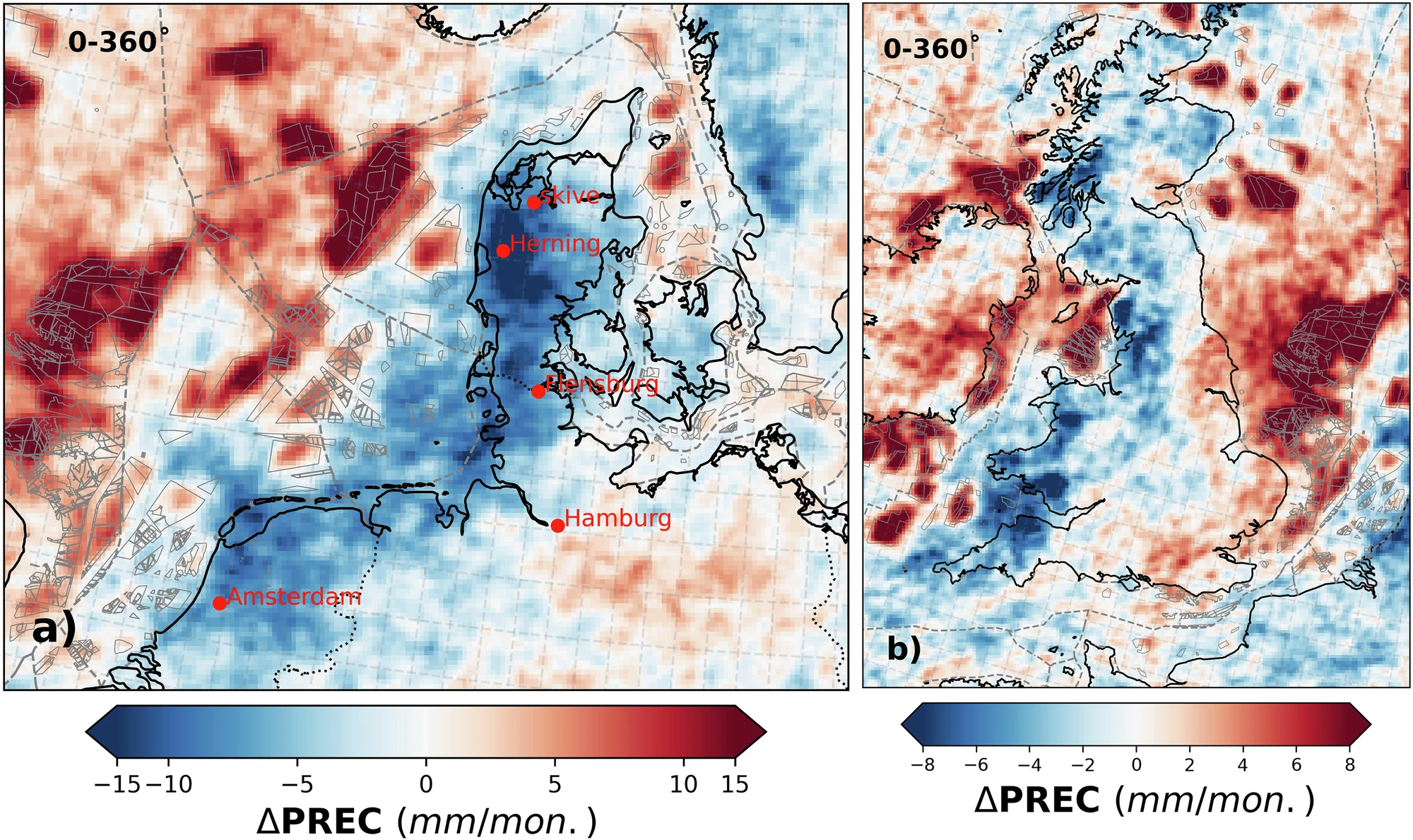
Per PHYS.ORG: Researchers at the Helmholtz Center Hereon have analyzed the long-term overall impact of this large number of wind farms on the hydrodynamics of the North Sea for the first time. They found that the current pattern could change on a large scale.
The peer reviewed German study is attached. Excerpt:
The near- and far-field wake effects affect vertical mixing and surface heat fluxes – primarily driven by large-scale wind stress reductions – leading to shallower mixed layers and long-term surface warming of up to 0.2 deg. C in wind farm areas. Our findings reveal a basin-scale physical footprint of offshore wind energy and highlight the need to account r hydrodynamic impacts in future offshore wind farm planning.
Orsted has a lease contract, and no matter where you stand on offshore wind, you have to have a compelling case to halt a project that is in the advanced stages of development.
The SAS data indicate that the number of wind turbine incidents has risen sharply in recent years (see chart below). The increased number of turbines worldwide, and perhaps better news coverage of incidents, presumably contributed to the sharp increase. Nonetheless, the growing number of incidents is disconcerting, as is the absence of industry and government summaries and reports.
SAS acknowledges that their list, which is dependent on publicly available reports, is merely the “tip of the iceberg.” For example, the list does not include the June 2, 2025, Empire Wind project fatality.
The SAS list does capture the 2008 collapse of the Russell Peterson liftboat, which was collecting data offshore Delaware for a wind project. One worker died and another was rescued. The Coast Guard never issued a report on this tragic incident. Serious questions remain about the positioning of a liftboat in the Mid-Atlantic for several months beginning in March when major storms are likely, the liftboat’s failure mechanisms, the operator’s authority to be conducting this research, and the actions that were taken in preparation for storm conditions.
The Russell Peterson toppled in May 2008 while gathering data for a proposed offshore wind project.