Posted in Uncategorized | 3 Comments »

Next week, BOE will rank the 2025 Gulf of America Safety Compliance Leaders according to the number of incidents of non-compliance (INCs) per facility inspection.
How is your company’s safety culture?

Posted in accidents, Gulf of Mexico, Offshore Energy - General, Regulation | Tagged 2025 safety compliance, fewest violations, Gulf of America, safety culture, safety leaders, top operating companies | Leave a Comment »
Excerpt from the Quaise video:
As we descend into hotter, deeper tiers, the process shifts from pressure-driven to density-driven stimulation. With larger density contrasts between the injected water and pore fluid in the rocks, density takes the lead. The deeper we go, fracturing becomes easier, not more challenging, and reduces the need for massive pumping fleets.
It all results in a superhot subterranean network sweeping away 10-100x more heat than all other forms of geothermal. We are sending water coursing through engineered permeability, harnessing Earth’s most abundant energy and powering the next century of global innovation.
Supercritical fluid dynamics are thus the key to superhot geothermal completions. Water above and 22 mega pascals (3191 psi) enters a supercritical state with liquid-like density and gas-like viscosity. The water that is injected into a hot, supercritical reservoir is thus much denser than the surrounding superhot fluid. The injection of relatively cool water into superhot rock creates and widens fractures increasing permeability without increased pumping pressure.

Posted in energy | Tagged fractures, permeability, Quaise Energy, super hot geothermal, supercritical water, well completions | Leave a Comment »
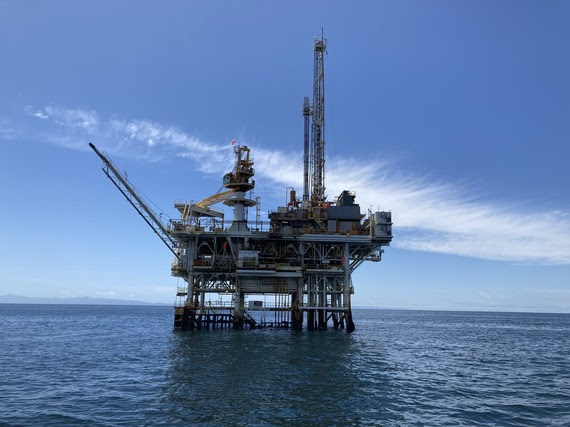
John Smith informs us that the California State Lands Commission (CSLC) is moving forward with the environmental review for decommissioning Platform Holly. This would be the first platform decommissioning project offshore California since the 1996 Chevron 4-H project which involved the removal of Platforms Hope, Heidi, Hilda and Hazel in state waters.
John comments that the project description, which calls for removing the jacket, seep tents and pipelines, and partially removing the upper 5 feet of the 23-foot-high shell mounds, does not make much sense given the abundant fish and invertebrates that reside on or around the platform jacket. Cutting the jacket off 85 feet below the water line and converting the remaining structure to an artificial reef would make more sense and should have been designated the proposed project.
The plan is to send the materials to the Ports of Long Beach, Los Angeles or Hueneme or possibly Ensenada, Mexico. The project involves complex logistics and is going to be a very long (3 years), ambitious and expensive project that will likely set a precedent for future platform decommissioning projects.
It’s noteworthy that Platform Holly’s oil and gas production effectively reduced natural seepage and methane emissions from shallow formations beneath the Channel. Holly was thus a “net negative” hydrocarbon polluter.
According to their agreement with the CSLC, Exxon is responsible for the decommissioning costs.

Posted in California, decommissioning, rigs-to-reefs | Tagged California State Lands Commission, decommissioning, Exxon, full removal, natural seeps, negative polluter, Platform Holly, Santa Barbara Channel, underwater oasis | Leave a Comment »

A research vessel departed Trinidad last weekend bound for Jamaica to conduct seabed surveys, starting this week, aimed at confirming whether oil-like substances detected beneath the island’s waters are commercially viable crude.
“This survey represents a key milestone in advancing our Jamaica exploration programme,” said Brian Larkin, CEO of United Oil & Gas.
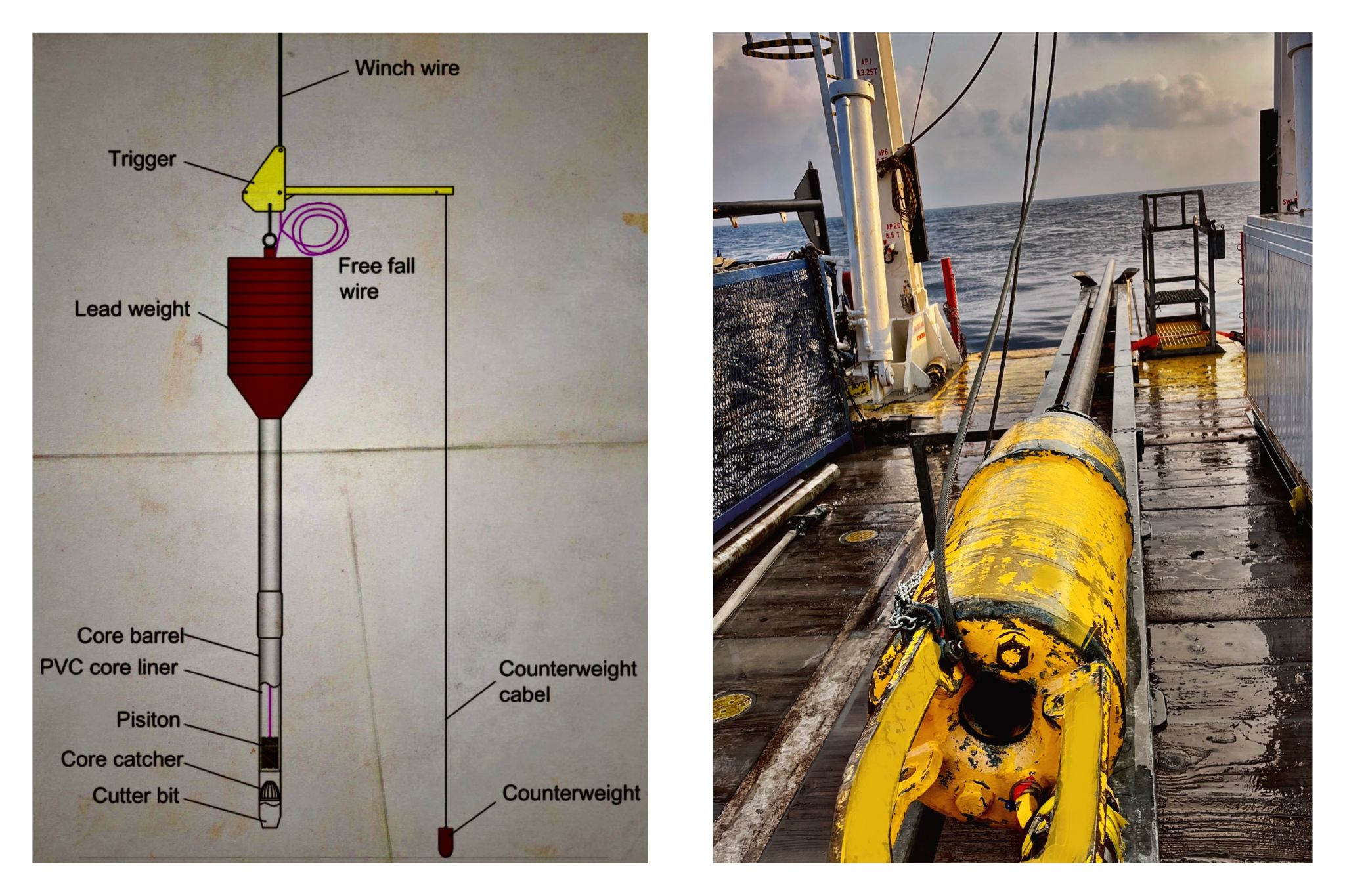
The piston coring survey will involve the collection of 40–60 seabed core samples across the Walton and Morant Basins, accompanied by bathymetric, multibeam echo-sounding, and heat-flow surveys.
The data will be analyzed for geochemical and thermal signatures to confirm the presence of thermogenic hydrocarbons, assess source rock maturity, and refine basin modeling, materially enhancing the definition of key prospects, including Colibri and Oriole.
Posted in drilling, Jamaica, Offshore Energy - General | Tagged Jamaica, piston coring, United Oil and Gas, Walton Morant License | Leave a Comment »

The State has asked the 9th Circuit Court of Appeals to set aside these three PHMSA orders:
- PHMSA order to assume exclusive jurisdiction over the Los Flores Canyon pipelines
- PHMSA order approving the restart plan for those pipelines
- PHMSA order issuance of an Emergency Special Permit to Sable Offshore
In light of the venue and the clear language in the 2015 Consent Decree regarding the California Fire Marshal’s jurisdiction, the State’s petition would seem to have a good chance of success.
Posted in California, pipelines, Regulation | Tagged 9th circuit, Attorney General, California, consent decree, Los Flores pipelines, PHMSA, Sable Offshore | Leave a Comment »
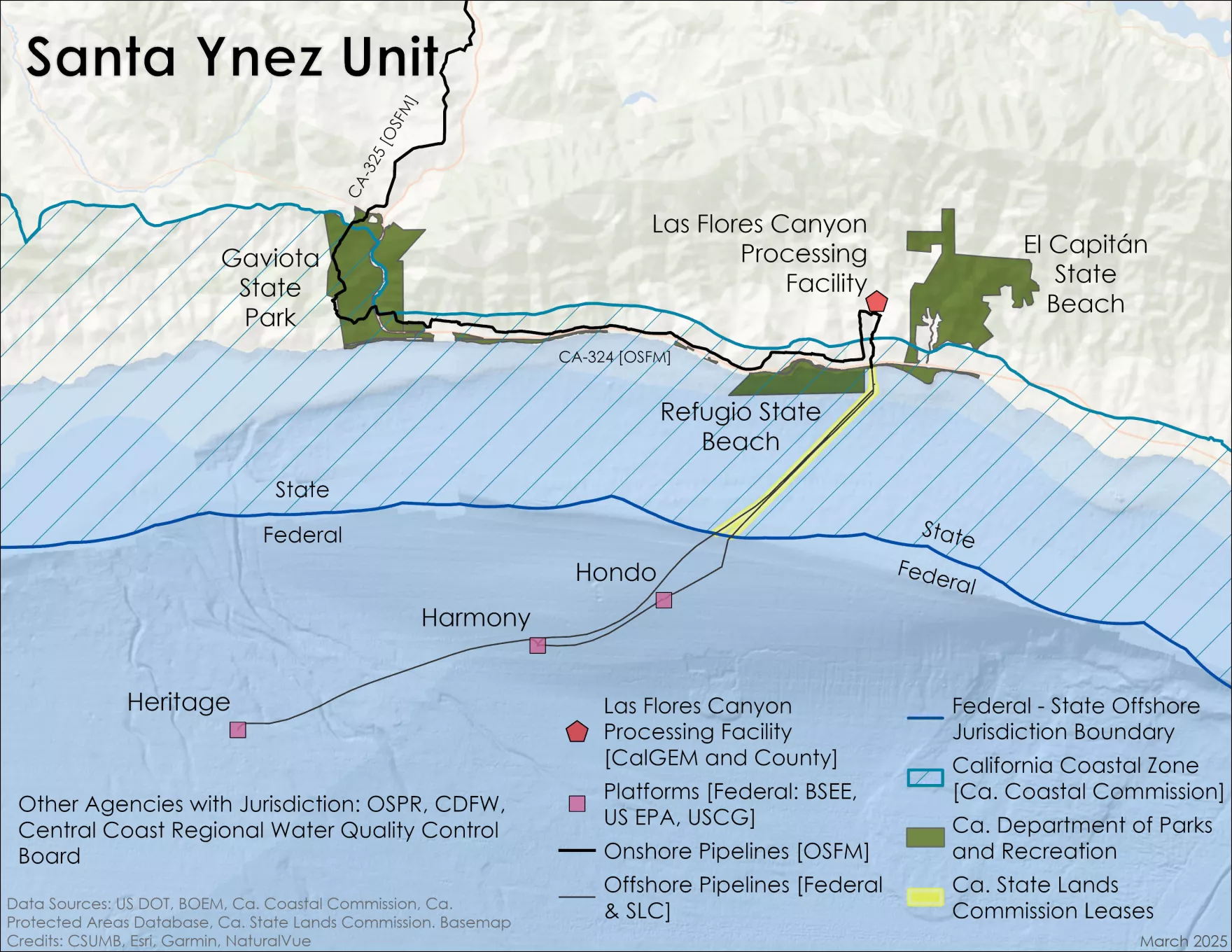
Updated Hunterbrook Media summary of Sable’s prospects for restarting Santa Ynez Unit production:
“Exxon spinoff Sable Offshore faces seven barriers to restart its pipeline, idled since a major oil spill in 2015. One of those approvals needs to come from the California Coastal Commission, which Sable CEO Jim Flores criticized for its “Teflon” “eco-Nazi attitude” in a leaked call recording newly obtained by Hunterbrook. Because of these barriers — and despite Trump Administration intervention — Sable’s project, originally scheduled to go online in Jan 2024, may never sell oil. At least not under the ownership of Sable ($SOC), which is quickly running out of cash.“
Exxon’s options per Hunterbrook:
The Exxon purchase agreement gives Exxon a free reassignment option: If Sable fails to “restart production” by Mar. 31, Exxon can demand reassignment of the assets within 180 days, “without reimbursement of any Purchaser costs or expenditures.”
In other words: Exxon can just take back the asset. For free.
And if Sable’s regulatory pathway is really just delayed, not denied — as Sable claims — that may be a more appealing proposition for Exxon than it once was.
Or, perhaps, Exxon will decide to retire the project, recognizing the Sisyphean path to production. (Exxon already took a $2.5 billion write-down as part of exiting offshore operations in California.)
Posted in California, energy policy, Offshore Energy - General, Regulation | Tagged Exxon Hoover, Hunterbrook, pipeline, production restart, Sable Offshore, Santa Ynez Unit | Leave a Comment »
Posted in accidents, Alaska | Tagged Alaska, Doyon 26, largest, North Slope, rig topples | Leave a Comment »
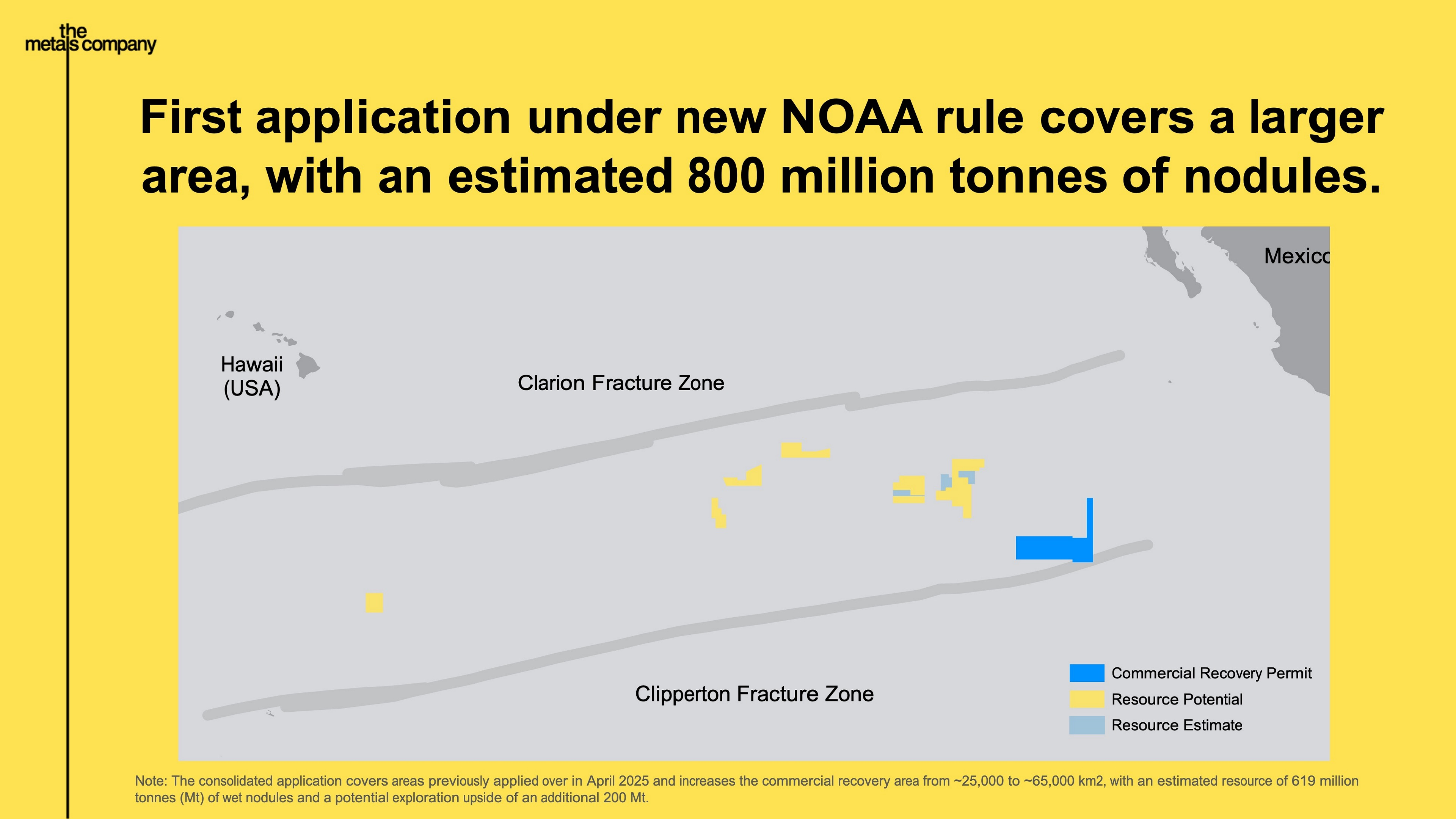
The Metals Company has filed the first consolidated application for an exploration license and commercial recovery permit under NOAA’s new regulations.
Posted in Regulation, energy policy, deep sea mining | Tagged deepsea minerals, DSHMRA, first application, NOAA, The Metals Company, TMC | Leave a Comment »
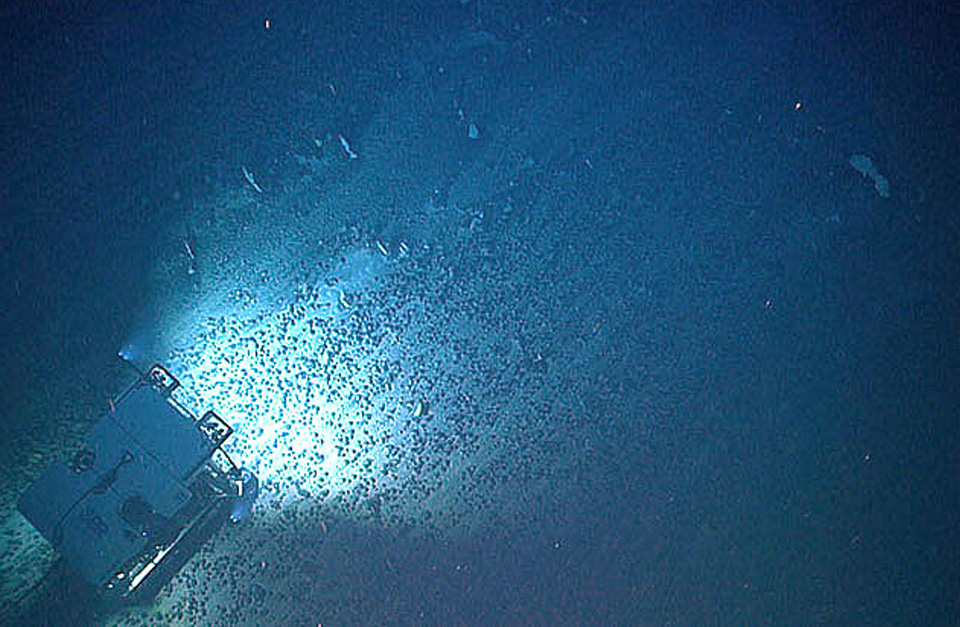
Links to final rule and post about the draft rule
“The objective of this rule is to provide the option for a consolidated application streamlining the process for qualified applicants.”
Reflecting on advances in environmental science, seafloor mapping, and offshore mineral-collection technologies, the revised rule allows qualified companies that gather the necessary site information to proceed to the collection phase. Deepsea mining is now more closely aligned with offshore oil and gas in that companies acquiring licenses are able to proceed to production after regulatory approvals.
The preamble nicely summarizes the opposition to the rule for environmental and jurisdictional reasons:
“General opposition to deep seabed mining was expressed for a variety of stated reasons, including, but not limited to the following assertions: effects on the environment; effects on seabed habitat and to marine species including undiscovered species especially in the Clarion-Clipperton Fracture Zone; harm to cultural resources and Pacific Islander livelihoods and beliefs; inadequate scientific research and information; inadequate resource protection measures and regulations; uncertainties regarding environmental impacts and a nascent industry; significant technical challenges to deep seabed mining; opposition to deep seabed mining from many U.S. states, countries, and global companies; that deep seabed mining is contrary to international agreements and efforts; the need for moratoria; that deep seabed minerals are not needed to meet U.S. demand for critical minerals and domestic sources and recycling of such minerals should be used instead; the U.S. needs to focus on building domestic refineries; using renewable and alternative resources rather than deep-sea minerals; and jeopardizing vital carbon sinks.”
“Commenters stated that acting unilaterally on deep seabed mining undermines the ISA (International Seabed Authority) process, international norms, global stability, and the rule of law, and that it could result in harm to protected areas, such as Areas of Particular Environmental Interest designated by the ISA.”
Posted in deep sea mining, energy policy, Regulation | Tagged consolidated licensing, deepsea minerals, DSHMRA, environmental issues, final rule, jurisdictional issues, NOAA, step forward | Leave a Comment »
“The Santa Barbara Channel has been dubbed the Galápagos of North America” ~ Maggie Hall, Environmental Defense Center attorney. (comments: 1. clever branding ala calling ANWR “America’s Serengeti!;” 2. no natural oil seeps in the Galapagos Islands; 3. 130 years of oil production history in the Channel)
Sable opponents organize entertaining rallies featuring famous celebrities:

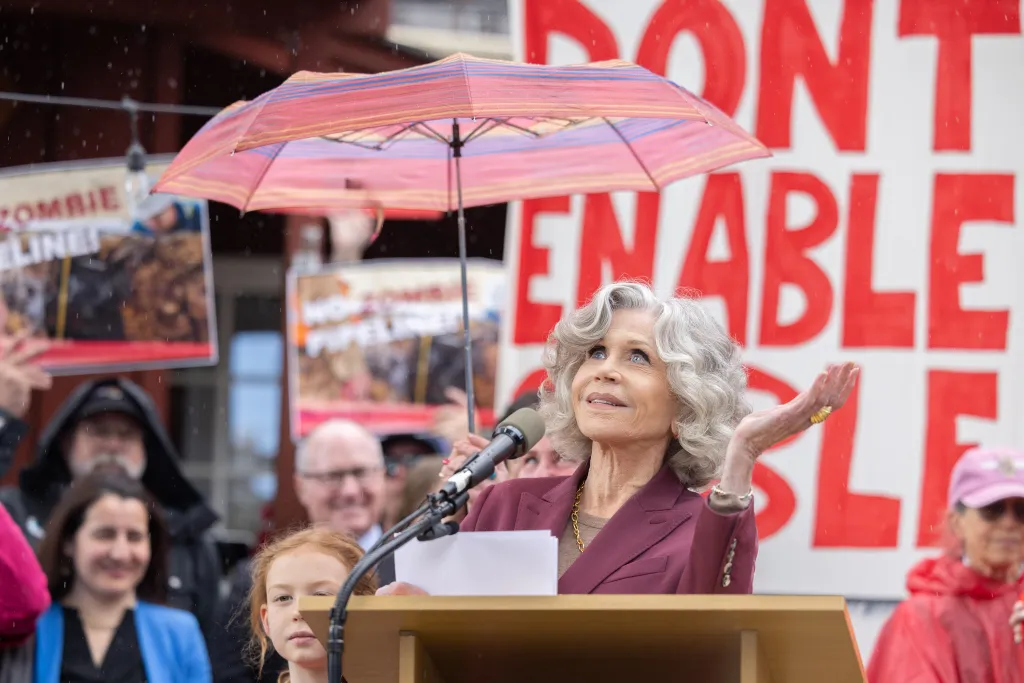
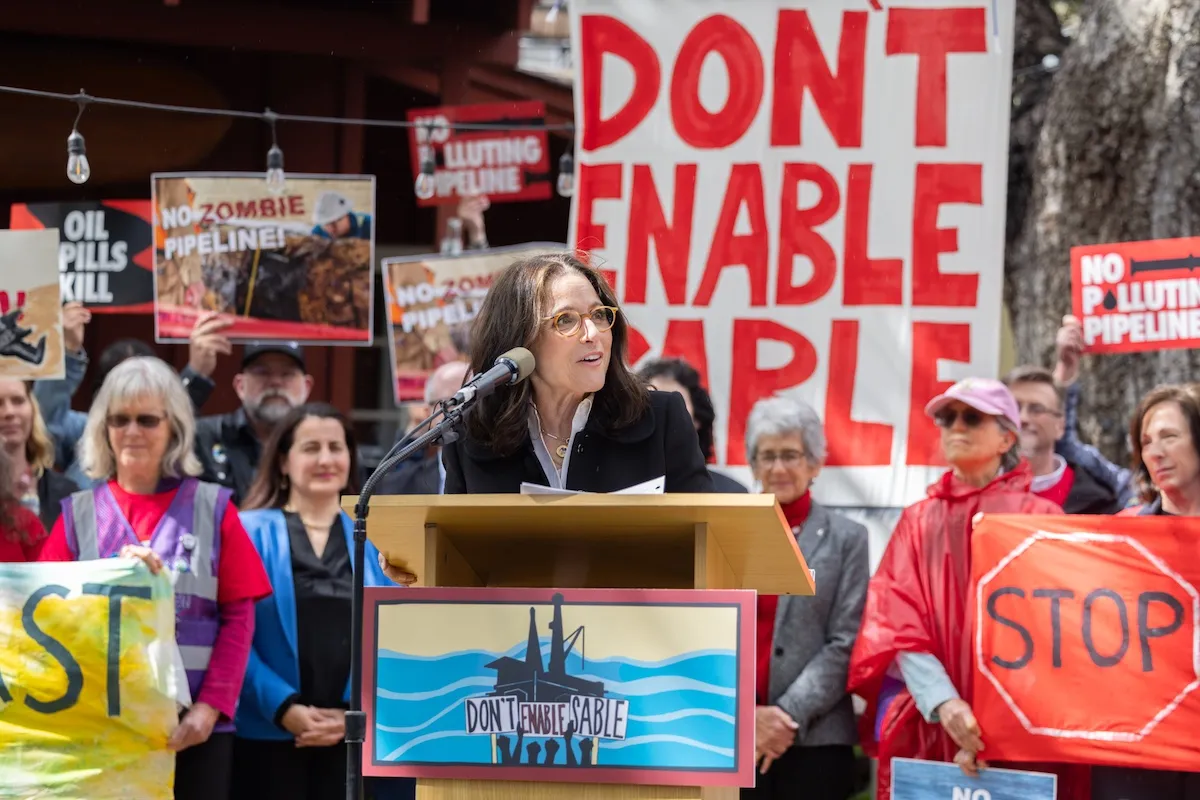

Meanwhile, Sable has some starpower of its own with strong public support from golfer Phil Mickelson.
Senior Federal officials and key agencies are outspoken Sable supporters:
“Only in California! Newsom is blocking oil production off California’s coast from reaching their own refineries, driving gasoline prices even higher for Californians! Now, this oil production will have to be shipped elsewhere, lowering gas prices for other areas— just not for California! This is the opposite of common sense!” ~ Energy Secretary Chris Wright
BSEE declared victory 6 months ago: “This is a significant achievement for the Interior Department and aligns with the Administration’s Energy Dominance initiative, as it successfully resumed production in just five months.”
on December 23, 2025, the Pipeline and Hazardous Material Safety Administration (PHMSA) declared jurisdiction over and issued an emergency special permit for the Santa Ynez Pipeline System.
Perhaps most entertaining are the exchanges on X between Sable bulls and short-sellers. A few examples are embedded below:
Posted in California, energy policy, Offshore Energy - General, Regulation | Tagged BSEE, Chris Wright, Jane Fonda, Julia-Louis Dreyfus, Phil Mickelson, PHMSA, Sable Offshore, Santa Barbara Channel, Santa Ynez Unit, Ted Danson | Leave a Comment »
 Bud's Offshore Energy (BOE)