Posts Tagged ‘Gulf of America’
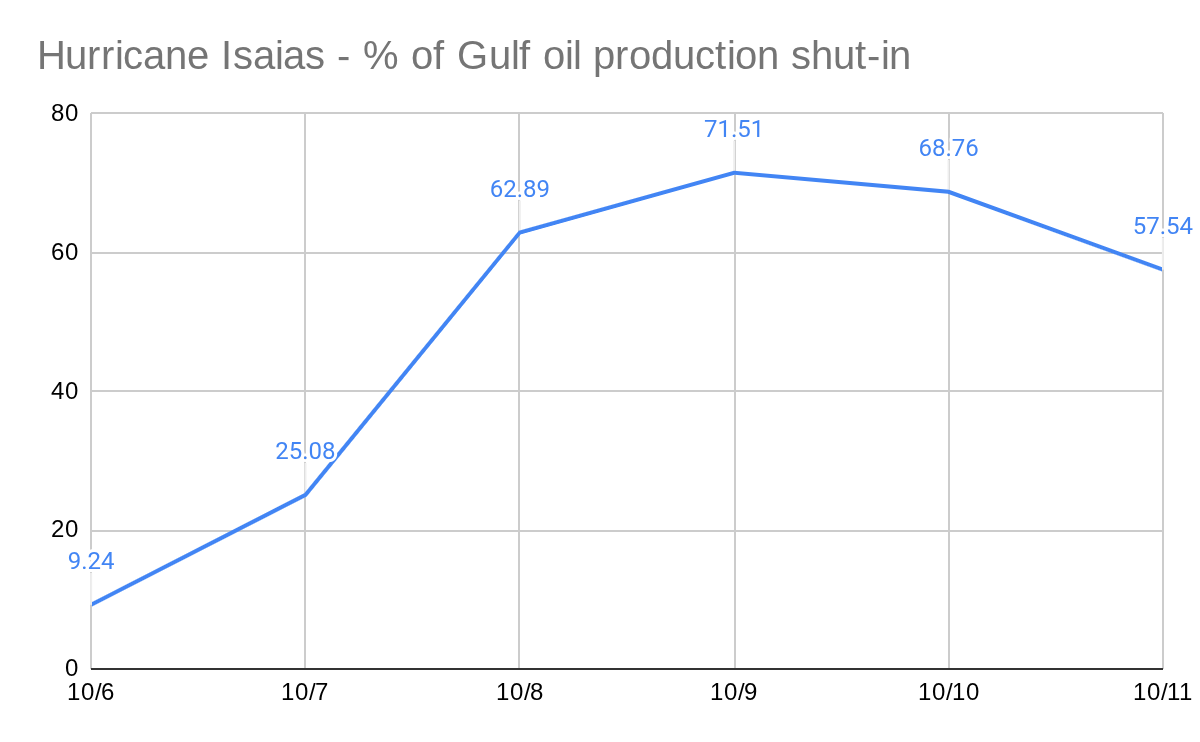
Hurricane Isaias: Some production restored
Posted in Gulf of Mexico, hurricanes, Offshore Energy - General, tagged Gulf of America, Hurricane Isaias, production shut-in on October 11, 2026| Leave a Comment »
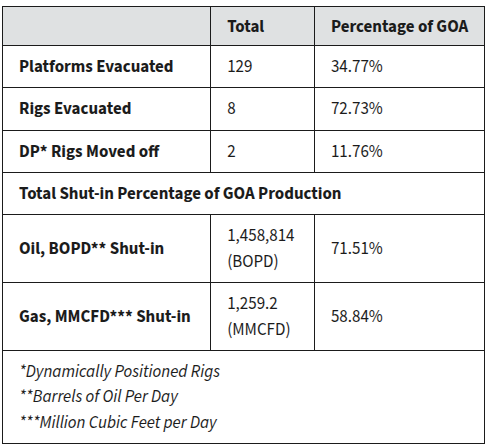
Hurricane Isaias – 1.46 million bopd, 71.5% of Gulf production, shut-in
Posted in Gulf of Mexico, hurricanes, Offshore Energy - General, tagged Gulf of America, Hurricane Isaias, MMA, production shut-in on October 9, 2026| Leave a Comment »
Lease Sale BBG4 – 3/10/2027
Posted in energy policy, Gulf of Mexico, Offshore Energy - General, tagged Notice of Sale, Gulf of America, sale terms, Lease Sale BBG4 on October 9, 2026| Leave a Comment »
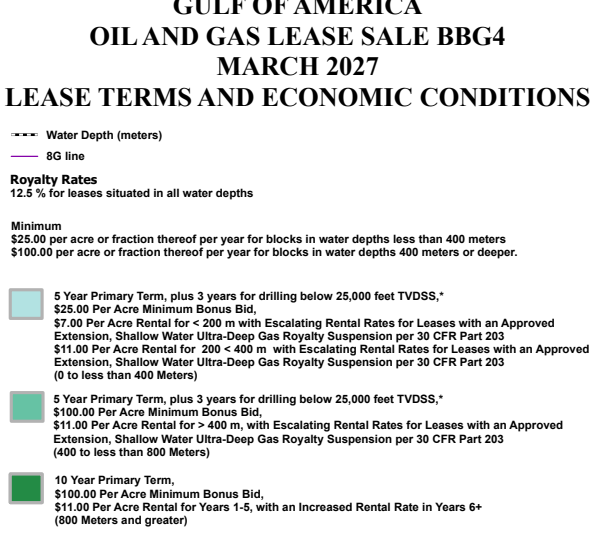
The proposed Sale Notice is attached. The terms, summarized below, are the same as for the other BBG sales. See the sale map for the blocks that correspond with with the legend categories.
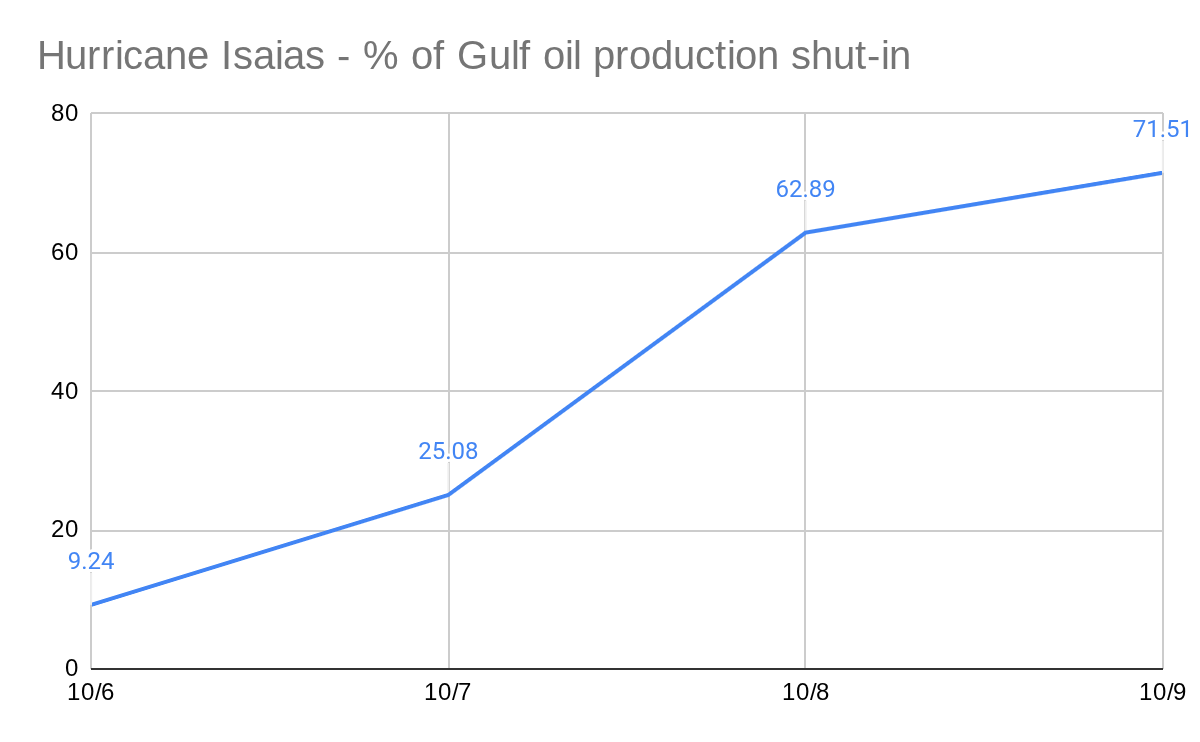
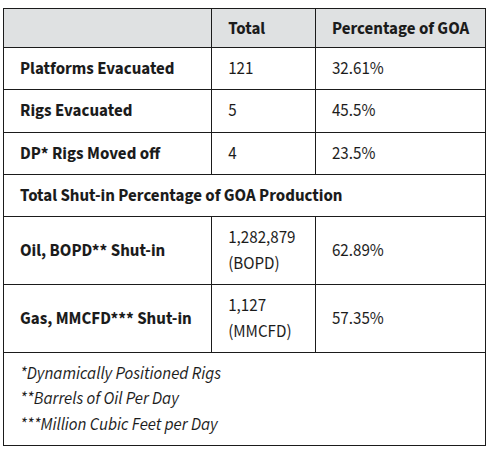
Hurricane Isaias – 63% of Gulf oil production is now shut-in
Posted in Gulf of Mexico, hurricanes, Offshore Energy - General, tagged deepwater production, Gulf of America, Hurricane Isaias, oil production on October 8, 2026| Leave a Comment »
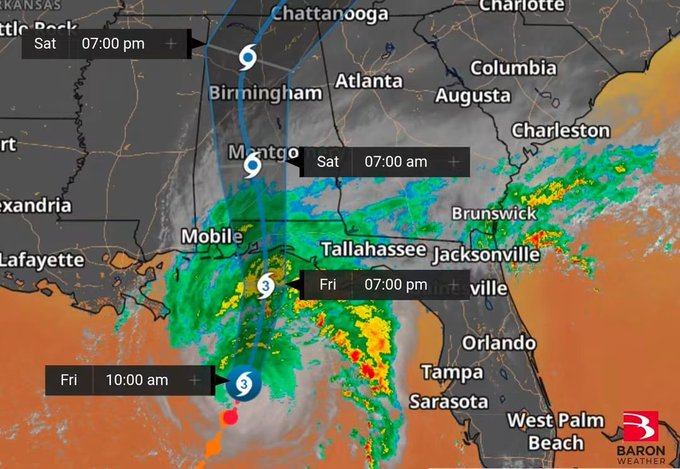
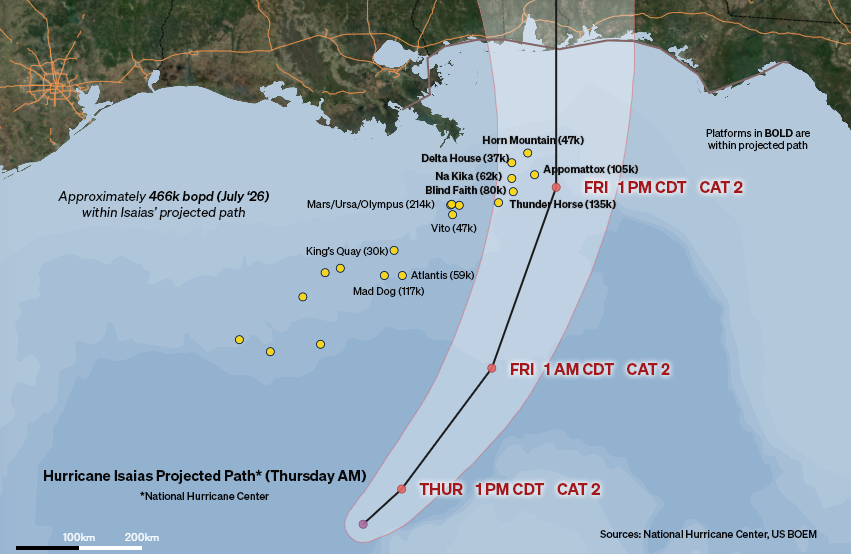
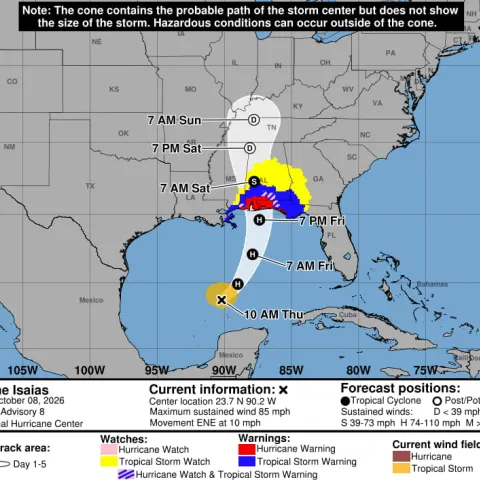
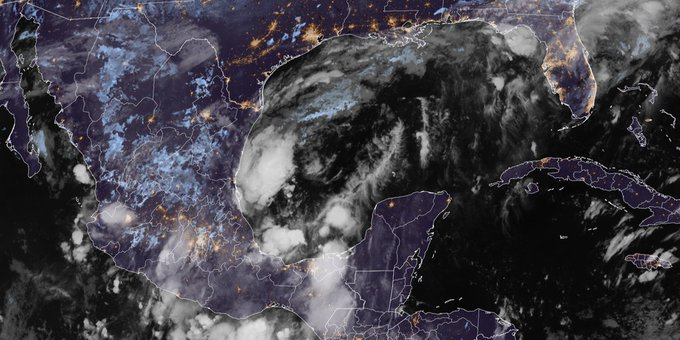
Per MMA, nearly 1.3 million barels/day of Gulf of America oil production was shut-in as of noon ET today. Given that ~95% of Gulf production is from deepwater facilities, the high shut-in volume and the storm track (map below) tell us that major deepwater platforms in the eastern areas of the Gulf are shut-in. It’s also apparent that operators are prudently shutting in platforms well outside the projected hurricane track.
MMA reports some production has been shut-in as a result of Tropical Depression Invest 92L
Posted in Gulf of Mexico, hurricanes, Offshore Energy - General, tagged Gulf of America, Invest 92L, production shut-in, tropical storm on October 6, 2026| Leave a Comment »
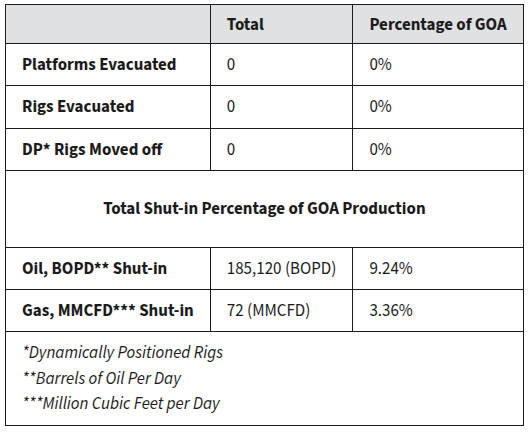
MMA estimates that approximately 9.24% of current Gulf of America oil production and 3.36% of natural gas production were shut-in as of 1130 CT today. No personnel had been evacuated.
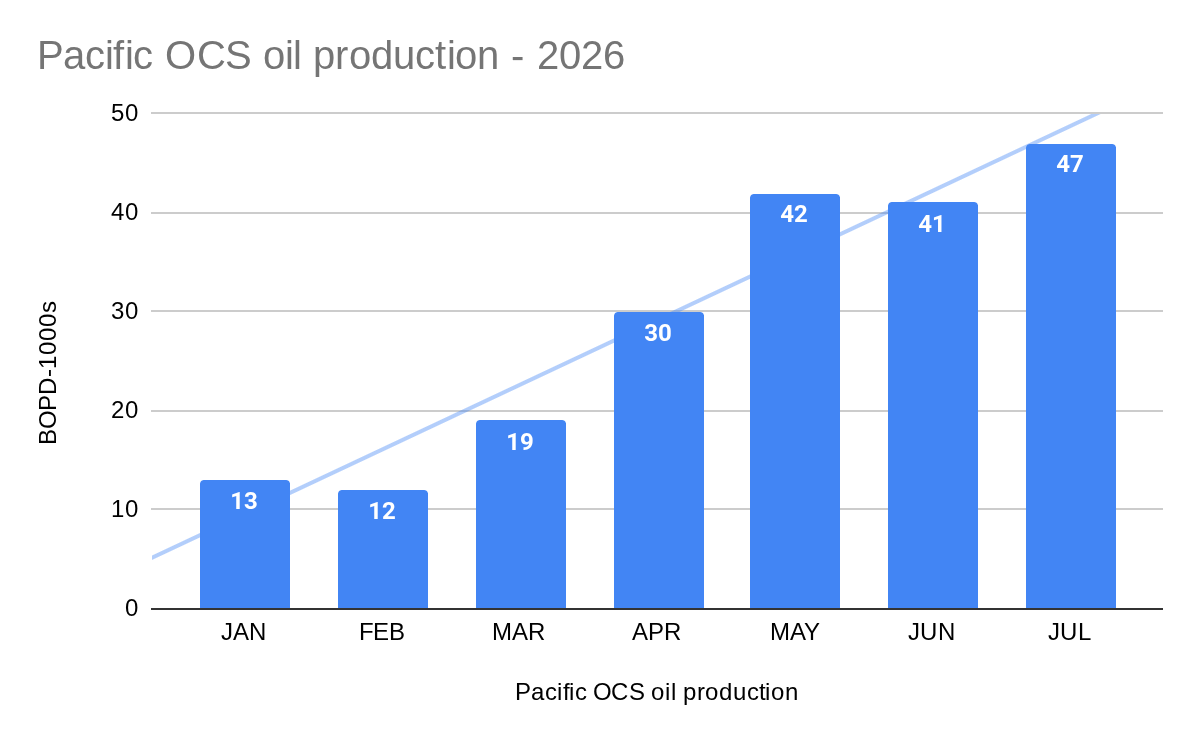
Another Gulf oil production record in 2026? Sable restart continues to raise Pacific production.
Posted in Offshore Energy - General, California, Gulf of Mexico, tagged EIA, Gulf of America, offshore oil, Pacific, production on October 1, 2026| 3 Comments »
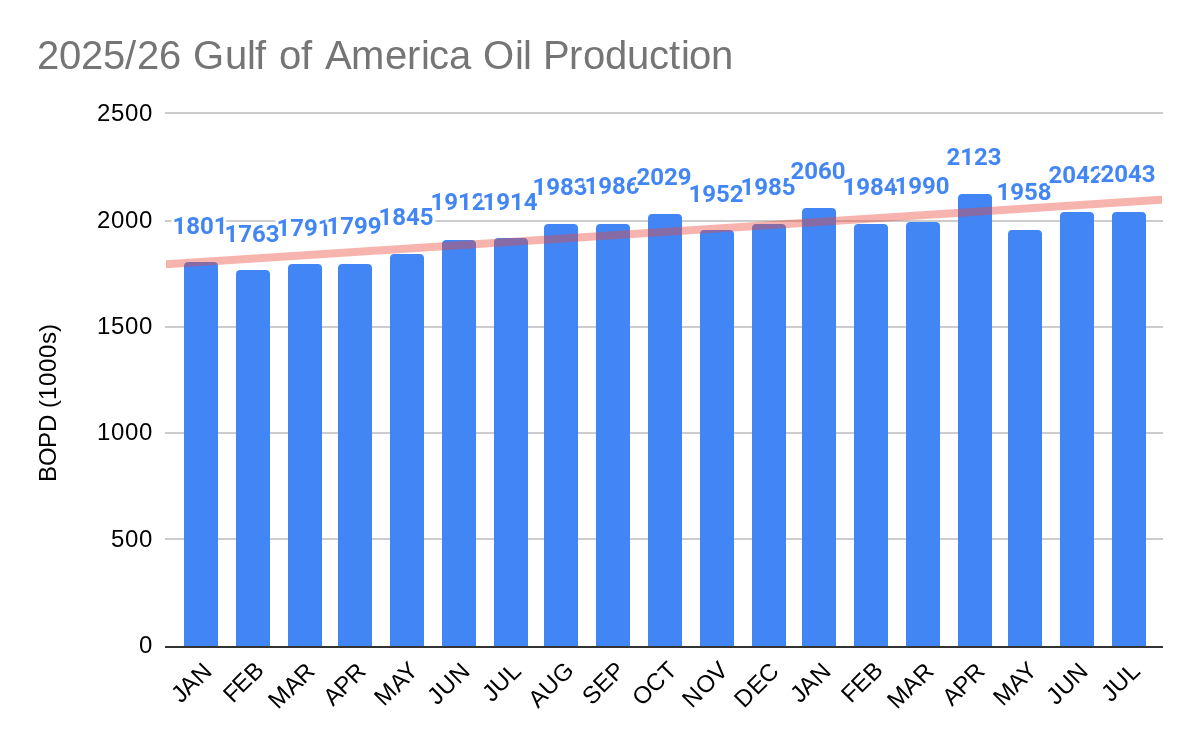
2025 was a record production year for the Gulf. Assuming the continued absence of tropical storms, 2026 will likely surpass 2025.
The EIA’s Gulf production revisions have been more significant in recent months. For example, May production was increased by 48,000 bopd over the past 2 months. Yesterday’s report increased June production by 44,000 bopd.
More importantly, the EIA and official ONRR production totals for 2025 are now aligned! Is the EIA reading this blog? 😉
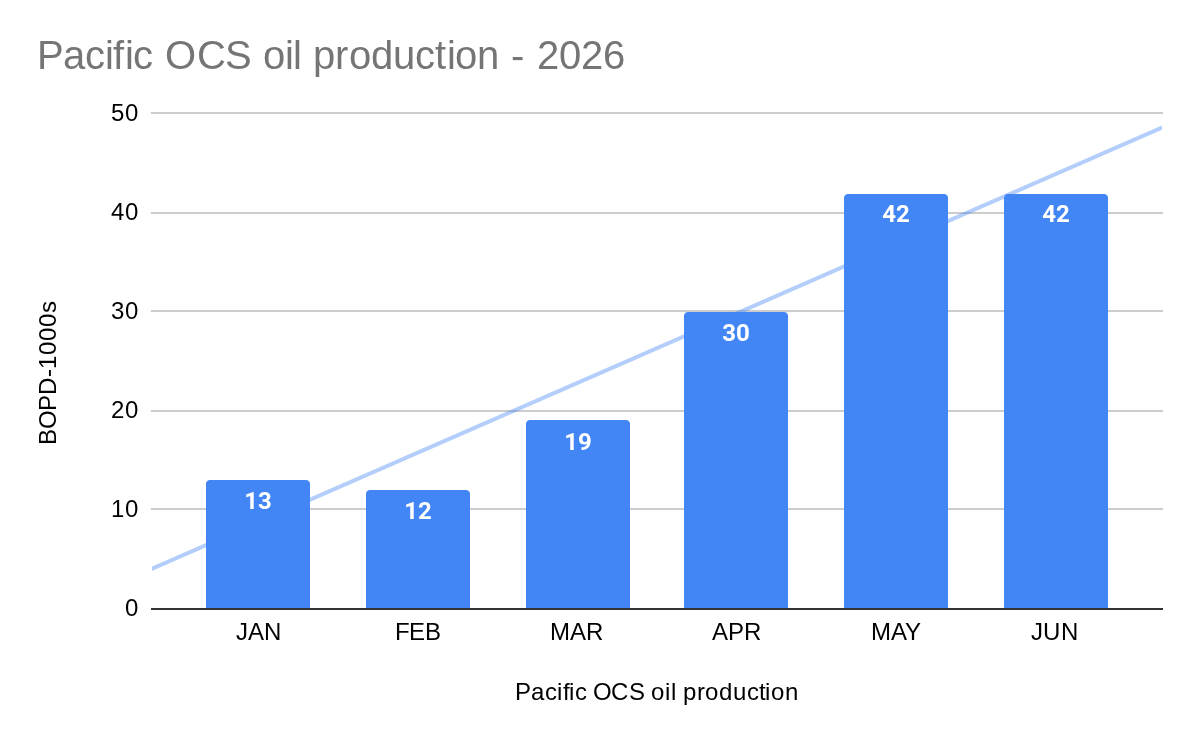
The July production bump in the Pacific was slightly less than expected. Given that Sable reported July production of 38,000 bopd and the production estimate for the other platforms is ~12,000 bopd, a total of 50,000+ bopd was expected.
Gulf of America – gas production minnow
Posted in natural gas, Offshore Energy - General, energy policy, tagged Gulf of America, Marcellus, minnow, natural gas, production, production by state on September 22, 2026| Leave a Comment »
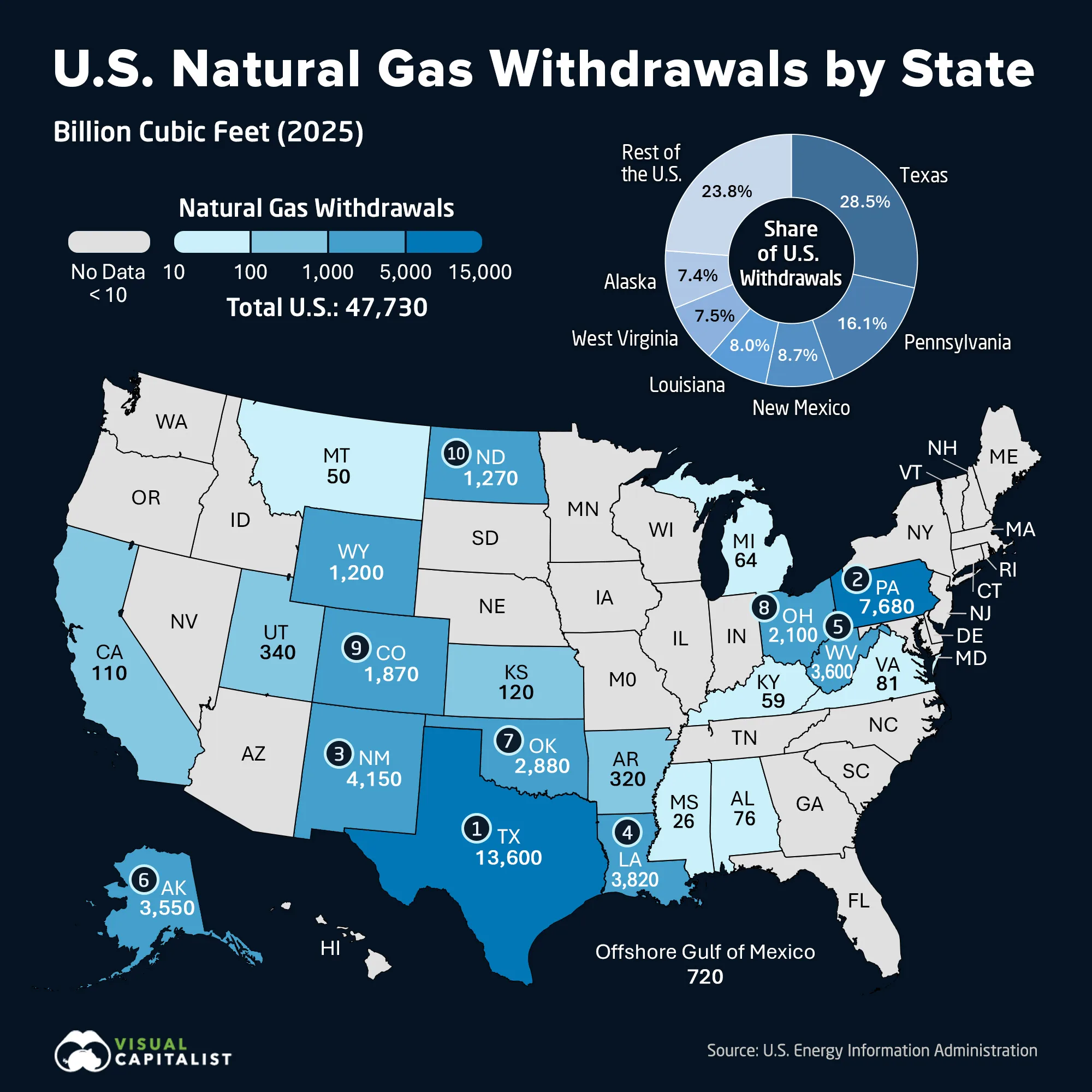
2025 Gulf of America gas production as compared to:
- total US production – 1.5%
- TX – 5.3%
- PA – 9.4%
- NM – 17.3%
- LA – 18.8%
- WV – 20%
- AK – 20.3%
Gas production in OK, OH, CO, ND, and WY also exceeded Gulf production.
NY gas production would also be far > than Gulf production, if companies were allowed to access natural gas in the Marcellus and Utica shale formations.
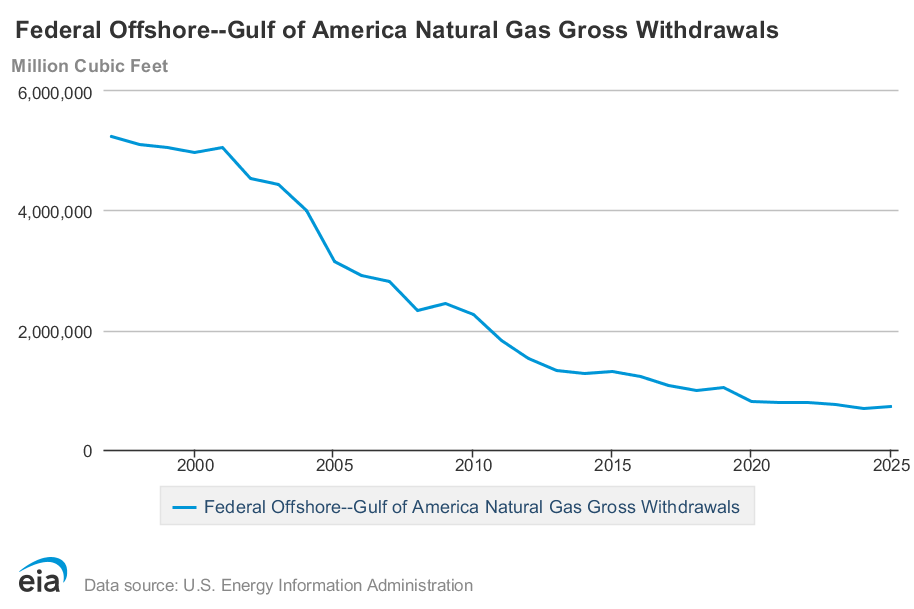
Total US gas withdrawals have doubled from 30 years ago when the Gulf accounted for >20% of the US total. Gulf production declined by 87% in that timeframe.
“All-in” on the Shelf!
Posted in Offshore Energy - General, drilling, Gulf of Mexico, energy policy, tagged Arena Energy, Cantium, Gulf of America, jackup rig, shelf, White Fleet Drilling on September 10, 2026| Leave a Comment »
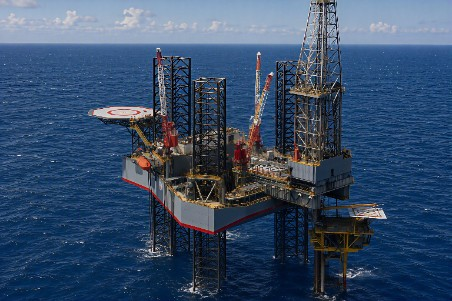
Arena Energy CEO Mike Minarovic: “We are ‘all in’ on the future of the shallow water Gulf of America. The Shelf still holds vast potential, and the WFD 450 gives Arena the reach to unlock proved reserves that no other rig in the Gulf could access.”
The WFD 450 drilling rig, the deepest water depth rated jack-up operating in the Gulf, is conducting a multi-well drilling program for Arena following a $65 million refurbishment program.
Built in 1999 and formerly operated by Valaris, the rig was cold-stacked in the Gulf for seven years prior to White Fleet’s acquisition. The upgraded rig was christened on January 9, 2026, and began drilling operations in late March.
The WFD 450 can drill in water depths up to 400 feet and to total depths of 30,000 feet — capabilities that give Arena access to resources previously beyond the reach of the Gulf’s rig fleet. That reach is expected to unlock significant new production from proved reserves that had remained undeveloped due to equipment constraints.
The Borehole File indicates that Arena has drilled 4 development wells in Eugene Island Area Blocks 315 (231′ water depth) and 325 (252′ water depth) since the rig’s March restart. Two of those wells were completed for production.
Arena has also completed 3 wells in shallower water (138′) in the Main Pass area in 2026.
Cantium, the other active shelf operator, has completed 5 wells this year in very shallow water (50-58′). No other company has conducted drilling operations on the shelf this year.
Arena produced 8,266,036 bbls of oil and 21,079,794 Mcf of gas in 2025, making the company the number one shelf producer of both commodities.
Cantium produced 5,444,651 bbls of oil and 6,716,670 Mcf of gas in 2025.
EIA raises the Gulf’s all-time monthly production record (April 2026) to 2.123 million bopd! Sable effect evident in the Pacific.
Posted in Offshore Energy - General, California, Gulf of Mexico, tagged California, data delay, EIA, Gulf of America, offshore production, record Gulf production, Sable Offshore, Santa Ynez Unit on September 3, 2026| Leave a Comment »
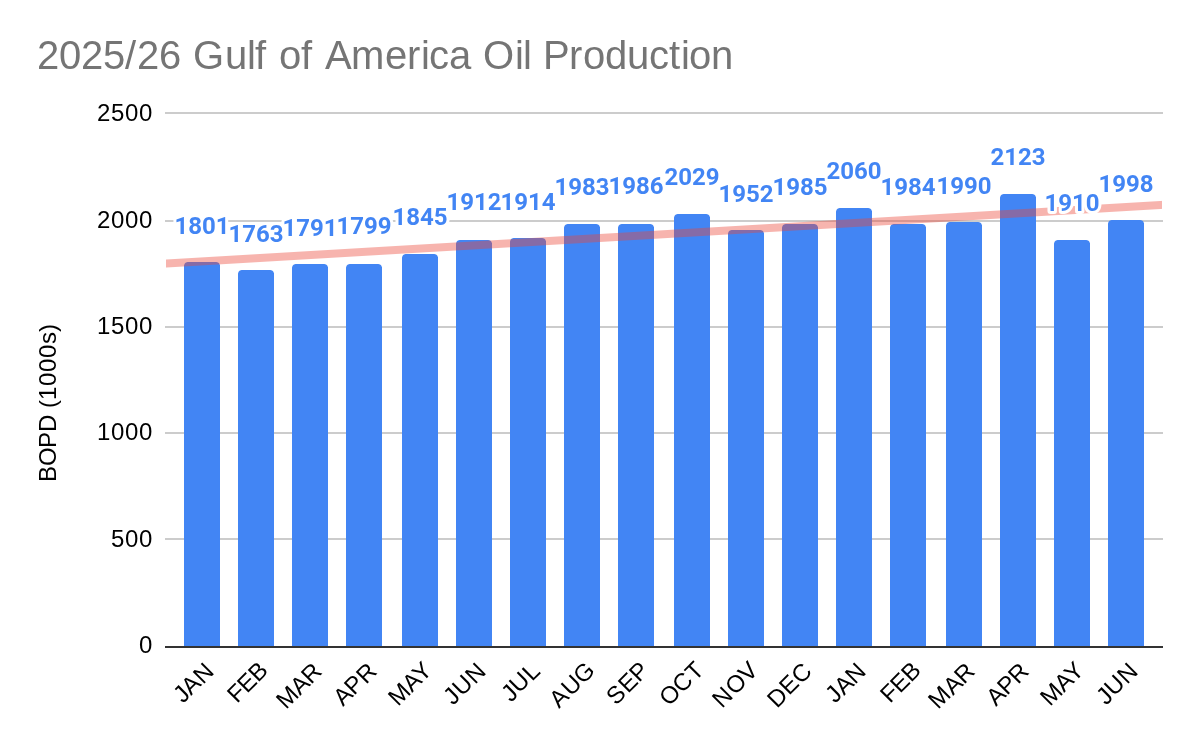
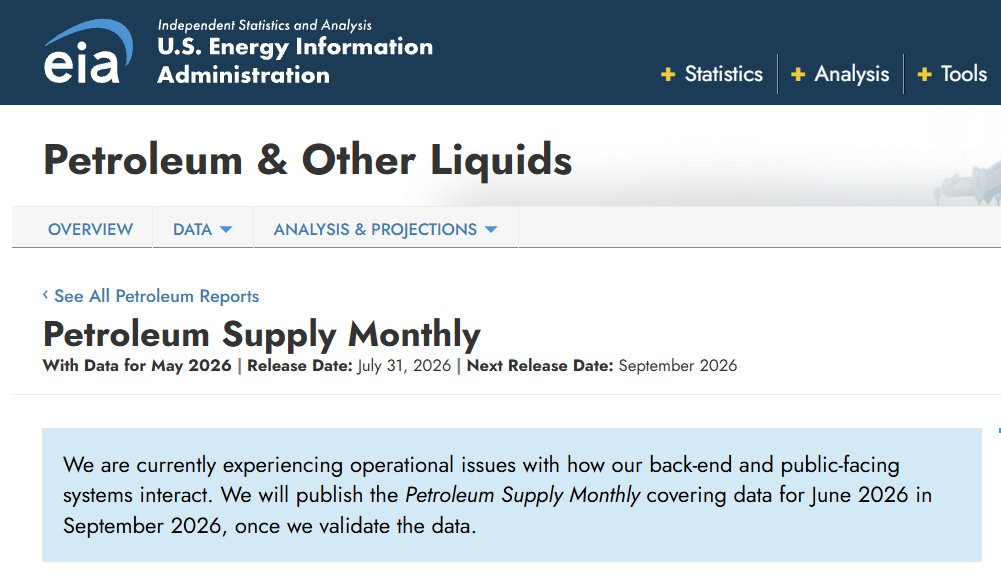
Raising the bar! The EIA’s August data release (delayed until 9/2) upped the Gulf’s all-time monthly production record (April 2026) by 14,000 bopd to 2,123,000 bopd. June production settled in just below the 2 million bopd mark.
Meanwhile, Pacific production has tripled this year reflecting the Sable SYU effect. Note that Sable reported Santa Ynez Unit production of 38,000 bopd in July and 42,000 bopd for the first week in August. This should push total Pacific production for July and August to over 50,000 bopd.
EIA explains (sort of) the delay in their June data release (only 2 days late, but enough to trigger a few conspiracy theories).
‘
Sale BBG3 – new life for old fields?
Posted in decommissioning, energy policy, Gulf of Mexico, Offshore Energy - General, Regulation, tagged Arena Energy, BBG3, Gulf of America, lease sale, oil and gas, Renaissance Offshore, shelf on August 17, 2026| Leave a Comment »
Led by Arena’s 9 high bids, shelf operators made a strong showing at Sale BBG3. As illustrated below, the acquiring companies see good opportunities in or near old fields. The BBG3 leases are colored red.
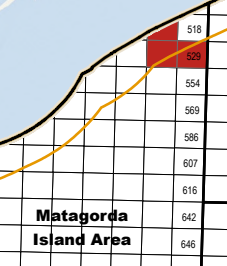
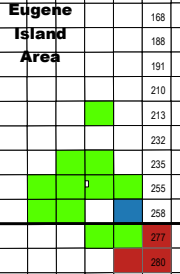
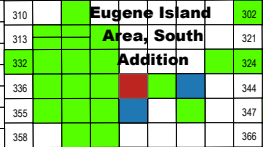
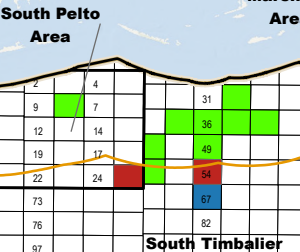
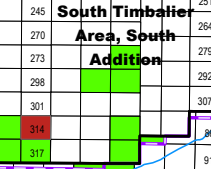
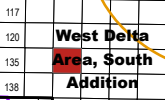
Listed in the table below are the shelf blocks receiving bids. According to Marine Minerals Administration (MMA) online data, wells have been drilled on all 12 blocks and production structures were installed on 7.
According to the online structures file, 5 platforms remain on 2 of the blocks. Production and quarters platforms installed by Exxon in 1982 and 1987 remain on ST 54 along with a caisson structure installed by Walter in 2007. Production platforms installed by GOM Shelf (1966) and Arena (2005) remain on WD 133.
Per the borehole file, 3 of the WD 133 wells have not been plugged. These wells were drilled by Arena and are on the F platform, which is one of the two WD 133 platforms that have not been decommissioned.
Also noteworthy, one well that bottoms on ST 314 has not been plugged. That well was drilled by Renaissance from ST 317, which was reacquired by Renaissance at Sale BBG2. The well ceased production in 2019, but the platform from which it was drilled remains in place on the reacquired lease.
Reuse options and decommissioning obligations for the remaining wells and platforms on leases reissued following BBG3 are no doubt topics for discussion between MMA and the operators.
| Block | high bidder | platforms removed | platforms remaining | wells drilled on lease | completed/ unplugged wells |
| EI 277 | Arena | 2 | 0 | 14 | 0 |
| EI 280 | Arena | 1 | 0 | 2 | 0 |
| EI 281 | Arena | 2 | 0 | 8 | 0 |
| EI 340 | Arena | 0 | 0 | 3 | 0 |
| EI 389 | W&T | 0 | 0 | 3 | 0 |
| ST 54 | Arena | 5 | 3 | 69 | 8 |
| ST 314 | Renaissance | 0 | 0 | 8 | 1 |
| PL 25 | Arena | 5 | 0 | 28 | 0 |
| WD 133 | Renaissance | 1 | 2 | 63 | 3 |
| MI 519 | Arena | 2 | 0 | 3 | 0 |
| MI 528 | Arena | 0 | 0 | 2 | 0 |
| MI 529 | Arena | 0 | 0 | 1 | 0 |

