Feeds:
Posts
Comments

Posts Tagged ‘BBG3’

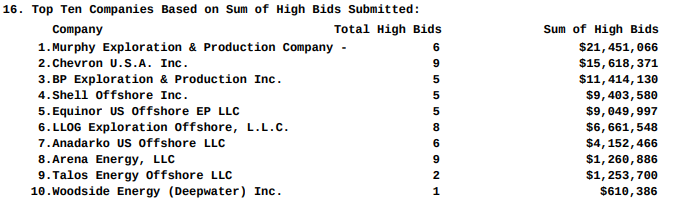
Gulfwide, Chevron was high bidder for 9 of the 10 blocks they sought vs. 6 of 9 for Oxy, 5 of 8 for Shell, 5 of 6 for BP, and 5 of 5 for Equinor.

US supermajors and historically important Gulf producers, Exxon Mobil and ConocoPhillips, were no-shows once again.

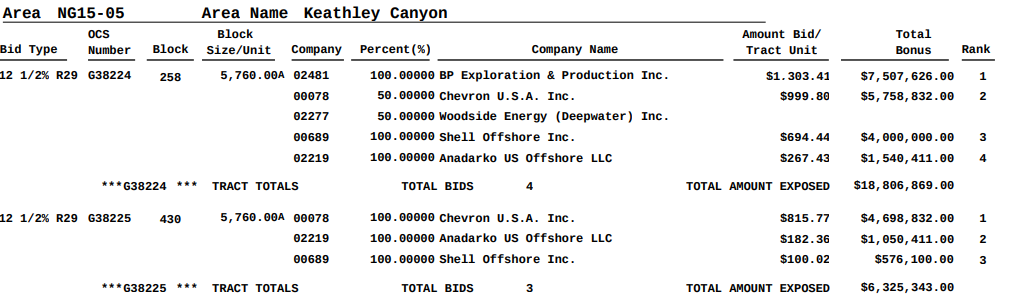
Bidding was spirited among the “big dogs” for KC Block 258, with BP taking the prize (assuming their $7.5 million bid is accepted). Chevron rebounded by taking KC 430, outbidding Oxy and Shell. (See below)
Among the large independents, LLOG batted 8 for 8, Murphy 6 for 8 (including the sale’s highest bid of $7.7 million), Talos 2 for 2, and Woodside 1 for 2. Our favorite tribal corporation, Red Willow Offshore (Southern Ute Tribe), partnered with LLOG, Navitas, Houston Energy, and CL&F Offshore on the high bid for Atwater Valley Block 63.

Murphy was the top $$$ bidder among all participating companies (see below). In 2025, Murphy was the Gulf’s 5th leading oil producer, trailing only Shell, BP, Chevron, and Oxy.
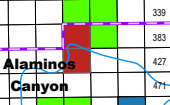
The sale’s highest bid ($7.7 million) was for Alaminos Canyon Block 380. The block was previously leased to LLOG, and exploratory drilling was conducted in 2019. LLOG’s lease expired on 12/20/2025, and complete well data were released on 4/24/2026. Murphy must have liked what they saw.

The absence of other bidders for AC 380 reminds us that interpretations and strategies differ. Murphy has had a pretty good track record in the Gulf. We’ll see what happens.

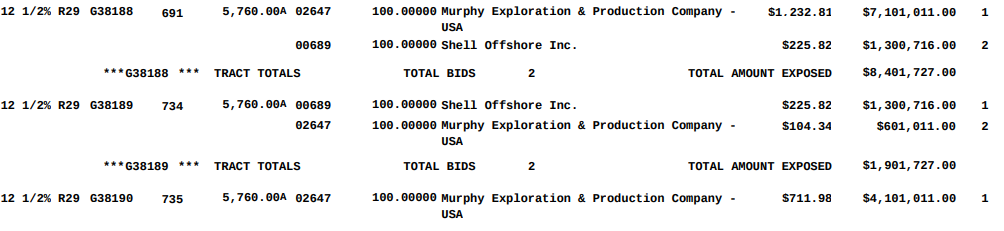
Murphy and Shell valued and competed for 2 other Alaminos Canyon blocks as the summary below indicates, and Murphy was the lone bidder ($4.1 million) for another.

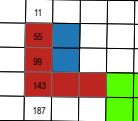
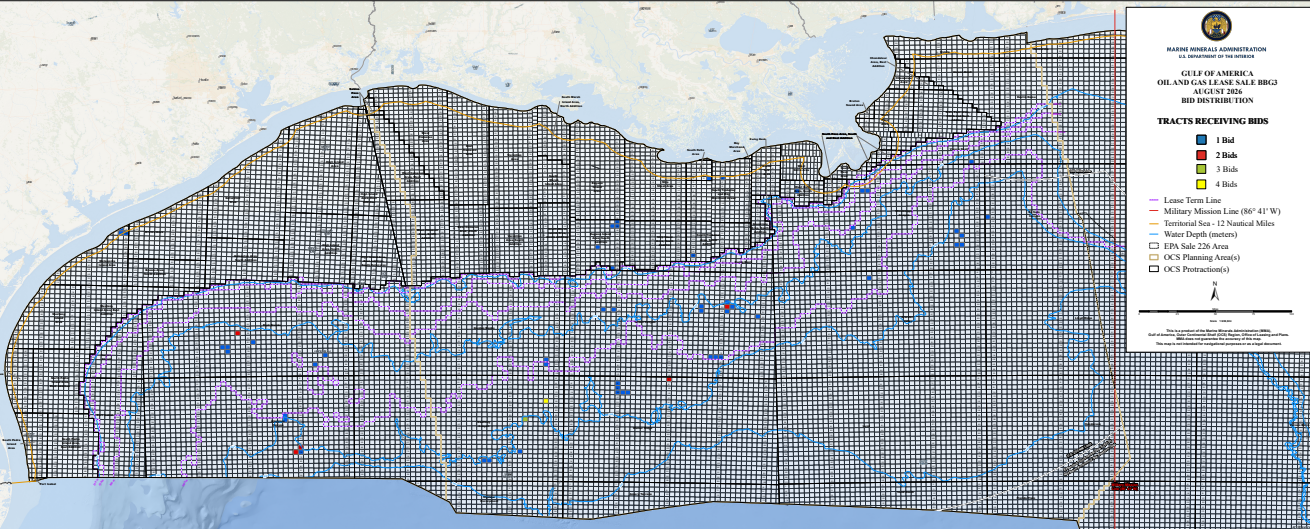
“L” for the “W”? All 5 of Equinor’s high bids (red) formed an “L” in the Walker Ridge area. Equinor was the lone bidder for each (see below). Existing blocks WR 56 and 100 (blue) are Equinor leases. Prior lessee Anadarko drilled on block 143 in 2014

We’ll see how this all worked out in about 10-20 years! 😀
Read Full Post »

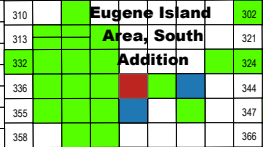
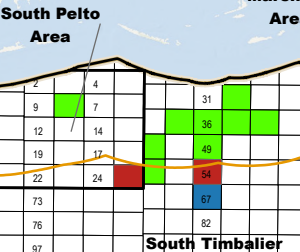
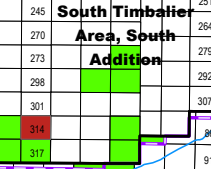
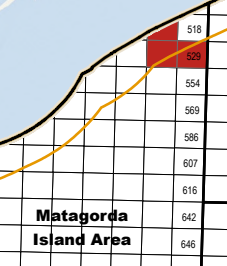
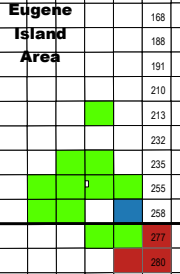
Led by Arena’s 9 high bids, shelf operators made a strong showing at Sale BBG3. As illustrated below, the acquiring companies see good opportunities in or near old fields. The BBG3 leases are colored red.

Arena bid on MI 519, 528, and 529. MI 519 produced 152 bcf of gas and 336,536 bbls of condensate between 1988 and 2012..
Arena bid on EI 277, 280, and 281, blocks that produced 8.3 million bbls and 39.2 bcf between 1990 and 2016.
Since 1973, 24 million bbls and 53 bcf have been produced in EI 339 where Arena drilled 62 wells. They no doubt had good reasons for bidding on adjacent block EI 340.
3.2 million bbls and 18.7 bcf were produced in PL 25 between 1997 and 2016. 27 million bbls and 56.3 bcf were produced between 1955 and 2024 in ST 54. Arena bid on both blocks at Sale BBG3.
Renaissance bid on ST 314, which had minor production between 2015 and 2019. Renaissance acquired block 317 at Sale BBG2.
Renaissance bid on WD 133, where 12 million bbls of oil and 31 BCF were produced between 1966 and 2023. Five companies, including Arena, had drilled 63 wells on the block.

Listed in the table below are the shelf blocks receiving bids. According to Marine Minerals Administration (MMA) online data, wells have been drilled on all 12 blocks and production structures were installed on 7.

According to the online structures file, 5 platforms remain on 2 of the blocks. Production and quarters platforms installed by Exxon in 1982 and 1987 remain on ST 54 along with a caisson structure installed by Walter in 2007. Production platforms installed by GOM Shelf (1966) and Arena (2005) remain on WD 133.

Per the borehole file, 3 of the WD 133 wells have not been plugged. These wells were drilled by Arena and are on the F platform, which is one of the two WD 133 platforms that have not been decommissioned.

Also noteworthy, one well that bottoms on ST 314 has not been plugged. That well was drilled by Renaissance from ST 317, which was reacquired by Renaissance at Sale BBG2. The well ceased production in 2019, but the platform from which it was drilled remains in place on the reacquired lease.

Reuse options and decommissioning obligations for the remaining wells and platforms on leases reissued following BBG3 are no doubt topics for discussion between MMA and the operators.

Blockhigh bidderplatforms removedplatforms remainingwells drilled
on lease
completed/
unplugged wells
EI 277Arena20140
EI 280Arena1020
EI 281Arena2080
EI 340Arena0030
EI 389W&T0030
ST 54Arena53698
ST 314Renaissance0081
PL 25Arena50280
WD 133Renaissance12633
MI 519Arena2030
MI 528Arena0020
MI 529Arena0010

Read Full Post »

Link to the stream.

The pre-sale statistics are attached.

The table below compares the pre-sale stats for BBG3 with those for BBG1 and 2. The number of BBG3 bids, while well below BBG1, which was the first sale in 2 years, bounced nicely from BBG2 levels.

BBG1
12/10/2025
BBG2
3/11/2026
BBG3
8/12/2026
tracts bid on1812559
total bids2193869
shelf bids (<200m)12212
deepwater (>400m)1682347
companies bidding261312

Read Full Post »

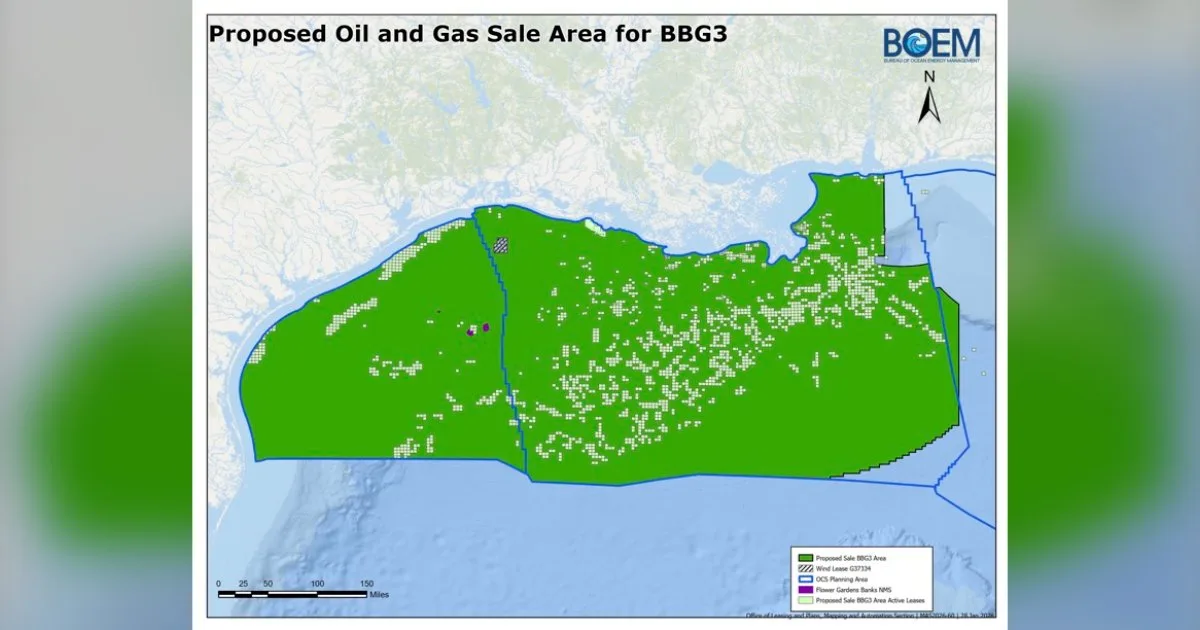
Lease sale Big Beautiful Gulf 3 (BBG3) will be held on 8/12/2026. The Final Notice of Sale is attached.

Given the rather tepid BBG1 and BBG2 results and the high sale frequency, robust bidding is not expected. Nonetheless, the BBG bidding patterns and tract evaluations have been interesting, most notably BOEM’s rejection of LLOG’s bid for Keathley Canyon 828, an expired lease block in the their Buckskin field.

Keathley Canyon 828 is not among the blocks listed for sale at BBG3. Per the Notice of Sale (p. 4), “any lease blocks whose high bids were rejected and not appealed in the immediately preceding Big Beautiful Gulf lease sale, are expected to be included as eligible for lease.” Can we therefore assume that either the KC 828 bid rejection or the prior lease expiration is being appealed?

The legislatively mandated BBG lease terms are attractive – 10 years and 12.5% royalty for deepwater blocks. A more recent legislative directive requires (wrongly in my opinion) the approval of downhole commingling requests. This accelerates the return on investments in deepwater, high pressure reservoirs. Such commingling has presumably contributed to record Gulf oil production in 2025. The longer term concern is the impact on ultimate oil and gas recovery.

Meanwhile, the Gulf rig count and well start numbers continue to disappoint. Baker Hughes (7/2/2026) lists only 4 active rigs in the deepwater Gulf – one each in the Alaminos and Mississippi Canyon areas and two in the Green Canyon Area. BSEE’s borehole file lists only 15 new deepwater exploratory well starts YTD.

Read Full Post »