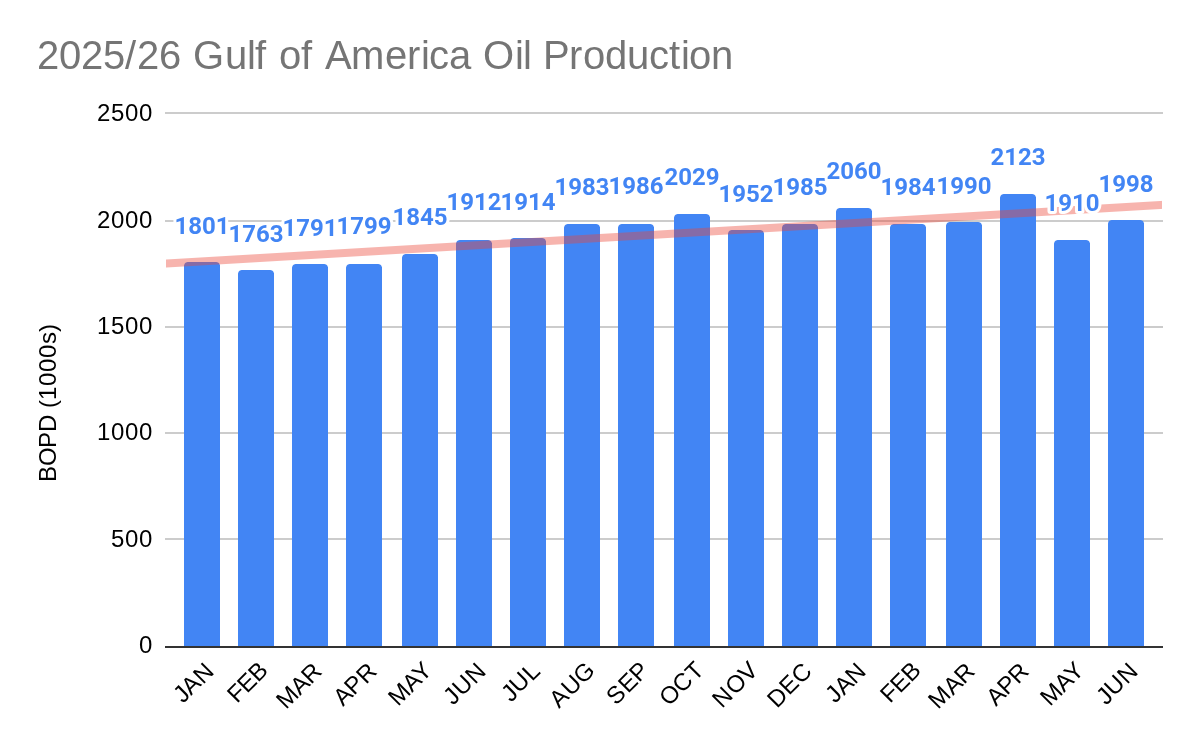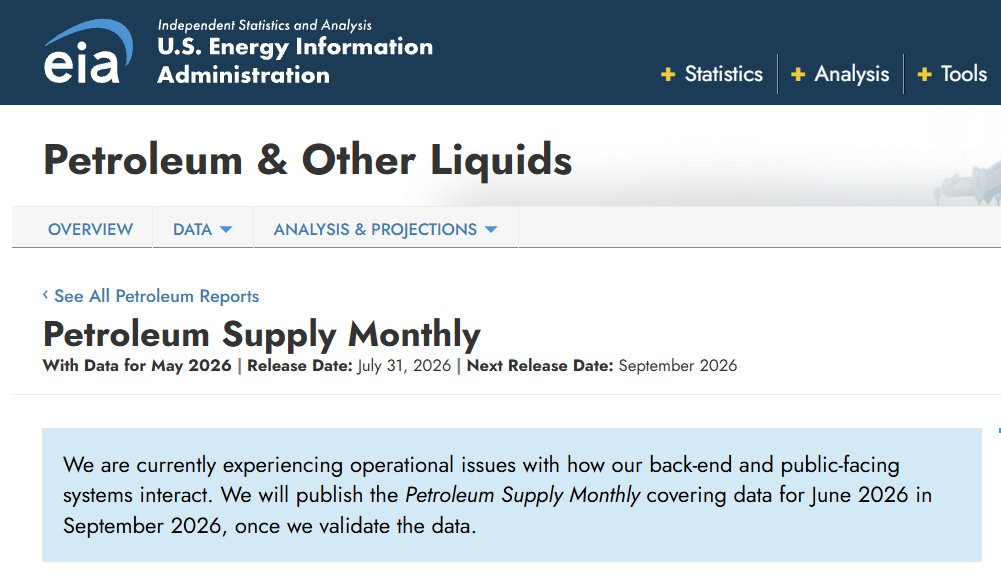
Per the preliminary EIA data for April, Gulf of America OCS facilities produced an average of 2.107 million bopd in April. This surpasses the previous record of 2.060 million bopd set in January.
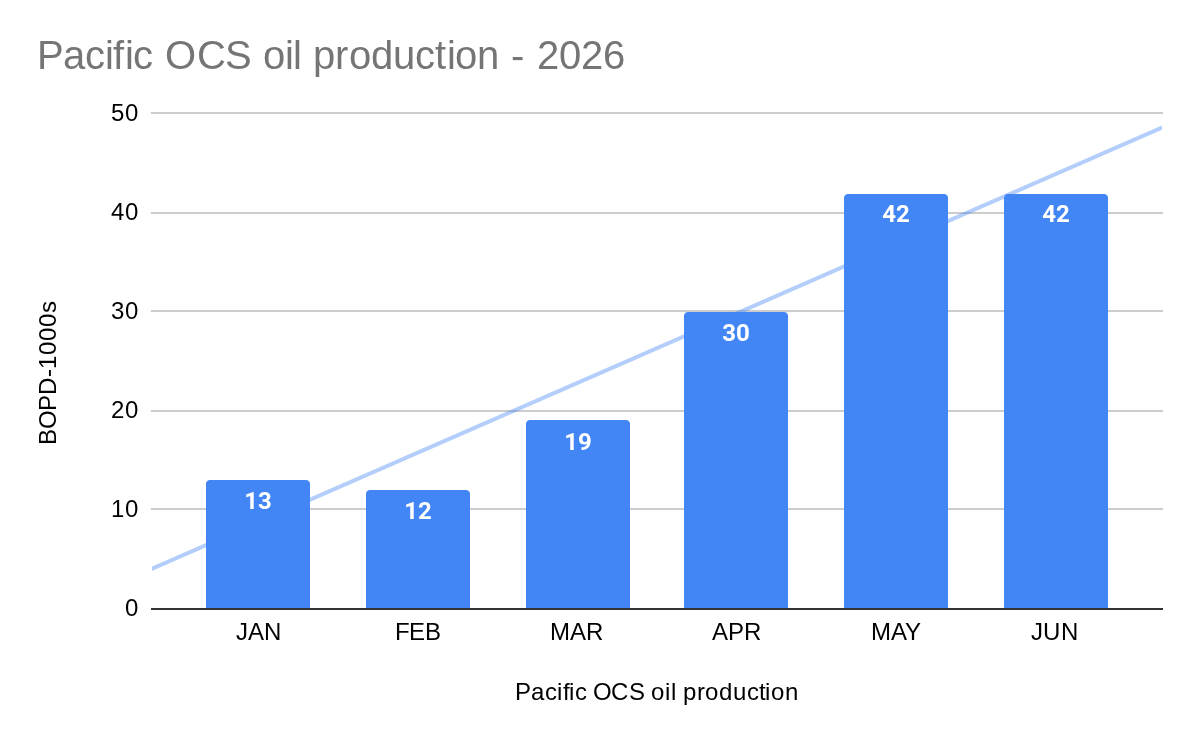
Meanwhile, the Sable bump is now evident in the EIA’s Pacific OCS production data with a ~50% March-April increase from January-February. A bigger increase should be apparent when the May numbers are posted. How will Sable fare in the upcoming court battles?
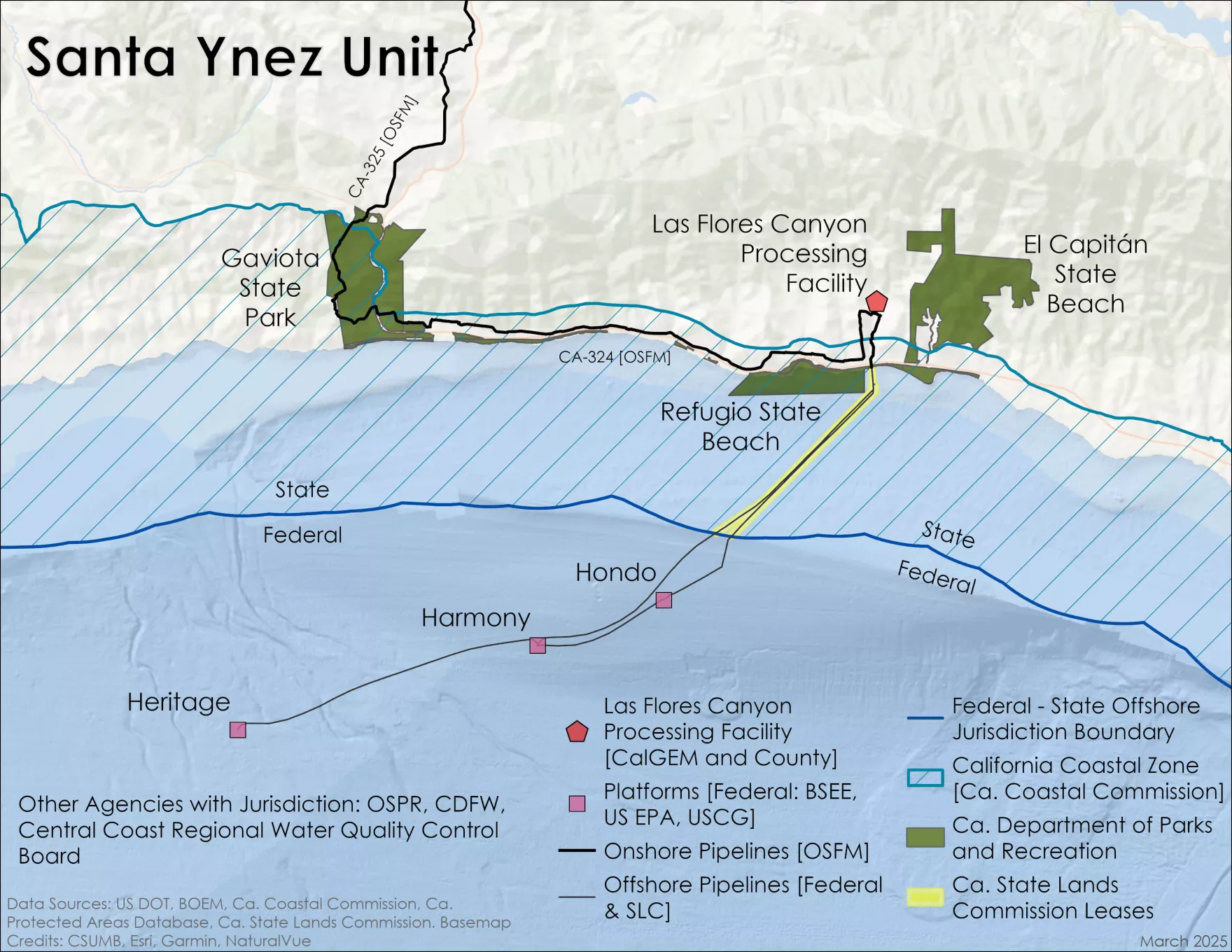
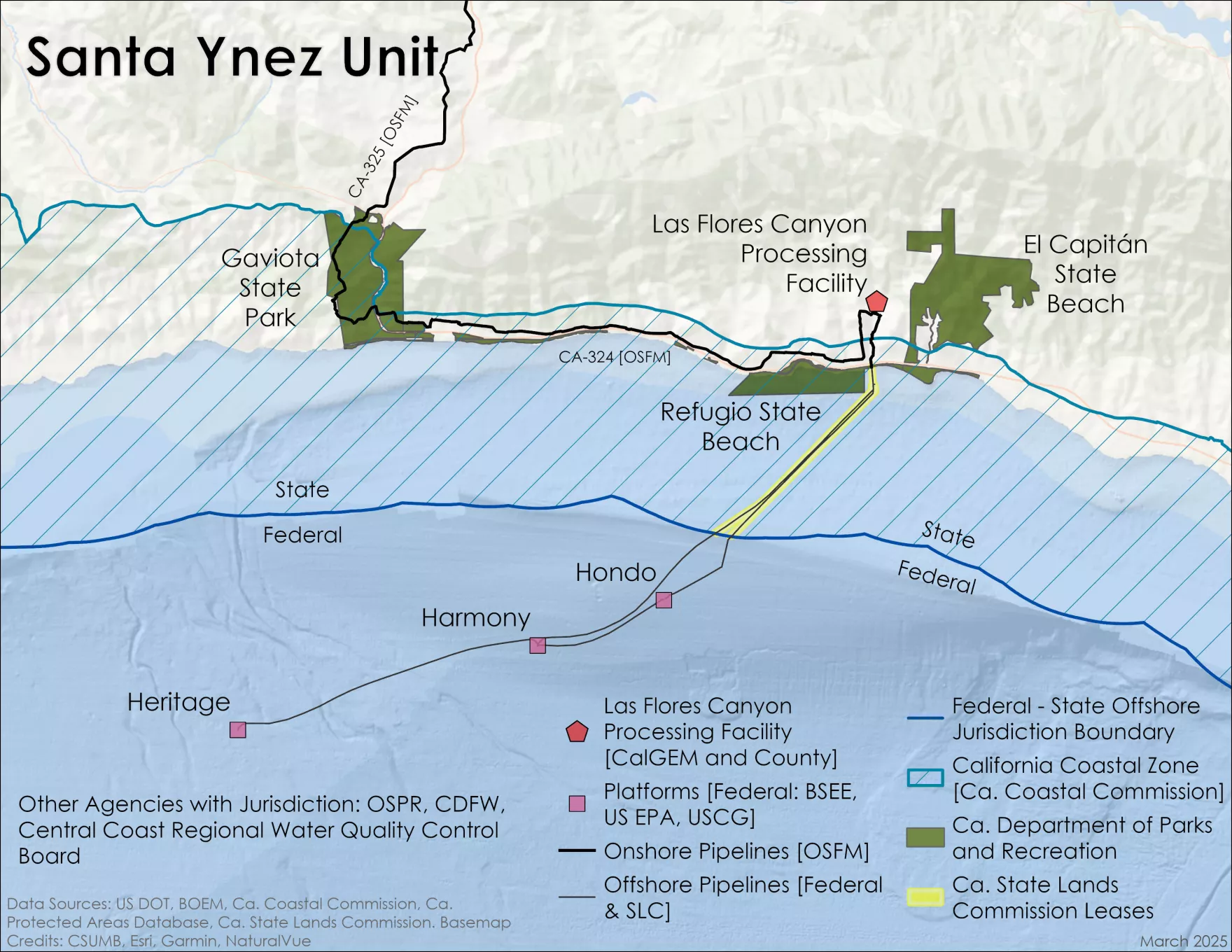
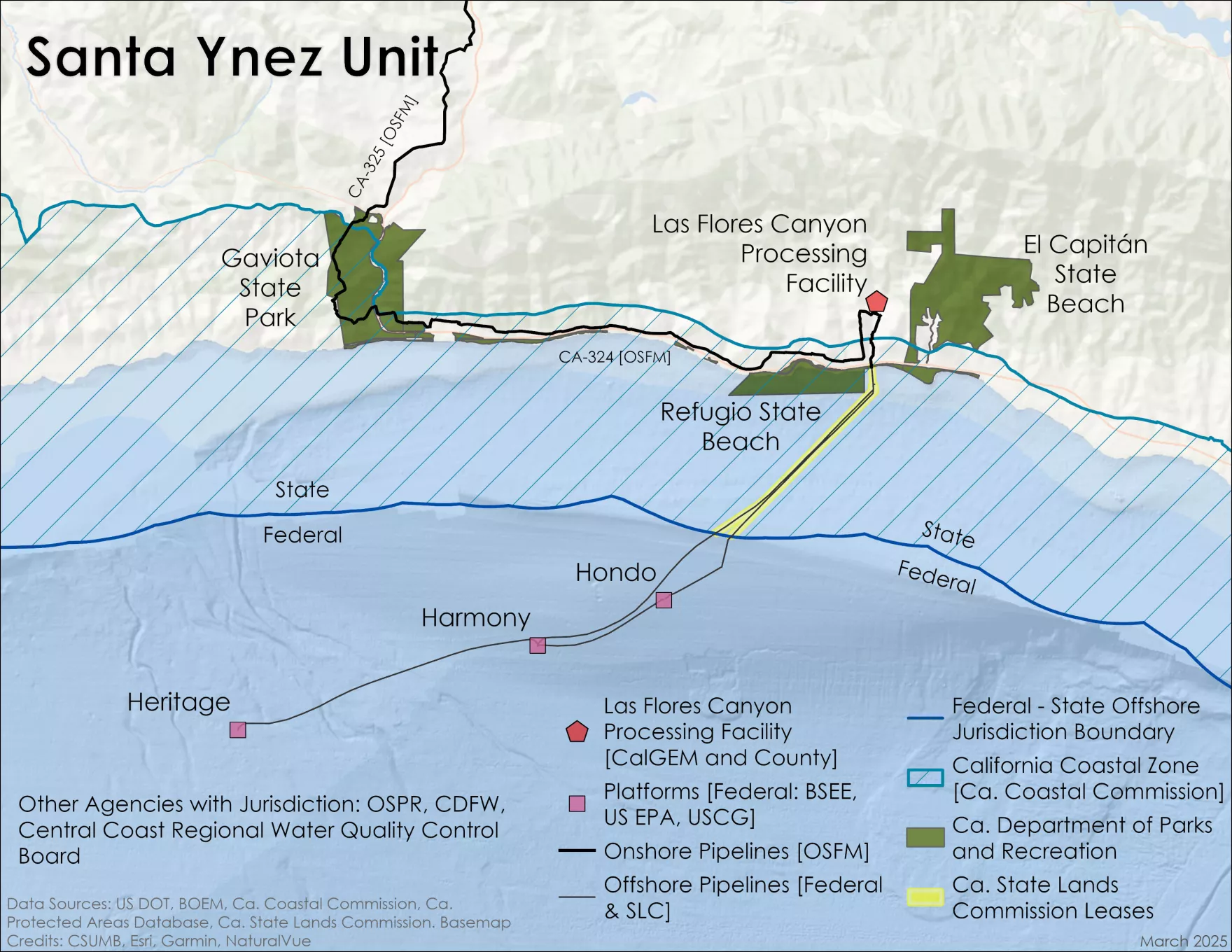
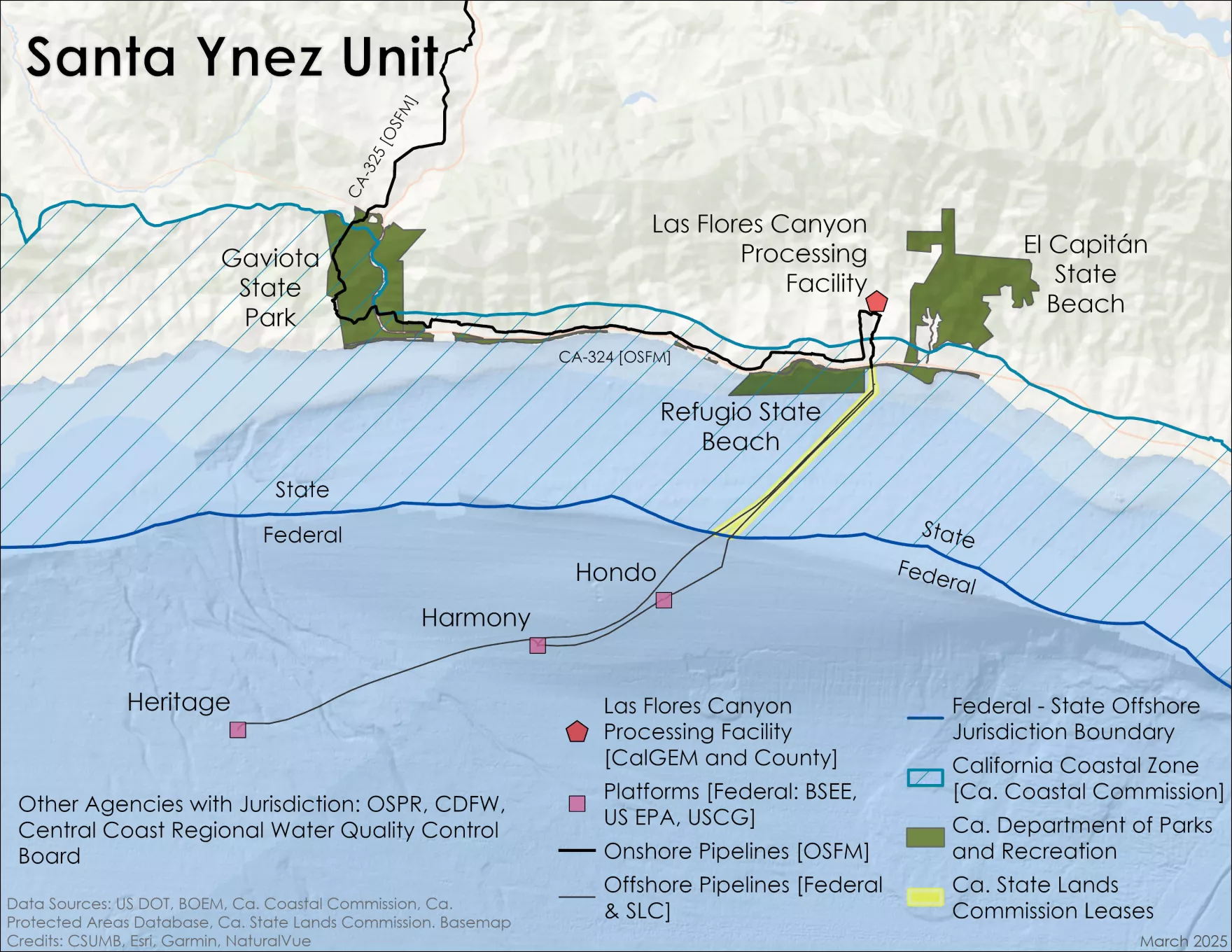
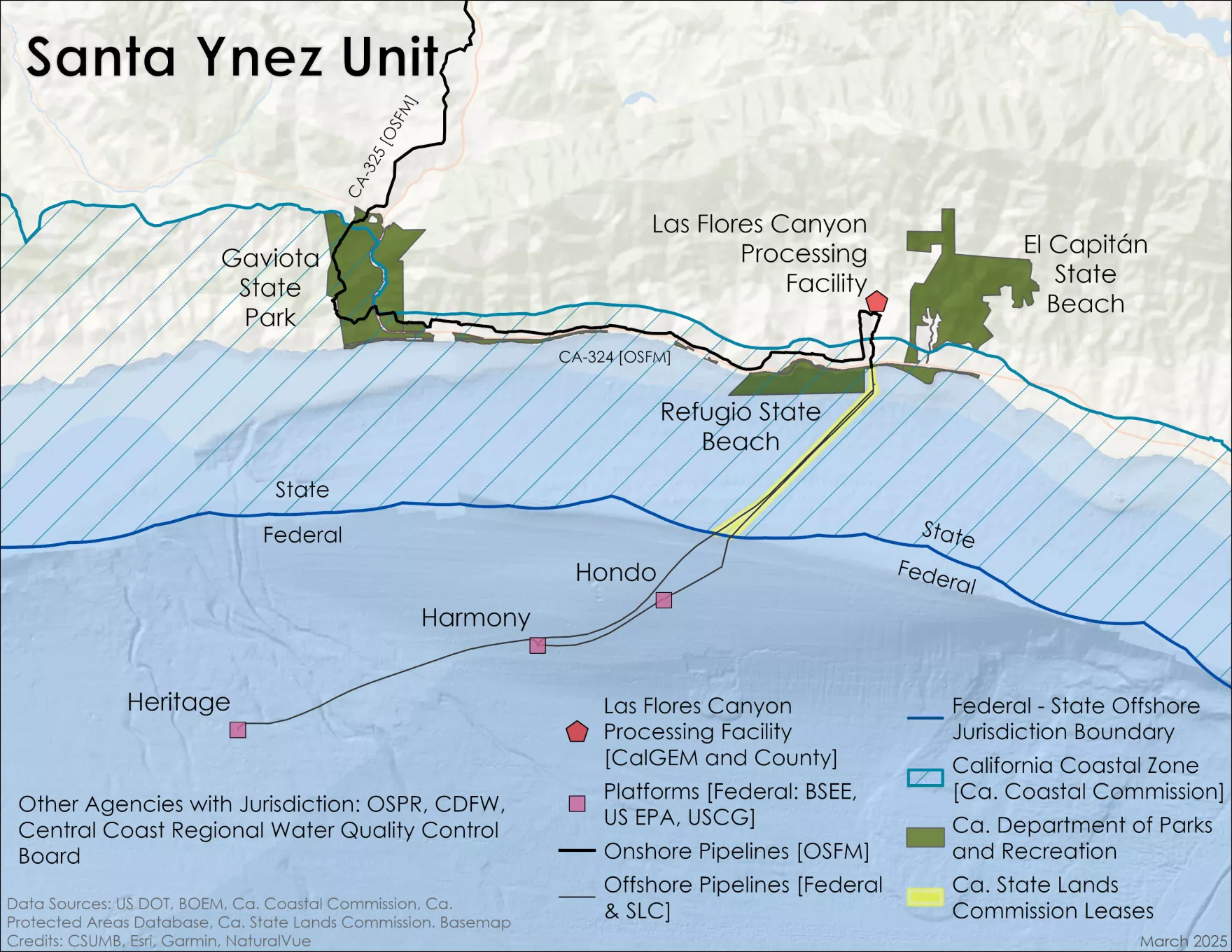
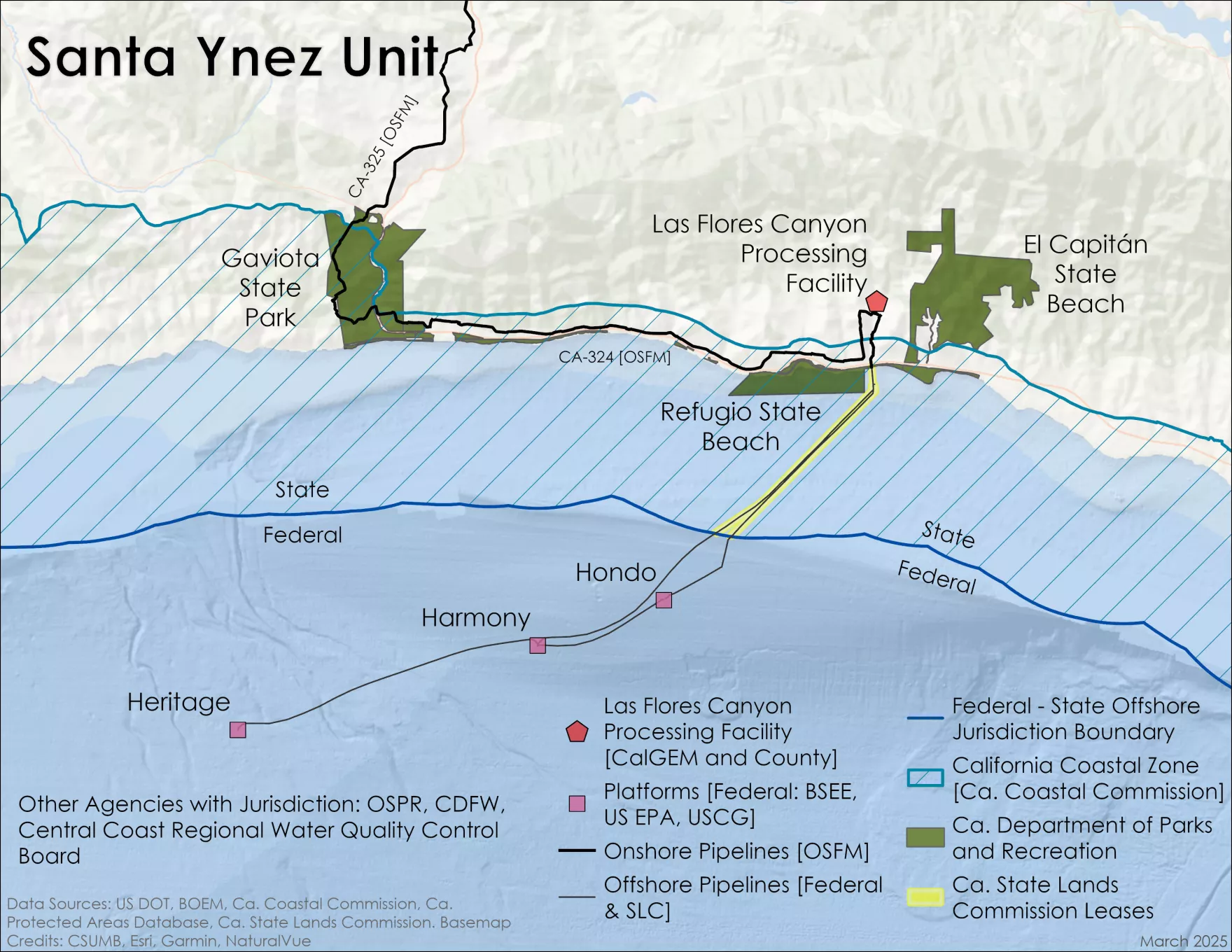
Sable Offshore began ramping up production at Platform Harmony last May delivering oil and gas to their Los Flores Canyon Processing Facility. In March, they resumed transportation to the Pentland pipeline segments and achieved first sales.
Below are BOEM production data for Harmony through March 2026. Harmony production was expected to increase to 22,000 bopd in May. Similarly, Sable forecasted Heritage production of 30,000 bopd for that month. The actual production numbers should be available in a month or two.
Nothing in the March production data for Harmony is particularly surprising. The gas-oil ratio (GOR) of ~1000 cu ft/bbl is rather typical for oil production in the region, as is the water cut, although less water production would be preferred. Produced water is not discharged from the platform, but is injected subsurface through disposal wells.
Meanwhile, the California Coastal Commission notified Sable Offshore that it intends to issue a cease and desist order aimed at shutting down crude oil extraction in the Santa Barbara Channel.
Sable responds:“Sable Offshore Corp. (“Sable”) through its subsidiary, Pacific Pipeline Company (“PPC”), continues to lawfully operate through its existing coastal development permits which were issued in 1986.”
DOT and others shouldn’t make statements they can’t back up (see the X post below).
As a supporter of responsible offshore oil and gas operations, I find statements like this to be irresponsible and embarrassing. Sable Offshore is not using newer or safer drilling technology than is used in many other areas.
The Sable Offshore Project is using new technology to drill oil that is more safe and environmentally friendly than anywhere in the WORLD@PHMSA_DOT is proud to be a part of this and making America ENERGY DOMINANT 💪 https://t.co/q3ztD1G0R4
— U.S. Department of Transportation (@USDOT) June 10, 2026
Those who have been following the Santa Ynez Unit saga should take a look at Sable’s informative PowerPoint update (attached). The presentation includes reserve data, well operation plans, production forecasts, financial and legal updates, and regional energy supply information.
Also, Sable CEO Jim Flores has announced that Energy Secretary Wright and Interior Secretary Burgum will be visiting the project this week. Transportation Secretary Duffy was also expected, but he will not be attending.
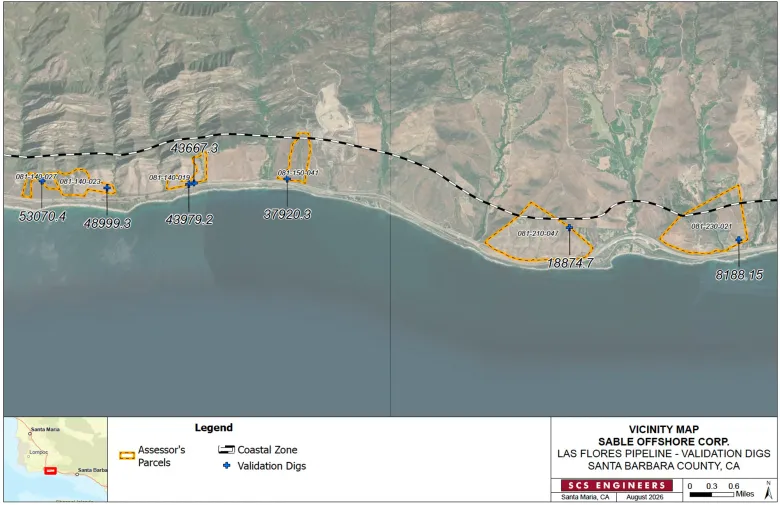
Judge Stephen V. Wilson, US District Court for the Central District of California ruled that Sable’s pipeline doesn’t imminently harm Gaviota Park. Judge Wilson said the state “is grasping at straws,” for evidence of real environmental harm, and the federal consent decree governing the terms of the system’s restart is controlled by the California Office of the State Fire Marshall, not the parks department.
The judge didn’t rule on the larger question of whether the Defense Production Act order to restart the Las Flores pipeline system was lawful.
The CBD had challenged an April 2025 BOEM decision concludingthat Sable was not required to revise its development and production plan for the SYU. They sought a court order requiring a revised plan. This suit seemed to be a stretch, so its dismissal is not a surprise.
Per the Dept. of Justice, the court dismissed the lawsuit because the plaintiffs’ asserted procedural injury had no basis in the statute, was not traceable to any action by BOEM, and could not be redressed by an order of the court.(Other than that, it was just fine. 😉)
Among other problems the court identified with the plaintiffs’ case, they invoked a provision of the statute that governs “approval of a development and production plan,” not revision of an already-existing plan. It will be interesting to see the full decision so that we can better understand the context for that statement. Distinguishing revised plans in that manner could have significant policy implications.
For a full update on Sable litigation, see the section of their Quarterly Report beginning on p. 12.
California Attorney General Bonta asks the Court to stay Energy Secretary Wright’s Order directing Sable, under the Defense Production Act to restart production and preliminarily enjoin Defendants, and all those acting in concert with Defendants (i.e. Sable), from enforcing or relying on it. See the attached Federal Court filing.
The AG’s irreparable harm and public interest arguments seem particularly weak, and this may not be the best time to attempt to halt a 20+% increase in California oil production.
An apology letter from the California Coastal Commission (CCC) to SpaceX was part of a lawsuit settlement. SpaceX alleged political bias in the commission’s 2024 decision to deny increased Falcon 9 launches at Vandenberg Space Force Base, based on comments about Elon Musk’s political views and SpaceX’s labor practices.
Excerpt:
“In 2024, the Commission reviewed consistency determinations by the U.S. Space Force for SpaceX’s Falcon 9 launch program at Vandenberg Space Force Base. During that review, some Commissioners made negative comments about SpaceX’s labor practices and its Chief Executive Officer’s political views. The Commission acknowledges that these political comments were irrelevant to the Commission’s consistency review and were improper, and the Commissioners apologize for those comments.”
AI confirms my suspicions that formal CCC apologies are highly unusual 😉