Yesterday, the trial of a Ukrainian officer began in a Hamburg courtroom. See the X post and video below.
The big issue, of course, is the extent of Ukrainian govt involvement in the sabotage.
🇩🇪🇺🇦Germany puts a Ukrainian officer on trial for blowing up Nord Stream as a WAR CRIME ordered by Kyiv
Serhii K. will walk into a Hamburg courtroom today as the first person ever tried for the 2022 blasts that cut Germany off from the pipeline that once carried half its gas… pic.twitter.com/nBWPKWAPzj
The U.S. Court of Appeals for the Ninth Circuit has not yet ruled on the merits of the challenge to PHMSA’s assertion of exclusive Federal jurisdiction over Sable Offshore Corp.’s Las Flores (Santa Ynez) pipeline segments (CA-324 and CA-325) or related restart approvals. A three-judge panel ordered additional briefing after a status conference, and a decision is expected to take months.
The 9th Circuit panel held a video status conference on 10/5/2026, and consolidated petitions from the Environmental Defense Center (and other groups) and the State of California. The panel ordered further briefing rather than issuing an immediate decision on the core jurisdictional question—whether the onshore pipeline segments engage in “interstate commerce” under the Pipeline Safety Act (making them subject to exclusive PHMSA authority rather than California’s Office of the State Fire Marshal).
Concise background summary from Grok: PHMSA reclassified the pipelines as interstate in late 2025 (asserting jurisdiction because they transport crude from Outer Continental Shelf platforms through California to a Kern County terminal, with arguments that onshore processing does not break the flow of interstate commerce). This enabled restart approvals and special permits (initially emergency, later a longer-term one) that environmental groups and California challenge as unlawful, preemptive of state authority, and deficient under the Pipeline Safety Act, NEPA, and ESA. Sable restarted operations earlier in 2026 amid related litigation (including Defense Production Act issues and consent-decree matters in district court). The Ninth Circuit cases are Environmental Defense Center et al. v. PHMSA (No. 25-8059) and the consolidated California petition (originally No. 26-508 / related Nos.).
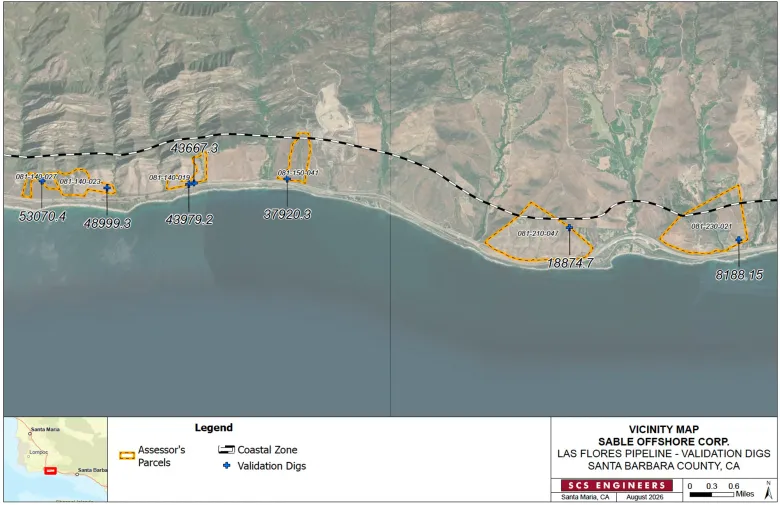
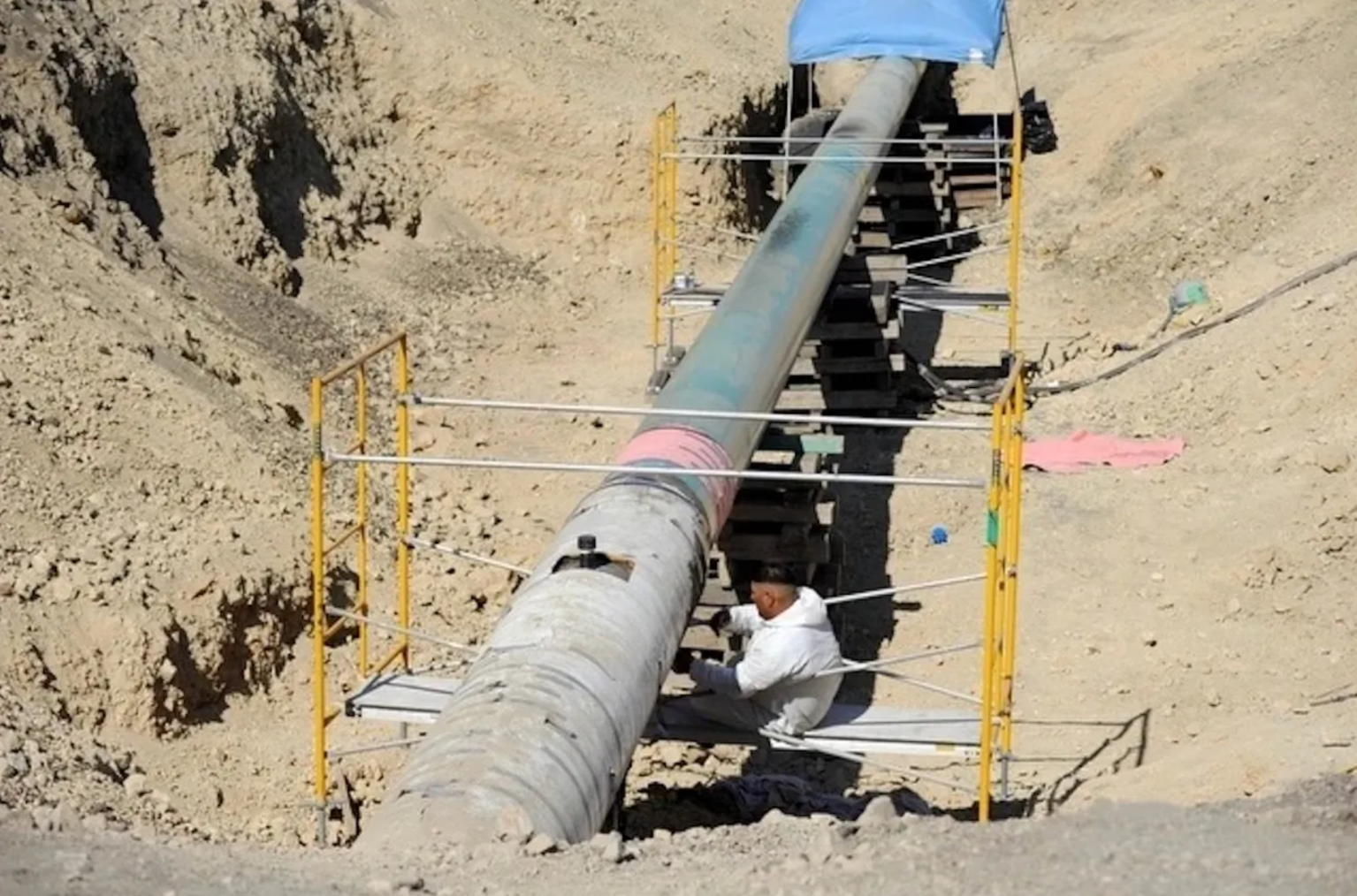
Inline inspections identified anomalies at multiple points in Segment 324 of Sable’s onshore pipeline. Sable is conducting validation digs.(Noozhawk image).
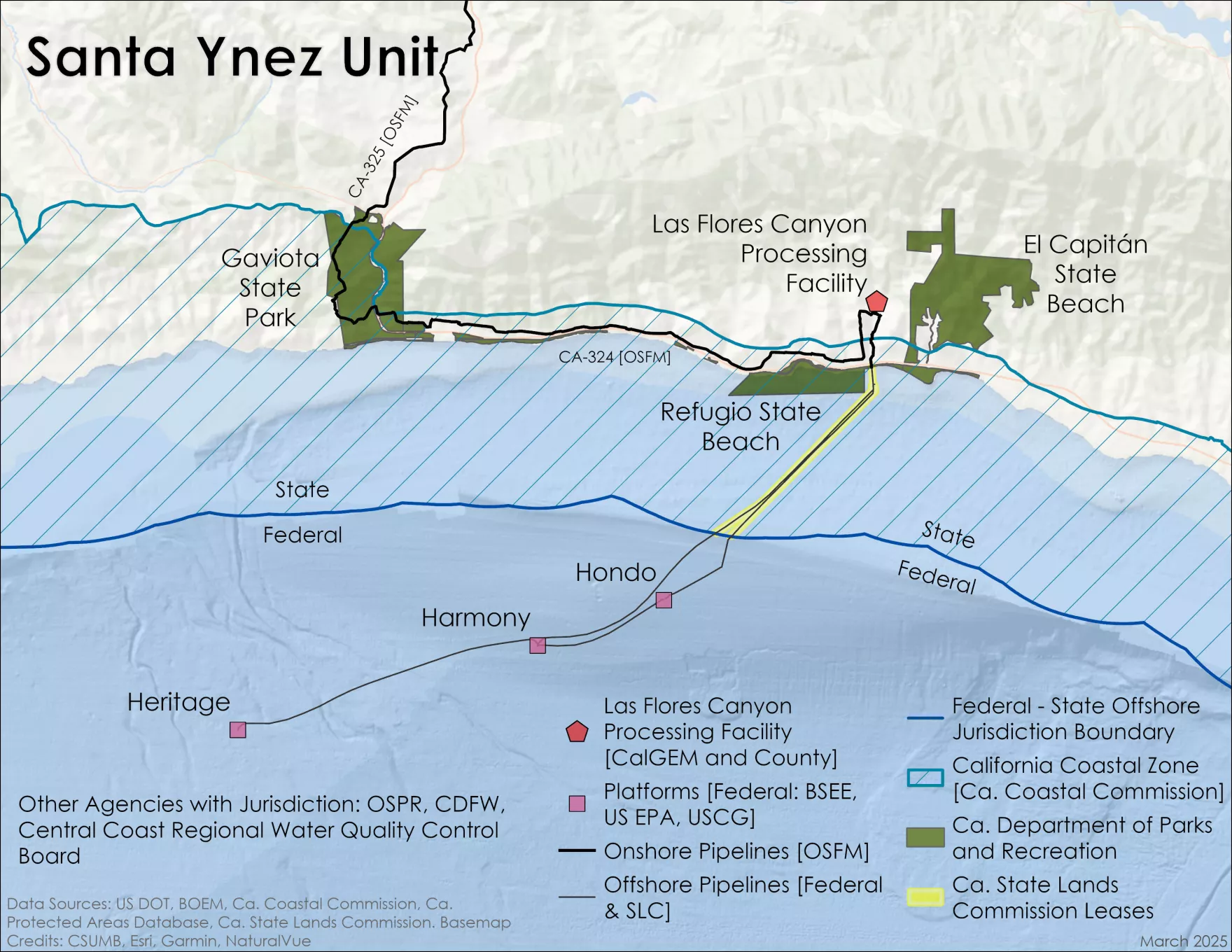
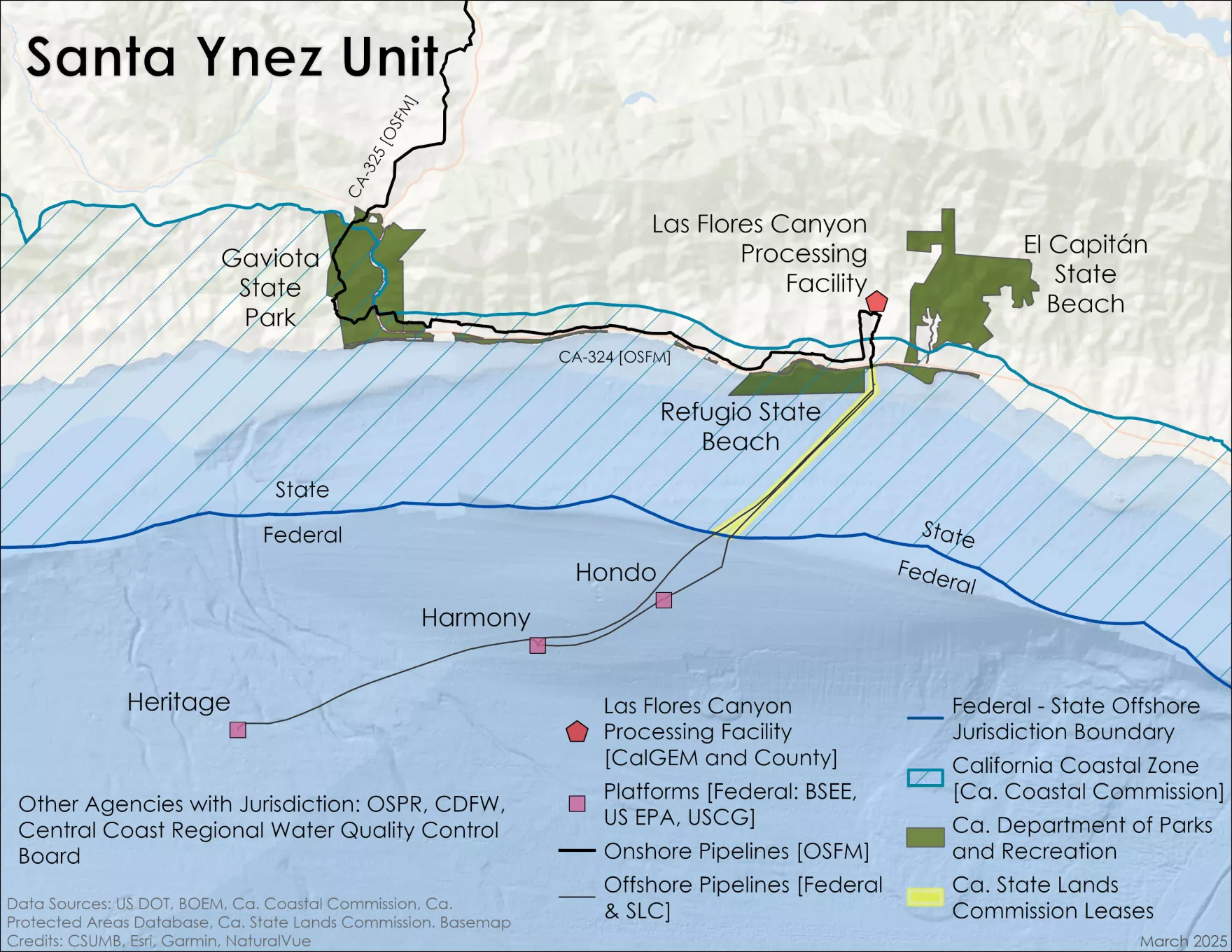
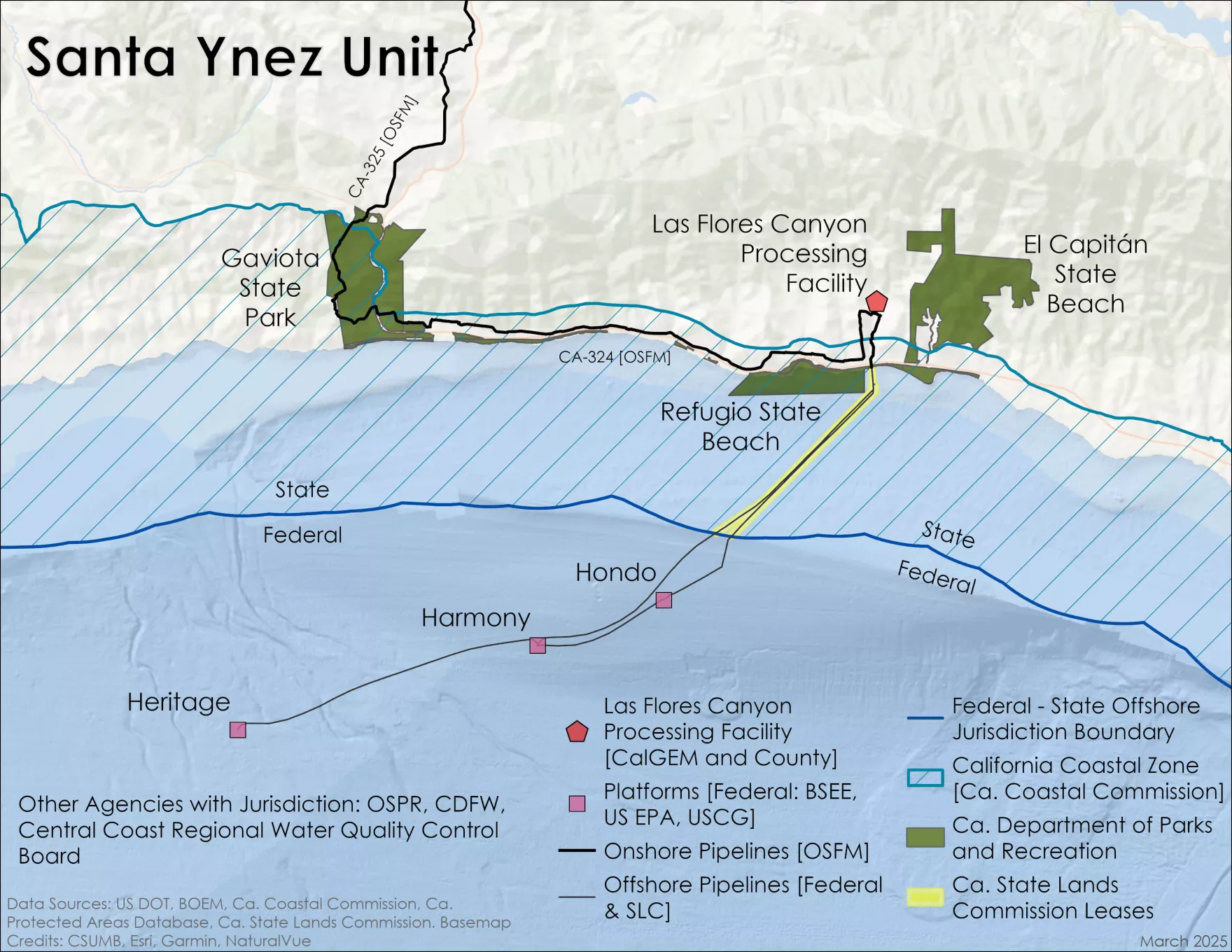
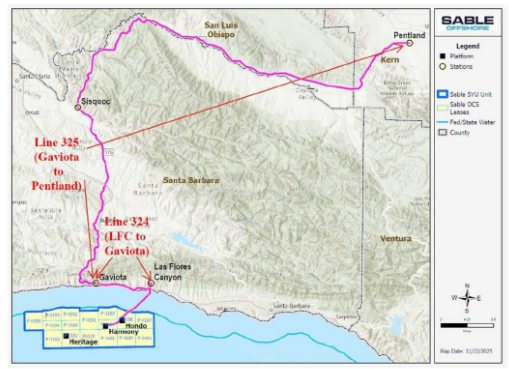
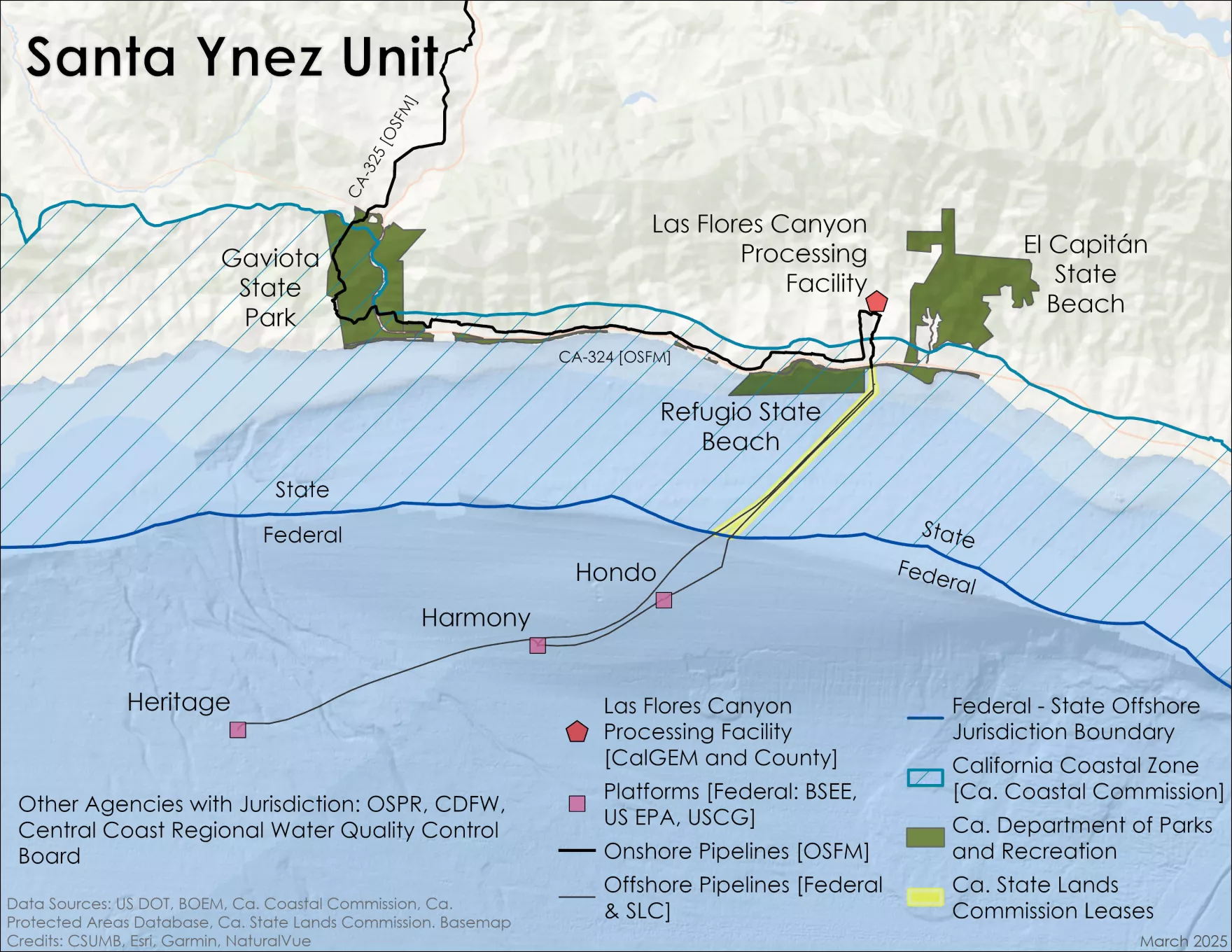
Sable Offshore has asked Santa Barbara County for approval to conduct exploratory digs to check anomalies at seven points along onshore Segment 324 of the Santa Ynez Unit pipeline system. This 10.86 mile segment runs from the Los Flores Canyon Processing Facility to the Gaviota Pump Station (map below).
According to the Emergency Special Permit issued by PHMSA, Sable is required to conduct in-line inspections (ILIs) with metal loss tools every 6 months for the first 2 years of operation.
Where metal loss is identified, immediate repair is required if the remaining strength of pipe shows a predicted failure pressure <1.39 times the maximum operating pressure (MOP).
Where direct field examinations indicate pipe wall loss of 40% or more, permanent repairs are required.
Comments:
On the plus side, it appears that the ILIs identified anomalies as intended.
The number of anomalies that have been identified is concerning. (Per PHMSA, the last ILI was on 12/10/2022, several years prior to the restart of production.)
Note that external corrosion caused the failure leading to the 2015 Refugio spill. The followup excavations should be effective in confirming such corrosion.
If the County releases a high-profile applicant’s letter to local media and NGOs, they should also post the letter on the County website so that other interested parties have access.
A 7/28/2026 Dept. of Justice brief submitted to the Ninth Circuit Court of Appeals cites the 5/28/2026 Supreme Court decision in Flowers Foods Inc. v. Brock in asserting that Sable’s onshore pipeline segments are interstate and subject to Federal jurisdiction.
This filing is part of multi-faceted litigation involving Federal preemption, a 2020 Consent Decree, emergency special permits, and state environmental concerns. The Ninth Circuit is handling the expedited briefings and consolidation of petitions.
DoJ’s core argument is that Sable’s onshore segments do not interrupt the continuous “flow of commerce” from Outer Continental Shelf (OCS) offshore extraction → onshore processing → further transport to terminals (e.g., in Kern County). Thus, the system qualifies as interstate commerce subject to Federal (PHMSA) oversight rather than state regulation.
The Flowers Foods Inc. v. Brock case considered similar flow of commerce issues. The SCOTUS agreed with the Tenth Circuit that Brock delivery franchisees were engaged in interstate commerce even if they never cross State lines. The gist of the decision is as follows (emphasis added, full decision attached):
The Federal Arbitration Act (FAA) requires courts to enforce many private arbitration agreements, but it also provides that “nothing” in the law shall be used to compel arbitration in disputes involving the “contracts of employment” of any class of workers “engaged in . . . interstate commerce.” 9 U. S. C. §1. This case poses the question whether someone can qualify as a worker under the §1 exemption if he never crosses state lines and never interacts with vehicles that do. Flowers Foods, Inc., is a large producer of packaged baked goods with bakeries in 19 States. To get its products to market, the company depends in part on franchisees who buy the distribution rights to Flowers’s products in specific geographic territories. Angelo Brock is one such franchisee serving the Denver area; he picks up Flowers’s products from a warehouse in Colorado and delivers them to local stores, all without leaving the State. In 2022, Brock sued Flowers in federal district court alleging that the company had underpaid him and other distributors in violation of various federal and state laws. Flowers moved to compel arbitration, arguing that the FAA generally requires courts to stay or dismiss cases when the parties have agreed to resolve their disputes by arbitration and that Brock had signed a distribution agreement promising to arbitrate any disagreement. The district court denied Flowers’s motion, and the Tenth Circuit affirmed. Resting its decision on 9 U. S. C. §1, the Tenth Circuit reasoned that Brock belonged to a class of workers engaged in interstate commerce and thus the court lacked authority to compel arbitration.
We should soon find out what the Ninth Circuit thinks!
The National Defense Authorization Act (NDAA), as passed by the House this week, includes an amendment (attached) authorizing the Federal govt to acquire all lands along the Santa Ynez Pipeline System route. Wesley Hunt (TX), who introduced the amendment, comments in the short video below. The Senate has yet to approve the bill.
Assuming Sable’s attorneys are able to continue navigating through the legal minefield, the success of the project will depend on the performance of Sable’s well operations and production teams, and the extent to which they have the authority and confidence to curtail operations when deemed necessary to protect workers and the environment. In that regard, MMA engineers and inspectors have an important role in identifying risks and assuring that they are mitigated.
Excerpt from the amendment:
SEC. 28ll. ACQUISITION OF EASEMENTS FOR DEFENSE FUEL SUPPLY INFRASTRUCTURE. (a) AUTHORITY TO ACQUIRE.—The Secretary of Defense is authorized to acquire, by purchase, donation, exchange, or condemnation, on behalf of the United States, such permanent easements over all lands along the route of the Santa Ynez Pipeline System, including all lands owned or otherwise held by the State of California or any agency, department, or instrumentality thereof, as the Secretary of Defense determines necessary to ensure continuous pipeline transportation of crude oil from the Santa Ynez Unit to domestic refineries supplying Department of Defense installations in the State of California
“First, PHMSA is without authority to grant such a special permit because Lines CA-324/325 are intrastate pipelines and California regulators have sole regulatory oversight over any attempt to restart these Lines and issue state waivers. Second, California has vested interests in ensuring Lines CA-324/325 operate safely and PHMSA’s proposed special permit would dilute the higher state safety standards that were imposed on Sable and therefore it is inconsistent with pipeline safety. 49 C.F.R. § 190.341(d). Third, given the fact Line CA-324 already failed and caused a catastrophic oil spill in 2015 in Santa Barbara County, even if PHMSA had authority to issue a special permit (which it does not), a more robust environmental analysis needs to be performed. Fourth, PHMSA unlawfully invokes the Endangered Species Acts’s emergency consultation procedures and has given no indication that it will consult with the National Marine Fisheries Service, in violation of the Act. Finally, Secretary Wright’s March 13, 2026, order (“DPA Order”) does not change anything about the propriety of the Application, because the DPA Order itself is unlawful.”
Summary of Sable’s position (screenshot):
You can sample the other public comments, some of which are quite good, by visiting the Regulations.gov docket.
John Smithhas shared the Environmental Assessment (attached) associated with PHMSA’s Special Permit for segments 324 and 325 of Sable’s Santa Ynez Unit (SYU) pipeline system. The document is an interesting read for those following Sable’s attempt to restart production from the SYU.
“Exxon spinoff Sable Offshore faces seven barriers to restart its pipeline, idled since a major oil spill in 2015. One of those approvals needs to come from the California Coastal Commission, which Sable CEO Jim Flores criticized for its “Teflon” “eco-Nazi attitude” in a leaked call recording newly obtained by Hunterbrook. Because of these barriers — and despite Trump Administration intervention — Sable’s project, originally scheduled to go online in Jan 2024, may never sell oil. At least not under the ownership of Sable ($SOC), which is quickly running out of cash.“
Exxon’s options per Hunterbrook:
The Exxon purchase agreement gives Exxon a free reassignment option: If Sable fails to “restart production” by Mar. 31, Exxon can demand reassignment of the assets within 180 days, “without reimbursement of any Purchaser costs or expenditures.”
In other words: Exxon can just take back the asset. For free.
And if Sable’s regulatory pathway is really just delayed, not denied — as Sable claims — that may be a more appealing proposition for Exxon than it once was.
Or, perhaps, Exxon will decide to retire the project, recognizing the Sisyphean path to production. (Exxon already took a $2.5 billion write-down as part of exiting offshore operations in California.)
Sable Offshore is attempting to restart the same pipeline that caused the Refugio Oil Spill in 2015. | Credit: Paul Wellman File Photo
Sable Offshore oil believes the federal Pipeline and Hazardous Materials Safety Administration (PHMSA) , not the California Fire Marshal, should have jurisdiction over the company’s onshore pipeline.
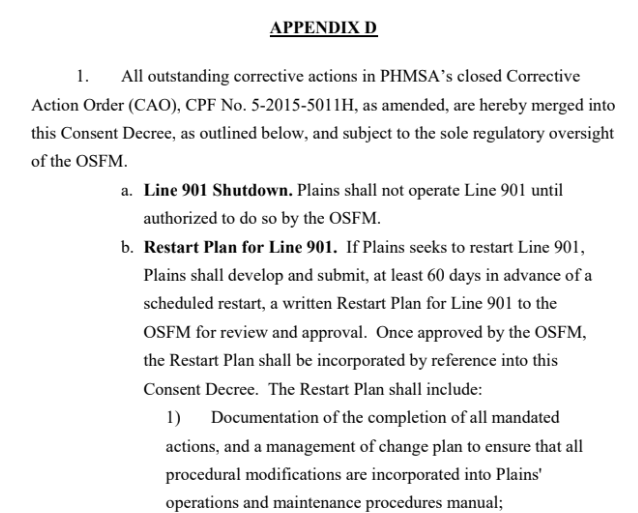
I once had the same opinion as Sable. Their pipeline is, by definition, an interstate line because it carries OCS production. Then I read Appendix D of the court approved Consent Decree that was executed following the 2015 Refugio pipeline spill. That Decree is quite clear regarding regulatory jurisdiction, and would have to be overturned to transfer authority to PHMSA.
The full Consent Decree is attached. Pasted below is an excerpt from Appendix D:
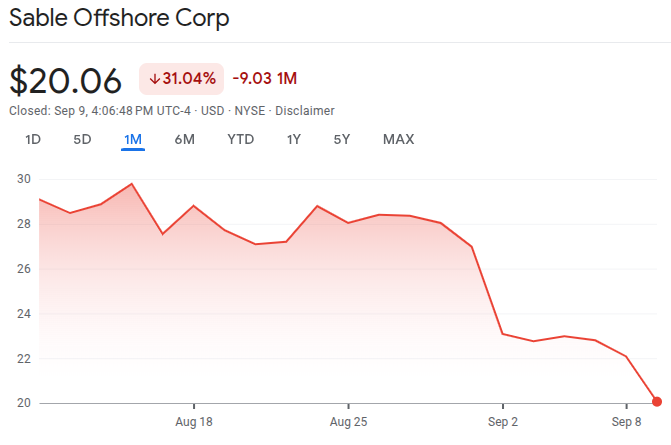
Sables’ share price sank on Tuesday following reports from Bloomberg and others that Governor Newsom is proposing new restrictions on California’s offshore oil industry. With Sable Offshore as a primary target, stricter requirements for restarting inactive intrastate oil pipelines would be imposed. •
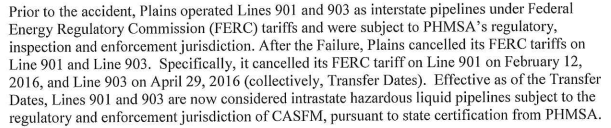
This could trigger yet another legal battle or increase the complexity of those that are ongoing. The onshore pipeline, now owned by Sable Offshore, was originally classified as an interstate pipeline under Federal jurisdiction. However, following the 2015 Refugio oil spill, it was reclassified as an intrastate pipeline via a 2016 letter of understanding signed by representatives of the Federal Office of Pipeline Safety (DOT-PHMSA) and the Office of the State Fire Marshal (pertinent text pasted below).
Given that the Sable pipeline will carry OCS production, it would seem to fundamentally be an interstate line (Federal jurisdiction), as it was when owned by Plains. Could DOT reverse the 2016 letter agreement? That is conjecture for the attorneys and courts to consider.
Meanwhile, below is an upbeat Sable video on the pipeline!


Comments from the California AG and Sable Offshore on the special permit application to PHMSA
Posted in California, energy policy, Offshore Energy - General, pipelines, Regulation, tagged California AG, comment letters, PHMSA, pipeline, Rob Bonta, Sable Offshore, Santa Ynez Unit, special permit on April 8, 2026| 2 Comments »
I’m attaching the complete comment letters from Sable Offshore and their main antagonist, California Attorney General Bonta, in response to PHMSA’s public notice and request for comments on Sable’s special permit application.
Summary of the California AG’s assertions:
“First, PHMSA is without authority to grant such a special permit because Lines CA-324/325 are intrastate pipelines and California regulators have sole regulatory oversight over any attempt to restart these Lines and issue state waivers. Second, California has vested interests in ensuring Lines CA-324/325 operate safely and PHMSA’s proposed special permit would dilute the higher state safety standards that were imposed on Sable and therefore it is inconsistent with pipeline safety. 49 C.F.R. § 190.341(d). Third, given the fact Line CA-324 already failed and caused a catastrophic oil spill in 2015 in Santa Barbara County, even if PHMSA had authority to issue a special permit (which it does not), a more robust environmental analysis needs to be performed. Fourth, PHMSA unlawfully invokes the Endangered Species Acts’s emergency consultation procedures and has given no indication that it will consult with the National Marine Fisheries Service, in violation of the Act. Finally, Secretary Wright’s March 13, 2026, order (“DPA
Order”) does not change anything about the propriety of the Application, because the DPA Order itself is unlawful.”
Summary of Sable’s position (screenshot):
You can sample the other public comments, some of which are quite good, by visiting the Regulations.gov docket.
Read Full Post »