Feeds:
Posts
Comments

Posts Tagged ‘Iran’

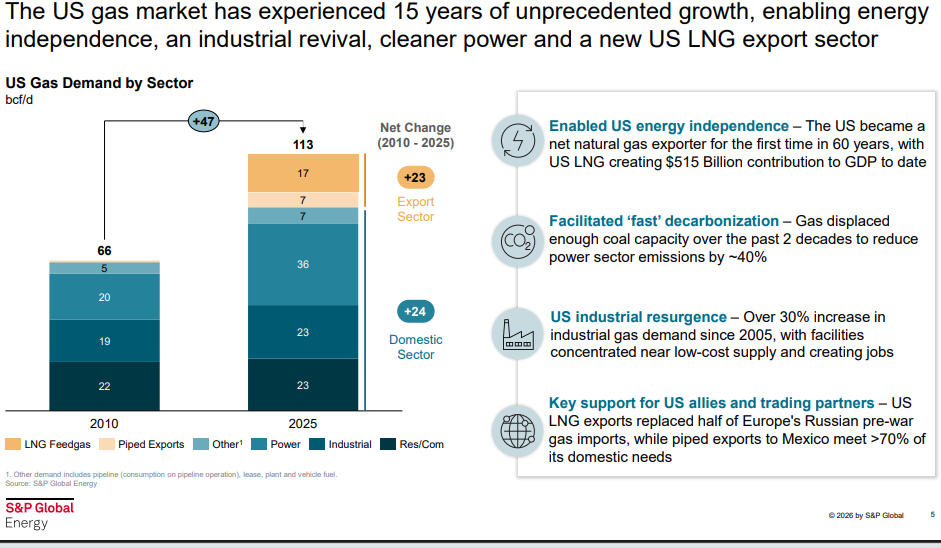
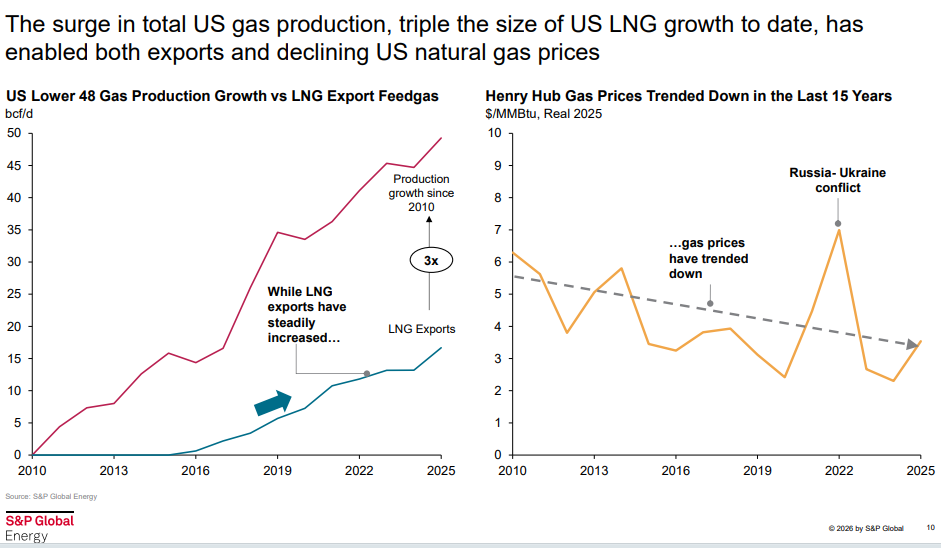
Quotes and graphics from S&P Global:

“Profound growth of LNG is exceeding all expectations,” said Daniel Yergin. “Economic gains in terms of jobs, GDP and labor income are on track to surpass all prior expectations, while the abundance of U.S. gas means that domestic prices remain among the lowest in the world.”

“More than 45 years of identified commercial gas resource in the United States at today’s production levels and the world’s most interconnected pipeline network are what enable both exports and low domestic prices,” said Eric Eyberg, Vice President, Gas and LNG, S&P Global Energy. “Since 2010, domestic prices have trended downward even as demand for U.S. gas has grown 70 percent. The recent Iran conflict has proven the U.S. domestic gas market resilient to external shocks relative to global gas and other commodities. U.S. Henry Hub gas prices declined during the conflict.”
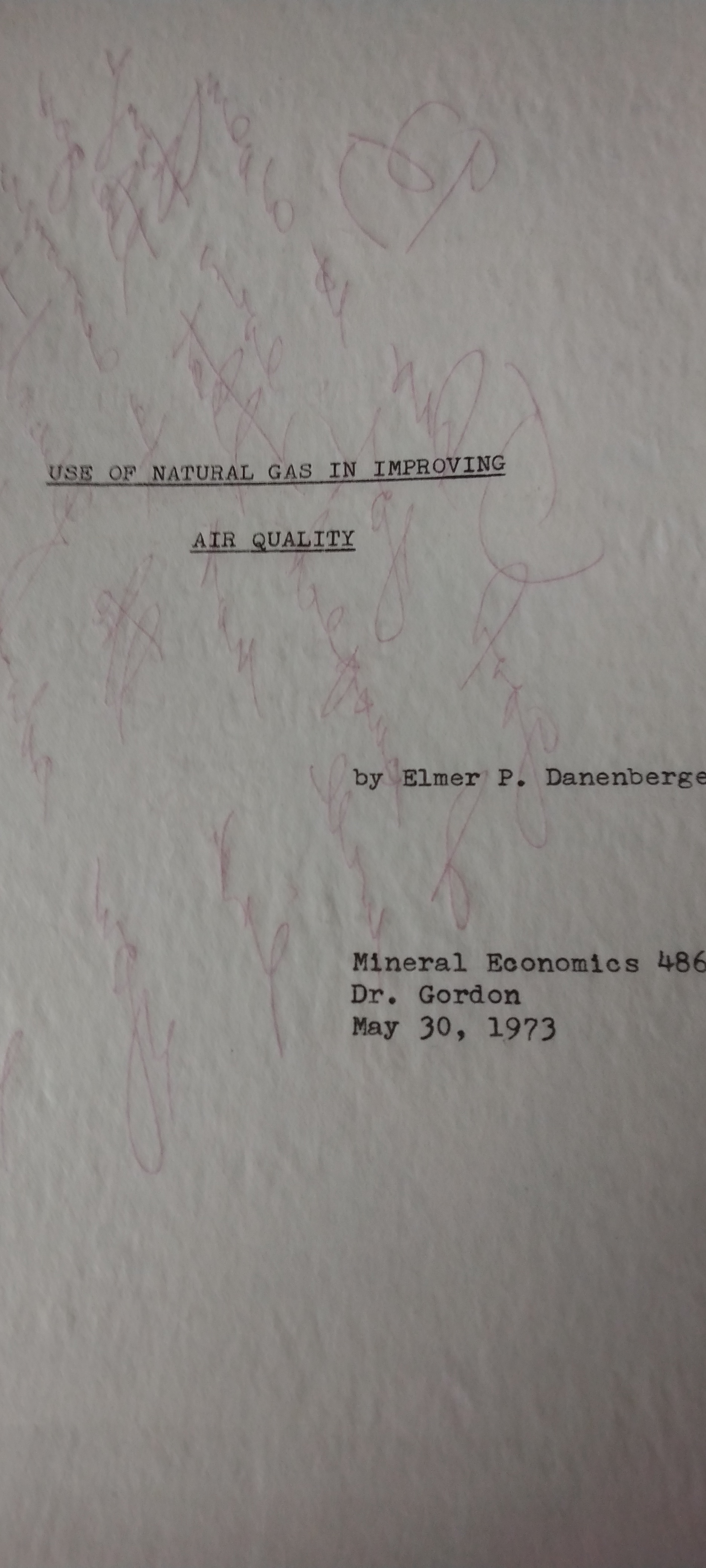
More than 50 years ago as a graduate student, I wrote a paper entitled “The Use of Natural Gas in Improving Air Quality.” My professor, Dr. Richard Gordon, a brilliant economist who greatly influenced my thinking about energy, liked the paper (grade of 93), but thought I was too optimistic about the availability of natural gas (the title page and his comment are captured below). The sense at the time was that natural gas was a premium energy source in short supply, but technical innovation unlocked massive shale gas resources and justified my optimism.

BOE has been celebrating the natural gas revolution since the blog began in 2010. Methane (CH4) is essentially a hydrogen transporter that emits far less CO2 than other fossil fuels when burned. Natural gas’s other important air quality advantages – low NOx, SO2, and particulate emissions – have far greater significance from a human health standpoint. (Many in the US and Canada learned a lot about particulates last weekend!)

The environmental case for offshore natural gas is particularly strong. However, Gulf of America gas production has struggled to compete with the onshore shale sector. Total Gulf production fell to 757 bcf in 2025. 91% of that gas production was from oil wells, primarily high rate deepwater wells.

Sobering resource conservation and emissions fact: The top two 2025 flarers, Russia and Iran, each flared 300 bcf more than the entire 2025 gas production in the Gulf of America. On top of that, keep in mind that the World Bank flaring estimates are probably low.

Read Full Post »

World Bank global flaring estimates are now derived from 3 satellites carrying NOAA VIIRS detectors. The increased number of observations improves the precision and accuracy of the flare locations and volume estimates.

The World Bank (WB) Global Gas Flaring Tracker is the only worldwide flaring data source. Offshore and onshore data are segmented, so offshore flaring can be considered separately for each country.

The WB estimates that 21600.03 million cu m (762.5 bcf) of gas were flared at offshore locations worldwide in 2025. This is an increase from 2024 when the total offshore flaring volume was 21159.91 million cu m.

The flaring totals for prominent offshore producers are entered in the table below. Also included are the largest offshore flares for each country.

Unsurprisingly, Norway led the pack in minimizing offshore flaring. Their total of 36.11 million cu m (1.3 bcf) is very impressive for such a large producer. The US offshore total of 160.95 cu m (5.7 bcf) is also quite respectable relative to production.

At the other end of the scale are Iran – 3329 million cu m (118 bcf), Nigeria – 2566 (91 bcf), Angola – 2300 (81 bcf), and Mexico 2068 (73 bcf). These 4 countries accounted for nearly half of all 2025 offshore flaring. They were also massive offshore flarers in 2024: Iran – 3753 million cu m, Nigeria – 2867, Angola – 2040, and Mexico – 2223.

If both onshore and offshore flaring are considered, Iran flared 29931 million cu m in 2025. That equates to 1.057 trillion cu ft!

2025 WB flaring total
million cu meters
largest flarelargest flare volume
Angola2300.26Lombo East862.02
Australia268.36Santos61.89
Brazil969.16Albacora Leste118.93
Canada145.12Terra Nova95.83
China535.56Weizhou 12-168.26
Congo, Rep.788.98Kitina384.12
Gabon368.91Tchatamba Marin37.46
Ghana351.81Sankofa East184.97
Guyana227.38Yellowtail164.06
Indonesia292.16Belida30.84
Iran3329.19Foroozan1360.09
Libya313.78Bouri74.07
Malaysia1459.32Kasawari205.8
Mexico2067.62Akal386.44
Nigeria2565.88Oso308.37
Norway36.11Balder6.38
Qatar688.19Ras Laffan LNG54.65
Russia227.27Yuri Korchagin82.07
Trinidad87.66Atlantic LNG53.23
UK234.08Penguins22.94
US160.95NA*22.77
*The WB lists the field name for the largest US flare as NA. The lat/long for the Whale deepwater platform in the Western Gulf matches the identified flare location (26.22 lat., -94.67 long.)

The WB tracker identifies the Gulf of America facilities with the highest flaring volumes. The 2025 list is pasted below. Repeat top ten Gulf flarers from 2024 were Vito (14.55 million cu m in 2024), Pompano (11.68), and Lucius (5.72).

The WB lists the field name for the largest US flare as NA. The lat/long for the Whale deepwater platform in the Western Gulf matches the identified flare location (26.22 lat., -94.67 long.)

Per the WB tracker, the Terra Nova FPSO, offshore Newfoundland, was the top North American offshore flarer by a considerable margin (data for Canada below). Terra Nova was also the top flarer in 2024 (95.56 million cu m).

The location of the only flare identified offshore California corresponds with that of the Dos Cuadras field in the Santa Barbara Channel. The estimated 2025 flaring volume was 0.10 million cu m.

The WB flaring tracker is an excellent data source, but doesn’t capture vented gas and likely understates the total volume flared. The WB estimated that 160.95 million cu m (5.68 bcf) were flared at US offshore facilities in 2025. This compares with the 9.7 bcf (flaring and venting) and 8.0 bcf (flaring only) totals derived from ONRR data (chart below). The flaring difference is not surprising given that the WB numbers are dependent on satellite imagery and the ONRR data are from mandated/audited production reports. A previous comparison also showed that the WB flaring estimates are significantly lower than the ONRR numbers. From a regulatory oversight perspective, this is rather reassuring given that the reverse (WB>ONRR) would imply serious reporting issues.

Read Full Post »

A post from October 13, 2023, is re-posted below due to its current relevance.

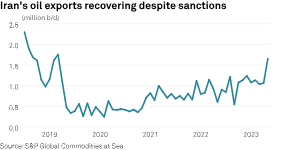
S&P Global reports on the surge in Iranian oil production and exports. In the quote below, note the concern about the higher oil prices that might result from tightening the sanctions. If oil price concerns are driving critical foreign policy decisions, this would be a rather stunning indictment of US energy policy, which is sometimes perceived as being more hostile toward domestic producers than international adversaries.

Before the war, US-Iranian tensions had eased, which facilitated higher Iranian oil exports. Iranian crude oil production increased 500,000 b/d from March to September 2023 — to 3.1 million b/d from 2.6 million,” the analysts said. “Biden will be under pressure to enforce sanctions and curtail Iranian export revenue. This is a challenging situation for the Biden administration, which wants more oil on the market, not less. The attacks on Israel could override the oil issue.

There was an exchange on this topic at yesterday’s White House press briefing:

Q. I wanted to ask you about oil, if I could, and the money that it’s bringing in.  So, is the amount of oil that’s being brought in by Iran — specifically, records amount, 85 percent to China, more oil being sold above the price cap from Russia — giving the President any pause on changing these energy policies for fossil fuels here in the U.S.?

MR. KIRBY:  I would — just let me back up a little bit.  I mean, it’s important to remember that Iran gets most of its oil revenue off the black market and evad- — evading sanctions, which they do.  It’s costly to them.  In fact, our evidence is that they really only receive a fraction of the market value of the oil that they sell, because they have to sell it on the black market. 

We will always, as we do in any case, typically, revisit sanctions regimes to see if they need to be changed or adjusted, specifically with respect to Iranian oil.

The President, since the beginning of the administration, has been concerned about making sure we have a viable global market for oil, working hard to keep the prices of gasoline down here in the United States.  Part of that is making sure you remove some of the volatility in that global supply and demand. 

I don’t have any announcements or decisions to make today with respect to any changes to the domestic oil production

Q    But isn’t it a national security issue when you have countries that are profiting off of oil and the increased price of oil that don’t like Israel, that don’t like America?

MR. KIRBY:  We don’t want, for instance, Russia to be able to — to get a windfall in profits from the oil market so that they can then turn that around and — and apply that to weapons in Ukraine.  We certainly don’t want to see Iran do — be able to do much of the same, which is why we’re — we’re putting as much pressure on them as we are.

Q    So, why not increase oil production here?

MR. KIRBY:  I — again, I don’t have any announcements to make today.

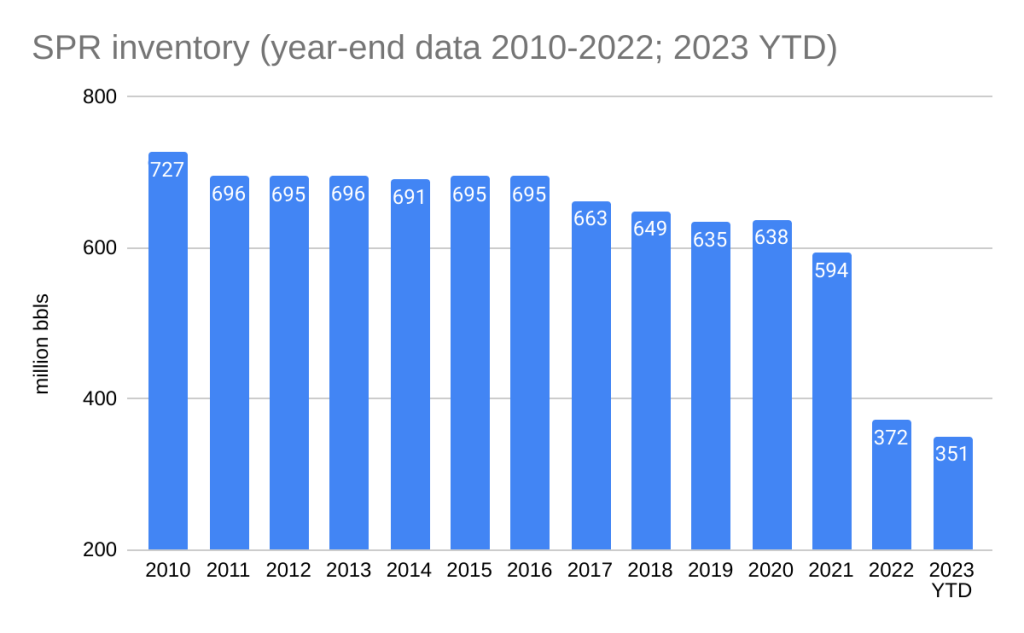
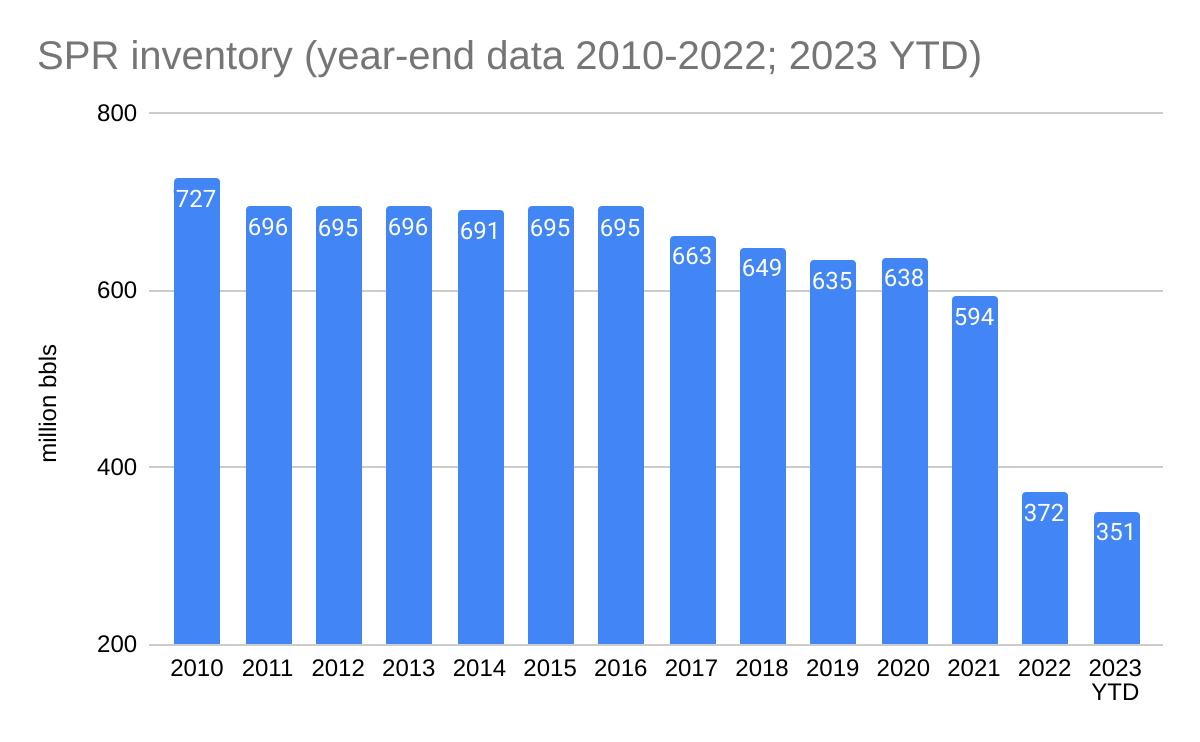
On a related note, the Strategic Petroleum Reserve has remained at historic low levels. The current volume is 351.3 million barrels, a slight rise from the low of 346.8 million barrels in July, the lowest volume since 8/19/1983 when the SPR was still being filled. Have the oil embargoes following the Yom Kippur War, the reason for the SPR’s existence, been forgotten?

Read Full Post »

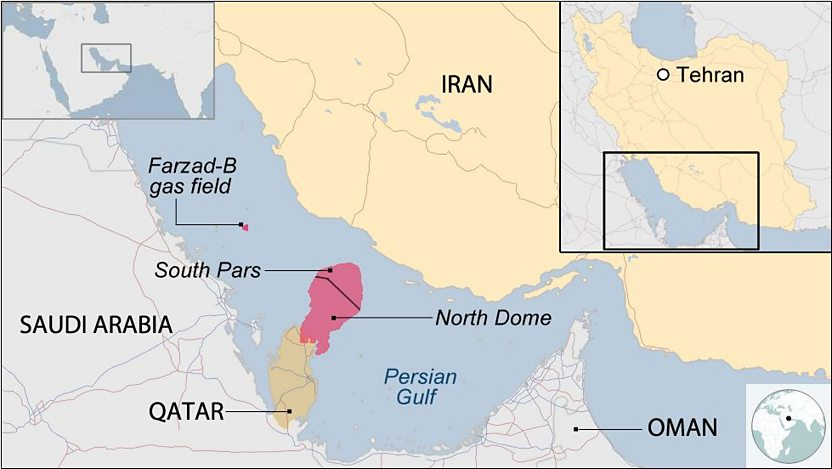
Iranian media reports a “massive explosion” following an Israeli drone strike on the South Pars gas field in the southern port city of Kangan. According to a 2019 report, the field accounts for 74 per cent of the country’s gas production.

Judging by available video (below), it appears that onshore processing facilities were struck and not the offshore infrastructure.

Read Full Post »

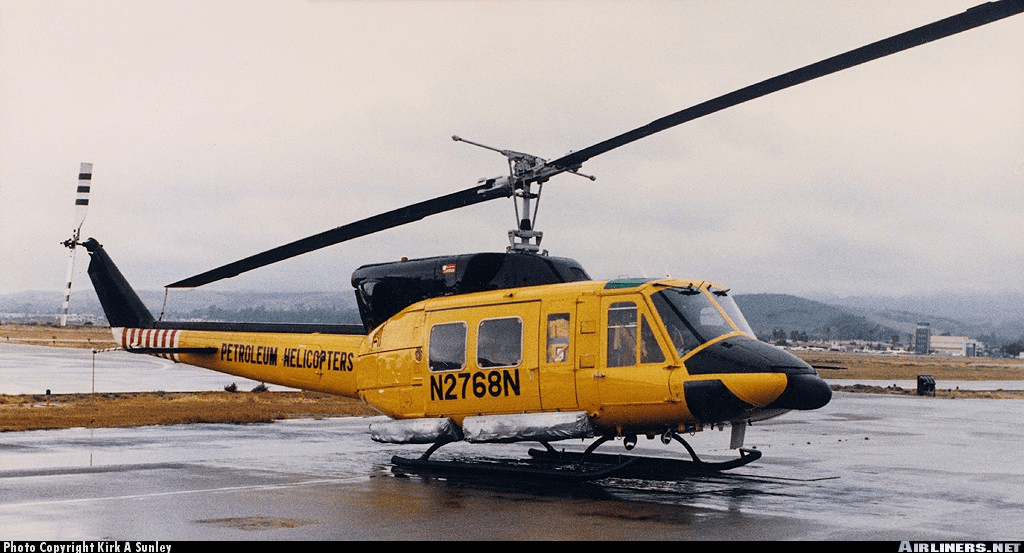
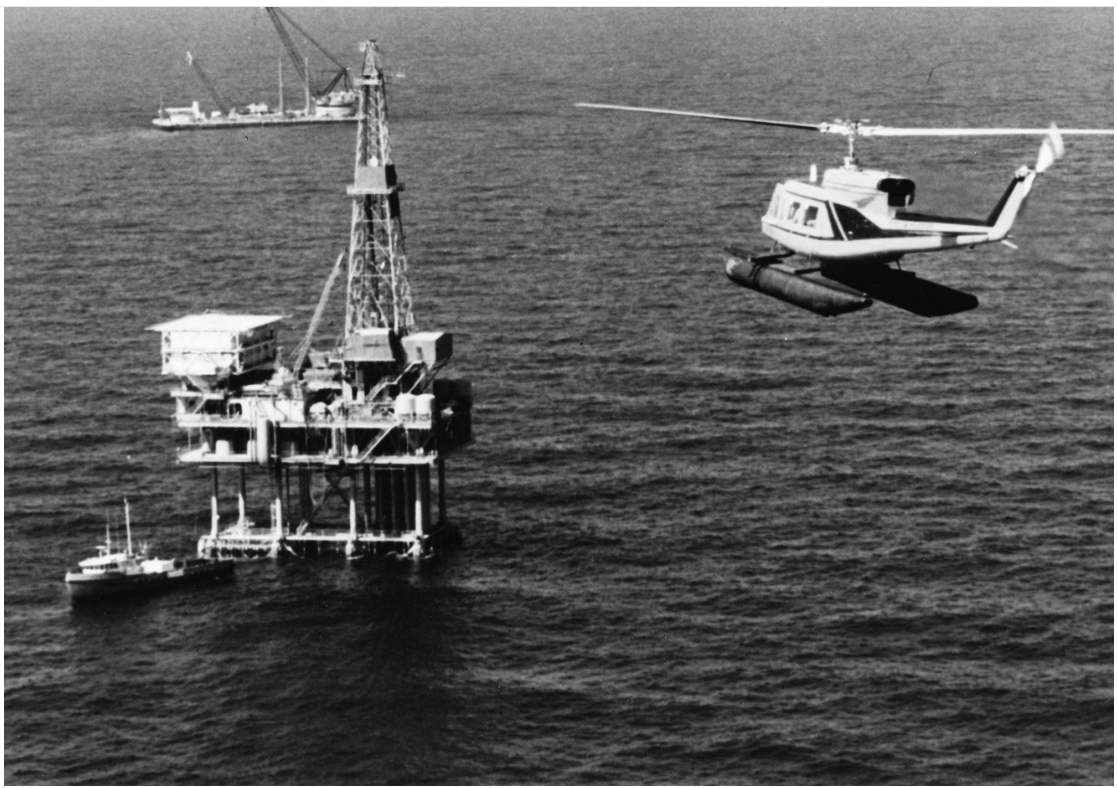
A Bell 212 helicopter is in the news following the crash that killed Iran’s President and Foreign Minister. Given the difficult weather conditions and mountainous terrain, the crash was most likely an accident.

As noted in this vintage newsletter (p. 8), we flew to Georges Bank drilling rigs in the early 1980’s in a Bell 212 contract helicopter, owned and operated by Petroleum Helicopters Inc (PHI).

The Bell 212 was chosen by the USGS aviation expert because of its range, reliability, and IFR capabilities that enabled flying in limited visibility. Because of difficult fog conditions on Georges Bank, drilling rigs were sometimes not visible until we were descending to land.

For the most part, the offshore industry has replaced Bell 212 helicopters with newer models, but the 212 was in use for many years and had an excellent performance record.

PHI Bell 212 prepares to land at a platform in the Gulf of Mexico, 1974, Vertiflite.

Read Full Post »

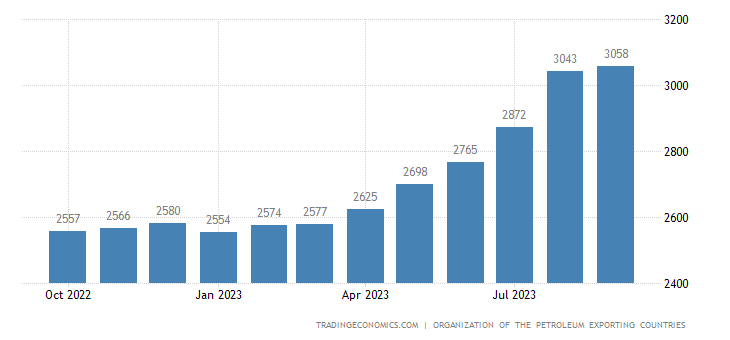
Consistent with analysts suggestions that the US is reluctant to tighten sanctions on Iran because of concerns about oil markets, note that Iranian crude oil production began ramping up in early 2023 (see chart below) shortly after the massive Strategic Petroleum Reserve withdrawals had ceased. The increase in Iranian production in 2023 of ~500,000 bopd is comparable to the SPR withdrawal rate for 2022 (averaged 608,000 bopd).

Given that further depletion of the SPR was no longer politically acceptable, a cynic might suggest that oil market considerations associated with the end of SPR withdrawals and OPEC tightening (Iran is currently exempt from OPEC quotas) factored into decisions regarding the relaxation of sanctions on Iran.

crude oil production: Iran

The US is also prepared to ease sanctions on Venezuelan oil production. Why is production from Iran and Venezuela preferable to US offshore production? Why is the US sanctioning itself by enacting a controversial and punitive 5 year offshore leasing plan?

Read Full Post »

S&P Global reports on the surge in Iranian oil production and exports. In the quote below, note the concern about the higher oil prices that might result from tightening the sanctions. If oil price concerns are driving critical foreign policy decisions, this would be a rather stunning indictment of US energy policy, which is sometimes perceived as being more hostile toward domestic producers than international adversaries.

Before the war, US-Iranian tensions had eased, which facilitated higher Iranian oil exports. Iranian crude oil production increased 500,000 b/d from March to September 2023 — to 3.1 million b/d from 2.6 million,” the analysts said. “Biden will be under pressure to enforce sanctions and curtail Iranian export revenue. This is a challenging situation for the Biden administration, which wants more oil on the market, not less. The attacks on Israel could override the oil issue.

There was an exchange on this topic at yesterday’s White House press briefing:

Q. I wanted to ask you about oil, if I could, and the money that it’s bringing in.  So, is the amount of oil that’s being brought in by Iran — specifically, records amount, 85 percent to China, more oil being sold above the price cap from Russia — giving the President any pause on changing these energy policies for fossil fuels here in the U.S.?

MR. KIRBY:  I would — just let me back up a little bit.  I mean, it’s important to remember that Iran gets most of its oil revenue off the black market and evad- — evading sanctions, which they do.  It’s costly to them.  In fact, our evidence is that they really only receive a fraction of the market value of the oil that they sell, because they have to sell it on the black market. 

We will always, as we do in any case, typically, revisit sanctions regimes to see if they need to be changed or adjusted, specifically with respect to Iranian oil.

The President, since the beginning of the administration, has been concerned about making sure we have a viable global market for oil, working hard to keep the prices of gasoline down here in the United States.  Part of that is making sure you remove some of the volatility in that global supply and demand. 

I don’t have any announcements or decisions to make today with respect to any changes to the domestic oil production

Q    But isn’t it a national security issue when you have countries that are profiting off of oil and the increased price of oil that don’t like Israel, that don’t like America?

MR. KIRBY:  We don’t want, for instance, Russia to be able to — to get a windfall in profits from the oil market so that they can then turn that around and — and apply that to weapons in Ukraine.  We certainly don’t want to see Iran do — be able to do much of the same, which is why we’re — we’re putting as much pressure on them as we are.

Q    So, why not increase oil production here?

MR. KIRBY:  I — again, I don’t have any announcements to make today.

On a related note, the Strategic Petroleum Reserve has remained at historic low levels. The current volume is 351.3 million barrels, a slight rise from the low of 346.8 million barrels in July, the lowest volume since 8/19/1983 when the SPR was still being filled. Have the oil embargoes following the Yom Kippur War, the reason for the SPR’s existence, been forgotten?

Read Full Post »

Iran 0 USA 1

Can we dedicate the victory to the Iranian “journalist” who aggressively questioned Tyler Adams yesterday (see clip below)? Great response from Tyler who is nothing but class on and off the field. A great captain.

Read Full Post »