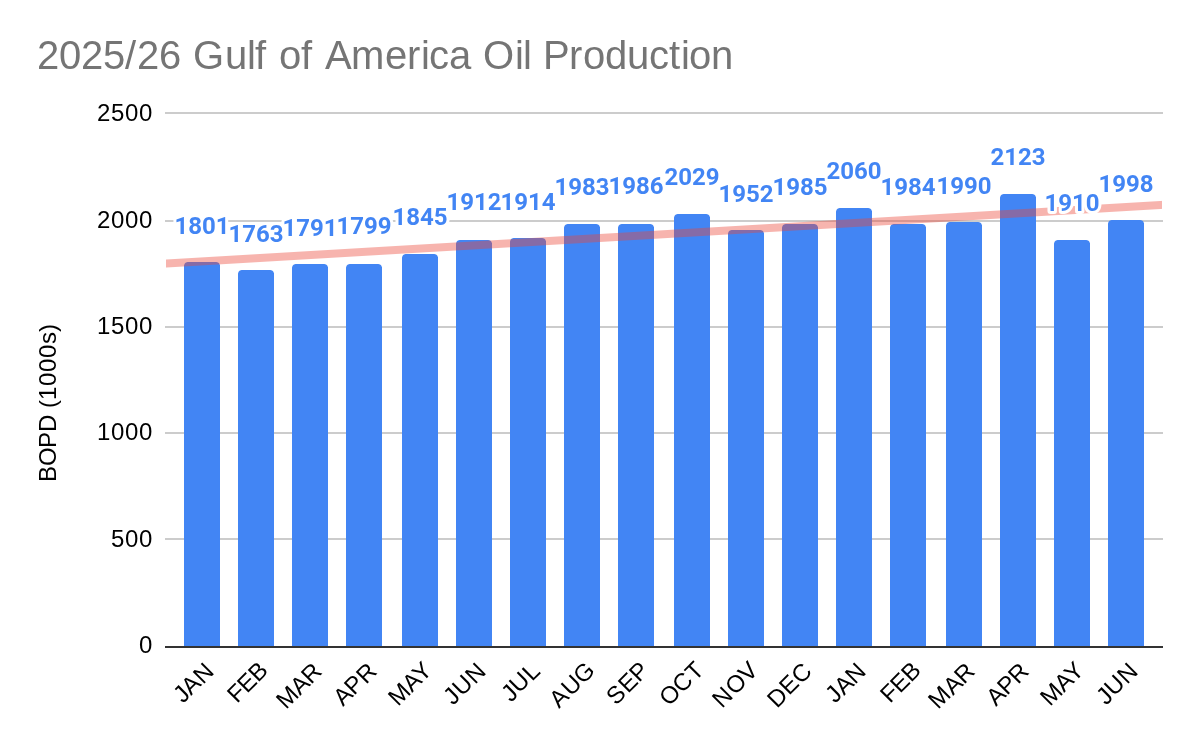
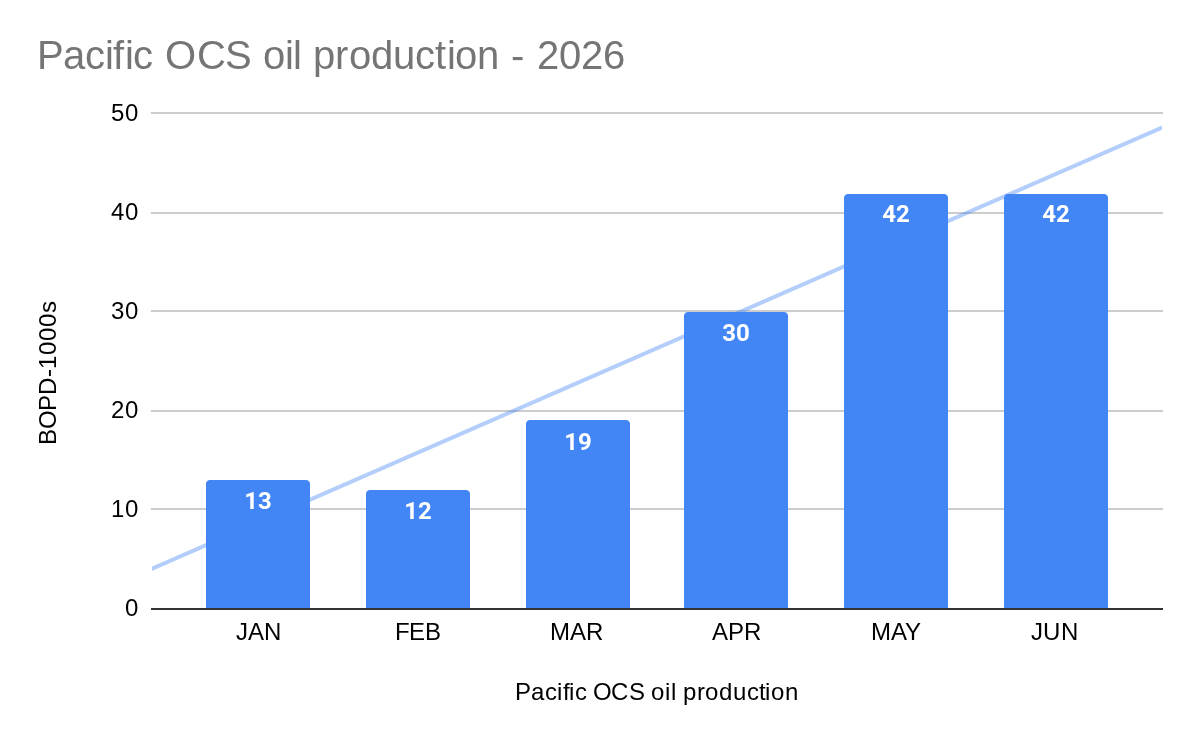
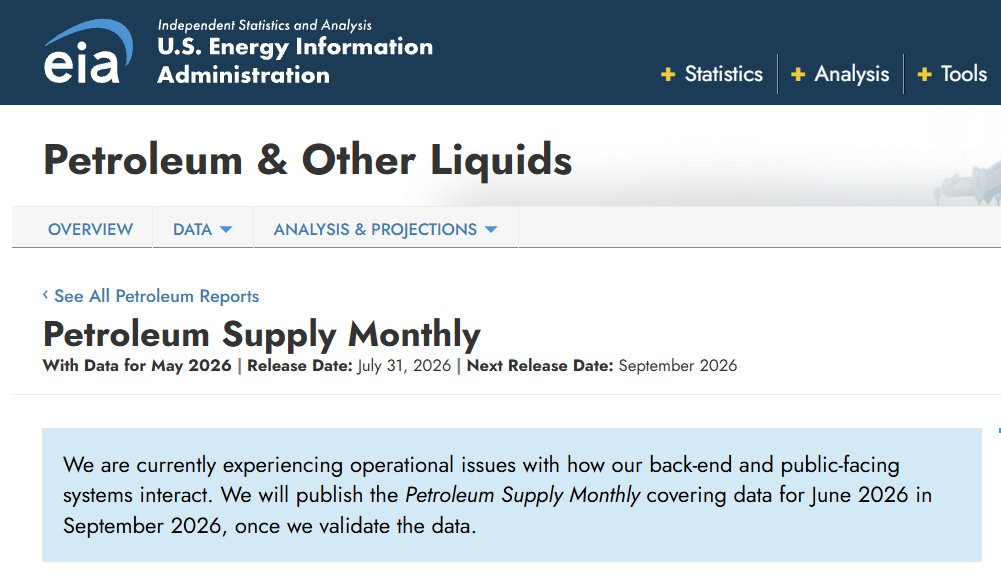
Raising the bar! The EIA’s August data release (delayed until 9/2) upped the Gulf’s all-time monthly production record (April 2026) by 14,000 bopd to 2,123,000 bopd. June production settled in just below the 2 million bopd mark.
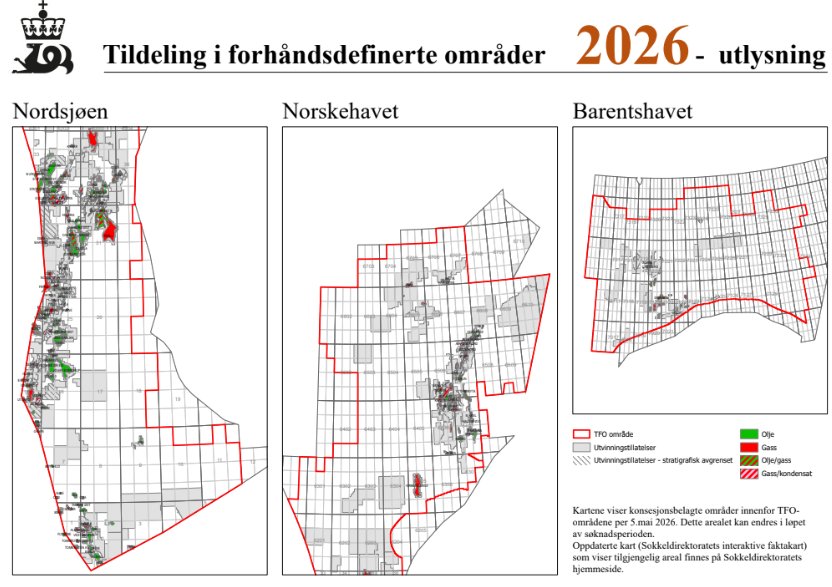
2026 licensing rounds – North Sea, Norwegian Sea, and Barents Sea
Norway is currently producing about 2 million bbls of oil per day (similar to Gulf of America oil production) and 12 billion cu ft of gas per day (6 times Gulf gas production).
Norway’s production is expected to remain high until the end of the 2020s, after which it will decline. To slow the decline, more exploration is needed, both in well-explored and under-explored areas. In addition, more investment is needed in fields, discoveries, infrastructure and technology development. Lack of investment will lead to a rapid decline in the petroleum industry (ala the UK). The Barents Sea is expected to contribute significantly to Norway’s future production.
When asked about the EU’s support for a moratorium on Arctic drilling and production, Norway’s Energy Minister Terje Aasland (pictured) responded diplomatically: “In today’s geopolitical and security environment, and given the resource situation, I believe continued activity in the Barents Sea serves both Norwegian and European interests.”
Anders Opedal, CEO of Equinor, which is 2/3 Norwegian govt owned, was more blunt. He said oil and liquefied natural gas (LNG) from the Barents Sea can be shipped anywhere in the world if rejected by the EU.“The only thing that will suffer from this is actually European security. We have the flexibility.”
Oil and gas demand is not going away. Where is the EU going to find a more environmentally responsible producer? As noted last month, Norway is by far the world leader in minimizing flaring. That’s evidence of outstanding production management.
The country has taken other well-intended emissions reduction measures like electrifying distant platforms and injecting CO2 that have high costs and questionable benefits. Nonetheless, they are the type of initiatives that the EU supports. Good luck finding a more secure, eco-friendly producer!
As explained in the attached Safety Alert, BSEE’s risk-based inspection program has identified deficiencies in safety device bypass practices including:
inadequate documentation
inoperative data history software
bypassing more devices than is necessary
bypassing devices for longer than necessary
missing audit documentation
mistakenly bypassing the entire safety system during production
The regulations restricting the bypassing of safety devices are core elements of OCS regulatory and operator management programs. Because they are critical to process safety, these requirements are widely supported and strictly enforced.
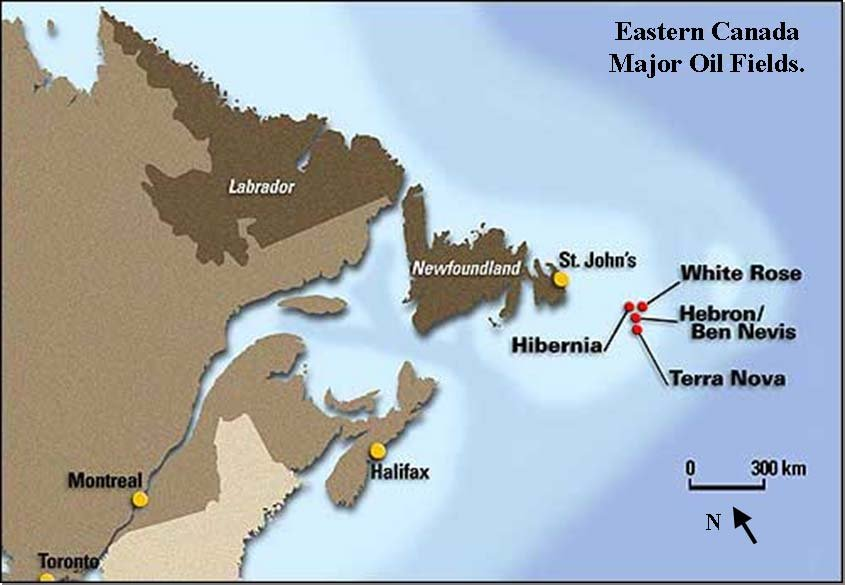
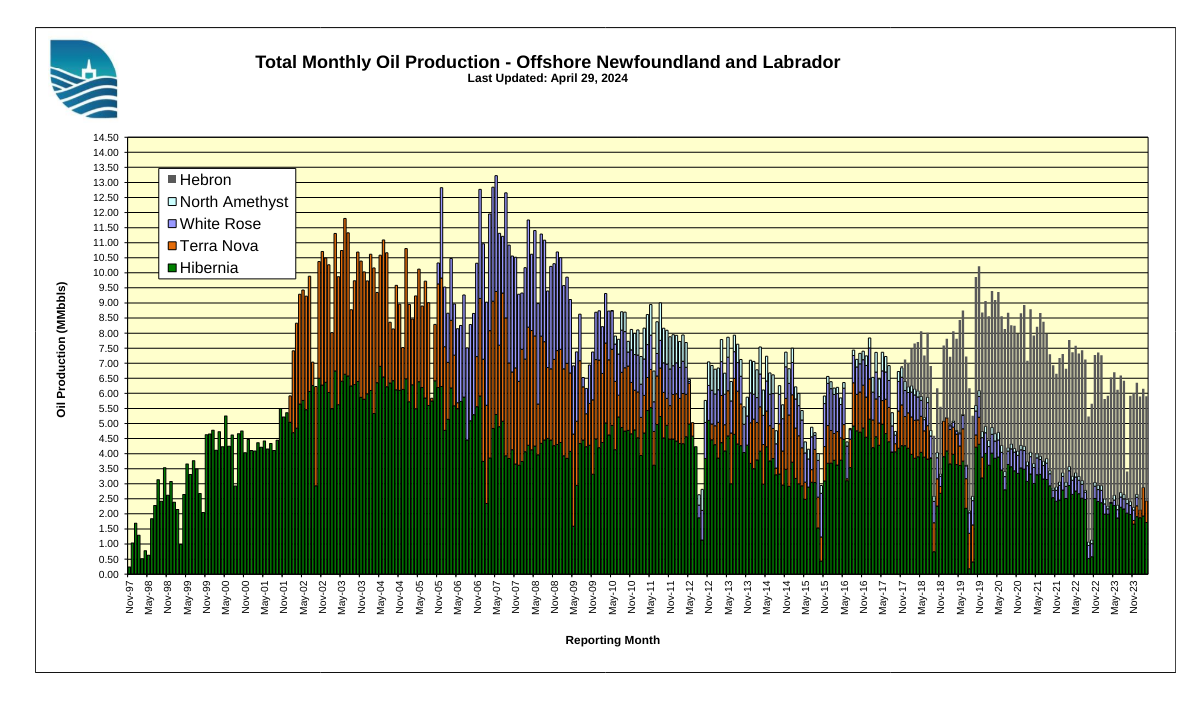
Offshore Newfoundland, a particularly hostile operating environment (“North Sea plus icebergs“), continues to be the only producing area in the North American Atlantic, a distinction that is unlikely to change for at least the next decade.
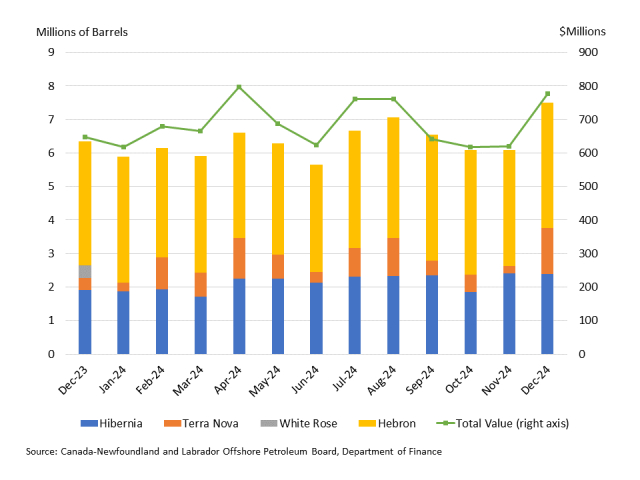
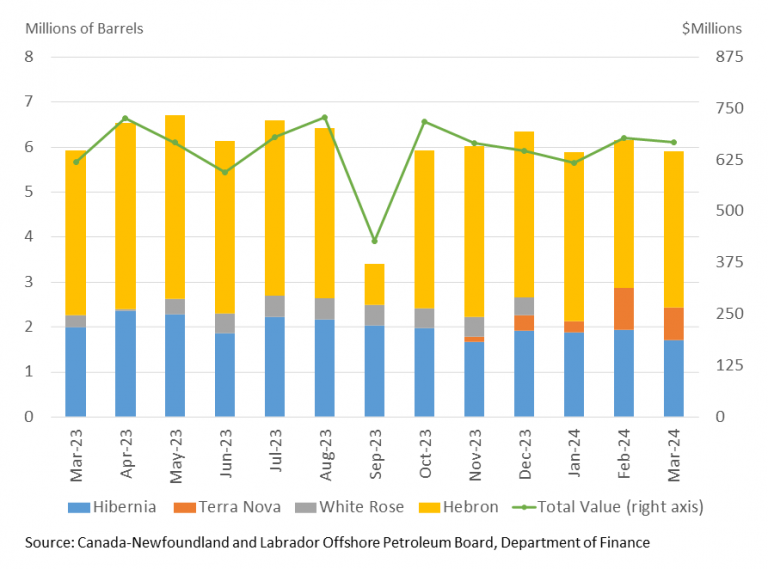
Production is holding firm and there was a nice bounce in December when 7.5 million barrels were produced (242,000 bopd ave.). December’s production was the highest since May 2022 and and was a respectable 57% of the May 2007 peak.
Most impressively, according to CNLOPB data, no fatalities or significant injuries occurred over the past 3 years.
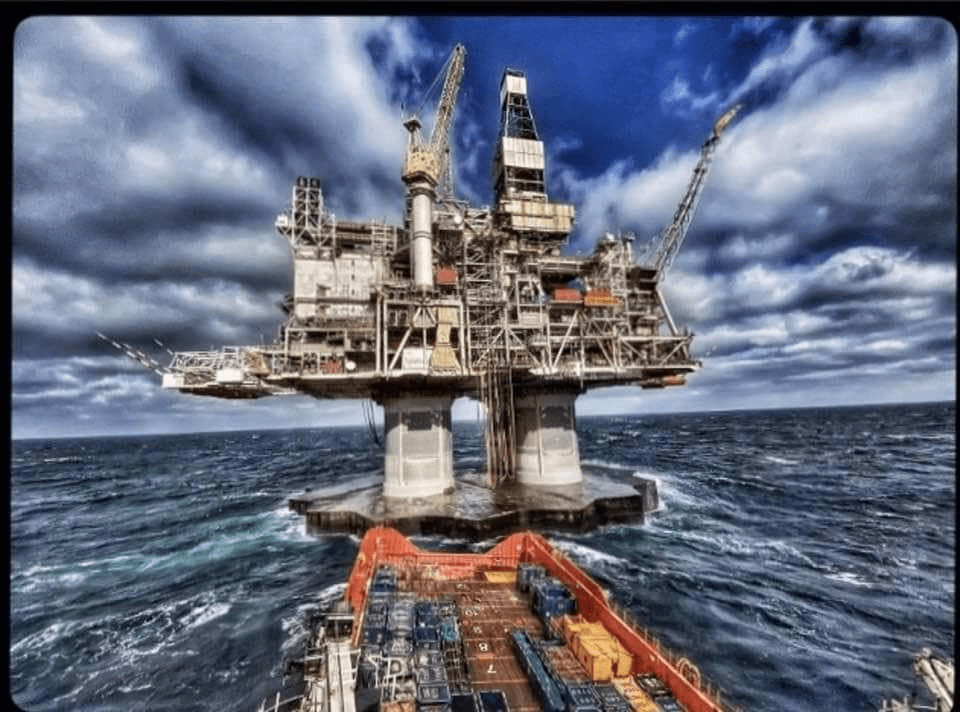
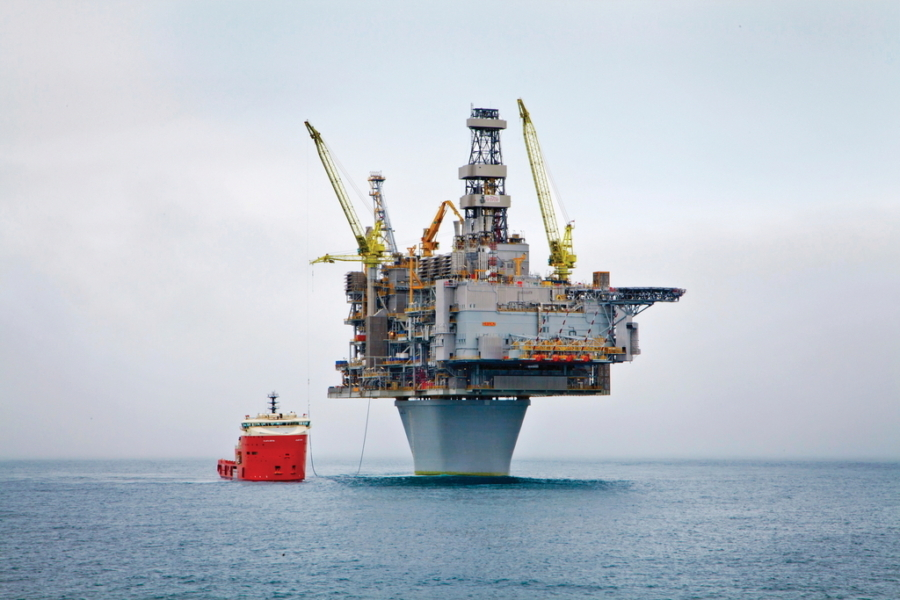
The pioneering Hibernia platform (pictured above), where Newfoundland offshore production began in Nov. 1997, keeps chugging along at 60 to 80,000 bopd. The Hibernia field has produced more than double the original resource estimate of 520 million barrels. Very impressive!
Hebron, the current top producer, continues to produce 100,000+ bopd
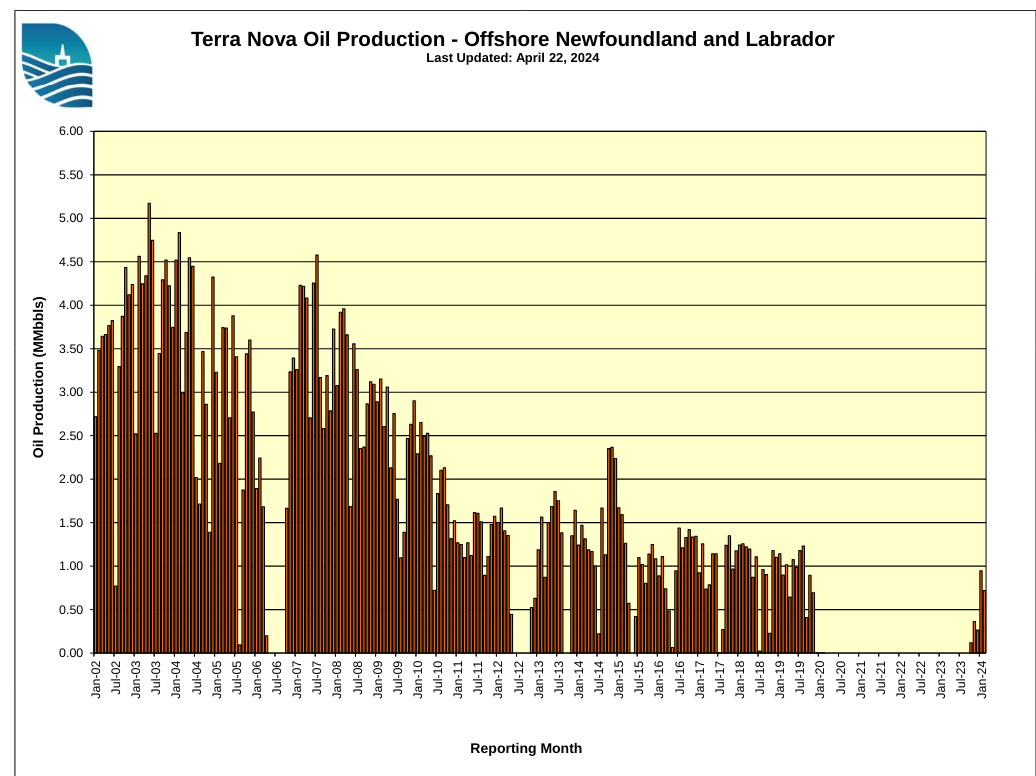
The Terra Nova field contributed ~40,000 bopd in Dec., the highest output since production resumed in late 2023 after extensive downtime to refurbish the FPSO.
While checking for updates on the important Orphan Basin well, I looked at Newfoundland production data and found it surprisingly encouraging:
The pioneering Hibernia field has produced more than double the original resource estimate of 520 million barrels, and is still chugging along at about 60,000 bopd.
Hebron, the current top producer, is holding strong at 100,000+ bopd.
White Rose, which was in danger of being abandoned, is poised for a renaissance with the installation of the West White Rose concrete gravity structure.
Terra Nova is once again producing at near 2019 levels after a four year hiatus. The Terra Nova story has many important technical, management, regulatory, safety, and logistical elements, and presents good case study opportunities for Newfoundland academics (Memorial University?).
With prospects for production at Bay du Nord brightening and interesting targets like the Orphan basin being explored, pessimistic forecasts for Newfoundland’s resilient offshore sector may be a bit premature.
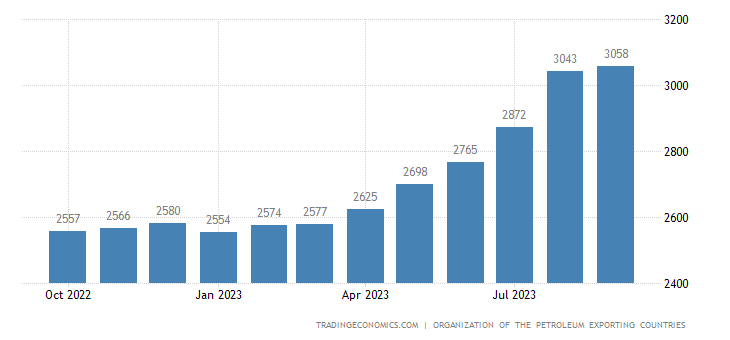
Given that further depletion of the SPR was no longer politically acceptable, a cynic might suggest that oil market considerations associated with the end of SPR withdrawals and OPEC tightening (Iran is currently exempt from OPEC quotas) factored into decisions regarding the relaxation of sanctions on Iran.
The plan looks good. It appears to be consistent with previous contingency plans. Offshore operations should not be impacted.
“During the shutdown BSEE will continue critical permitting, oversight, preparedness verification, and related activities that are necessary to protect workers and the environment from operations associated with conventional and renewable energy development on the Outer Continental Shelf. Approximately 40% of the 851 BSEE employees will be retained to accomplish these activities and will be designated as exempt, as their salaries will be funded from non-lapsing prior year carryover. Should an extended shutdown occur, exhausting current funding sources, all the exempt personnel would be designated as excepted as they are essential for life and safety.”
Despite continuous legal and policy headwinds, and the absence of some historically important US companies, technological innovation is sustaining US offshore production at about 1.7 to 1.8 million BOPD. BOE will continue to monitor drilling, production, and safety performance and draw attention to the leading companies.
Think about where we would be today without the shale revolution and onshore production on private lands. Grateful!
This article is primarily about Texas shale oil production. Offshore production, particularly in deepwater areas, is much more capital intensive, requires longer lead times, is exclusively on government leases, and is highly regulated by multiple agencies. These factors weigh against quick responses to market conditions. A Bloomberg article about Shell’s Vito project provides a good offshore perspective.
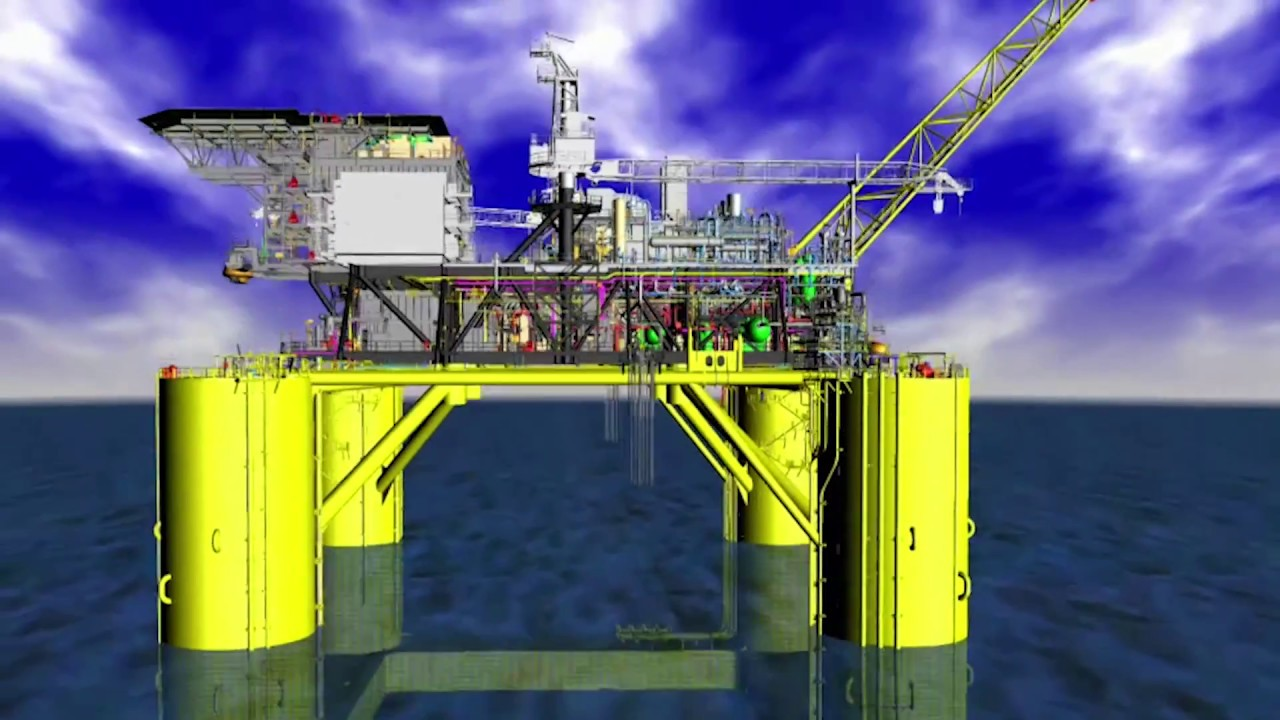
Vito
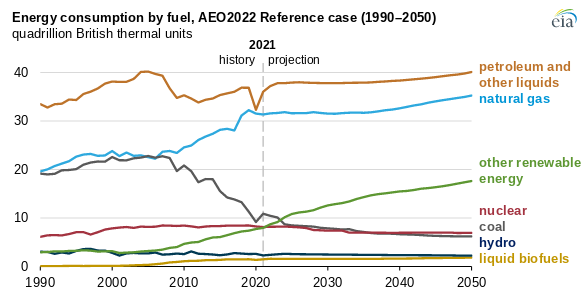
Another important factor in the offshore sector is that the major oil and gas producers seem to be going through an identity crisis, torn between what they are and what they (aided by some loud and powerful voices) think they should be. The future of these companies is dependent on how they navigate through all of this. The need for oil and gas is clearly not going away (see EIA projection below). Who will provide the supply and where will it be produced?
“Today, we only have 2% of effective spare capacity, which is an imbalance,” Nasser said. “You need a resilient and strong spare capacity to make sure that you can absorb any supply shocks. Look at what’s happening. Before the Ukraine crisis, the spare capacity was declining fast.”
Oxy CEO Vicki Hollub’s comments further justify our concerns about US over-reliance on shale production. She noted these impediments to production growth in the Permian Basin, the world’s largest shale basin: