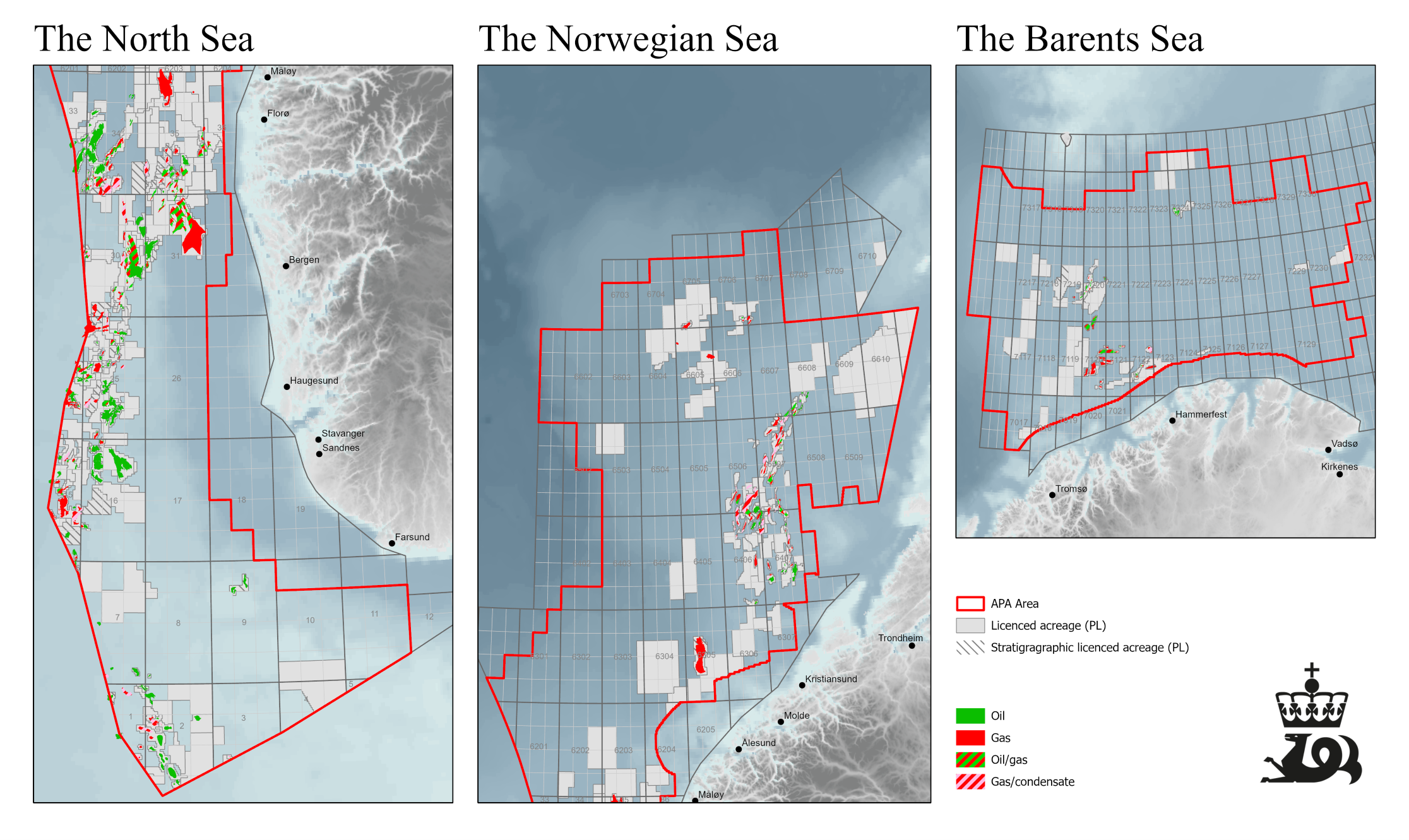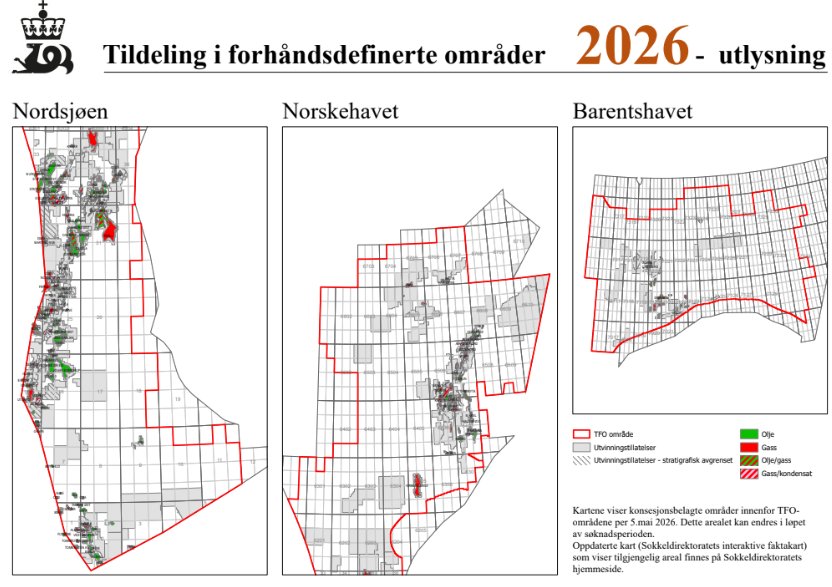
Norway is currently producing about 2 million bbls of oil per day (similar to Gulf of America oil production) and 12 billion cu ft of gas per day (6 times Gulf gas production).
Norway’s production is expected to remain high until the end of the 2020s, after which it will decline. To slow the decline, more exploration is needed, both in well-explored and under-explored areas. In addition, more investment is needed in fields, discoveries, infrastructure and technology development. Lack of investment will lead to a rapid decline in the petroleum industry (ala the UK). The Barents Sea is expected to contribute significantly to Norway’s future production.

When asked about the EU’s support for a moratorium on Arctic drilling and production, Norway’s Energy Minister Terje Aasland (pictured) responded diplomatically: “In today’s geopolitical and security environment, and given the resource situation, I believe continued activity in the Barents Sea serves both Norwegian and European interests.”
Anders Opedal, CEO of Equinor, which is 2/3 Norwegian govt owned, was more blunt. He said oil and liquefied natural gas (LNG) from the Barents Sea can be shipped anywhere in the world if rejected by the EU.“The only thing that will suffer from this is actually European security. We have the flexibility.”
Oil and gas demand is not going away. Where is the EU going to find a more environmentally responsible producer? As noted last month, Norway is by far the world leader in minimizing flaring. That’s evidence of outstanding production management.
The country has taken other well-intended emissions reduction measures like electrifying distant platforms and injecting CO2 that have high costs and questionable benefits. Nonetheless, they are the type of initiatives that the EU supports. Good luck finding a more secure, eco-friendly producer!