Feeds:
Posts
Comments

Posts Tagged ‘piston coring’

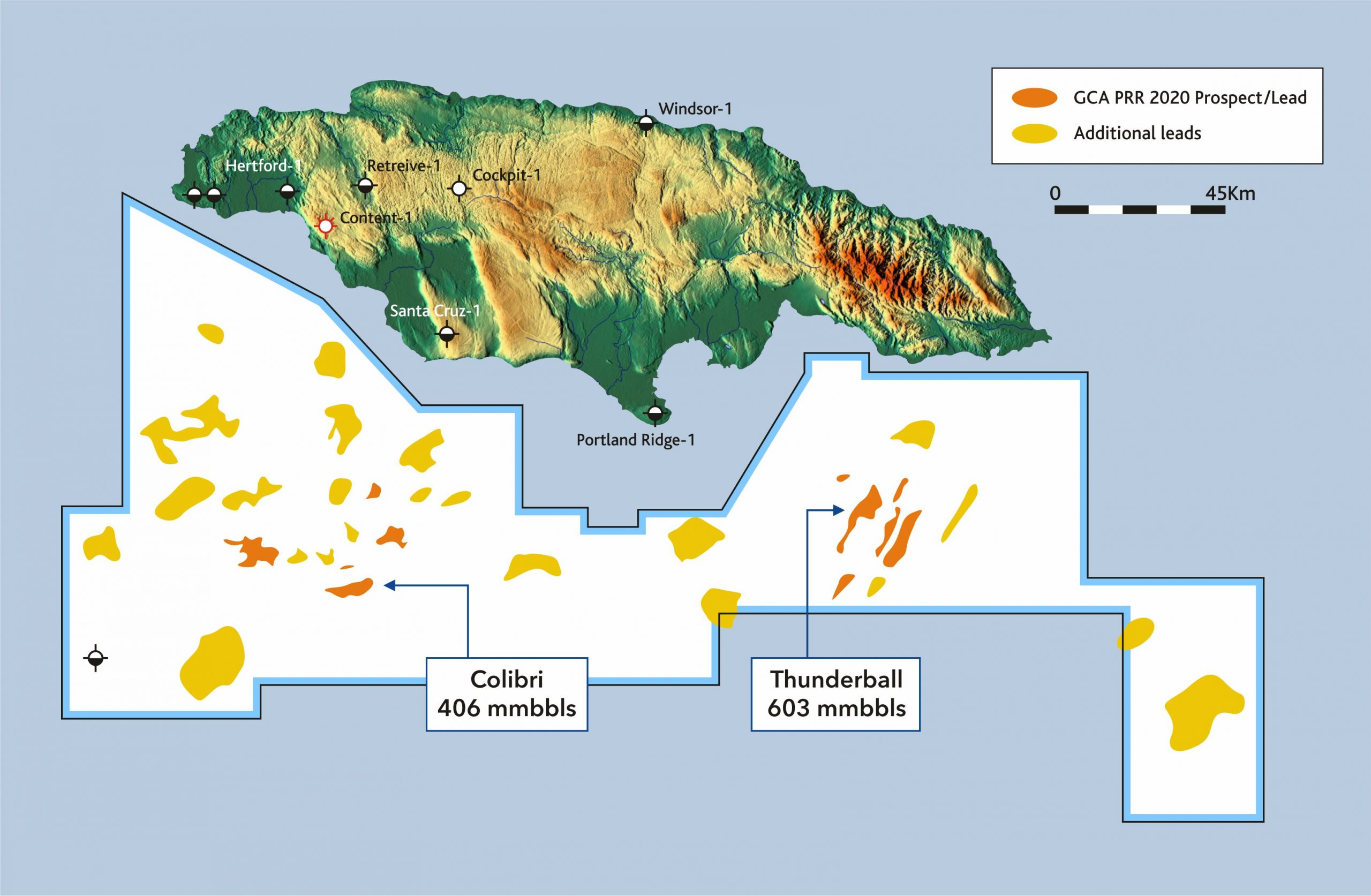
United’s 22,400 sq km offshore Walton-Morant exploration license offshore Jamaica. Typical US offshore leases are only 23.3 sq km. The Jamaican license is thus nearly 1000 times larger than a US offshore lease!

United Oil & Gas commented on the results from their recent piston coring program. Excerpts follow:

United has undertaken a geochemical analysis on the 42 piston cores acquired across the Walton-Morant Licence. The analysis has identified C4 and C5 hydrocarbons, including butanes and pentanes, in select piston cores within the headspace gas dataset. United note that these higher order hydrocarbons are not typically associated with biogenic gas systems and are therefore consistent with a potential thermogenic contribution. (This is true.)

There is an established body of evidence for an active petroleum system in Jamaica in general, and on the licence in particular, including repeat satellite slick anomalies, thermogenic hydrocarbon geochemistry from existing onshore and offshore wells, onshore and offshore oil seeps, and onshore surface outcrops. Furthermore, petroleum systems modelling suggests the presence of oil-mature source rocks. The 2026 SGE survey is the first on the licence to be optimally positioned using 3D seismic, multibeam echosounder (MBES) seabed mapping, and satellite-derived slick anomaly data. Taken together, the data are interpreted as consistent with an active petroleum system offshore Jamaica.

United estimates that the piston coring results boost the Geological Chance of Success (i.e. the source rock, reservoir, trap, and seal—are present and working) for the flagship Colibri prospect from 19% to 32%, which is quite good for frontier exploration.
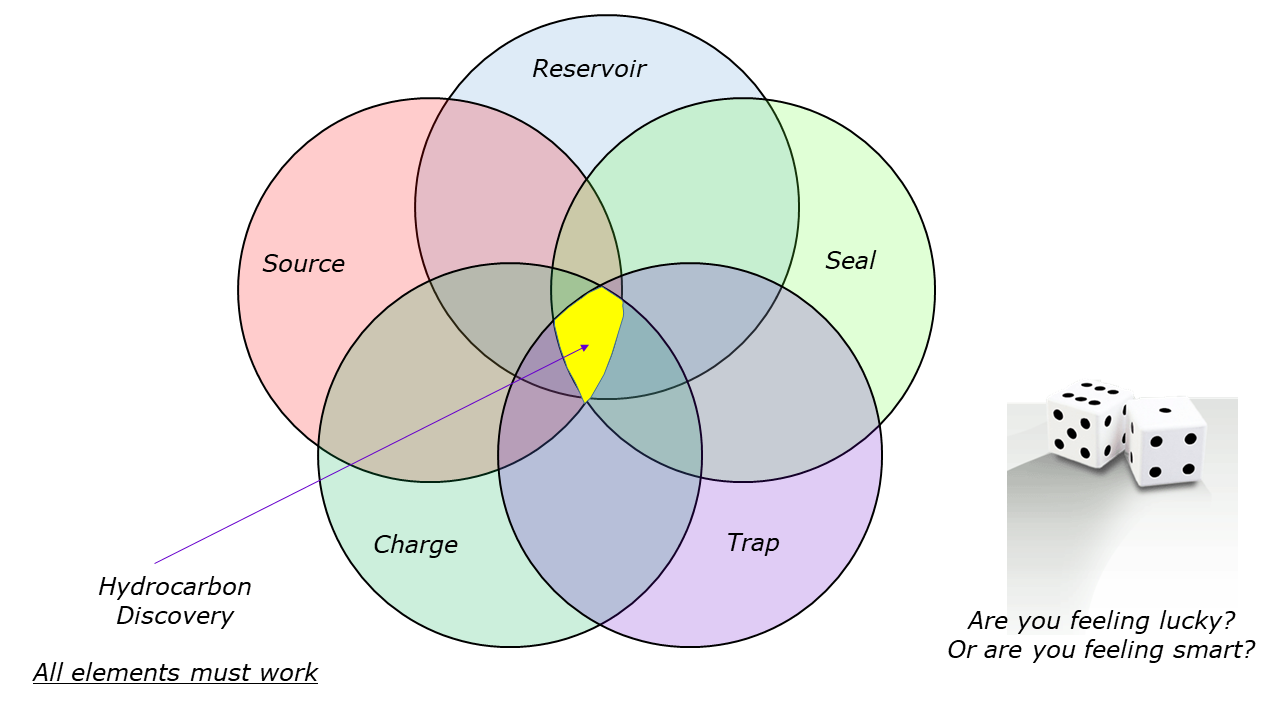
diagram from Alan Foum on linkedin

Will these new data help entice majors to fund exploratory drilling? In the video below (ignore the click-bait title cover 😉), Energy Minister Daryl Vaz does a good job of adding perspective.
Read Full Post »

This video reports on the United Oil and Gas geochemical exploration program. At the 3 minute mark, Jamaican Energy Minister Daryl Vaz does a good job of expressing optimism about Jamaica’s prospects while downplaying expectations and warning about uninformed rumors.

More difficult to understand is why the Jamaican govt granted 3 license extensions to a company that doesn’t have the financial strength to drill an exploratory well. Would it not have made more sense for the govt to deal directly with stronger companies that want full ownership, not just a share?

In Jamaica’s defense, there may be good reasons for extending United. However, as reported by the Jamaica Observer, United’s financial condition must be a concern:

“The company is also operating under financial constraints. It currently has no producing assets and remains reliant on equity raises and a successful farm-out to fund future activity, according to its latest annual report. That reality makes low-cost, high-information work programmes particularly important.”

Read Full Post »

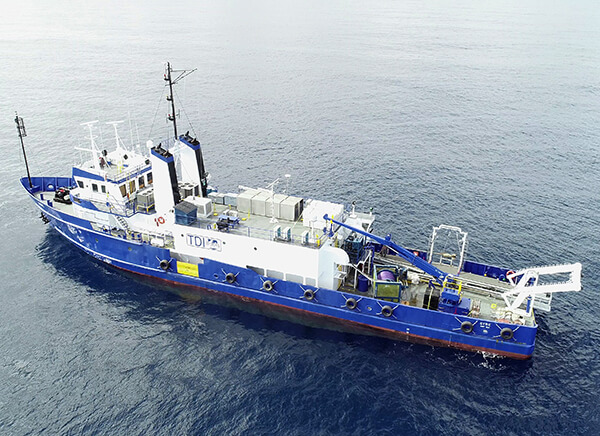
TDI Brooks International vessel to conduct piston coring and surface geochemical survey

A research vessel departed Trinidad last weekend bound for Jamaica to conduct seabed surveys, starting this week, aimed at confirming whether oil-like substances detected beneath the island’s waters are commercially viable crude.

This survey represents a key milestone in advancing our Jamaica exploration programme,” said Brian Larkin, CEO of United Oil & Gas.

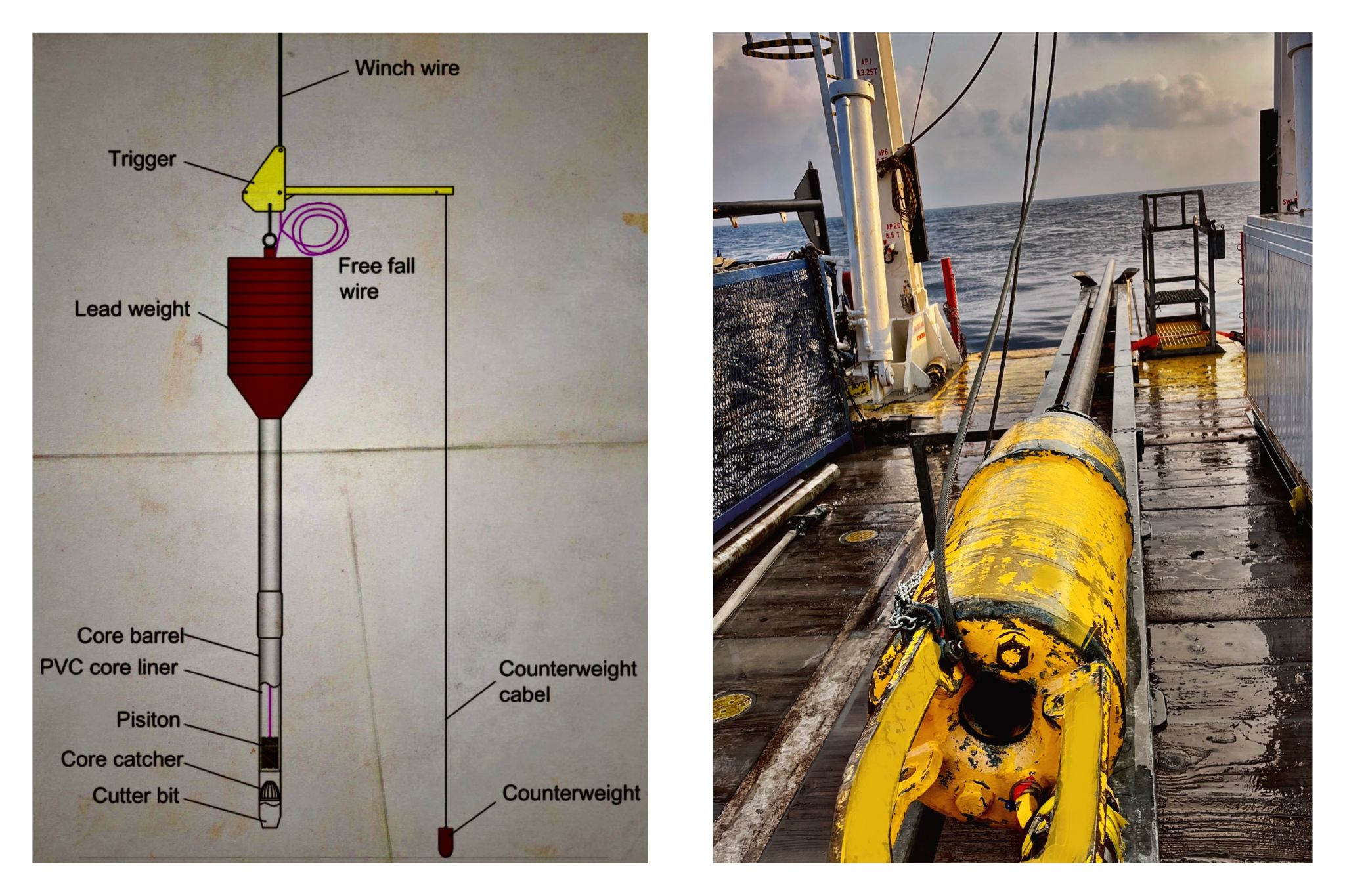
piston coring

The piston coring survey will involve the collection of 40–60 seabed core samples across the Walton and Morant Basins, accompanied by bathymetric, multibeam echo-sounding, and heat-flow surveys.

The data will be analyzed for geochemical and thermal signatures to confirm the presence of thermogenic hydrocarbons, assess source rock maturity, and refine basin modeling, materially enhancing the definition of key prospects, including Colibri and Oriole.

Read Full Post »