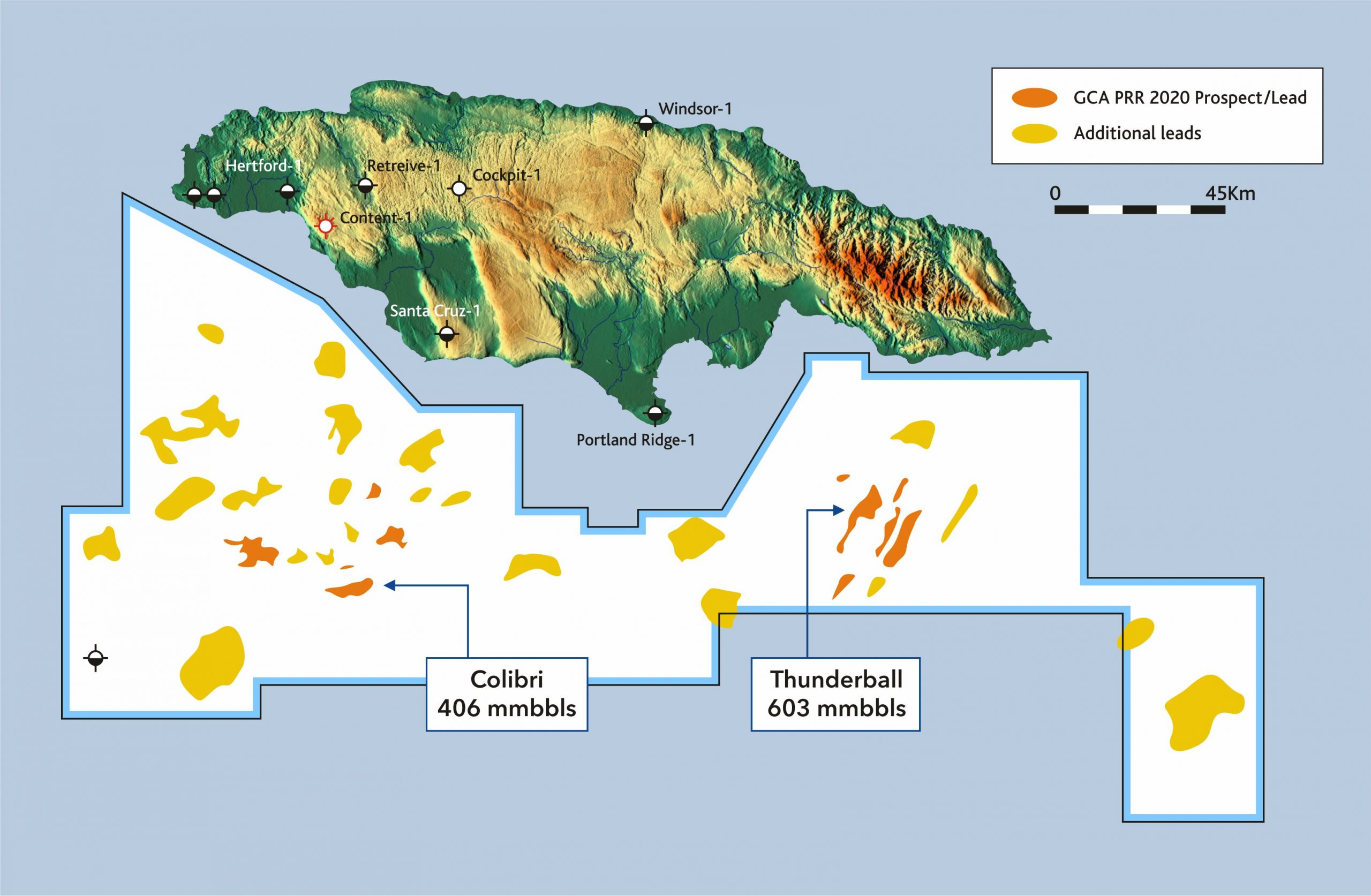
United Oil & Gas commented on the results from their recent piston coring program. Excerpts follow:
“United has undertaken a geochemical analysis on the 42 piston cores acquired across the Walton-Morant Licence. The analysis has identified C4 and C5 hydrocarbons, including butanes and pentanes, in select piston cores within the headspace gas dataset. United note that these higher order hydrocarbons are not typically associated with biogenic gas systems and are therefore consistent with a potential thermogenic contribution. (This is true.)
There is an established body of evidence for an active petroleum system in Jamaica in general, and on the licence in particular, including repeat satellite slick anomalies, thermogenic hydrocarbon geochemistry from existing onshore and offshore wells, onshore and offshore oil seeps, and onshore surface outcrops. Furthermore, petroleum systems modelling suggests the presence of oil-mature source rocks. The 2026 SGE survey is the first on the licence to be optimally positioned using 3D seismic, multibeam echosounder (MBES) seabed mapping, and satellite-derived slick anomaly data. Taken together, the data are interpreted as consistent with an active petroleum system offshore Jamaica.“
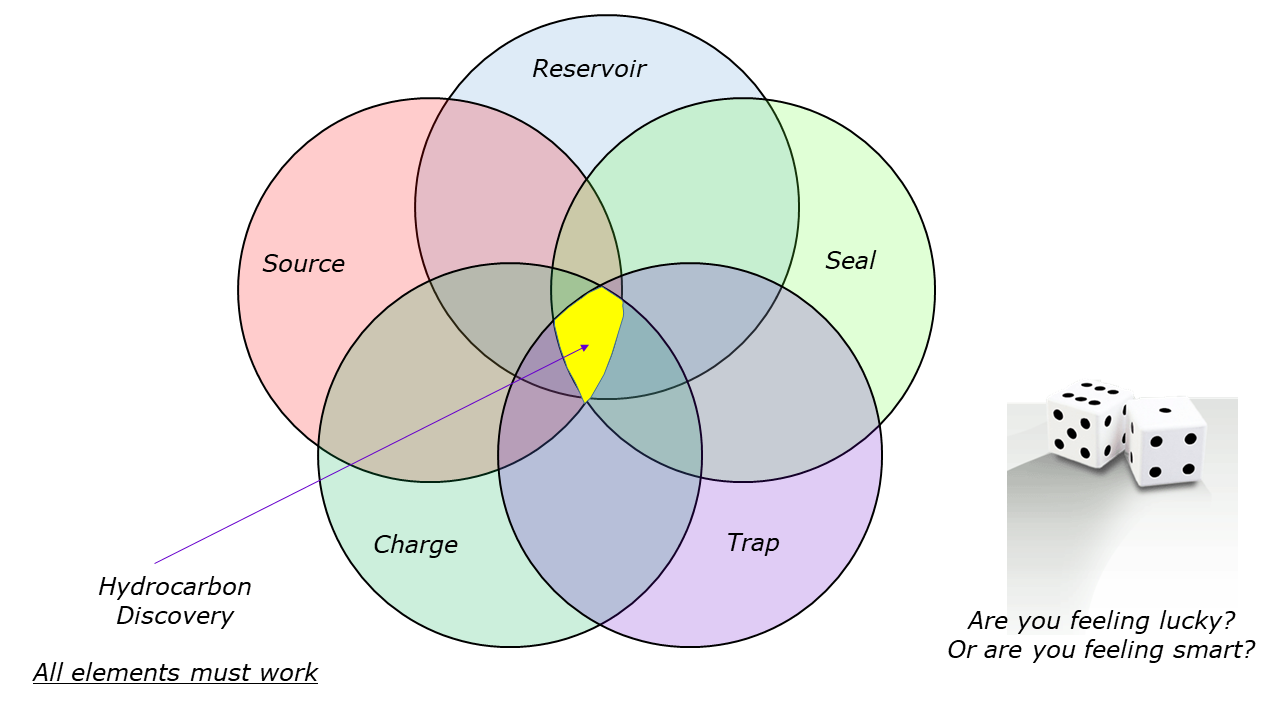
United estimates that the piston coring results boost the Geological Chance of Success (i.e. the source rock, reservoir, trap, and seal—are present and working) for the flagship Colibri prospect from 19% to 32%, which is quite good for frontier exploration.
Will these new data help entice majors to fund exploratory drilling? In the video below (ignore the click-bait title cover 😉), Energy Minister Daryl Vaz does a good job of adding perspective.

