Feeds:
Posts
Comments

Posts Tagged ‘floating turbines’

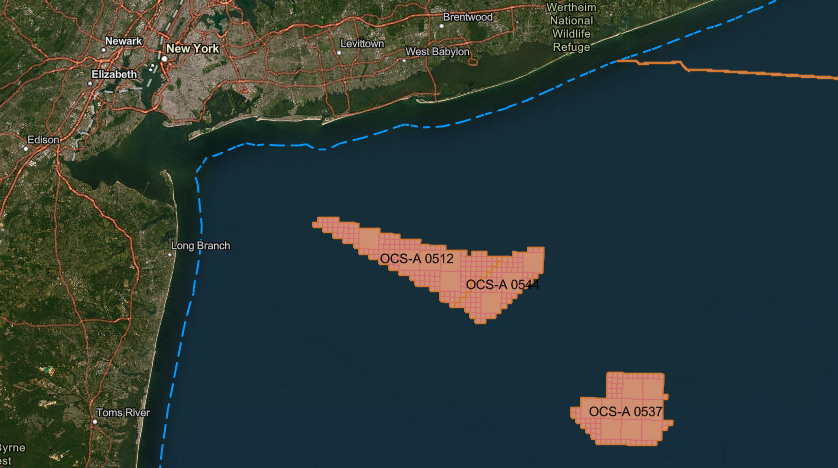
Bluepoint Wind Lease 0537 owned by Global Infrastructure Partners, a part of BlackRock, and Ocean Wind (Engie, France and EDP Renewables, Portugal)
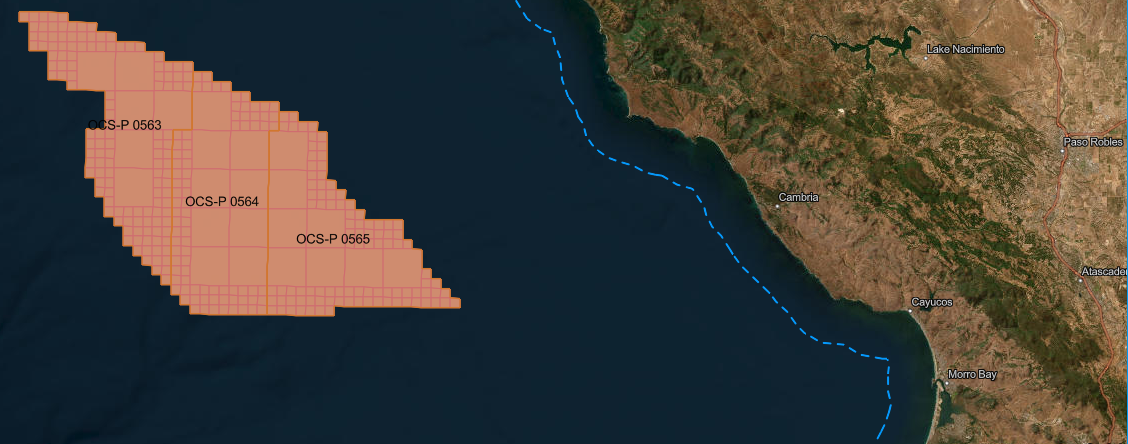
Golden State Wind Lease 0564 owned by Ocean Wind (Engie, France and EDP Renewables, Portugal) and the Canada Pension Plan Investment Board

The Dept. of the Interior (DOI) has announced wind lease buyback agreements with Bluepoint Wind and Golden State Wind.

These are mutually beneficial “Win-Win” agreements. Bluepoint and Golden State benefit by escaping bad business decisions:

  • Bluepoint massively overpaid ($765 million) for Atlantic lease 0537 during the brief irrational exuberance era of the offshore wind program. The intense bidding was driven by the lure of subsidies, guaranteed power sales, unprecedented Federal and State promotion, peak climate activism, inattention to mounting public opposition, and irrational expectations regarding the role of offshore wind in powering the economy.
  • The value of Atlantic wind leases declined by 99.4% between 2022 and 2024, and this was before the Presidential election!
  • The New Jersey Board of Public Utilities has moved to terminate a $1 billion agreement to develop infrastructure to bring power from offshore wind farms to the grid.
  • Golden State bid $150 million for a wind lease that will require floating turbines. The 50 MW Kincardine Offshore Windfarm, which is billed as the “world’s largest floating wind farm,” experienced a £30 million loss in 2023 following a £18 million loss in 2022. Another floating wind project, Hywind Scotland, had to be taken offline for 4 months for maintenance after less than 6 years of operation. BOEM was forced to “postpone” the Oregon wind sale given the absence of bidders.
  • Significant work had not yet begun on either the Bluepoint or Golden State projects.
  • Many in Morro Bay and elsewhere along the Central Coast of California are not pleased with the attempt to “industrialize the coast.” Opposition to offshore wind projects is now well established along the Atlantic Coast.
  • Even in Europe, the value of offshore wind leases has diminished. A Dec. 2024 Danish offering received no bids. See this explanation.
  • The companies get to invest their inflated wind dollars in profitable energy projects without penalty. What prudent executive wouldn’t jump at the deal?
  • Waiting for the next Administration is not likely to improve the fundamental economics of offshore wind development, and increased subsidies are not popular.
  • A pro-wind govt would facilitate permitting, but is unlikely to buyback existing leases.

The Administration also benefits:

  • Two more wind leases are off the books.
  • Removing one of three leases could significantly affect the economics of Central Coast (CA) wind development.
  • Agreements were necessary because it’s difficult to cancel leases, and compensation would be required. If settled in court, the compensation could easily exceed the lease purchase price.
  • The companies agreed not to pursue any new offshore wind projects in the United States.
  • The rebates will be invested in projects favored by the Administration.

Question: Are the partners and parent companies also precluded from investing in offshore wind projects or just the Bluepoint Wind and Golden State Wind entities? If BlackRock, EDP, and Engie can no longer make such investments, that is a big deal. This is especially true given the agreement with Total, Vineyard Wind’s problems, Orsted’s financial challenges, BP and Shell’s apparent exit from the US offshore wind market, and Equinor’s reduced renewable energy ambitions.

Finally, a December 7, 2022 release by the Canada Pension Plan Investment Board heralding the 50% partnership in Golden State Wind might be of interest to our Canadian readers. That bad investment can now be removed from the books.

Read Full Post »

Hywind Scotland, Equinor

Equinor reports that all 5 Hywind turbines have been returned to service after being towed to Norway as part of a 4-month maintenance campaign.

Even though the turbines had only been in operation since 2017, Equinor puts a positive spin on the 4-month maintenance outage, declaring total victory:

“The successful completion of the maintenance campaign on Hywind Scotland is a testament to the collaborative efforts of our teams and partners. As the world’s first floating offshore wind farm, Hywind Scotland has demonstrated the immense potential of floating wind. Through this maintenance campaign, we’ve gained valuable insights that will help us refine maintenance practices and optimise this technology for the future. By sharing our learnings, we aim to contribute to the growth and development of the floating wind industry.”

Some of the folks in Scotland have a different take as evidenced in this video:

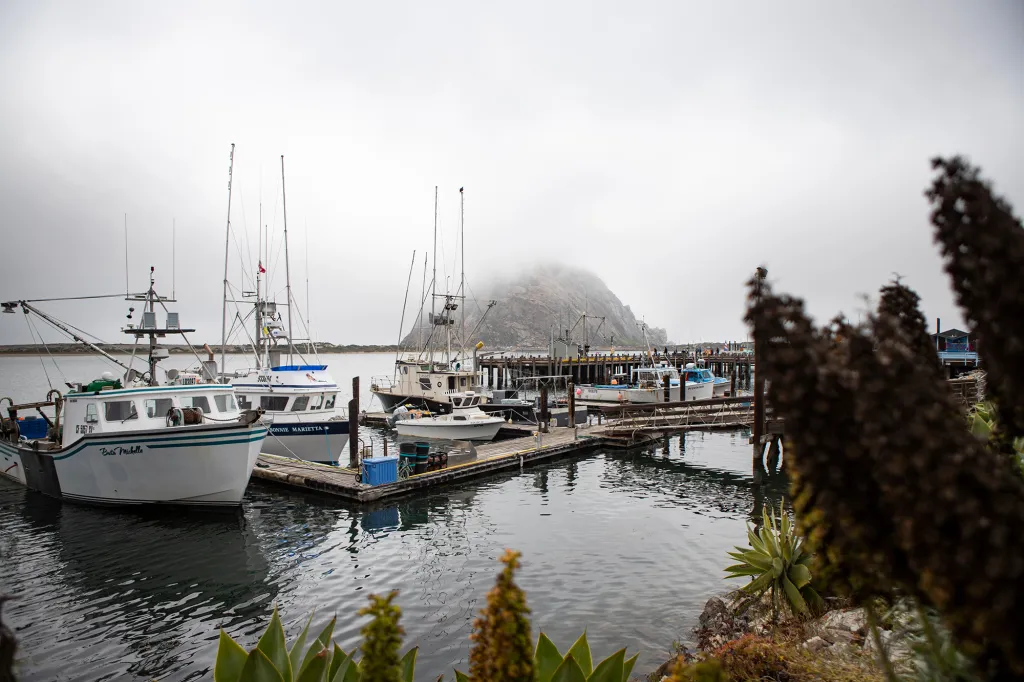
Meanwhile, the turbines planned for offshore Central California will also have to be towed to shore for major maintenance. Nearby harbor areas like Morro Bay (pictured below) would be overwhelmed by the large structures and the maintenance and repair operations. Central Coast residents are not enamored with “another attempt to industrialize the coast.” Towing the towers to LA/Long Beach, albeit rather distant from the leases, would seem to be the preferred option for such work.

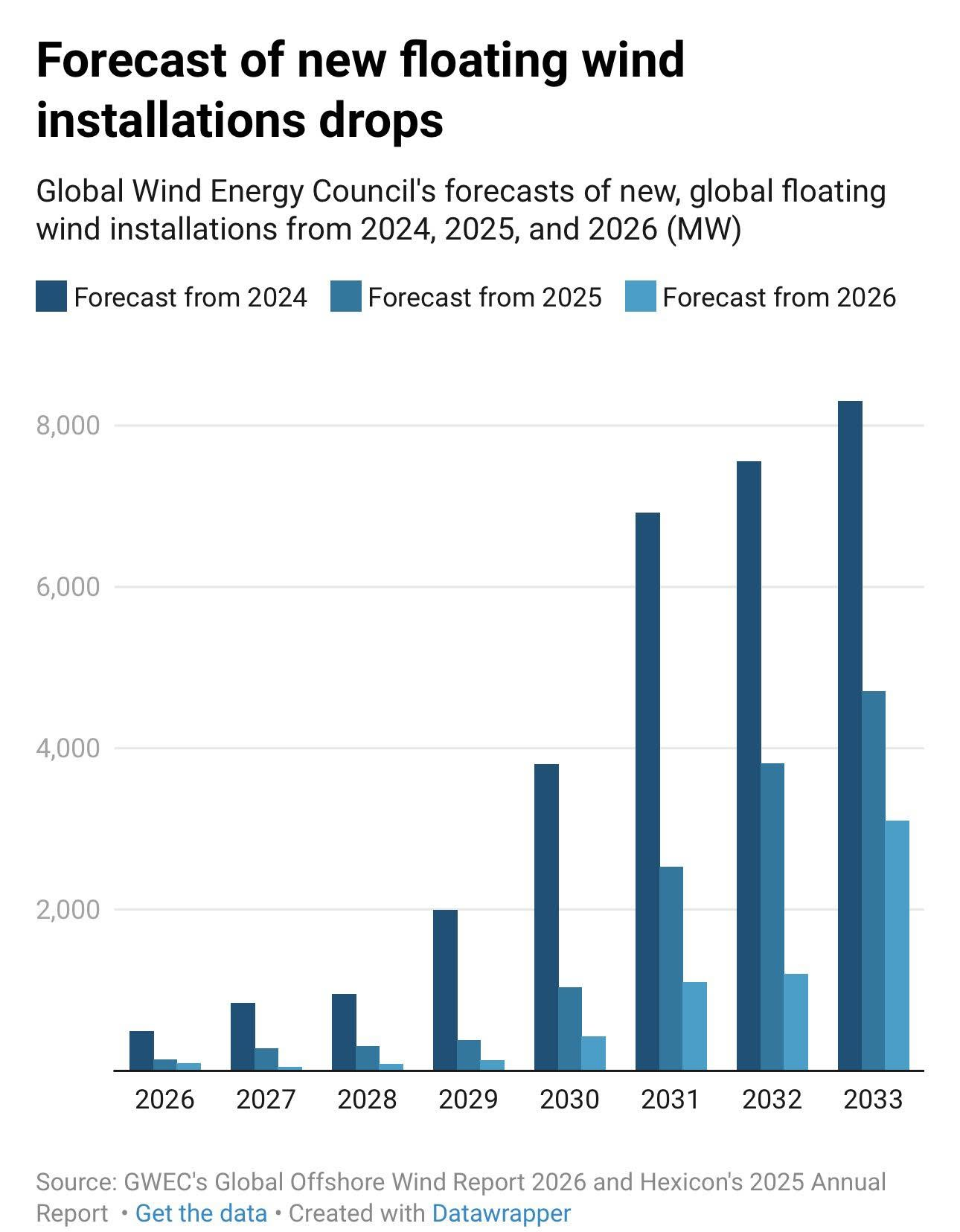
Looking forward, the first power generation from floating wind turbines on the Central Coast is forecast for 2034. Betters may want to take the over!

Read Full Post »

I am disappointed that BOEM’s accelerated process over the last year has further divided stakeholder communities, and put the Confederated Tribes of the Coos, Lower Umpqua and Siuslaw Indians in the position of challenging BOEM in federal district court. Oregon’s legislative Coastal Caucus is likewise now in full opposition to BOEM’s proposed lease.

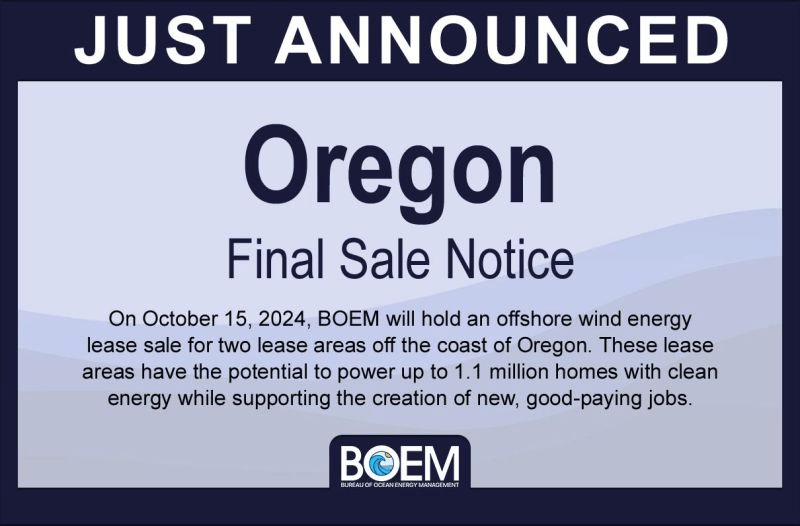
Despite the usual hype about the number of homes that could be powered and “good-paying jobs,” the upcoming Oregon wind lease appears to be very much in doubt. If legal action by Oregon tribes doesn’t halt or delay the sale, the absence of bidders may.

OregonLive reports that only one company, NewSun Energy, continues to be interested in participating in the sale. NewSun is primarily a solar energy developer with no apparent offshore wind experience.

Wind development offshore Oregon would be complex and very expensive given the need for floating turbines and new high-voltage transmission lines over the Coast Range. At least two counties, Coos and Curry, are set to vote on whether to publicly oppose offshore wind development off their coast.

If the sale is delayed such that BOEM is not able to issue leases before 12/20/2024, the leases cannot be issued until a qualifying oil and gas lease sale is held.

Read Full Post »

Culzean facilities

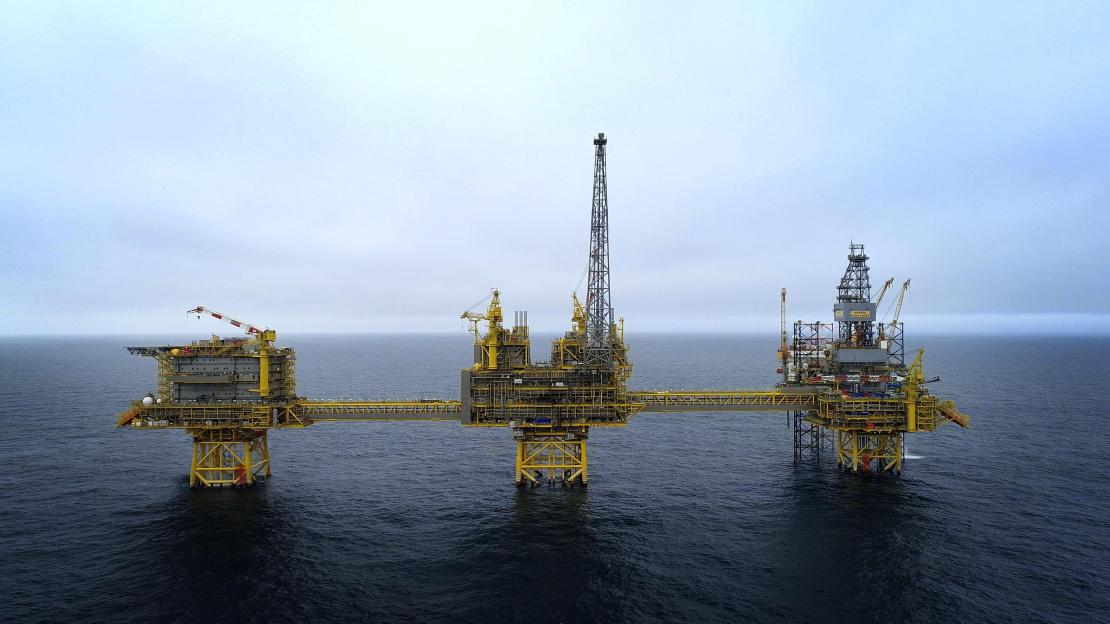
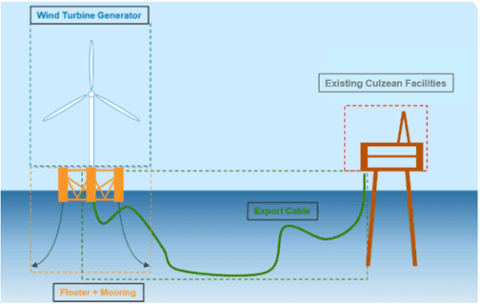
Total has announced plans to install a 3 MW floating wind turbine 2 km west of the Culzean platform, 220 km off the coast of Scotland. This turbine, expected to be fully operational by the end of 2025, will supply around 20% of Culzean’s power requirement. This project is interesting from an R&D standpoint, but makes little sense otherwise. Here’s why:

  • Culzean is a gas condensate field that is capable of meeting 5% of the UK’s gas demand. There is thus ample produced gas to reliably and economically power the platform.
  • Gas will be required to meet 80% of the power requirement even after the wind turbine is operating.
  • In light of installation, maintenance, and decommissioning costs for the floating turbine, the cost of the intermittent wind power will no doubt be much higher than the cost of the power generated by platform gas.
  • Some tax benefits may be associated with adding the wind turbine, but this won’t affect the real costs, other than to perhaps make them higher.
  • In addition to affecting profitability, higher operational costs could reduce the ultimate recovery of gas and condensate from the field.
  • Gas not consumed at the offshore facilities will be marketed and consumed onshore, so there is essentially no net reduction in global CO2 emissions.
  • As JL Daeschler reminds me, the floating turbine complicates operations and could create safety issues: obstruction for helicopters and supply boats to avoid, trenching and installing power cable in a spare “J” tube, and feeding power to an electrical distribution system in accordance with standards and platform specifications. As JL notes, “I think we have plenty to do offshore already!”
  • And what if there are mooring failures and the turbine drifts toward the platforms? Turbine blade failures?
  • Bottom line: adding costs and risks for no apparent benefit.

See a related post on platform electrification in Norway.

Read Full Post »

Hywind Scotland, Equinor

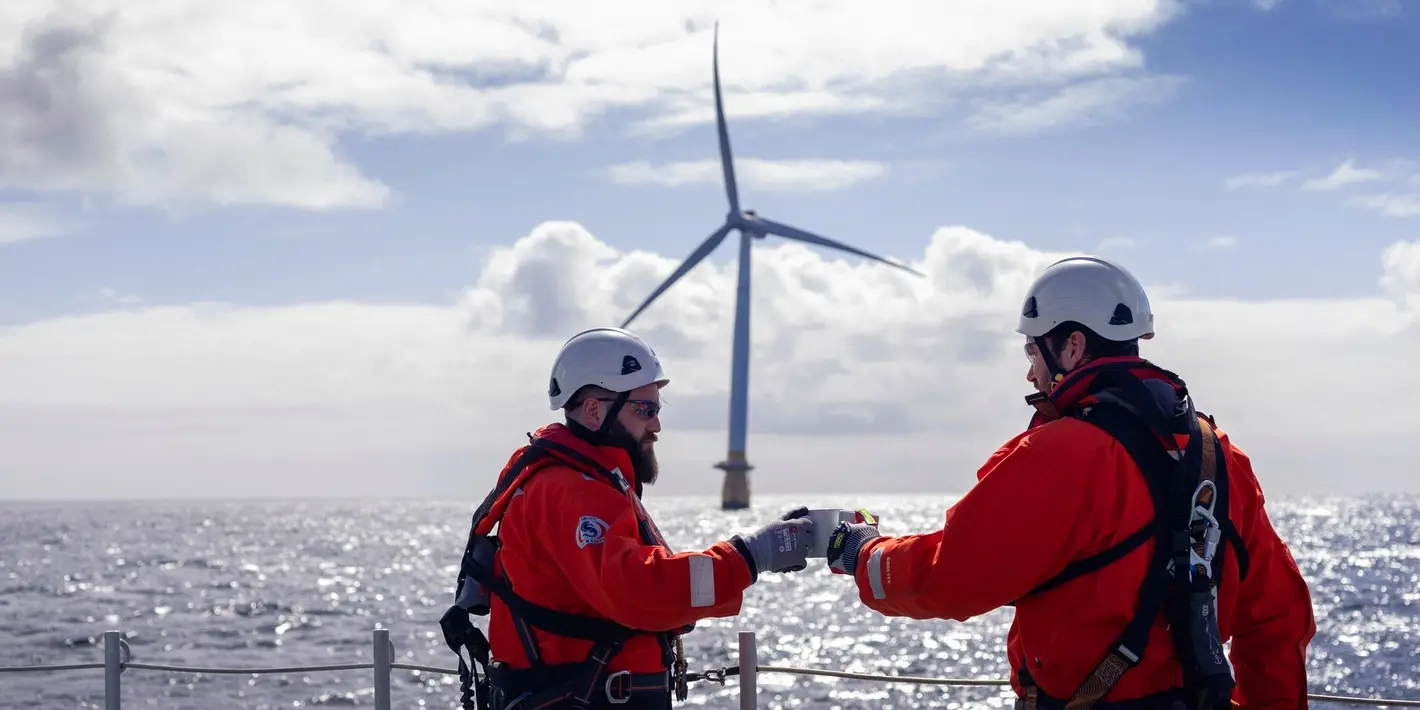
It’s prudent, if not imperative, to tow floating wind turbines to sheltered coastal locations for major maintenance. For that reason, Hywind, the world’s first floating wind farm will be offline for up to 4 months this summer.

Hywind Scotland‘s operator, Norwegian power giant Equinor, says that operational data has indicated that its wind turbines need work. The pilot project has been in operation since 2017.

The five Siemens Gamesa turbines will be towed to Norway this summer. An Equinor spokesperson said, “This is the first such operation for a floating farm, and the safest method to do this is to tow the turbines to shore and execute the operations in sheltered conditions.”

electrek

Published data indicate that Hywind has been the UK’s best performing offshore wind farm. Performance data for Hywind, and a chart illustrating the capacity factors since commissioning, are posted below. The 2024 capacity factor will, of course, be substantially reduced as a result of the essential offsite maintenance.

rolling 12 month capacity factor
ending 5/2022
life capacity
factor
age
(years)
installed
capacity
(MWp)
total elec
generated
(GWh)
power/
unit area spanned
(W/m2)
Hywind Scotland49.5%52.6%4.6306421.0
capacity factor = total energy generated/(hours since commissioning x capacity)

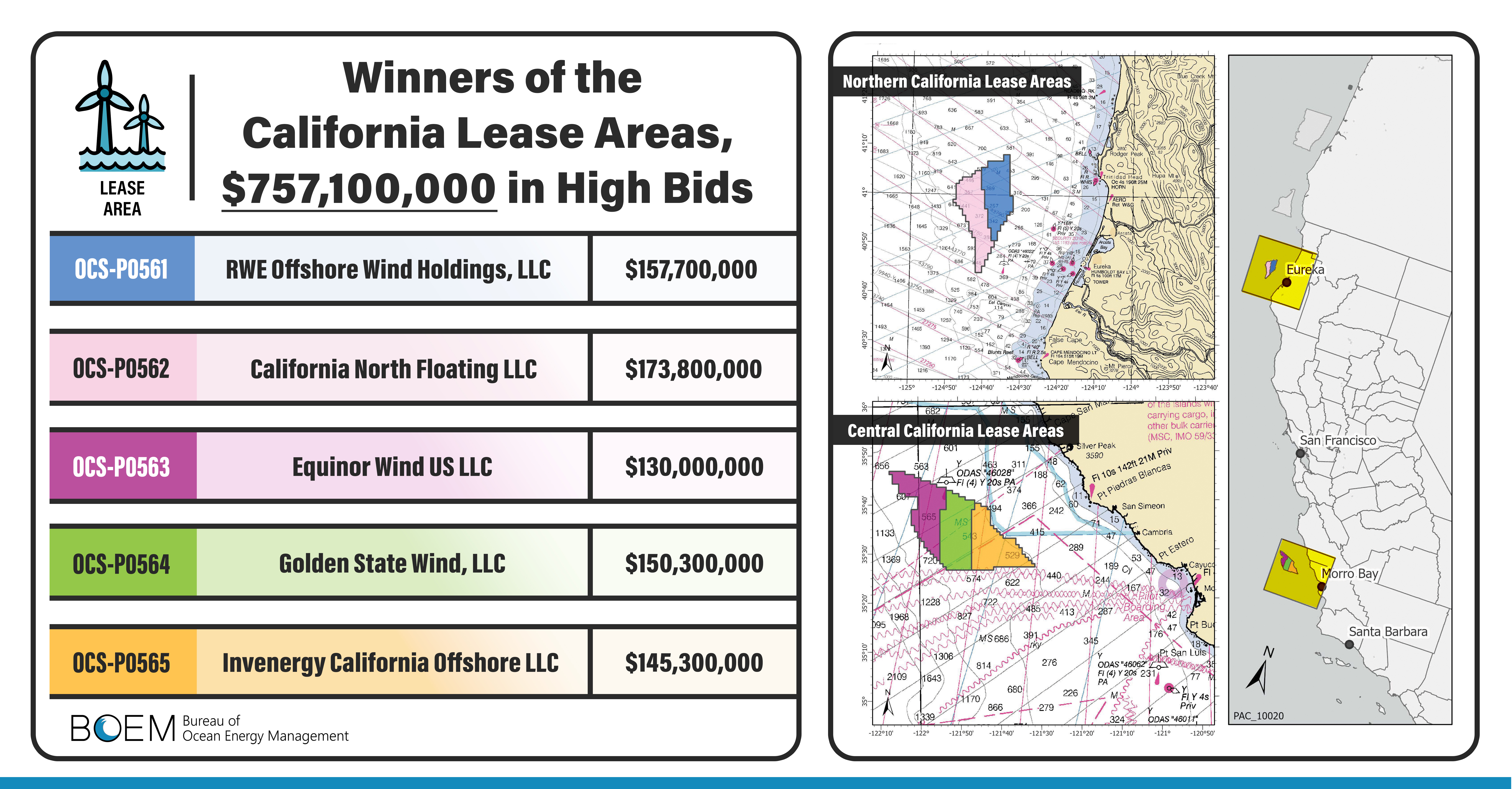
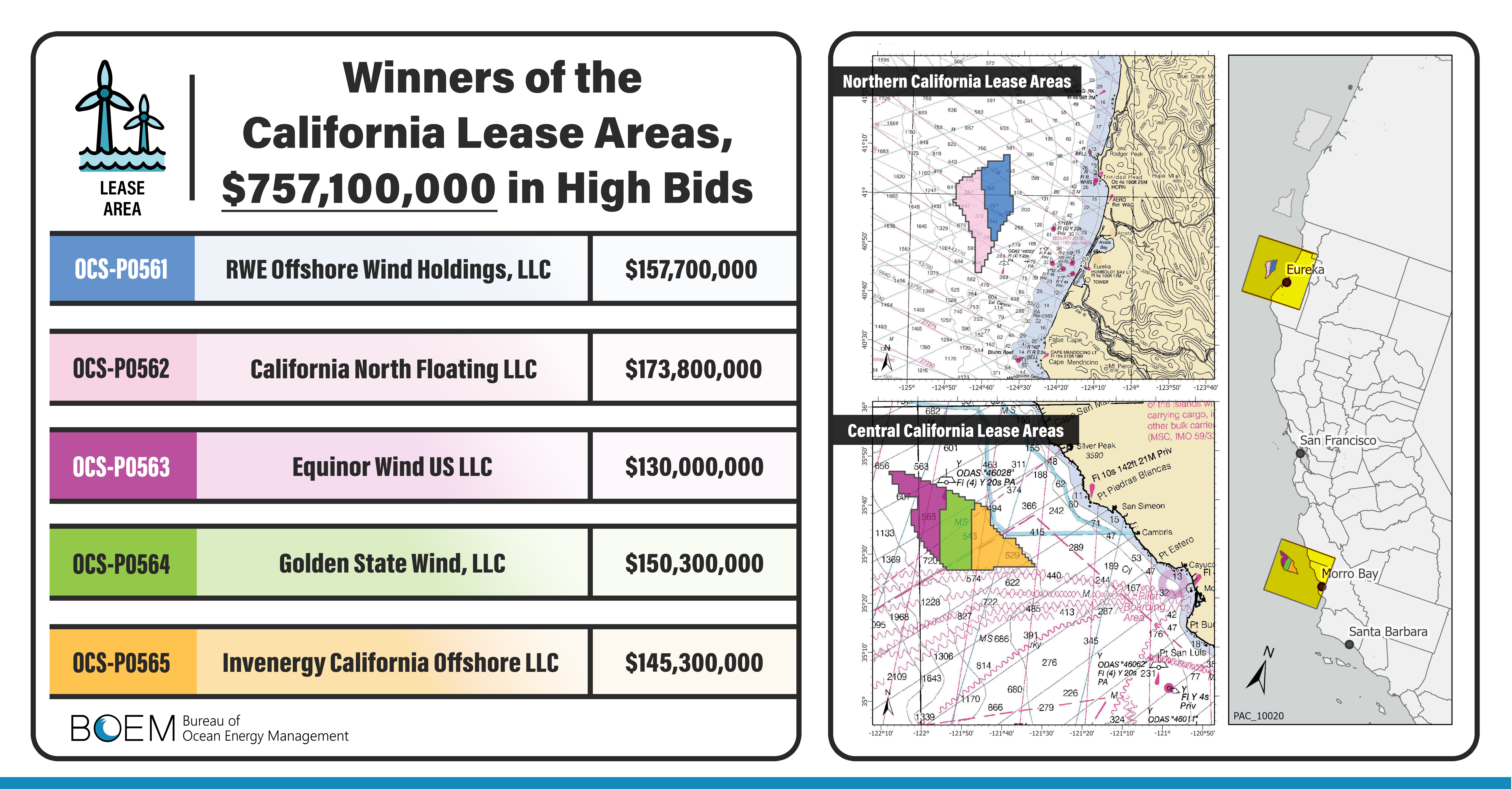
The first US floating turbines are expected to be at these California offshore leases, and Hywind operator Equinor is one of the lessees:

Given the financial challenges facing the offshore wind industry, the still emerging technology, and the risks inherent in California offshore development, the amounts bid on these leases only 13 months ago are stunning.

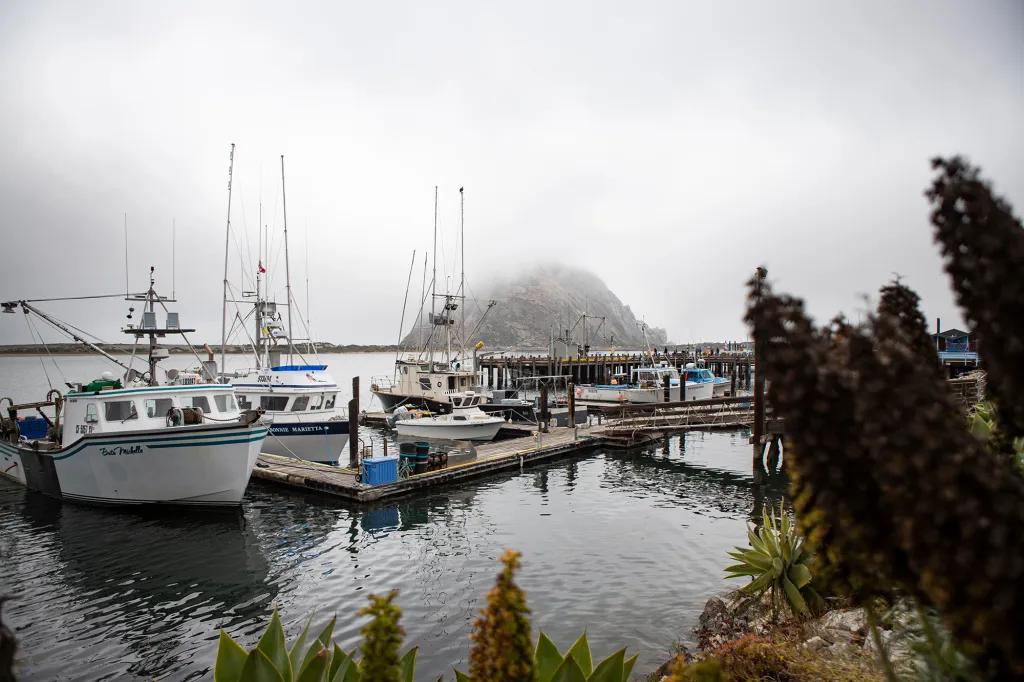
Some Central Coast residents are not enamoured with “another attempt to industrialize the coast.” Although the turbines will be >20 miles offshore, they will have to be towed to shore for major maintenance. For the Central California leases, nearby harbor areas like Morro Bay (pictured below) would be overwhelmed by the large structures and the maintenance and repair operations. Towing the towers to LA/Long Beach, albeit rather distant from the leases, would seem to be the preferred option for such work.

Ironically, a report for BOEM, points to synergies between the offshore wind industry and oil and gas decommissioning industry. Such synergies will only be possible if longstanding oil and gas decommissioning obstacles are satisfactorily addressed and the offshore wind projects proceed as planned.

Which will come first – platform decommissioning or wind turbine commissioning? For those young enough to find out, what is the over-under for the years until (1) half of those platforms are decommissioned, and (2) half of the wind turbines commissioned? Any number <10 is unrealistic for either.

Morro Bay Harbor

Read Full Post »