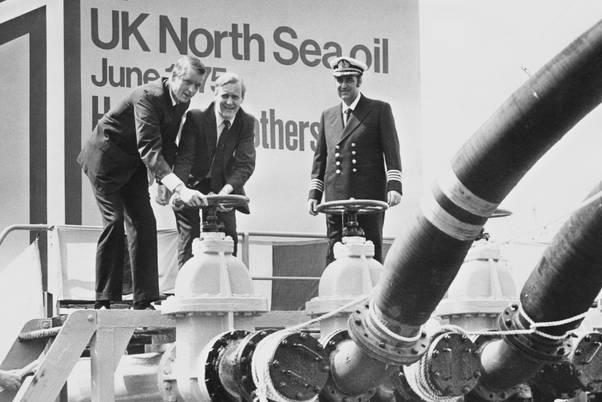
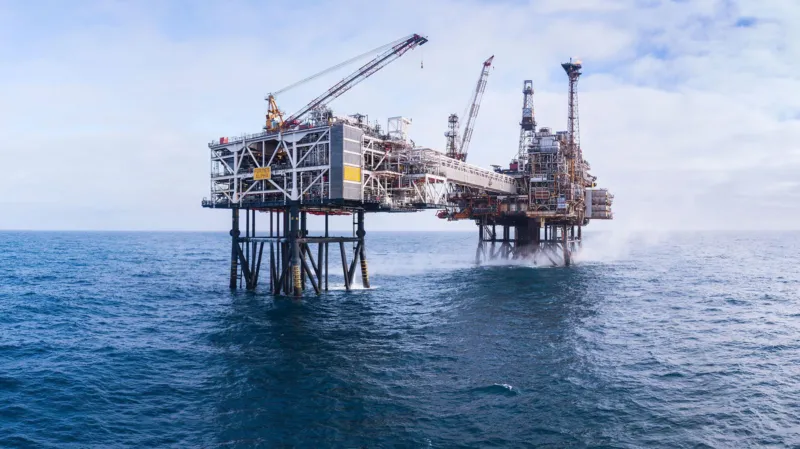
The world’s first floating production unit and the North Sea’s first production facility was in the Argyll field in the UK sector of the North Sea.
JL Daeschler made a presentation on the project at Offshore Europe 1977. See the attached summary.
As JL highlights in the attachment, the press focused on the the perceived negative – the rather high water cut. JL addressed the water production issue by carefully designing the deck handling facilities.
Per JL, “we had some fun for 2 years getting the separator to work in +/- 3 degree pitch and roll, then had the additional water handling challenge.”
The team worked it out. JL can laugh about the challenges now. He proudly notes that “the field produced for 20 years + thanks to evolving technology and first class engineers and contractors.” Such was the life of a pioneering offshore engineer.
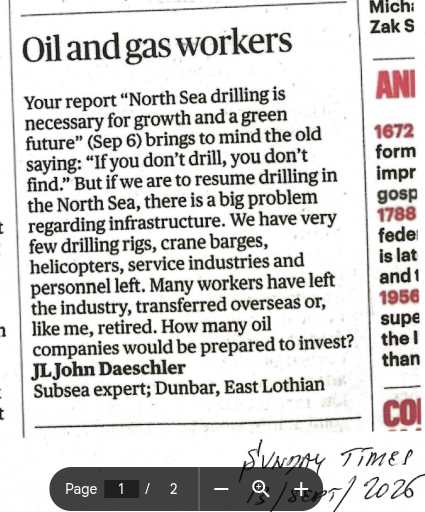
Our guy in Scotland, JL Daeschler, reminds Sunday Times readers that the UK can’t simply summon the return of the long neglected North Sea oil industry.
The editors deleted this sentence from JL’s letter: “Thank you Norway and USA for supplying us energy.” 😉
The West of Shetland area has high oil and gas resource potential. Researchers at the University of Aberdeen are advocating a tailored management system to facilitate development.
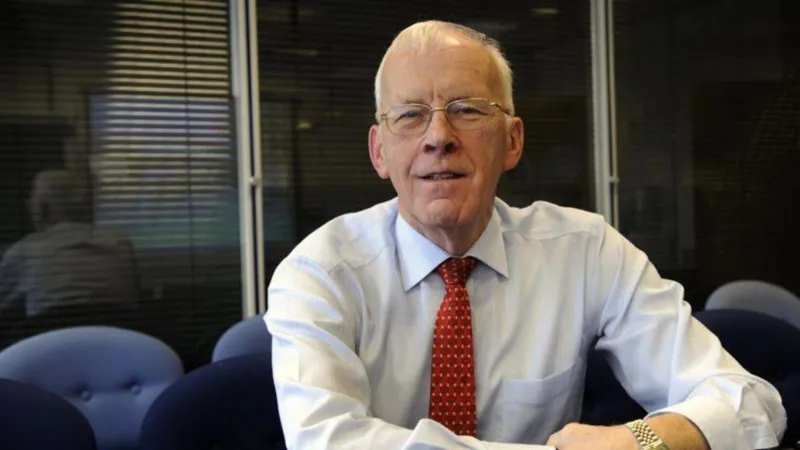
North Sea pioneer JL Daeschler comments on the passing of Sir Ian Wood: “A great North Seas leader who had an amazing career. He founded the Wood Group, an internationally important engineering firm. Mustang Engineering, well known to the US offshore industry, became part of the Wood Group in 2000.”
I knew Ian in the early North Sea development stage. He became Sir Ian Wood. We used to chat at various conferences in Houston, Stavanger, and Aberdeen. Ian was an energetic man, who had a friendly a approach to our North Sea challenges. He was a true Aberdonian entrepreneur who employed 1000’s in offshore related disciplines worldwide.
Sir Ian turned his father’s fishing business into the Wood Group oil giant, leading the way as Aberdeen blossomed into Europe’s energy capital. When Sir Ian announced his retirement in 2012, Wood Group employed 41,000 people in 50 countries.
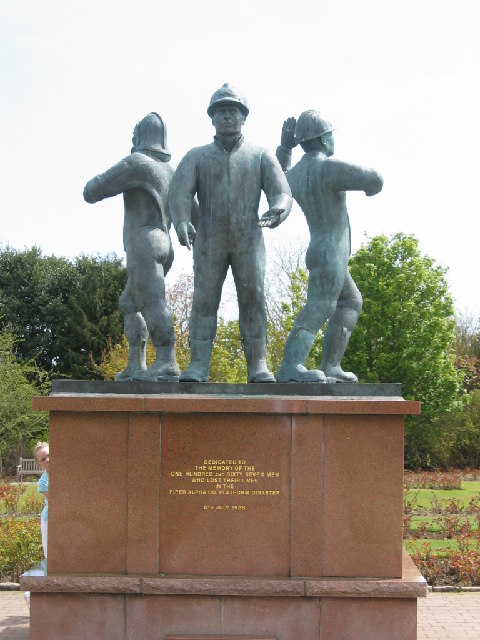
The Piper Alpha fire (July 6, 1988) was the worst disaster in the history of offshore oil and gas operations and sent shock waves around the world. Eight months later another interactive pipeline-platform fire killed 7 workers at the South Pass 60 “B” facility in the Gulf of Mexico. A US Minerals Management Service task group reviewed the investigation reports for both fires and recommended regulatory changes with regard to:
the identification and notification procedures for out-of-service safety devices and systems,
location and protection of pipeline risers,
diesel and helicopter fuel storage areas and tanks,
Lord Cullen’s comprehensive inquiry into the Piper Alpha tragedy challenged traditional thinking about regulation and how safety objectives could best be achieved, and was perhaps the most important report in the history of offshore oil and gas operations. Per Cullen:
“Many current safety regulations are unduly restrictive because they impose solutions rather than objectives. They also are out of date in relation to technological advances. Guidance notes lend themselves to interpretations that discourage alternatives.There is a danger that compliance takes precedence over wider safety considerations and that sound innovations are discouraged.“
Cullen advocated management systems that describe the safety objectives, the system by which those objectives were to be achieved, the performance standards to be met, and the means by which adherence to those standards was to be monitored. He called for safety cases that describe major hazards on an installation and provide appropriate safety measures. Per Cullen, each operator should be required in the safety case to demonstrate that the safety management systems of the company and the installation are adequate to assure that design and operation of the platform and its equipment are safe.
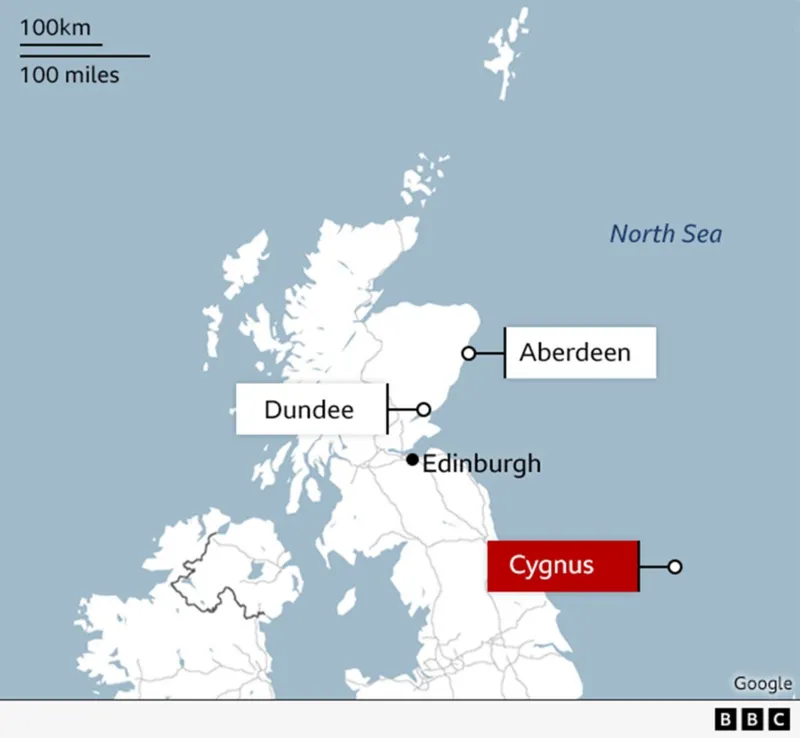
From the BBC:Three stowaway baby rabbits have been rescued after being discovered on a drilling rig in the North Sea.
The unexpected visitors were shipped from Aberdeen to the Valaris Norway, about 93 miles (150km) off the coast of Lincolnshire.It is believed they hopped into a container in Dundee, which was taken by road to Aberdeen, before travelling on the offshore ship Aquarius to Ithaca Energy’s Cygnus field.
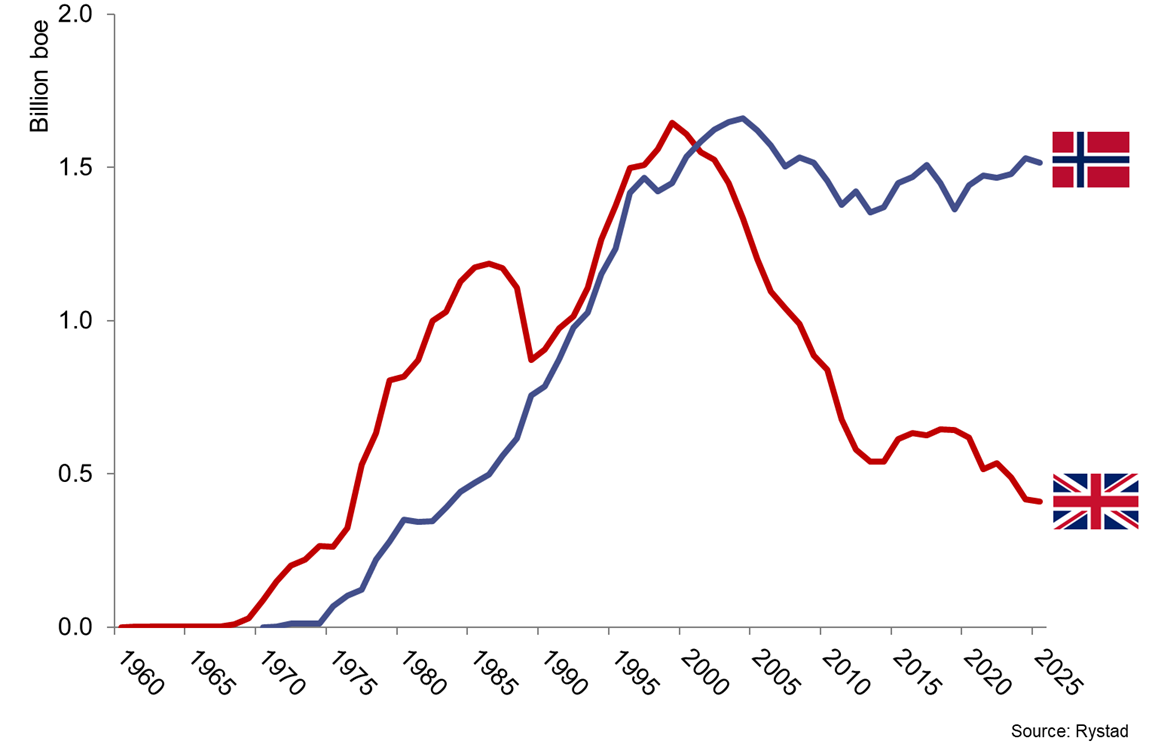
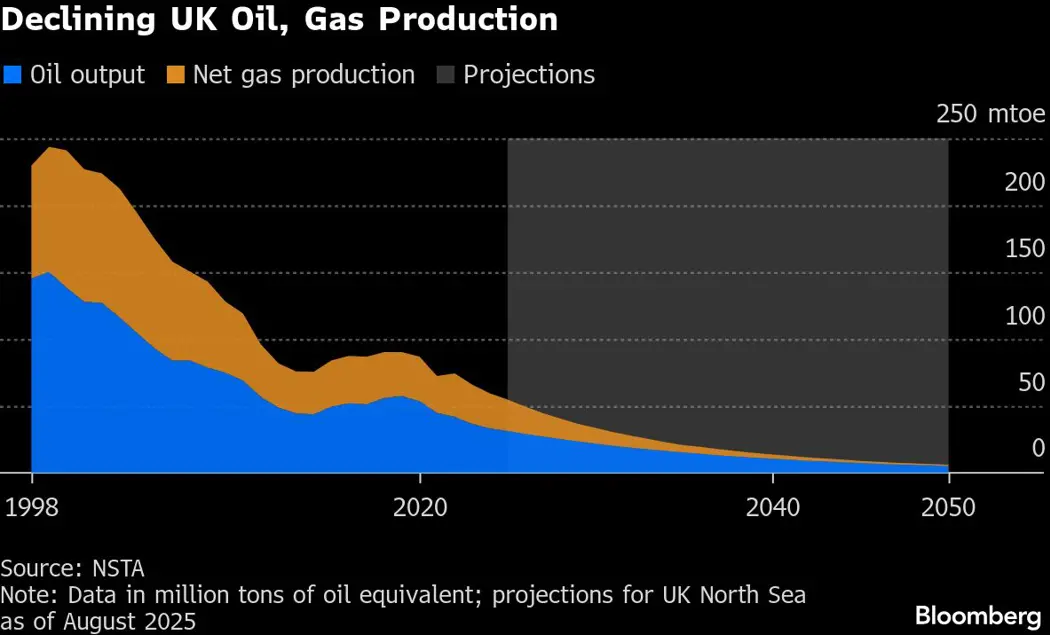
Some of us remember when the UK and Norway were friendly North Sea oil and gas rivals – competing to be tops in production, technology, safety, and even promotion at conferences like OTC. Take a look at the production chart below and note the UK’s production leadership followed by the extraordinary decline.
So what happened? Norway may have better oil and gas resource potential, but that is only part of the story. While Norway was managing their offshore sector to succeed, the UK was seemingly managing theirs to fail.
Norway’s North Sea remains far more active because the government promotes exploration through predictable licensing, cost-recovery incentives, and a focus on adding resources to existing infrastructure.
The UK, by contrast, has shifted toward limited development and decommissioning. In recent years, the UK’s windfall tax on oil and gas profits was raised to 78 percent, and licences for exploratory drilling in new areas were banned.
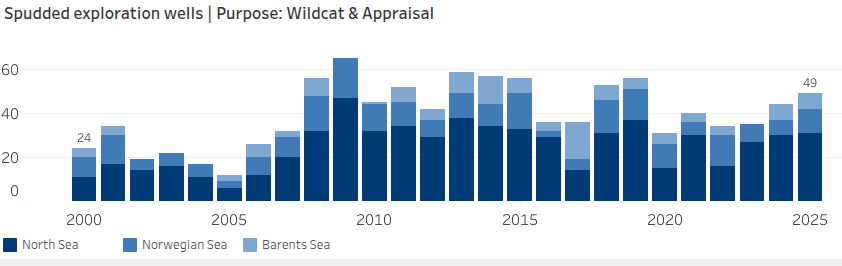
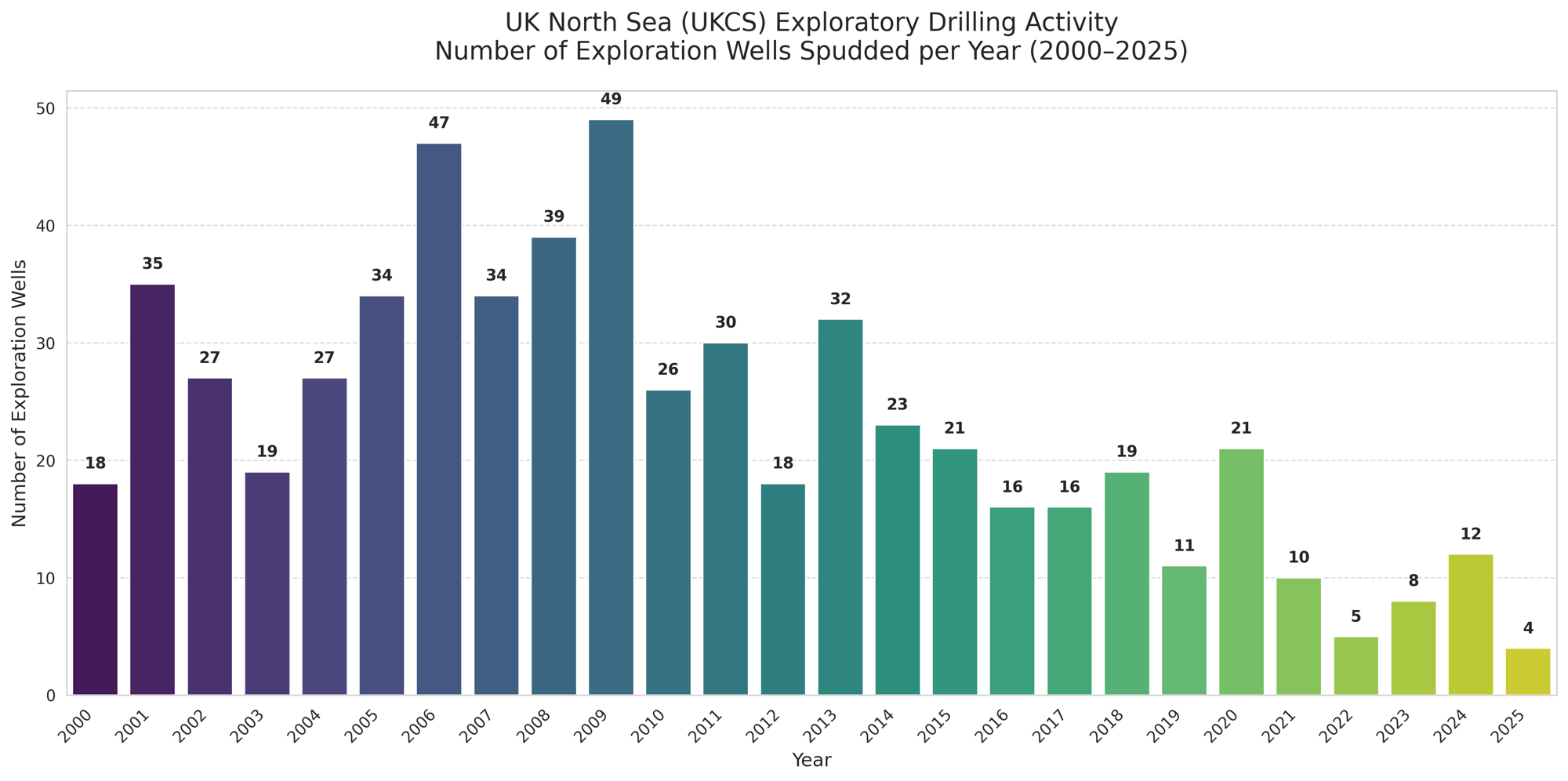
The stark policy differences are evident in the exploration drilling numbers – sustained drilling vs. sustained decline (charts below).
Norwegian Continental Shelf Directorate dataUK NSTA data:exploration wells spudded with original wellbore intent classified as “exploration” (offshore UK includes geological sidetracks).
“Claim: Hundreds of North Sea licences have delivered only “36 days of gas”, proving new drilling does not improve energy security.
“This actually proves the opposite. In a mature basin like the North Sea, you need a constant churn of investment and new licences just to stand still. Without ongoing activity, decline accelerates and import dependence rises faster. That is why countries like Norway continue to license and develop new projects. Their approach allows them to replace what they produce and manage decline more effectively. In industry terms, this is measured through the reserves replacement ratio – how much new resource is added compared with what is produced. Norway consistently produces a higher reserves replacement ratio than the UK. Over the 5 year period 2019-2024, through exploration, Norway replaced on average 46% of the reserves that were produced, the UK however, replaced just 14%.“
“Today, the North Sea still provides over half of the UK’s oil and gas needs. With the right conditions, we can sustain production for longer, reduce exposure to imports, and manage the transition more securely. Without licensing and investment, the UK simply becomes reliant on overseas supplies sooner – regardless of demand falling.“
Claim: 93% of UK North Sea oil and gas has already been extracted, so new drilling makes little difference.
“Official projections show several billion barrels of oil and gas still expected to be produced between now and 2050. Independent analysis commissioned by OEUK shows that, with the right conditions, significantly more could be delivered from known projects and discoveries.“
“And even beyond that, the UK’s own regulator identifies large volumes of oil and gas in:
approved projects
existing discoveries
areas that haven’t yet been developed“
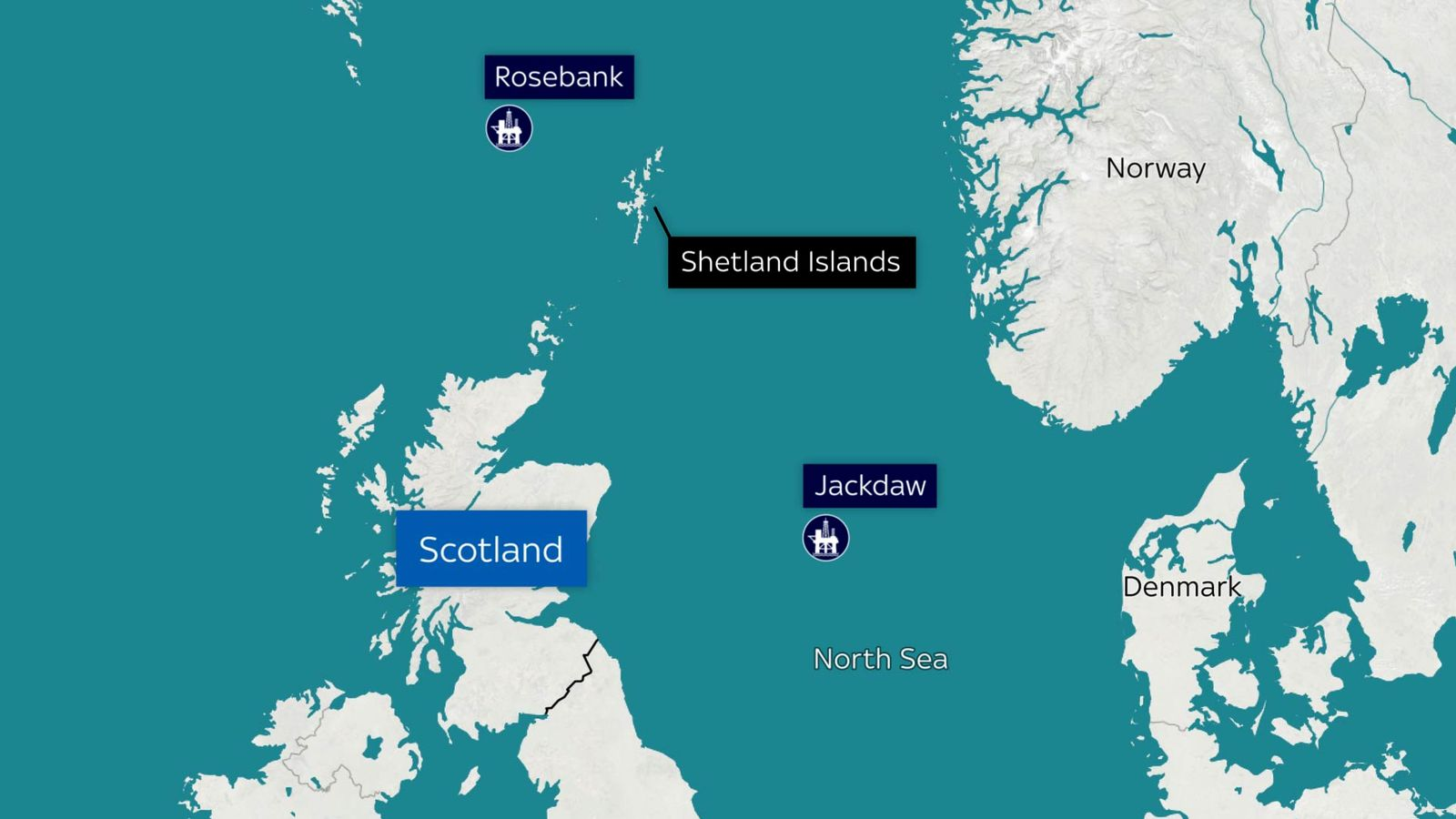
Pressure is mounting on the UK govt to approve the Rosebank and Jackdaw projects and ease exploration restrictions. Will it work?
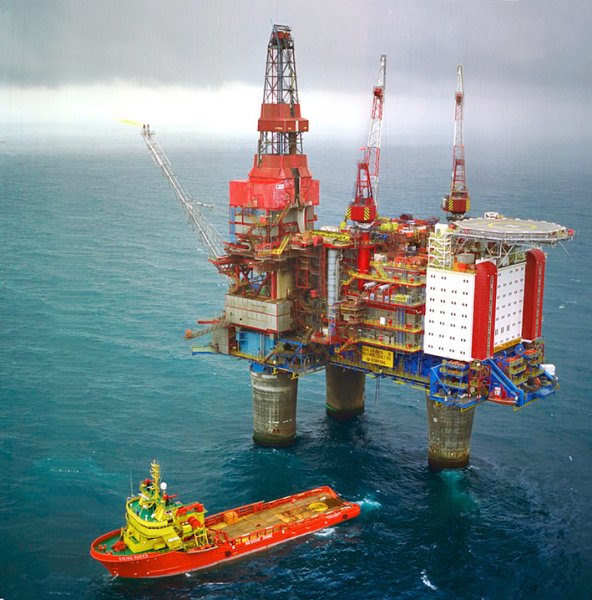
Norway has always been ahead of the pack when it comes to worker accommodations. Gulfaks B (pictured) is a concrete, gravity-based platform installed nearly 40 years ago, but the living quarters and amenities are updated and first class. A Gulfaks B worker provides a tour in the video embedded below.
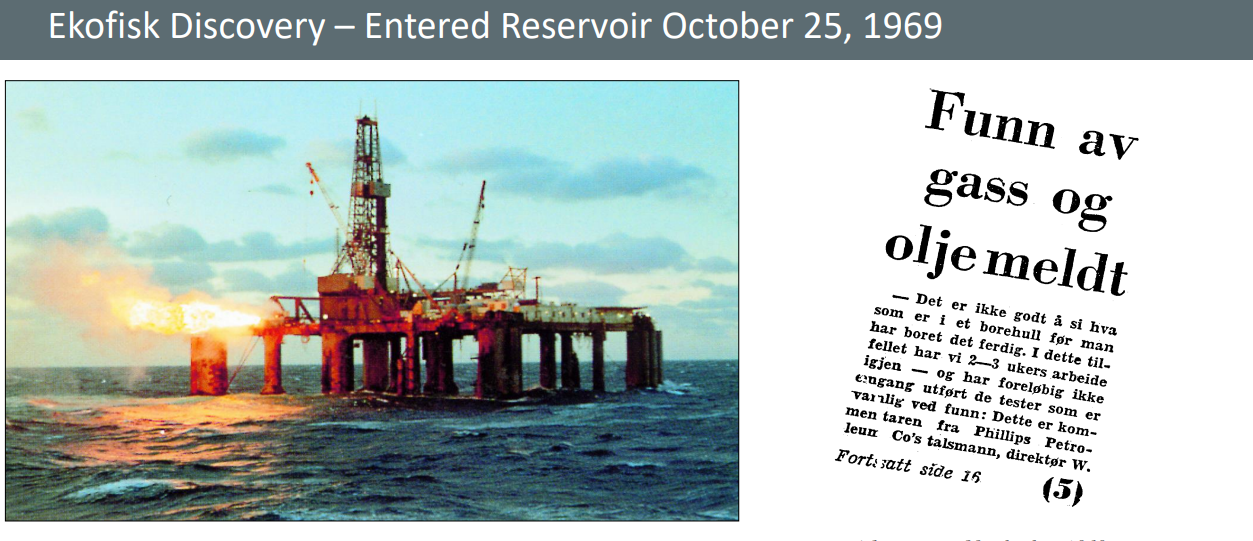
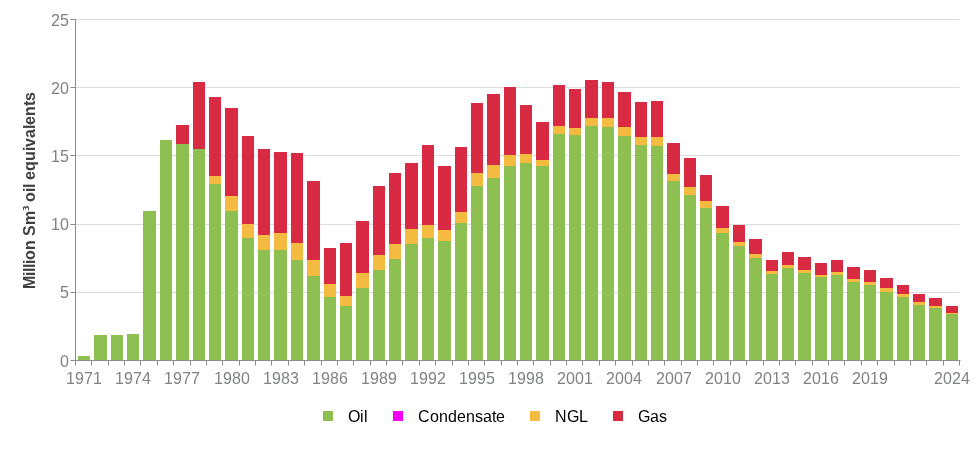
Ekofisk was Norway’s first commercial oil discovery in 1969, with first production in 1971. Another redevelopment phase could extend production to 2050 and beyond. This is a good example of how technology and reservoir management can extend field life indefinitely. Finite resources are not really finite.
Ekofisk production history; water injection began boosting production in 1987. The expected final recovery factor for Ekofisk is now estimated to be >50%.
ConocoPhillips and partners have approved the redevelopment of three gas and condensate fields depicted below — Albuskjell, Vest Ekofisk, and Tommeliten Gamma. Better well placement and the use of horizontal well technology will increase resource recovery.
The $1.8 billion project consists of four new subsea templates and 11 production wells tied back to the Ekofisk complex. First production is planned towards the end of 2028. Recoverable gas and condensate reserve additions are estimated at between 90 million and 120 million barrels of oil equivalent.
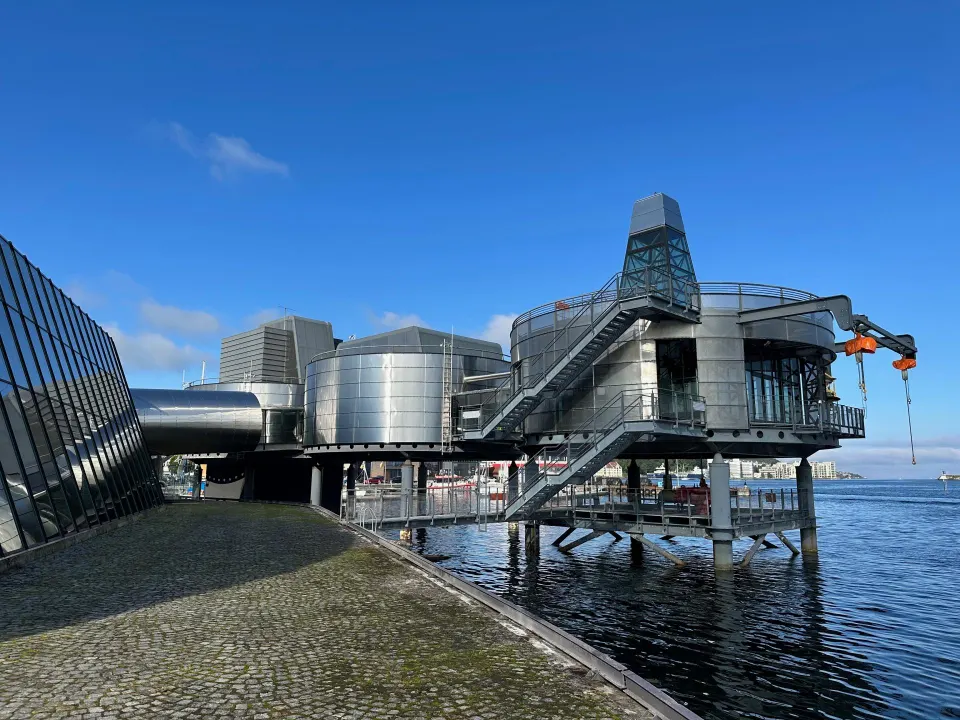
If you ever get to Stavanger, be sure to visit the Petroleum Museum! HIghly recommended!
JL Daeschler, other North Sea veterans, and those of us who once admired the UK offshore program, lament the sad plight of their oil and gas industry and the destruction of the economy in northeast Scotland.
Incomprehensibly, the UK has retained the Energy Profits Levy, which requires North Sea operators to hand over 78% of their diminished profits to the Treasury. Most have regrettably chosen to do business elsewhere. Investment in the UK North Sea is at a record low and a study from Robert Gordon University says jobs are being “quietly” lost at a rate of 1,000 a month.
The UK government is grudgingly allowing some tieback production to existing facilities, but this will do little to stem the industry’s decline. JL notes that this limited infield development is not the type of new field investment needed to grow production and sustain the service industry (rigs, boats, helicopters, equipment, etc.).
“The term energy transition somehow sounds like it is a well-lubricated slide from one reality to another. In fact, it will be far more complex: Throughout history, energy transitions have been difficult, and this one is even more challenging than any previous shift.”
Related article in the WSJ: “Europe’s Green Energy Rush Slashed Emissions—and Crippled the Economy”
“European politicians pitched the continent’s green transition to voters as a win-win: Citizens would benefit from green jobs and cheap, abundant solar and wind energy alongside a sharp reduction in carbon emissions. Nearly two decades on, the promise has largely proved costly for consumers and damaging for the economy.”
“Europe largely took an “or” strategy: It raced to replace fossil fuels with solar, wind and biomass by taxing carbon heavily, subsidizing renewables and closing scores of fossil-fuel power plants. Britain, which pioneered the use of coal for energy, last year became the first large industrialized country to shut all of its coal-fired power plants. It has also banned new offshore oil-and-gas drilling. Denmark plans to eliminate gas for home heating by 2035. Around one-fifth of Germany’s municipal utilities plan to shut down their gas networks in coming years, according to an October survey by the utilities’ trade association.”
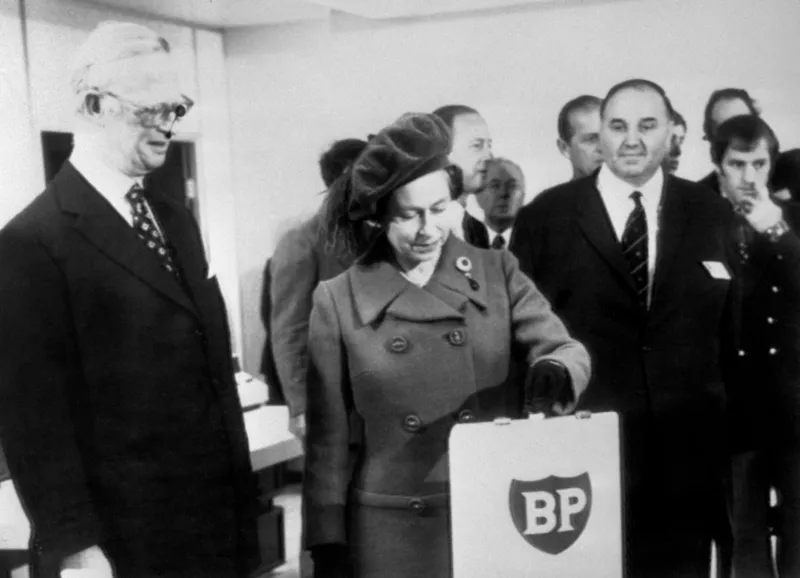
Queen Elizabeth inaugurated Forties field production.
Marking the Forties field’s half-century, the current operator Apache said it stood as a testament to Scottish grit, industrial excellence, and enduring human spirit.
In November 2024 Apache said it had suspended new drilling and would end all its operations in the North Sea by 2029. ☹
Bucks Fizz performed on a Forties field platform in the 1980s