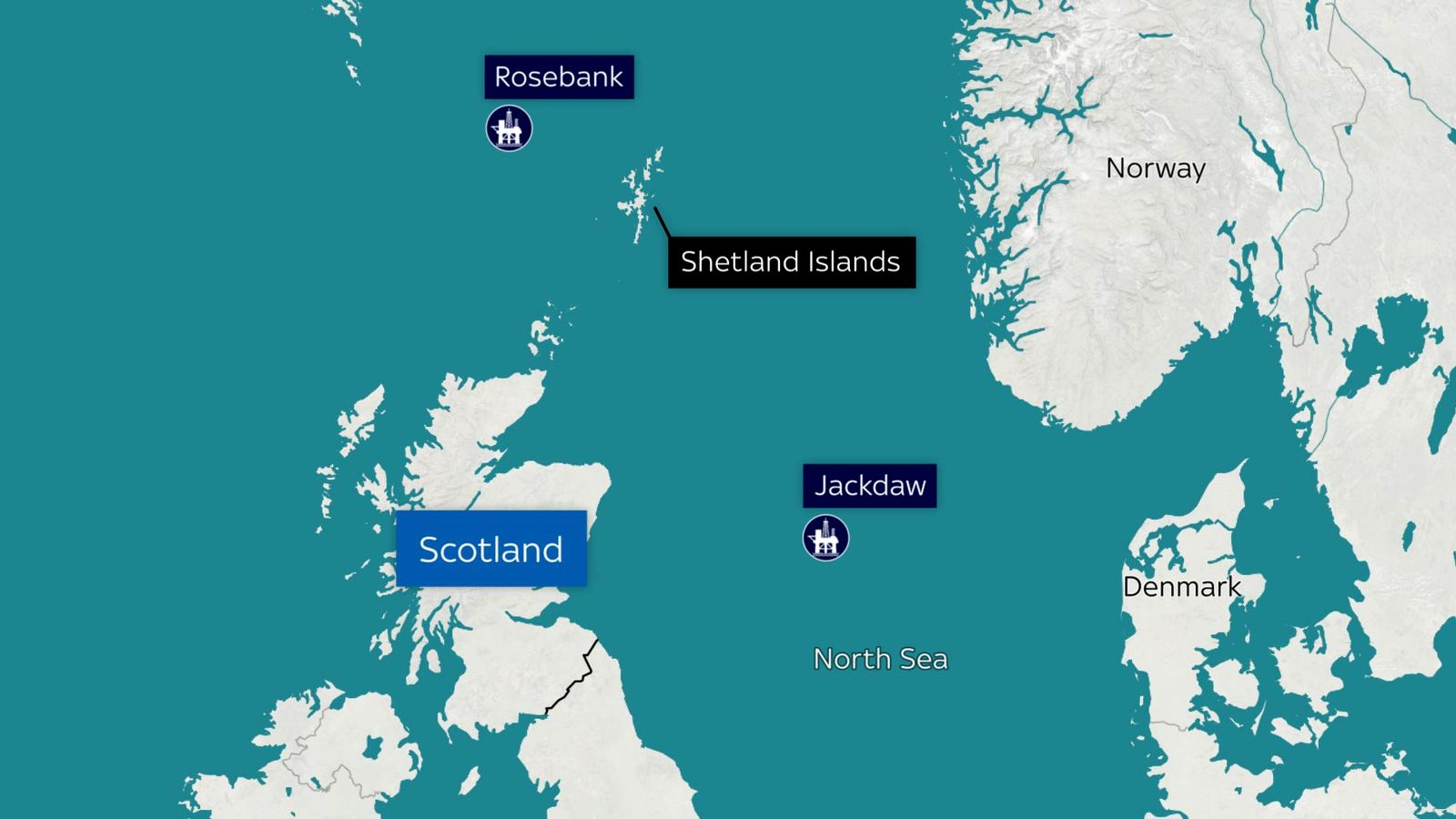
Rosebank and Jackdaw are operated by Adura, an Equinor-Shell joint venture. Much of the infrastructure for Jackaw is already in place, and gas production could begin this winter when it may be badly needed. Production at Rosebank, which is primarily an oil field, could begin in the first half of 2027.
“The question will be: is the UK investable in the future? I hope it will not come to that.”
“It’s a political choice.The North Sea oil and gas industry started on the UK side. We learned from the UK and it’s actually the same geology on both sides of the border – several fields actually cross it.”
JL Daeschler, other North Sea veterans, and those of us who once admired the UK offshore program, lament the sad plight of their oil and gas industry and the destruction of the economy in northeast Scotland.
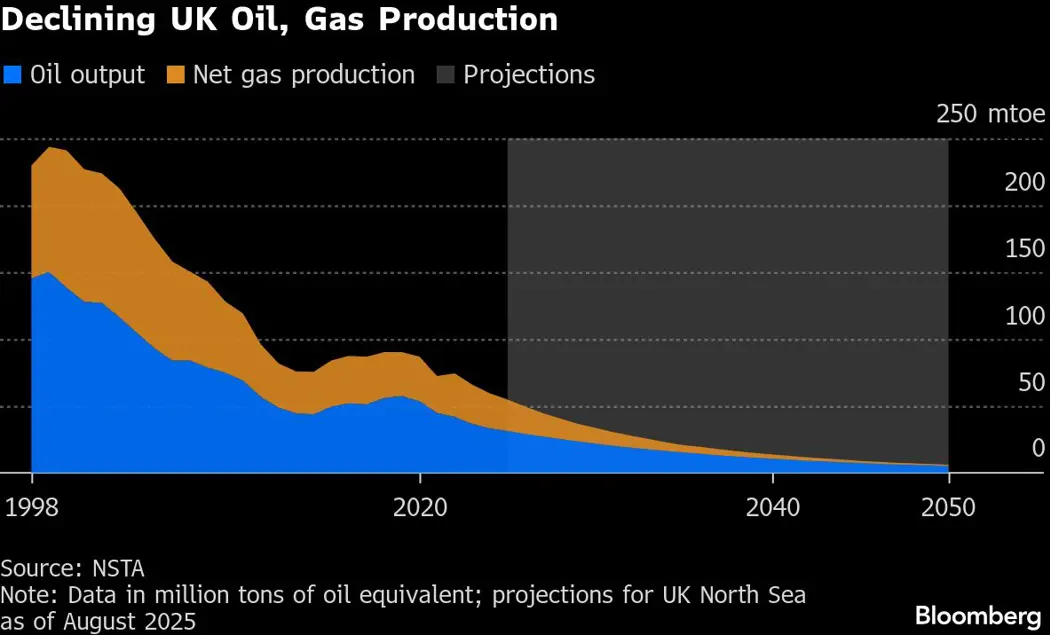
Incomprehensibly, the UK has retained the Energy Profits Levy, which requires North Sea operators to hand over 78% of their diminished profits to the Treasury. Most have regrettably chosen to do business elsewhere. Investment in the UK North Sea is at a record low and a study from Robert Gordon University says jobs are being “quietly” lost at a rate of 1,000 a month.
The UK government is grudgingly allowing some tieback production to existing facilities, but this will do little to stem the industry’s decline. JL notes that this limited infield development is not the type of new field investment needed to grow production and sustain the service industry (rigs, boats, helicopters, equipment, etc.).
“The term energy transition somehow sounds like it is a well-lubricated slide from one reality to another. In fact, it will be far more complex: Throughout history, energy transitions have been difficult, and this one is even more challenging than any previous shift.”
Related article in the WSJ: “Europe’s Green Energy Rush Slashed Emissions—and Crippled the Economy”
“European politicians pitched the continent’s green transition to voters as a win-win: Citizens would benefit from green jobs and cheap, abundant solar and wind energy alongside a sharp reduction in carbon emissions. Nearly two decades on, the promise has largely proved costly for consumers and damaging for the economy.”
“Europe largely took an “or” strategy: It raced to replace fossil fuels with solar, wind and biomass by taxing carbon heavily, subsidizing renewables and closing scores of fossil-fuel power plants. Britain, which pioneered the use of coal for energy, last year became the first large industrialized country to shut all of its coal-fired power plants. It has also banned new offshore oil-and-gas drilling. Denmark plans to eliminate gas for home heating by 2035. Around one-fifth of Germany’s municipal utilities plan to shut down their gas networks in coming years, according to an October survey by the utilities’ trade association.”