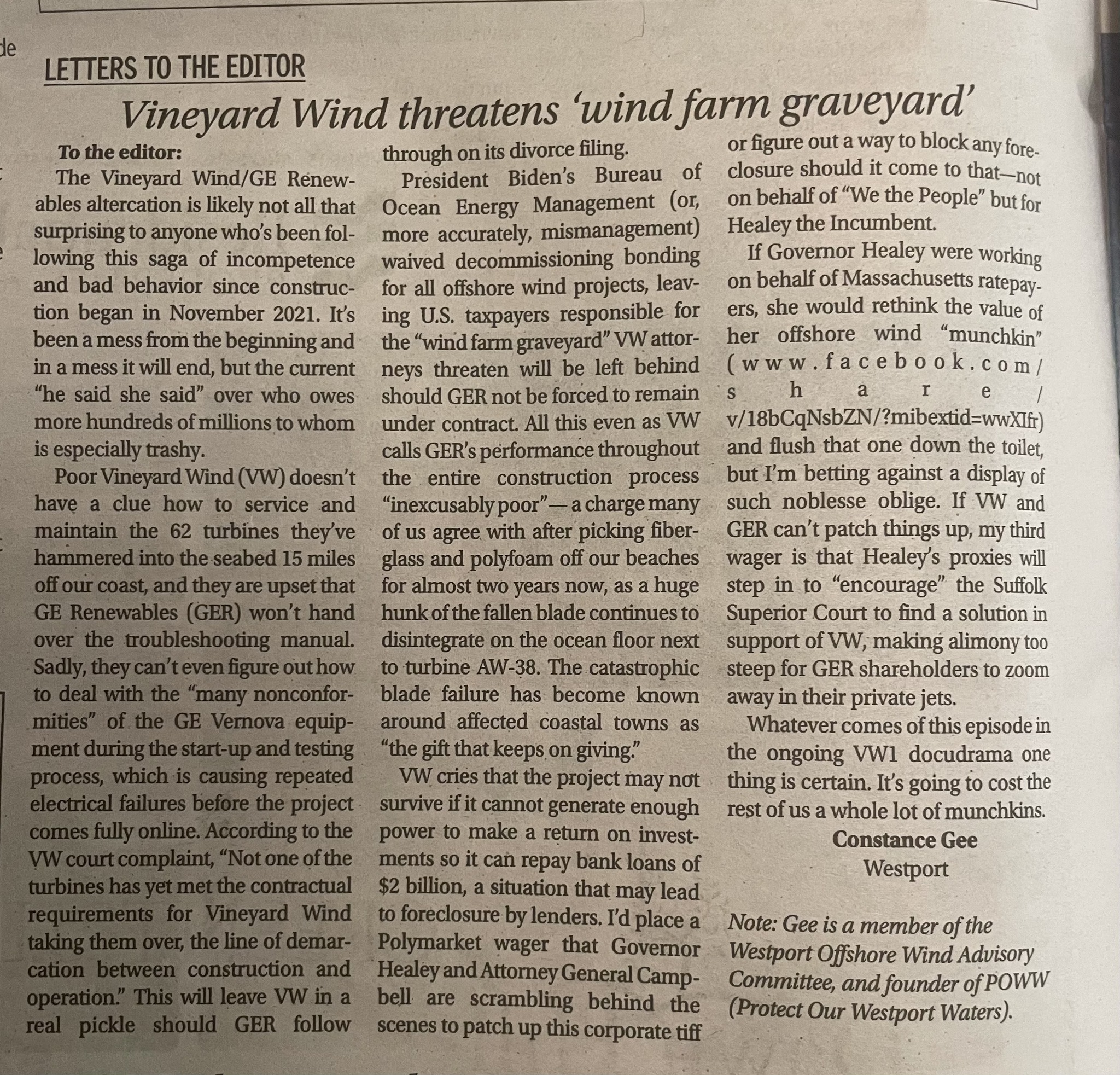
The Constance Gee letter (pasted below) is entertaining no matter where you stand on the Vineyard Wind debacle. A couple of quotes 😉:
It’s been a mess from the beginning and in a mess it will end, but the current “he said she said” over who owes more millions to whom is especially trashy.
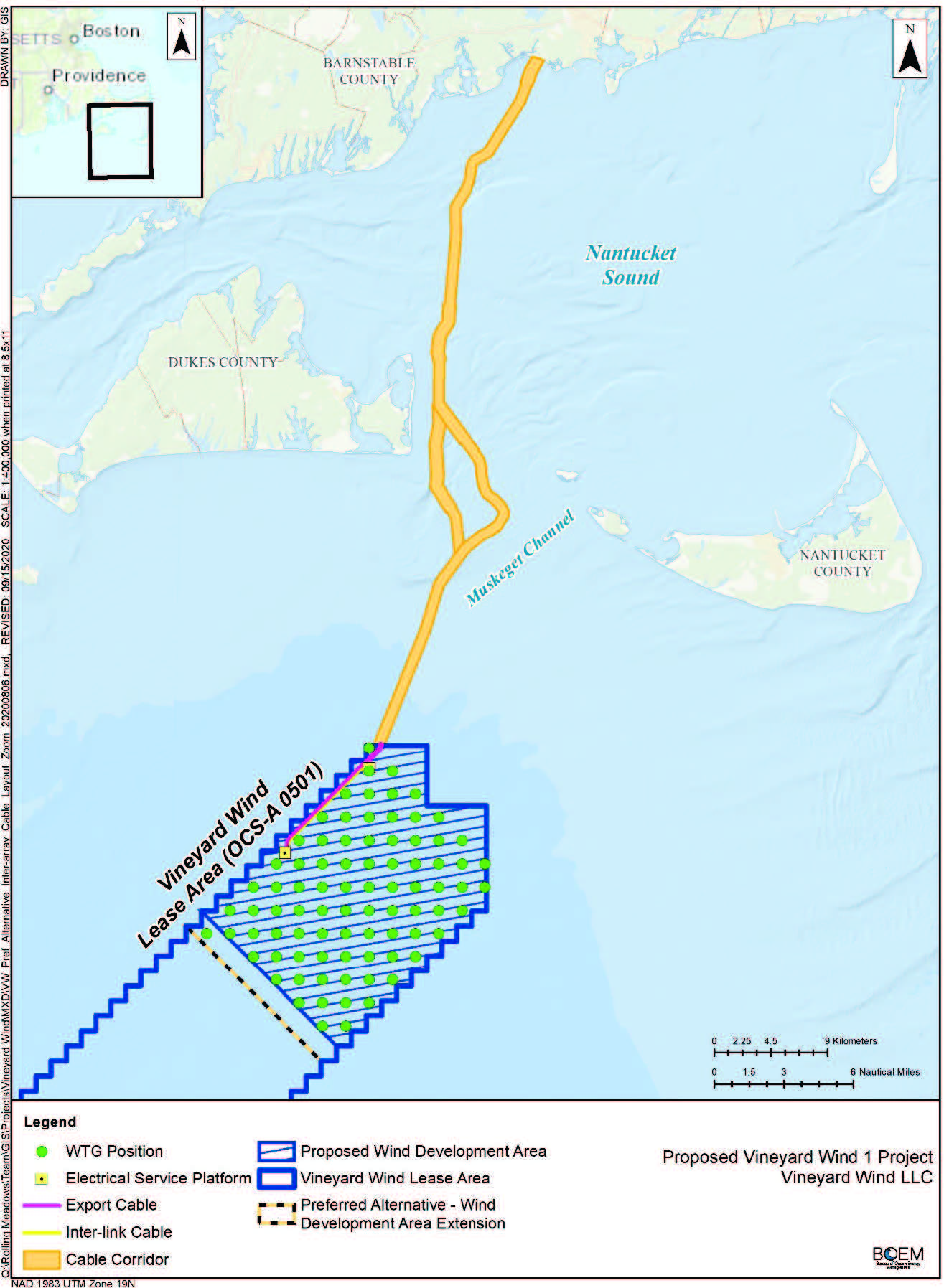
Poor Vineyard Wind doesn’t have a clue how to service and maintain the 62 turbines they’ve hammered into the seabed 15 miles off our coast, and they are upset that GE Renewables won’t hand over the troubleshooting manual.
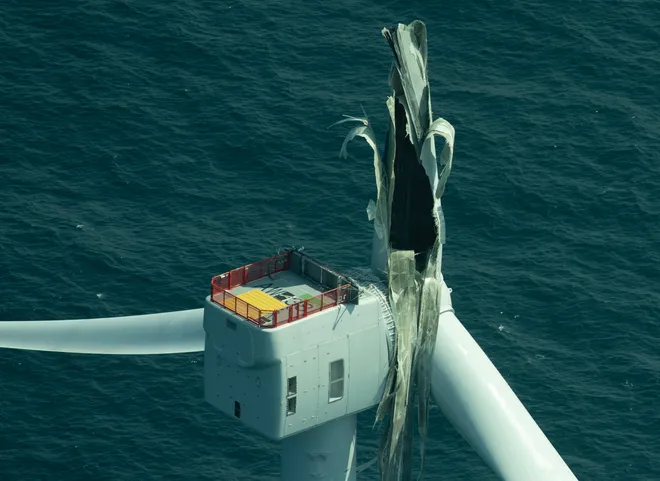
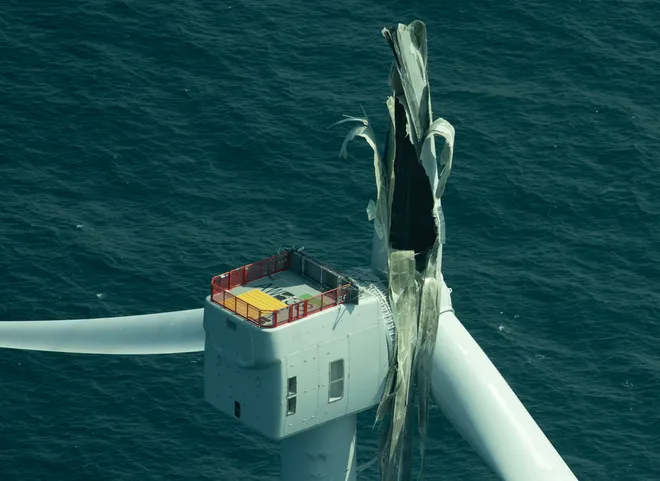
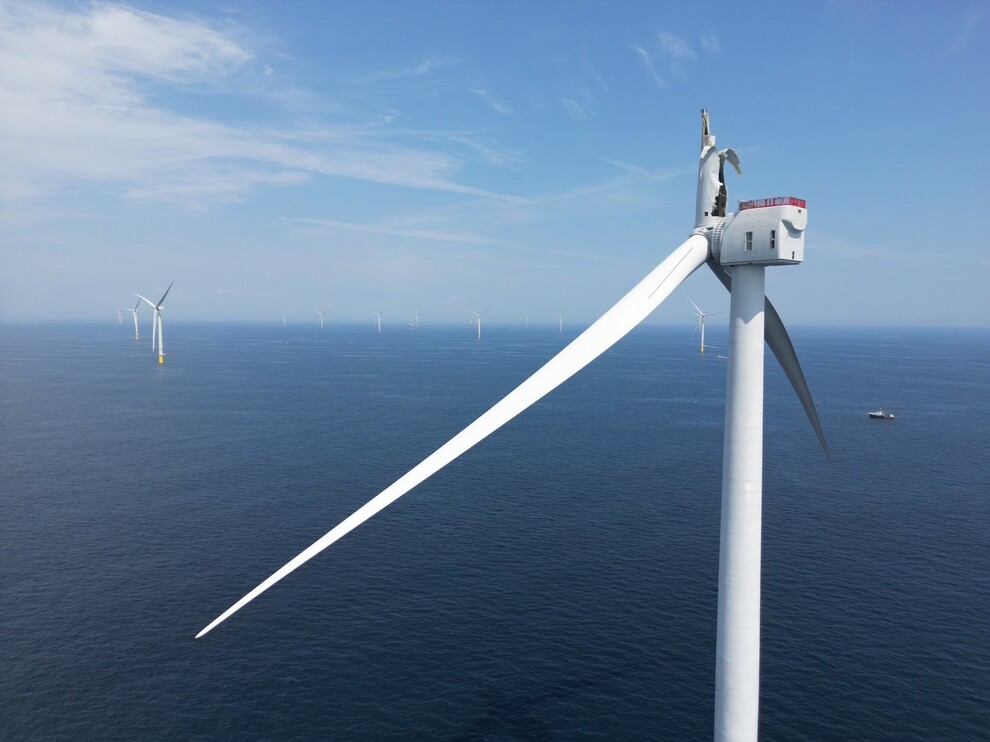
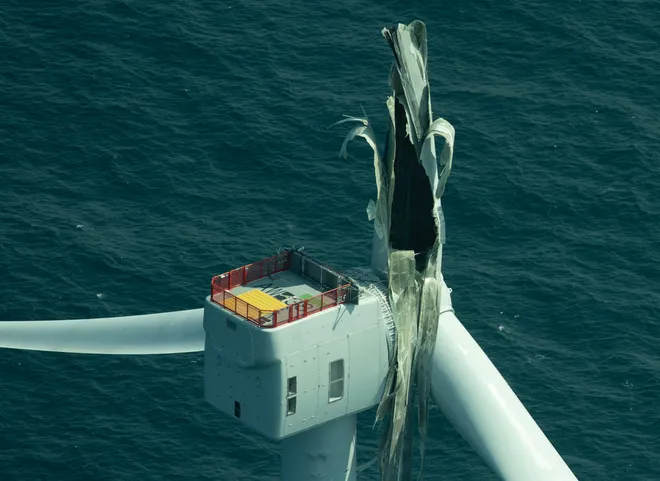
damaged Vineyard Wind turbine – Cape Cod Times photo
Excerpt from p.3 of Vineyard Wind’s suit against GE Renewables (attached):
“As was widely reported in national and local news, in July 2024, one of the GER offshore blades collapsed and fell into the waters off Nantucket, necessitating a massive environmental cleanup, and a six-month construction hiatus during which GER performed a “root cause” analysis. That analysis concluded that 68 of the 72 GER blades installed at the Project (nearly all manufactured by GER in Gaspé, Canada) were also defective because they were inadequately bonded together, and were so poorly made that they were beyond repair. GER’s remediation plan required it to remove all of the blades and to replace all Gaspé blades with others manufactured at a different facility in Cherbourg, France.
Regulatory issues of concern:
Nearly 2 years after the blade failure, all Vineyard Wind (VW) turbine blades have been installed, yet BSEE has still not issued their investigation report. The primary purpose of independent Federal investigations is to prevent recurrences at this or other projects in the US and worldwide. The investigation should assess the extraordinary VW blade defect rate.
DNV was the Certified Verification Agent (CVA) for the VW project, and was thus required to verify the design, fabrication, and installation procedures. When will we hear from them?
BOEM waived the requirement that the Facility Design Report (FDR) and Fabrication and Installation Report (FIR) be “received and offered no objections to” before beginning the fabrication of facilities. They did so to “allow Vineyard Wind to adhere to its construction schedule, maintain its qualification for the Federal Investment Tax Credit, and meet its contractual obligations under the Power Purchase Agreements with Massachusetts distribution companies.” Did BOEM’s commitment to promoting offshore wind and accelerating development influence their regulatory decisions?
Three wind turbines, including one with a damaged blade, at the Vineyard Wind offshore site in November 2024. Credit: Eleonora Bianchi / The New Bedford Light.
New Bedford Light:Vineyard Wind on Wednesday sued its turbine supplier, GE Renewables, in civil court in Boston, alleging GE is breaching its contract and planning to abandon the project by April 28 — during the critical final stage of coming fully online.
According to the complaint, GE filed a termination notice with Vineyard Wind in late February for its contracts to supply wind turbines and service and maintain them, citing more than $300 million in claims unpaid by Vineyard Wind.
If GE exits, Vineyard Wind says, the project “will likely fail, leaving the windfarm stranded.”
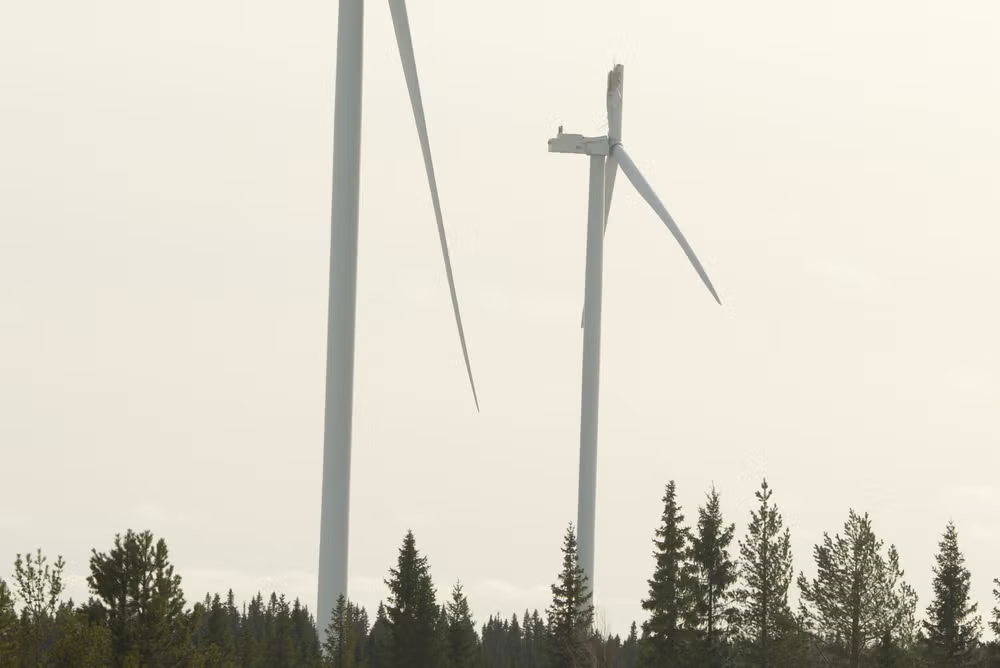
Broken blade at GE wind turbine at Björkvattnet wind farm in Sweden. Alexander Pohl photo posted at Recharge Per Recharge: The first blade break at the wind farm was probably caused by a manufacturing defect, and the second was damaged during installation. According to regional newspaper Jämtlandstidning, local residents were complaining about not getting sufficient information about the third such incident.
“We don’t know what’s happening because we’re not told anything,” Terese Björk, who witnessed the broken blade on Friday, told the newspaper.
The primary purpose of the independent investigation is to prevent recurrences at this or other projects in the US and worldwide. Available data suggest that blade failures are far too common.
Updatedincident tables for OCS oil and gas operations. The most recent data are for 2023! Providing timely details on incidents is a fundamental responsibility of a safety regulator.
A summary of incidents associated with the OCS wind program. From press reports, we know about the fatality during Empire Wind construction. What other incidents have occurred to date?
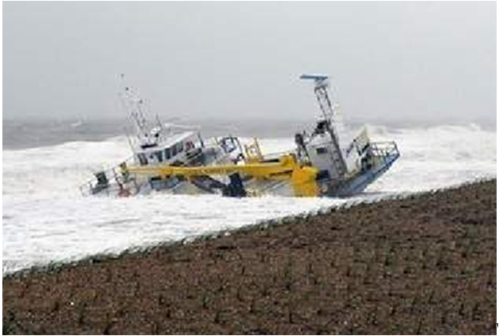
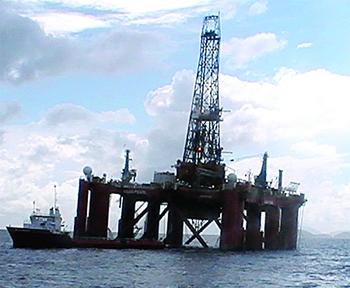
Information on the mysterious sinking of the Aban Pearl semi-submersiblein May 2010. An investigation was conducted, but the report was never shared. In the interest of offshore safety, the new regime in Venezuela should release this report.
The attached Memorandum of Understanding between Vineyard Wind (VW) and the Town of Nantucket is long on bureaucratic procedures and short on risk mitigation and penalties.
The agreement details requirements for monthly reports, liaisons, written correspondence, plan reviews, and participation on incident management teams, but excludes any monetary penalties for past or future incidents. (With regard to penalties, should BSEE have assessed civil penalties for the 2024 turbine incident in accordance with 30 CFR § 285.400 (f)? This was a major pollution event.)
This MOU provision gives the impression that the Town is subordinate to VW:
“The Town will provide Vineyard Wind 1 up to 4 business days, if required, to identify and correct errors in the Town’s intended public communications about the Project.”
The responsible party should not be exercising oversight over the communications of an affected local government. Can you imagine Santa Barbara County reaching such an agreement with Sable Offshore?
Finally, the MOU further establishes the Town as a de facto partner in the project. VW, not the Town, is the responsible party and must be held fully accountable for project performance.
The Town of Nantucket’s attorney, Greg Werkheiser of Cultural Heritage Partners, told The Light last month that “it’s taken far too long” to get a final report on the blade failure.
Plymouth MA wind turbine that lost a blade. (Stuart Cahill/Boston Herald)
Friday’s turbine blade failure in Plymouth MA is perhaps getting added attention given its proximity to the 7/13/2024 Vineyard Wind blade failure offshore Nantucket. The Plymouth blade landed in a nearby cranberry bog (video and picture below).
Per the MV Times, the turbines for the Plymouth project were manufactured by Gamesa, which is now part of Siemens Gamesa. Both the South Fork Wind and Revolution Wind projects off the coast of the Martha’s Vineyard are being developed by Ørsted using turbines from Siemens Gamesa. Coastal Virginia Offshore Wind, the largest offshore wind project in the United States, is also being developed with Siemens Gamesa turbines. This is not to imply a higher degree of risk for those turbines. Vineyard Wind, where the only US offshore failure has occurred to date, is using GE Vernova turbines.
Unfortunately, turbine blade failures are much too common. Last October, Lars Herbst reported, based on a Wind Power article, that “with an estimated 700,000 blades in operation globally, there are, on average, 3,800incidents of blade failure each year.” Lars noted that the annual blade failure rate of about 0.5% translates to 1.5% of all operating wind turbines experiencing a blade failure every year, a remarkably high failure frequency.
Scotland Against Spin data indicate that blade failure is the second most common accident type in the wind industry, and the most common cause of accidents at operational wind turbine sites. SAS reports further that pieces of blade are documented as travelling up to one mile, and have gone through the roofs and walls of nearby buildings.
Lastly, we are still awaiting BSEE’s report on the Vineyard Wind failures so we can better understand what happened and why.