Feeds:
Posts
Comments

Posts Tagged ‘Empire Wind’

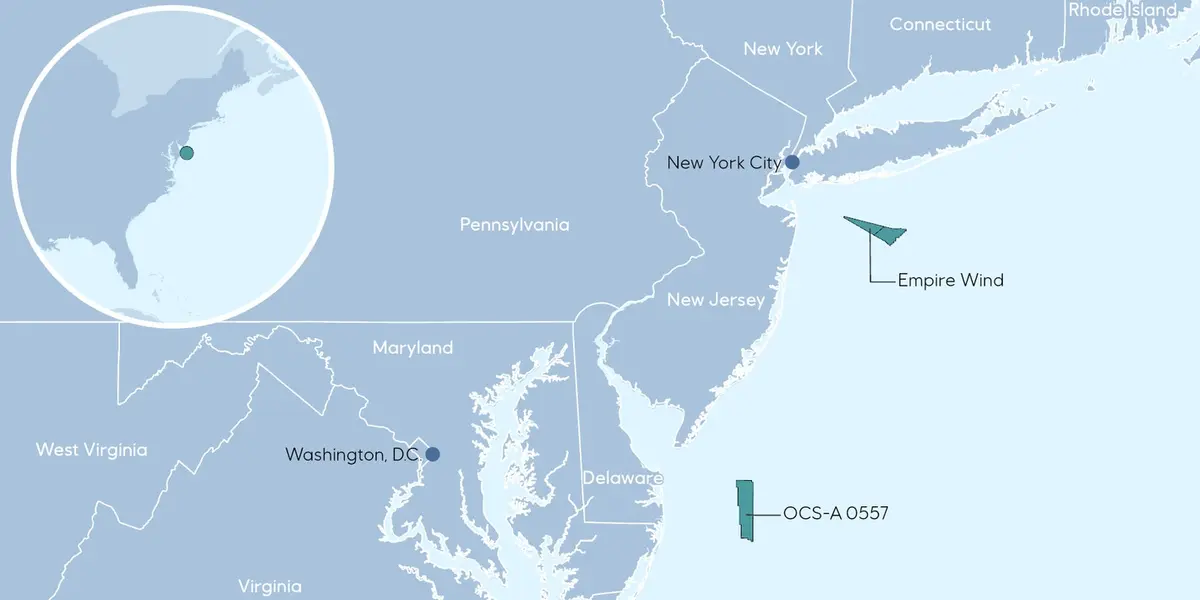
Equinor’s Atlantic wind leases

Equinor has cut planned investments in renewable energy by roughly EUR 3.5bn for 2026–2027, while the company maintains and expects growth in oil and gas production.

Cheap shot from panicked Ørsted investor:

“From a sustainability perspective, it’s certainly sad that one of the most ‘green’ fossil fuel companies now turns out to have merely been a ‘tourist’ in the green sector, but unfortunately, that’s just the way things are these days,” says Anders Schelde, investment chief at AkademikerPension, according to Finans.

Perhaps the premium for climate virtue signaling has shrunk, and Equinor, like other energy giants, is making a prudent business decision for its shareholders, which include the Norwegian govt.

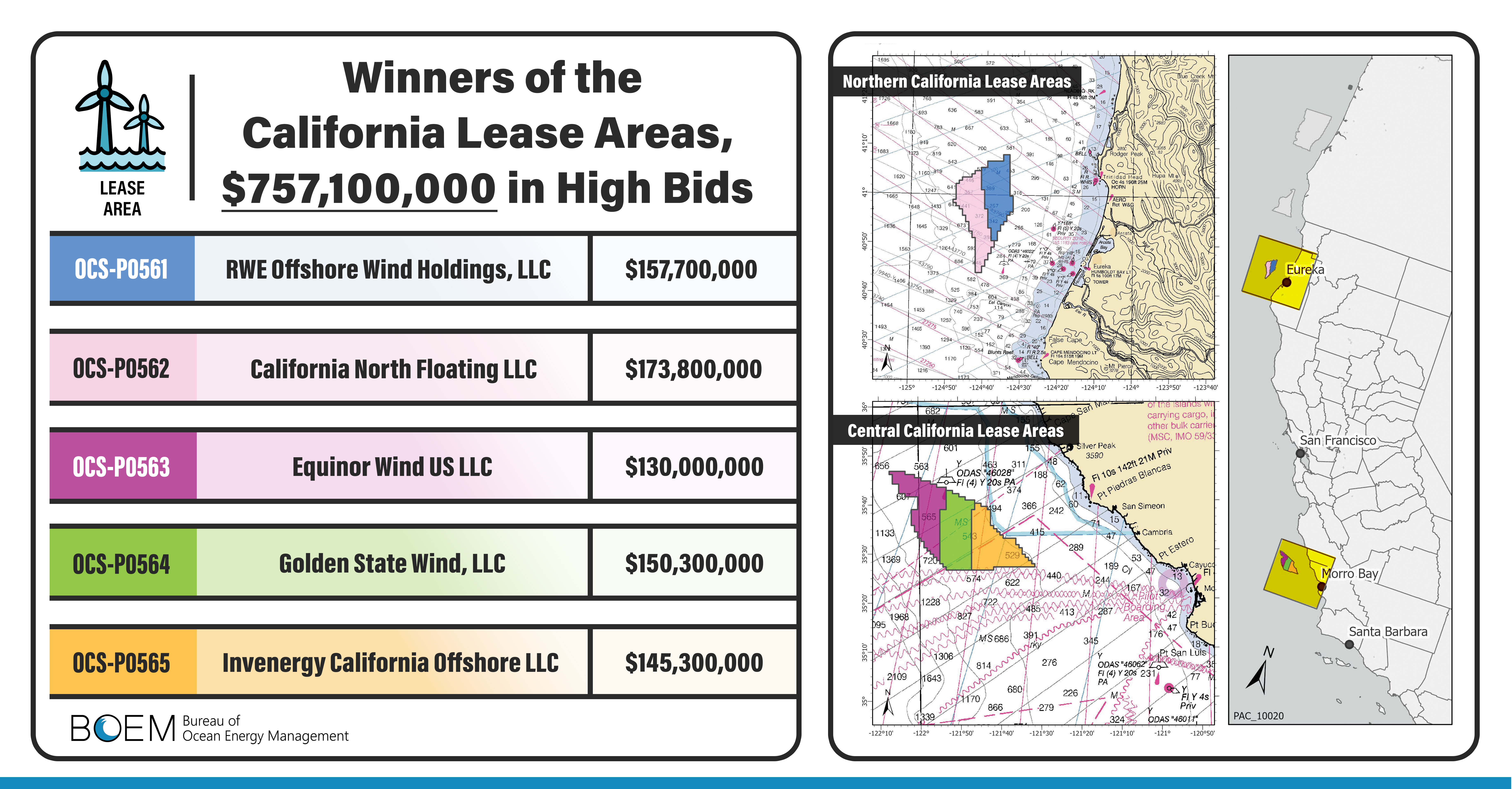
Meanwhile, what are the implications for Equinor’s offshore wind investments in the US? Equinor’s embattled Empire Wind project is probably too far along to reverse course. Their Central Atlantic (Lease 0557) and California (Lease 0563, Atlas Wind) may be a different story. However, buyback negotiations would be complicated by the Empire Wind situation, and perhaps by the Norwegian government’s 2/3 ownership. On the other hand, Equinor is a significant oil and gas leaseholder in the Gulf of America, so they would have ample options for investing wind lease rebates.

Read Full Post »

The diligent folks at Scotland Against Spin (SAS) have already updated their turbine incident data through the end of 2025. Their latest summary is attached, and their detailed historical table (342 pages) is linked.

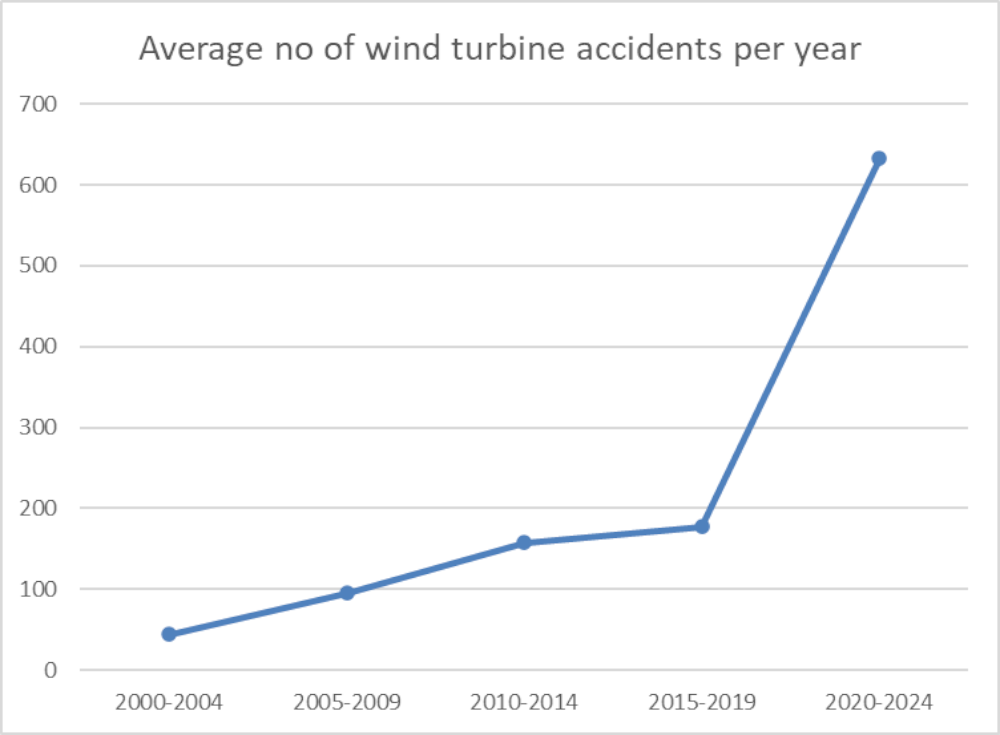
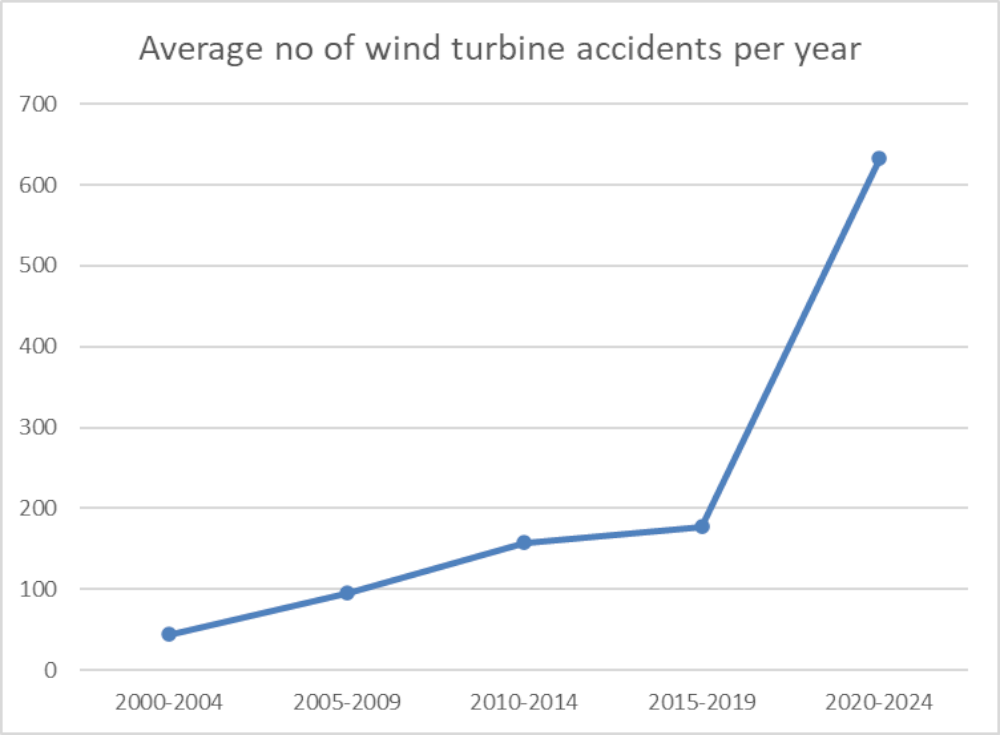
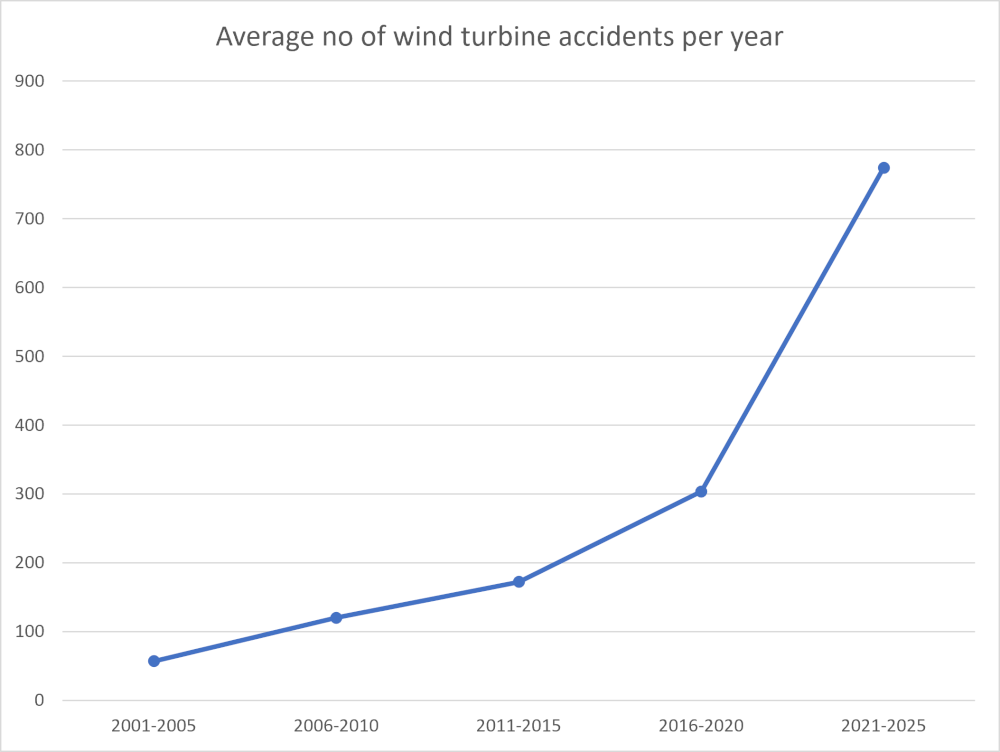
The SAS data indicate that the number of wind turbine incidents has risen sharply in recent years (see chart below). The increased number of turbines worldwide, and perhaps better news coverage of incidents, presumably contributed to the sharp increase. Nonetheless, the growing number of incidents is disconcerting, as is the absence of industry and government summaries and reports.
SAS acknowledges that their list, which is dependent on publicly available reports, is merely the “tip of the iceberg.” For example, the list does not include the June 2, 2025, Empire Wind project fatality.

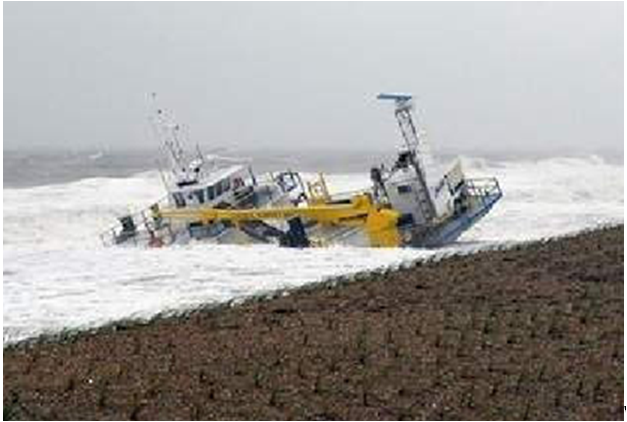
The SAS list does capture the 2008 collapse of the Russell Peterson liftboat, which was collecting data offshore Delaware for a wind project. One worker died and another was rescued. The Coast Guard never issued a report on this tragic incident. Serious questions remain about the positioning of a liftboat in the Mid-Atlantic for several months beginning in March when major storms are likely, the liftboat’s failure mechanisms, the operator’s authority to be conducting this research, and the actions that were taken in preparation for storm conditions.

The Russell Peterson toppled in May 2008 while gathering data for a proposed offshore wind project.

Read Full Post »

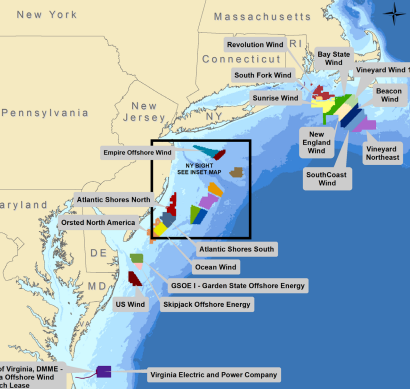
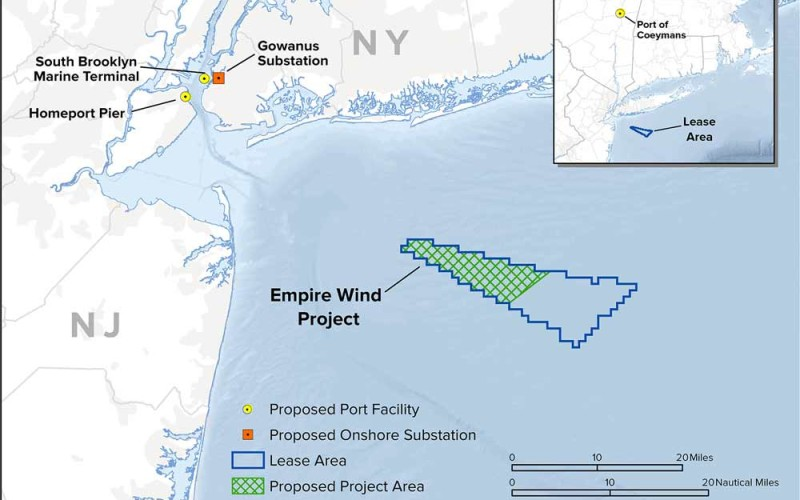
The suspended leases are for Vineyard Wind 1, Revolution Wind, Sunrise Wind, Empire Wind, and Coastal Virginia Offshore Wind. (See the map below).These are the only Atlantic Wind projects under construction.

Given the $billions in expenditures to date and coastal State support for these projects, expect negotiated mitigations or litigation.

Read Full Post »

Kudos to Scotland Against Spin (SAS) for compiling and updating turbine incident data. Their latest summary through Sept. 30, 2025 is attached. Their detailed historical table (334 pages) is linked.

The SAS data indicate that the number of wind turbine incidents has risen sharply in recent years (see chart below). The increased number of turbines worldwide, and perhaps better news coverage of incidents, presumably contributed to the sharp increase. Nonetheless, the growing number of incidents is disconcerting, as is the absence of industry and government summaries and reports.

SAS acknowledges that their list, which is dependent on publicly available reports, is merely the “tip of the iceberg.” For example, the list does not include the June 2, 2025, Empire Wind project fatality.

The SAS list does capture the 2018 collapse of the Russell Peterson liftboat, which was collecting data offshore Delaware for a wind project. One worker died and another was seriously endangered. The Coast Guard never issued a report on this tragic incident. Serious questions remain about the positioning of a liftboat in the Mid-Atlantic for several months beginning in March when major storms are likely, the liftboat’s failure mechanisms, the operator’s authority to be conducting this research, and the actions that were taken in preparation for storm conditions.

Liftboat Russell Peterson, May 12, 2008

Read Full Post »

Read Full Post »

The attached petition from Save the East Coast Inc. et al requests that NOAA revoke the Empire Wind Letter of Authorization using the emergency authority delineated at 50 C.F.R. § 216.106(f).

This is a strong filing, but revocation would be difficult given the extensive development activity to date and the Administration’s decision in May to allow the project to go forward.

Read Full Post »

Radar interference is one of the key issues in the law suit against the Empire Wind project. Congressman Smith’s press release (attached) focuses on that issue.

Read Full Post »

Protect Our Coast – NJ graphic

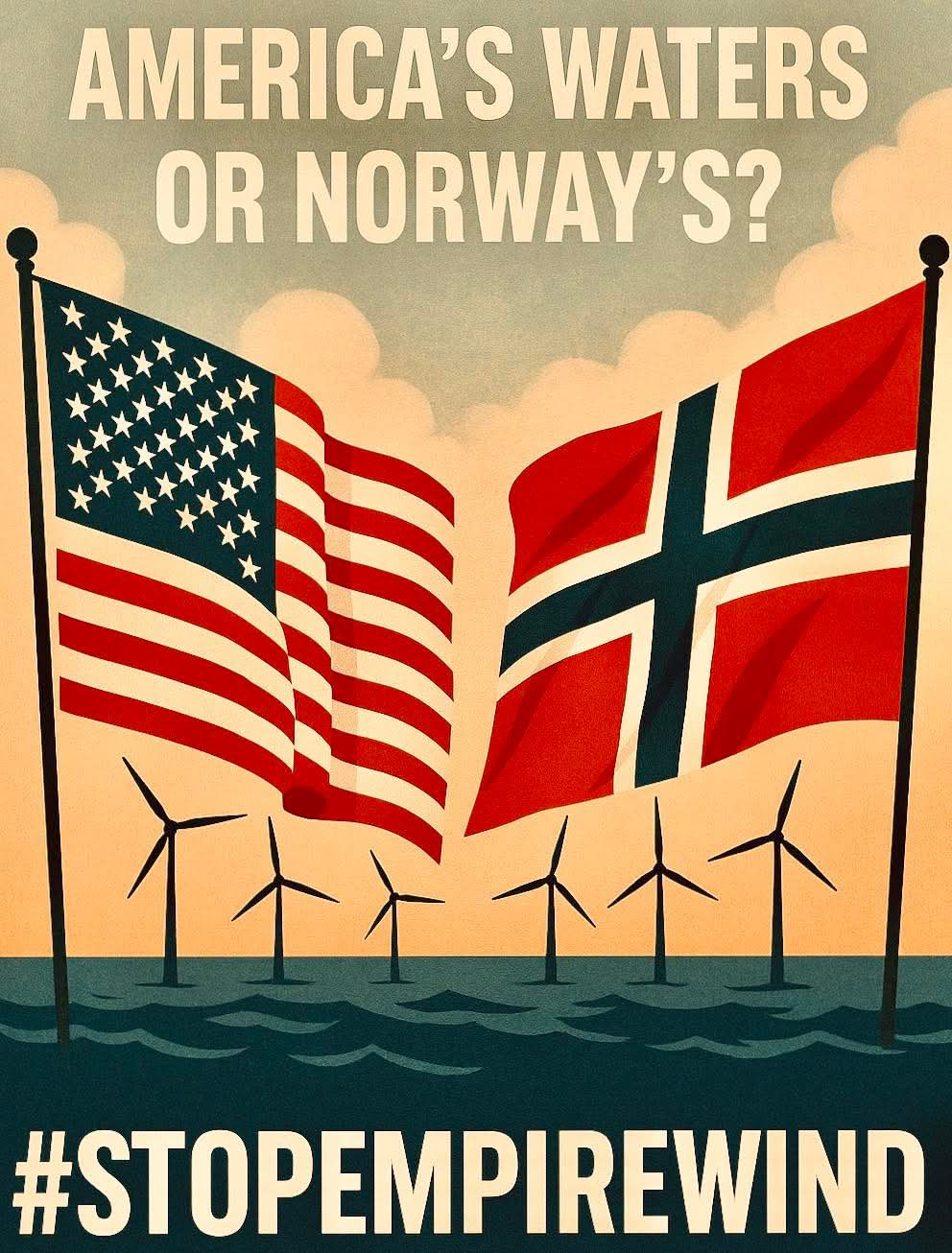
Along with other charges, the attached complaint asserts that awarding a wind lease to Norway’s Equinor, violates the Outer Continental Shelf Lands Act (OCSLA):

  1. As an agency or instrumentality of Norway, Equinor cannot receive a lease on the Outer Continental Shelf for offshore wind turbine development or generation of electric power.

While other elements of the complaint appear to have merit, the charge against Norway does not. Here’s why:

  • US subsidiaries of foreign companies have long held leases under the OCS Lands Act.
  • Equinor US Wind is the US subsidiary holding the wind lease.
  • Equinor USA E&P holds interests in OCS oil and gas leases in the Gulf of America. BOEM credits 548,389 barrels of oil production to Equinor for 2023.
  • Chinese state-owned CNOOC has been an oil and gas lessee in the Gulf of America.
  • US subsidiaries of Shell and BP, both foreign corporations, are the top 2 producers in the Gulf. Although not government owned, there is nothing in OCSLA that distinguishes between US subsidiaries of private and govt owned companies. Woodside (Australia) and Eni (Italy) are also important Gulf producers.

The plaintiffs second count (excerpt below) seems to have more merit. The bulk of the filing pertains to this count.

  1. BOEM never completed its “necessary review”, see Stop Work Order, April 16, 2025, and, instead, reinstated the Empire Wind work permit on May 19, 2025 without any explanation or finding, stating as follows:
    On April 16, 2025, the Bureau of Ocean Energy Management issued a Director’s Order to Empire Offshore Wind LLC to halt all ongoing activities related to the Empire Wind Project on the outer continental shelf. That Order is hereby amended to lift the halt on activities during the ongoing review.

The complaint goes on to discuss the reasons why the plaintiffs believe the review was indeed necessary and should have been conducted.

Read Full Post »

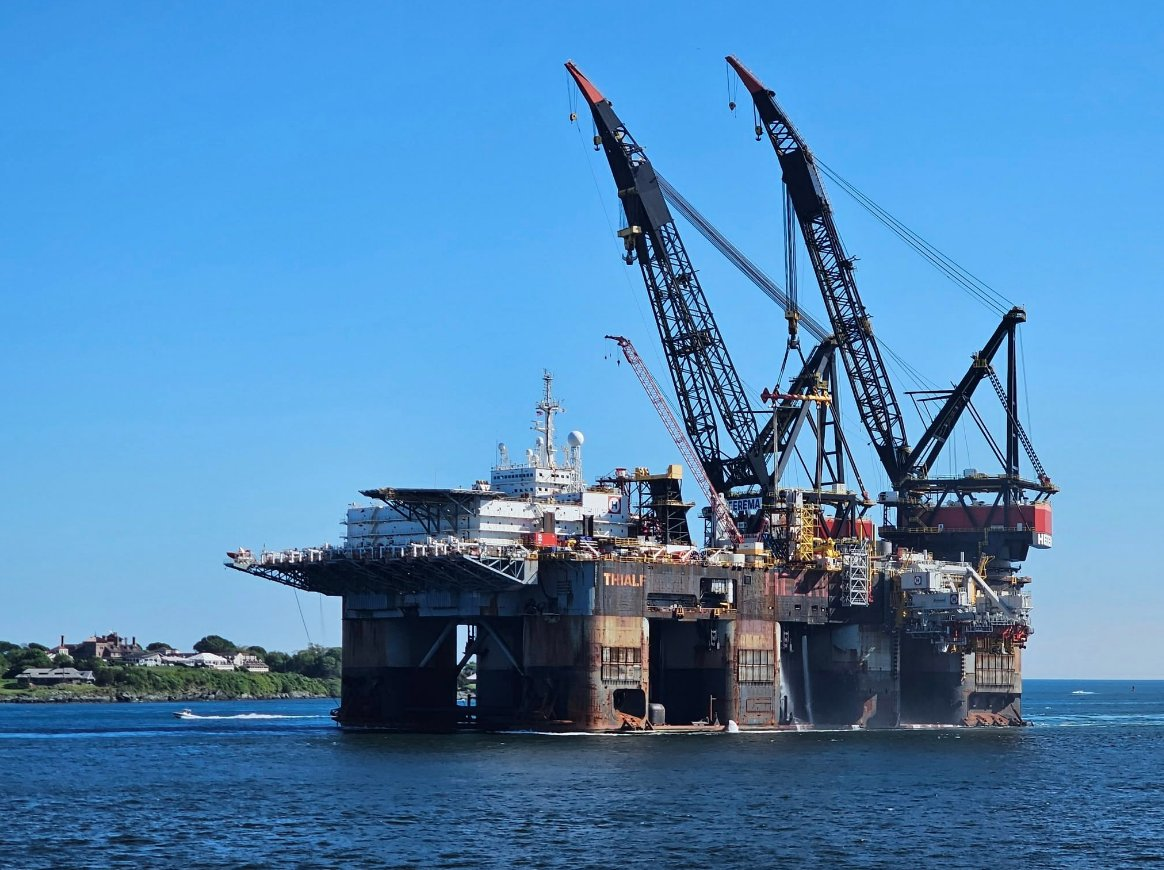
Thialf: a character in Norse mythology who was Thor’s servant.

The Heerema Thialf, a semi-submersible crane vessel (SSCV), is a rather massive presence in coastal waters. The vessel is 661 feet long and 470 feet high, with a lifting capacity of up to 14,200 metric tons, and is the second-largest of its kind.

The Thialf, which set a world record in 2000 by lifting the 11,883-metric-ton Shearwater topside structure in the North Sea, will be driving piles for 54 Vestas 15 MW wind turbines and a substation structure that are part of Equinor’s controversial Empire Wind project.

John Smith tells me that the Thialf is one of the heavy lift vessels being considered for removing California offshore oil and gas platforms. The vessel is too large for the Panama Canal and would have to make the trip around South America or across the Pacific, depending on where it was last working.

The Thialf’s day rate has not been disclosed, but is likely greater than $500k. Equinor claimed to be losing $50 million/week when the project was paused. Thialf costs were presumably a significant chunk of those losses.

Read Full Post »

With victory in sight, the President pulled the ball away from his most ardent East Coast supporters.

Further thoughts on the reasons for the Empire Wind reversal:

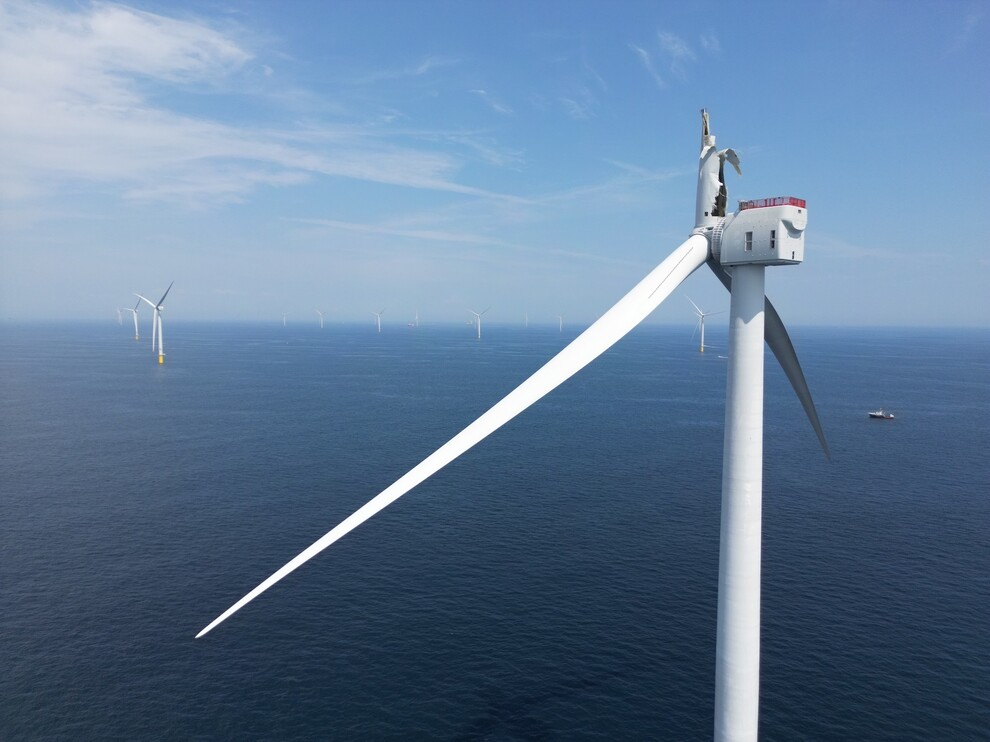
  • Legal/regulatory: Although lease cancellation is not a reasonable option at this time, a pause for further review of the environmental and procedural issues is justified. During the previous Administration, the regulators seemed to function primarily as cheerleaders, as evidenced by the departures (examples here and here), the BOEM/NOAA strategy document, and the promotional tweets. Also, where is the long awaited report on the turbine blade failure? How do you proceed with development before that has been released for public review?
  • Norwegian govt intervention: Some would argue that Empire Wind was a bad investment by Equinor (2/3 govt owned) and it would have been better to take the losses and move on.
  • Trade unions: Concerns about the job losses are warranted, but the long term viability of the subsidy dependent offshore wind industry is in doubt, and important industries (e.g. fishing and tourism) may be negatively impacted. Other job losses could occur if offshore wind drives up electric prices and decreases grid reliability.
  • Pipeline deal: The regionally important Constitution natural gas pipeline is still very much in doubt despite reports of a deal with Governor Hochul. With or without her support, climate-ultras are driving NY/New England energy policy and will, at a minimum, stall this project. Fisheries Nation was particularly blunt in criticizing fishermen being “used as a poker chip” to gain tepid support for the pipeline project.

Following the reversal of the Empire Wind decision, Green Oceans, ACK for Whales, Long Island Commercial Fishing Association, Protect Our Westport Waters, Save Greater Dowses Beach, Save Right Whales Coalition, and the Wampanoag Tribe of Gay Head/Aquinnah petitioned Secretary Burgum to halt all wind construction in New England coastal waters and begin a “complete reevaluation” of their permits under applicable federal laws. In addition to right whale and tribal cultural resources concerns, the letter cited:

  • Critical habitat destruction impacting cod spawning grounds.
  • Inadequate response to turbine blade failures and environmental cleanup.
  • Severe adverse impacts on regional fisheries and economic displacement.
  • Compromised national defense radar and marine safety capabilities.
  • Misleading economic analyses that omit substantial regional job losses and increased electricity prices.

Read Full Post »

Older Posts »