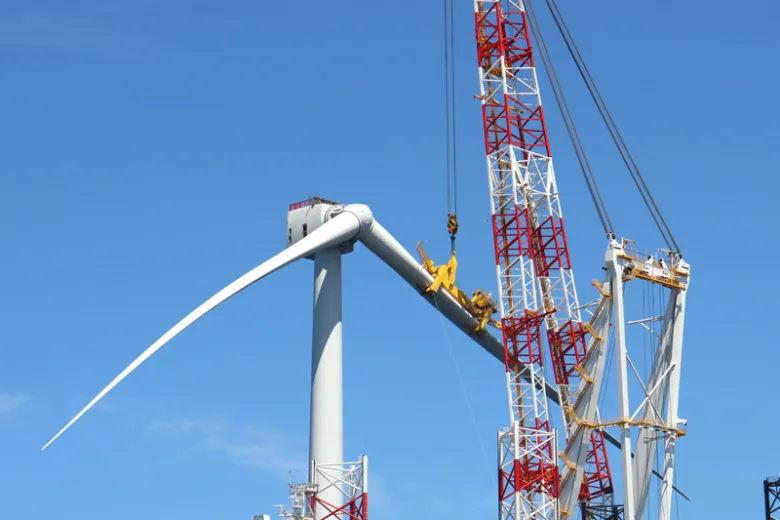
Pointing to the potential financial implications for GE Vernova, Recharge News cites this serious fraud accusation by Vineyard Wind (VW):
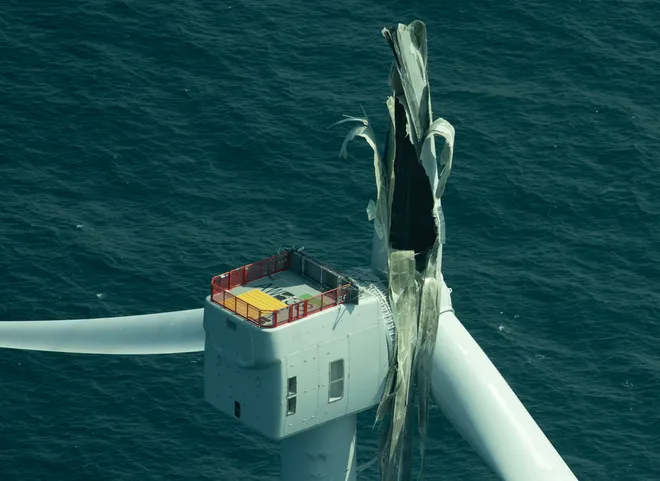
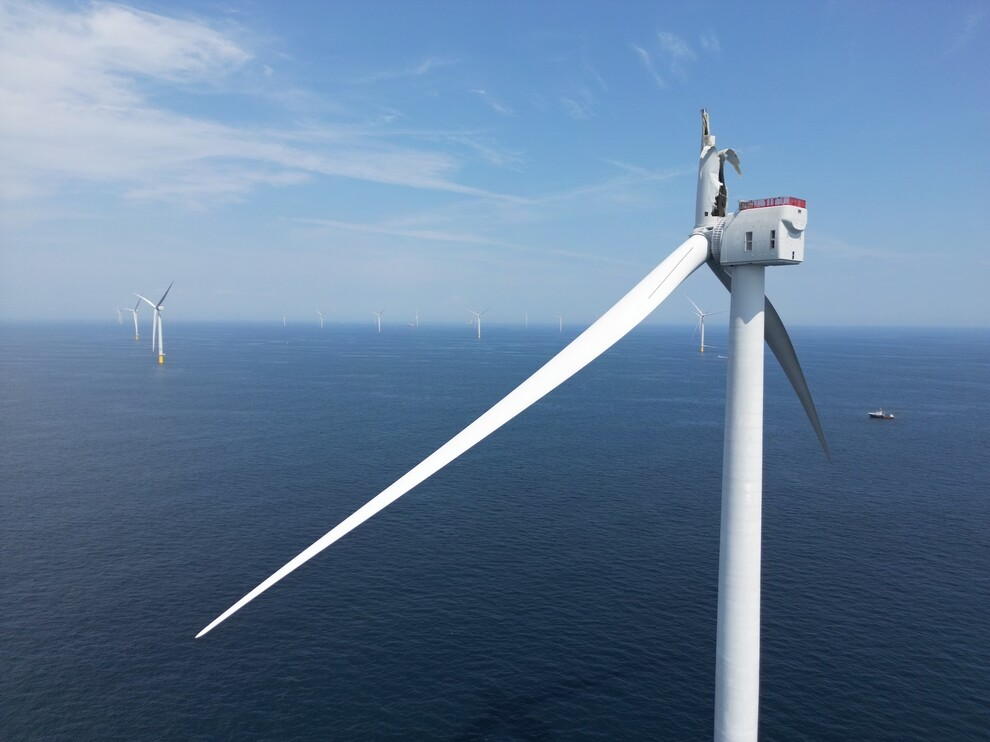
“This exceptional misconduct includes [GE Vernova’s] intentional scheme to falsify critical quality assurance data… and to intentionally misrepresent the quality of those blades to [Vineyard Wind] in a brazen fraudulent, and willful breach of the TSA, ultimately resulting in the catastrophic blade failure…”
Recharge also discusses the findings of the Project Engineer appointed by VW to resolve claims between parties. Under the terms of the contract, the engineer’s determinations are binding unless overturned in arbitration.
- The engineer determined that GE Vernova was liable for project delays, blade defects, vessel costs, and a $185m rescission of previously certified payments.
- The damage claims issued by the project engineer total $853m.
- On the basis of those determinations, VW withheld 100% of the outstanding invoices issued by GE Vernova. Even netted against sums allegedly owed to GE Vernova, VW says the turbine maker owes around $545m.
- Per the contract, there are no limitations on liability in cases of “fraud, gross negligence, deliberate default or willful misconduct.”
My take: VW’s charges against GE Vernova will be resolved in the courts. However, VW is the lessee and operator, and is thus the party responsible to the Federal govt for project safety and environmental protection.
- Operator responsibility is a fundamental tenet of the OCS regulatory program. As lessee/operator, VW bears ultimate responsibility for project safety and environmental protection.
- VW is responsible for contractor selection, management, and oversight.
- If a contractor violates a regulation, the violation notice is given to the operator. If a contractor causes pollution, the operator is responsible for the cleanup.
- DNV, the Certified Verification Agent (CVA) hired by VW, was required to verify the design, fabrication, and installation procedures. Did they raise any issues to VW and the regulators?
- At VW’s request, BOEM waived a Fabrication and Installation Report (FIR) requirement so the project could stay on schedule. The FIR addresses quality assurance measures, so the waiver is highly relevant and concerning.
- Did the division of responsibilities between BOEM and BSEE weaken regulatory oversight? BOEM, ostensibly just the leasing bureau, should not have been authorized to grant departures that could affect structural integrity and operational safety.
- It’s surprising that VW has not been cited for civil penalties resulting from the blade failure and the resulting environmental damage.
- How can a judge prevent a contractor from stopping work for an operator that has filed serious fraud allegations against the contractor, has stopped making payments, and has, along with the Governor, declared the project to be complete?
Lastly, nearly two years after the blade failure, we are still awaiting BSEE’s investigation report.
 Bud's Offshore Energy (BOE)