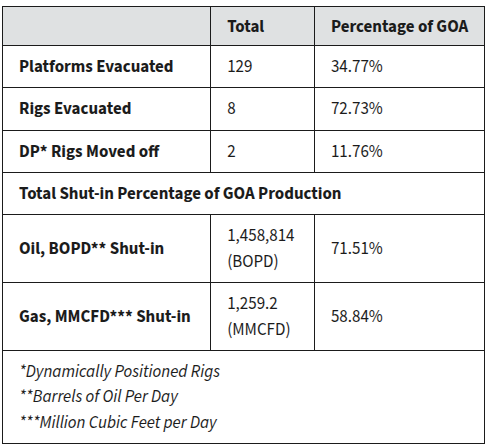
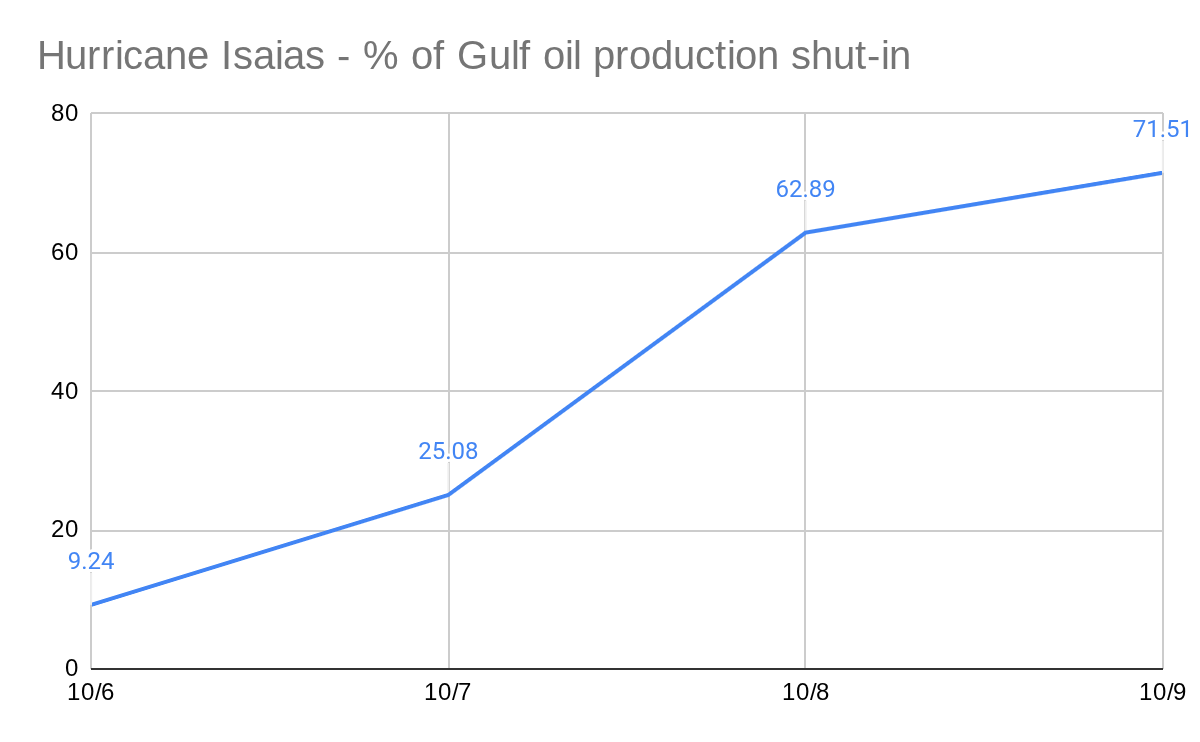
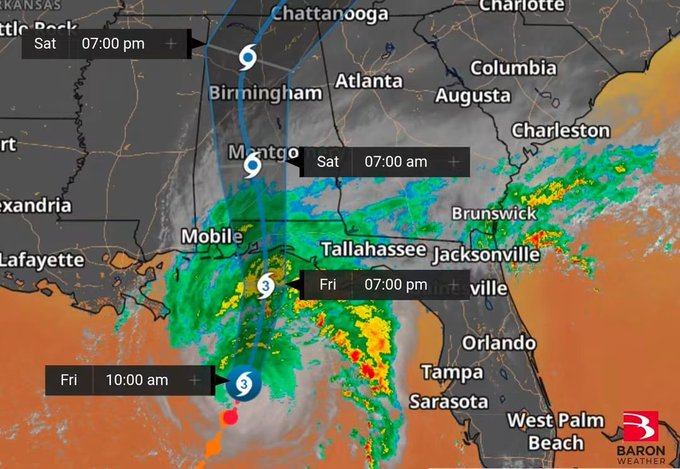
MMA report as of noon ET today:
Posted in Gulf of Mexico, hurricanes, Offshore Energy - General, tagged Gulf of America, Hurricane Isaias, MMA, production shut-in on October 9, 2026| Leave a Comment »
Posted in Alaska, drilling, energy policy, Offshore Energy - General, Regulation, well control incidents, tagged Arctic drilling, MMA, regulations, regulatory fragmentation, same season relief well, subsea isolation device, well control on October 5, 2026| Leave a Comment »
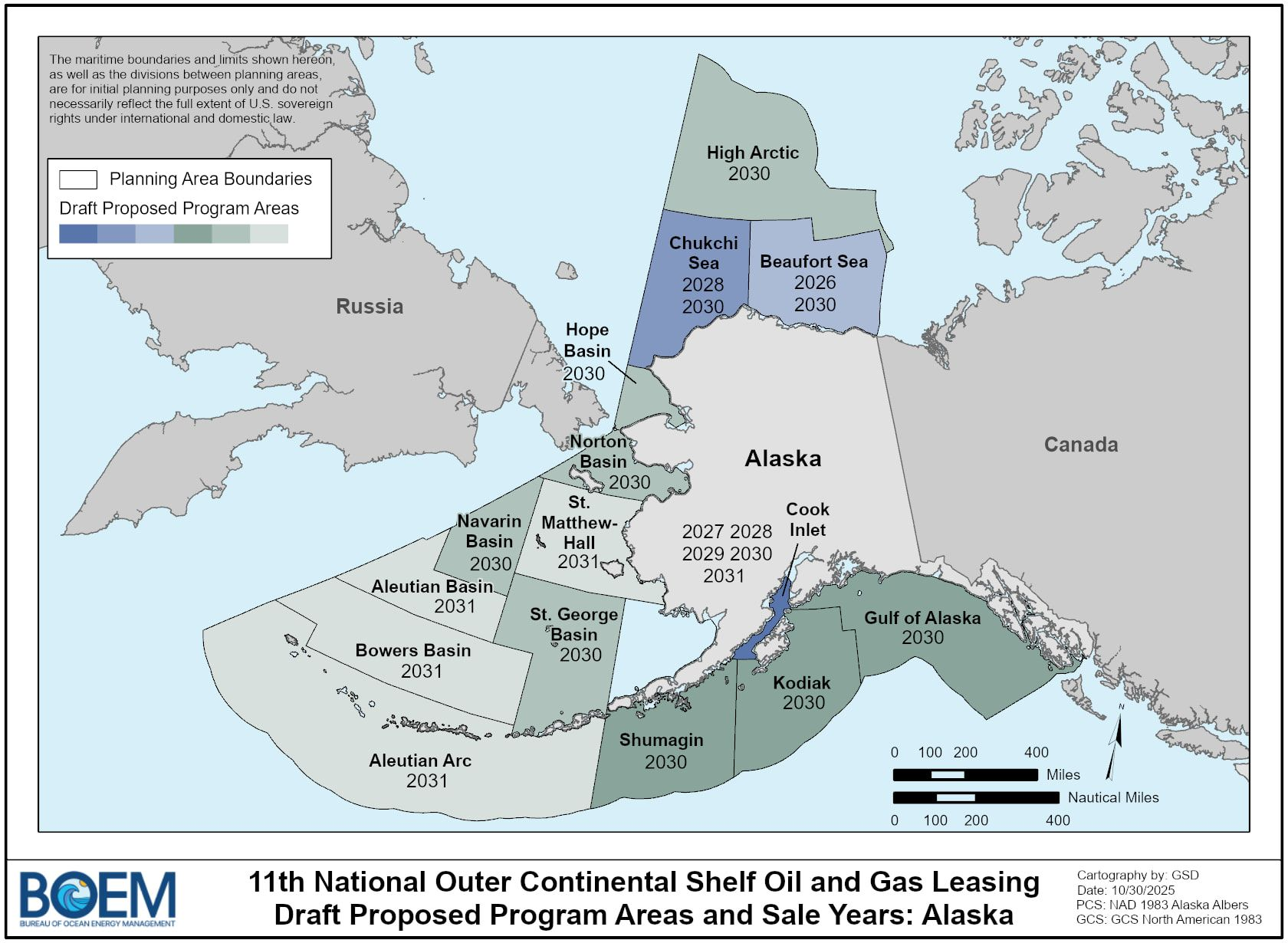
Comments on the proposed “Revisions to the Requirements for Exploratory Drilling on the Arctic Outer Continental Shelf” are due today.
My submission (one page) is attached. Main points:
Posted in California, energy policy, Offshore Energy - General, Regulation, tagged 2025 Gulf of America oil production, AB 1448, MMA, Platform Hondo, Sable Offshore, Santa Ynez Unit on October 2, 2026| Leave a Comment »
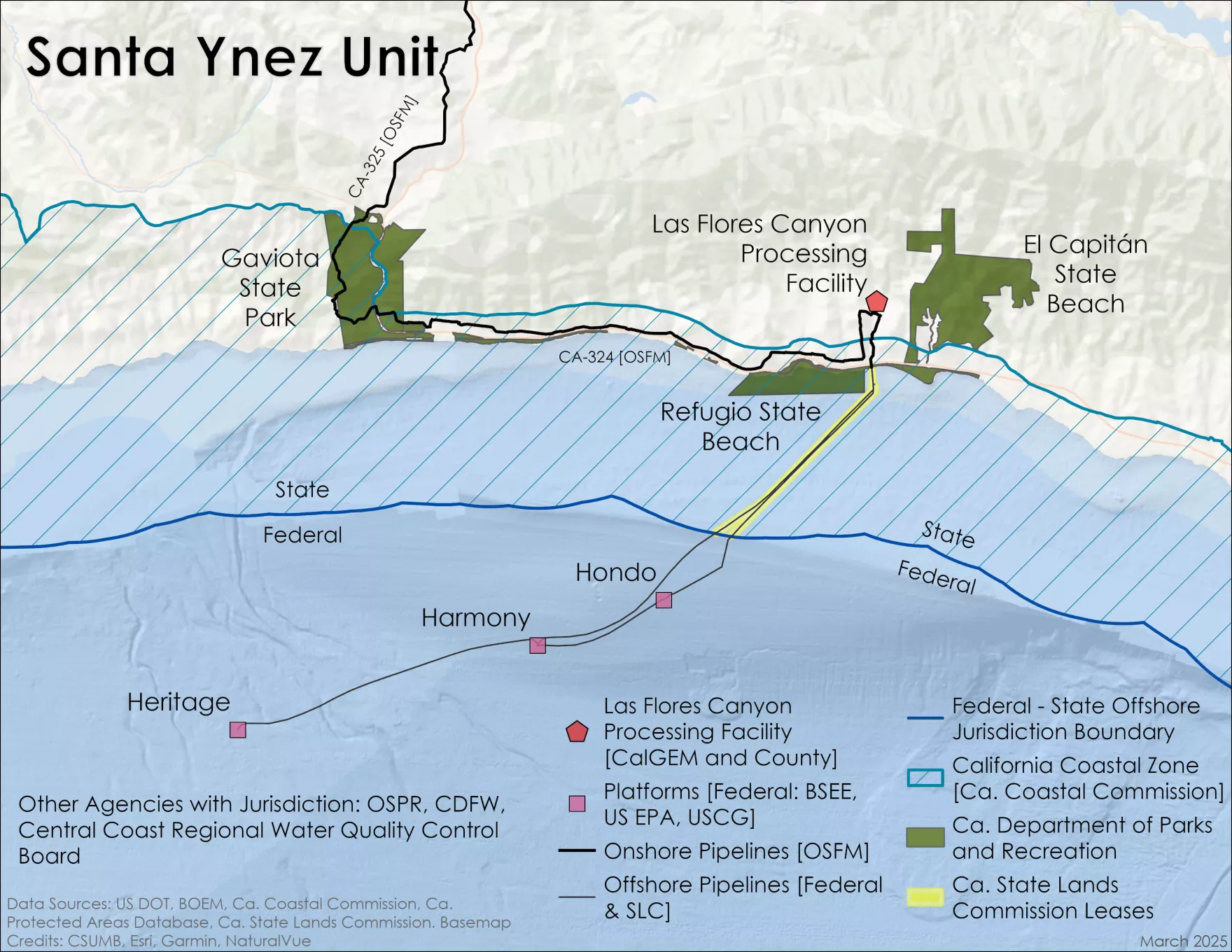
Sable’s update includes production and sales information, but nothing about the pipeline anomalies. Summary:
Also Sable related:
Posted in California, energy policy, rigs-to-reefs, tagged BlueCore, floating nuclear plant, Long Beach, MMA, offshore data centers, Rigs-to-Reactors, Rigs-to-Resistors on September 2, 2026| Leave a Comment »
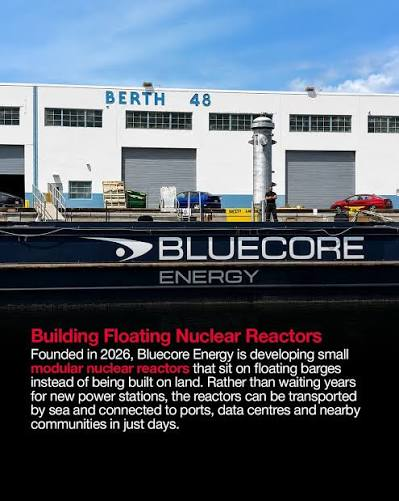
Bluecore Energy, with the support of the Port of Long Beach, is proposing nuclear reactors on barges. The Mayor of Long Beach is all-in!
“There is no better place to launch the next generation of zero-emission maritime energy than the world’s first Green Port. Long Beach has always been where global trade meets innovation, and today we’re becoming the place where the technologies that will power the future of the maritime economy are developed.BLUECORE ENERGY’s decision to build here reflects the momentum we’re creating by bringing together clean technology, advanced manufacturing, and world-class talent to grow the industries that will define the next generation.”
The State moratorium on new nuclear plants is still in place and the California Coastal Commission has yet to be heard from.
The Federal govt (MMA) has expressed an interest in responsible nuclear power generation on the OCS. Perhaps the parties should consider that alternative.
Related opportunity: Offshore Data Centers
Posted in energy policy, Gulf of Mexico, Offshore Energy - General, tagged BBG1, BBG2, BBG3, bids, big beautiful Gulf of America, lease sale, MMA, oil and gas, pre-sale stats on August 11, 2026| Leave a Comment »

The pre-sale statistics are attached.
The table below compares the pre-sale stats for BBG3 with those for BBG1 and 2. The number of BBG3 bids, while well below BBG1, which was the first sale in 2 years, bounced nicely from BBG2 levels.
| BBG1 12/10/2025 | BBG2 3/11/2026 | BBG3 8/12/2026 | |
| tracts bid on | 181 | 25 | 59 |
| total bids | 219 | 38 | 69 |
| shelf bids (<200m) | 12 | 2 | 12 |
| deepwater (>400m) | 168 | 23 | 47 |
| companies bidding | 26 | 13 | 12 |
Posted in Alaska, energy policy, Offshore Energy - General, Regulation, well control incidents, tagged Arctic drilling, BOEM, BOP, BSEE, MMA, regulations, same season relief well, subsea isolation device, well control on August 6, 2026| Leave a Comment »
The proposed revisions to the Arctic drilling regulations are a positive initiative that will improve the prospects for renewal of Beaufort and Chukchi Sea exploration.
In particular, removing the same-season-relief-well (SSRW) requirements in the current regulations is an essential regulatory action. The SSRW provision has the effect of precluding exploratory drilling while providing no added environmental protection and increasing operational risks. Given that there is at least a 50% chance that rig mobilization, relief well planning, drilling, repeated surveying, and plugging the flowing well would take more than the specified 45 days, a SSRW is not a legitimate well control option.
The preamble includes important questions for respondents. These questions are compiled beginning on p. 108 of the attachment. In particular, the comments on Subsea Isolation Devices (SSIDs) should be interesting. Given the required blowout preventer stack redundancy, it’s not clear to me that SSIDs would reduce blowout risk. They would however increase operational complexity.
For floating drilling operations in the Arctic and elsewhere, the focus needs to be on well design, integrity, and control. Fortunately, by carefully verifying casing and cement integrity, ensuring complete barrier redundancy, and having standby capping and containment capability, the probability of a sustained oil blowout can be reduced to 10–6 or lower.
Lastly for now, these regulations further demonstrate the importance of consolidating BOEM and BSEE in a single bureau.
Posted in energy policy, Florida, Uncategorized, tagged BOEM, Gateway-S, MMA, Oceaneering, offshore and space synergy, Rigs-to-Rockets, Seagate Space, Space Florida on July 28, 2026| Leave a Comment »
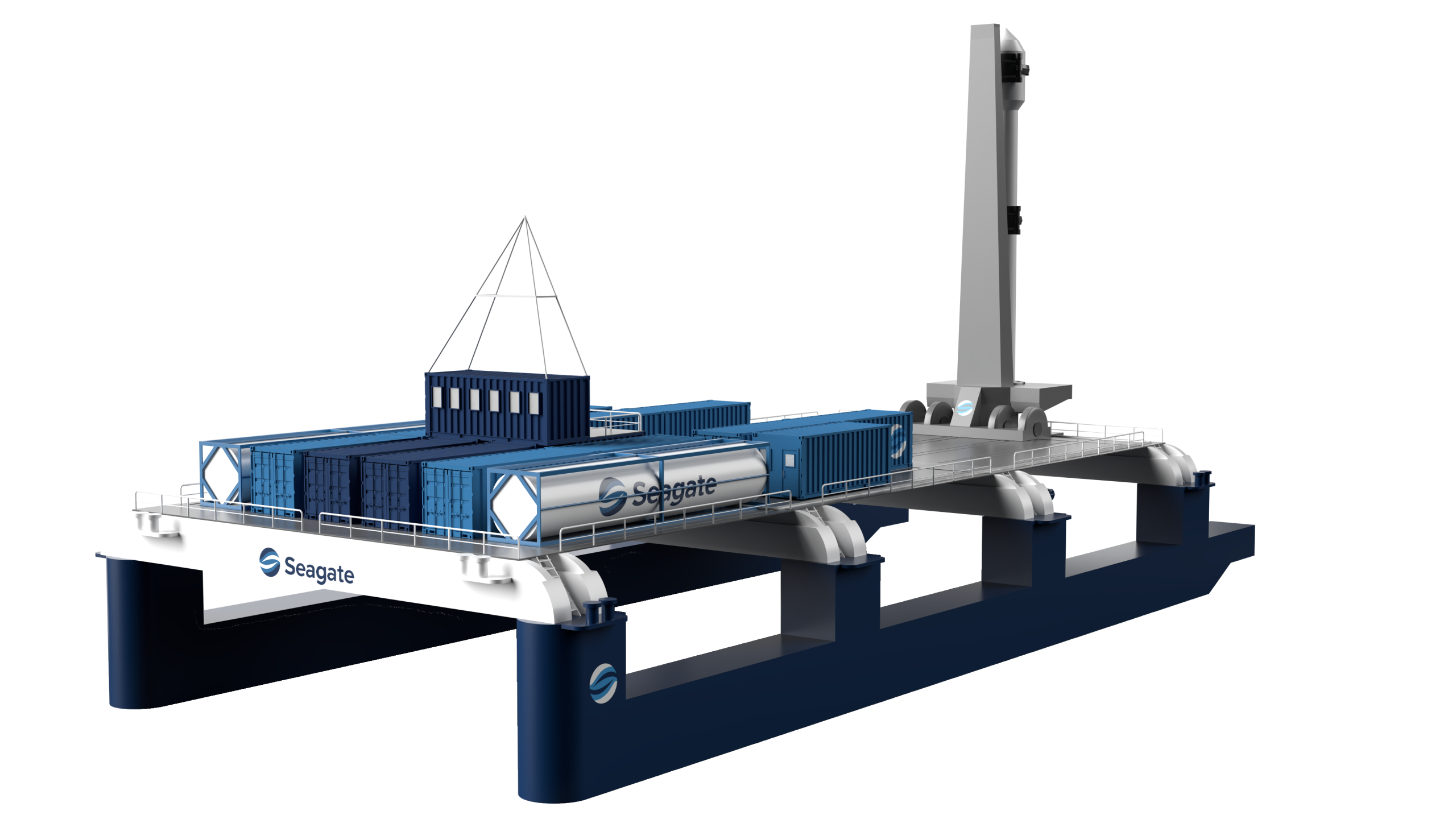
MMA’s public notice about support for space launch activities (Rigs-to-Rockets) recognizes the importance of collaboration between the highly innovative offshore and space industries.
In that regard, Seagate Space, a Florida company, is moving forward with plans for offshore launches. Seagate is “developing cutting-edge maritime infrastructure to avoid land site limitations and scale orbital launch cadence for commercial, government, and defense missions.”
Seagate’s Space Gateway-S platform has adopted features that have been widely applied by the offshore industry:
Space Florida, a public corporation and innovation connector, recently announced a partnership with Seagate Space:
EXPLORATION PARK, Fla.—June 2, 2026— Today, Space Florida announced Project Manta, a strategic investment in Seagate Space to expand Florida’s launch capacity through specialized maritime solutions. Space Florida’s Board of Directors approved an investment to prototype and demonstrate key elements of Seagate Space’s novel offshore launch infrastructure system, setting the stage for future development and manufacturing within the state of Florida.
Seagate has also signed an MOU with Oceaneering, a leading offshore company.
Jacksonville news clip about offshore launches:
Posted in deep sea mining, energy policy, tagged American Samoa, Flowery Flounder, lease sale, marine minerals, MMA, royalty, sale terms on July 17, 2026| Leave a Comment »
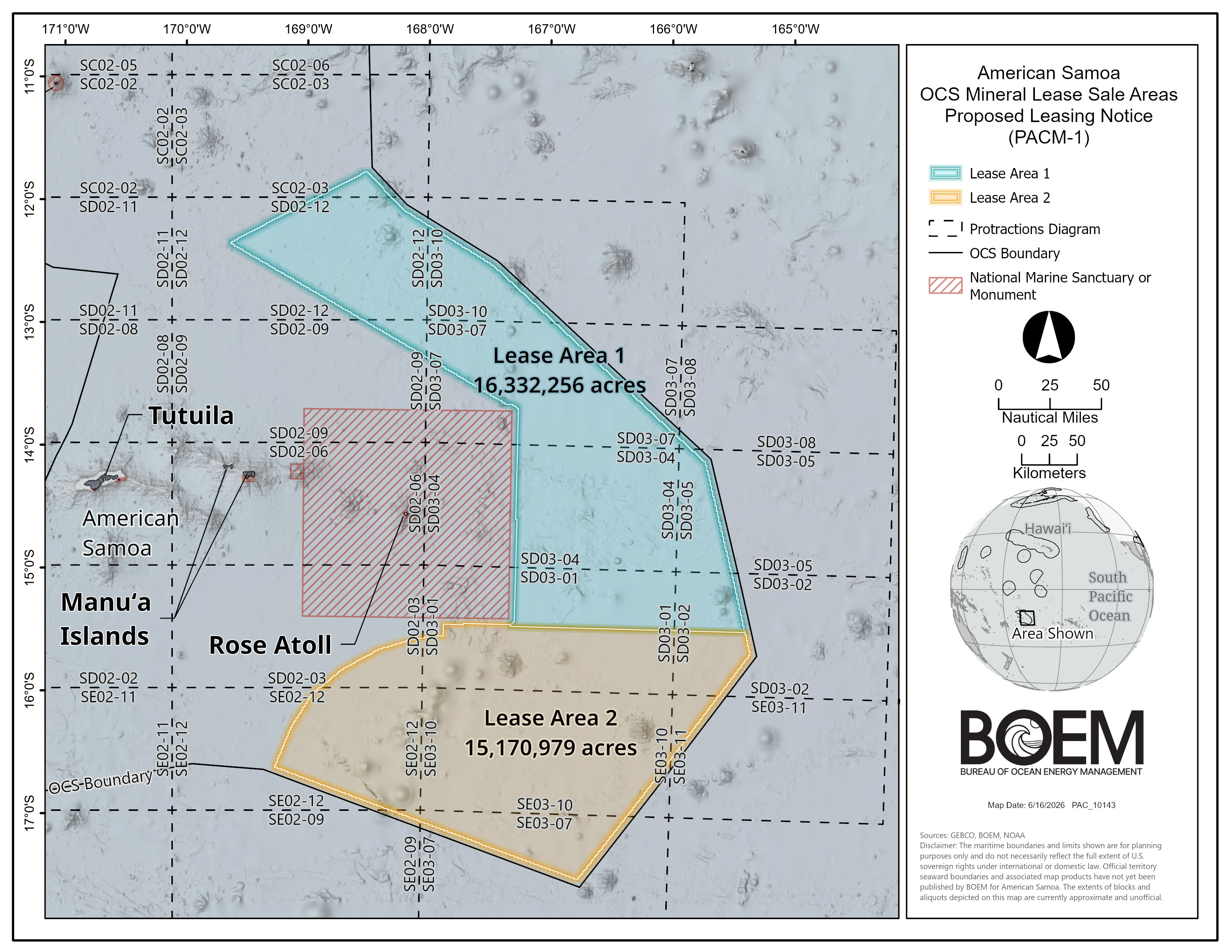
The Proposed Notice is attached:
Royalty rates
Rental and Minimum Royalty rates:


Note the names of the Protraction Diagrams on p. 3 of the Notice! Who could resist operating in Flowery Flounder or Dusky Frillgoby! 😉

