Feeds:
Posts
Comments

Posts Tagged ‘subsea isolation device’

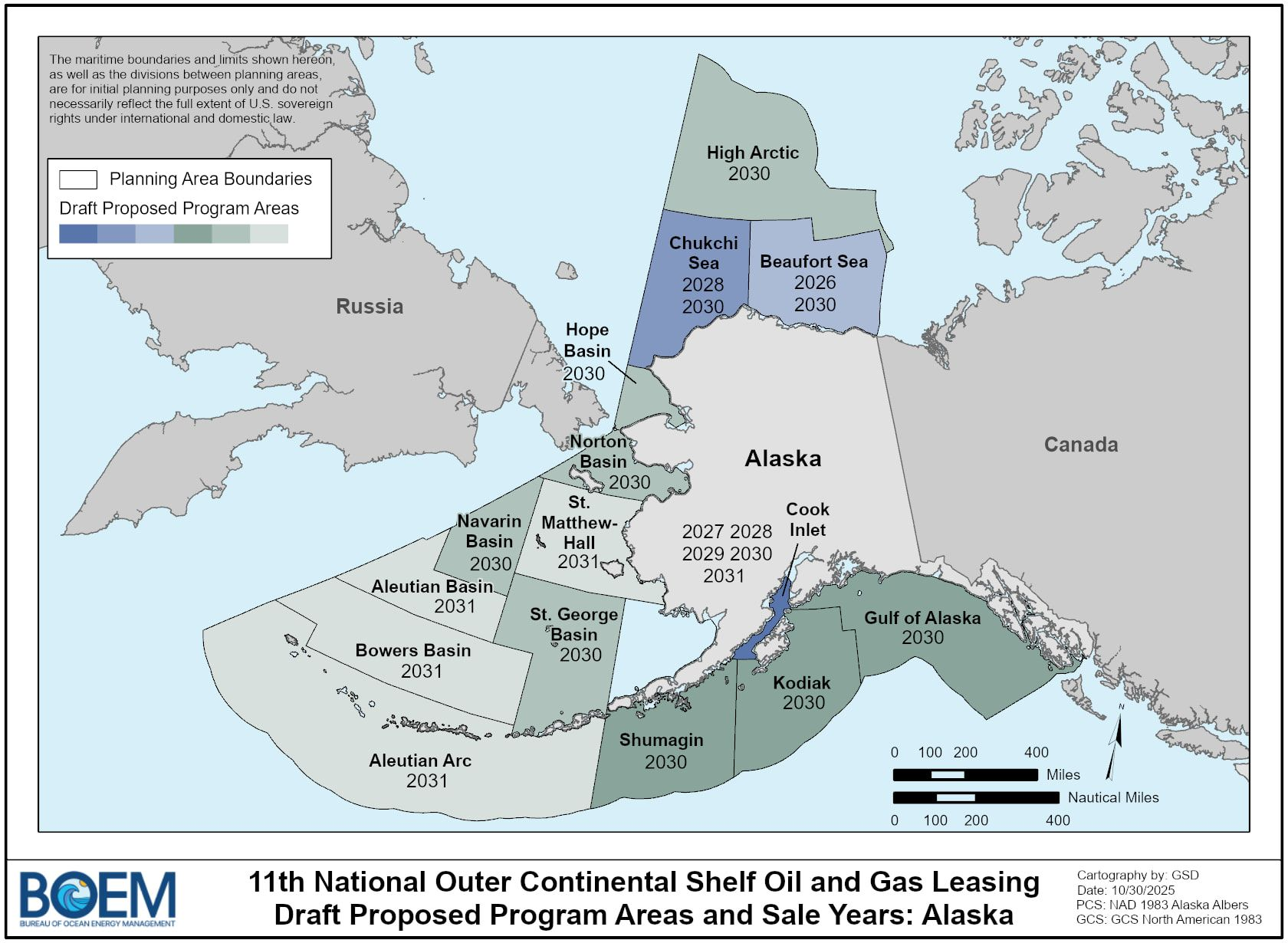
Comments on the proposed “Revisions to the Requirements for Exploratory Drilling on the Arctic Outer Continental Shelf” are due today.

My submission (one page) is attached. Main points:

  • Removing the same-season-relief-well (SSRW) requirements is an essential precursor to the renewal of arctic drilling activity. The SSRW provisions make Arctic operations cost prohibitive while at the same time increasing safety and environmental risks.
  • The potential risks and benefits of a subsea isolation device (SSID) should be assessed on a case-by-case basis considering water depth, temperature related BOP failure risks, wellhead integration, ice and vessel traffic exposure, and other factors.
  • As is the case for floating drilling operations anywhere, the focus in the Arctic should be on well design, integrity, and control, including carefully verifying casing and cement integrity, ensuring complete barrier redundancy, and having standby capping and containment capability.

Read Full Post »

The proposed revisions to the Arctic drilling regulations are a positive initiative that will improve the prospects for renewal of Beaufort and Chukchi Sea exploration.

In particular, removing the same-season-relief-well (SSRW) requirements in the current regulations is an essential regulatory action. The SSRW provision has the effect of precluding exploratory drilling while providing no added environmental protection and increasing operational risks. Given that there is at least a 50% chance that rig mobilization, relief well planning, drilling, repeated surveying, and plugging the flowing well would take more than the specified 45 days, a SSRW is not a legitimate well control option.

The preamble includes important questions for respondents. These questions are compiled beginning on p. 108 of the attachment. In particular, the comments on Subsea Isolation Devices (SSIDs) should be interesting. Given the required blowout preventer stack redundancy, it’s not clear to me that SSIDs would reduce blowout risk. They would however increase operational complexity.

For floating drilling operations in the Arctic and elsewhere, the focus needs to be on well design, integrity, and control.  Fortunately, by carefully verifying casing and cement integrity, ensuring complete barrier redundancy, and having standby capping and containment capability, the probability of a sustained oil blowout can be reduced to 10–6  or lower. 

Lastly for now, these regulations further demonstrate the importance of consolidating BOEM and BSEE in a single bureau.

Read Full Post »