Feeds:
Posts
Comments

Archive for the ‘accidents’ Category

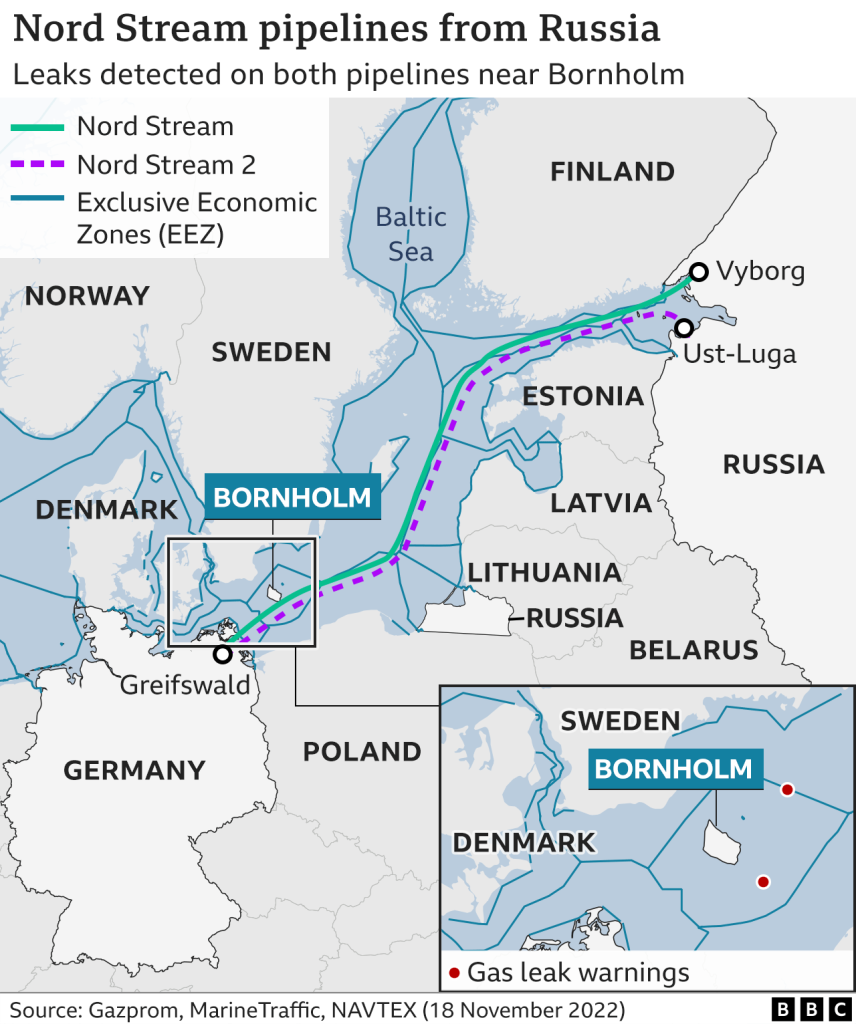
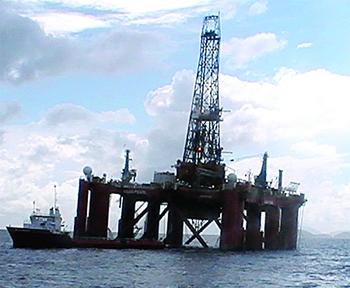
The Canada-Newfoundland Labrador Offshore Energy Regulator (C-NLOER) informs that once again no bids were received for tracts in the Eastern Newfoundland or Labrador South regions. According to this article, the outcome (no bids)was the same from 2021-2024.

Difficult operating conditions, high costs, and relatively modest oil price projections are no doubt factors contributing to the absence of bids. Energy NL has also pointed to the “complex, inconsistent and burdensome regulatory system” as a contributing factor.

Newfoundland’s newly elected Premier, Tony Wakeham, has said his Progressive Conservative Government will advocate for the cancellation of the emissions cap as it is a cap on production. He also supports incentives for offshore oil and gas projects such as an investment tax credit or the former Petroleum Incentive Program and indicated he would work with Energy NL to review incentives that could be implemented provincially.

The C-NLOER is committed to “review its land tenure system in collaboration with governments and others, to identify opportunities to enhance competitiveness in the Canada-Newfoundland and Labrador Offshore Area.”

On a separate policy matter, C-NLOER is applauded for announcing offshore safety/environmental incidents, including significant near misses, without delay. In the US, you have to scour BSEE investigation reports to find out about significant incidents or wait a year or more until the incident table is updated. This is inexcusable!

Read Full Post »

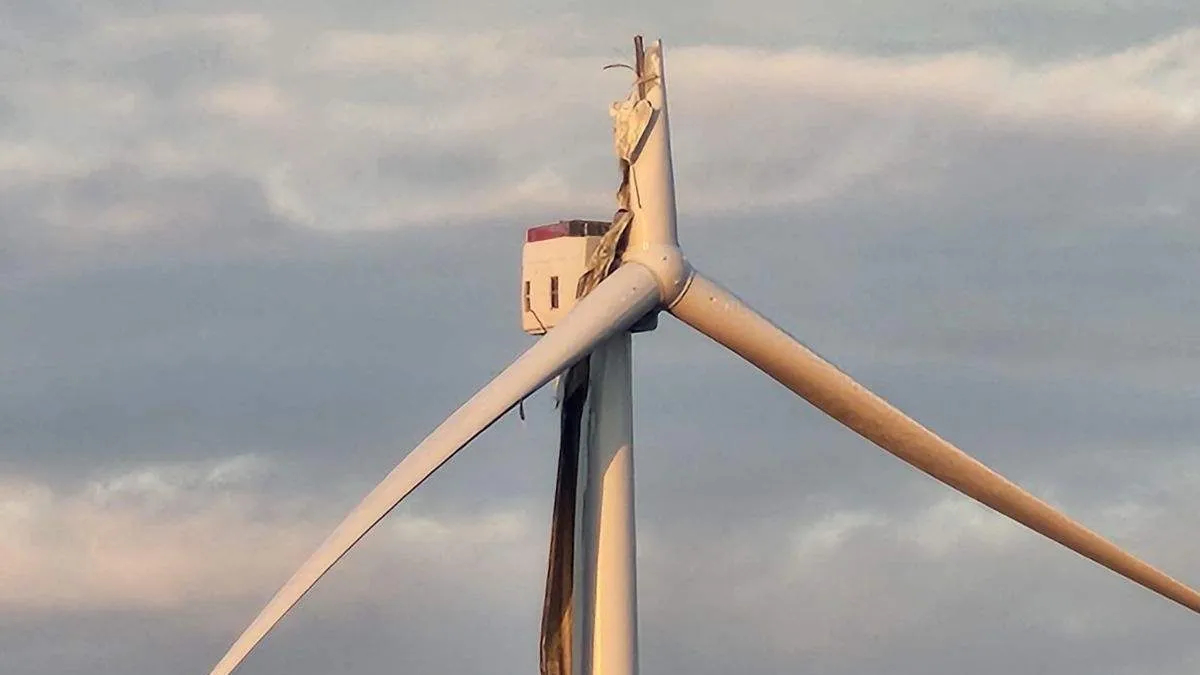
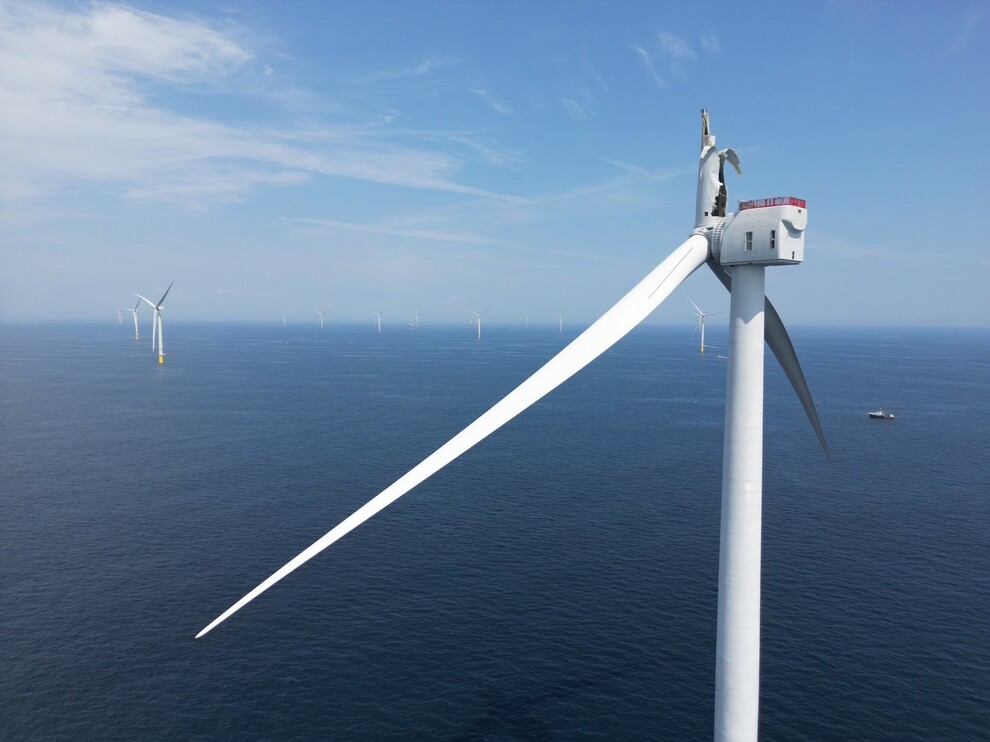
Plymouth MA wind turbine that lost a blade. (Stuart Cahill/Boston Herald)

Friday’s turbine blade failure in Plymouth MA is perhaps getting added attention given its proximity to the 7/13/2024 Vineyard Wind blade failure offshore Nantucket. The Plymouth blade landed in a nearby cranberry bog (video and picture below).

Per the MV Times, the turbines for the Plymouth project were manufactured by Gamesa, which is now part of Siemens Gamesa. Both the South Fork Wind and Revolution Wind projects off the coast of the Martha’s Vineyard are being developed by Ørsted using turbines from Siemens Gamesa. Coastal Virginia Offshore Wind, the largest offshore wind project in the United States, is also being developed with Siemens Gamesa turbines. This is not to imply a higher degree of risk for those turbines. Vineyard Wind, where the only US offshore failure has occurred to date, is using GE Vernova turbines.

Unfortunately, turbine blade failures are much too common. Last October, Lars Herbst reported, based on a Wind Power article, that “with an estimated 700,000 blades in operation globally, there are, on average, 3,800 incidents of blade failure each year.” Lars noted that the annual blade failure rate of about 0.5% translates to 1.5% of all operating wind turbines experiencing a blade failure every year, a remarkably high failure frequency.

Scotland Against Spin data indicate that blade failure is the second most common accident type in the wind industry, and the most common cause of accidents at operational wind turbine sites. SAS reports further that pieces of blade are documented as travelling up to one mile, and have gone through the roofs and walls of nearby buildings.

Lastly, we are still awaiting BSEE’s report on the Vineyard Wind failures so we can better understand what happened and why.

Read Full Post »

(from the BOE archives)

Vineyard Wind’s finest! Note the blade failures!

Wild Well Control!

Our North Atlantic District crew, Hyannis, Halloween 1981 <sigh>

Read Full Post »

JL Daeschler brought the report on the Titan submersible tragedy to my attention. In June 2023, five died when the Titan dove to the Titanic wreckage in the North Atlantic (map below).

The full NTSB report has now been issued and is attached.

The NTSB found that OceanGate’s engineering process for the Titan was inadequate and resulted in the construction of a carbon fiber composite pressure vessel that contained multiple anomalies and failed to meet necessary strength and durability requirements. Because OceanGate did not adequately test the Titan, the company was unaware of the pressure vessel’s actual strength and durability, which was likely much lower than their target, as well as the implications of how certain operational changes, including storage condition and towing, could impact the integrity of the pressure vessel and overall safety of the vessel. Additionally, OceanGate’s analysis of Titan pressure vessel real-time monitoring data was flawed, so the company was unaware that the Titan was damaged and needed to be immediately removed from service after dive 80.

As is the case with most NTSB reports, the technical analysis and findings are very sound. However, it would be helpful if the NTSB also considered the organizational factors that contributed to the engineering process failures, testing inadequacies, and data analysis flaws. Was there pressure to accelerate the mission? Budget crunch? Training deficiencies? Oversight issues? This type of information can help improve management systems and prevent accidents throughout the marine industry and beyond.

Read Full Post »

Kudos to Scotland Against Spin (SAS) for compiling and updating turbine incident data. Their latest summary through Sept. 30, 2025 is attached. Their detailed historical table (334 pages) is linked.

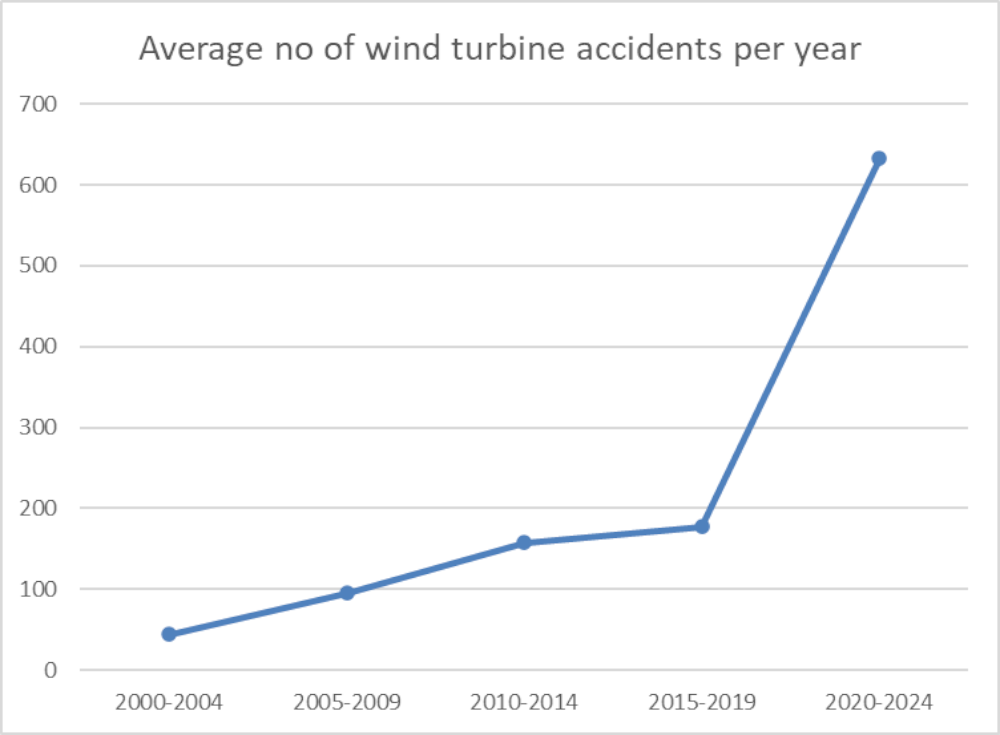
The SAS data indicate that the number of wind turbine incidents has risen sharply in recent years (see chart below). The increased number of turbines worldwide, and perhaps better news coverage of incidents, presumably contributed to the sharp increase. Nonetheless, the growing number of incidents is disconcerting, as is the absence of industry and government summaries and reports.

SAS acknowledges that their list, which is dependent on publicly available reports, is merely the “tip of the iceberg.” For example, the list does not include the June 2, 2025, Empire Wind project fatality.

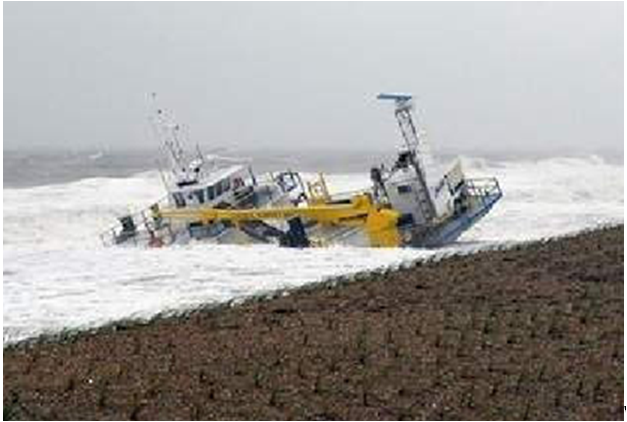
The SAS list does capture the 2018 collapse of the Russell Peterson liftboat, which was collecting data offshore Delaware for a wind project. One worker died and another was seriously endangered. The Coast Guard never issued a report on this tragic incident. Serious questions remain about the positioning of a liftboat in the Mid-Atlantic for several months beginning in March when major storms are likely, the liftboat’s failure mechanisms, the operator’s authority to be conducting this research, and the actions that were taken in preparation for storm conditions.

Liftboat Russell Peterson, May 12, 2008

Read Full Post »

Read Full Post »

Earlier this week a tree service company was removing some large branches in our backyard. The 2 young workers stopped the job before they finished. They knocked on our door and told me that their foreman was off and they were uncomfortable tackling a large, high branch without him and a crane operator. They would come back with a full crew.

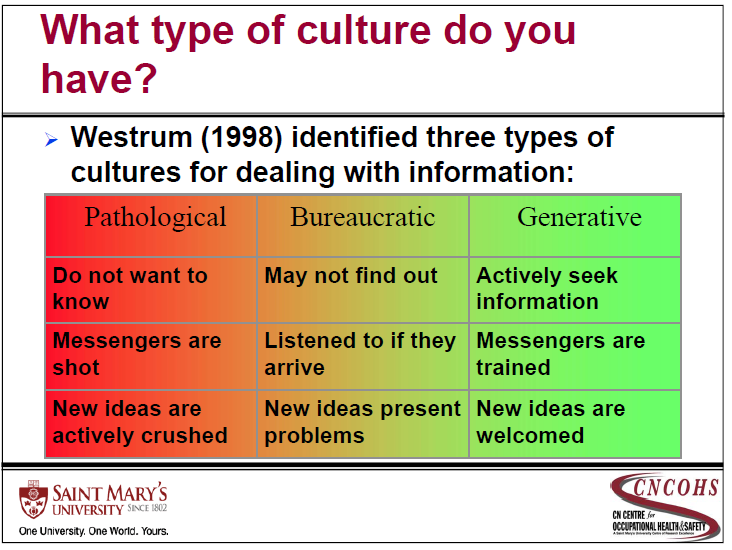
I congratulated them and told them they did exactly the right thing. I told them I was involved with offshore safety and many serious incidents would have been prevented if workers, with their employers encouragement, had been more assertive in stopping work. Developing that type of culture takes time and requires strong leadership and consistent, unambiguous messaging. Leadership matters, both at the site and in the office!

The Macondo well is a worst case example on many fronts, including the reluctance or inability of management and workers to stop taking actions that increased well control risks. Given the narrow pore pressure/fracture gradient, the prudent decision would have been to set a cement plug in the open hole and carefully assess next steps. However, delays and cost overruns were the overriding concerns, and well construction continued despite the long list of issues described here. Sadly, we know how that worked out.

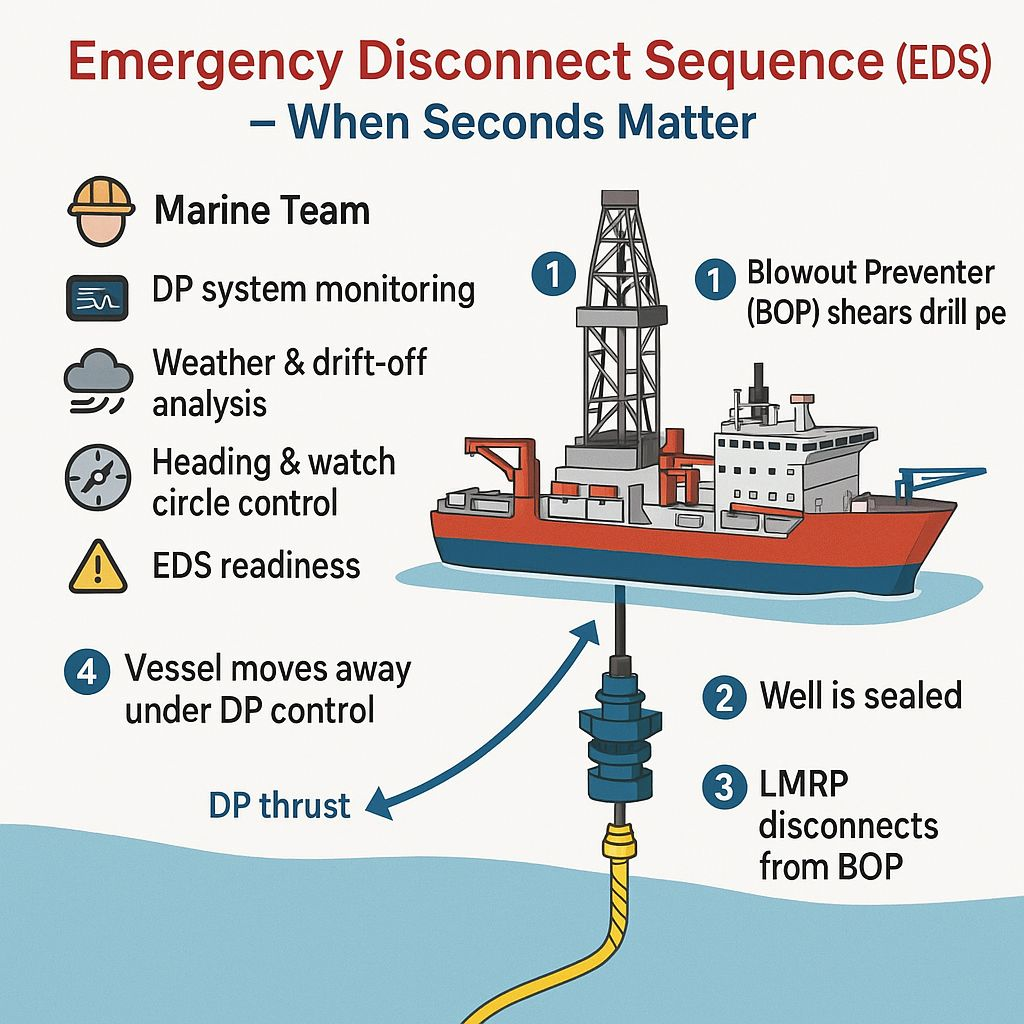
Even after the well started to flow, the crew had time to actuate the emergency disconnect sequence and avert disaster. However, some combination of deficient training, uncertain authority, and fear of repercussions prevented that from happening.

Be it a small tree service company or a major oil company, safety culture development is a journey that has no end point and requires continuous leadership from everyone in the organization.

Read Full Post »

and should be an integral part of Job Safety Analyses!

According to BSEE, there is a recurring trend of equipment misuse contributing to fire and explosion hazards during offshore oil and gas operations in the Gulf of America.

Workers have used tools not rated for electrical work on live circuits (Figure 1) and mismatched hydraulic or pneumatic tools for high-pressure systems (Figure 2). In several cases, non-intrinsically safe hand tools were used in explosive atmospheres, including mudrooms and drilling floors.

The Safety Alert is attached.

Read Full Post »

Ed Punchard today; Piper Alpha survivor

JL Daeschler shared a London Sunday Times piece about the Piper Alpha fire that killed 167 workers, the worst tragedy in the history of the offshore industry. We were troubled by the headline, because it seems inconceivable that any UK offshore worker could call July 6, 1988, the best day of their life. However, Punchard helped a number of workers escape the fire, so his mixed message is somewhat understandable.

Lord Cullen’s comprehensive inquiry into the Piper Alpha tragedy challenged traditional thinking about regulation and how safety objectives could best be achieved, and was perhaps the most important report in the history of offshore oil and gas operations. That report and the US regulatory response to the tragedy are discussed in this post.

BSEE’s new downhole commingling rule, which responds to a Congressional mandate, is contrary to Cullen’s Safety Case principles in that it puts the burden of proof on the regulator to conclusively demonstrate that a potentially hazardous operation is unsafe. This is exactly the opposite of the approach recommended by Cullen. It’s also the first time in the history of the OCS program that Congress has dictated approval of complex downhole operations. More on this in a later post.

Read Full Post »

I never liked the label “slips, trips, and falls” (STFs) because the words “slips and trips” trivialize the most common cause of serious offshore casualties. Perhaps, the name of this category should be simplified to “falls,” because that is the consequence of concern.

Unfortunately, STFs persist at an unacceptably high rate. In the attached Safety Alert, BSEE informs that between May 2024 and April 2025, 22% of all injuries were attributed to STFs. Many of these injuries were classified as major.

BSEE conducted focused inspections of 19 facilities (17 different operators) to better assess the STF problem. They found common deficiencies in training, hazard identification, and other preventive measures. These deficiencies and the associated safety management recommendations are listed in the Safety Alert.

Kudos to BSEE for their excellent Safety Alert program. Unfortunately, unacceptable delays in updating their incident tables and OCS performance measures data make it difficult to assess industry wide safety performance trends. The most recent data are for 2023, and some of those data raise concerns. For example, the number of fires (152) was the highest in the history of the performance measures data set (dates back to 1996) by some margin. What happened in 2024 and the first half of 2025? These data should be readily available and posted in a timely manner. No offshore facility fire is trivial.

Read Full Post »

« Newer Posts - Older Posts »