Feeds:
Posts
Comments

Posts Tagged ‘Santa Barbara blowout’

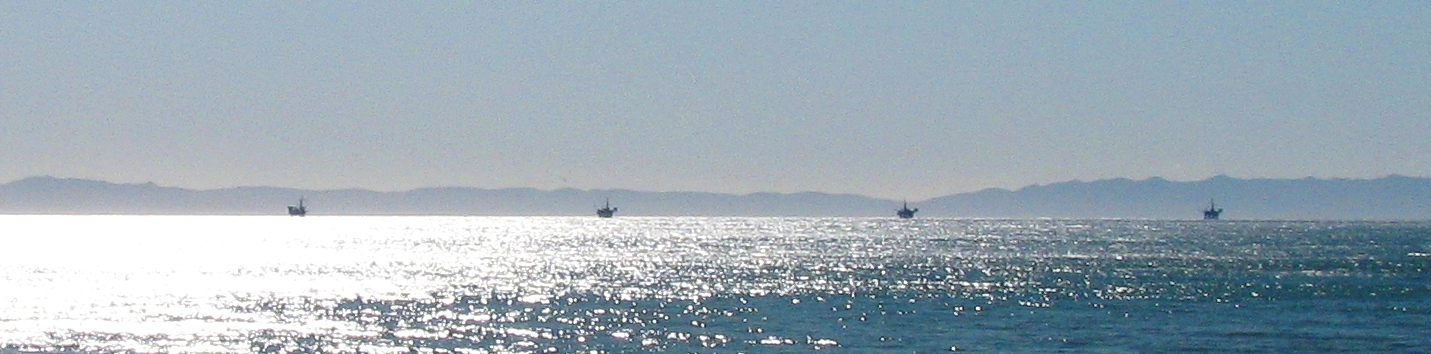
Santa Barbara Channel, Dos Cuadras Field platforms (L to R): Hillhouse, A, B, and C; Antandrus Wiki photo

As part of the recent focus on decommissioning and financial assurance requirements, I looked at borehole data for platforms A, B, and C on Lease OCS-P 0241 in the Santa Barbara Channel. Platform “A” is where a well blew out in 1969, permanently scarring the US offshore program. Observations:

  • There are 140 completed and unplugged wells on the 3 platforms. None of the wells on these platforms have been permanently plugged and only one is temporarily abandoned.
  • The latest available production information (2024 data) indicates ave. daily oil production of 3791 bopd for the lease, including 1901 bopd from Platform A, the highest production for any platform in the region in 2024.
  • 41 of the lease’s completed (unplugged) wells are on Platform A.
    • The number of these wells that are currently producing is not publicly available.
    • 30 of the completed Platform A wells were drilled prior to 1985.
    • The blowout well was the 5th well drilled from platform A. All 4 of the wells drilled prior to the 1/28/1969 blowout are still unplugged:
      • well A-20: spudded on 11/19/1968, reached total depth on 12/2/1968
      • well A-41: spudded on 11/27/1968, TD on 12/19/1968
      • well A-25: spudded on 12/18/1968, TD on 12/28/1969
      • well A-38: spudded on 1/12/1969, TD on 1/24/1969
      • Note how quickly the wells were drilled. The wells were shallow (2299-4051′ true vertical depth), and the operator (Union Oil) saved time by omitting a casing string. (This decision was a root cause of the blowout and thus changed history 😡)

Lease documents and regulations at 30 CFR § 250.1710 require that all wells be permanently plugged within one year of lease termination. For leases like 0241 that are still active, 30 CFR § 250.1711 stipulates that BSEE will order a well to be permanently plugged if the well poses a hazard to safety or the environment, or is not useful for lease operations and is not capable of oil, gas, or sulphur production in paying quantities. In the Gulf of America Region, the policy is to require wells that have not been used in the past 5 years to be permanently plugged. Allowing old wells to remain unplugged is neither prudent nor consistent with the regulations.
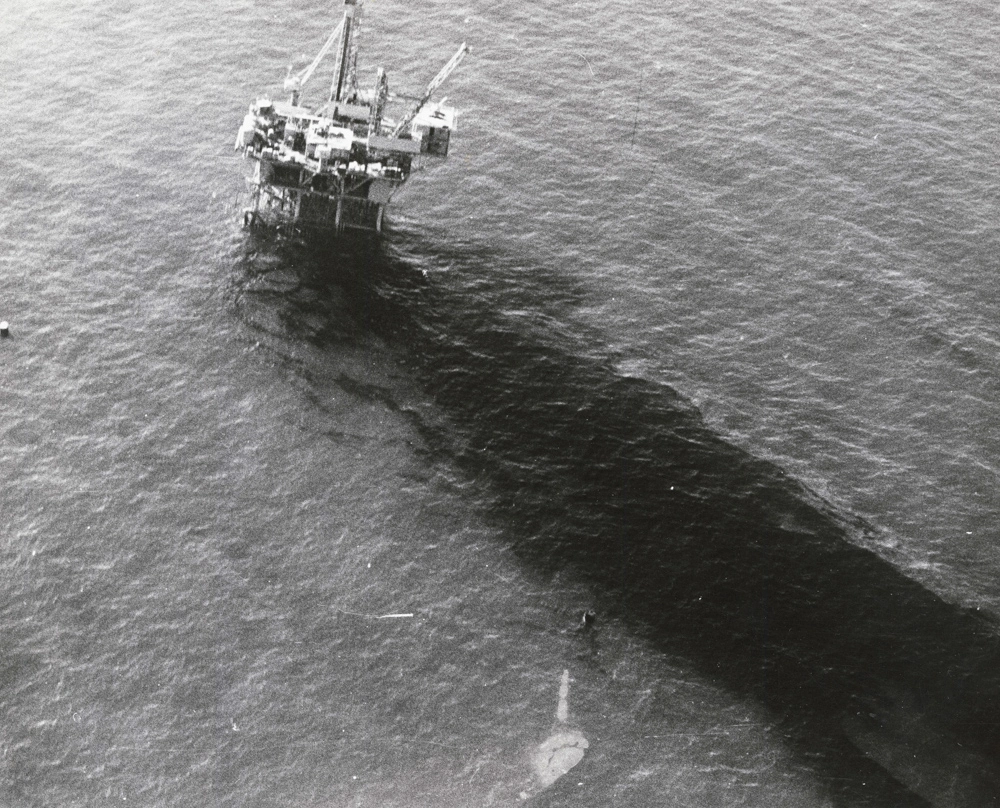
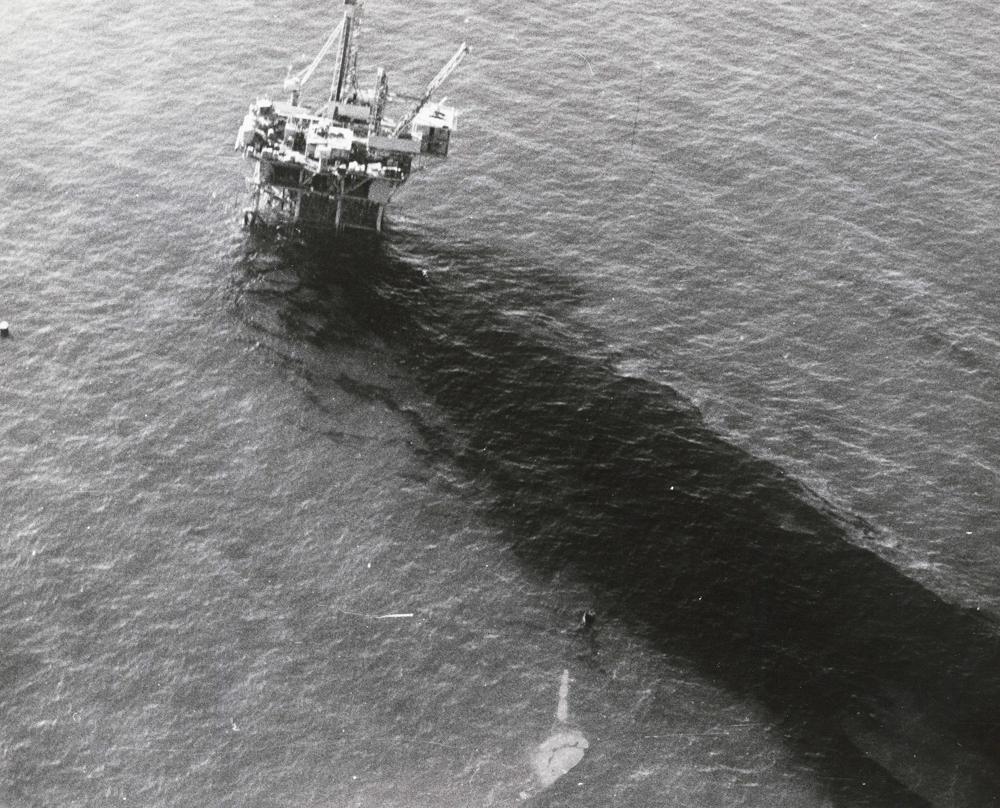
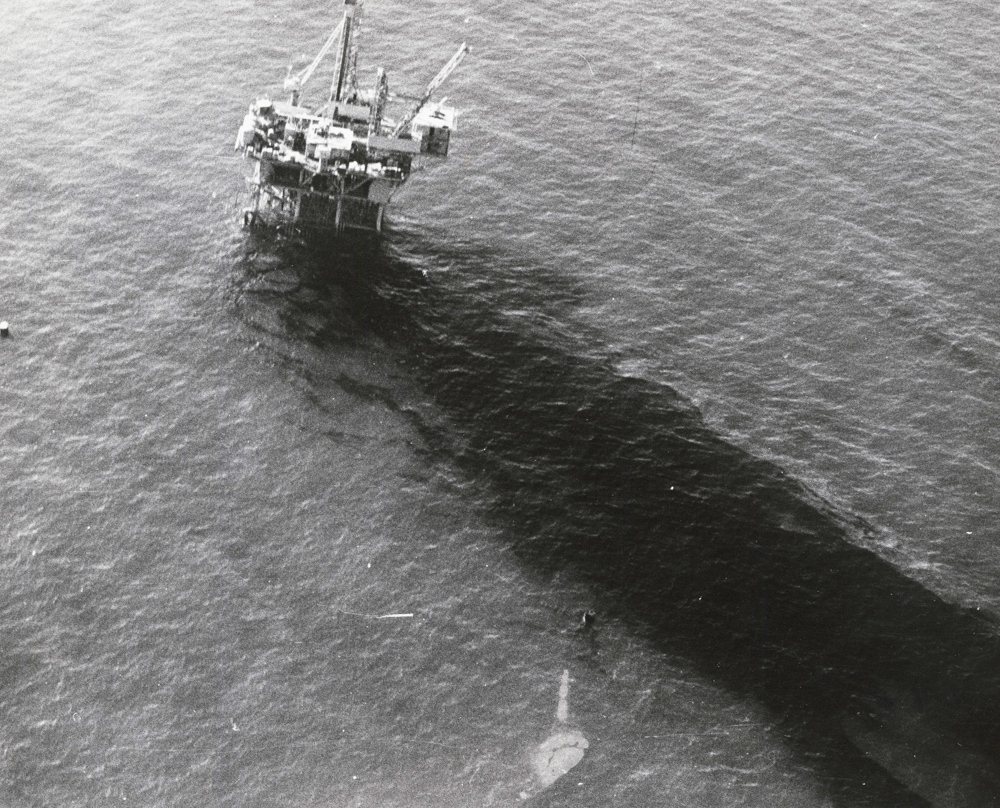
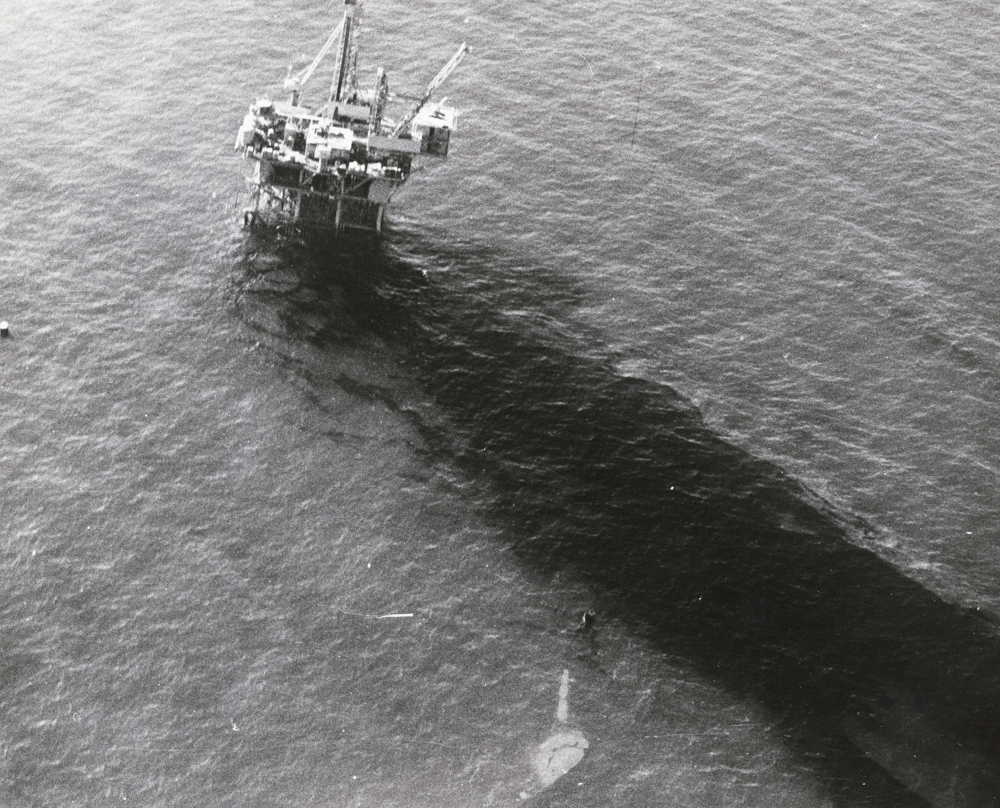
Platform A during 1969 blowout

Read Full Post »

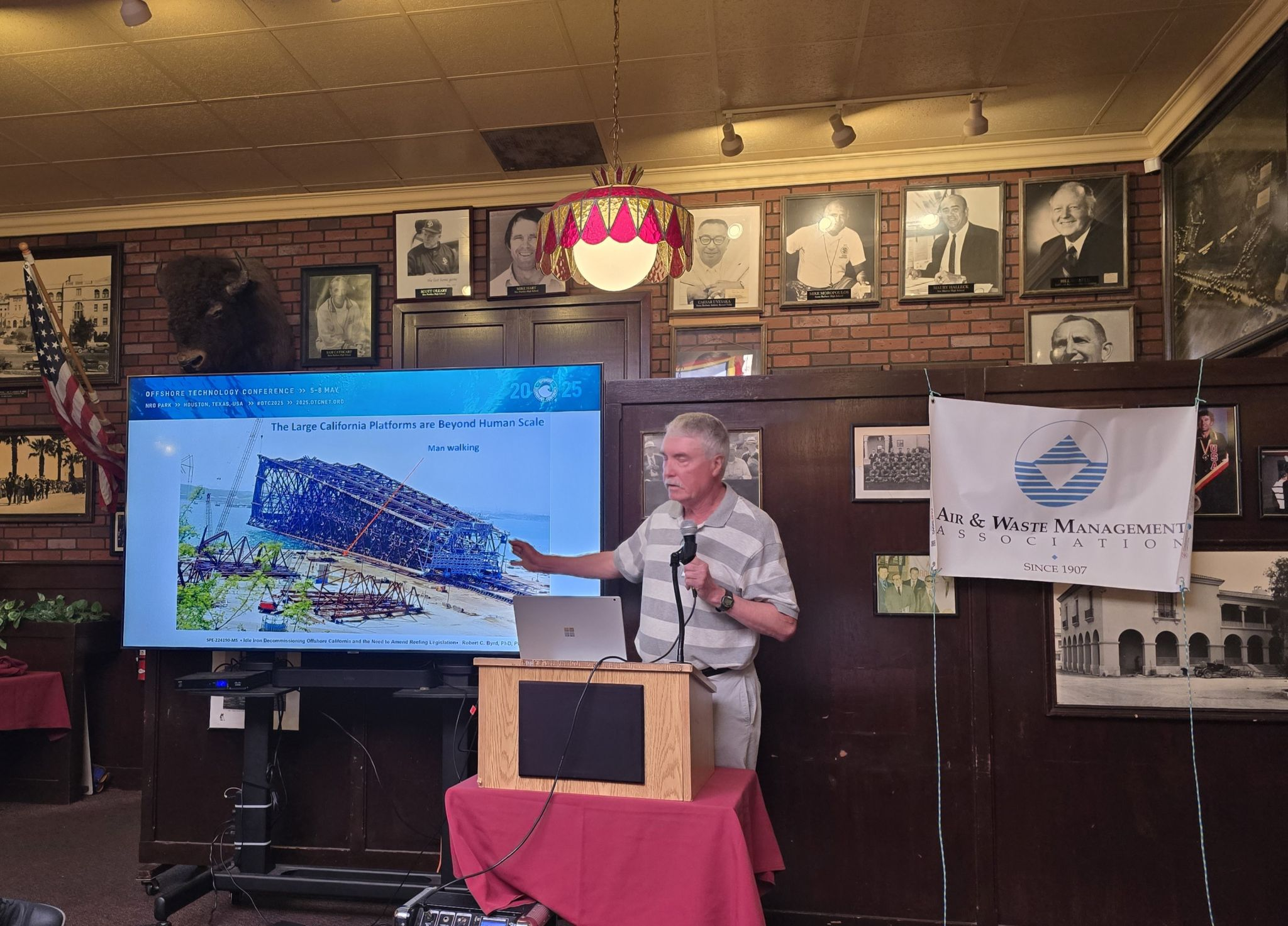
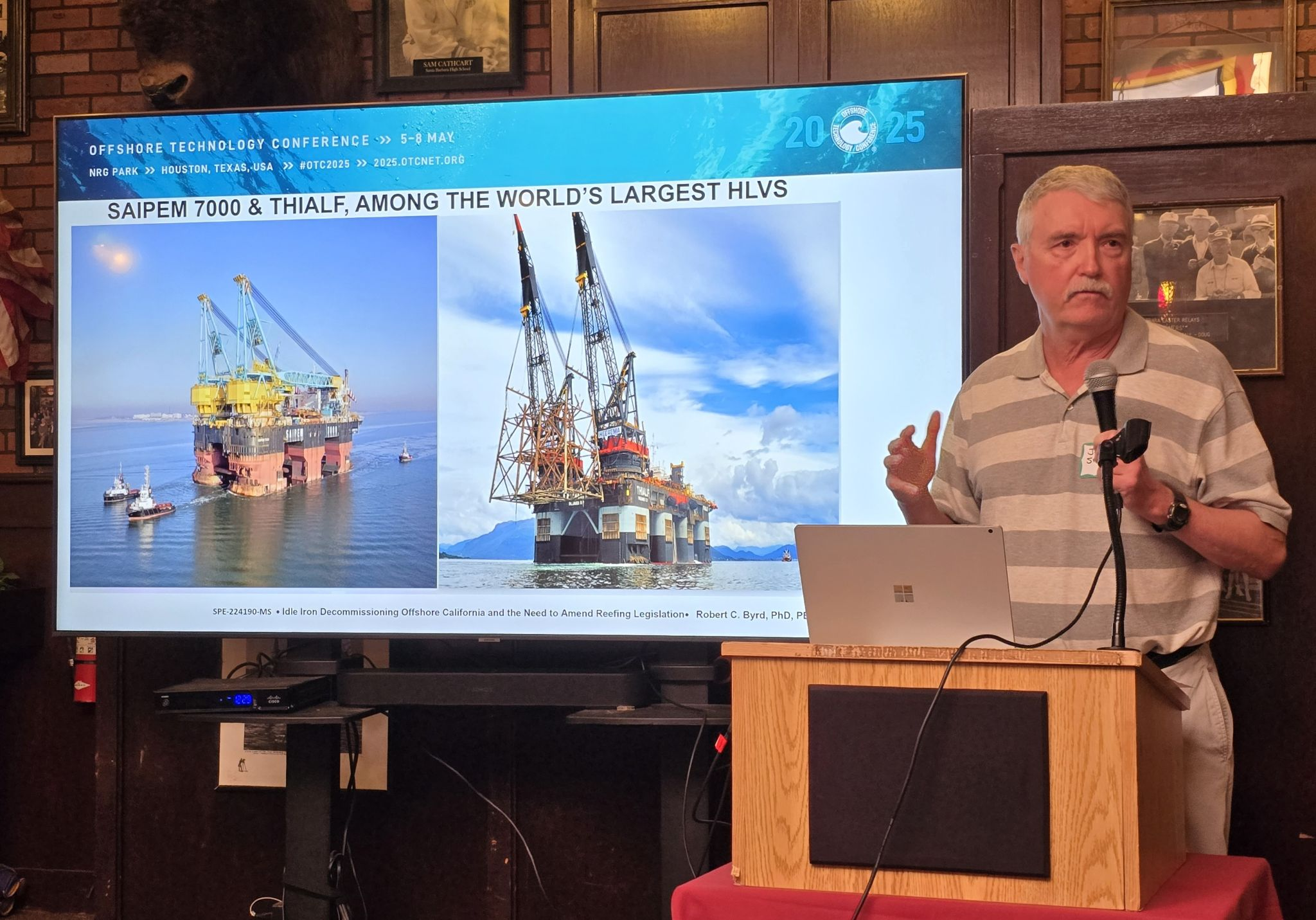
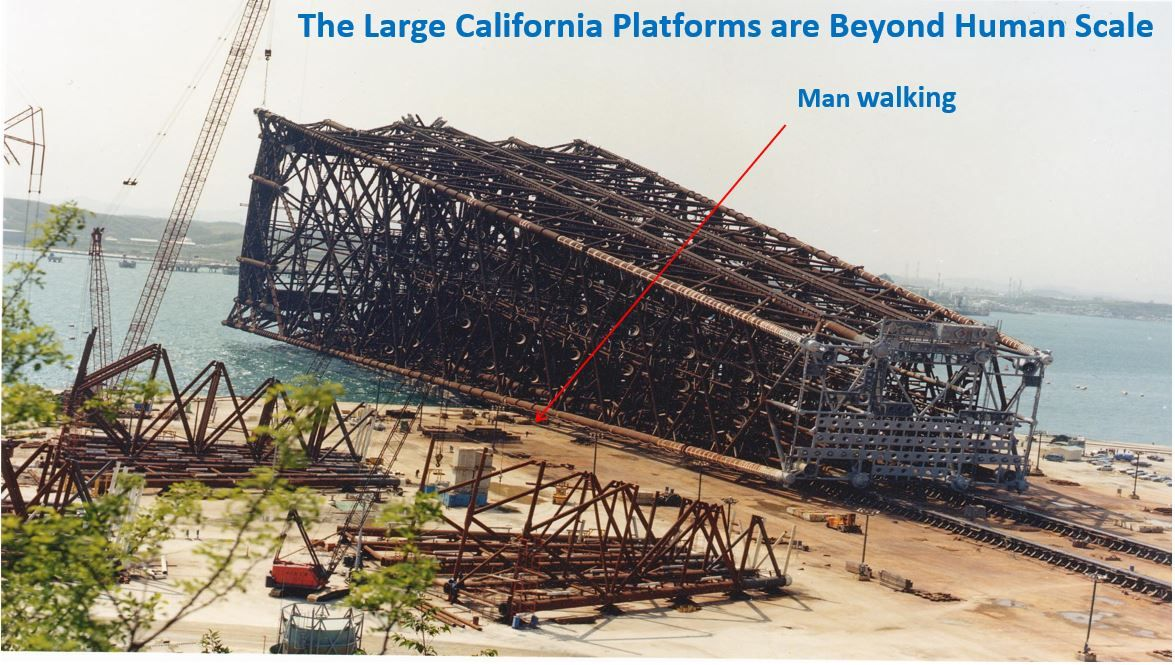
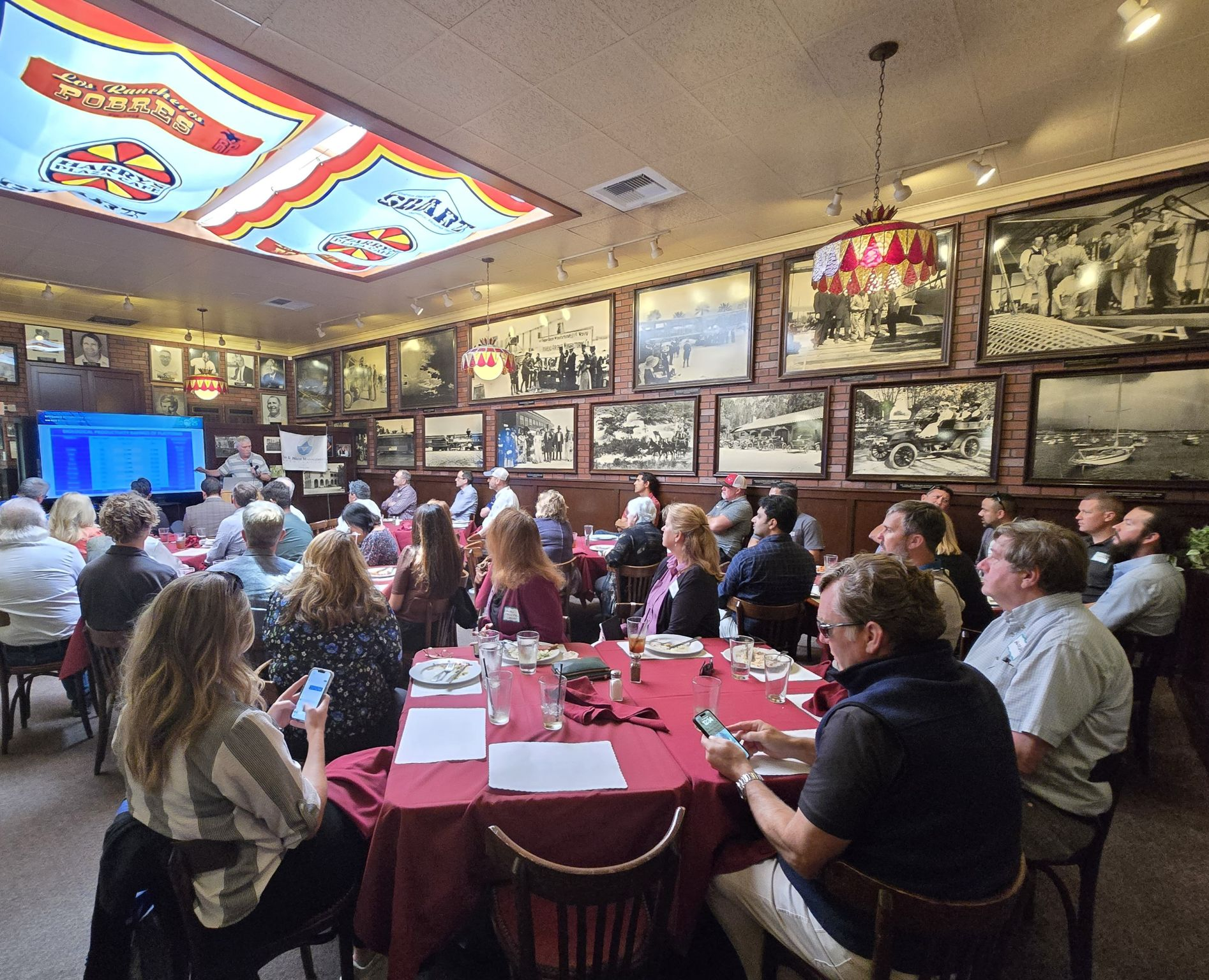
Sharing pictures from John Smith’s excellent decommissioning presentation at the Western States Petroleum Assoc. luncheon in Santa Barbara in May. You can view or download the presentation here.

Read Full Post »

… Union Oil Company’s reckless well plan forever scarred the U.S. offshore program. Learn more about the details.

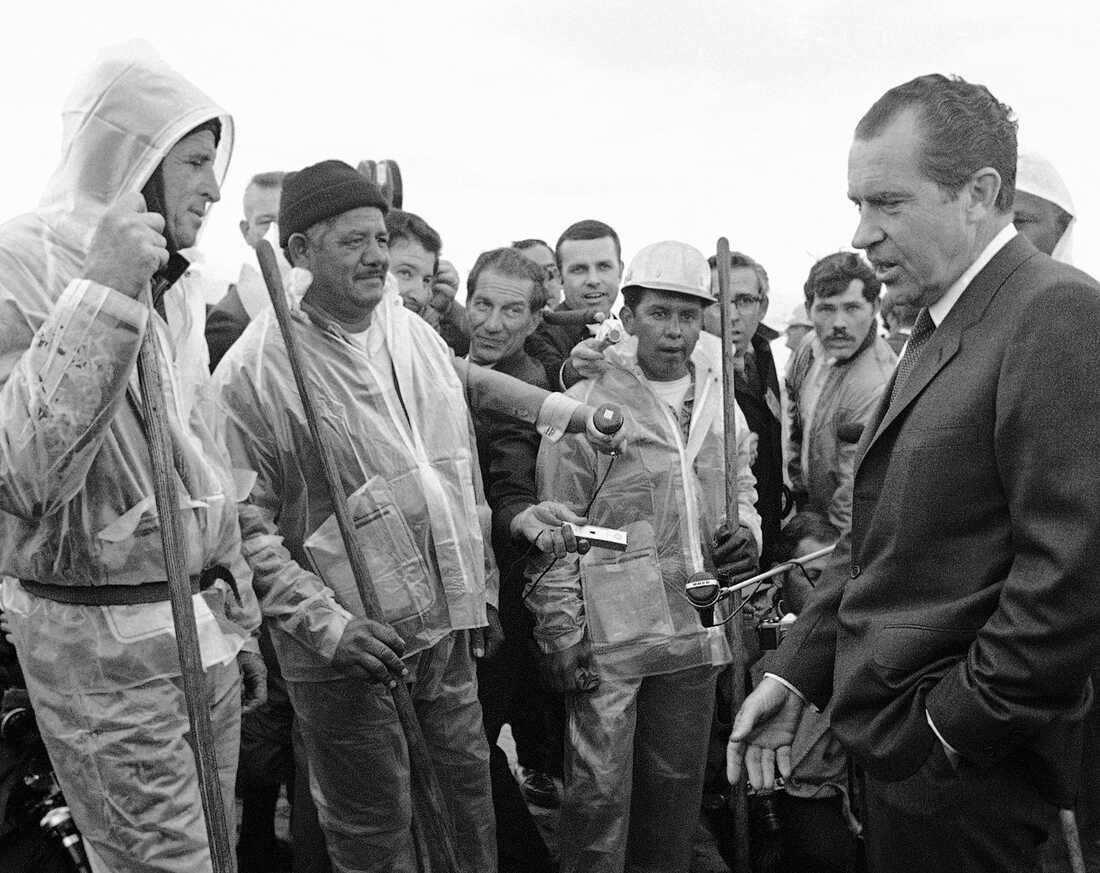
Santa Barbara blowout

Examinations of the Santa Barbara, Montara, and Macondo blowouts, the Piper Alpha fire, and other major incidents should be a part of every petroleum engineering curriculum, and should be mandatory for those who conduct and regulate offshore oil and gas operations.

There is no better learning experience than studying the failures that had such enormous human and economic consequences.

Read Full Post »

This is very true, but engineers may not have a choice when directed to optimize a flawed decision.

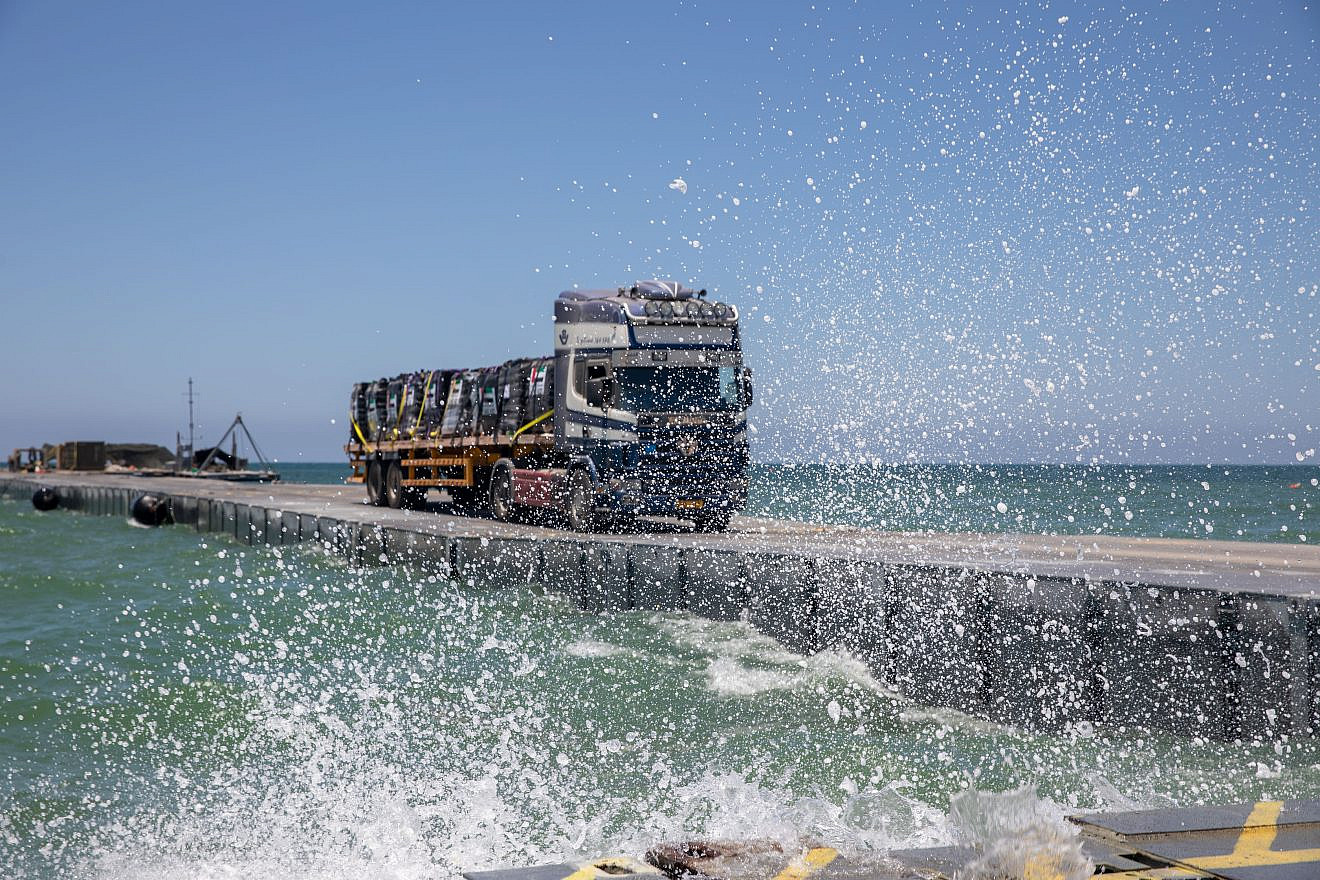
Gaza pier

For example, the installation of the Gaza pier was a political decision imposed on military engineers without assessing the operational risks. The $230 million pier was in operation for only 20 days, long enough for several serious injuries to result from the reckless decision.

Some of the worst offshore drilling incidents were largely the result of culture or management driven attempts to save time and money. Modest cost savings were prioritized over verifying well integrity during both the Montara and Macondo well suspensions. The Santa Barbara blowout was the result of eliminating a casing string during development drilling, which virtually assured an uncontrolled flow in the event of a well kick.

Danenberger slide


Read Full Post »

On January 28, 1969, well A-21, the 5th well to be drilled from Union Oil Company’s “A” platform began flowing uncontrollably through fractures into the Santa Barbara Channel.

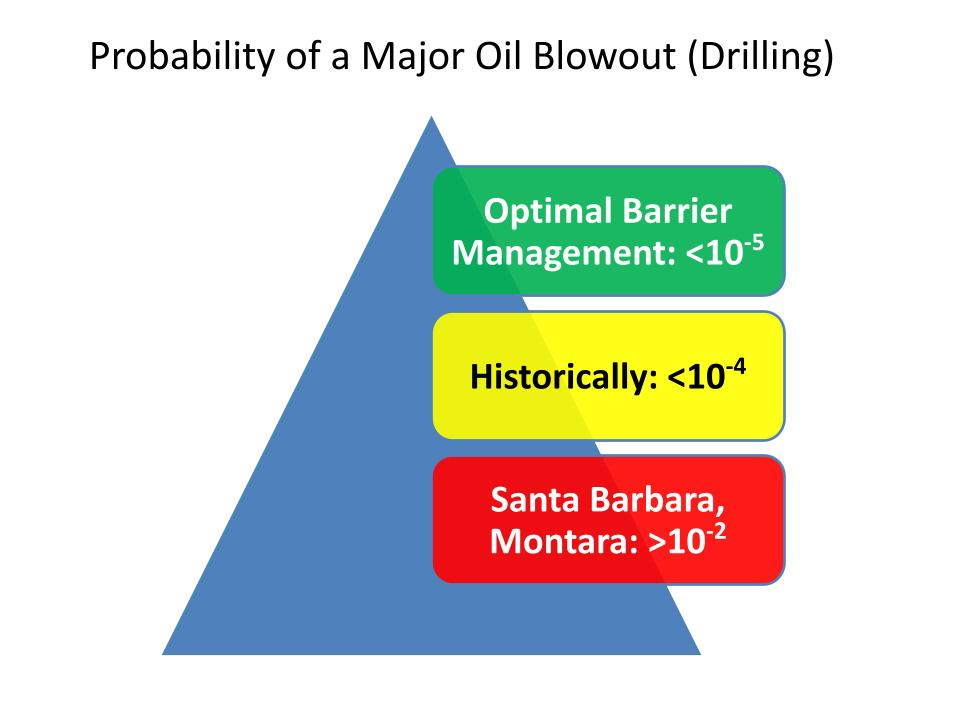
The absence of any well casing to protect the permeable, fractured cap rock meant that the operator couldn’t safely shut-in a sudden influx of hydrocarbons into the well bore (i.e. a “kick”). Shutting-in the well at the surface would create well bore fractures through which oil and gas could migrate to shallow strata and the sea floor. The probability of an oil blowout was thus essentially the same as the probability of a kick (>10-2). Compare this with the historical US offshore oil blowout probability (<10-4) and the probability of <10-5 for wells with optimal barrier management.

Here, in brief, is the well A-21 story:

  • Well drilled to total depth of 3203′ below the ocean floor (BOF).
  • 13 3/8″ casing had been set at 238′ BOF. The well was unprotected from the base of this casing string to total depth.
  • Evidence of natural seeps near the site suggested the presence of fracture channels
  • The well was drilled through permeable cap rock and a small high pressured gas reservoir before penetrating the target oil sands.
  • When the well reached total depth, the crew started pulling drill pipe out of hole to in preparation for well logging.
  • The first 5 stands of drill pipe pulled tight; the next 3 pulled free suggesting the swabbing of fluids into the well bore..
  • The well started flowing through the drill pipe. The crew attempted to stab an inside preventer into the drill pipe, but the well was blowing too hard. The crew then attempted unsuccessfully to stab the kelly into the drill pipe and halt the flow.
  • The crew dropped the drill pipe into the well bore and closed the blind ram to shut-in the well.
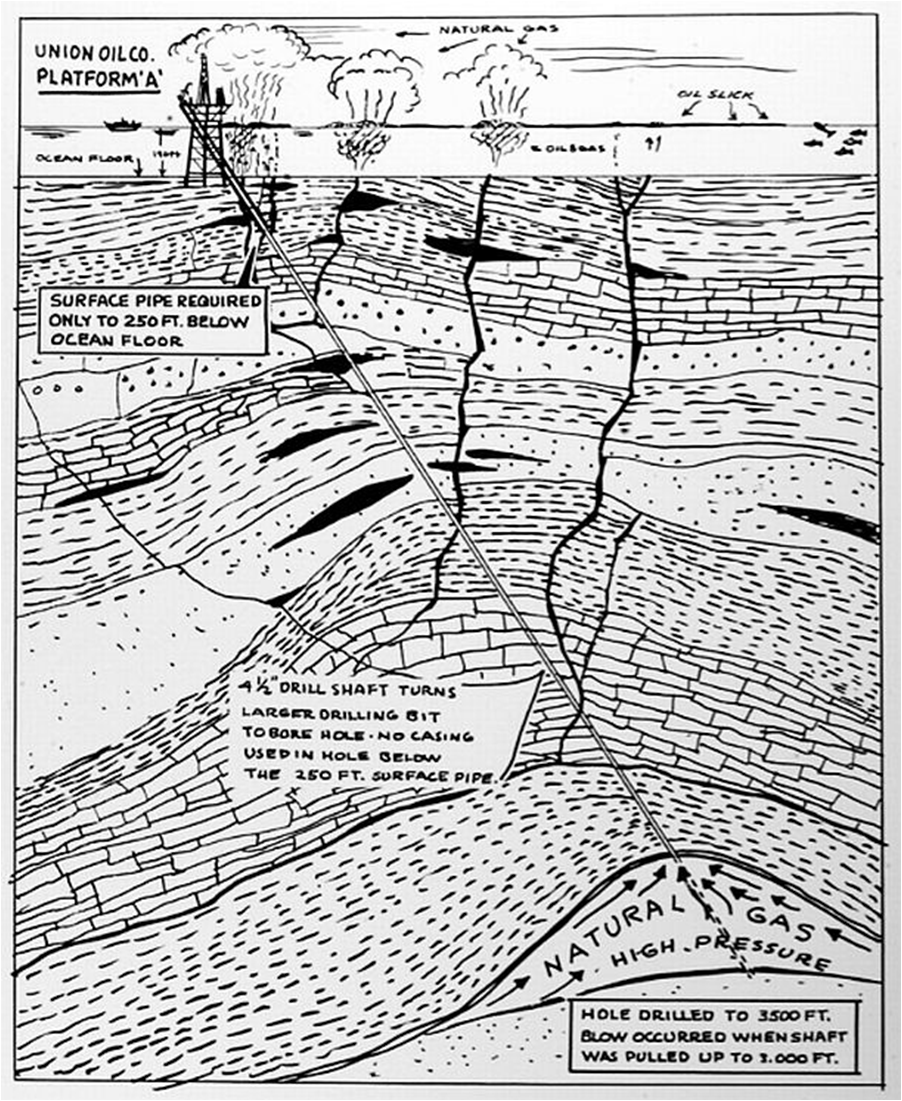
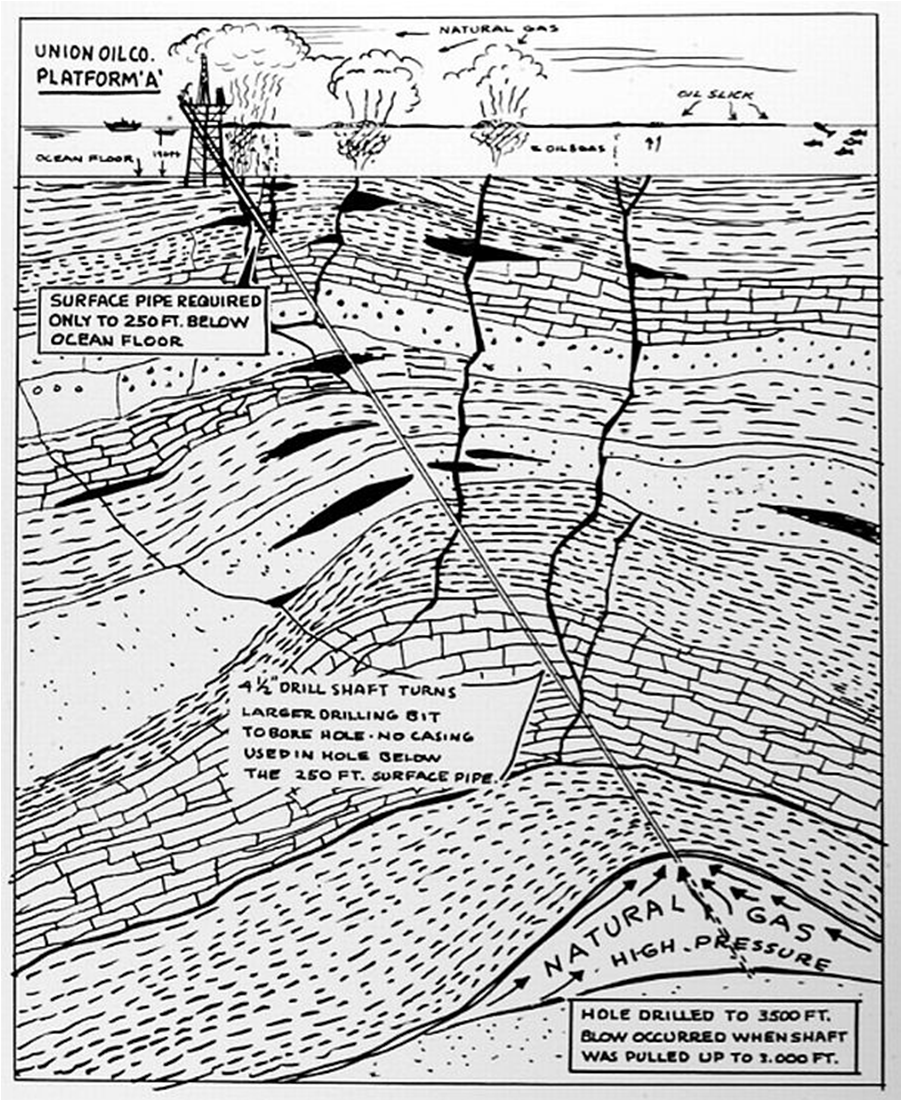
  • Boils of gas began to appear on the water surface. Oil flowed to the surface through numerous fracture channels. The above sketch by former colleague Jerry Daniels (RIP) depicts the fracturing, which greatly complicated mitigation of the flow.

Here is the link to an excellent US Geological Survey report from 1969 that describes the geologic setting, well activities, and remedial measures after the blowout.

We need to continue studying these historically important incidents, not just the technical details but also the human and organizational factors that allowed such safety and environmental disasters to occur. The idea is not to shame, but to remember and better understand.

Read Full Post »

As we approach the 55th anniversary of the Santa Barbara blowout (more to follow), pioneering subsea engineer JL Daeschler reminds us of a lesser known, but very serious, drilling blowout that occurred the same year offshore Northern Australia.

As is the case with most historic incidents, the lessons learned are still pertinent today and should be studied by those involved with well operations. Training sessions should consider what went wrong then, how technology and practices have changed since, how similar incidents could still occur, and innovations and improved practices that could further mitigate well control risks.

While well control technology and procedures are much improved, the fundamental issues discussed in the attached video remain the same. Well control must always be considered a work in progress with continuous improvement being the objective.

(The Sedco 135G semisubmersible that drilled this well is of the same design as the Sedco 135B rig that sank offshore Borneo in 1965.)

Read Full Post »

Details on the Santa Barbara blowout from last year’s BOE post.

Read Full Post »


Ourhistory-oilspill

On January 28, 1969, well A-21, the 5th well to be drilled from Union Oil Company’s “A” platform began flowing uncontrollably through fractures into the Santa Barbara Channel.

The absence of any well casing to protect the permeable, fractured cap rock meant that the operator couldn’t safely shut-in a sudden influx of hydrocarbons into the well bore (i.e. a “kick”). Shutting-in the well at the surface would create well bore fractures through which oil and gas could migrate to shallow strata and the sea floor. The probability of an oil blowout was thus essentially the same as the probability of a kick (>10-2). Compare this with the historical US offshore oil blowout probability (<10-4) and the probability of <10-5 for wells with optimal barrier management.

Here, in brief, is the well A-21 story:

  • Well drilled to total depth of 3203′ below the ocean floor (BOF).
  • 13 3/8″ casing had been set at 238′ BOF. The well was unprotected from the base of this casing string to total depth.
  • Evidence of natural seeps near the site suggested the presence of fracture channels
  • The well was drilled through permeable cap rock and a small high pressured gas reservoir before penetrating the target oil sands.
  • When the well reached total depth, the crew started pulling drill pipe out of hole to in preparation for well logging.
  • The first 5 stands of drill pipe pulled tight; the next 3 pulled free suggesting the swabbing of fluids into the well bore..
  • The well started flowing through the drill pipe. The crew attempted to stab an inside preventer into the drill pipe, but the well was blowing too hard. The crew then attempted unsuccessfully to stab the kelly into the drill pipe and halt the flow.
  • The crew dropped the drill pipe into the well bore and closed the blind ram to shut-in the well.
  • Boils of gas began to appear on the water surface. Oil flowed to the surface through numerous fracture channels. The sketch below by a former colleague depicts the fracturing, which greatly complicated mitigation of the flow.

Here is the link to an excellent US Geological Survey report from 1969 that describes the geologic setting, well activities, and remedial measures after the blowout.

We need to continue studying these historically important incidents, not just the technical details but also the human and organizational factors that allowed such safety and environmental disasters to occur. The idea is not to shame, but to remember and better understand.

Read Full Post »