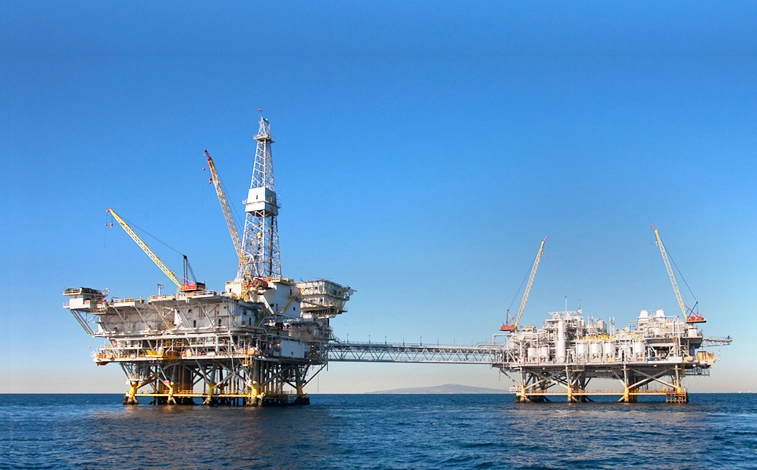
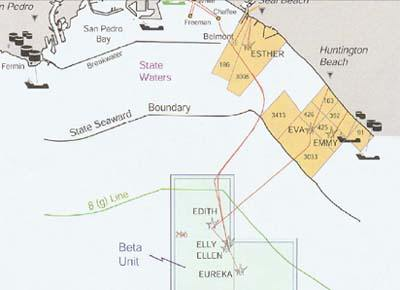
Chris Goldblatt, CEO of the Fish Reef Project shared this impressive new video on the habitat beneath Platforms Ellen and Elly in the Beta Unit offshore Huntington Beach, CA. As Chris explains in the video, such valuable habitat will be needlessly lost if companies are required to remove structures down to the seafloor.
Platforms Ellen and Elly
A National Geographic article discussed the marine life beneath Eureka, the third platform in the Beta Unit:
“Every square inch is covered in marine life,” says Milton Love, biologist at the Marine Science Institute at University of California, Santa Barbara. “Sometimes there are so many fish that you can’t even see through them to the platform. It’s overwhelmingly striking.”
Jeremy Claisse, Cal Poly Pomona, called Eureka “as productive as any other marine fish habitat that has been studied around the world.”
Sea lion beneath Platform Eureka. Photo by Joel Platko
John Smith informs us that the California State Lands Commission is developing an Analysis of Impacts to Public Trust Resources and Values (APTR) for the remaining offshore oil and gas pipeline leases under its jurisdiction. See the attached slides.
The APTR will assess the risks and impacts of continued offshore pipeline use and will include additional analyses related to pipeline integrity, cultural resources, ocean and coastal uses, and economic resources.
John suspects the primary underlying purpose of this study is to build a case for terminating all offshore oil and gas production by imposing requirements that would make offshore oil and gas production uneconomic. This could be accomplished by significantly increasing lease rental and bonding requirements, imposing more stringent pipeline inspection and repair requirements, or requiring operators to shut down or replace pipelines and other aging infrastructure considered by the state to pose an unacceptable risk to the environment.
Also, given that Platform Irene is on a terminated OCS lease and is no longer producing, John and I are wondering why the Irene pipelines are included in the APTR study.
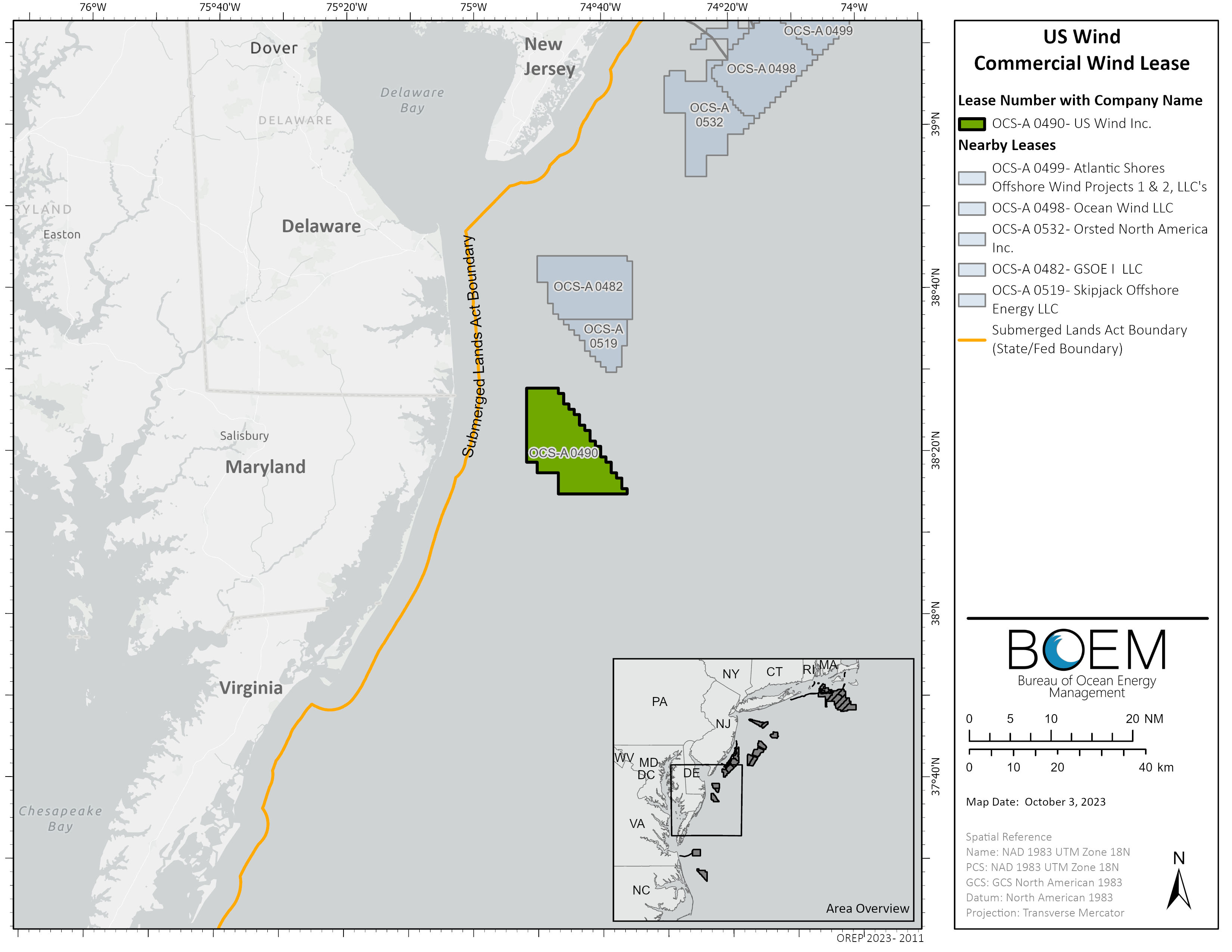
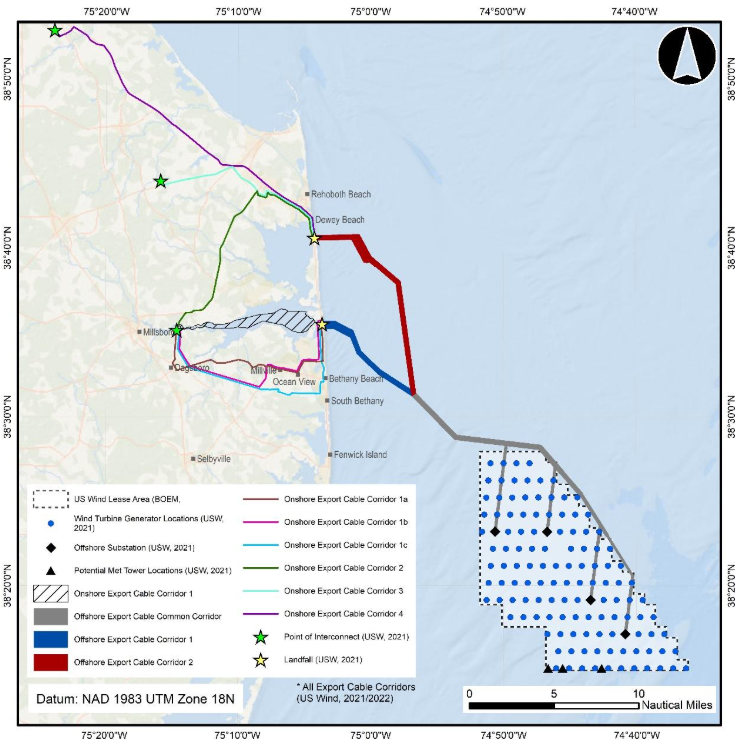
US Wind “MarWin” lease – greenUS Wind “MarWin” project
Unlike offshore oil and gas projects, where State and local govt are usually of one mind (pro or con), States and localities have disagreed sharply about offshore wind. This is particularly true in New Jersey, Delaware, and Maryland, where the State governments are wind advocates despite strong local opposition.
As a result of litigation filed by local entities, and with the acceptance of the Courts, the US Dept. of the Interior is reconsidering Construction & Operations Plan (COP) approvals for the SouthCoast Wind project offshore Massachusetts and Rhode Island, the Atlantic Shores project offshore New Jersey, and US Wind’s Maryland Offshore Wind (“MarWin”) project. These COPs were approved at the end of the previous Administration. Most notably, the SouthCoast Wind COP was approved on 1/17/2025, just three days before the inauguration.
With regard to the US Wind MarWin project, there is a new twist in that the Delaware Environmental Appeals Board unanimously agreed to hear challenges to the State’s CZMA consistency decisions. The complete appeal file is attached.
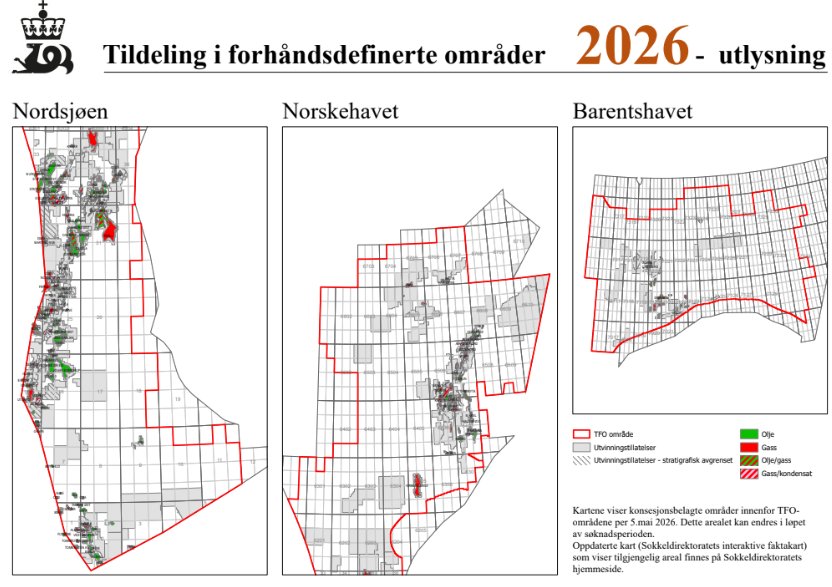
2026 licensing rounds – North Sea, Norwegian Sea, and Barents Sea
Norway is currently producing about 2 million bbls of oil per day (similar to Gulf of America oil production) and 12 billion cu ft of gas per day (6 times Gulf gas production).
Norway’s production is expected to remain high until the end of the 2020s, after which it will decline. To slow the decline, more exploration is needed, both in well-explored and under-explored areas. In addition, more investment is needed in fields, discoveries, infrastructure and technology development. Lack of investment will lead to a rapid decline in the petroleum industry (ala the UK). The Barents Sea is expected to contribute significantly to Norway’s future production.
When asked about the EU’s support for a moratorium on Arctic drilling and production, Norway’s Energy Minister Terje Aasland (pictured) responded diplomatically: “In today’s geopolitical and security environment, and given the resource situation, I believe continued activity in the Barents Sea serves both Norwegian and European interests.”
Anders Opedal, CEO of Equinor, which is 2/3 Norwegian govt owned, was more blunt. He said oil and liquefied natural gas (LNG) from the Barents Sea can be shipped anywhere in the world if rejected by the EU.“The only thing that will suffer from this is actually European security. We have the flexibility.”
Oil and gas demand is not going away. Where is the EU going to find a more environmentally responsible producer? As noted last month, Norway is by far the world leader in minimizing flaring. That’s evidence of outstanding production management.
The country has taken other well-intended emissions reduction measures like electrifying distant platforms and injecting CO2 that have high costs and questionable benefits. Nonetheless, they are the type of initiatives that the EU supports. Good luck finding a more secure, eco-friendly producer!
Norway’s Improved Recovery Award recognizes companies that apply new methods and technology to increase oil and gas recovery on the Norwegian Continental Shelf. This year’s winner is Okea, an operator of mid- and late-life assets.Okea seeks to extend field life, explore for new resources, and unlock value from existing infrastructure.
“The end is also a good start”
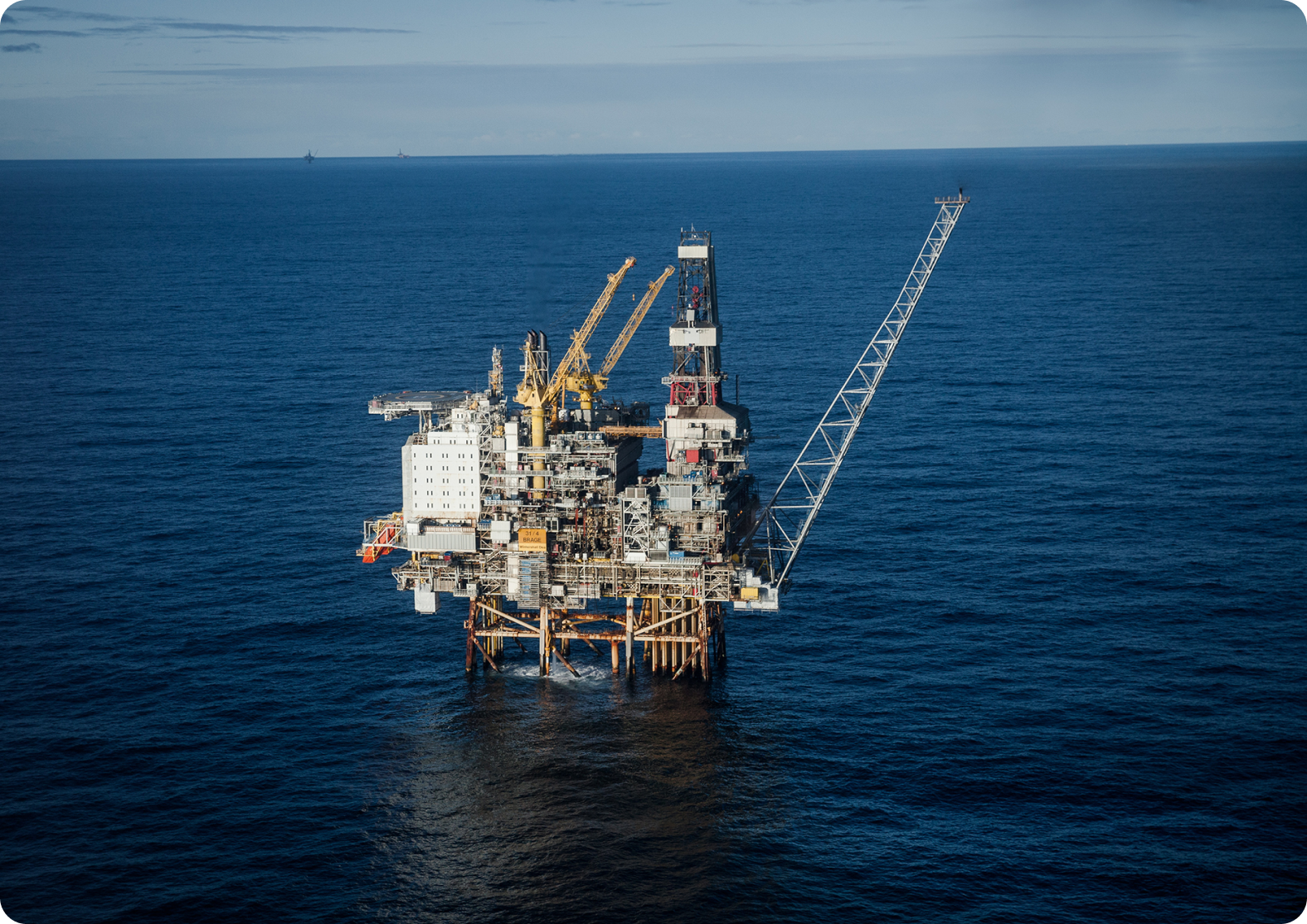
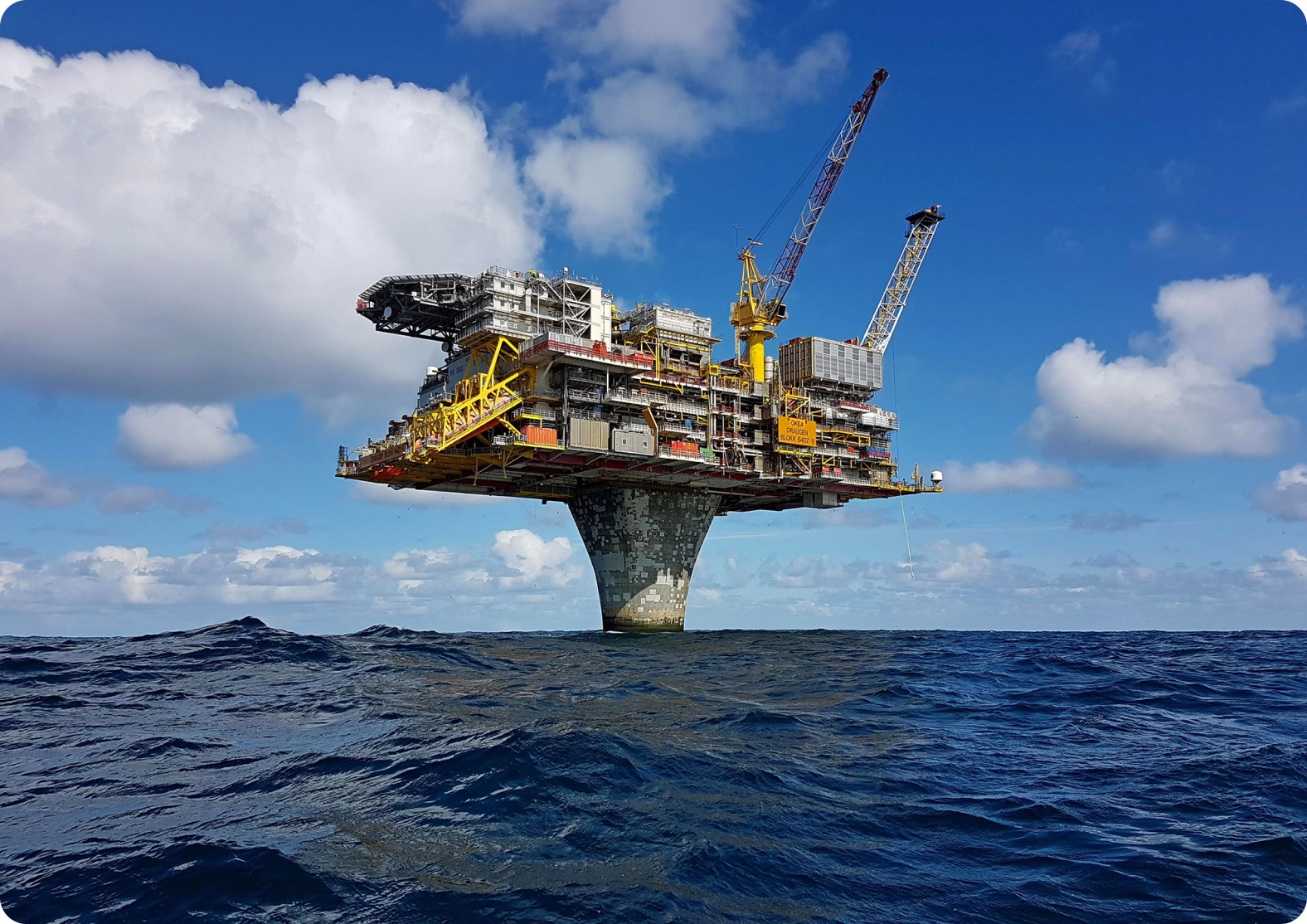
Okea is using geosteering technology and real-time data integration to drill and target record length horizontal wells. As a result, the production of marginal resources has become profitable. Their systematic exploration has also increased oil and gas reserves for both Brage and Draugen. The estimated life of these platforms has thus been extended to 2040.
BragaDraugen
The Brage field in the North Sea was discovered in 1980, and production began in 1993. The Draugen field in the Norwegian Sea was discovered in 1984, and started production in 1993. Impressively, the expected recovery rate has increased from 67.3 percent in 2019 to 72.6 percent in 2026.
This is an excellent awards concept that should be considered for US offshore operations, where companies in the Gulf, Pacific, and the Beaufort Sea/Cook Inlet are making special efforts to increase ultimate recovery from mature fields.
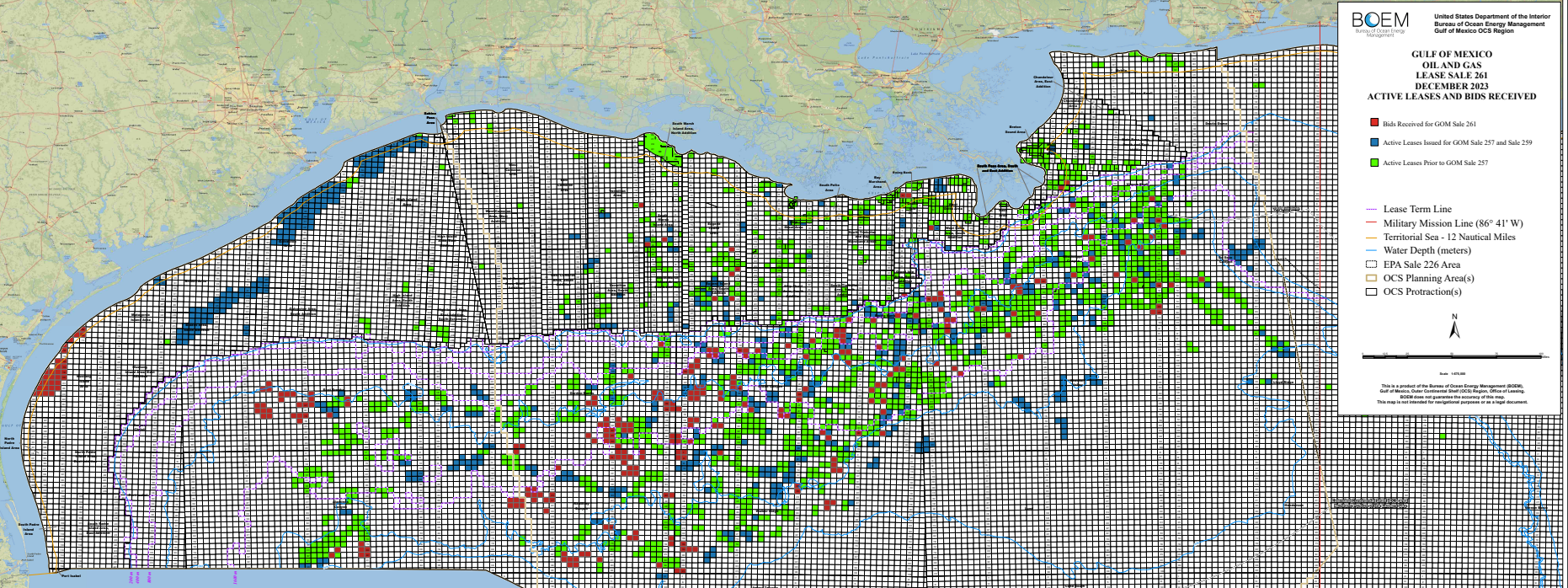
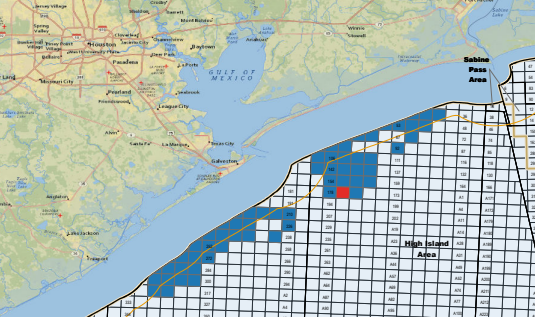
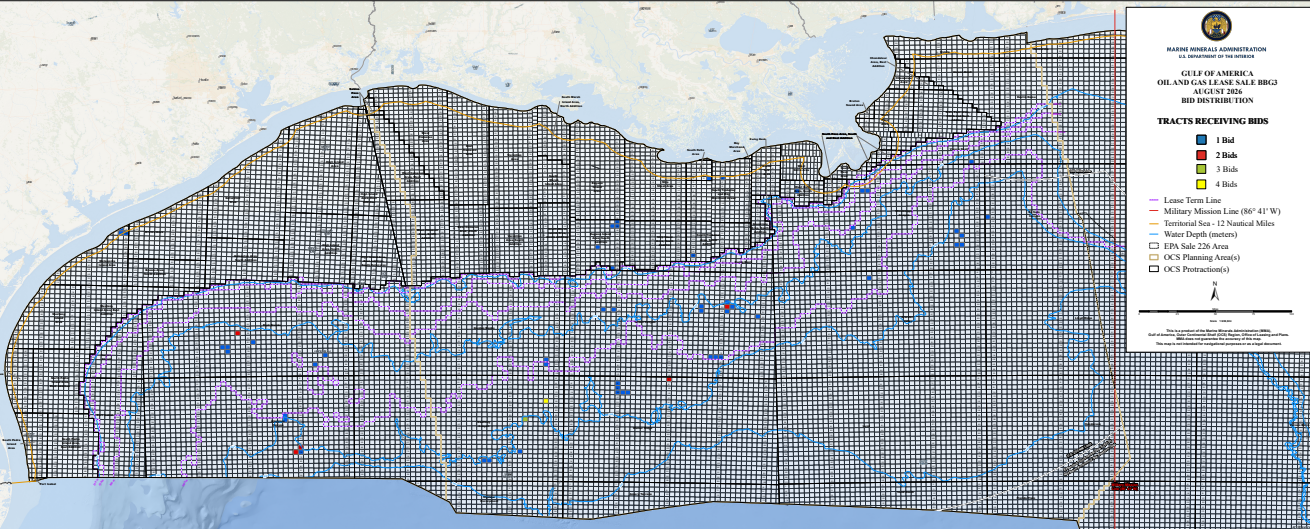
Gulf of America lease map: 199 oil and gas leases were wrongfully acquired for carbon disposal purposes. At Sale 261, Repsol acquired 36 nearshore Texas tracts in the Mustang Island and Matagorda Island areas (red blocks at the western end of the map above). Exxon had acquired 163 nearshore Texas tracts (blue in map above) at Sales 257 (94) and 259 (69).
On June 29, 2026, Energy Intelligence reported that Exxon had begun relinquishing those leases. Kudos to those in the Administration who refused to buckle under pressure from lobbyists seeking to convert the leases to authorize carbon disposal.
All 36 of the Repsol’s Sale 261 leases were relinquished effective 2/19/2026.
All 69 of Exxon’s Sale 259 leases were relinquished effective 6/11/2026.
None of Exxon’s 94 Sale 257 leases have been relinquished to date. Perhaps these leases are being held as a hedge in case there is another legislative end run or a policy decision that would facilitate conversion of the leases, or for tax/accounting purposes? As things stand, the leases expire in Oct. 2027.
Exxon and Repsol attempted to gain an unfair advantage by acquiring their preferred disposal leases without competition and before leasing and regulatory processes had been established. One could argue that they were fortunate to have avoided criminal penalty consideration given that they knowingly and willfully violated the terms of the sale notices.
The companies will lose their bonus payments which amounted to approximately $25 million for Exxon and $4 million for Repsol. They have also been paying rental fees of $10/acre/year for the Sale 259 and 261 leases, and $7/acre/year for the Sale 257 leases.
Lastly, one company was directly affected by the improper bidding. Focus Exploration was a second bidder for one of the blocks acquired by Exxon in Sale 259 (red in map below). Presumably, Focus was interested in acquiring the tract for oil and gas exploration purposes, but their bid was a bit lower than Exxon’s. Should Focus be compensated in some manner?
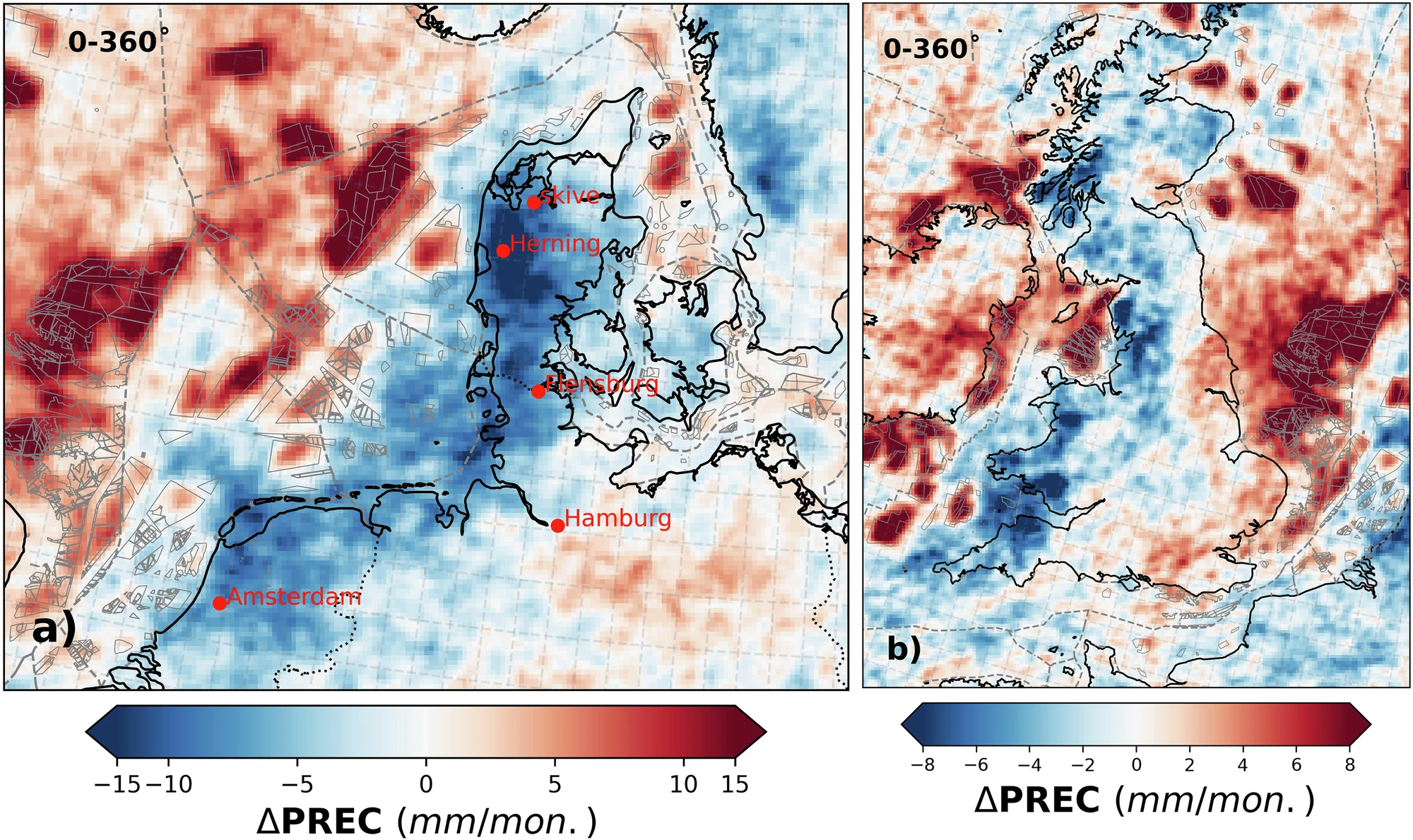
Annual mean differences in precipitation between simulations with Wind Farm 2050 projection and control NOWF simulation for all wind directions (0—360°) over the period of 2008–2017 a for Germany, Denmark and the Netherlands and b for UK. This figure was created with Matplotlib (Hunter, J. D., Matplotlib: a 2D graphics environment. Computing in Science and Engineering 9, 2007) and Cartopy (Met office, Cartopy: a cartographic python library with a matplotlib interface. Exeter, Devon, https://scitools.org.uk/cartopy, 2015).
“Offshore wind energy plays a central role in reaching the European Green Deal target of a climate-neutral Europe by 2050. In this study, we simulate offshore wind development for 2023, 2030, and beyond 2050 across the Northwest-European Shelf, using various turbine sizes over a 10-year period, an approach not previously undertaken. For the post-2050 scenario, we assess the maximum potential deployment within all currently identified development zones in North Sea countries. Results indicate that large-scale offshore wind farm expansion can reduce surface wind speeds by up to 2–3 m s⁻¹. Notably for post-2050 scenario, precipitation decreases by 10–12% in coastal regions of Germany, the Netherlands, and the United Kingdom, and by more than 15% in parts of Jutland, Denmark, particularly under south-westerly winds. Conversely, precipitation increases over the wind farm areas. These findings suggest that extensive offshore wind deployment may significantly alter regional climate patterns, highlighting the need for further multi-model investigations to reduce uncertainty.”
The study found that existing wind farms under the 2023 and 2030 scenarios indicate small effects on precipitation, with effects primarily confined to marine areas. However, the large-scale deployment of offshore wind farms in the Northwest-European shelf, as projected for 2050, has a significant and spatially distinct impact on regional precipitation patterns, specifically in the regions over northern Germany and Denmark, highlighting the critical role of scale and turbine density in driving these changes.
Judge Stephen V. Wilson said the Defense Production Act (DPA) is a “significant statutory grant of authority to the executive, giving the President substantial discretionary power to compel private industry, allocate resources, and incentivize domestic production for national defense.”
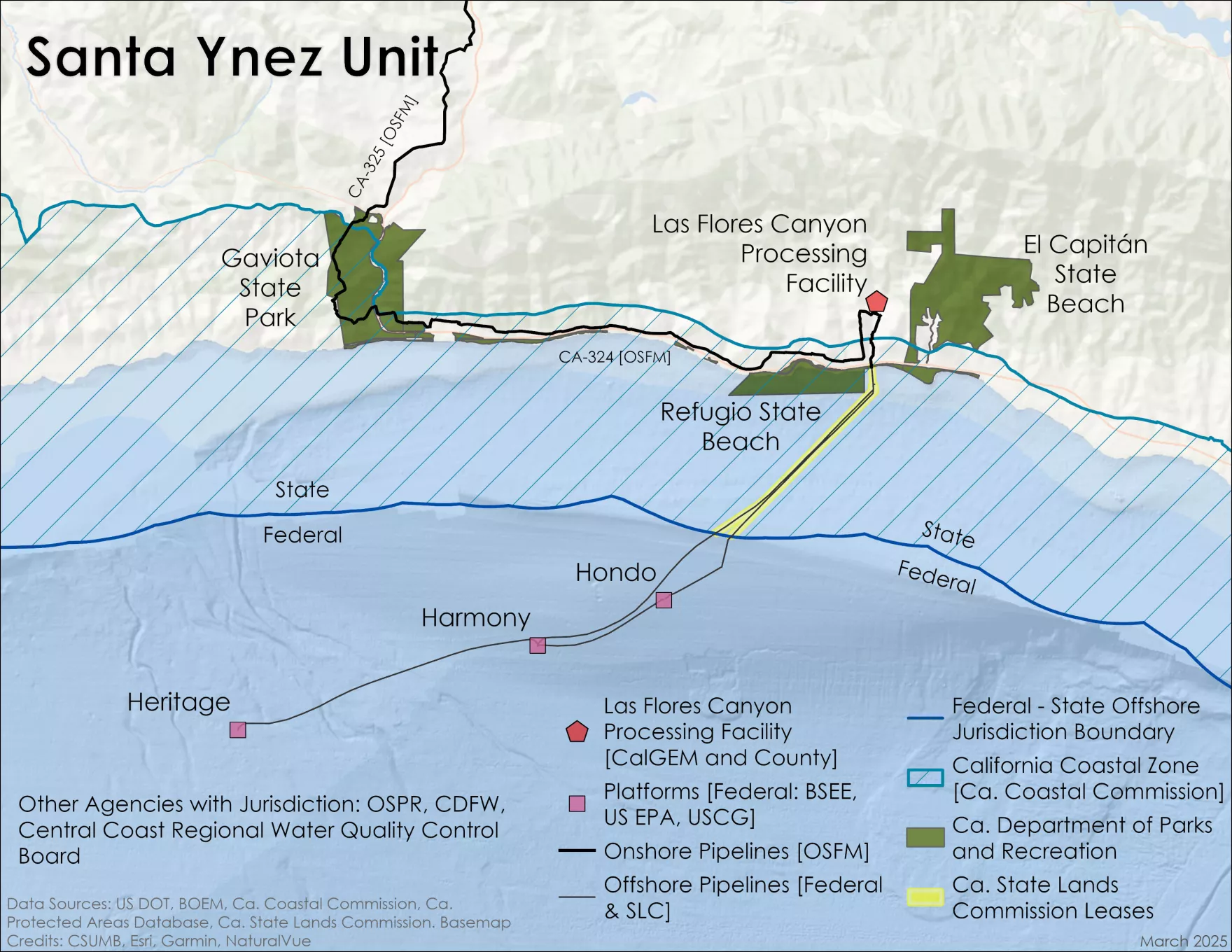
The opinion also granted the Trump administration’s request to modify a federal consent decree entered in 2020 which governs the restart of the Las Flores pipeline system.
The order removes the California Office of the State Fire Marshal as the primary agency responsible for Sable’s compliance with the oil spill consent decree, and substitutes the Pipeline and Hazardous Materials Safety Administration.
Gulfwide, Chevron was high bidder for 9 of the 10 blocks they sought vs. 6 of 9 for Oxy, 5 of 8 for Shell, 5 of 6 for BP, and 5 of 5 for Equinor.
US supermajors and historically important Gulf producers, Exxon Mobil and ConocoPhillips, were no-shows once again.
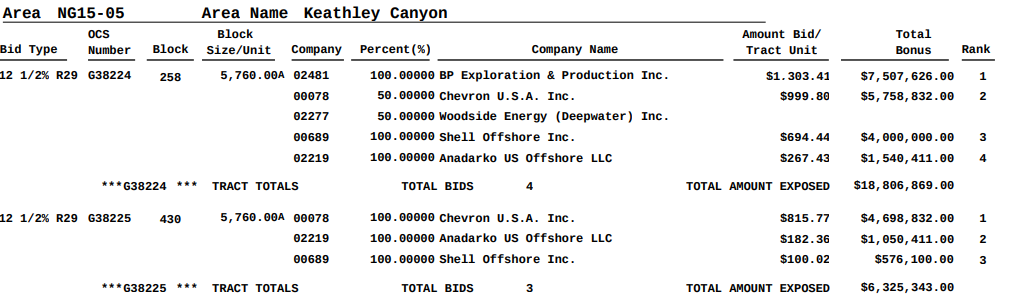
Bidding was spirited among the “big dogs” for KC Block 258, with BP taking the prize (assuming their $7.5 million bid is accepted). Chevron rebounded by taking KC 430, outbidding Oxy and Shell. (See below)
Among the large independents, LLOG batted 8 for 8, Murphy 6 for 8 (including the sale’s highest bid of $7.7 million), Talos 2 for 2, and Woodside 1 for 2. Our favorite tribal corporation, Red Willow Offshore (Southern Ute Tribe), partnered with LLOG, Navitas, Houston Energy, and CL&F Offshore on the high bid for Atwater Valley Block 63.
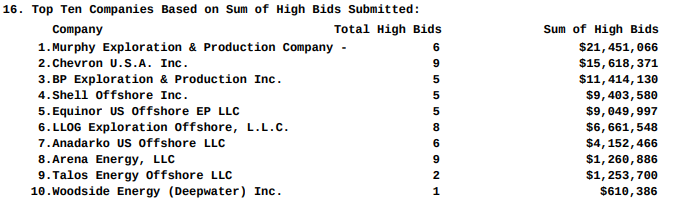
Murphy was the top $$$ bidder among all participating companies (see below). In 2025, Murphy was the Gulf’s 5th leading oil producer, trailing only Shell, BP, Chevron, and Oxy.
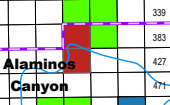
The sale’s highest bid ($7.7 million) was for Alaminos Canyon Block 380. The block was previously leased to LLOG, and exploratory drilling was conducted in 2019. LLOG’s lease expired on 12/20/2025, and complete well data were released on 4/24/2026. Murphy must have liked what they saw.
The absence of other bidders for AC 380 reminds us that interpretations and strategies differ. Murphy has had a pretty good track record in the Gulf. We’ll see what happens.
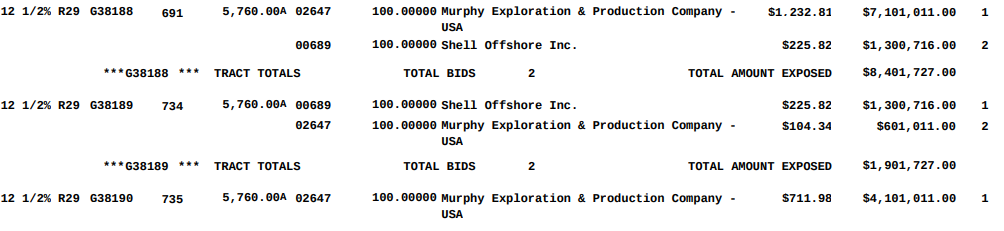
Murphy and Shell valued and competed for 2 other Alaminos Canyon blocks as the summary below indicates, and Murphy was the lone bidder ($4.1 million) for another.
“L” for the “W”? All 5 of Equinor’s high bids (red) formed an “L” in the Walker Ridge area. Equinor was the lone bidder for each (see below). Existing blocks WR 56 and 100 (blue) are Equinor leases. Prior lessee Anadarko drilled on block 143 in 2014
We’ll see how this all worked out in about 10-20 years! 😀