Feeds:
Posts
Comments

Posts Tagged ‘Beta Unit’

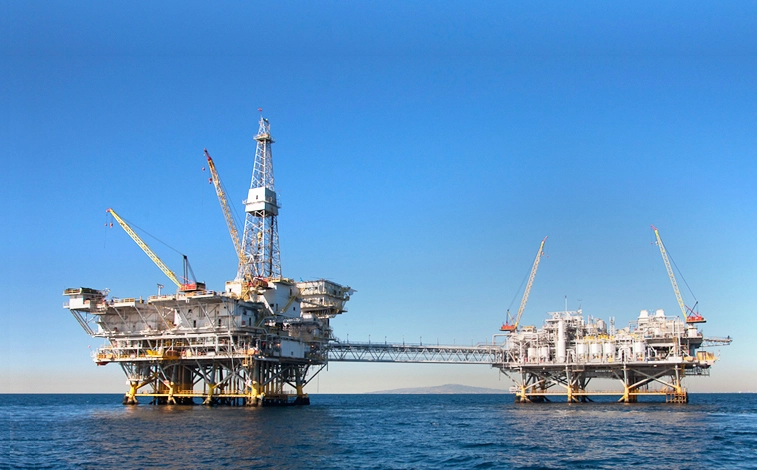
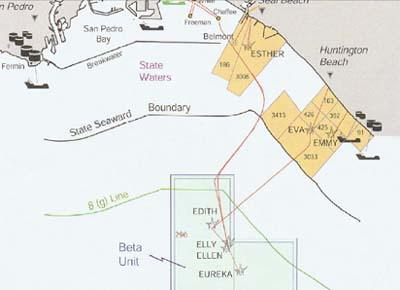
Chris Goldblatt, CEO of the Fish Reef Project shared this impressive new video on the habitat beneath Platforms Ellen and Elly in the Beta Unit offshore Huntington Beach, CA. As Chris explains in the video, such valuable habitat will be needlessly lost if companies are required to remove structures down to the seafloor.
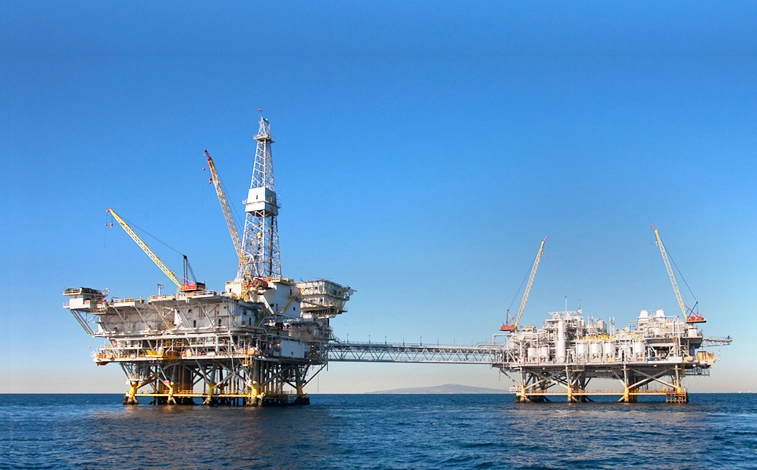
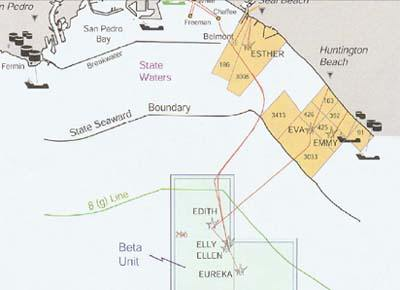
A National Geographic article discussed the marine life beneath Eureka, the third platform in the Beta Unit:

“Every square inch is covered in marine life,” says Milton Love, biologist at the Marine Science Institute at University of California, Santa Barbara. “Sometimes there are so many fish that you can’t even see through them to the platform. It’s overwhelmingly striking.”

Jeremy Claisse, Cal Poly Pomona, called Eureka “as productive as any other marine fish habitat that has been studied around the world.”
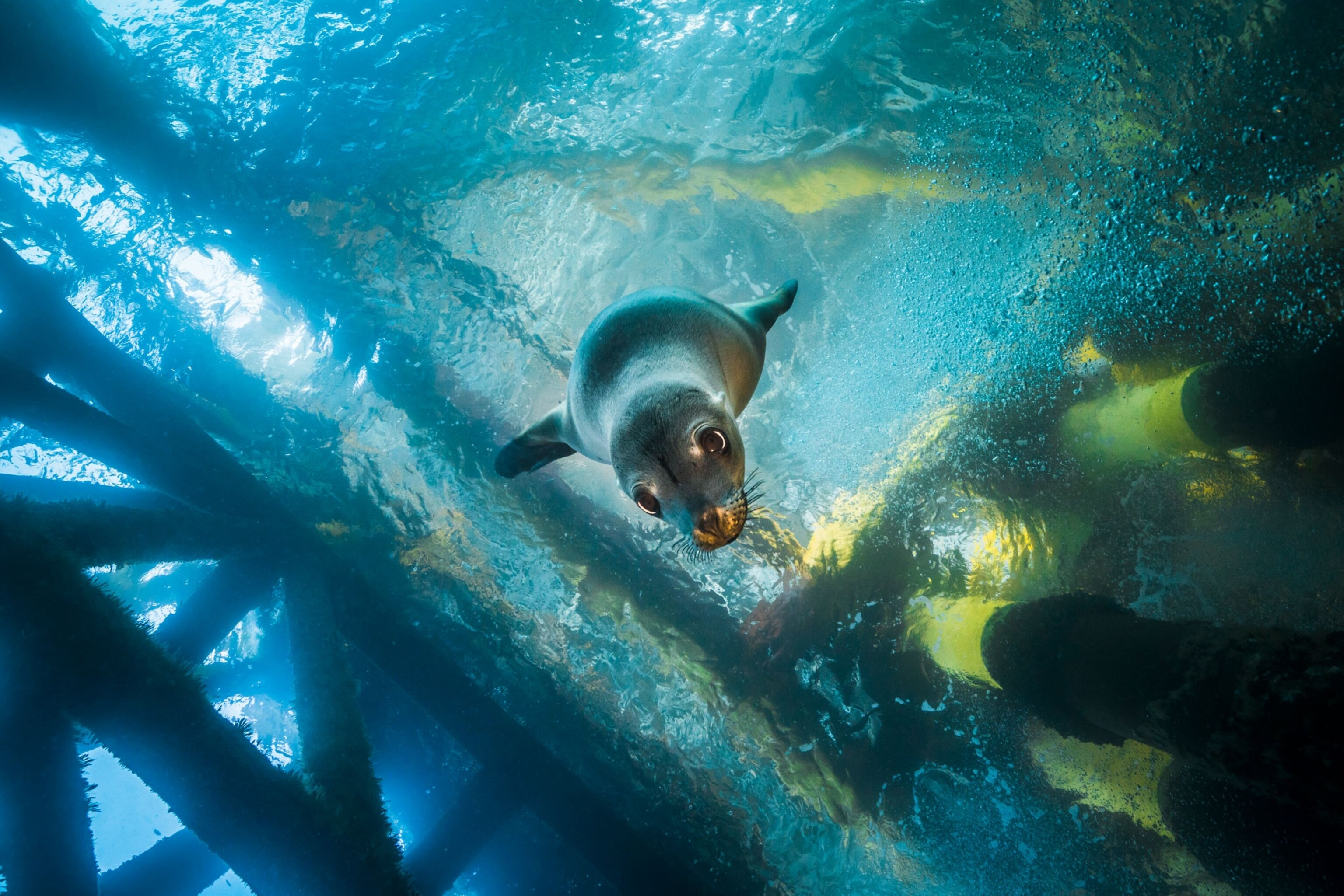
Sea lion beneath Platform Eureka. Photo by Joel Platko

Read Full Post »

HOUSTON, April 10, 2023 (GLOBE NEWSWIRE) — Amplify Energy Corp. (“Amplify” or the “Company”) (NYSE: AMPY) today announced that it has received the required approvals from federal regulatory agencies to restart operations at the Beta Field. Initial steps to resume full operations will involve filling the San Pedro Bay Pipeline with production, a process which commenced over the past weekend and is expected to take approximately two weeks to complete. Following the line fill process, the pipeline will be operated in accordance with the restart procedures that were reviewed and approved by the Pipeline and Hazardous Materials Safety Administration (PHMSA).

Amplify Energy

Odd that the news release didn’t mention BSEE, the agency which would have had to approve the resumption of production.

18 months after the pipeline spill near Huntington Beach, settlements have been reached, fines have been paid, and production from the Beta Unit has resumed, but the Federal investigation report is still unavailable. Why?

Also, per our 10/6/2021 post:

One would hope that this spill will lead to an independent review of the regulatory regime for offshore pipelines. Consideration should be given to designating a single regulator that is responsible and accountable for offshore pipeline safety (a joint authority approach might also merit consideration) and developing a single set of clear and consistent regulations.


Read Full Post »

A group of international shipping companies and their subsidiaries tentatively agreed Wednesday to pay $96.5 million to Houston-based Amplify Energy Corp. to dismiss one of the last remaining lawsuits over the oil spill, which sent at least 25,000 gallons of crude into the waters off Huntington Beach in October 2021.

LA Times
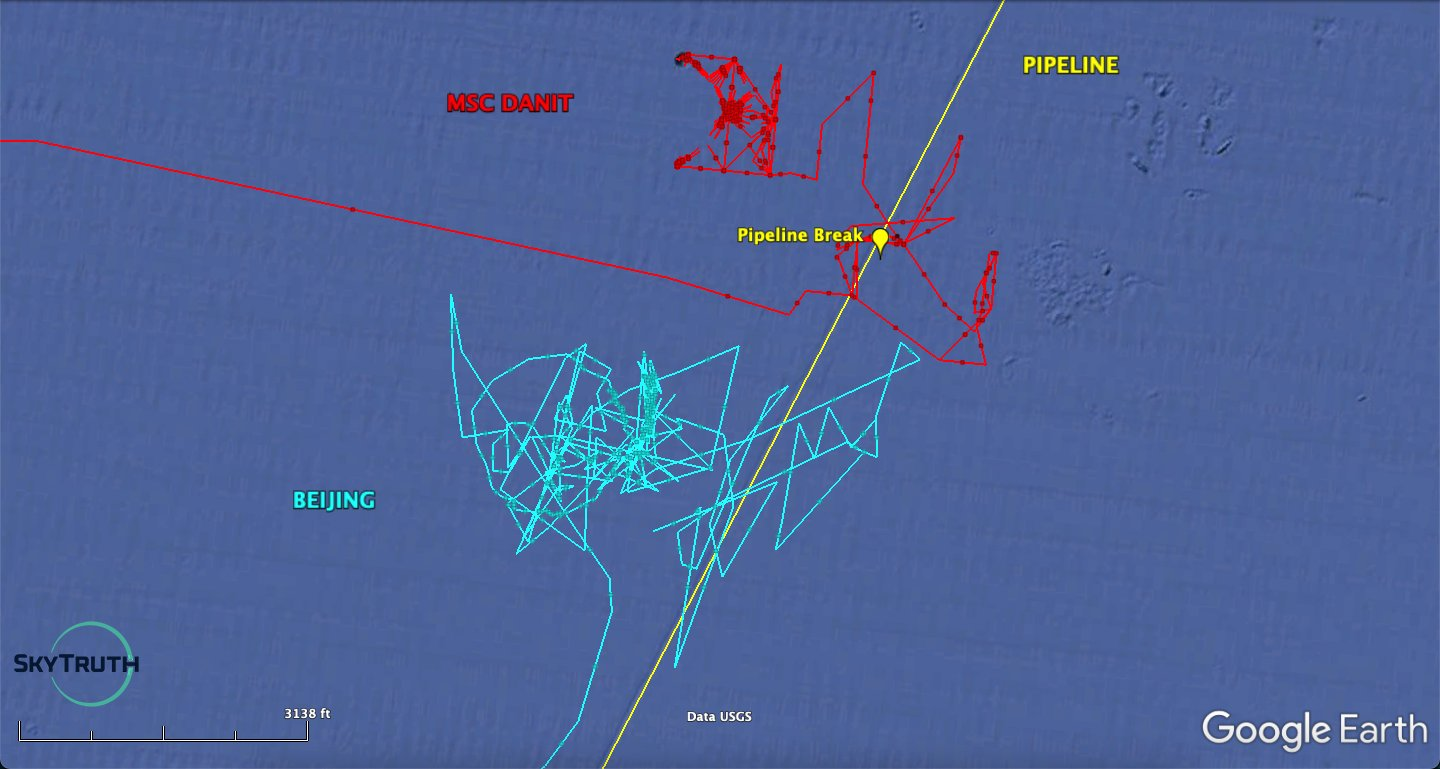
MSC Danit and Beijing were ID’d by Sky Truth as likely dragging anchors over the damaged Beta Unit pipeline

Although the Coast Guard’s investigation report has yet to be published, available information suggests that the pipeline was well maintained and that Amplify’s Beta Unit facilities had a good safety and compliance record. Absent the anchor dragging captured in the above image, a spill would have been highly unlikely. The large settlement in favor of Amplify is therefore quite understandable.

Read Full Post »

MSC Danit and Beijing were ID’d by Sky Truth as likely dragging anchors over the damaged Beta Unit pipeline

Per the LA Times, companies linked to the cargo ships accused of dragging anchors over Amplify Energy’s pipeline have agreed to pay $45 million to settle lawsuits. The ships were identified by Sky Truth (see above image) shortly after the spill (October 1, 2021).

Meanwhile, Amplify is suing the vessel owners for damaging the pipeline and failing to notify the authorities after the damage occurred. Amplify would seem to have a good case given that inspection reports indicate that the pipeline was in good shape prior to the anchor damage and that the Beta Unit platforms had a good safety and compliance record.

Finally, when will we see the investigation report for this spill? It has now been nearly 17 months since the incident.

Read Full Post »

A fresh start for Aera Energy with IKAV, a German asset management company that purchased Aera from Shell and ExxonMobil.

From 1997 to 2007, Aera operated the Beta Unit offshore Huntington Beach. Since selling those facilities, all Aera operations have been conducted onshore, primarily in Kern County, a historically important California oil production area. Aera will continue to operate these onshore properties for IKAV, which looks like an interesting company.

Platforms Ellen and Elly, Beta Unit

Meanwhile, the Beta Unit has been in the news because of the October 2021 spill from the pipeline transporting Beta Unit production from Platform Elly to shore.

Read Full Post »

NBC News Report

LA Times Report

This will be an interesting case given that the root cause of the leak appears to be anchor dragging and the responsible shipping company has yet to be identified. Also, these informed quotes about leak detection from a previous post are highly pertinent:

“My experience suggests this would be a darned hard leak to remotely determine quickly,” said Richard Kuprewicz, a private pipeline accident investigator and consultant. “An opening of this type, on a 17-mile-long (27-kilometer) underwater pipe is very hard to spot by remote indications. These crack-type releases are lower rate and can go for quite a while.”

The type of crack seen in the Coast Guard video is big enough to allow some oil to escape to potentially trigger the low pressure alarm, Kuprewicz said. But because the pipeline was operating under relatively low pressure, the control room operator may have simply dismissed the alarm because the pressure was not very high to begin, he said.

ABC News

Read Full Post »

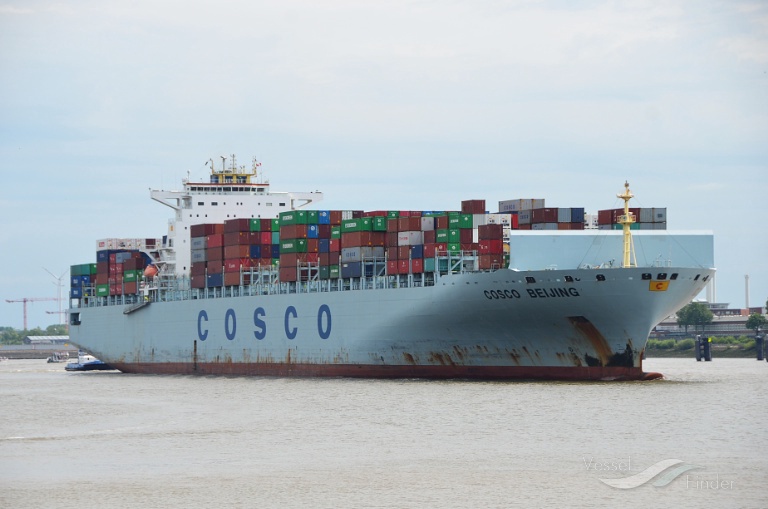
BEIJING photo
Vessel Finder

According to the Coast Guard, investigators determined the ship “was involved in an anchor dragging incident on Jan. 25, 2021 during a heavy weather event that impacted the Ports of L.A. and Long Beach.” The anchor- dragging occurred “in close proximity” to an underwater pipeline later determined to be the source of the October leak that spilled thousands of gallons of oil into the ocean, forcing the closure of beaches and harbors across Orange County.

CBS-LA

The hearings and the liability battles that follow will be most interesting. Those lined up to sue the pipeline operator (Amplify), such as this Huntington Beach disc jockey, may have difficulties.

Read Full Post »

Never Let a Good Crisis Go to Waste - FocusCFO

A group of environmental organizations demanded Wednesday that the Biden administration suspend and cancel oil and gas leases in federal waters off the California coast after a recent crude oil spill.

NBC LA

While not the disaster that some had predicted, this spill is another setback for California offshore production. However, cancellation of the remaining producing leases would be a very difficult and costly proposition for the Federal government. At this time, the Beta Unit operator appears to be minimally responsible for the spill, so what would be the basis for cancelling those leases? Cancelling other producible leases would be even more problematic.

Read Full Post »

This quote from an AP article is consistent with the view expressed here after our review of the inspection reports for the Beta Unit (Platform Elly to shore) pipeline. Further per the AP article:

Safety inspections in 2015, 2017 and 2019 found anomalies in Amplify’s pipeline, including instances of metal loss and three dents that were previously repaired. But several experts who reviewed the reports said the metal loss — which can be a sign of a pipe wall thinning as it corrodes with age — was relatively minor. The dents were not in the same area as the spill.

AP

Read Full Post »

Aqueos 2020 external (ROV) inspection:

The 16” oil pipeline was found to be in good condition with no visible damage or anomalies.
One (1) CP test point that was installed in 2014 was found to be displaced from its location on the pipeline (this was also noted in the 2018 survey), and no damage was noted at the location (Fix #101).

Aqueos inspection report, May 2020

Pipe‐to‐electrolyte potential values recorded were:
 ‐ 921 millivolts (mV) on the 6” gas pipeline
 ‐ 910 millivolts (mV) on the 10” water pipeline
 ‐ 963 millivolts (mV) on the 10” gross fluids pipeline
 ‐ 906 millivolts (mV) on the 16” oil pipeline

As the NACE Standard SP0169‐2013 “Control of External Corrosion on Underground or Submerged Metallic Pipelines” criterion is ‐800 mV, all readings indicate that Cathodic Potential is within specifications.

Aqueos inspection report, May 2020

Metal loss data from Baker Hughes internal inspection (12/2019):

Depth of Metal LossExternal AnomaliesInternal Anomalies
30+%00
20-29%10
10-19%00
total10
Baker Hughes In-line Inspection Report, 12/30/2019

The metal loss findings are consistent with those reported in a previous internal inspection (Baker Hughes, 11/2017).

BSEE has general authority to require pipeline inspections under 30 CFR 250.1005. BSEE, the State Lands Commission, and the operator appear to have implemented an effective inspection program for the Beta Unit.

Read Full Post »

Older Posts »