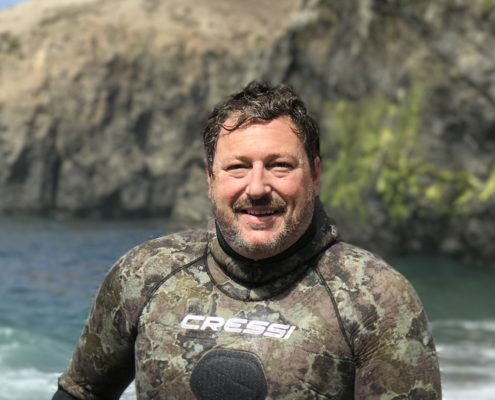
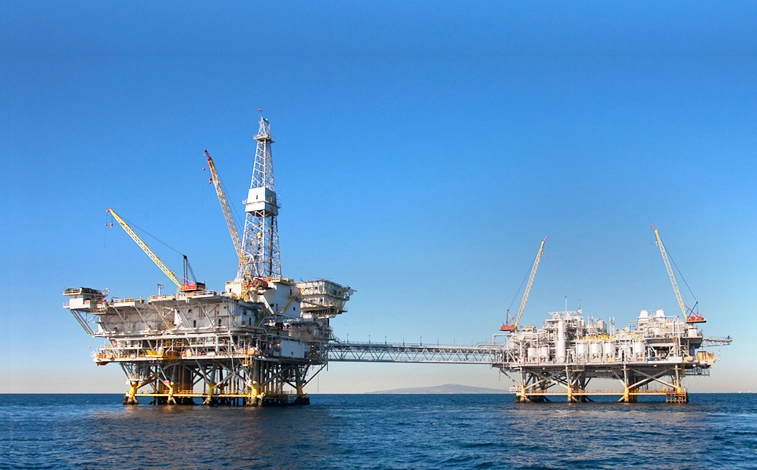
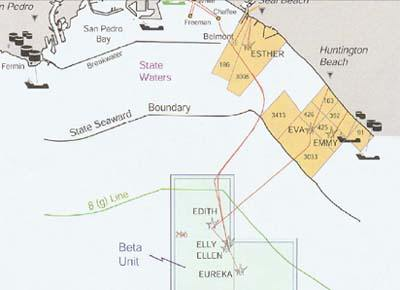
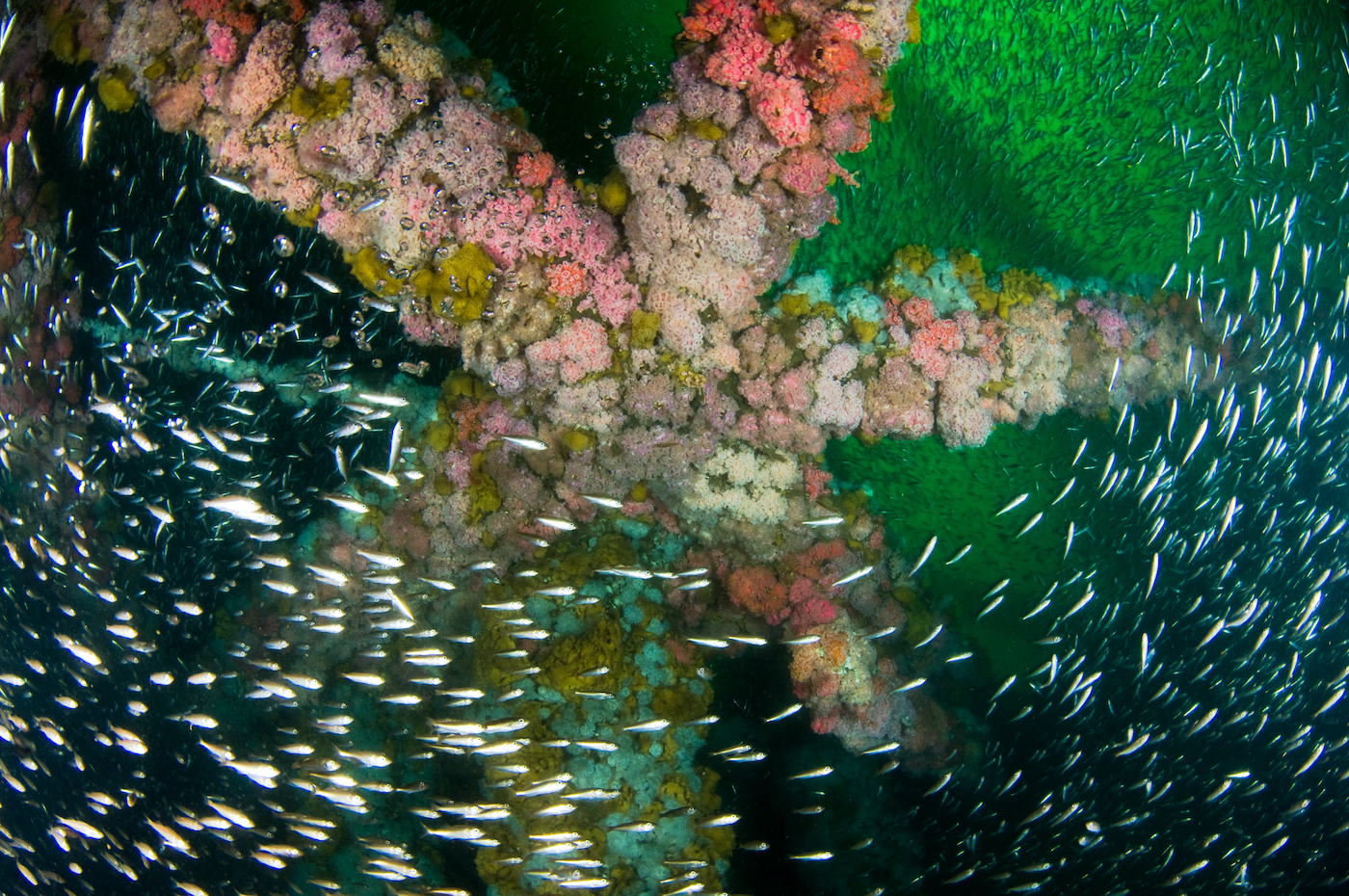
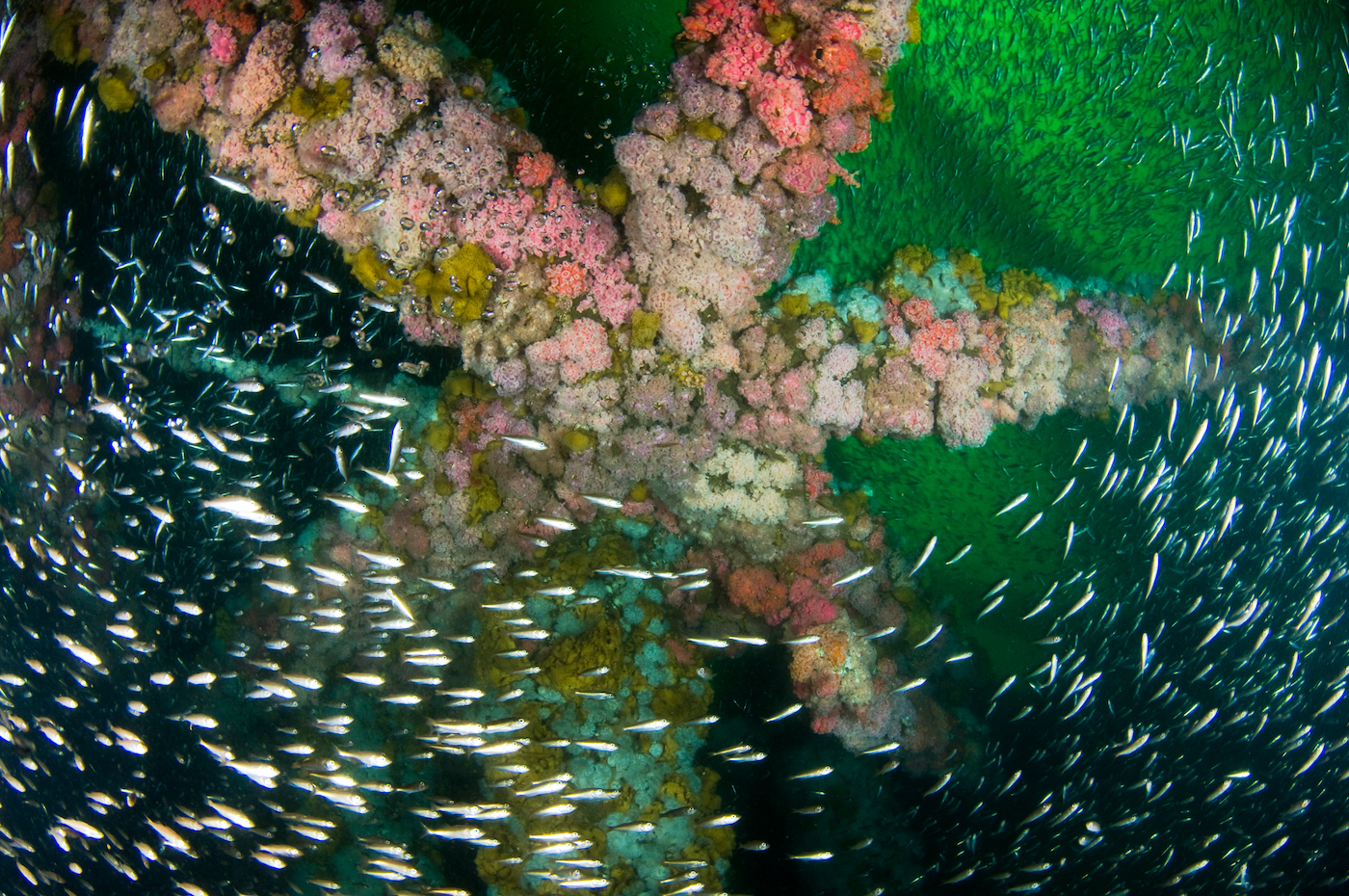
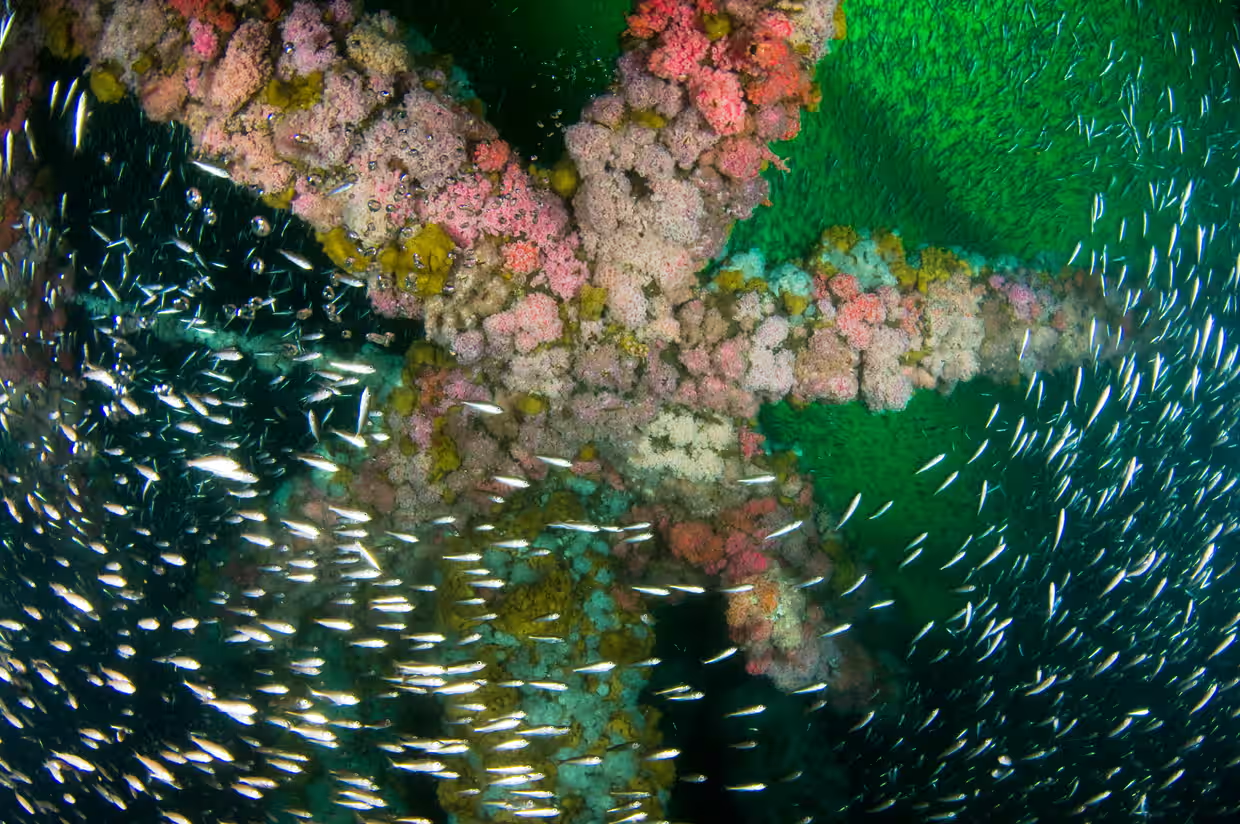
Chris Goldblatt, CEO of the Fish Reef Project shared this impressive new video on the habitat beneath Platforms Ellen and Elly in the Beta Unit offshore Huntington Beach, CA. As Chris explains in the video, such valuable habitat will be needlessly lost if companies are required to remove structures down to the seafloor.
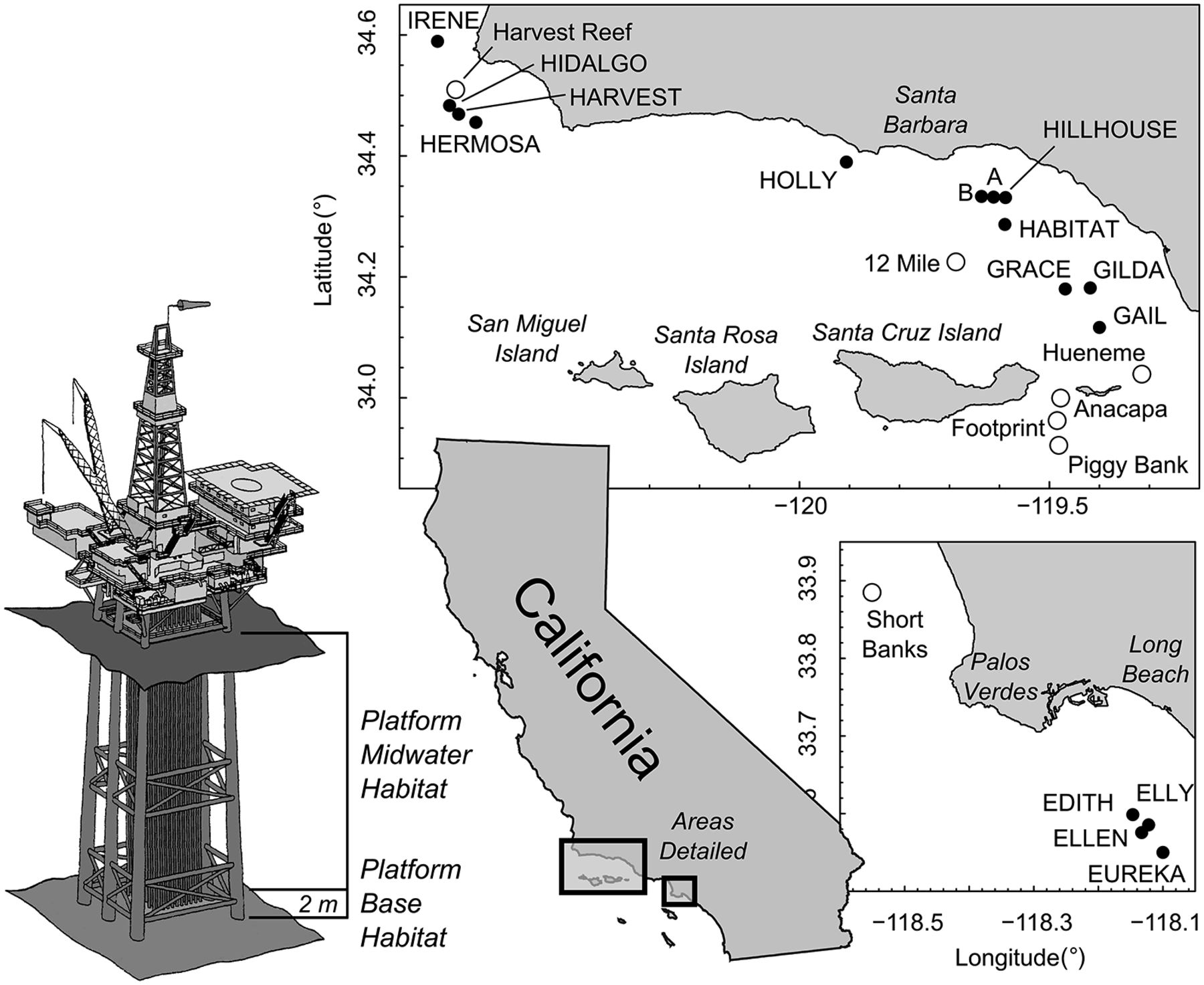
Platforms Ellen and Elly
A National Geographic article discussed the marine life beneath Eureka, the third platform in the Beta Unit:
“Every square inch is covered in marine life,” says Milton Love, biologist at the Marine Science Institute at University of California, Santa Barbara. “Sometimes there are so many fish that you can’t even see through them to the platform. It’s overwhelmingly striking.”
Jeremy Claisse, Cal Poly Pomona, called Eureka “as productive as any other marine fish habitat that has been studied around the world.”
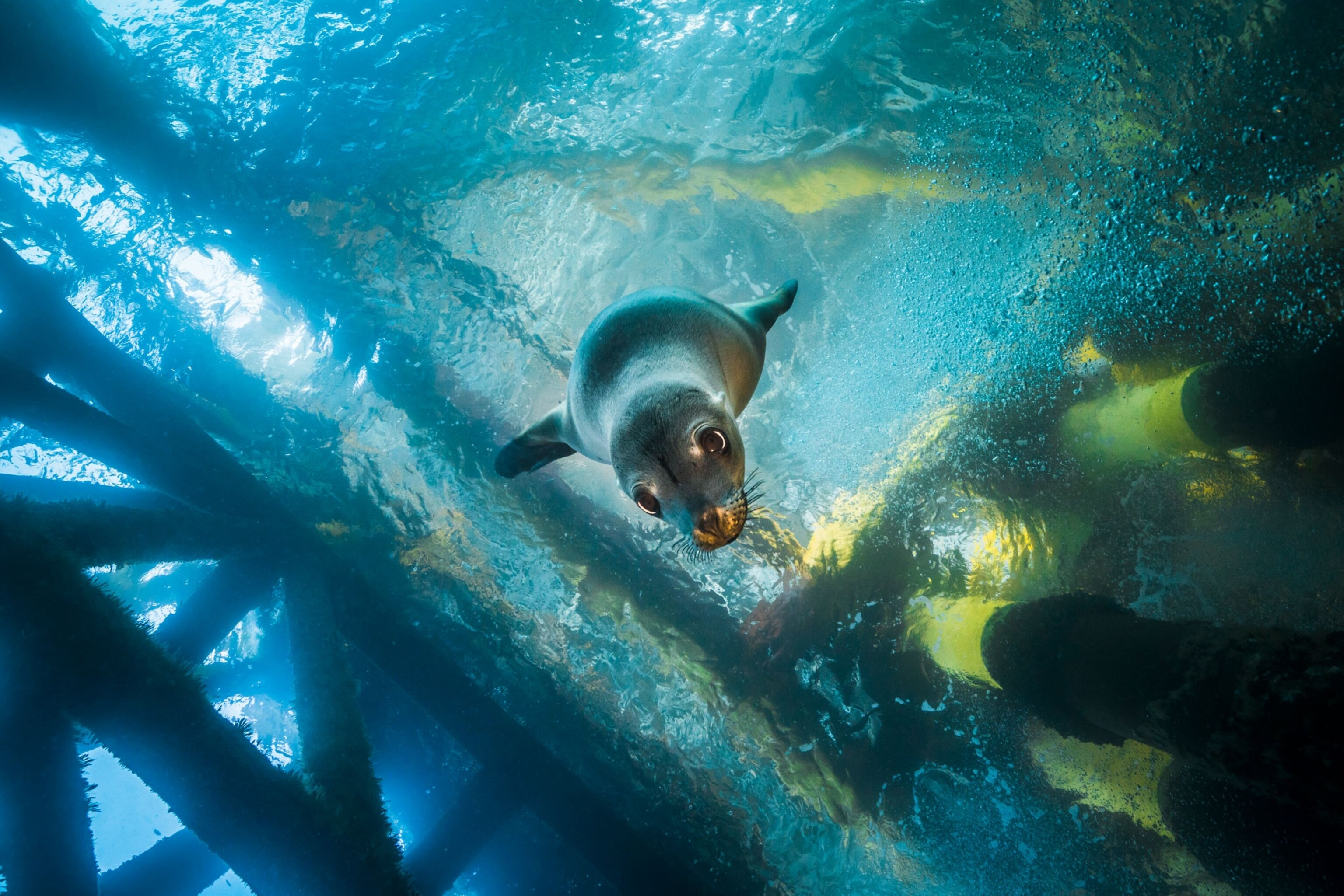
Sea lion beneath Platform Eureka. Photo by Joel Platko
Inexplicably, BSEE’s ROD designates the most environmentally harmful, unsafe, and costly alternative as the “preferred alternative.” The decision is contrary to the opinions expressed by the leading experts on the ecology of California offshore platforms, most notablyDr. Milton Love of the University of California at Santa Barbara.
Why did BSEE select alternative 1 (complete removal) when their $1.6 million EIS acknowledges that alternative 2 (partial removal) is environmentally preferable? Was their decision influenced by activists who support the alternative that is most punitive to the industry they despise?
“On December 7, 2023, the Bureau of Safety and Environmental Enforcement (BSEE) issued a Record of Decision (ROD) recommending the full removal of California’s 23 offshore oil platforms in federal waters, following a Programmatic Environmental Impact Statement (PEIS) conducted to assess decommissioning options for platforms, pipelines, and other related infrastructure. However, upon close review, the PEIS and ROD appear to have reached misguided and detrimental conclusions due to critical oversights in their analyses.” Asher Radziner, Montecito Journal
Attached is an excellent Scientific American article featuring BOE contributor and decommissioning specialist John Smith, former colleague and marine biologist Dr. Ann Bull, and Dr. Milton Love, the leading authority on California’s offshore platform ecosystems.
I had the pleasure of taking a highly informative boat tour around Platform Holly with Dr. Love and a group of international visitors. Holly, which is pictured at sunset in the BOE header, is among the platforms awaiting decommissioning.
Dr. Love on the total removal of California offshore platforms:
“As a biologist, I just give people facts,” he says. “But I have my own view as a citizen, which is: I just think it’s criminal to kill huge numbers of animals because they settled on a piece of steel instead of a rock.”
Alternative 1 (the preferred alternative) calls for “the complete removal of platforms, topside, conductors, the platform jackets to at least 4.6 m (15 ft) below the mud line, and the complete removal of pipelines, power cables, and other subsea infrastructure (i.e., wells, obstructions, and facilities).”
Ironically, the ROD correctly acknowledges that alternative 2 (partial removal) is environmentally preferable. So what drove the decision to select the alternative that destroys “the most productive marine habitats per unit area in the world?” Was there pressure to choose the alternative that is most punitive to an industry that is despised by California activists? If so, their schadenfreude is certain to be delayed by administrative and legal challenges that draw further attention to the social costs and environmental damage associated with “complete removal.”
Guardian: Juvenile rockfish seen on an oil platform off the coast of Santa Barbara. For the scientists who study them, preserving these accidental marine ecosystems has become a moral issue. Photograph: Scott Gietler
Excellent Guardian article featuring my former colleague Dr. Ann Bull and Dr. Milton Love from the University of California at Santa Barbara.
According to a 2014 study they (Bull and Love) co-authored, the rigs were some of the most “productive” ocean habitats in the world, a term that refers to biomass – or number of fish and how much space they take up – per unit area. The research showed the rigs to be about 27 times more productive than the natural rocky reefs in California.