Feeds:
Posts
Comments

Posts Tagged ‘offshore platforms’

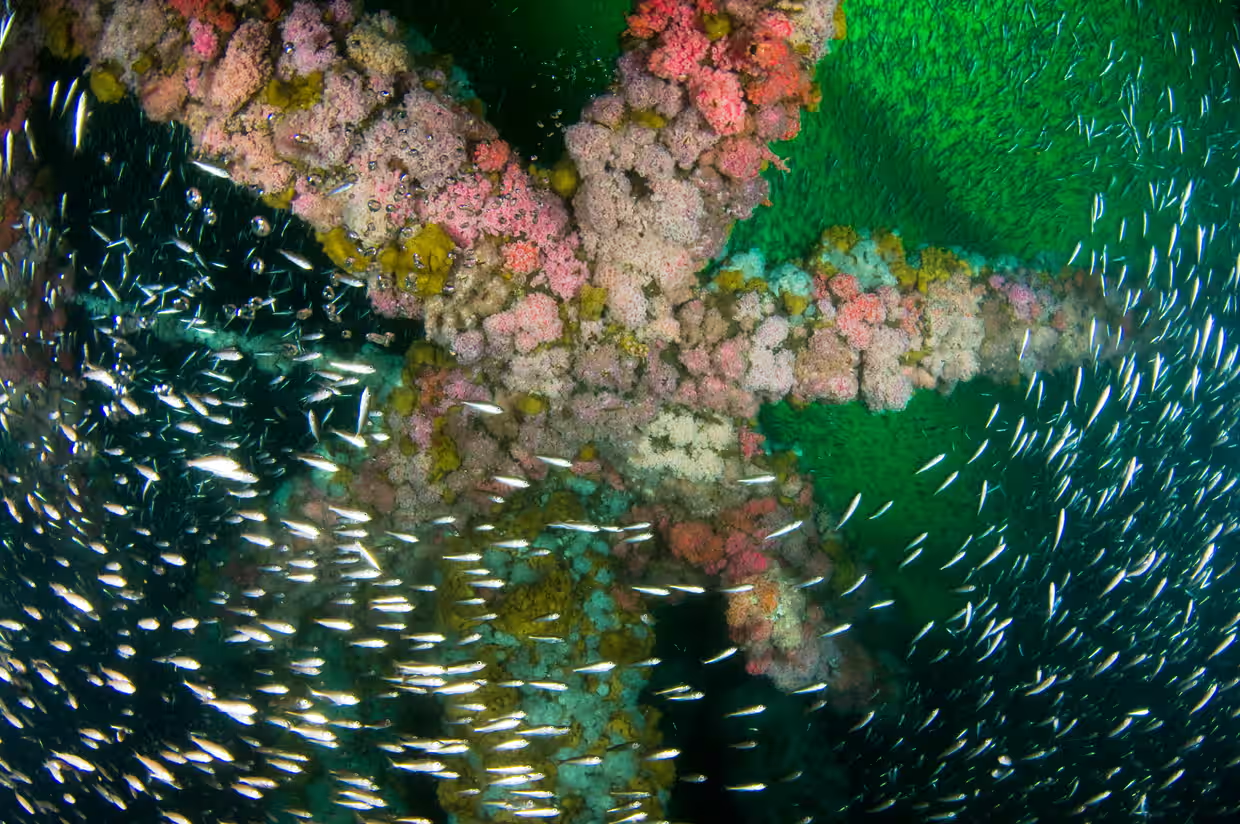
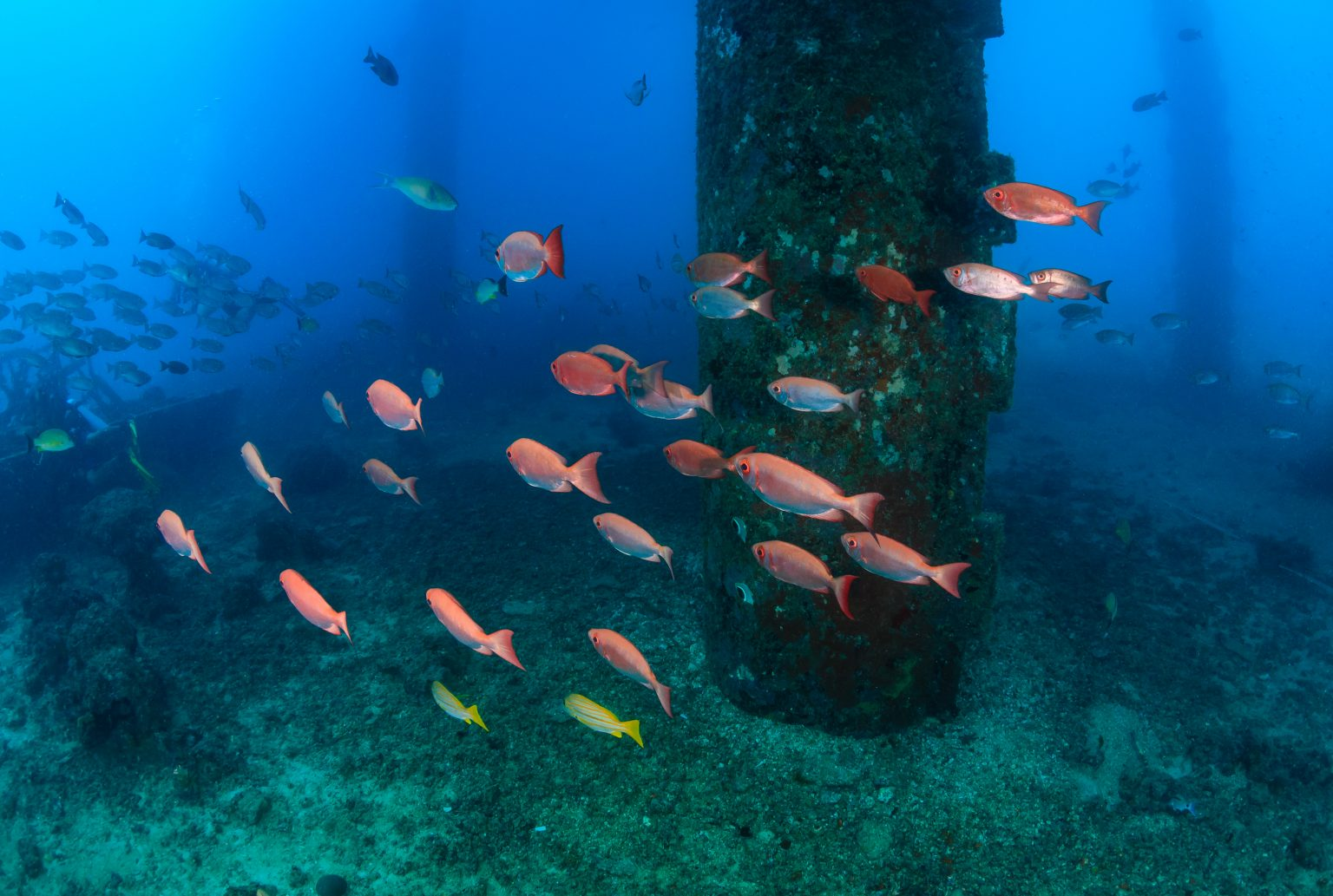
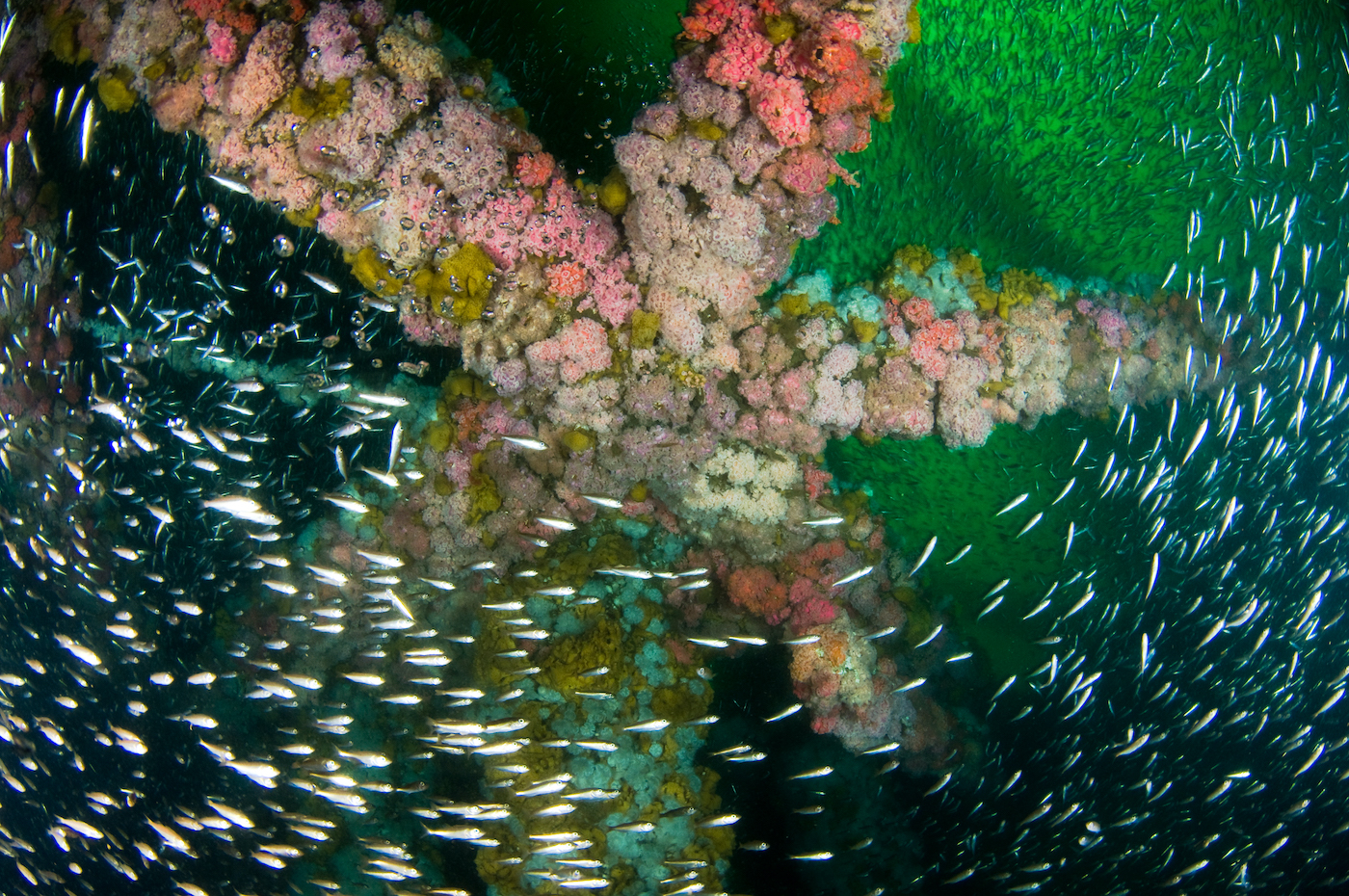
Looking up towards Platform Gilda from a depth of 100 feet, juvenile bocaccio rockfish swirl around the anemone-covered crossbeams (photo by Dr. Milton Love)Ā 

Dr. Jeremy Claisse, Cal Poly Pomona:Ā “The oil and gas platforms off the coast of California are the most productive marine habitats per unit area in the world.”Ā 

Dr. Milt Love, UCSB: ā€œEven the least productive platform was more productive than Chesapeake Bay or a coral reef in Moorea.ā€

John Smith has made the case for reefing California platforms. He is now proposing a change in the regulations that could facilitate such partial removals of offshore structures. His full proposal is attached.

As background John notes:

In contrast to the Gulf of Mexico (GOM), where more than 600 decommissioned platforms have been converted to artificial reefs, the State of California does not have reefing legislation considered workable by industry, nor does it have an approved or State funded artificial reefing program which is a prerequisite under MMA (formerly BSEE and BOEM) OCS oil and gas regulations (30 CFR § 250.1730) for waiving platform removal requirements which allows conversion of the structure to an artificial reef.

He further informs that “operators of the platforms have not expressed any serious interest in reefing OCS platform jackets because they consider the California Marine Resources Legacy Act unworkable in its present form due primarily to its liability provisions, inequitable 80% cost-savings sharing requirement, and the requirement for the first reefing applicant to fund the setup costs for the artificial reefing program.

John’s proposal is intriguing because it allows qualified 3rd parties to accept title and liability for reefed structures. This would create interesting business opportunities. A company, consortium, nonprofit, or entrepreneur could, for a fee, acquire submerged structures and obtain insurance or other financial protection in accordance with their business plan. Reef preservation and enhancement studies, and other marine research could also be conducted at the sites. Marine ecosystems would be protected, and the cost and efficiency of decommissioning operations would be significantly improved.

ā€œSo, you disconnect the jacket… you kill all the fish. There’s an awful lot of animals that die,ā€ said Dr. Love. As our world has become dependent on fossil fuels, so too have these millions of animals become dependent on the structures that pump them from beneath the sea floor. ā€œAs a biologist, I just give people the facts, but I have my own view as a citizen, which is I think it’s criminal to kill huge numbers of animals,ā€ said Dr. Love.

John’s proposal warrants serious consideration.
Read Full Post »

The Case for Reefing California Platforms by John Smith

Environmental groups like the Environmental Defense Center and Get Oil Out continue to oppose converting the jackets of California oil and gas platforms to artificial reefs despite scientific studies (Claisse et al. 2014) showing ā€œoil and gas platforms off the coast of California have the highest secondary fish production per unit area of seafloor of any marine habitat that
has been studied.
ā€

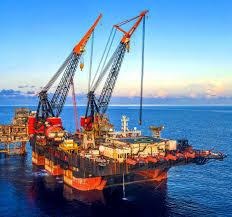
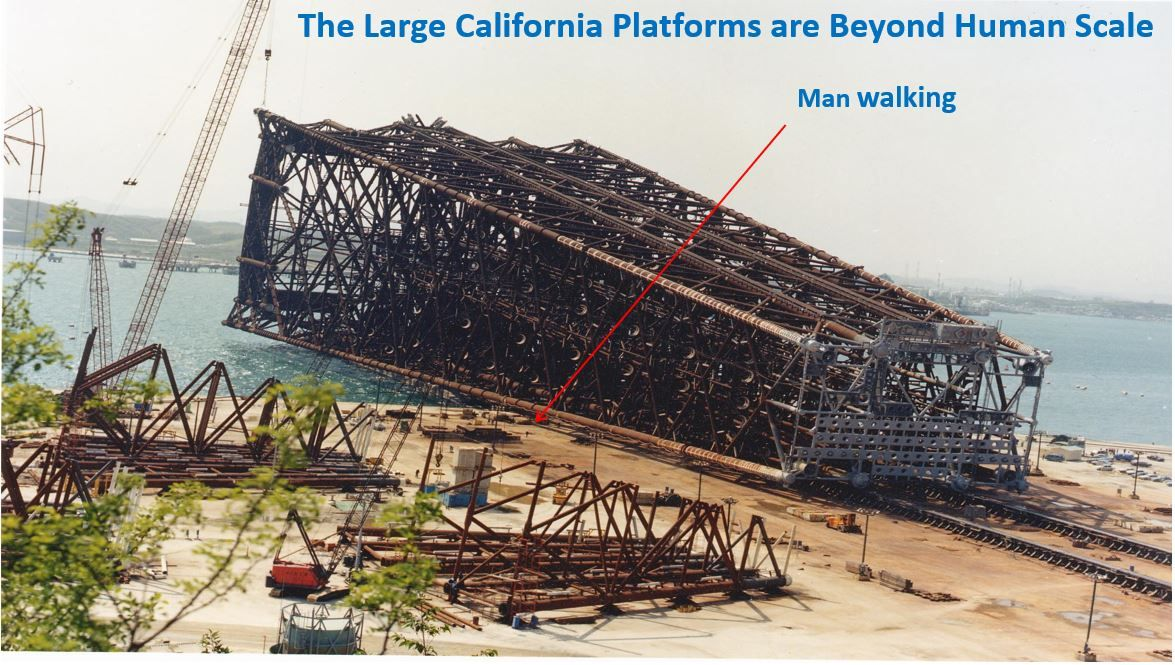
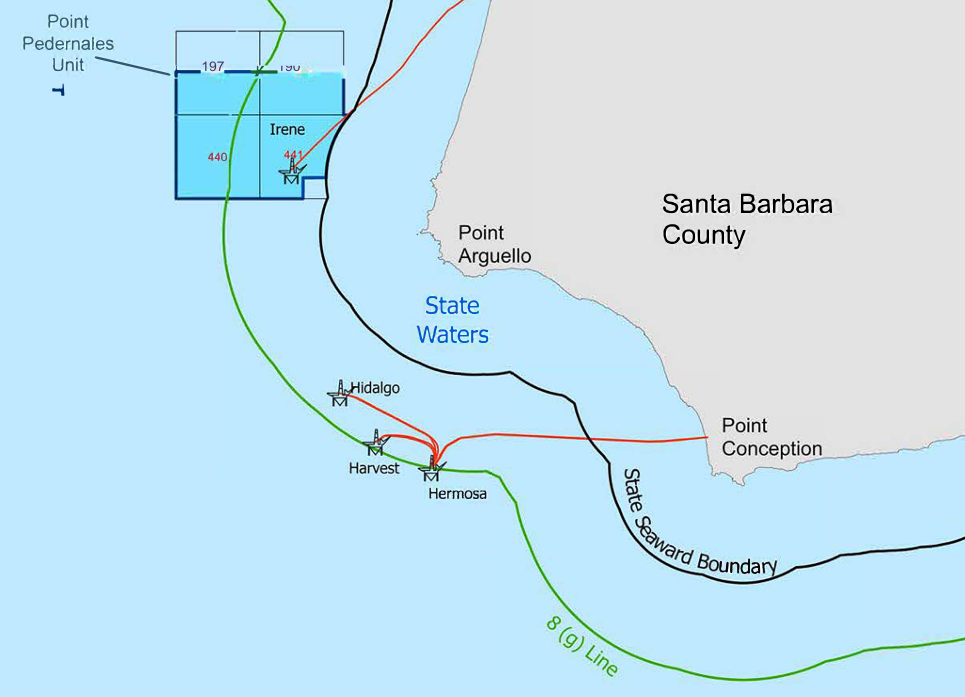
Another important factor environmental groups and the 2023 BOEM Programmatic EIS for Decommissioning failed to consider and acknowledge is the huge amount of air emissions that would be released by world-class heavy lift vessels like the Thialf or Balder Semi-submersible Crane Vessels (SSCVs) that would be required to safely and efficiently remove the large federal OCS platforms like Harvest, Hermosa, and Hidalgo (HHH). The HHH platforms are in waters depths ranging from 430-675 feet and have combined deck and jacket weights ranging from 20,000 – 25,000 tons. In comparison, the wrought iron structure of the Eiffel Tower weighs about 8,000 tons.

The SSCVs and accompanying Anchor Handling Tugs (AHTs) used to remove the HHH platforms will likely to be mobilized from distant locations like the North Sea or Gulf of America where they typically operate. Because SSCVs like the Thialf and Balder are too large to enter the Panama Canal, this would involve a 20,000 nautical mile roundtrip voyage around the tip of South America.

Three to four campaigns, and separate SSCV and AHT mobilizations and demobilizations, are projected to be required to fully remove the HHH platforms because the challenging oceanographic conditions offshore Point Arguello restrict heavy lift operations to a 150-day period between May and October.

Four campaigns by the SSCV and AHT would consume about 300,000 metric tons (mt) of marine diesel oil and release approximately 470,000 mt of CO2 and 11,000 mt of NOX emissions. To put these numbers into context, 470,000 mt of CO2 and 11,000 mt of NOX are:

  • the amount of CO2 emissions released by providing electrical power to 97,600 homes annually (the city of Santa Barbara has about 38,000 housing units).
  • the amount of CO2 emissions released by burning 1.1 million barrels of oil.
  • the amount of CO2 emissions released by 102,000 gasoline burning cars annually.
  • the amount of NOX emissions released by four large oil or coal-fired power plants annually.
  • the total annual NOX emissions in Santa Barbara County.

And this is only the emissions released during mobilization and demobilization of the SSCV and AHT. If full removal is required, an additional 50 days of operational time by the SSCV and AHT is estimated to be required to remove the topside and jacket of each HHH platform. This could be reduced to about 15 days per platform if the jackets are converted to artificial reefs. Only one SSCV and AHT campaign may be required if the HHH jackets are reefed, compared to the four campaigns required for the full removal scenario. This would result in a 75 percent reduction in CO2 and NOX emissions.

Read Full Post »

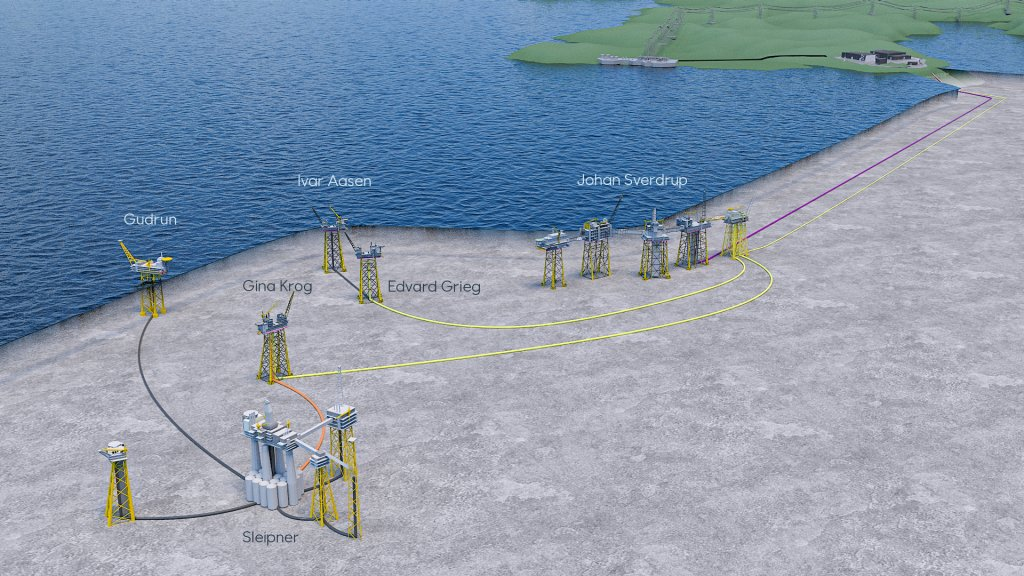
Electric cables from shore power the Johan Sverdrup field offshore Norway

At least 11 Baltic cables have been damaged in the last 15 months.

Politico.EU: “NATO will send around 10 ships to guard important underwater infrastructure in the Baltic Sea by the end of the week, Finnish newspaper Yle reported on Tuesday.

Why increase operating costs and expose platform operations to power disruption risks when there is no net environmental benefit?

Read Full Post »

Guardian: Juvenile rockfish seen on an oil platform off the coast of Santa Barbara. For the scientists who study them, preserving these accidental marine ecosystems has become a moral issue.Ā Photograph: Scott Gietler

Excellent Guardian article featuring my former colleague Dr. Ann Bull and Dr. Milton Love from the University of California at Santa Barbara.

According to aĀ 2014 studyĀ they (Bull and Love) co-authored, the rigs were some of the most ā€œproductiveā€ ocean habitats in the world, a term that refers to biomass – or number of fish and how much space they take up – per unit area. The research showed the rigs to be about 27 times more productive than the natural rocky reefs in California.

Guardian

More on decommissioning platforms offshore California.

Read Full Post »

New York’s looming, self-imposed electric power crisis:

Something here does not remotely add up.Ā  If New York state succeeds by 2030 in closing its natural gas plants —Ā the plants that account for 60% of the State’s generation capacity — that would bring our total installed capacity down from 37.5 GW to as little as 15 GW. But we need almost 60 GW to meet projected demand.Ā  And that’s 60 GW that can be called on any time as needed to meet peak usage.Ā  The 9 GW of projected offshore wind turbines wouldn’t make much of a dent even if they operated all the time and could be dispatched to meet peak demand, which they can’t.Ā  Instead, they will operate only about a third of the time, and at their own whim.Ā  At best they will provide about 3 GW on average, when what we need for this full electrification project is more like 45 GW of dispatchable power to add to our existing hydro and nuclear.Ā  Ā 

Manhattan Contrarian

Power generation realities:

  • Assuming sufficient capacity, gas power plants respond to variable demand.
  • Wind and solar power are intermittent, such that demand must respond to variable supply (not a prescription for economic growth).
  • Power grids can function effectively with only natural gas, but not with only wind/solar.
  • Integrated wind, solar, and gas systems can reduce, but not eliminate, demand for gas-generated power.
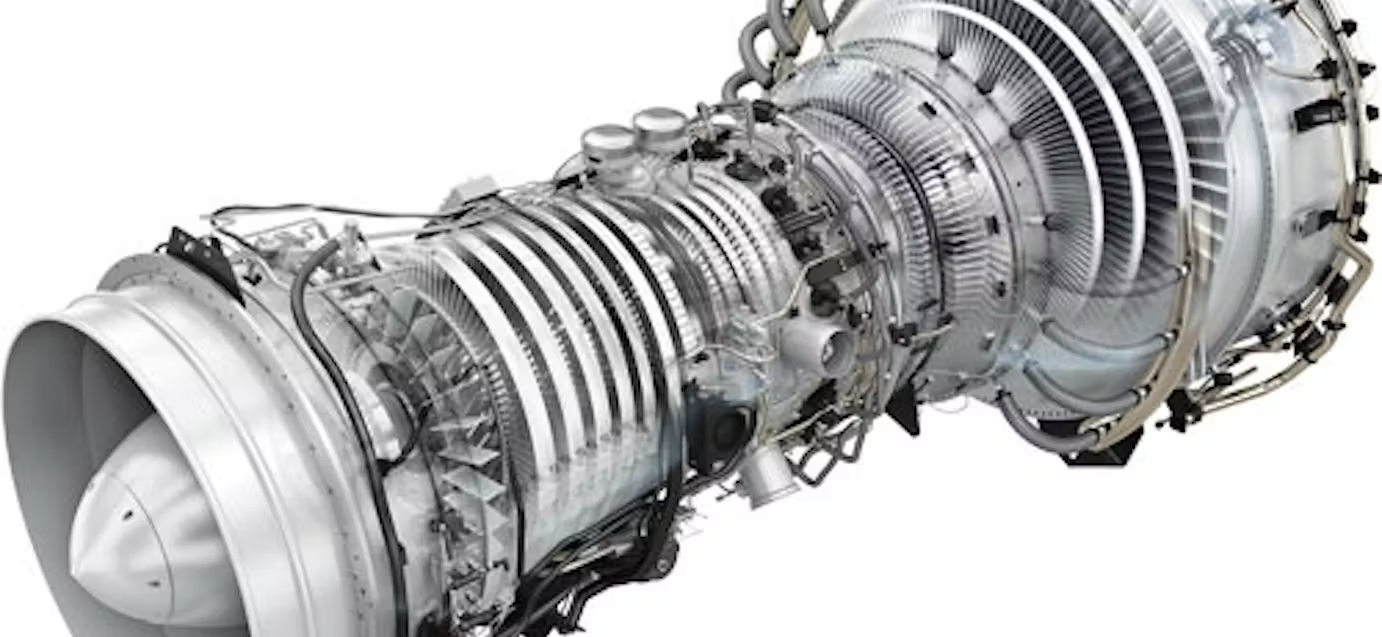
Siemens gas turbine for the offshore industry

Offshore platforms: In some regions, there is a push to power platforms with renewable energy transported by electric cable. Currently, most platforms are efficiently powered by gas turbines which satisfy energy needs even when demand spikes during well operations like tripping out of the hole. The extent to which renewables can reliably support platform operations during these and other operations, when power interruptions are unacceptable from a safety standpoint, is a risk that must be assessed prior to committing to alternative energy sources.

The environmental benefits of powering platforms with renewable energy also have not been clearly documented. In most cases, offshore platforms produce sufficient gas to support their power demands. Should platforms be powered by imported electricity, gas that is not used for platform operations would presumably be marketed for consumption elsewhere or reinjected.

If the gas is marketed and consumed elsewhere, there is essentially no net (global) CO2 emissions reduction benefit. Gas that is reinjected is wasted unless there is an enhanced oil recovery benefit. So, the net environmental benefit from importing electric power seems questionable, and the operational risks could be significant.

Read Full Post »

  • Be grateful for energy production which gives us the economic means to address environmental issues
  • Appreciate the beauty and ecological significance of offshore facilities
  • Explore, study, and protect the marine environment
  • Strive for continuous improvement in safety and environmental performance
  • Acknowledge and learn from past mistakes
  • Live responsibly as individuals, families, and communities

Read Full Post »

Like offshore platforms, BOE readers are useful long after “retirement”😁

Read Full Post »

Yesterday, BSEE issued investigation reports for 2 of the fatal 2020 incidents. Both of these incidents involved falls, a chronic and preventable cause of offshore worker casualties. Not enough industry and trade association attention is given to such incidents, which have been trivialized in the past by categorizing them as “slips, trips, and falls.” The reports are linked below:

The reports describe how the incidents occurred and what we can do better to prevent similar events in the future. Despite the advance in safety management programs over the past 30 years, there has been no discernible improvement in preventing these incidents. We need to rethink training programs, planning, and methods. Deadly falls are not inevitable.

Read Full Post »

from Nola.com:

TheĀ Bureau of Ocean Energy Management says it is looking into an incident onĀ Apache Corporation’s natural gas production platform WC 575A, about 150 miles south of Lake Charles that led to the death of an offshore worker.

The incident occurred at approximately 7:45 a.m. Wednesday, the bureau said. The worker fell into the water, apparently while transferring from a vessel to the platform.

Other crew members were able to get the worker back on the platform, but shortly thereafter he became unresponsive and was subsequently pronounced dead.


Read Full Post »

Platform Gina - Santa Barbara Channel


The Marine Science Institute of the University of California Santa Barbara has completed a 6-year study to investigateĀ the differences between the types of fish that live around offshore oil and gas production platforms off the coast of California and the species that inhabit natural reefs in the same geographic area. Ā This research strengthens and confirms observations made in previous studies.Ā Among the important conclusions (full study linked here):

  1. There is very extensive diversity in the species assemblages around the oil and gas platforms of California. Factors driving this variability include A) location around the platform, B) geographic location of the platforms, and C) bottom depth of the platform.
  2. Around each platform, there are three, unique, fish assemblages: midwaters, bottom, and shell mound. While a suite of rockfishes (of 43 species) dominate most platform assemblages, a number of other taxa (e.g., lingcod, combfishes, sculpins, and seaperches) are also important.
  3. Midwater fish assemblages tend to be similar across platforms; there are substantial differences among those found at bottoms and shell mounds.
  4. In general, the assemblages of platforms and natural sites are different. These differences are primarily based on differences in species’ densities rather than the presence or absence of taxa.
  5. The role that habitat complexity plays in structuring platform fish assemblages should not be underestimated.

For a less scientific look at the reef effect and other uses of offshore platforms, see our Rigs-to-Reefs+++ page, a BOE exclusive! šŸ™‚

Read Full Post »