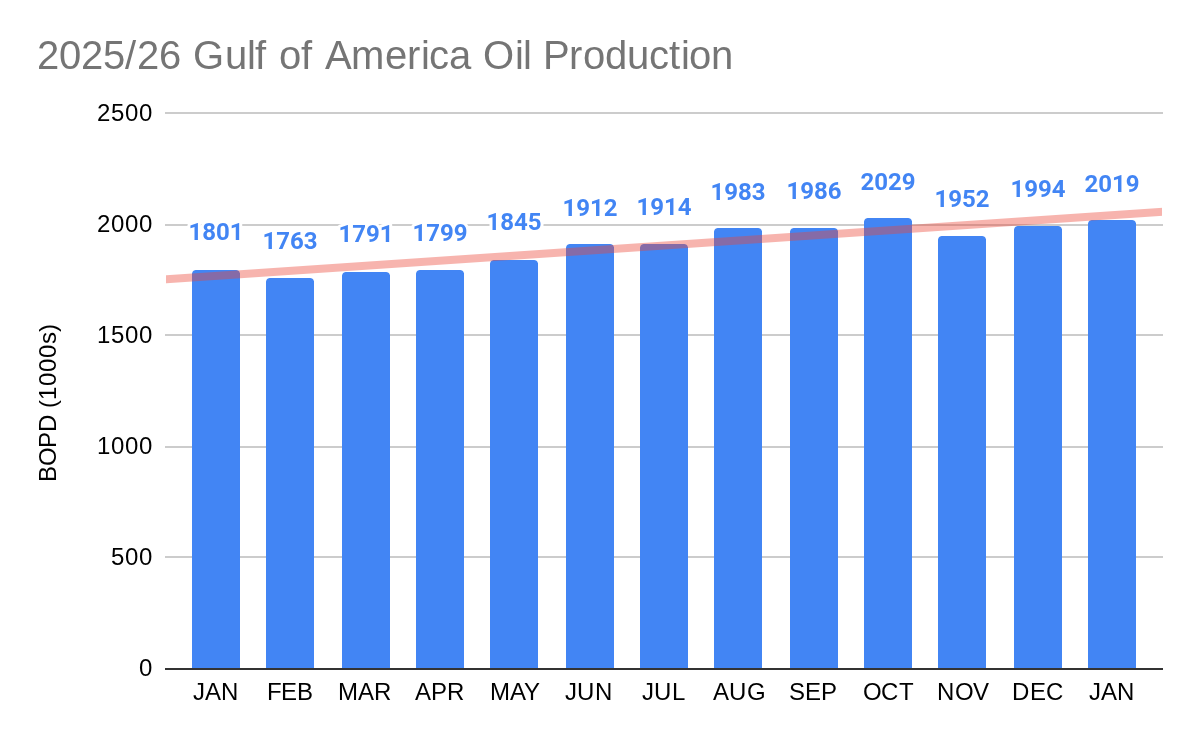
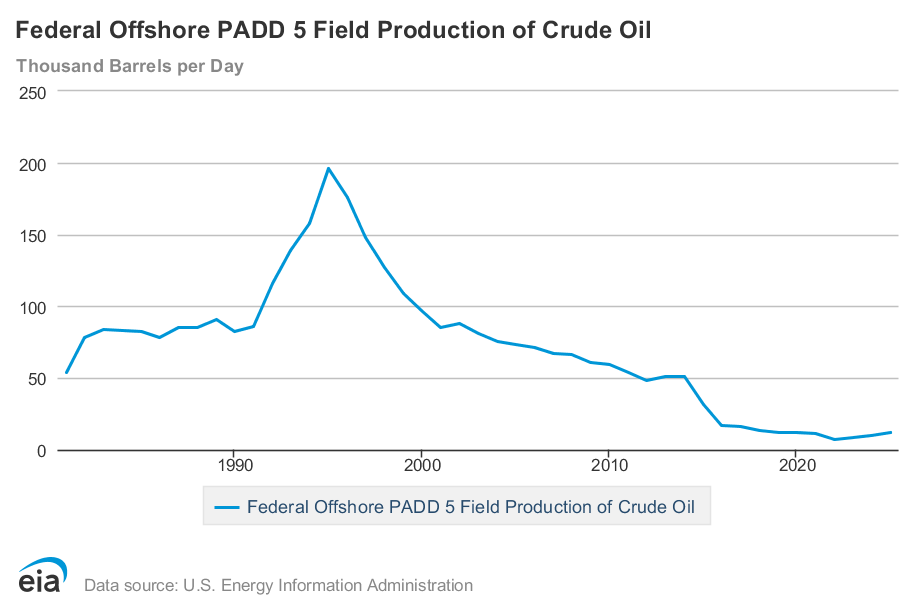
John Smith informs us that the California State Lands Commission is developing an Analysis of Impacts to Public Trust Resources and Values (APTR) for the remaining offshore oil and gas pipeline leases under its jurisdiction. See the attached slides.
The APTR will assess the risks and impacts of continued offshore pipeline use and will include additional analyses related to pipeline integrity, cultural resources, ocean and coastal uses, and economic resources.
John suspects the primary underlying purpose of this study is to build a case for terminating all offshore oil and gas production by imposing requirements that would make offshore oil and gas production uneconomic. This could be accomplished by significantly increasing lease rental and bonding requirements, imposing more stringent pipeline inspection and repair requirements, or requiring operators to shut down or replace pipelines and other aging infrastructure considered by the state to pose an unacceptable risk to the environment.
Also, given that Platform Irene is on a terminated OCS lease and is no longer producing, John and I are wondering why the Irene pipelines are included in the APTR study.