Attached is John Smith’s comprehensive summary of lawsuits related to Sable Offshore’s attempts to restart Santa Ynez Unit production.
If you are keeping score, there are 10 separate cases including a class action lawsuit filed by investors. New legal battles are sure to follow given Sable’s OS&T strategy. Per John:
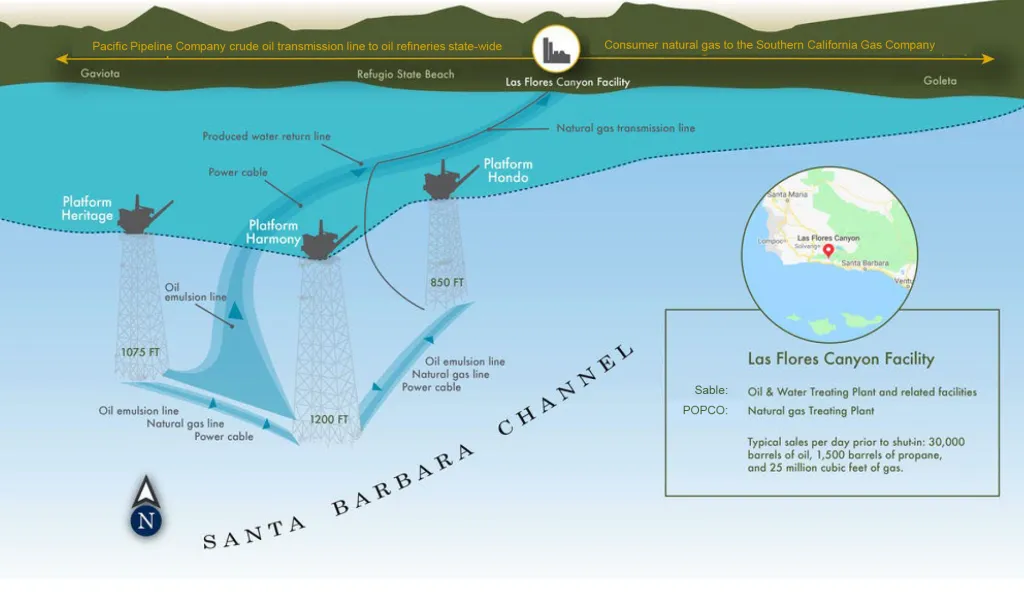
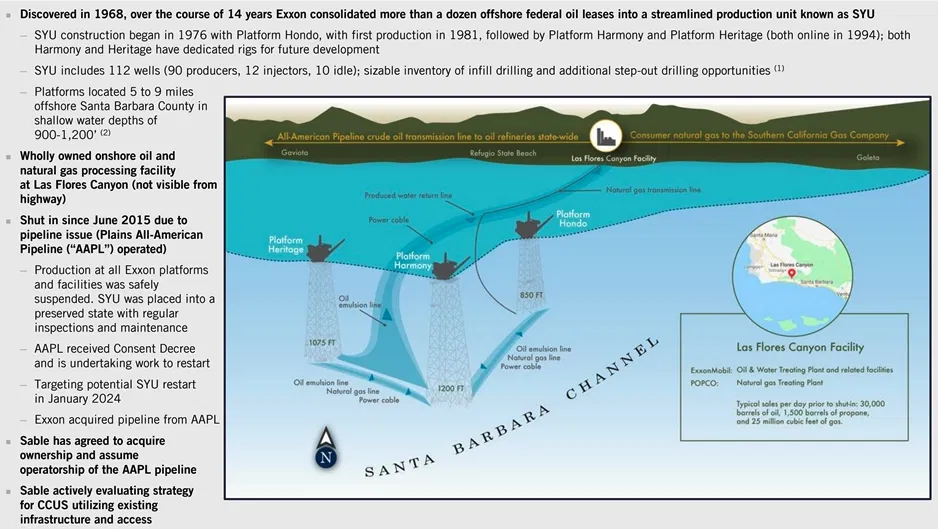
“The combined legal challenges, injunctions, and restraining orders have significantly delayed Sable’s restart plans and prompted the company to pursue an Offshore Storage and Treatment Vessel (OS&T) strategy, which was utilized to process SYU production in federal waters from 1981 – 1994, and transport oil to markets using tankers.“
Attached is a court filing challenging Delaware’s approval of the Coastal Construction Plan for that project. Some interesting points from the filing:
Maryland local governments declined to allow the transmission lines from the Maryland Offshore Wind Project to come ashore in their jurisdictions.
The Governor of Delaware agreed to allow the transmission lines to make landfall at the Delaware Seashore State Park.
The transmission pipelines would then traverse the adjacent Delaware Bays, to an inland substation, from which the power would be sent to Maryland.
US Wind applied for a number of permits from the Delaware Department of Natural Resources (DNREC) specific to horizontal directional drilling, laying cable pipelines, and other coastal construction activity.
The approval process, including provisions for public input, was not consistent with State regulations.
The Secretary’s decision to issue the beach construction permit is supported virtually exclusively by documents which were submitted by US Wind after the close of public comment.
Decommissioning and financial assurance information, a favorite BOE topic for both wind and oil/gas, was submitted after the close of the public record.
John notes that Exxon’s March 26 contractual deadline for Sable to have the SYU up and running is fast approaching. What will Exxon do in the likely event that Sable fails to meet that deadline? Does Exxon want to re-enter the SYU legal and regulatory quagmire?
The SYU’s 500+ million barrels of oil, 3 deepwater platforms, and onshore processing facilities are an enormous prize, but is that prize attainable?
Meanwhile, the latest skirmish between Sable and the Office of the State Fire Marshal (OFSM) pertains to metal loss anomalies and inspection tool tolerances. The dispute is summarized in the linked filing.
Sable contends that the Fire Marshal’s letter contradicts guidance from OSFM staff and provides examples. Sable goes a step further at the end of their response by calling for the FIre Marshal to coordinate better with the experts on his staff:
“We respectfully request that, given this background, you coordinate further with the expert team at OSFM and revisit the statements in your October 22nd letter.”
It’s not looking good for a quick resolution of these issues.
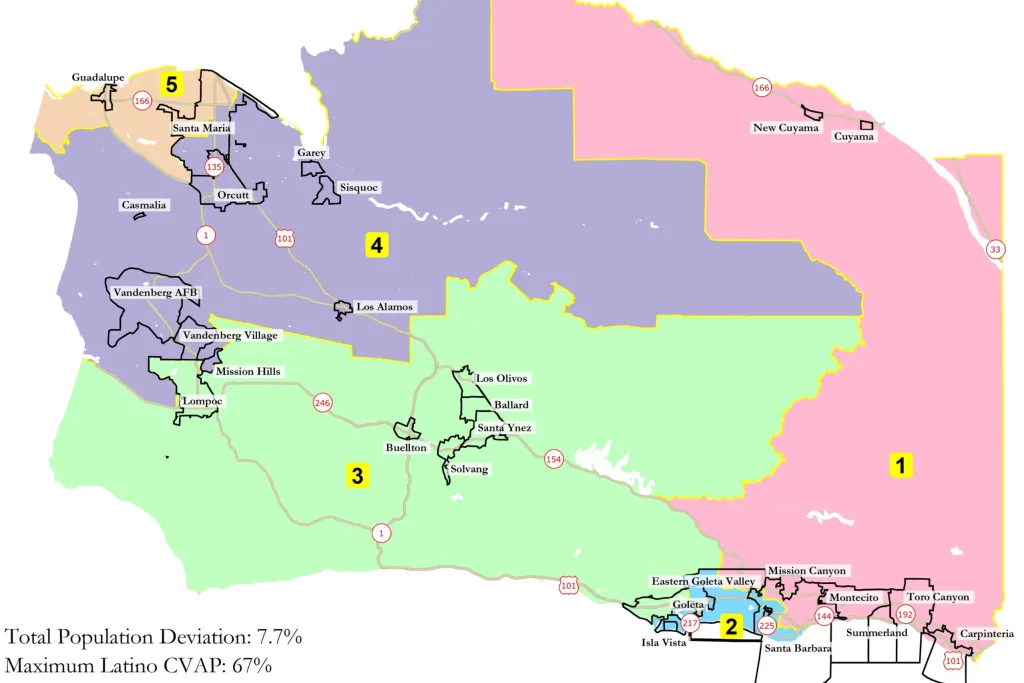
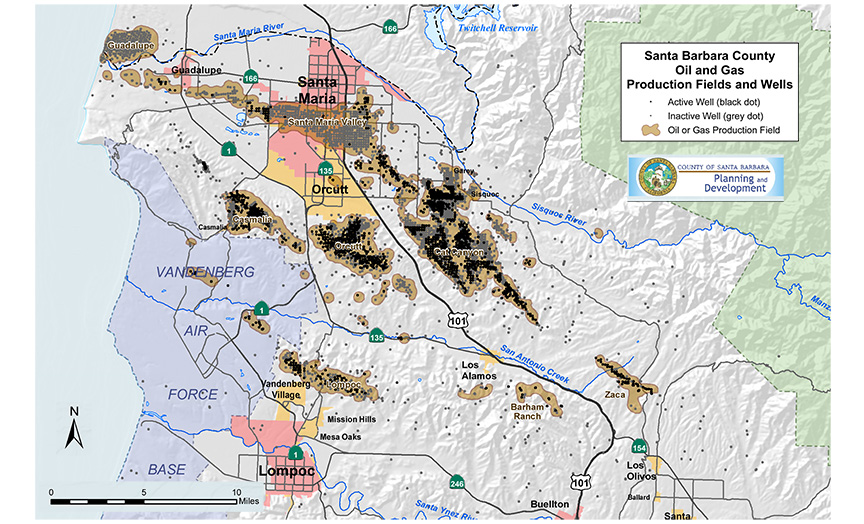
In essence, the 3 Supervisors from South County (Districts 1-3) voted to euthanize an industry that is largely in North County (Districts 4 and 5). Those 3 supervisors, not the marketplace, are terminating a historically important industry. See the maps below.
District BoundariesOil Wells
Supervisors Laura Capps of the Second District, Joan Hartmann of the Third District and Roy Lee of the First District voted for the ordinance.
Ah, but it’s the industry’s fault according to Supervisor Hartmann. She asserted that companies have known since the 1950s about the dangers of climate change, and could have led the way to be part of the solution. How dare they respond to market forces instead of climate ideologues!
Of course, this is the same three vote coalition that is aligned with the Coastal Commission in opposition to the restart of the Santa Ynez Unit, which would benefit the County significantly.
Finally, note that the three supervisors voting for the ordinance represent the districts with the highest income levels and lowest poverty rates. Those opposing the ordinance represent the districts that will be most affected, and have the lowest income levels and highest poverty rates. (See the table below; Information courtesy of Grok AI.)
District
Approx. Median Household Income (2022)
Key Areas Included
Notes
1
$120,000–$140,000
Carpinteria, Summerland, Montecito, parts of Santa Barbara
Affluent coastal communities; high home values (~$1.5M+ median)
2
$95,000–$115,000
Santa Barbara city, Goleta, Isla Vista
Mix of urban professionals, students, and tech; university influence lowers median slightly.
3
$80,000-$95,000
Santa Ynez Valley, Buellton, Solvang, Lompoc
Rural/agricultural with tourism; moderate incomes from wine industry and military base
4
$70,000–$85,000
Lompoc, Vandenberg area, parts of Santa Maria
industrial and defense-related; higher poverty rates (~15–20%).
5
$60,000–$75,000
Santa Maria, Guadalupe
Agricultural North County; majority Latino population; lowest incomes due to farm labor.
Poverty rates: ~8–10% in Districts 1–2 vs. 18–25% in Districts 4–5
Good: OCS oil and gas permitting and inspections appear not to be significantly affected by the govt shutdown to-date. 14 planning documents were approved on Oct. 21, and 37 drilling permits have been approved in Oct. (through 10/21).
Bad: This level of effort is not sustainable given limits on offsetting funds from fees, rentals, etc.
Ugly: The personnel who are performing these duties are not being paid during the shutdown. The longer the shutdown drags on, the greater the hardship on those individuals and their families. Shameful!
Warren Buffett’s proposal would stop deficit spending and address the root cause of shutdowns:
Buffett: “I could end the deficit in five minutes. You just pass a law that says that any time there’s a deficit of more than three percent of GDP, all sitting members of Congress are ineligible for re-election.“
As the above discussion demonstrates, the issue before the Court is not whether the specific work conducted by Sable was or is ultimately necessary or appropriate for pipeline safety. The issue before the Court is whether the Commission abused its discretion in issuing the April 10 Orders under the standards for review by petition for administrative writ of mandate.
Based on the foregoing analysis and a review of all of the arguments of the parties and the AR, the Court finds the Commission’s factual findings are supported by substantial evidence and that Sable has not met its burden to show an abuse of discretion by the Commission in issuing the April 10 Orders.
Accordingly, the petition for administrative mandate as set forth in the first cause of action of Sable’s FAP will be denied.
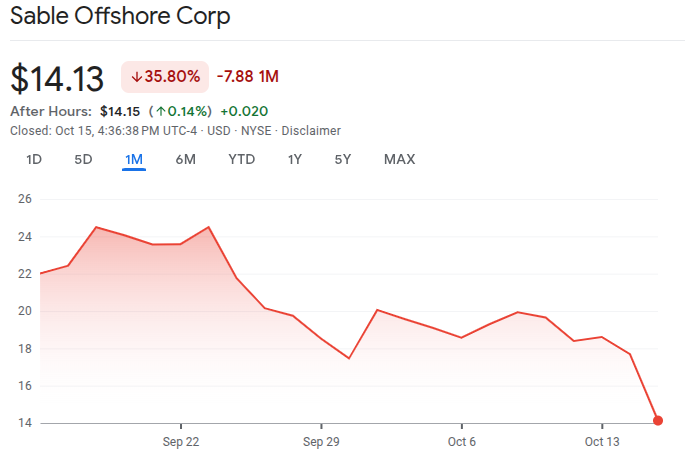
The road ahead for Sable continues to get rockier, and their share price took a major hit today.
As a result, on Sept. 29 Sable Offshore filed a declaratory judgement action against the State of California in Kern County. Sable is asking the court to confirm that the objectionable permitting provisions of SB 237 do not apply to their Las Flores Pipeline System.
Also, on Oct. 6 Sable filed a motion increasing the monetary damages in its ongoing case against the California Coastal Commission to $347 million. Sable asserts that their pipeline repair program was authorized by existing permits issued by the County of Santa Barbara under its Local Coastal Program and delegated Coastal Act authority.
These seem like good tactical moves on the part of Sable.
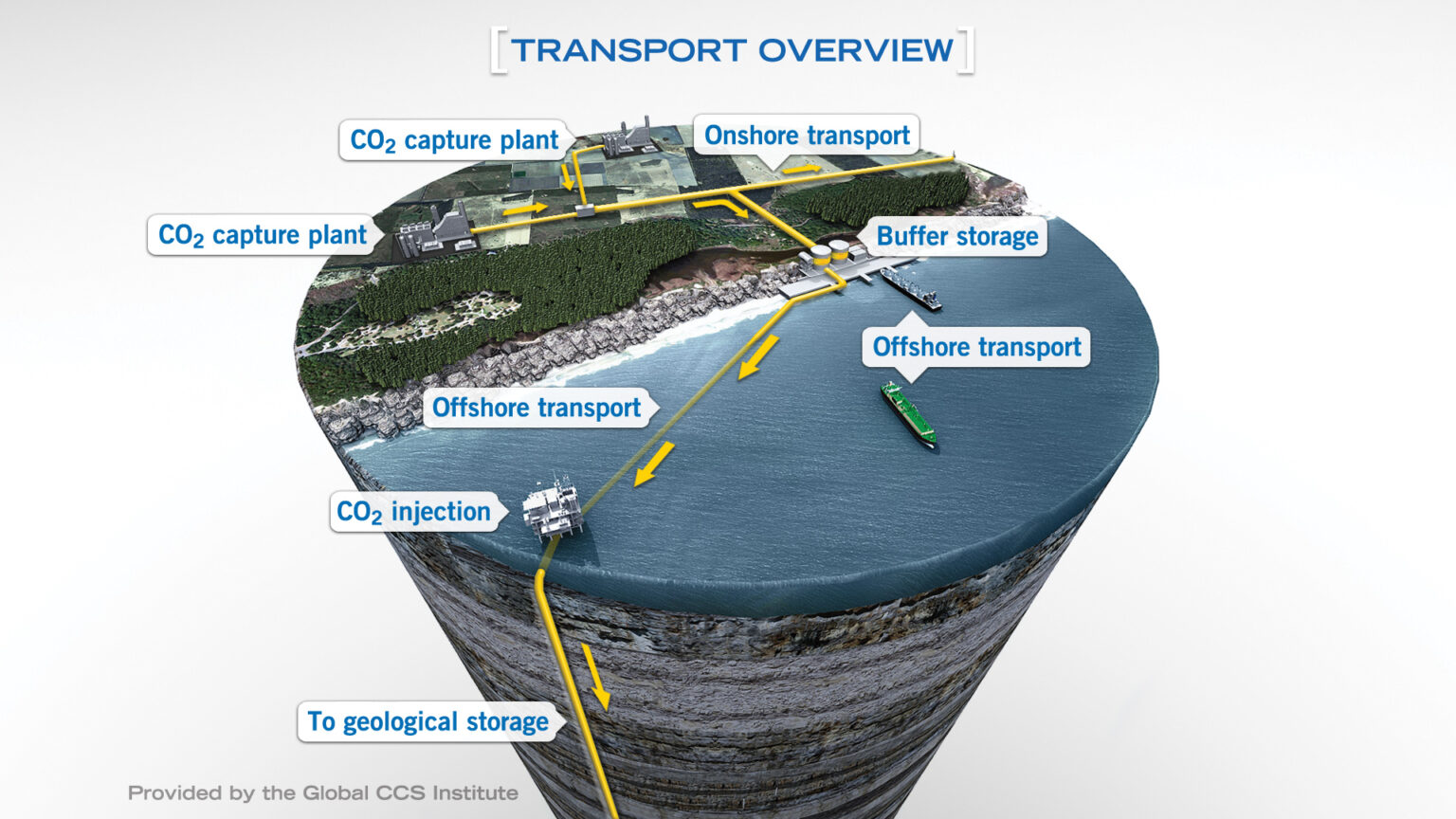
Unsurprisingly, the carbon capture and sequestration (CCS) hype is fading fast. No other carbon strategy is so strongly opposed by both climate change activists and skeptics.
Support for CCS seems to be limited to those seeking to profit from subsidies, mandates, and disposal fees. In 2022, Exxon projected a $4 trillion CCS market by 2050. Pipe dream?
“Highlights” of the Gulf of America OCS carbon disposal era:
amended the OCS Lands act to authorize “the injection of a carbon dioxide stream to sub-seabed geologic formations for the purpose of long-term carbon sequestration.”
exempted CO2 injection from the restrictions on ocean dumping by stipulating that such injection “shall not be considered to be material (as defined in section 3 of the Marine Protection, Research, and Sanctuaries Act of 1972.” Without this exemption, CO2 streams would clearly be “material,” as defined in 33 U.S.C. 1402, and would be subject to the stringent requirements of that act.
directed that “not later than 1 year after the date of enactment of this Act, the Secretary of the Interior shall promulgate regulations to carry out the amendments made by this section.” (This deadline is long past, which is not uncommon for such legislative directives.)
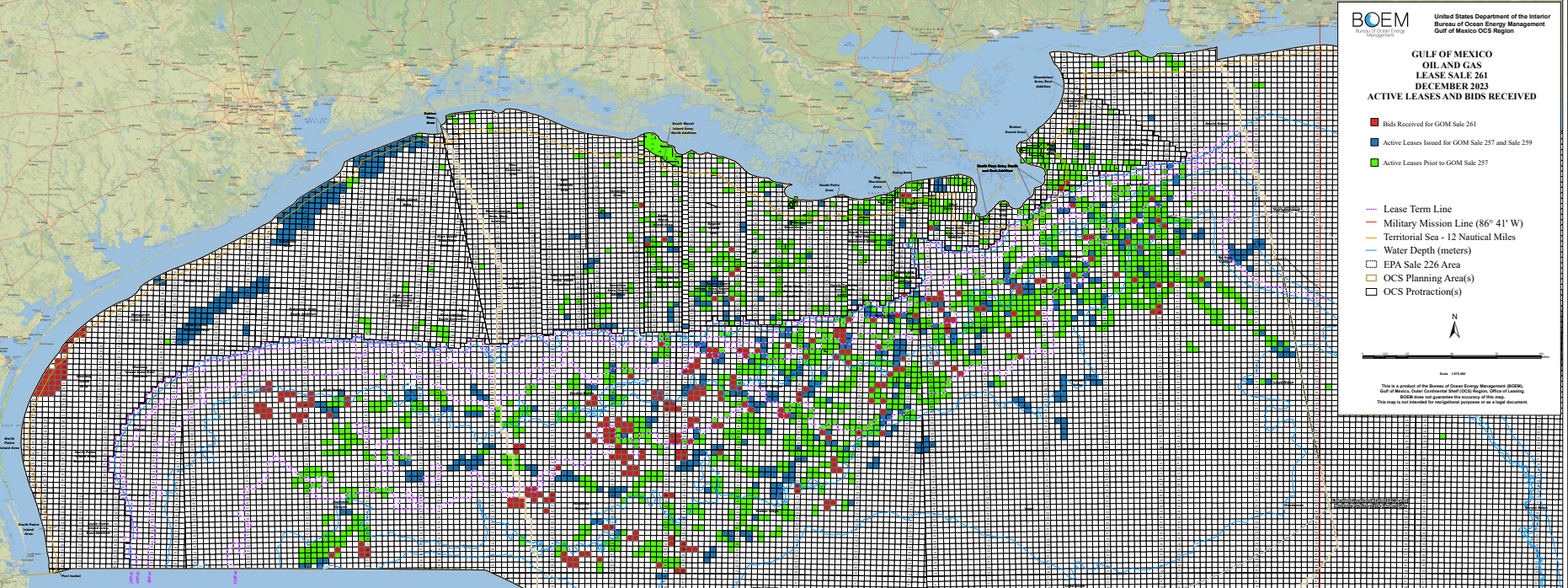
11/17/2021: Not coincidentally, two days after the enactment of this legislation, Exxon was the sole bidder on 94 nearshore tracts with very limited oil and gas production potential. This was an oil and gas lease sale and there were no provisions for carbon sequestration leasing. Nonetheless, Exxon was awarded leases for all 94 tracts. As a result of litigation delaying the issuance of Sale 257 leases until Oct.1, 2022, those 5 year leases will expire in 2027.
3/29/23: Exxon bid at Sale 259 on 69 nearshore tracts with little oil and gas potential. Once again, this was strictly an oil and gas lease sale and Exxon’s CCS intentions were clear. Nonetheless, the leases were awarded.
6/25/2025: For the first time ever, the Federal government felt compelled to stipulate the obvious (proposed lease sale notice for OCS Sale 262) – that an Oil and Gas Lease Sale is only for oil and gas exploration and development.
Gulf of America lease map: 199 oil and gas leases were wrongfully acquired for carbon disposal purposes. At Sale 261, Repsol acquired 36 nearshore Texas tracts in the Mustang Island and Matagorda Island areas (red blocks at the western end of the map above). Exxon had acquired 163 nearshore Texas tracts (blue in map above) at Sales 257 (94) and 259 (69).
Even those of us who are supporters of responsible offshore oil and gas production find it a bit unsavory that some companies are looking to cash in on (and virtue signal about) carbon collection and disposal at the public’s expense. Perhaps companies that believe oil and gas consumption is harmful to society should be seeking to reduce production rather than engaging in enterprises intended to sustain it.
Phil also believes SYU production would reduce natural seepage: “UCSB and State Lands Commission studies (Quigley, Luyendyk, Hornafius, Peltonen, and others) have shown that when oil production is active, reservoir pressure is reduced and natural seepage declines by up to 50%. That means: •Cleaner beaches (less tar and oil) •Cleaner ocean surface (fewer sheens) •Healthier marine life with reduced chronic stress“
Note that those studies are specific to Platform Holly and the Coal Oil Point area. To the best of my knowledge, no studies have associated SYU production with a reduction in natural seepage.
While Platform Holly may be a negative spillage facility (i.e. Holly’s seep reduction may significantly exceed the platform’s production spillage), this type of seepage reduction has not been demonstrated at other platforms. Decisions on offshore exploration and development should be driven by the economic, energy security, and environmental benefits. To the extent that production reduces natural seepage, all the better. However, seepage reduction is not a primary reason for producing offshore oil and gas.
Option 1 (use of existing onshore infrastructure) is preferable from cost, air emissions, spill risk, State and local revenue, and regional energy supply standpoints. This is the only option that makes sense despite the enormous permitting challenges.
Option 2 (floating processing facility and tankers) would literally be an “in your face” act of defiance given the coastal visibility of the offshore facilities. Supporters of this option should be aware that there was no Coastal Zone Management Act when Exxon produced from Platform Hondo (the only SYU platform at the time) to the Offshore Storage and Treatment (OS&T) vessel in the 1980s. An EIS would not favor this option, and the California Coastal Commission would surely rule that this option was inconsistent with their CZM plan. The Secretary of Commerce could overrule the Commission’s decision, but legal objections to the override would seem to have a good chance of success.
The only reasonable path forward is to do the right thing and continue to pursue the State pipeline/onshore approvals. Although these approvals are substantively warranted, more litigation is probably inevitable. It will be far better to defend a good project (option 1) than a contrived workaround (option 2).




 Bud's Offshore Energy (BOE)
Interesting case: Delaware litigation on approval of the Coastal Construction Permit for the Maryland Offshore Wind Project
Posted in decommissioning, energy policy, Offshore Wind, Regulation, tagged Coastal Construction Plan, court filing, decommissioning, Delaware litigation, Maryland Offshore Wind, public comment, US Wind on October 29, 2025| Leave a Comment »
The Dept. of the Interior is currently reconsidering approval of the Construction and Operations Plan for the Maryland Offshore Wind Project (US Wind).
Attached is a court filing challenging Delaware’s approval of the Coastal Construction Plan for that project. Some interesting points from the filing:
Read Full Post »