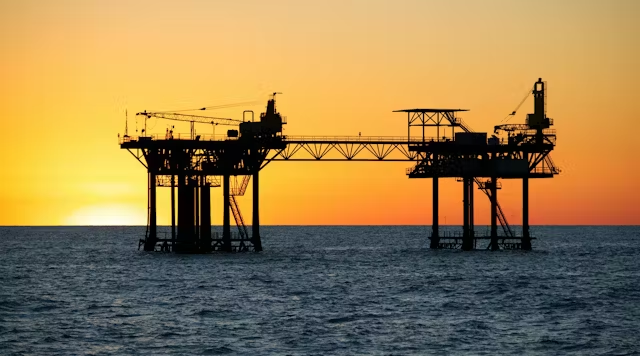
The first public comments on BOEM’s proposed revisions to the decommissioning financial assurance requirements have been posted. A good comment letter (attached) was submitted by natural resource management students at the University of Arizona. The students oppose the proposed revisions. Among their concerns (additional thoughts added in parentheses):
- Increased environmental risks. (Accidents, hurricanes, and other events may introduce decommissioning risks that require both immediate and longer term attention and financial resources. Such incidents typically increase decommissioning costs by orders of magnitude, and can even bankrupt financially sound companies. See “Sad End for Taylor Energy.”)
- Firms with lower credit ratings would no longer have to hold as much capital in reserve and would have a lower bar of entry into projects. (See comments by John Smith.)
- The possibility of cascading economic impacts in the event that bankruptcy does occur. (Which predecessors will be affected and how? What about contractors? How long will bankruptcy litigation delay resolution of claims? Will bankruptcy court asset sales increase public financial, safety, and environmental risks?)
- Taxpayers would be facing a portion of the risk. (Predecessors are only accountable for the facilities they installed, so holding predecessors liable doesn’t free the taxpayers from all financial risks.)
- The entire energy sector faces increased risks when operating companies fail. (Prominent failures damage the reputation of the industry and the OCS program, with implications for the economy and national security.)
Before relaxing financial assurance requirements, BOEM should consider the role that lax lease assignment and financial assurance policies had in the growth of Fieldwood, Cox, Signal Hill, Black Elk, and other failed companies.




Comments from the California AG and Sable Offshore on the special permit application to PHMSA
April 8, 2026 by offshoreenergy
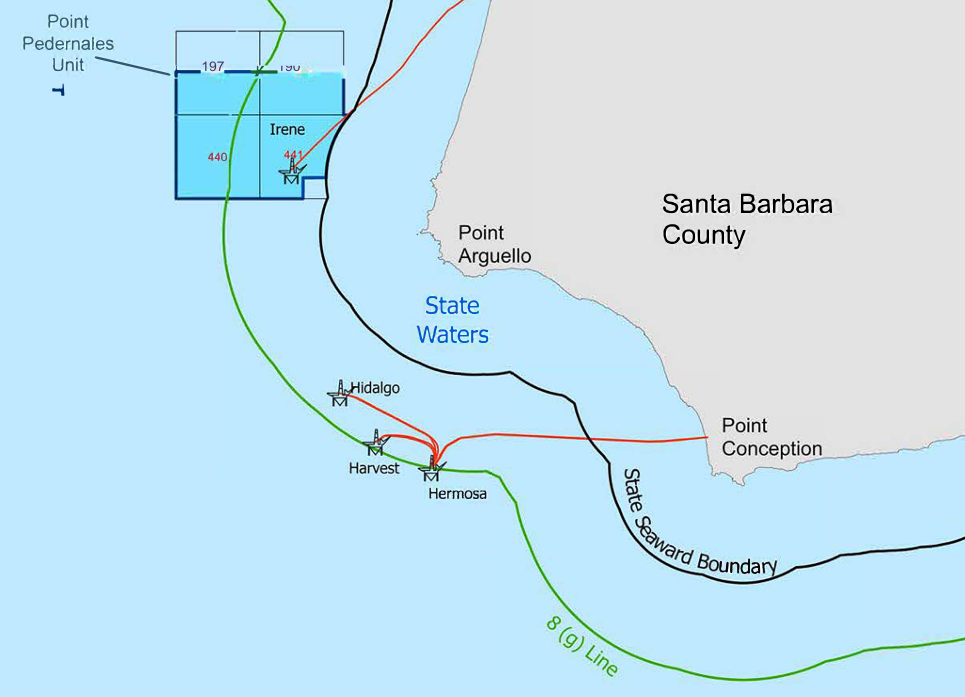
I’m attaching the complete comment letters from Sable Offshore and their main antagonist, California Attorney General Bonta, in response to PHMSA’s public notice and request for comments on Sable’s special permit application.
Summary of the California AG’s assertions:
“First, PHMSA is without authority to grant such a special permit because Lines CA-324/325 are intrastate pipelines and California regulators have sole regulatory oversight over any attempt to restart these Lines and issue state waivers. Second, California has vested interests in ensuring Lines CA-324/325 operate safely and PHMSA’s proposed special permit would dilute the higher state safety standards that were imposed on Sable and therefore it is inconsistent with pipeline safety. 49 C.F.R. § 190.341(d). Third, given the fact Line CA-324 already failed and caused a catastrophic oil spill in 2015 in Santa Barbara County, even if PHMSA had authority to issue a special permit (which it does not), a more robust environmental analysis needs to be performed. Fourth, PHMSA unlawfully invokes the Endangered Species Acts’s emergency consultation procedures and has given no indication that it will consult with the National Marine Fisheries Service, in violation of the Act. Finally, Secretary Wright’s March 13, 2026, order (“DPA
Order”) does not change anything about the propriety of the Application, because the DPA Order itself is unlawful.”
Summary of Sable’s position (screenshot):
You can sample the other public comments, some of which are quite good, by visiting the Regulations.gov docket.
Posted in California, energy policy, Offshore Energy - General, pipelines, Regulation | Tagged California AG, comment letters, PHMSA, pipeline, Rob Bonta, Sable Offshore, Santa Ynez Unit, special permit | 2 Comments »