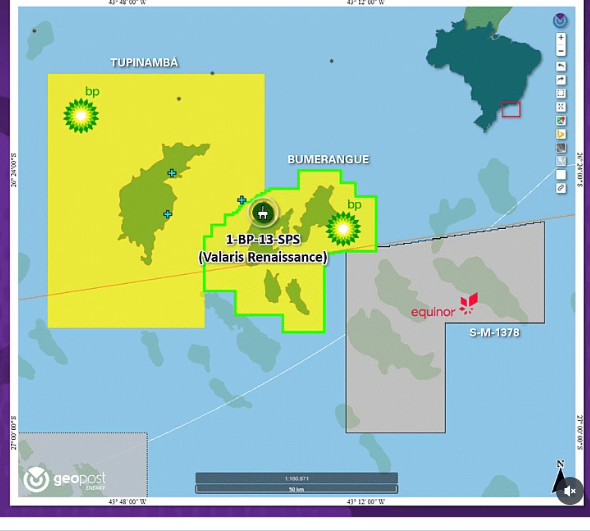
Per bp, the Bumerangue block well is located in the Santos Basin, 404 kilometres from Rio de Janeiro, in 2,372 metres of water. The well was drilled to a total depth of 5,855 metres.
Looks like the buzz may be warranted:
The well intersected the reservoir about 500 metres below the crest of the structure and penetrated an estimated 500 metre gross hydrocarbon column in high-quality pre-salt carbonate reservoir with an areal extent of greater than 300 square kilometres.
North Sea pioneer, JL Daeschler, reports from Scotland that “more than 13,000 Scots oil and gas jobs have been lost in the space of just one year while over 40% of the UK’s energy needs is being imported ….”
The UK’s self destructive energy policy, while sadly not unique, is particularly troubling because of the North Sea’s enormous contribution to the domestic economy over the past 50 years. As Gillian Bowditch aptly commented:
“We all want to protect our environment and Scotland, with its vast natural resources and expertise in energy, should be leading the way. Instead, we have squandered an opportunity in favour of a facile show of moral posturing.”
New Zealand may again issue new oil and gas permits following yesterday’s action by parliament.
The extent to which this will result in new exploration remains to be seen. Increased natural gas production is the primary objective.
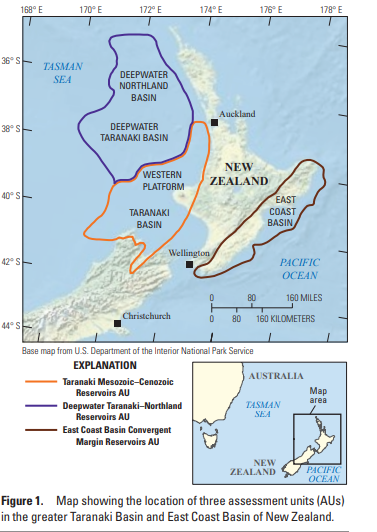
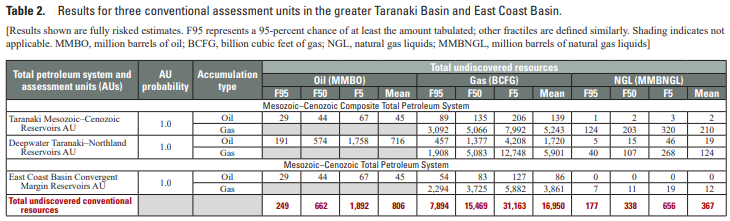
USGS (2020) undiscovered resource estimates are encouraging. The fully risked total for natural gas is 17 Tcf (mean), with a range of 7.9 to 31.1 Tcf. See the table pasted below.
Policy shift at a glance:
April 2018:New Zealand is halting all new offshore oil and gas exploration to become a global leader in the fight against climate change, the centre-left government said Thursday, but opponents accused it of “economic vandalism”.
June 2024: The country’s coalition government is preparing to invite energy companies to resume exploration in the three major offshore fields that supply most of its gas. It comes after National Grid operator Transpower was last month forced to warn families to limit their electricity usage to avoid a shutdown during a cold snap.
July 31, 2025: Parliament reverses the law banning new offshore oil and gas exploration permits.
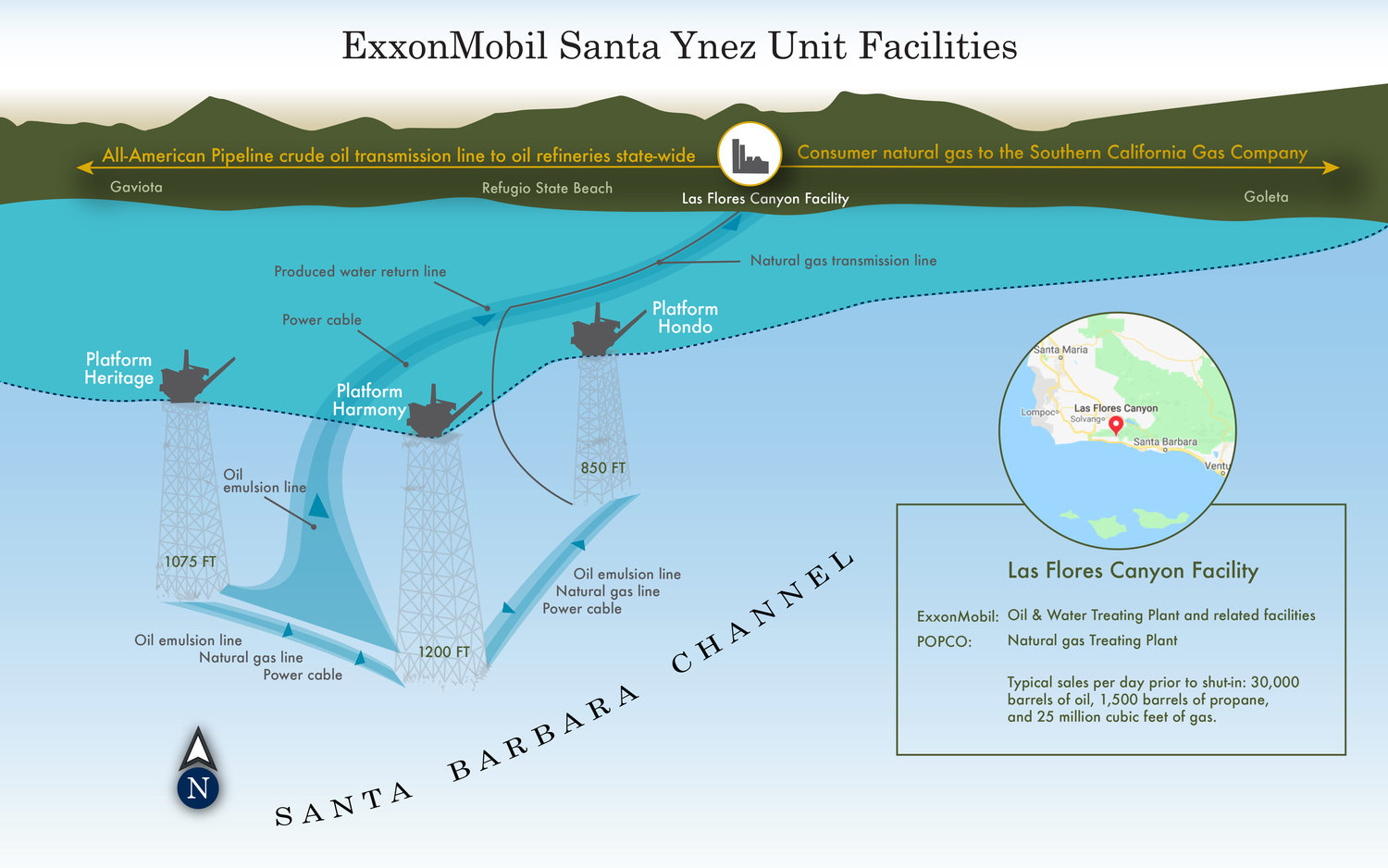
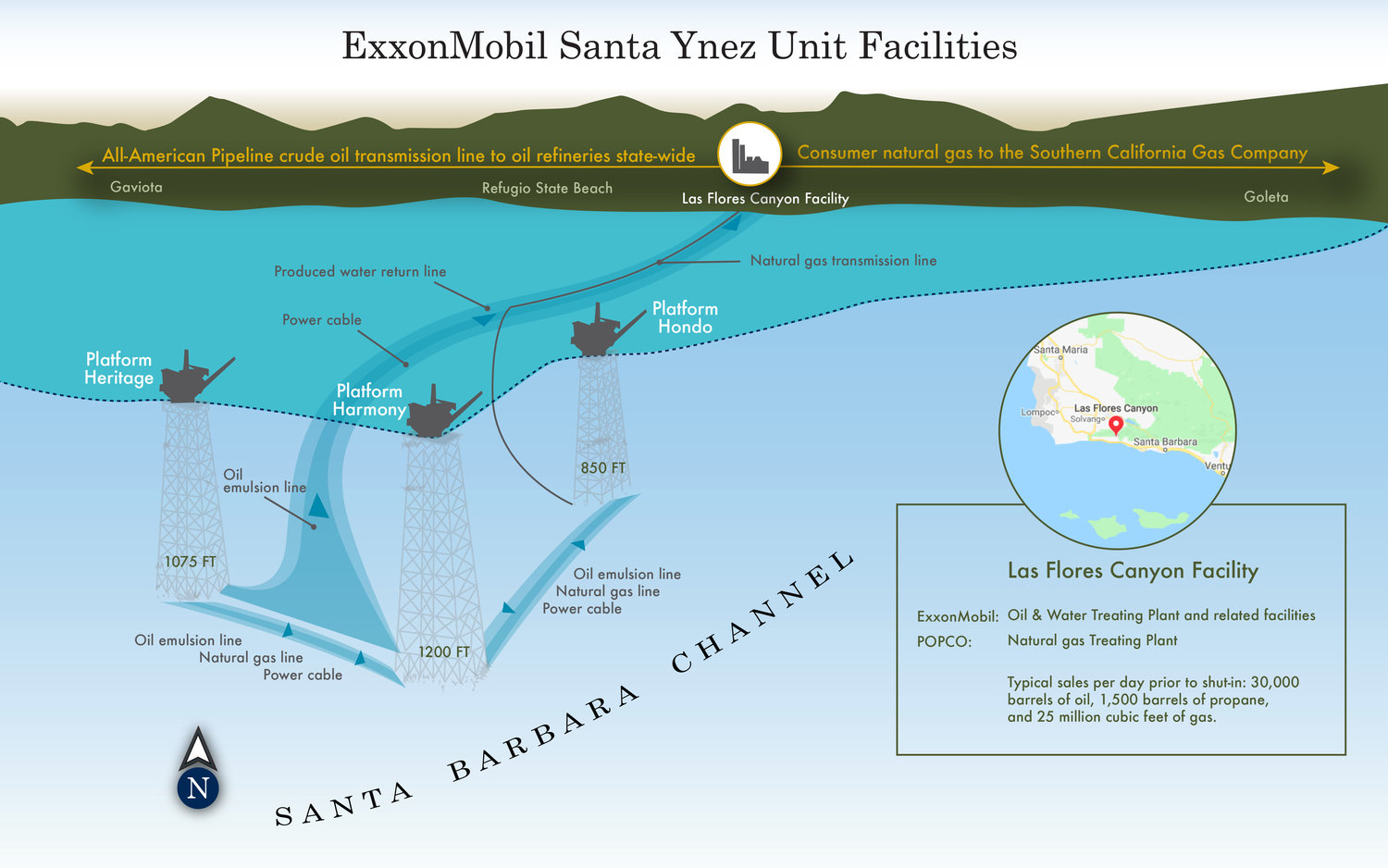
On July 25, 2025, more than 2 months after Sable’s brief production restart and 7 weeks after a court decision halted further production, BSEE surprisingly announced the resumption of Santa Ynez Unit (SYU) production boasting:
“This is a significant achievement for the Interior Department and aligns with the Administration’s Energy Dominance initiative, as it successfully resumed production in just five months.“
Were the authors of the press release unaware that the SYU production, which was largely from well tests, was halted by court order shortly after it began? More philosophically, is such cheerleading appropriate for the principal safety regulator, particularly given that BSEE is engaged in litigation over its practices in facilitating SYU production?
Ironically, just 3 days after BSEE hailed the resumption of production, the attached lawsuit was filed on behalf of investors who purchased Sable Offshore securities between May 19, 2025 and June 3, 2025. BOE contributor John Smith shared the filing.
The plaintiffs allege misleading statements regarding the resumption of production. Some of the key points cited in the filing:
On May 19, 2025, before the market opened, the Company issued a press release entitled “Sable Offshore Corp. Reports Restart of Oil Production at the Santa Ynez Unit and Anticipated Oil Sales from the Las Flores Pipeline System in June 2025.”
The release informed that Sable expected to fill the ~540,000 barrels of crude oil storage capacity at LFC (Los Flores Canyon onshore processing facility) by the middle of June 2025 and subsequently recommence oil sales in July 2025.
Following the May 19 Press Release, Sable Offshore stock climbed from a closing price of $28.86 per share on May 16, 2025 to $33.02 per share on May 19, 2025, a 14.4% climb in share price.
Contrary to Defendants’ representations, Sable Offshore had not resumed commercial production off the coast of California.
Defendants then used the share price appreciation following the May 19 Press Release to conduct a secondary public offering (or “SPO”) at a higher offering price per share than would have otherwise been possible.
State Lands Commission staff informed the Lt. Gov./Commission Chair that the limited oil flows were the result of well-testing procedures required by BSEE prior to restart. These activities did not constitute a resumption of commercial production or a full restart of the SYU.
Characterizing testing activities as a restart of operations is not only misleading but also highly inappropriate –particularly given that Sable has not obtained the necessary regulatory approvals to fully resume operations at SYU.
Any attempt to restart commercial operations at the SYU without final regulatory approvals may place the company in violation of its lease terms and jeopardize the status of Sable’s holdover State lease.
Santa Barbara County Judge Thomas Anderle granted a preliminary injunction requested by the California Coastal Commission against Sable Offshore for alleged violations of The California Coastal Act.
NRW contracted with Array Petroleum to operate the former Cox Assets. Array subsequently sued NRW, asserting that NRW received $78,000,000 in revenue, but disbursed only about $48,000,000 to pay Array’s invoices and those of the subcontractor.
The court filing claimed that NRW failed to pay Array $2.5 million, the subcontractors $10.7 million, and the United States $12 million. A large share of the subcontractor costs were probably for well operations given that 21 Array workover applications were approved in 2024 and 2025. The $12 million due to the Federal government is reportedly for royalty payments. Were any revenues set aside for decommissioning liabilities?
Array’s lawsuit was dismissed by the court on January 3, 2025, after a joint motion to dismiss was filed by the defendants. Information on the reasons for the dismissal is not publicly available.
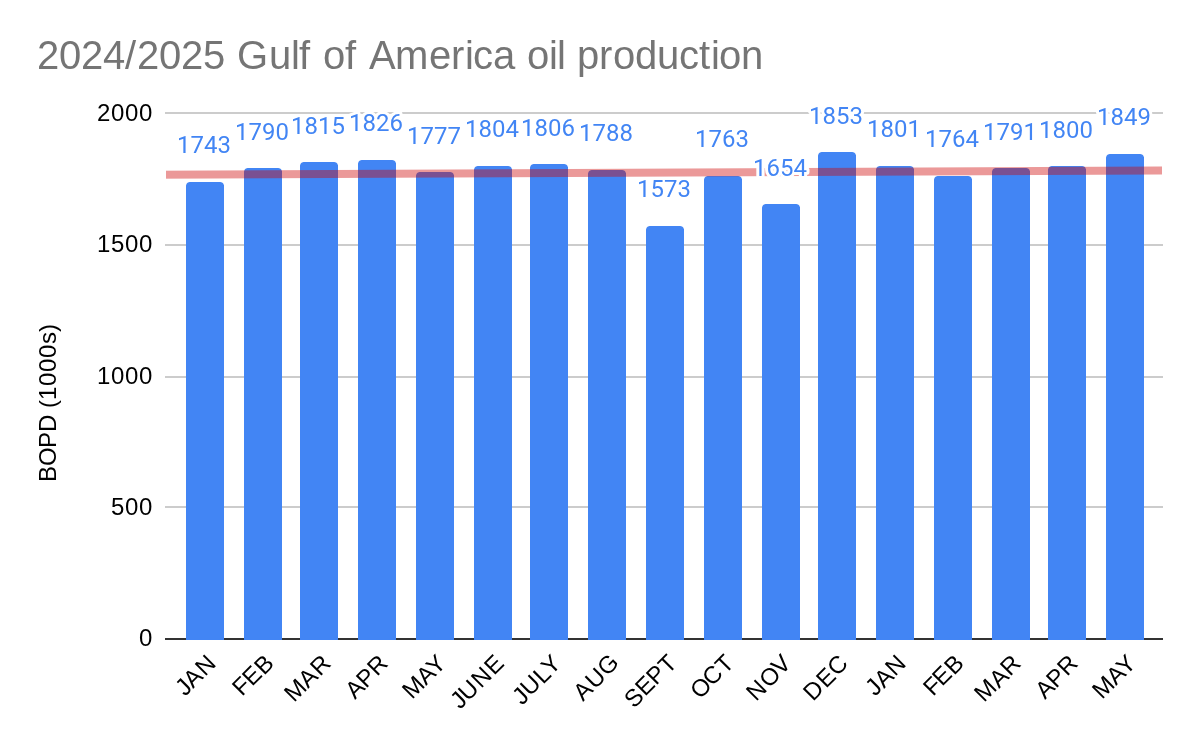
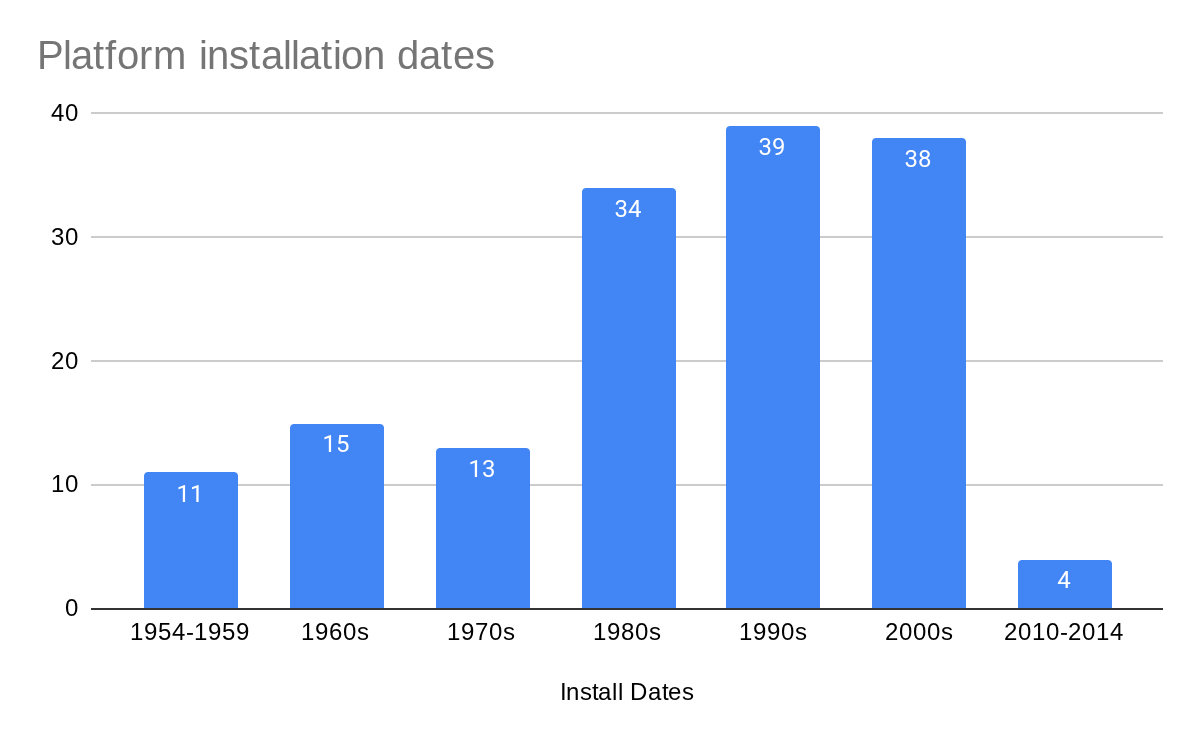
Old platforms: According to BOEM records, Array operates 154 platforms previously owned by Cox. These platforms are in the Ship Shoal, South Marsh Island, and West Delta areas of the Gulf of America. Most are >30 years old and four are more than 70 years old (see chart below). 41 are classified as major structures including 15 of the 26 platforms installed in the 1950s and 1960s. 44 are manned on a 24 hour basis. 79 have helidecks. Massive decommissioning liabilities loom.
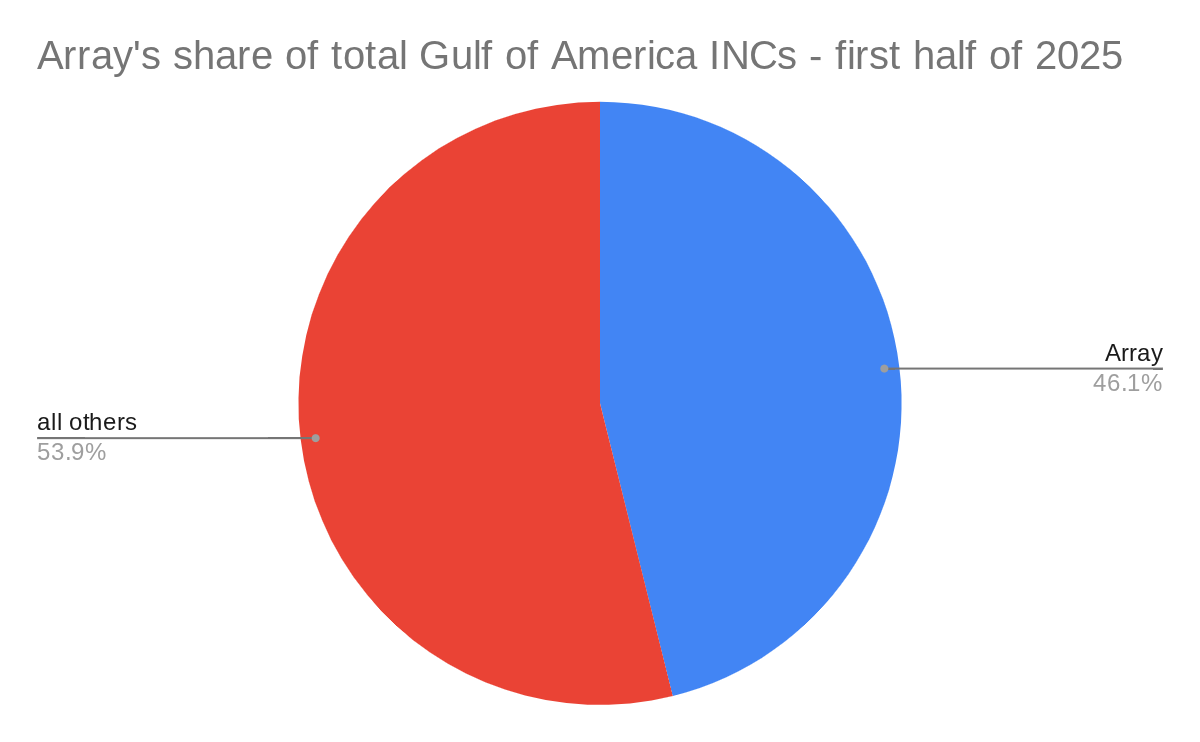
Violations: NRW/Array ranks 37th out of 42 companies in GoA oil production (2025 YTD) and 36th out of 42 companies in gas production, but leads the pack in Incidents of Noncompliance (INCs):
Array accounted for nearly half of all GoA INCs issued in the first half of 2025 (chart below).
Array was issued 9 times more warning INCs (311) than any other operator. Apache was second with 34.
There are many small and mid-sized companies that are responsible operators. Their participation in the OCS program should be encouraged. However, others have demonstrated, by their inattention to financial and safety requirements, that they are not fit to operate OCS facilities.
The growth of Fieldwood, Cox, Signal Hill, and Black Elk was in part facilitated by lax lease assignment and financial assurance policies.
Operating companies should have to demonstrate that they can operate safety and comply with the regulations before they are approved to acquire more properties.
Expect the ultimate public cost of the Cox bankruptcy, in terms of decommissioning liabilities and the need for increased oversight, to be large.
The Federal govt (Justice/Interior) should strongly oppose bankruptcy court asset sales that increase public financial, safety, and environmental risks.
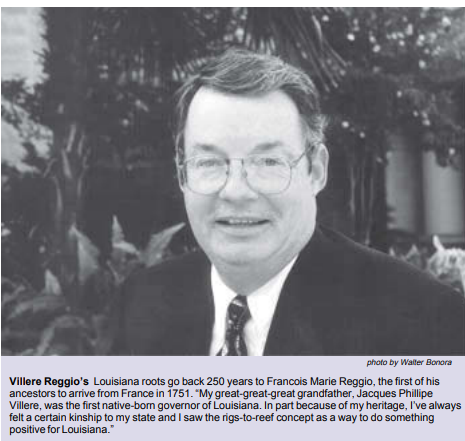
Not mentioned in the film are the extraordinary efforts of the Mineral Management Service’s Villere Reggio in establishing the Rigs to Reefs program. Villere (pictured below), has a most interesting family history as summarized in the caption. See p. 3 of this issue of MMS Today for the complete article.
In the Independent, Nick Welsh aptly described the latest court decision in the long and winding road that Sable Offshore hopes will lead to Santa Ynez Unit production:
“When Judge Donna Geck got through ruling on the latest showdown between Sable Offshore Oil and Santa Barbara’s environmental establishment last Friday morning, it wasn’t clear if the no-nonsense judge cut the proverbial baby in half or kicked the can down the proverbial road.”
Bottom line: The judge will “continue to bar the Fire Marshal from taking any steps to process Sable’s restart application until 10 days after Sable had received all the necessary permits and approvals from the myriad of state, federal, and local agencies that enjoy some degree of regulatory oversight over the proposed project.” Does that mean any agency, even one with a minor or questionable role, can block the project?
As the author notes:
“As of this writing, it’s not entirely clear which of those agencies have yet to issue Sable the permits it needs to start the restart process and when they’re likely to do so, if at all. Even less clear is whether there’s any agreement among the dueling parties as to which agencies have standing to even weigh in.”
My comments in response to the Dept. of the Interior’s regulatory reform notice are attached. First and foremost, I believe these recommendations would reduce safety and environmental risks. Second, I am confident that they would also reduce governmental costs and the regulatory burden on industry.
The first attachment discusses regulatory fragmentation and recommends actions to reduce the complexity and redundancy of the offshore regulatory regime. The second attachment proposes a Drilling Safety Leaders Pilot Program as a means of evaluating a more adaptable framework regulatory framework for operators with outstanding performance records.
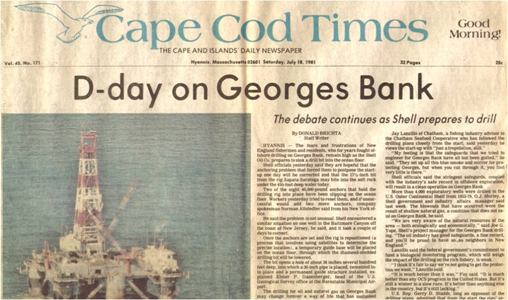
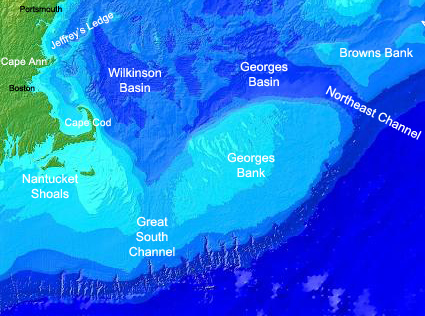
44 years ago today, drilling began on the first two exploratory wells on Georges Bank, the large seafloor feature that separates the Gulf of Maine from the Atlantic Ocean. The above Cape Cod Times headline attests to the drama that was unfolding 155 miles southeast of Nantucket.
After years of debate, oil embargoes, gas lines, and the threat of future supply disruptions tipped the political balance in favor of offshore leasing, and OCS Sale No. 42 (North Atlantic) was held one week before Christmas in 1979. Remarkably, only 19 months elapsed between the lease sale and the initiation of drilling.


 Bud's Offshore Energy (BOE)
Regulatory reform comments
Posted in energy policy, Offshore Energy - General, Regulation, tagged comments, Department of the Interior, drilling Safety leaders, pilot program, regulatory burden, regulatory fragmentation, regulatory reform on July 23, 2025| Leave a Comment »
My comments in response to the Dept. of the Interior’s regulatory reform notice are attached. First and foremost, I believe these recommendations would reduce safety and environmental risks. Second, I am confident that they would also reduce governmental costs and the regulatory burden on industry.
The first attachment discusses regulatory fragmentation and recommends actions to reduce the complexity and redundancy of the offshore regulatory regime. The second attachment proposes a Drilling Safety Leaders Pilot Program as a means of evaluating a more adaptable framework regulatory framework for operators with outstanding performance records.
Read Full Post »