Feeds:
Posts
Comments

Posts Tagged ‘idle iron’

The subject Regulatory Agenda is attached. The proposed update to decommissioning requirements (abstract below) should attract attention! I would assume that, in addition to meeting Coast Guard requirements, a toppled structure would have to be accepted into a State reefing program. Otherwise the liability risks would be unacceptably high.

REVISIONS TO DECOMMISSIONING REQUIREMENTS ON THE OCS
Legal Authority: Outer Continental Shelf Lands Act, 43 U.S.C. 1331 to 1356a
Relevant Executive Orders: 14154
Abstract: This rule proposes to set ‘‘topple in place’’ as the default decommissioning standard, on the condition that such circumstances meet U.S. Coast Guard navigational requirements. This proposed rule would also address issues that may include to (1) idle iron by adding a definition of this term to clarify that it applies to idle wells and structures on active leases; (2) abandonment in place of subsea infrastructure by adding regulations addressing when BSEE may approve decommissioning-in-place instead of removal of certain subsea equipment; (3) BSEE approval for platform or facility toppling in place; and (4) other operational considerations.
Timetable:
Action Date FR Cite
NPRM ……………… 07/00/27
NPRM Comment Period End. 10/00/27

No date for a final Arctic drilling or decommissioning financial assurance rule is projected. With regard to the latter, many important issues were raised by commenters, and a new proposal is likely and desirable.

A rule writer’s work is never done! Entire careers have been spent updating a single regulation! 😉
Read Full Post »

John Smith shared an outstanding paper (attached) that was presented by co-author Robert Byrd at the SPE Regional Meeting in Garden Grove, CA last week.  


John Smith: “My objective in writing the paper is to hopefully spur legislators to recognize the benefits of reefing and the legislative fixes required to facilitate reefing and the removal of aging infrastructure.  The California Department of Fish and Wildlife Habitat Lead was very complimentary of the paper and has distributed it to the Interagency Team which is developing a California Artificial Reefing Plan.”  

John adds: “They are in the process of creating a statewide artificial reef plan and you can sign up for updates and get more information. The California Artificial Reef Program (CARP) Plan won’t discuss the specifics of Rigs-to-Reefs but will be compliant with the National Fisheries Enhancement Act and National Artificial Reef Plan and meet the BSEE requirement of having an adopted state artificial reef plan. The intent is to add an addendum to the plan when resources become available to move Rigs-to-Reefs forward in California. You can check out the latest program update that further discusses the CARP Plan and Rigs-to-Reefs.”

Read Full Post »

NOPSEMA has kindly provided links for the slides presented at the 3-4 October International Regulators’ Forum Offshore Safety Conference in Perth, Australia. They will be uploading the video recordings at a later date.

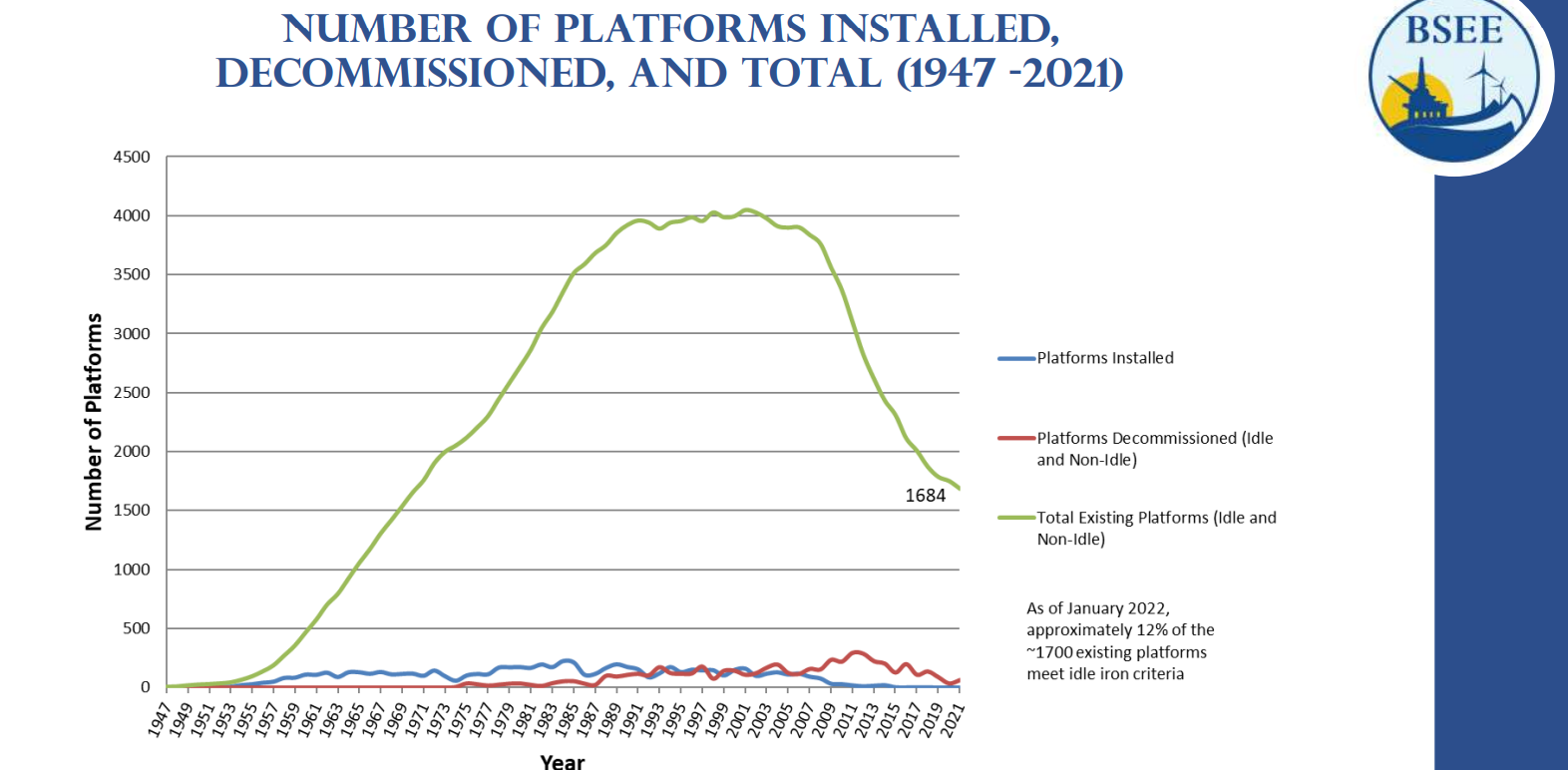
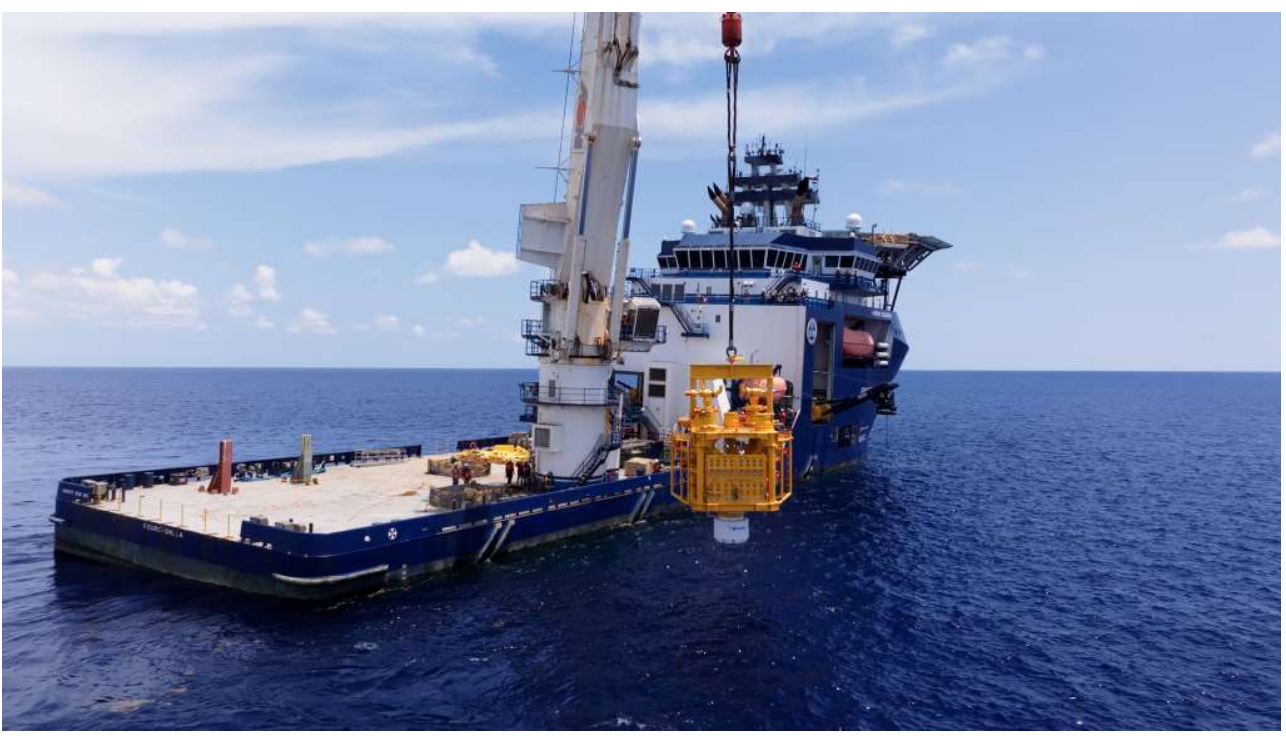
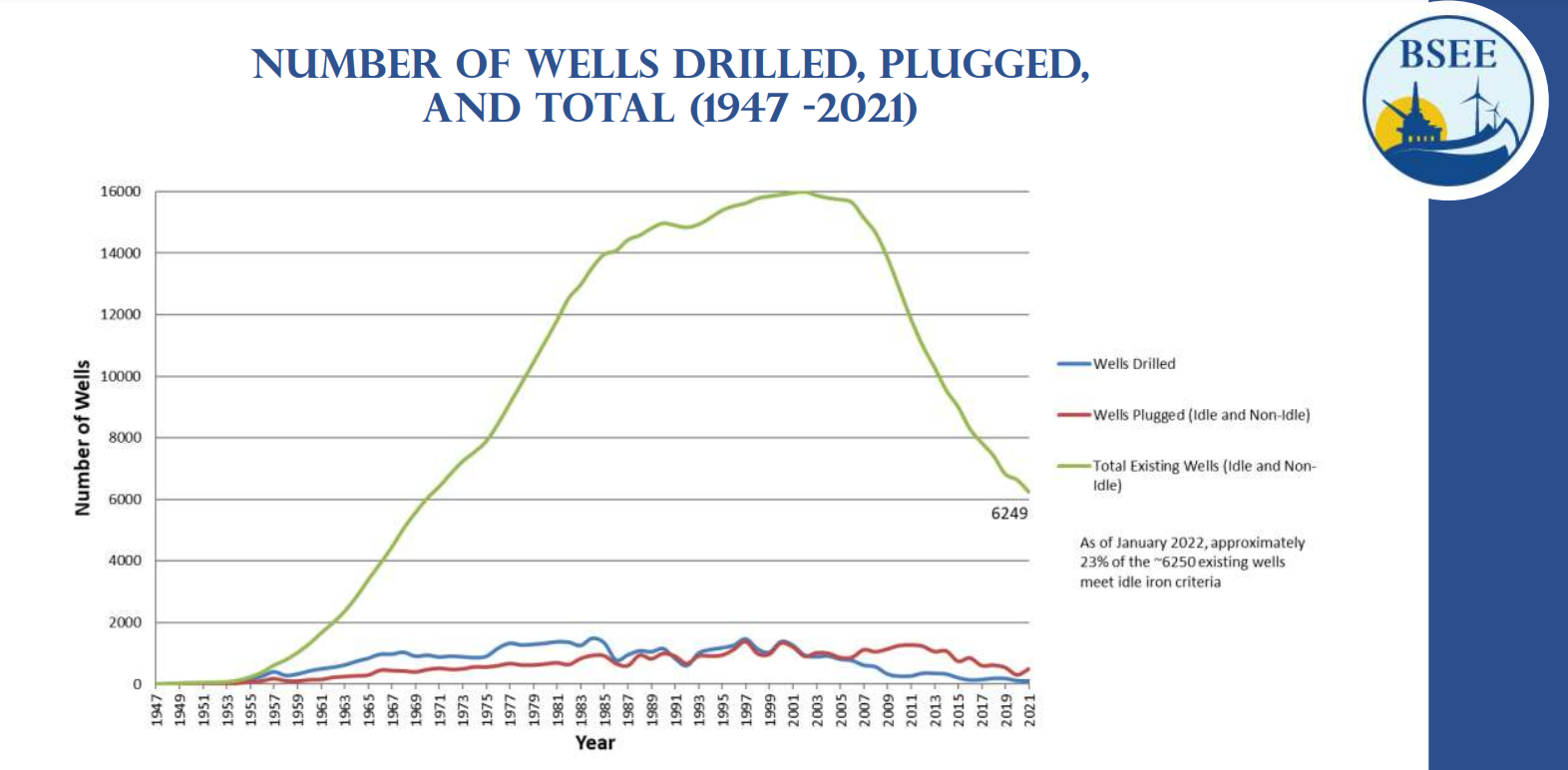
On day 2 (stream 2) Bryan Domangue (BSEE) presented updated data on the progress that is being made in plugging inactive wells and decommissioning idle platforms (see the charts pasted below). In the following session, Bryan made an interesting presentation on the capping stack deployment exercises in the GoM (picture below).

For excellent slides on investigation and sharing the lessons learned, see session 9 (day 2, stream 1).

Agenda

capping stack deployment exercise, Gulf of Mexico

Read Full Post »

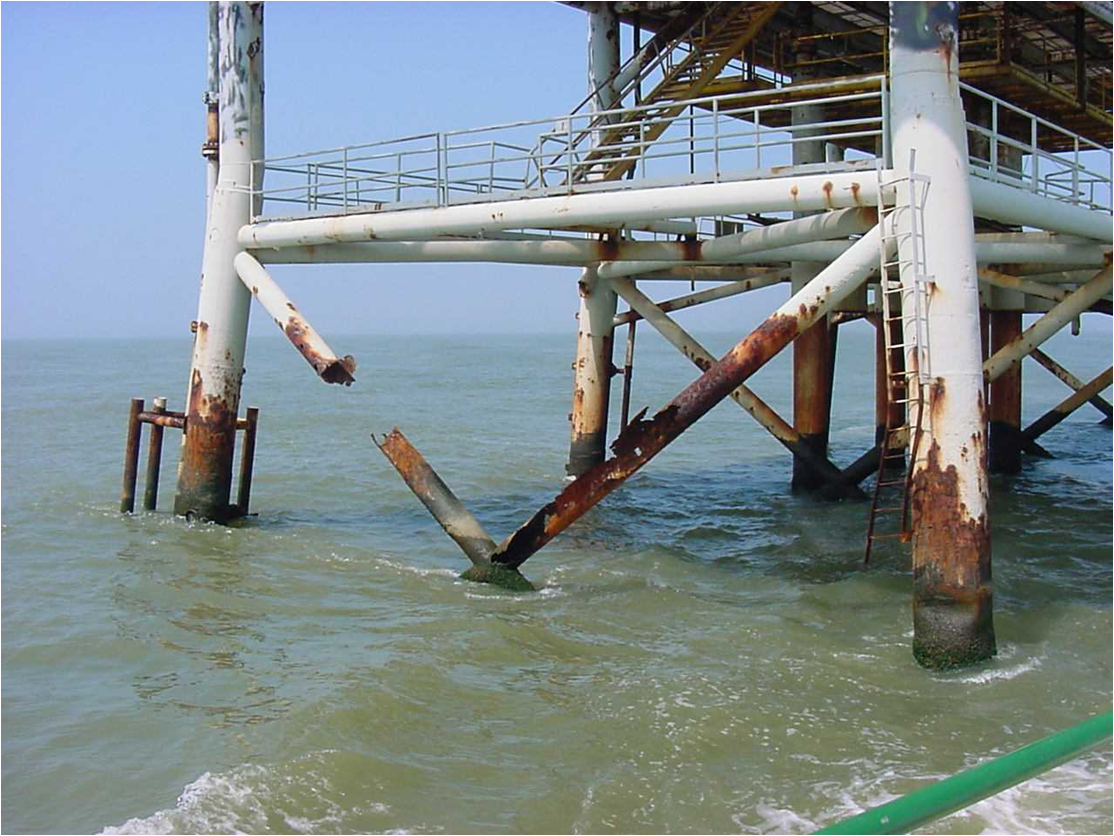
The Bureau of Ocean Energy Management, Regulation, and Enforcement (BOEMRE) has issued a Notice to Lessees and Operators (NTL) that specifies deadlines and other requirements for plugging and abandoning non-producing wells and removing platforms that no longer have utility. In my view, this regulatory action is necessary, appropriate, and consistent with authority provided in the Subpart Q (for quit :)) Decommissioning regulations. Post-hurricane experiences have demonstrated the enormous costs, operational challenges, and safety and environmental risks associated with plugging damaged wells and removing toppled platforms.

Read Full Post »