Feeds:
Posts
Comments

Posts Tagged ‘Total’

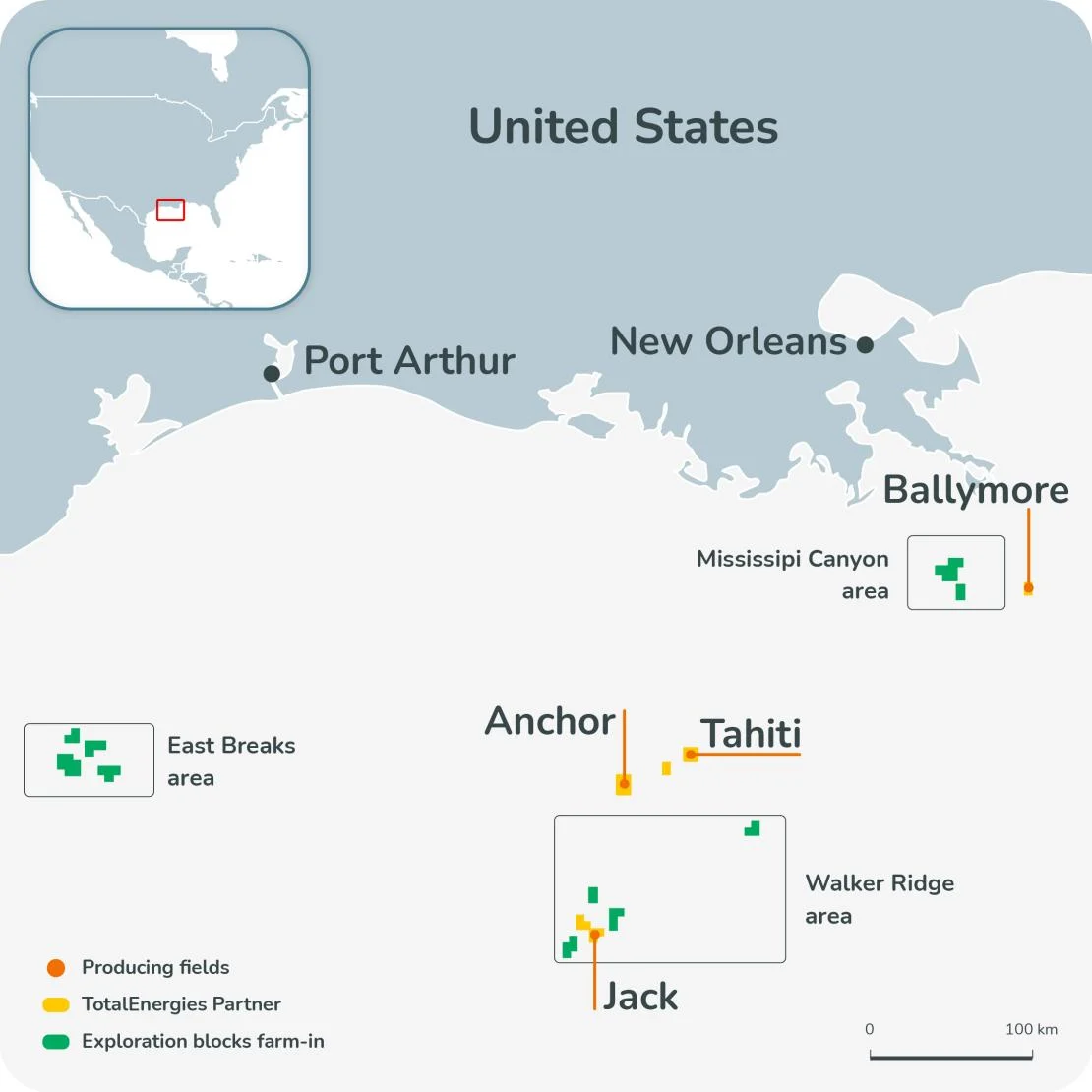
This week Total announced the acquisition of a 25% working interest in 40 Chevron leases in the Gulf of America. Total already owned interest in Chevron’s producing Ballymore (40%), Anchor (37.14%), Jack (25%), and Tahiti (17%) fields. Ironically, Federal regulations prohibited Total from jointly bidding with Chevron for any of those leases at the time of the sales. How does that make sense?

Restrictions limiting joint bidding by major oil companies date back to the Energy Policy and Conservation Act of 1975. Although these restrictions were intended to increase competition and revenues, OCS program economists have asserted, and studies have shown, that the ban results in fewer bids per tract and lower bonuses to the government.

Total did not submit a single bid in any of the past 4 Gulf of America lease sales. Perhaps they prefer to acquire interest in blocks previously leased to companies like Chevron. That is a reasonable acquisition strategy. However, farm-in acquisitions yield no bonus dollars to the Federal government. Wouldn’t it have been in the government’s best interest if some of those acquisition dollars were spent at lease sales where the bonus bids go to the US Treasury? It’s long past time to remove the joint bidding restrictions!

Read Full Post »

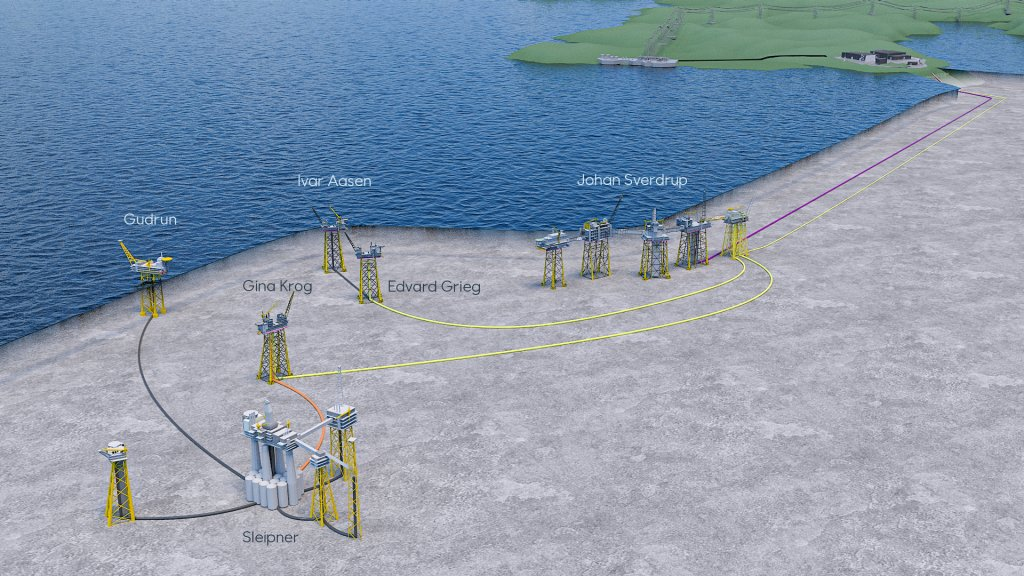
Equinor diagram: power cables from shore to Johan Sverdrup field

“It’s an absolutely sh*t situation,” said Norway’s energy minister Terje Aasland reacting to electricity prices in the country that are six times that of the EU average.

The two ruling parties in Norway want to cut the two power inter-connectors that link the country with Denmark when they come up for renewal in 2026. The smaller coalition party, the Center Party, wants to revisit similar energy links with the UK and Europe.

A related matter is Norway’s push to power offshore platforms with electricity from shore. This policy makes neither economic nor environmental sense, and introduces new safety and operational risks.

This BOE post cites the obvious (per NPD): “The power from shore projects will lead to an increase in electricity prices in Norway.” The post also presents seven other reasons why powering those facilities from shore is not a good idea.

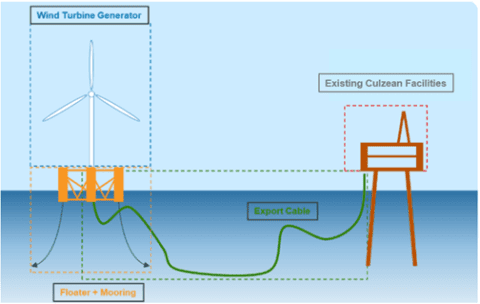
Meanwhile, Total’s plan to partially power the Culzean field (UK) with a floating turbine is similarly irrational. The scheme adds costs and risks with no apparent benefit.

Read Full Post »

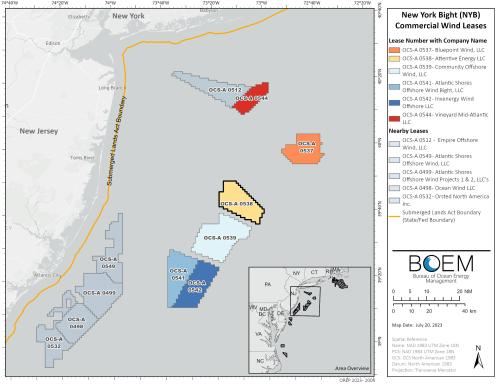
Total (Attentive Energy) lease OCS-A 0538 (outlined in black)

Impressive arrogance from the CEO of a foreign company that paid $795 million for a lease (OCS-A 0538) that was worth pennies on the dollar even before the Presidential election:

Offshore wind, I have decided to put the project on pause” with Trump’s return, Total Chief Executive Officer Patrick Pouyanne said at an energy industry conference in London on Tuesday.

“I said to my team, the project in New York, we’ll see that in four years,” he said. But the advantage is it’s only for four years.”

Perhaps Mr. Pouyanne thinks Total owns those 84,332 acres in the Atlantic or that they have the right to hold the leased area indefinitely. They do not. The OCS Lands Act calls for diligent development of leases and BOEM has promulgated implementing regulations.

The Total (Attentive Energy) lease was issued on 5/1/2022. Per 30 CFR § 585.235(a)(1), the company must submit a Construction and Operations Plant (COP) no later than 5/1/2027, more than 20 months before the end of the Trump administration. BOEM will have ample time to act on the plan prior to the next administration.

BOEM could also call for progress updates and an earlier COP submittal if there is evidence that the lessee is not moving forward with development plans (as would already seem to be the case given Mr. Pouyanne’s public statements in London).

In the absence of progress in developing the lease, BOEM could seek cancellation (§ 556.1102) for failure to comply with the diligence mandate in OCSLA (556.1102 (a)). Cancellation could also be pursued based on misrepresentations in acquiring the lease (556.1102 (c)) or the threat of unacceptable harm to the environment or national security (556.1102 (d)).

Rather than making rash comments at a public forum in London, perhaps Mr. Pouyanne would have been wise to first meet with energy officials of the new administration early next year. At a minimum, the CEO’s comments will help justify any attempts to cancel the Total (Attentive Energy) lease on diligence grounds.

Read Full Post »

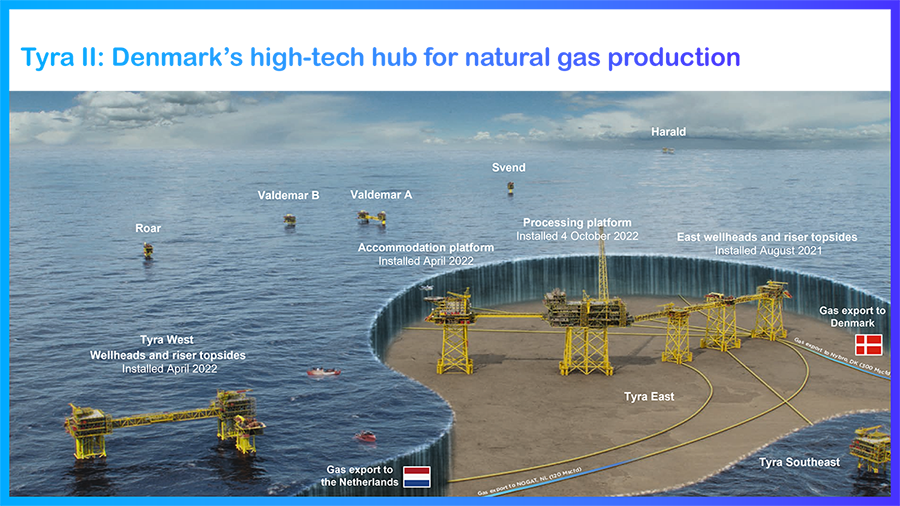
As the table below illustrates, Denmark’s highly publicized oil and gas exploration ban is more pragmatic than has been reported in the media. The expansion of production from existing fields is not restricted.

12/4/2020 policy announcement10/29/2024 discovery announcement
Denmark has brought an immediate end to new oil and gas exploration in the Danish North Sea as part of a plan to phase out fossil fuel extraction by 2050. TotalEnergies announces that the Harald East Middle Jurassic nearby exploration well (HEMJ-1X) has discovered additional gas condensate resources in the Harald field, in the Danish North Sea.“The success of the Harald East Middle Jurassic well, nearby our Harald facilities in Denmark, demonstrates the strength of our Exploration strategy.” 

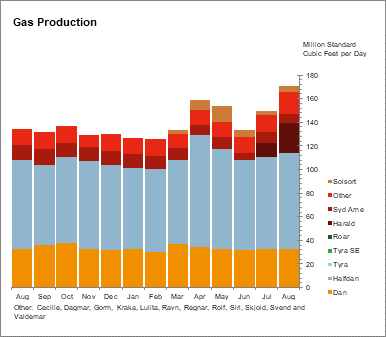
As a result of new exploration, Danish gas production is on the rise (graphic below) after two decades of decline. August 2024 production (165.8 MMCFD) was 21% higher than August 2023 production (136.9 MMCFD)

While Total has proven to be resourceful in sustaining North Sea gas production, Denmark’s refusal to hold new licensing rounds dooms their production over the longer term. This is consistent with Denmark’s intent to cease domestic production by 2050. (Those of you who are young enough can report on whether that deadline is met 😉).

The demand for fossil fuels, which has yet to peak, will still be strong in 2050 and beyond. Phasing out domestic production may be Denmark’s choice, but it’s not a good choice for much of the world.

Denmark is a lovely country, but their rather smug commitment to “lead a global campaign on the role of fossil-fuel producing countries” is not universally welcome. Similarly, companies like Orsted (50.1% Danish govt ownership) are not always the best ambassadors for exporting Danish energy policy.

Other governments, including the US, are quite capable of risking their economic growth and energy security without Denmark’s help.

Related posts:

Read Full Post »

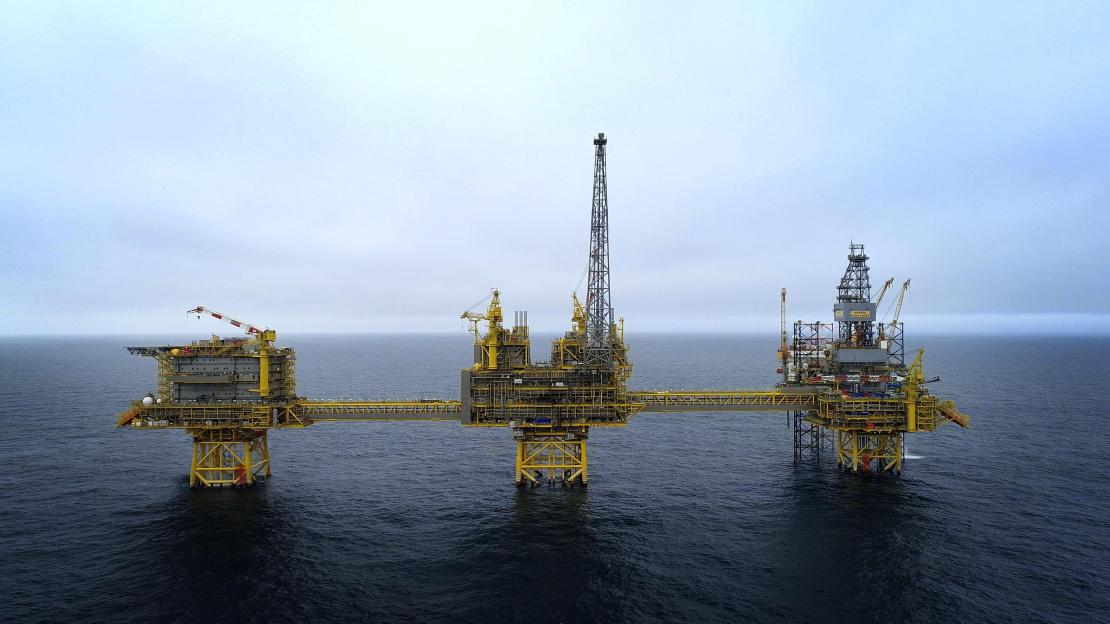
Culzean facilities

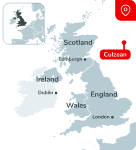
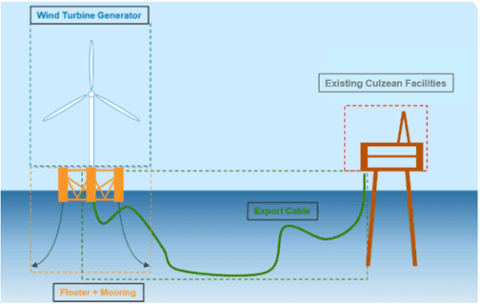
Total has announced plans to install a 3 MW floating wind turbine 2 km west of the Culzean platform, 220 km off the coast of Scotland. This turbine, expected to be fully operational by the end of 2025, will supply around 20% of Culzean’s power requirement. This project is interesting from an R&D standpoint, but makes little sense otherwise. Here’s why:

  • Culzean is a gas condensate field that is capable of meeting 5% of the UK’s gas demand. There is thus ample produced gas to reliably and economically power the platform.
  • Gas will be required to meet 80% of the power requirement even after the wind turbine is operating.
  • In light of installation, maintenance, and decommissioning costs for the floating turbine, the cost of the intermittent wind power will no doubt be much higher than the cost of the power generated by platform gas.
  • Some tax benefits may be associated with adding the wind turbine, but this won’t affect the real costs, other than to perhaps make them higher.
  • In addition to affecting profitability, higher operational costs could reduce the ultimate recovery of gas and condensate from the field.
  • Gas not consumed at the offshore facilities will be marketed and consumed onshore, so there is essentially no net reduction in global CO2 emissions.
  • As JL Daeschler reminds me, the floating turbine complicates operations and could create safety issues: obstruction for helicopters and supply boats to avoid, trenching and installing power cable in a spare “J” tube, and feeding power to an electrical distribution system in accordance with standards and platform specifications. As JL notes, “I think we have plenty to do offshore already!”
  • And what if there are mooring failures and the turbine drifts toward the platforms? Turbine blade failures?
  • Bottom line: adding costs and risks for no apparent benefit.

See a related post on platform electrification in Norway.

Read Full Post »

Jean-Louis Daeschler, is an artist and pioneering subsea engineer. A native of France (Brittany), he has worked in the offshore industry worldwide and lives in Scotland. His wife is from Singapore and his children and grandchildren live in England and Canada.

Before beginning his engineering career, JL had the distinct honor of exhibiting his artwork at the French National Assembly (Parliament) in Paris (article below). How many offshore engineers can say that? None would be a good guess.

JL also exhibited in le Havre, Singapore, Houston, Edinburgh, Calgary, and elsewhere. He works mainly with acrylics, and his preferred subjects are boats, maritime scenes, harbors and the working environment associated with the sea. Of course!

JL worked on an early semi-submersible rig offshore Malaysia in 1969 (see his account of a serious near-miss), met with George HW Bush when he was building a new rig for Zapata Offshore, was instrumental in the first production in the UK sector of the North Sea (1975) from a converted semi-submersible drilling rig in the Argyll Field, designed a new BOP concept, and holds patents for seabed drilling templates and subsea control systems.

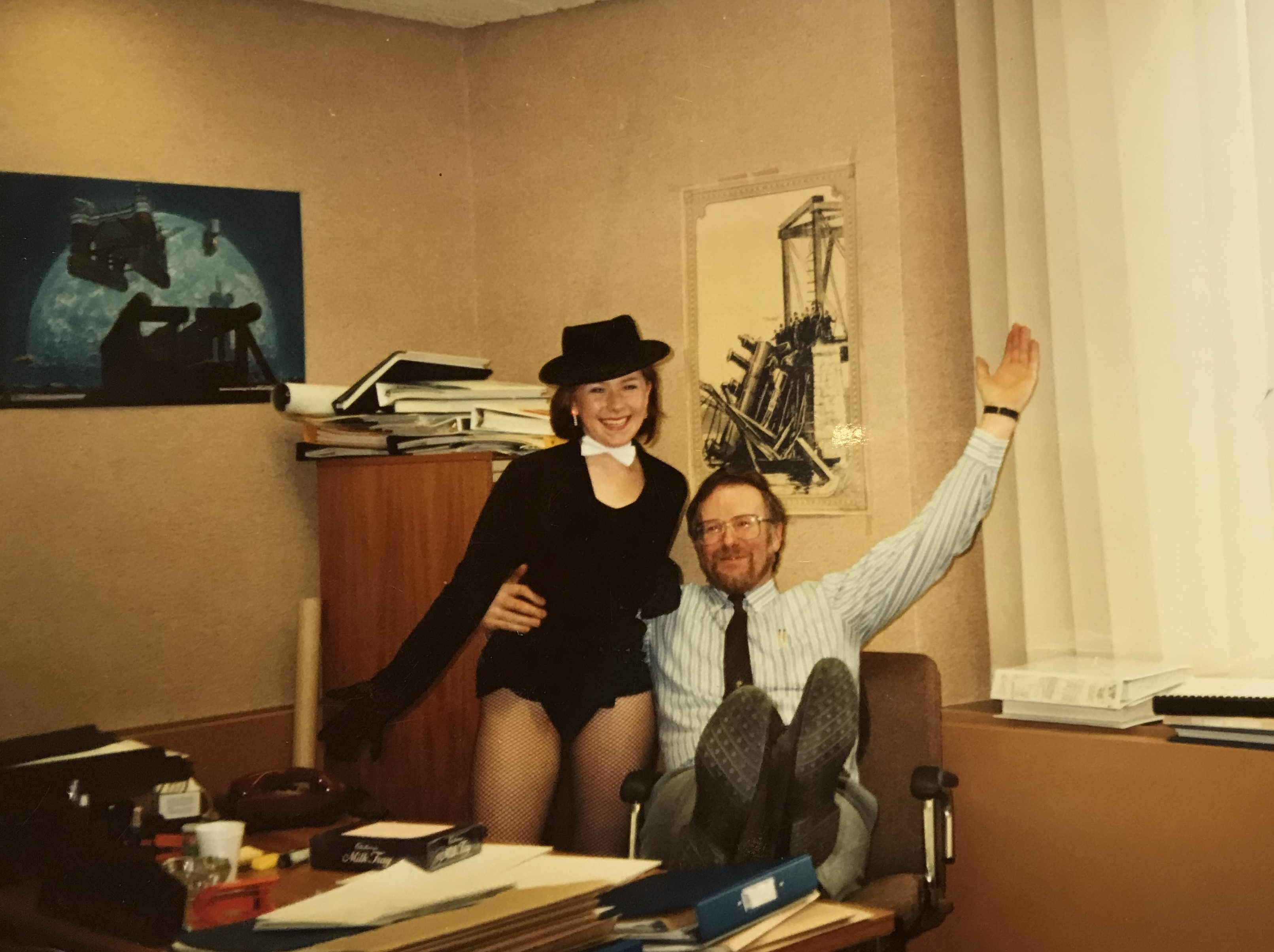
When he was called upon to work in Total’s onshore office, his boss told him “the best offshore job is in the office!” The photo below suggests that JL made the most of those onshore assignments! 😀

JL Daeschler, part of Total’s subsea team, enjoying his onshore assignment in 1985

Congratulations to JL on his many contributions to the offshore industry, art, and society!

Read Full Post »

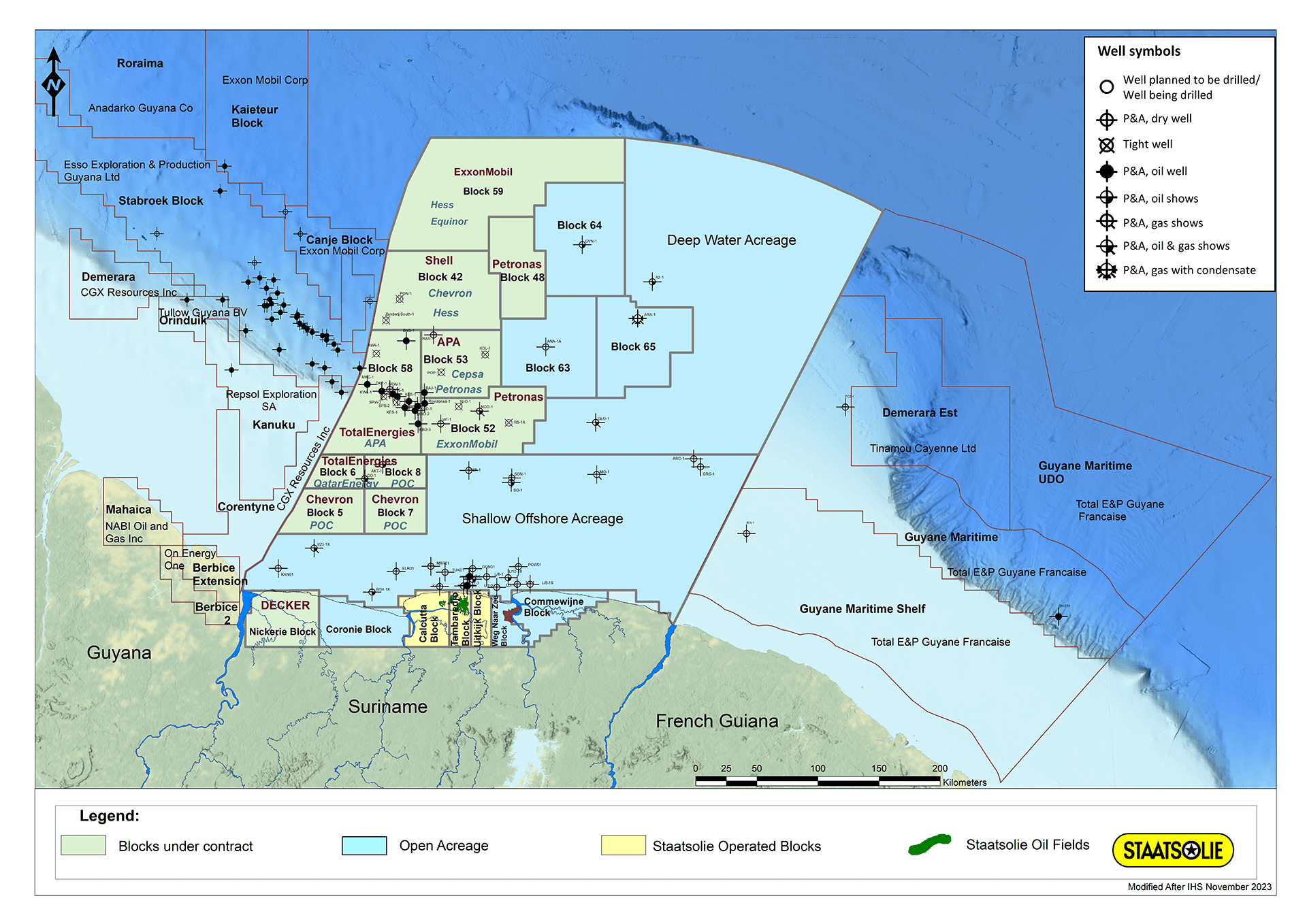
BlockOperatorPartnerswater depth (m)area (sq km)
63Petronas (100%)<13005425
64Total (40%)Qatar Energy (30%)
Petronas (30%)
1300-17006262
65Shell (60%)Qatar Energy (40%)1300-17005000+

Through the PSCs, Staatsolie extends the rights for exploration, development and production to these companies. The costs and risks during the exploration period are fully covered by the latter. The exploration period consists of three phases and will last seven years. An exploration well will be drilled in both Block 64 and Block 65 in the first phase, which will last three years. In Block 63 the first exploration well follows in the second phase of the exploration period. In the event of an oil or gas discovery that is declared commercial, Staatsolie has the right to participate in all three blocks for a maximum of twenty percent from the development period

Staatsolie

Read Full Post »

Last month (12/2021), BSEE finally posted the 2020 incident statistics. Unfortunately, no details or incident summaries are provided for the 6 fatalities. The fatalities are simply classified as “occupational” (4) or “non-occupational” (2). As a result, we still know very little about these fatal incidents 13 – 24 months after they occurred.

The BSEE spreadsheet advises that 3 of the 4 “non-occupational” fatalities are being investigated, but the reports are still “pending.” Why the long delay? The National Commission, BOEMRE-CG, and NAE investigations of the Macondo tragedy were completed (and reports published) in less time.

No explanation is provided as to why the 4th occupational fatality is not being investigated.

Also, investigations of the preparedness and response aspects of the 2 non-occupational fatalities would have been beneficial. What was the cause of death? What medical screening procedures were in place? What treatment capabilities were available at the facility? How much time was required to transport the workers to hospitals? These are important considerations for the offshore community.

Below is a summary of the publicly available information for the 6 fatalities:

  • 1/14/2020: A worker died on a Diamond drillship on a lease (Mississippi Canyon 822) operated by BP. According to BSEE this was a non-occupational fatality. Per the listing of investigations, no investigation was conducted.
  • 5/16/2020: A worker died on a Fieldwood platform (Ewing Bank 826 A). Per BSEE, this was an occupational fatality and the investigation is still pending. There were no media reports or company announcements.
  • 6/2/2020: A worker died on the Valaris DS-18 drillship working for EnVen Energy at Green Canyon 767. Per BSEE, this was a non-occupational fatality and no investigation was conducted.
  • 6/20/2020: A worker died on at the Green Canyon 18 A platform operated by Talos. Per BSEE, this was an occupational fatality but no investigation is indicated for this incident. No media reports or company announcements could be found.
  • 8/23/2020: A worker died on the Pacific Khamsin drillship working for Total at Garden Banks 1003. A month later, at an Investors’ Day presentation, Total announced that the incident occurred while the crew was preparing to move the rig to avoid Tropical Storm Laura. Total’s statement included this defensive statement: “This is a routine operation that was executed with no time pressure as the rig disconnection had been decided well in advance.” Per Total, the findings of their investigation were shared with the regulators in Sept. 2020, but BSEE advises that their investigation is still pending.
  • 12/2/2020: A worker died on DCOR’s Platform Gilda in the Santa Barbara Channel offshore California. The BSEE investigations update provides no information on the status of the investigation. Per local media, 3 men fell from the platform and others jumped into the water to assist. No information is provided on the reason why the 3 men fell.

The number of US OCS fatalities remains unacceptably high, and timely data sharing and investigations are needed to better assess causes and trends. In that regard, this recommendation from the 2016 National Academies report entitled “Strengthening the Safety Culture of the Offshore Oil and Gas Industry” merits further industry/government attention and action:

Recommendation 4.2.2: Because accident, incident, and inspection data all are needed to identify and understand safety risks and corrective actions, the committee recommends full transparency such that regulators make all these data readily available to the public in a timely way, taking into consideration applicable confidentiality requirements.

Read Full Post »

Maersk Drilling awarded contract extension to drill world record well in Angola

The Ondjaba-1 well will be drilled at a new world record water depth of 3,628 m. The current world record is 3,400 m, set by Maersk Voyager’s sister drillship Maersk Venturer when it drilled the Raya-1 well for TotalEnergies offshore Uruguay in 2016.

Maersk

The record US water depth well (3051m/10,011′) was drilled in 2003 by Transocean for Chevron in Alaminos Canyon Block 951 the Gulf of Mexico. The deepest well drilled in US GoM in 2021 YTD was for Shell in 9352′ of water in Alalminos Canyon Block 815.

While brief celebrity space flights are major news stories, these economically important and technical challenging accomplishments by the offshore industry receive very little attention even as oil prices pierce the $82/bbl mark.

Read Full Post »