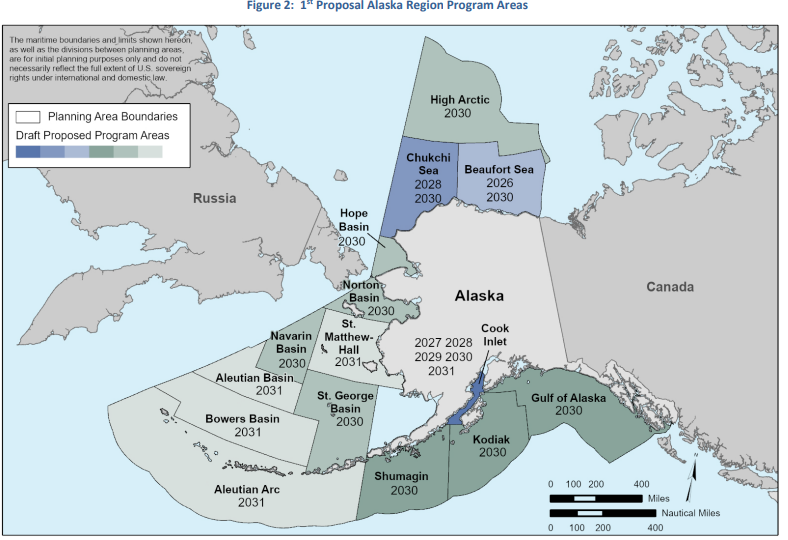
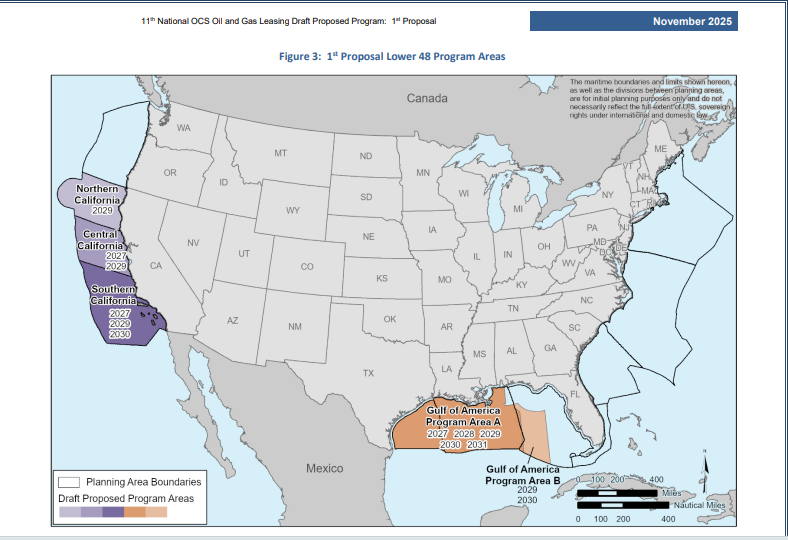
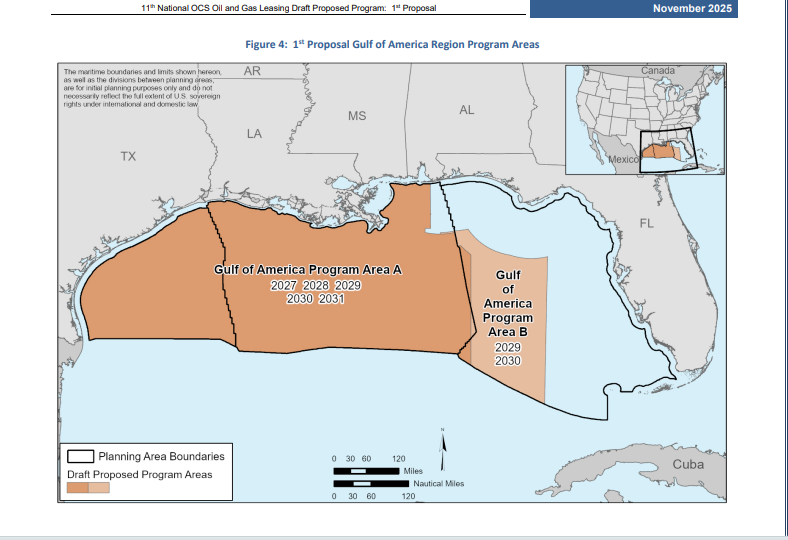
The press release and full program are linked. It looks like the most recent leaks were accurate. See the maps below with the locations and dates. This will stir the pot!
Posted in Alaska, California, energy policy, Gulf of Mexico, Offshore Energy - General, Uncategorized, tagged Alaska, California, Draft Proposed OCS Leasing Program, Florida, Gulf of America on November 20, 2025| 2 Comments »
The press release and full program are linked. It looks like the most recent leaks were accurate. See the maps below with the locations and dates. This will stir the pot!
Posted in accidents, California, Offshore Energy - General, oil spill response, pipelines, tagged Plains, Refugio pipeline spill, Santa Barbara, Santa Ynez Unit on November 20, 2025| Leave a Comment »
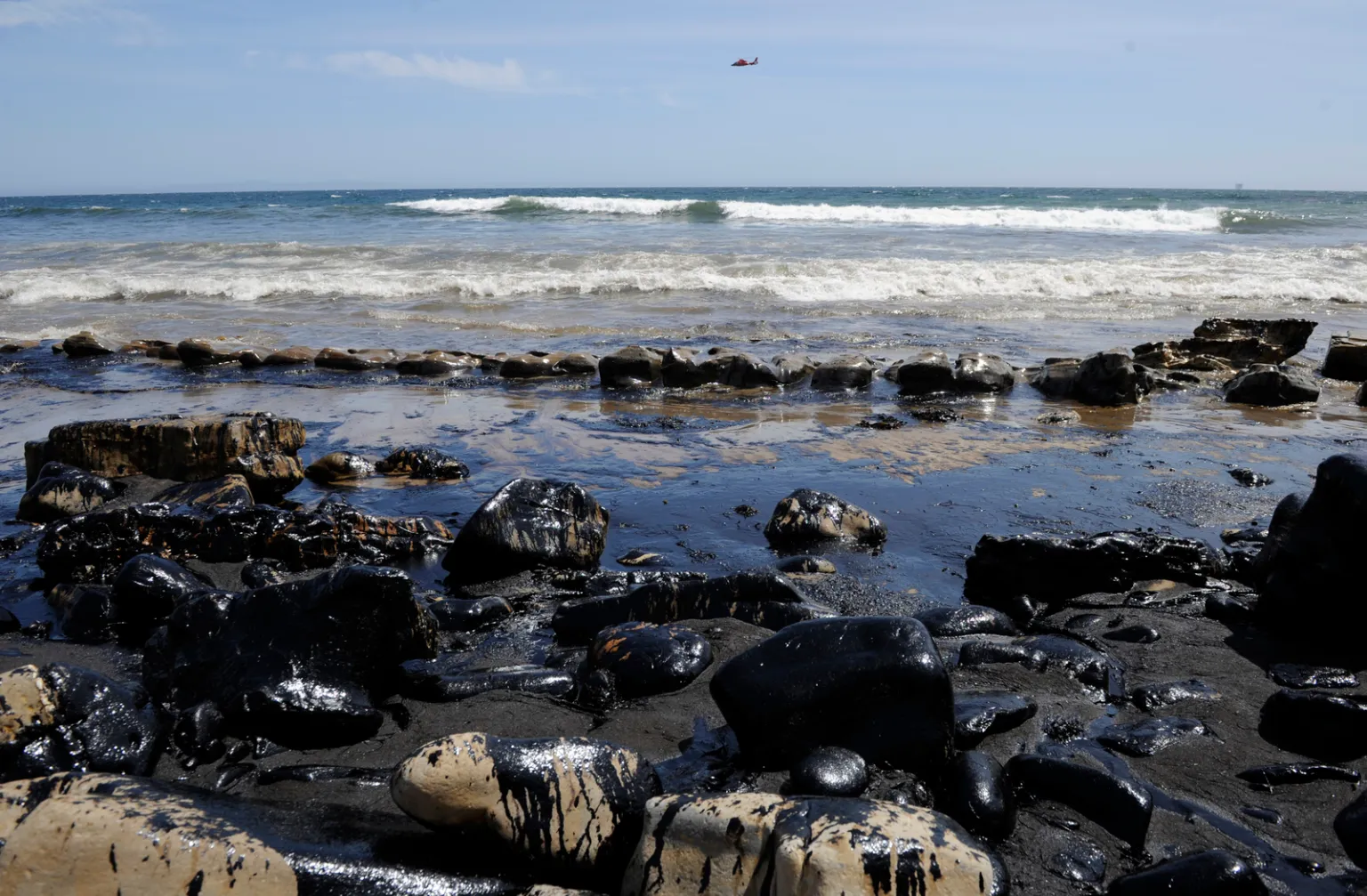
We can scream all we want (with some justification) about the California Coastal Commission, Santa Barbara County, and intractable environmental organizations, but the Santa Ynez Unit would still be producing today were it not for an ugly, preventable pipeline spill.
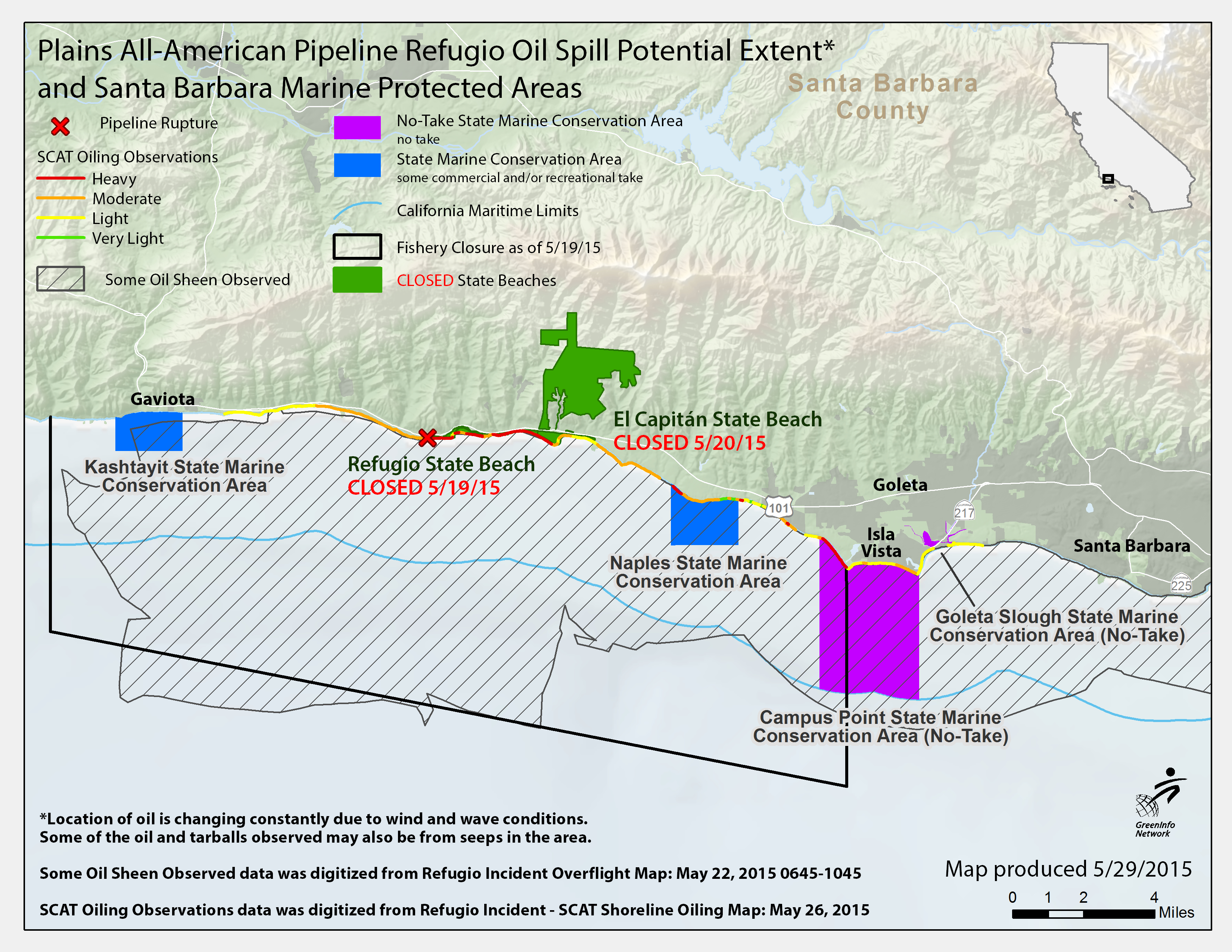
At approximately 10:55 a.m. Pacific Daylight Time (PDT) on May 19, 2015, the Plains Pipeline, LP (Plains), Line 901 pipeline in Santa Barbara County, CA, ruptured, resulting in the release of approximately 2,934 barrels (bbl) of heavy crude oil. An estimated 500 bbl of crude oil entered the Pacific Ocean.
1) Ineffective protection against external corrosion of the pipeline
The condition of the pipeline’s coating and insulation system fostered an environment that led to the external corrosion.
The pipeline’s cathodic protection (CP) system was not effective in preventing corrosion from occurring beneath the pipeline’s coating/insulation system.
2) Failure by Plains to detect and mitigate the corrosion
The in-line inspection (ILI) tool and subsequent analysis of ILI data did not characterize the extent and depth of the external corrosion accurately.
3) Lack of timely detection of and response to the rupture
The pipeline supervisory control and data acquisition (SCADA) system did not have safety-related alarms established at values sufficient to alert the control room staff to the release at this location.
Control room staff did not detect the abnormal conditions in regards to the release as they occurred. This resulted in a delayed shutdown of the pipeline.
The pipeline controller restarted the Line 901 pipeline after the release occurred.
The pipeline’s leak detection system lacked instrumentation and associated calculations to monitor line pack (the total volume of liquid present in a pipeline section) along all portions of the pipeline when it was operating or shut down.
Control room staff training lacked formalized and succinct requirements, including emergency shutdown and leak detection system functions such as alarms.
Plains Pipeline was the responsible party, but that doesn’t absolve the companies that were dependent on Plains to transport their production. Given the organized opposition that emerged following the Santa Barbara blowout in 1969 (the result of a reckless well plan), the integrity of that pipeline was critical to their business strategy and they should have exercised some oversight.
Offshore disasters have had enormous consequences for the oil and gas industry in terms of lost opportunities. Think about this: prior to the Macondo blowout, the Obama administration had proposed an oil and gas lease sale in the Atlantic and the Florida Senate was holding hearings about leasing in Florida State waters. Such lease sales are now completely out of the question.
Regulations and standards are not enough. We need open discussion about incidents, large and small, and a willingness to be critical of the responsible parties.
Posted in California, decommissioning, Offshore Energy - General, tagged decommissioning, financial responsibility, Hunterbrook, Sable Offshore, Santa Barbara County, Santa Ynez Unit, Steve Lavagnino on November 19, 2025| Leave a Comment »
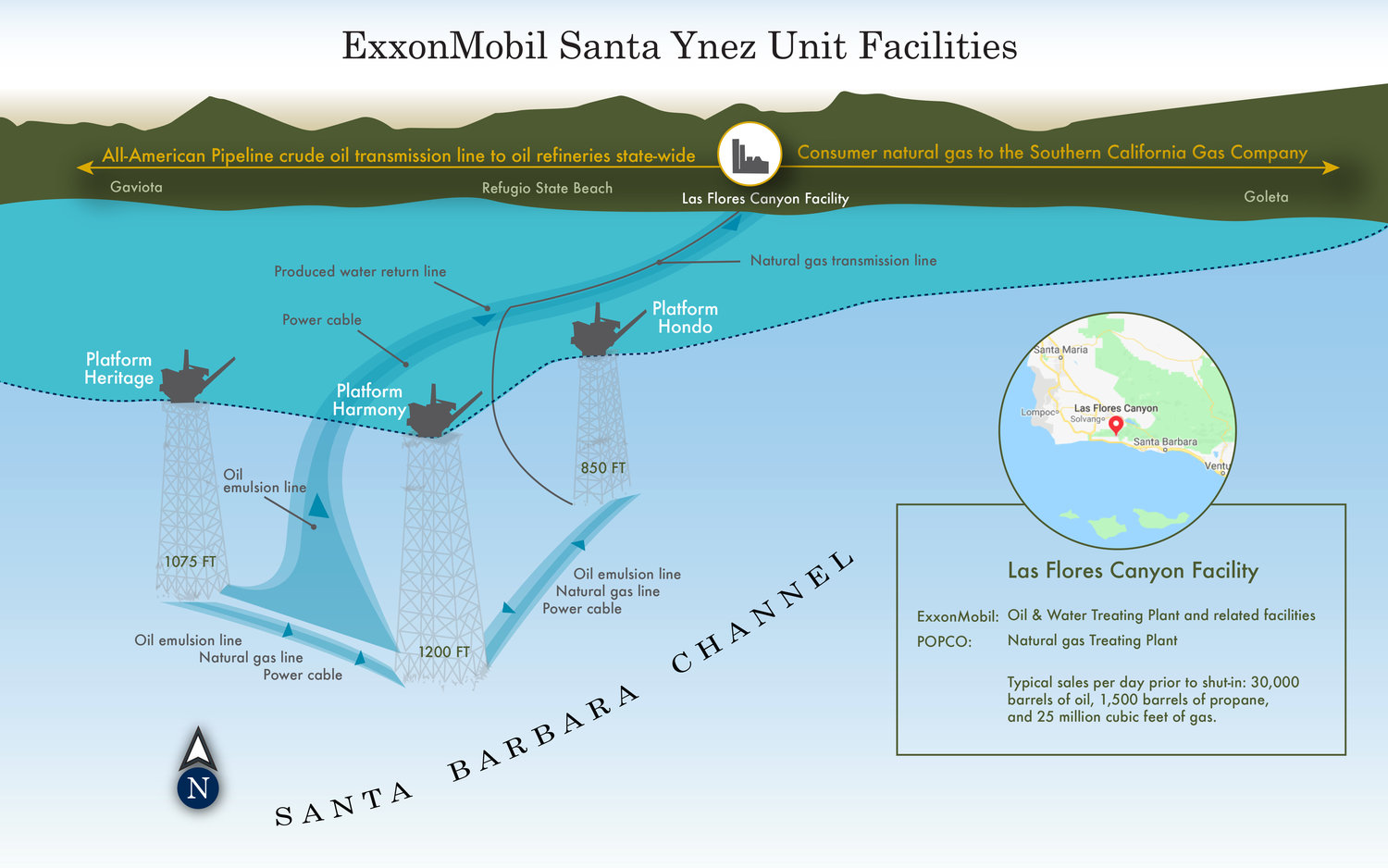
Excerpts from a stunning Sable update issued by Hunterbrook Media LLC (“Hunterbrook“) on November 14, 2025:
Comments from Santa Barbara County Supervisor Steve Lavagnino, an oil industry supporter, that explain his opposition to the transfer of Exxon’s pipeline permit to Sable:
“The final straw for me was a Hunterbrook article, which was as disturbing as anything I’ve read. I have many friends in the oil industry and I will continue to support efforts to access our natural resources, but it has to be done responsibly by operators who put safety above profits.”
Sable’s limited response to the Hunterbrook report includes information on decommissioning financial assurance:
The decommissioning obligations are moot if Sable runs out of funds or is unable to resume SYU production prior to the 3/31/2027 PSA deadline. Exxon would remain fully responsible for SYU decommissioning.
Is it time for a public statement from Exxon on the SYU and Sable?
Posted in accidents, Gulf of Mexico, Offshore Energy - General, tagged Center for Offshore Safety, Cox Operating, Deepwater Horizon, drilling, fatalities, Fieldwood Energy, incident data, incident reporting, offshore industry performance, SEMS on November 18, 2025| Leave a Comment »
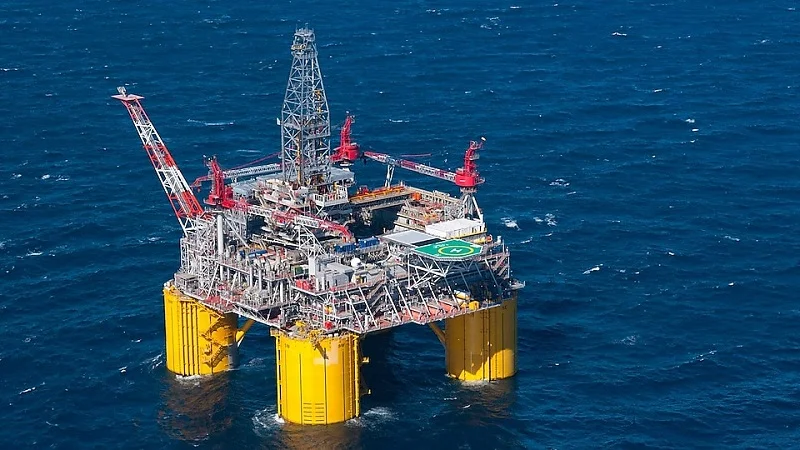
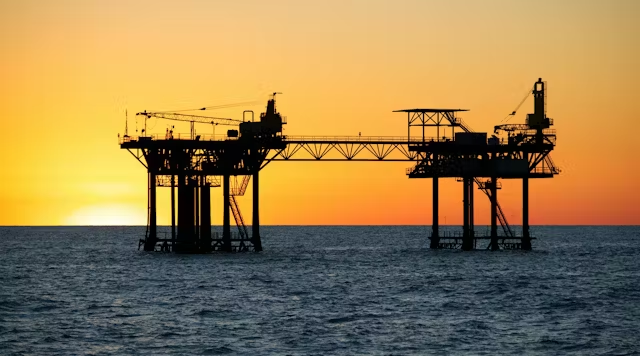
The Center for Offshore Safety (COS) was established in response to a recommendation by the National Commission on the BP Deepwater Horizon Oil Spill and Offshore Drilling for improved self-regulation by the offshore industry. The Commission supported the creation of a non-profit, industry-funded organization similar to the Institute of Nuclear Power Operations, to promote the highest levels of safety and operational excellence.
The COS has been effective in strengthening corporate Safety and Environmental Management Systems, influencing the industry’s safety culture, and sharing best practices and lessons learned. These are important accomplishments.
The COS has fallen short in gathering the data needed to assess the offshore industry’s safety performance. As is the case with most voluntary reporting programs, data completeness and accuracy issues limit the significance of COS performance reviews.
Observations regarding the most recent COS Offshore Safety Performance Report follow:
| fatalities per COS | occupational fatalities (from BSEE data) | non-occupational fatalities (from BSEE data) | |
| 2024 | 0 | 1 | ? |
| 2023 | 0 | 0 | ? |
| 2022 | 0 | 5 | ? |
| 2021 | 1 | 2 | 6 |
| 2020 | 2 | 4 | 2 |
The offshore industry is only as good as its worst performer, so complete participation is essential. Voluntary reporting is seldom complete reporting, because some companies are more concerned about confidentiality than completeness and information sharing.
For industry reporting programs to be comprehensive and credible:
Posted in energy policy, Offshore Energy - General, tagged 5 year leasing plan, Alaska, California, eastern Gulf of Mexico, Gov. Newsom on November 11, 2025| Leave a Comment »
Per the Washington Post, the Administration’s 5 Year Oil & Gas leasing plan will include (in addition to the Central and Western Gulf):
Posted in energy policy, Gulf of Mexico, Offshore Energy - General, tagged BBG1, big beautiful Gulf of America, Gulf of America lease sale, low rental rates, low royalty rates on November 11, 2025| Leave a Comment »

The first ever Gulf of America oil and gas lease sale 😉 will be held on Dec. 10, 2025. Instead of numbering the sale sequentially (i.e. Sale 262), the sale has been designated OCS Oil and Gas One Big Beautiful Bill Act Lease Sale 1 (BBG1). 🙄 This change is a bit too cute for some of us old-timers, but we’ll judge the sale by its results, not its name.
The Notice of Sale is attached. The terms are very attractive, with the lowest allowable royalty rate (1/8th) on all shelf and deepwater leases. Note the comparison of royalty rates in the table below. The 6.25% difference for deepwater leases is substantial when you consider their high production potential.
| Gulf Sale No. | Date | % royalty: <200m water depth | % royalty: >200m water depth |
| 256 | 11/18/2020 | 12.5 | 18.75 |
| 257 | 11/17/2021 | 12.5 | 18.75 |
| 258 | 12/30/2022 | 18.75 | 18.75 |
| 259 | 3/29/2023 | 18.75 | 18.75 |
| 261 | 12/20/2023 | 18.75 | 18.75 |
| BBG1 | 12/10/2025 | 12.5 | 12.5 |
The rental rates for the BBG1 Sale are also very attractive compared to Sale 261:
| Water Depth | Sale 261 rental rates ($/ac) | BBG1 Sale rental rates ($/ac) |
| 0 to <200m | years 1-5: $10 year 6: $20 year 7: $30 year 8+: $40 | years 1-5: $7 year 6: $14 year 7: $21 year 8+: $28 |
| 200 to <400m | years 1-5: $16 year 6: $32 year 7: $48 year 8+: $64 | years 1-5: $11 year 6: $22 year 7: $33 year 8+: $44 |
| 400+ m | years 1-5: $16 year 6: $22 year 7: $22 year 8+: $22 | years 1-5: $11 year 6: $16 year 7: $16 year 8+: $16 |
Will the bidding reflect the very favorable lease terms?
Posted in Offshore Energy - General, Uncategorized, tagged BAMBOO, beach debris, floating solar, Netherlands, Nymphaea Aurora, Oceans of Energy, offshore solar on November 10, 2025| 2 Comments »
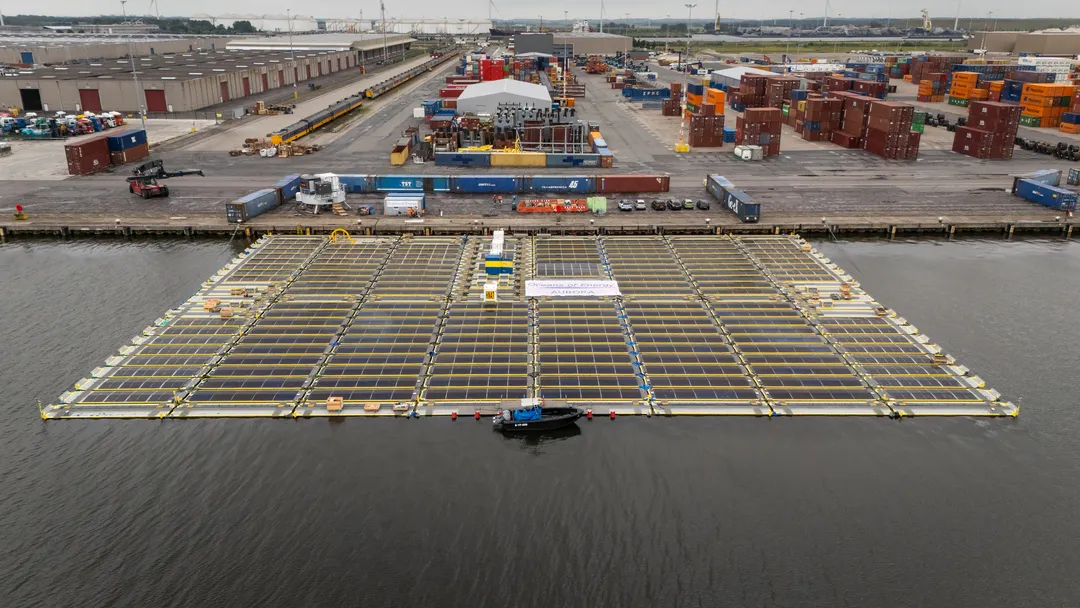
“Highlights” from a very good Sealetters account on the Nymphaea Aurora (Netherlands): from massive hype to media silence
26 June 2025 – Festive inauguration: A festive ceremony is held in the Port of Amsterdam by Oceans of Energy to celebrate the successful assembly of the world’s first commercial offshore solar farm “Nymphaea Aurora”. The solar farm is 18.5 kilometers off the Dutch coast near Egmond aan Zee, and consists of 1,400 photovoltaic panels mounted on 196 flotation segments. It is larger than a football field with the expectation to scale up.
9 August 2025 – First fire: Soon after installation at sea Nymphaea Aurora is on fire.
5 September 2025 – Second fire: A second fire breaks out in Nymphaea Aurora. The Dutch Coast Guard extinguishes the fire. Both fires were caused by overheating due to strong solar radiation and faulty panel connectors. The developer calls it a kind of technical childhood disease that is typical for new technology. (Seriously?☹)
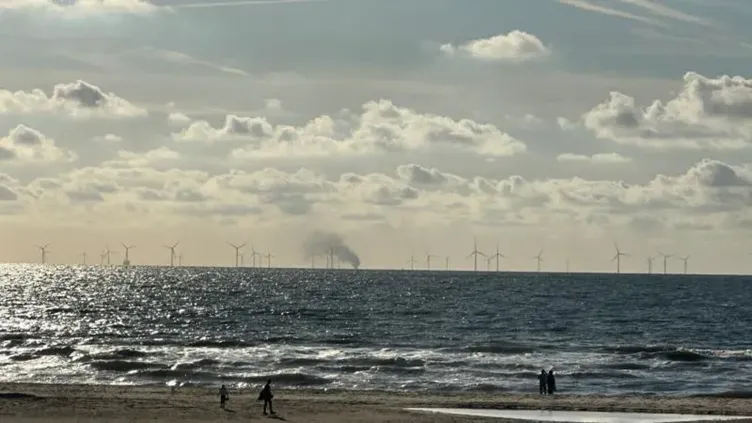
19 September 2025 – Debris from solar farm starts washing up on the beaches
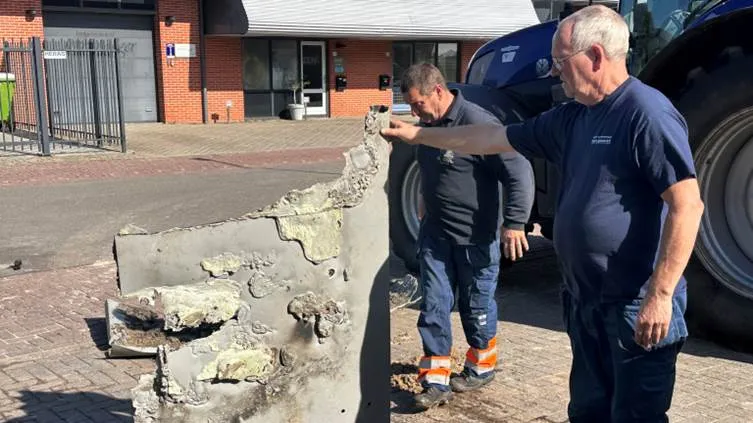
20 September 2025: Debris is found all over the beaches of Egmond, Bergen and Schoorl, varying from 20 to 30 cm sized pieces to tiny polystyrene foam fragments. Parts of Nymphaea Aurora wash up on Texel, an island further north on the Dutch coast (photo below).
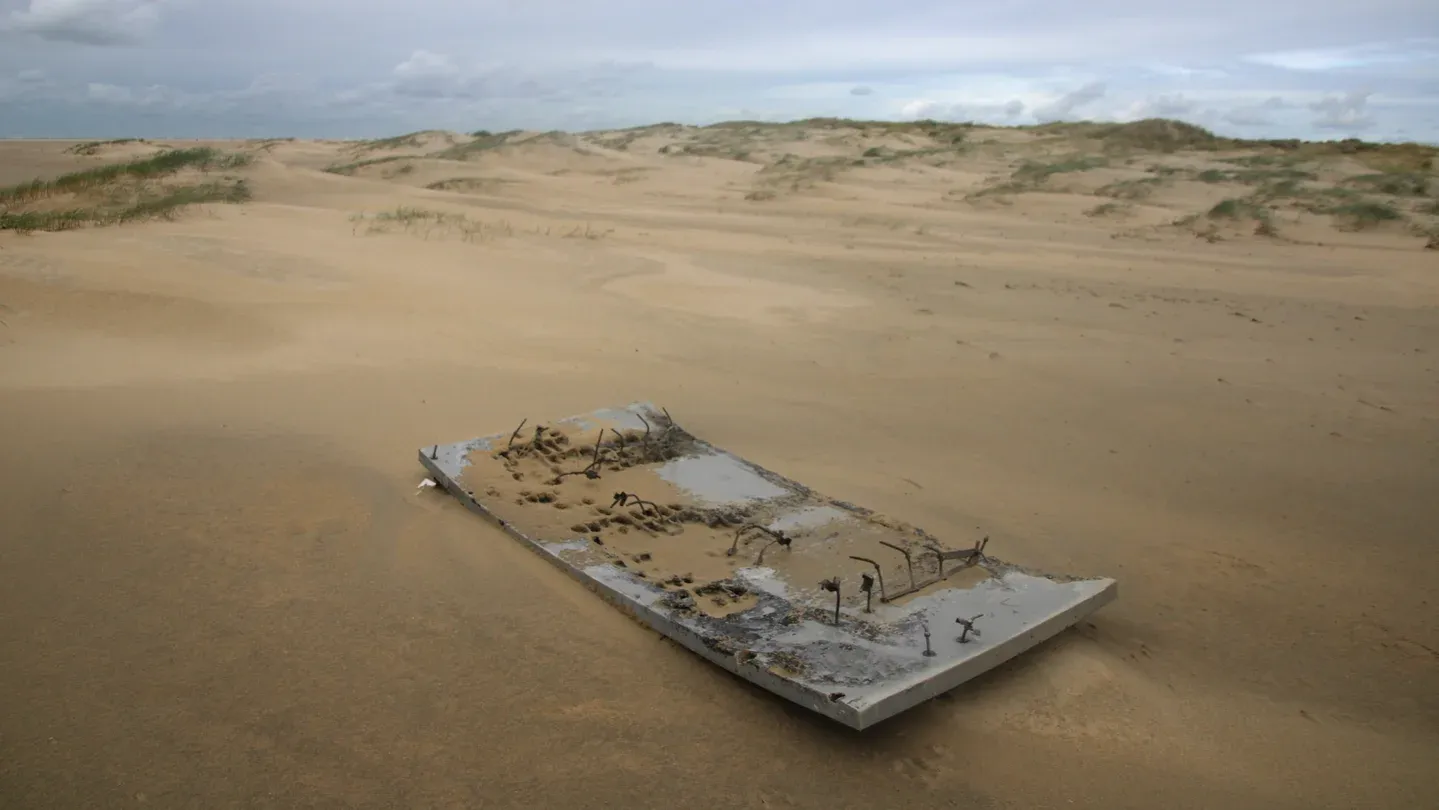
4 October 2025: Storm batters the Netherlands with wind speeds between 75 and 90 kilometers per hour hitting Noord-Holland. No news about Nymphaea Aurora.
7 November 2025: No news from the developer, Oceans of Energy, since since 27th June 2025 and no updates on LinekdIn since 21 September 2025. It has been very quiet from ‘The company that brought Offshore Solar in high waves from a (perceived) impossibility to a reality.’ It is probably no longer at sea.
You can read the full account here.
Note that the development of Nymphaea Aurora received funding from the European Union’s Horizon Europe research and innovation program under the project BAMBOO, Grant Agreement number 101136142. Funding is reported to be €7 million. “The project seeks to reduce emissions significantly and have a net-positive impact on the marine ecosystem.“
Posted in Gulf of Mexico, Offshore Energy - General, Regulation, tagged BSEE, flying offshore, govt shutdown, inspections, permitting, work without pay on November 7, 2025| Leave a Comment »

To date, BSEE has used carryover funds and offsetting collections from inspection, rental, and cost recovery fees to continue their priority permitting and inspection programs during the govt shutdown. However, these funds are limited.
At some point, BSEE will have to stop issuing new permits. If the shutdown continues, the next step could be to curtail drilling and production operations. Needless to say, this would not be completely unacceptable.
In the meantime, BSEE employees continue to work without pay. Flying offshore everyday to inspect operations is no picnic and can be hazardous. I lost a colleague in a helicopter crash and others have been injured. It’s shameful that these people are not being paid while members of congress are!
Posted in California, Offshore Energy - General, pipelines, Regulation, tagged California, John B Smith, litigation, OS&T, Sable Offshore, Santa Barbara County, Santa Ynez Unit on November 6, 2025| 1 Comment »
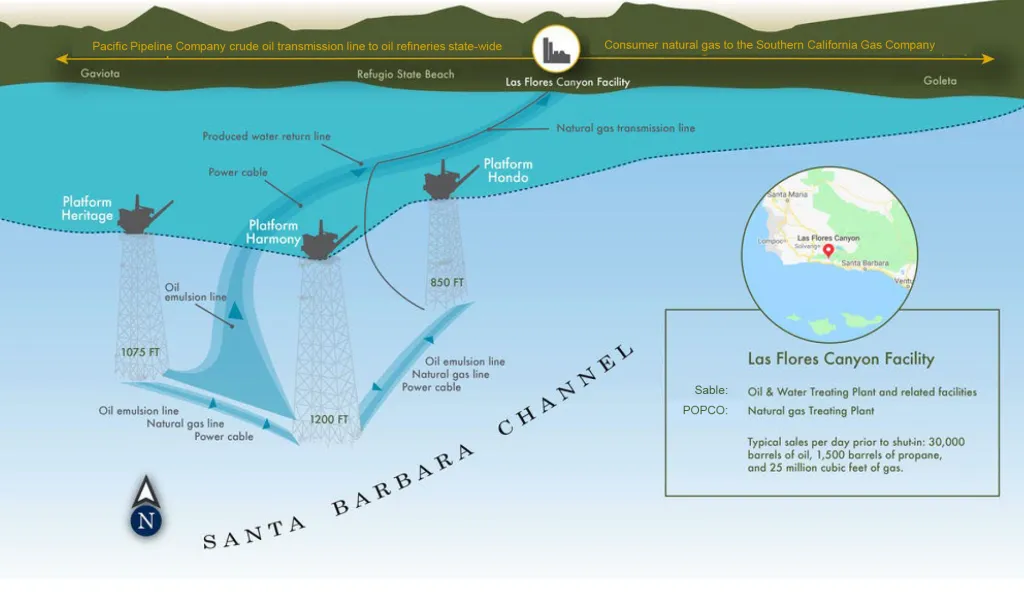
Attached is John Smith’s comprehensive summary of lawsuits related to Sable Offshore’s attempts to restart Santa Ynez Unit production.
If you are keeping score, there are 10 separate cases including a class action lawsuit filed by investors. New legal battles are sure to follow given Sable’s OS&T strategy. Per John:
“The combined legal challenges, injunctions, and restraining orders have significantly delayed Sable’s restart plans and prompted the company to pursue an Offshore Storage and Treatment Vessel (OS&T) strategy, which was utilized to process SYU production in federal waters from 1981 – 1994, and transport oil to markets using tankers.“
Posted in California, energy policy, Gulf of Mexico, Offshore Energy - General, tagged Federal offshore, Gulf of America, history, offshore drilling, Offshore Oildom, oil production, Tyler Priest on November 5, 2025| Leave a Comment »
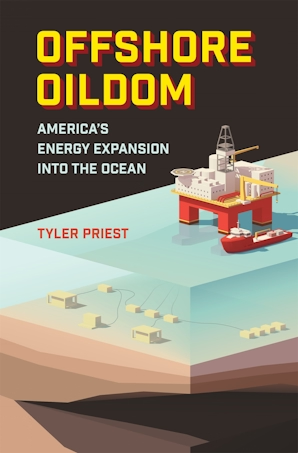
Tyler Priest, the leading historian on US offshore oil and gas operations, has published another gem. His book, Offshore Oildom, is a fascinating account of the history of the technologically innovative and economically important, yet highly controversial, OCS Oil and Gas program. His book is highly recommended.
Consider this recommendation by Daniel Yergin:
“Tyler Priest, a preeminent historian of energy and the environment, explores how a single well drilled off a pier near Santa Barbara in 1898 gave rise to a major American industry—offshore oil and gas. In spirited prose, Priest demonstrates how this U.S. industry was created not only by innovation, creative engineering, and complex execution; it was also the result of fierce political battles.” ~Daniel Yergin, Pulitzer Prize–winning author of The Prize: The Epic Quest for Oil, Money, and Power and The New Map: Energy, Climate, and the Clash of Nations
 Bud's Offshore Energy (BOE)