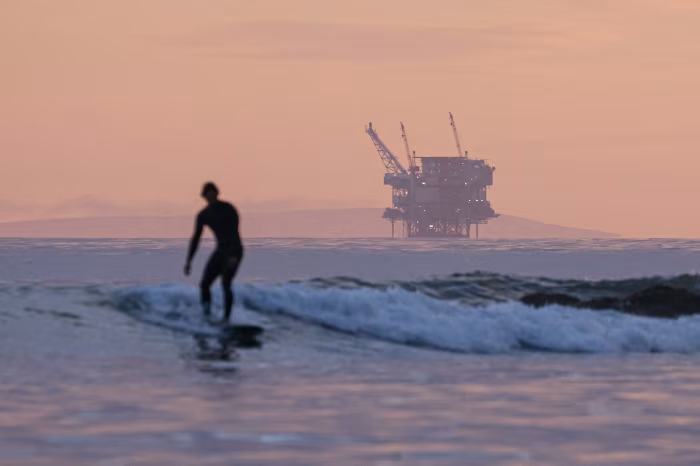
WSJ article on Sable Offshore:
“Oil giants have fled California, but James Flores is desperate to get in, even if it means crossing swords with the state.”
Posted in California, Offshore Energy - General, tagged California, Jim Flores, Refugio pipeline spill, Sable Offshore, Santa Ynez Unit, WSJ on November 29, 2025| Leave a Comment »
WSJ article on Sable Offshore:
“Oil giants have fled California, but James Flores is desperate to get in, even if it means crossing swords with the state.”
Posted in Canada, energy policy, Offshore Energy - General, Regulation, Uncategorized, tagged energy policy, offshore energy, Thanksgiving on November 27, 2025| Leave a Comment »
On my favorite holiday, I’m sending best wishes to BOE readers of all persuasions. Offshore energy issues can be divisive, even among friends, and I’m grateful for the opportunity to share information and opinions.
My wife and I will be spending Thanksgiving with my daughter’s family including our 6 grandchildren, none of whom have expressed interest in being offshore safety regulators (no higher calling 😉).
Belated holiday wishes to our friends in Canada where Thanksgiving is celebrated in October, and cheers to those living where a similar fall holiday is observed.
Bud
Posted in energy policy, Gulf of Mexico, Offshore Energy - General, tagged BBG1, deepwater development, Gulf of America, JPMorgan, oil and gas lease sale, oil price forecast on November 26, 2025| Leave a Comment »

In JPMorgan’s view, the stage is set for a potential decline of as much as 50% in oil prices through the end of 2027, taking Brent crude down to the low $30s per barrel range from its current level of around $63.50.
Will bearish forecasts by JPMorgan and others temper bidding at the highly anticipated, and long awaited, Gulf lease sale to be held on 12/10/2025? Probably not for these reasons:
Posted in accidents, energy policy, Offshore Energy - General, Offshore Wind, tagged Eskild Lund Sorensen, G+ incident report, Offshore Wind, wind safety on November 25, 2025| Leave a Comment »
“So, the safety culture is fine because we don’t report when people die.” Former Ørsted safety head, Eskild Lund Sørensen, accuses offshore wind body G+ of cherry picking data. The 2024 G+ incident data report is attached.
Member companies, which include major players such as Ørsted, Equinor, Vattenfall, RWE, and CIP, report quarterly data on accidents, near-misses, hazardous observations, and equipment damage. As is the case with most industry reporting schemes, anonymity is prioritized over transparency.
Sørensen asserts that the G+ wind industry data are incomplete: ”It shows that what is reported under the guidelines has gone down, and also that there is a cut off on what is being reported that does not include the full value chain on the industry.” He notes that a contractor to Northland Power from Canada, a member of G+, was involved in a 2024 workplace accident in Taiwan that resulted in three fatalities. (It’s also noteworthy that Equinor’s 2024 Empire Wind fatality was not included.)
Sørensen: ”There have been no significant improvements in the last 10 years. Safety in offshore wind is neither getting worse nor better. There are no signs of that.”
”I’m speaking up because we owe people the truth. If we’re not honest about the actual safety conditions in offshore wind, we can’t change them. Misinformation about workplace safety creates a dangerous illusion that everything is “under control”, while too many people are getting hurt. But when we dare to speak about reality as it is, we create the foundation for a safer, faster, and truly sustainable energy transition,” Sørensen says.
”And then it becomes difficult to learn if you have to wait for something to go through 57 gates and down past legal,” he says. (Sound familiar?)
In the U.S., both industry and govt need to do a better job of sharing complete incident data in a timely manner.
Posted in Gulf of Mexico, hurricanes, Offshore Energy - General, tagged 2025 hurricane season, Charles Smith, Gulf of America, Hurricane Andrew, platform shut-ins, tropical storms on November 24, 2025| Leave a Comment »
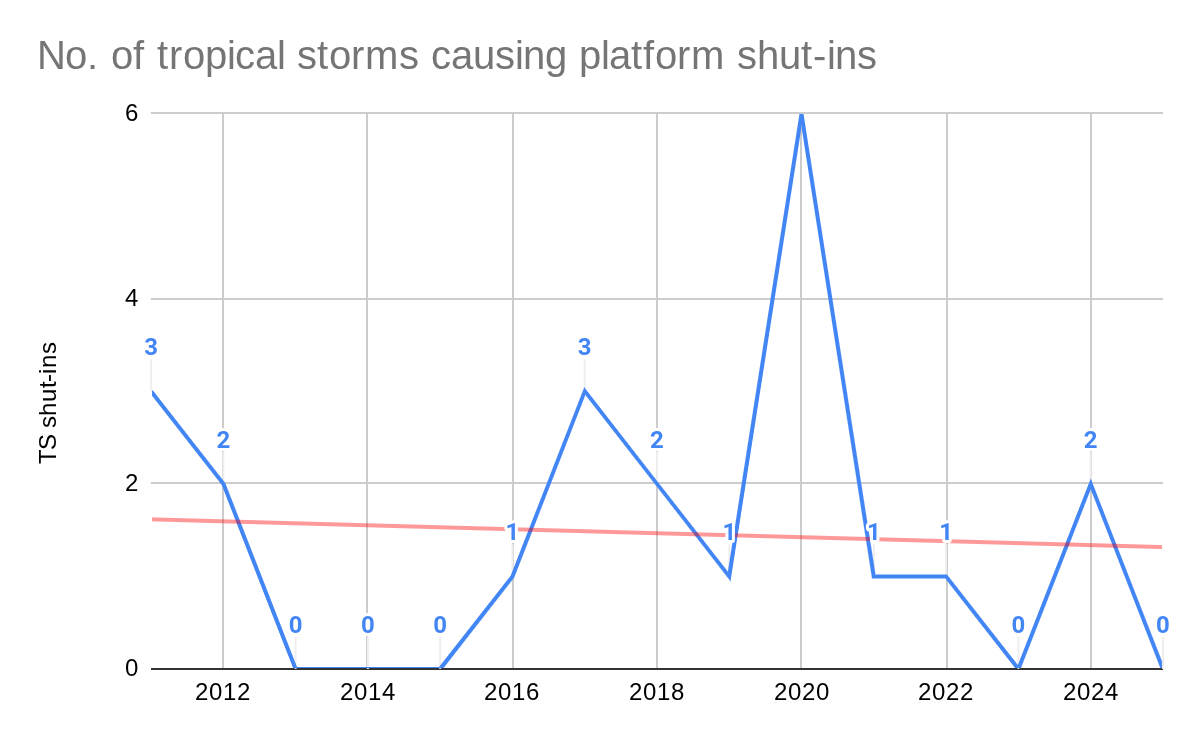
As was the case in 2023, there were no tropical storm production shut-ins in the Gulf in 2025. Per the chart below derived from BSEE data, only 4 tropical storms caused platform shut-ins in the past 5 years. This lull followed a 6-storm year in 2020.
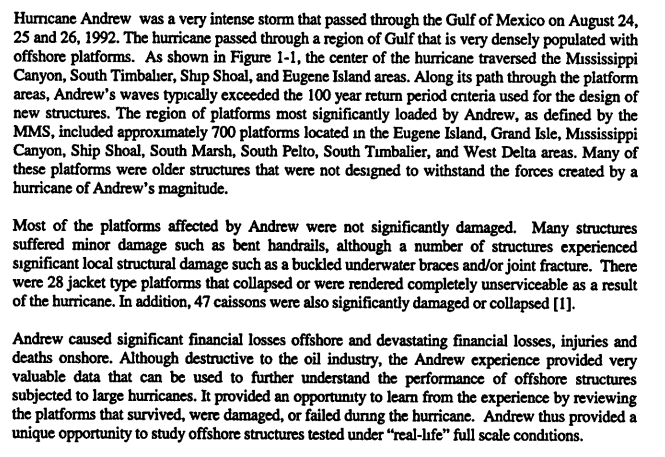
The Minerals Management Service Technology Assessment and Research Program began closely studying hurricane damage to offshore facilities following Hurricane Andrew in 1992. Dr. Charles Smith was a leader in these efforts. Attached is a comprehensive study report on Andrew’s effects on offshore platforms. Three background paragraphs are pasted below.
Posted in energy policy, Florida, Gulf of Mexico, Offshore Energy - General, tagged 100 miles vs. 125 miles, Draft Proposed OCS Leasing Program, Florida buffer, Florida delegation, GOMESA, Ron DeSantis, Trump 2020 withdrawal on November 21, 2025| Leave a Comment »
A specific description of the proposed Florida buffer in the Eastern Gulf is found in a footnote on page five of the Draft Proposed Program (DPP):
2 Includes a 100-mile coastal buffer off the coast of Florida and the area eastward of a line extending south from a point approximately 25 miles west of Tallahassee, Florida.
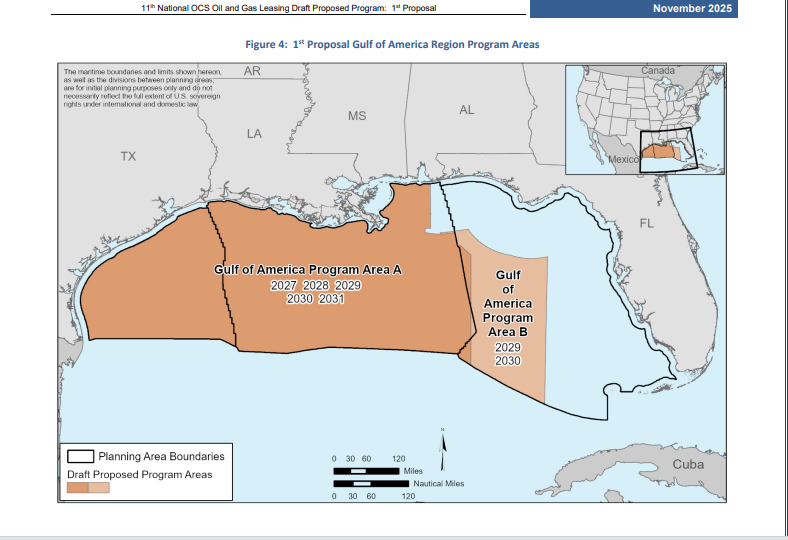
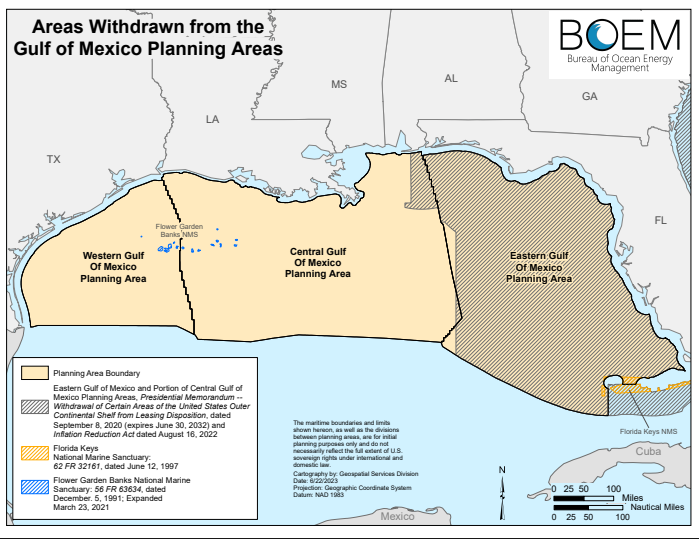
The 100 mile buffer seems like a reasonable proposal that minimizes the risk of coastal impacts without significantly reducing the oil and gas resource potential. However, the 125 mile buffer established in the Gulf of Mexico Security Act (2006) and the 2020 Trump withdrawal (see the comparison above) has become sacrosanct, and Gov. DeSantis and the Florida delegation oppose any change:
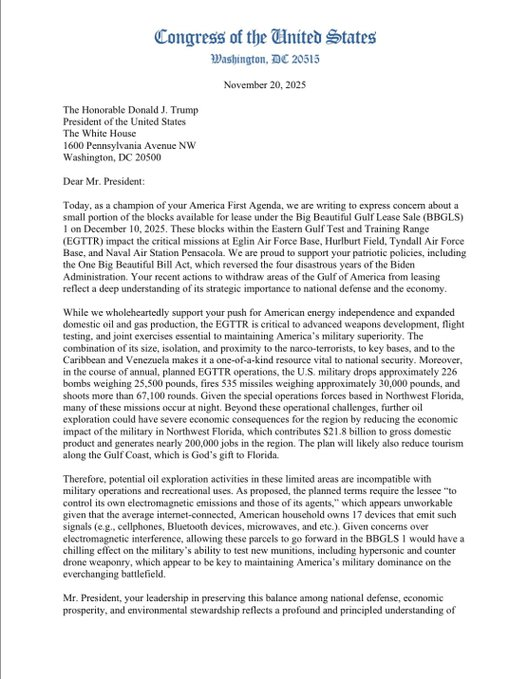
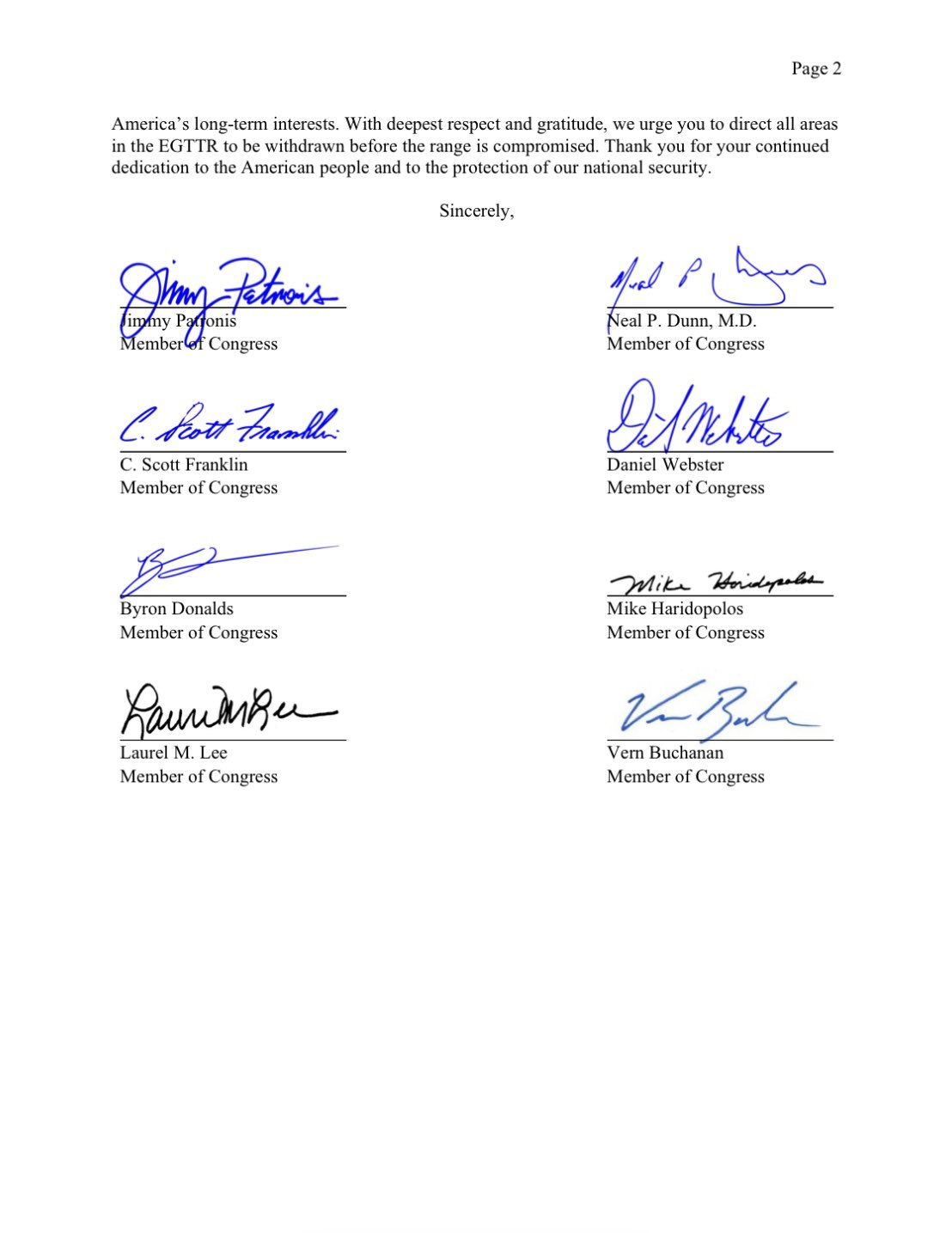
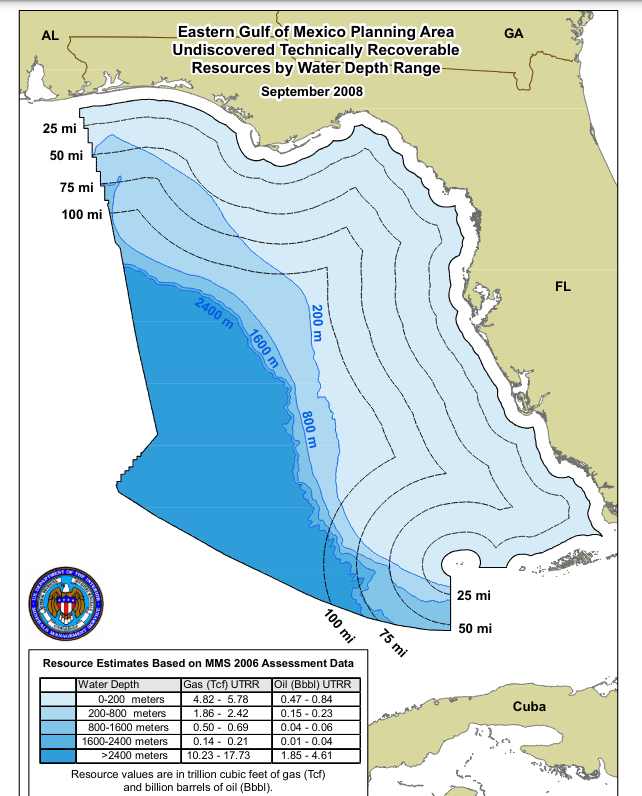
Unfortunately, the additional 25 miles is thought to eliminate much of the oil and gas resource potential:
Posted in Alaska, California, energy policy, Gulf of Mexico, Offshore Energy - General, Uncategorized, tagged Alaska, California, Draft Proposed OCS Leasing Program, Florida, Gulf of America on November 20, 2025| 2 Comments »
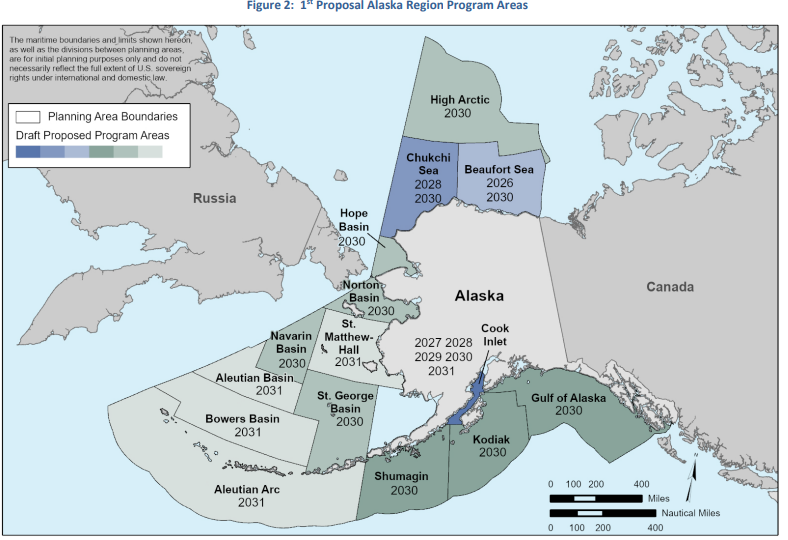
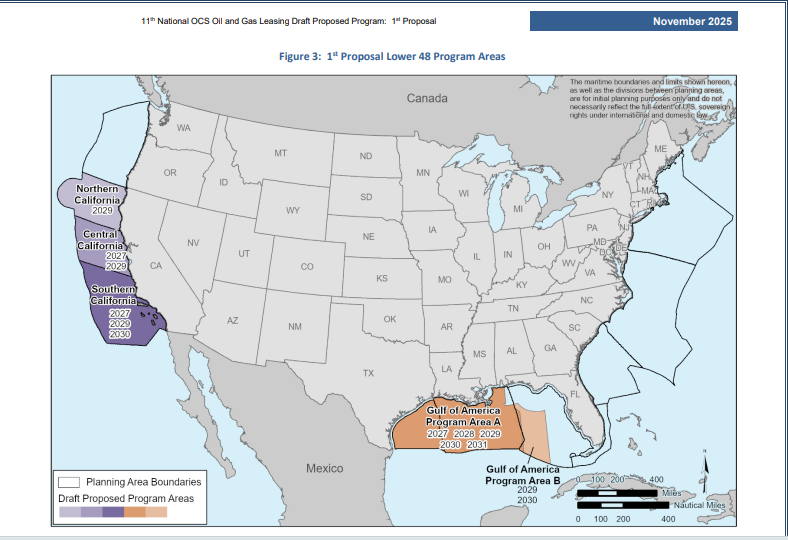
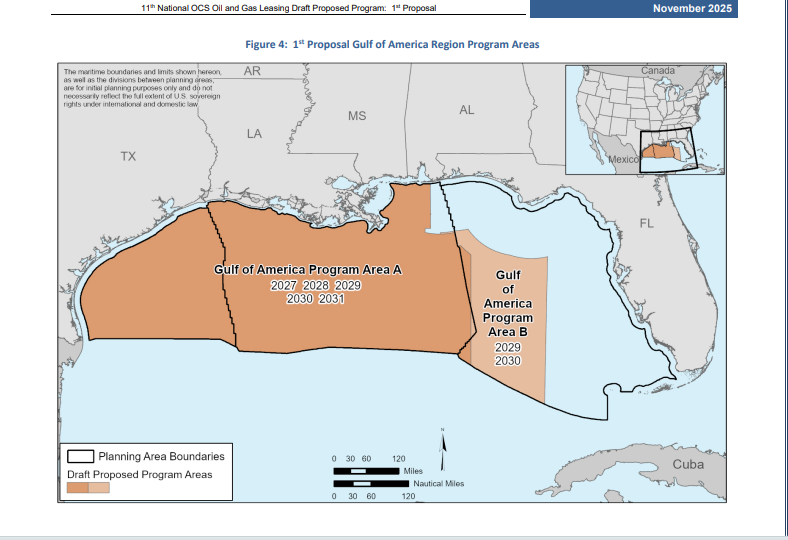
The press release and full program are linked. It looks like the most recent leaks were accurate. See the maps below with the locations and dates. This will stir the pot!
Posted in accidents, California, Offshore Energy - General, oil spill response, pipelines, tagged Plains, Refugio pipeline spill, Santa Barbara, Santa Ynez Unit on November 20, 2025| Leave a Comment »
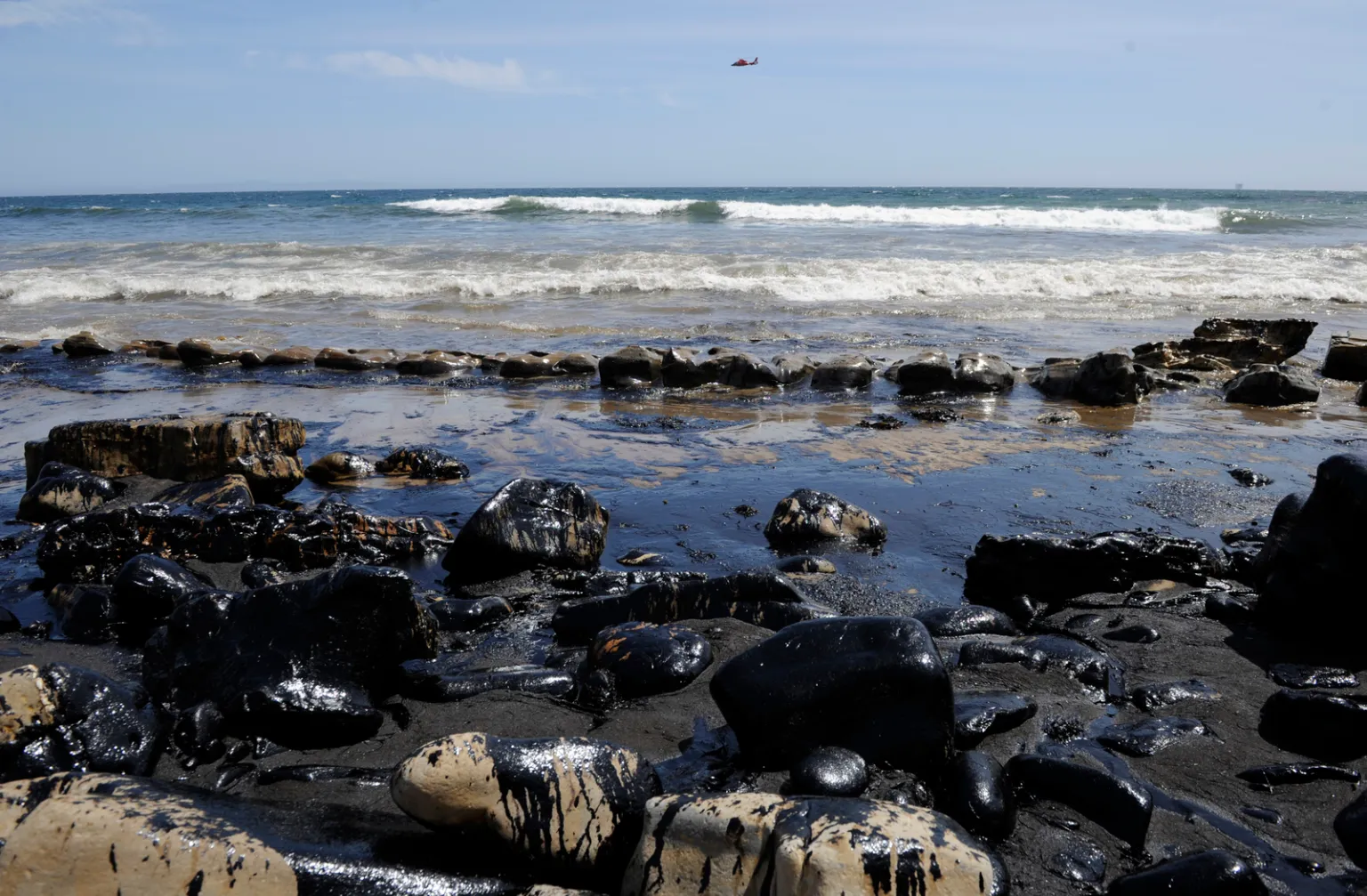
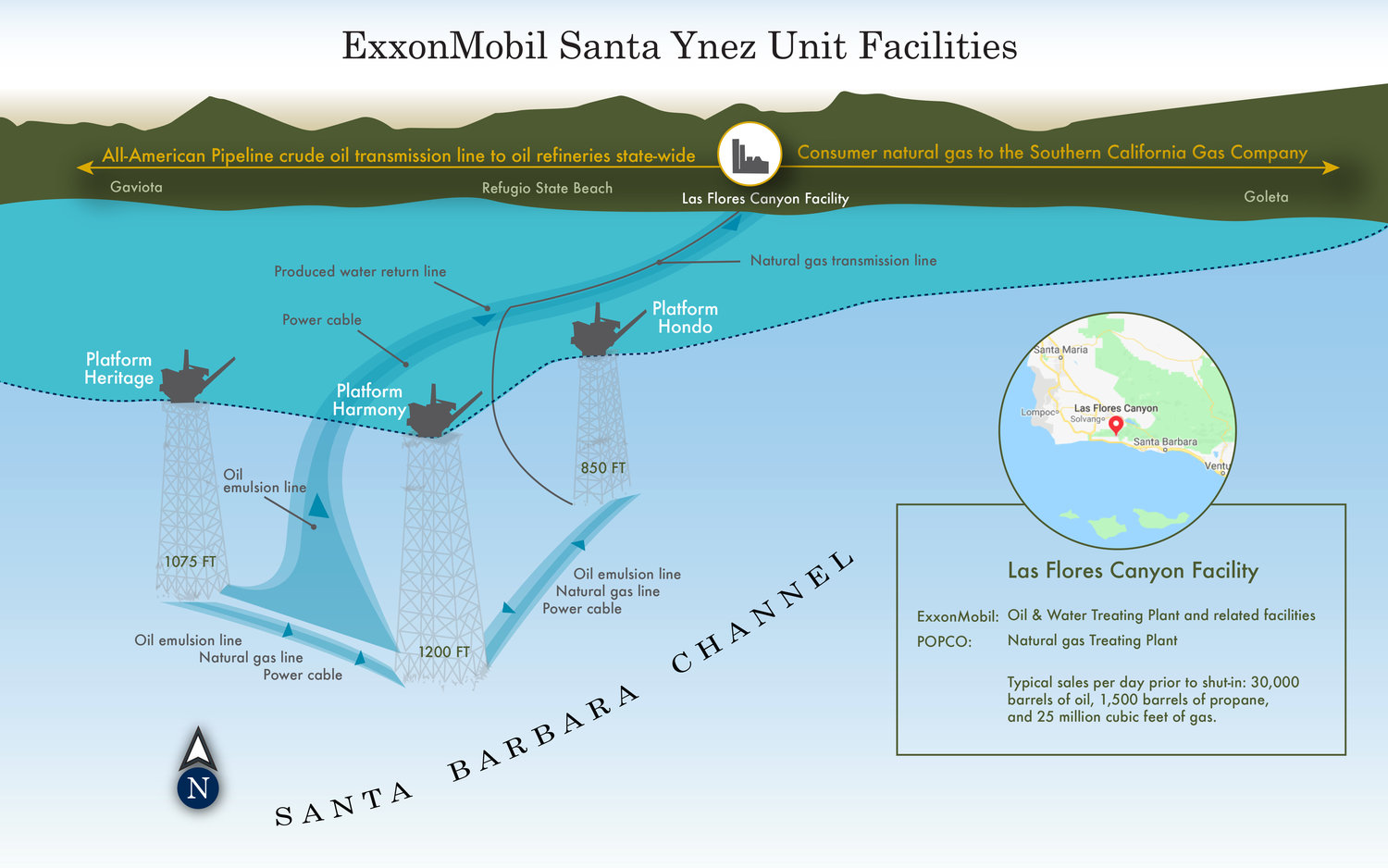
We can scream all we want (with some justification) about the California Coastal Commission, Santa Barbara County, and intractable environmental organizations, but the Santa Ynez Unit would still be producing today were it not for an ugly, preventable pipeline spill.
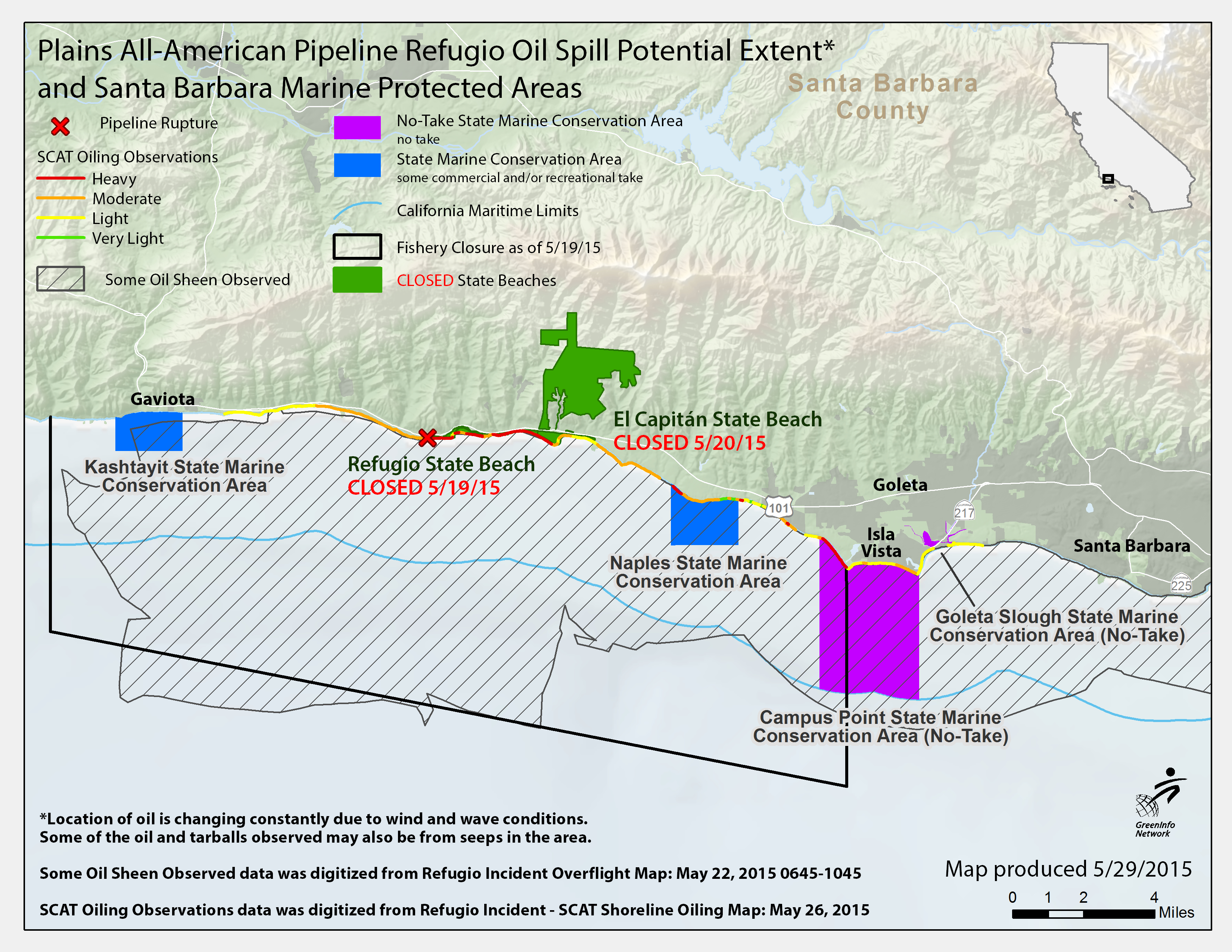
At approximately 10:55 a.m. Pacific Daylight Time (PDT) on May 19, 2015, the Plains Pipeline, LP (Plains), Line 901 pipeline in Santa Barbara County, CA, ruptured, resulting in the release of approximately 2,934 barrels (bbl) of heavy crude oil. An estimated 500 bbl of crude oil entered the Pacific Ocean.
1) Ineffective protection against external corrosion of the pipeline
The condition of the pipeline’s coating and insulation system fostered an environment that led to the external corrosion.
The pipeline’s cathodic protection (CP) system was not effective in preventing corrosion from occurring beneath the pipeline’s coating/insulation system.
2) Failure by Plains to detect and mitigate the corrosion
The in-line inspection (ILI) tool and subsequent analysis of ILI data did not characterize the extent and depth of the external corrosion accurately.
3) Lack of timely detection of and response to the rupture
The pipeline supervisory control and data acquisition (SCADA) system did not have safety-related alarms established at values sufficient to alert the control room staff to the release at this location.
Control room staff did not detect the abnormal conditions in regards to the release as they occurred. This resulted in a delayed shutdown of the pipeline.
The pipeline controller restarted the Line 901 pipeline after the release occurred.
The pipeline’s leak detection system lacked instrumentation and associated calculations to monitor line pack (the total volume of liquid present in a pipeline section) along all portions of the pipeline when it was operating or shut down.
Control room staff training lacked formalized and succinct requirements, including emergency shutdown and leak detection system functions such as alarms.
Plains Pipeline was the responsible party, but that doesn’t absolve the companies that were dependent on Plains to transport their production. Given the organized opposition that emerged following the Santa Barbara blowout in 1969 (the result of a reckless well plan), the integrity of that pipeline was critical to their business strategy and they should have exercised some oversight.
Offshore disasters have had enormous consequences for the oil and gas industry in terms of lost opportunities. Think about this: prior to the Macondo blowout, the Obama administration had proposed an oil and gas lease sale in the Atlantic and the Florida Senate was holding hearings about leasing in Florida State waters. Such lease sales are now completely out of the question.
Regulations and standards are not enough. We need open discussion about incidents, large and small, and a willingness to be critical of the responsible parties.
Posted in California, decommissioning, Offshore Energy - General, tagged decommissioning, financial responsibility, Hunterbrook, Sable Offshore, Santa Barbara County, Santa Ynez Unit, Steve Lavagnino on November 19, 2025| Leave a Comment »
Excerpts from a stunning Sable update issued by Hunterbrook Media LLC (“Hunterbrook“) on November 14, 2025:
Comments from Santa Barbara County Supervisor Steve Lavagnino, an oil industry supporter, that explain his opposition to the transfer of Exxon’s pipeline permit to Sable:
“The final straw for me was a Hunterbrook article, which was as disturbing as anything I’ve read. I have many friends in the oil industry and I will continue to support efforts to access our natural resources, but it has to be done responsibly by operators who put safety above profits.”
Sable’s limited response to the Hunterbrook report includes information on decommissioning financial assurance:
The decommissioning obligations are moot if Sable runs out of funds or is unable to resume SYU production prior to the 3/31/2027 PSA deadline. Exxon would remain fully responsible for SYU decommissioning.
Is it time for a public statement from Exxon on the SYU and Sable?
Posted in accidents, Gulf of Mexico, Offshore Energy - General, tagged Center for Offshore Safety, Cox Operating, Deepwater Horizon, drilling, fatalities, Fieldwood Energy, incident data, incident reporting, offshore industry performance, SEMS on November 18, 2025| Leave a Comment »
The Center for Offshore Safety (COS) was established in response to a recommendation by the National Commission on the BP Deepwater Horizon Oil Spill and Offshore Drilling for improved self-regulation by the offshore industry. The Commission supported the creation of a non-profit, industry-funded organization similar to the Institute of Nuclear Power Operations, to promote the highest levels of safety and operational excellence.
The COS has been effective in strengthening corporate Safety and Environmental Management Systems, influencing the industry’s safety culture, and sharing best practices and lessons learned. These are important accomplishments.
The COS has fallen short in gathering the data needed to assess the offshore industry’s safety performance. As is the case with most voluntary reporting programs, data completeness and accuracy issues limit the significance of COS performance reviews.
Observations regarding the most recent COS Offshore Safety Performance Report follow:
| fatalities per COS | occupational fatalities (from BSEE data) | non-occupational fatalities (from BSEE data) | |
| 2024 | 0 | 1 | ? |
| 2023 | 0 | 0 | ? |
| 2022 | 0 | 5 | ? |
| 2021 | 1 | 2 | 6 |
| 2020 | 2 | 4 | 2 |
The offshore industry is only as good as its worst performer, so complete participation is essential. Voluntary reporting is seldom complete reporting, because some companies are more concerned about confidentiality than completeness and information sharing.
For industry reporting programs to be comprehensive and credible:
 Bud's Offshore Energy (BOE)