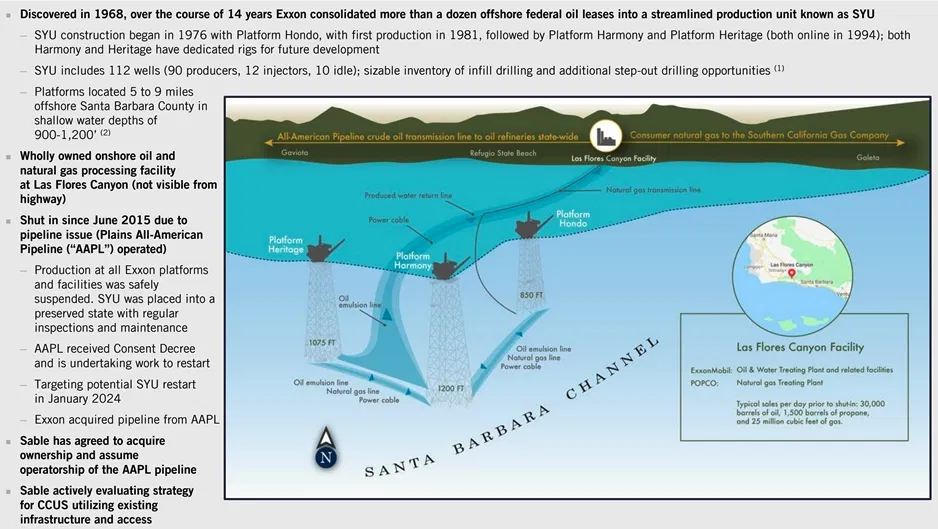
John Smith shared the attached letter from Senators Adam Schiff and Alex Padilla, and members of the California congressional delegation. The letter questions BSEE’s inexplicable announcement about the resumption of Santa Ynez Unit (SYU) production. That announcement boasted:
“This is a significant achievement for the Interior Department and aligns with the Administration’s Energy Dominance initiative, as it successfully resumed production in just five months.“
BSEE’s announcement, which has not been explained and is still featured on their homepage, served only to further complicate the resumption of production from the SYU, which has reserves in excess of 500 million barrels.
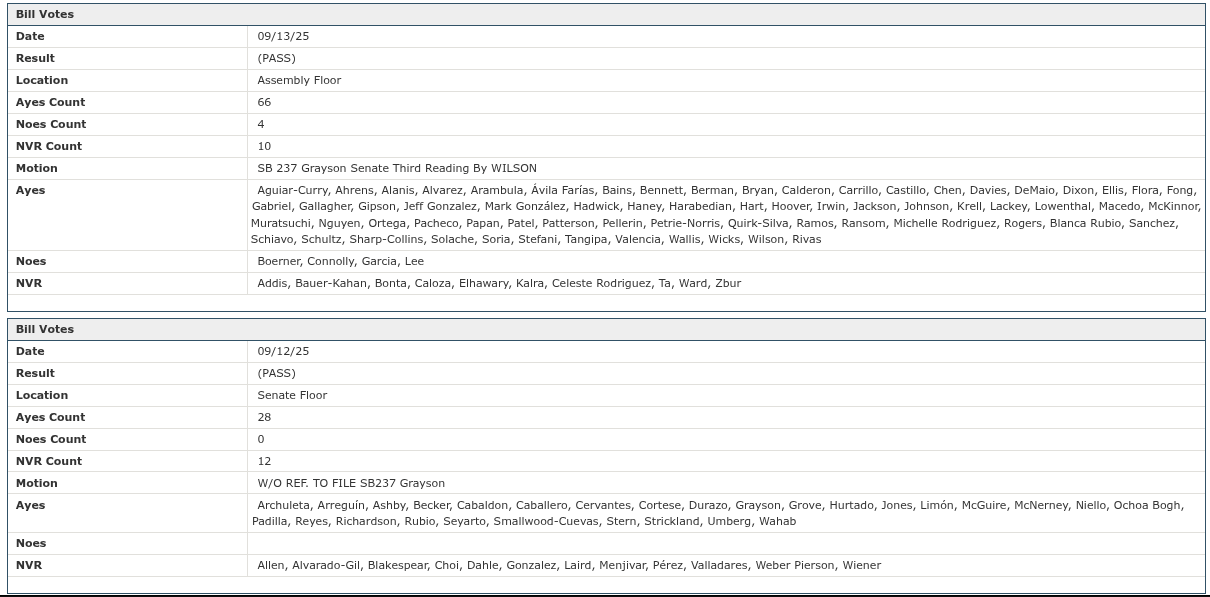
California Senate Bill 237, the compromise oil legislation supported by Gov. Newsom, Assembly Speaker Rivas, and Senate President McGuire, opens up Kern Co. drilling in exchange for pipeline safety measures that will doom the Santa Ynez Unit (SYU) if Sable fails to restart production by Jan. 1.
Particularly intriguing is the the list (below) of SB 237 supporters and opponents. The Western States Petroleum Assoc. (WSPA), is aligned with the unions for onshore drilling and against the SYU. Note that Exxon is a prominent WSPA members! Exxon assigned the SYU to Sable and is on the hook for massive decommissioning costs if production is not resumed. Perhaps Exxon has a backup plan for the SYU?
Also note that all of the environmental groups are aligned against SB 237. Compromise is not in their playbook.
John Smith’s highlighted summary of SB 237 is attached. Here is the provision that would seem to doom Sable:
Clarifies in the Coastal Act that development associated with the repair, reactivation, or maintenance of an oil pipeline that has been idled, inactive, or out of service for five years or more requires a new CDP, as provided.
REGISTERED SUPPORT / OPPOSITION: Support Associated Builders and Contractors of California Berry Petroleum Company, LLC California Conference of Carpenters California Independent Petroleum Association California Resources Corporation and Subsidiaries California state Pipe Trades Council California State Association of Electrical Workers City of Bakersfield Consumer Watchdog County of Kern State Building & Construction Trades Council of California Western States Petroleum Association
Opposition Asian Pacific Environmental Network Action California Environmental Justice Alliance Action California Environmental Voters Campaign for a Safe and Healthy California
Center for Biological Diversity Center on Race, Poverty & the Environment Central California Environmental Justice Network Clean Water Action Climate First: Replacing Oil & Gas Communities for a Better Environment Earthjustice Leadership Council for Justice and Accountability Physicians for Social Responsibility Los Angeles
John Smith has highlighted the attached bill that could, if passed, further derail Sable’s plans to restart Santa Ynez Unit (SYU) production.
This provision appears to target Sable:
Section 3(b)(2): Repair, reactivation, and maintenance of an oil and gas facility facility, including an oil pipeline, that has been idled, inactive, or out of service for five years or more shall be considered a new or expanded development requiring a new coastal development permit consistent with this section.
The legislation would be effective on 1/1/2026 so perhaps Sable will already be producing. Sable may also explore the jurisdictional and interstate commerce issues touched on in this post.
This LA Times update adds to the confusion as to the implications for Sable.
The attached comments were submitted to Regulations.gov on 9/8/2025.
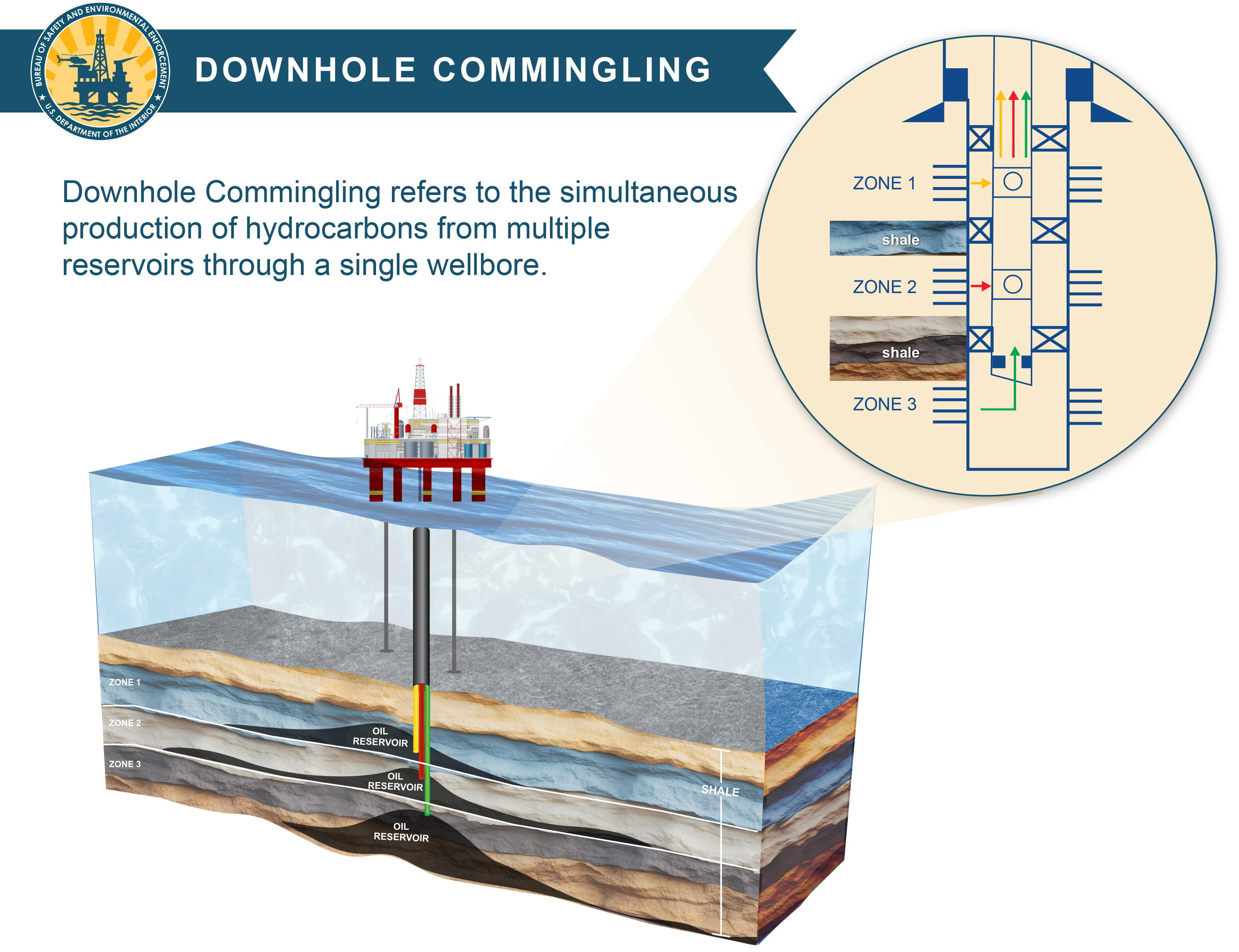
Legislatively dictating downhole commingling approvals, as per Section 50102 of the One Big Beautiful Bill, is a reckless precedent from both technical and regulatory policy standpoints.
This type of legislative maneuver compromises the integrity of the OCS oil and gas program and the companies that participate in it. Shaving the maximum royalty rate was one thing; mandating well completion approvals is quite something else. Disappointing. ☹
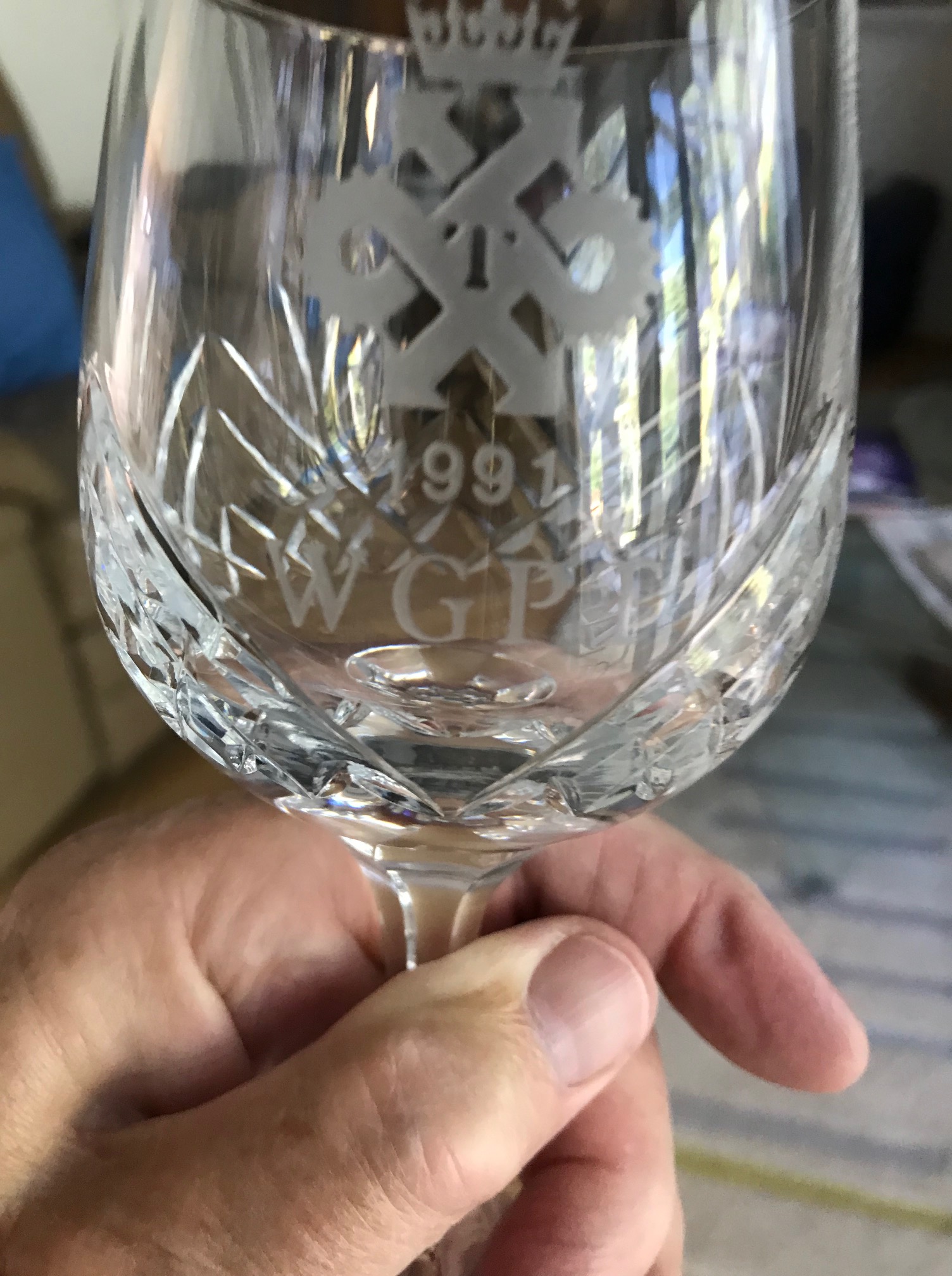
In 1991 Wood Group Production Technology (WGPT) received the Queen’s award for engineering innovation.
JL Daeschler, a pioneering subsea engineer who lives in Scotland, is saddened by the sale of the famous Wood Group engineering firm. After difficult financial losses, the Wood Group, headquartered in Aberdeen, has been sold at a cut-price to a Dubai based group.
Per JL: I knew Ian in the early North Sea development stage. He became Sir Ian Wood. We used to chat at various conferences in Houston, Stavanger, and Aberdeen. Ian was an energetic man, who had a friendly approach to our North Sea challenges. He was a true Aberdonian entrepreneur who employed 1000’s in offshore related disciplines worldwide. The crystal glass above was a gift by a University student I sponsored who later worked for the Wood group. In 1991 Wood Group Production Technology (WGPT) received the Queen’s award for engineering innovation. We worked closely on the development of down hole pressure censors and temperature gauges in the 1980’s.
JL reports that oil & gas is a hot subject in Scotland, but political commentary dwarfs technical discussion. To fix the economy, the govt should look at where people are struggling, and energy costs are their no. 1 concern.
While some politicians are belatedly vowing to maximize North Sea production, that will be difficult given the loss of operators, rigs, ships, installation and pipeline vessels, shipyards, and experienced workers. The infrastructure in Aberdeen is back to 1970 levels, and it’s difficult to build back what has been destroyed.
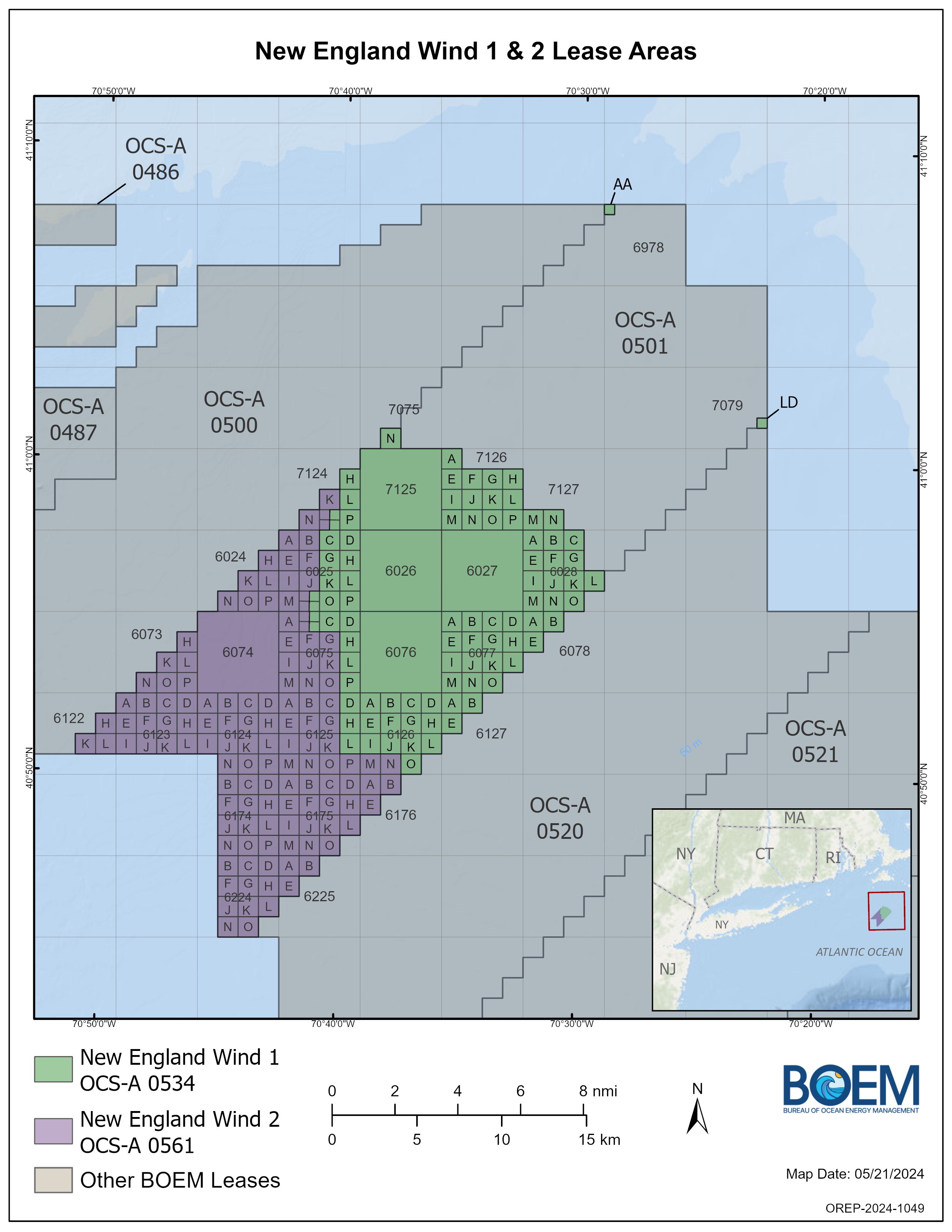
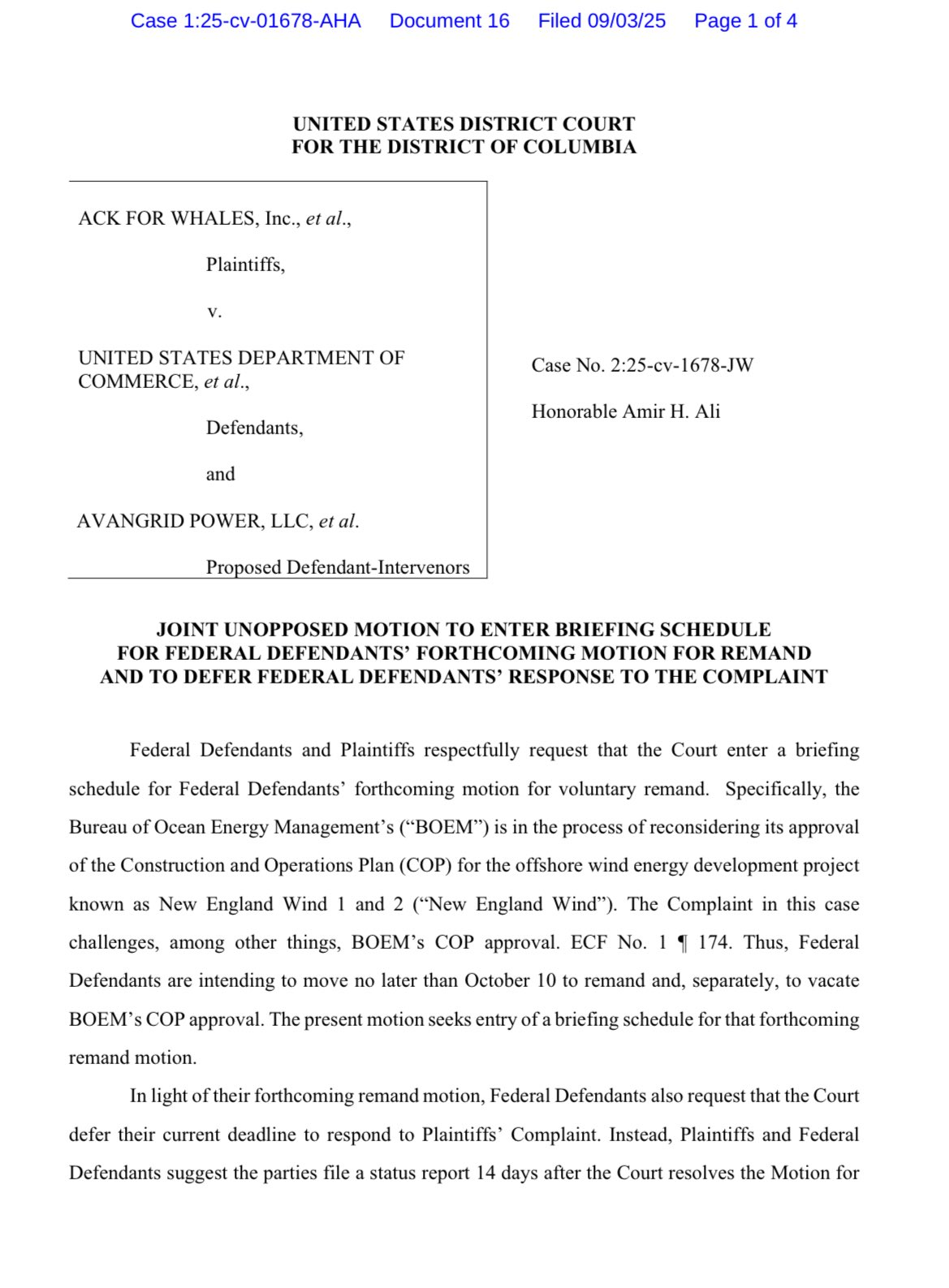
See below. BOEM is reconsidering its approval of the Construction and Operations Plan (COP) for New England Wind 1 and 2. The operator, Avangrid (Spain), is also a partner in the troubled Vineyard Wind project.
If you are keeping score, the approval of these COPs is being reconsidered:
Other projects: Work has been stopped on the Revolution Wind project. Work was previously halted on the Vineyard Wind and Empire Wind projects, but has been allowed to resume. BSEE has still not published its report on the Vineyard Wind turbine blade failure that occurred on 7/13/2024. Other projects have been suspended by the owners at their own initiative (e.g. Atlantic Shores South, Gulf of Maine, Starboard Wind, Vineyard Wind 2, Beacon Wind). Meanwhile, litigation abounds!
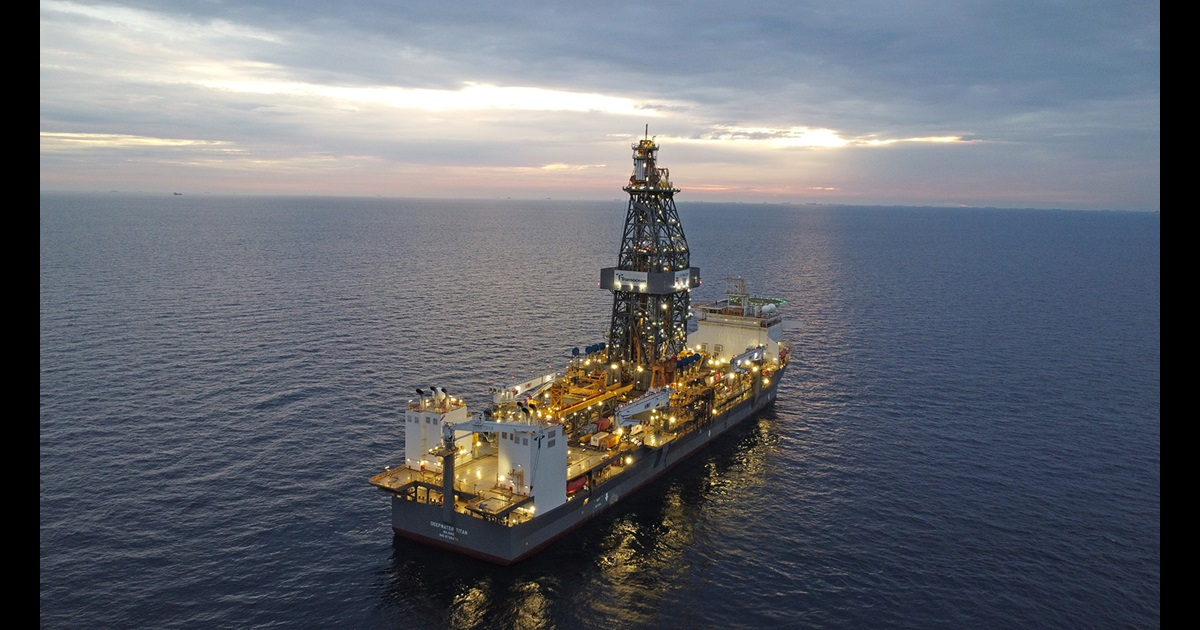
The latest Baker Hughes Rig Count Report shows only 10 rigs actively drilling in the Gulf. All are at deepwater locations – 7 in the Mississippi Canyon area, 2 in Green Canyon, and 1 in Alaminos Canyon. Per the BSEE borehole file, Shell accounts for most of the current MS Canyon wells and the Alaminous Canyon well. Beacon is also drilling in the MS Canyon, and the Green Canyon well appears to be a Chevron operation.
Only Anadarko/Oxy, Beacon/BOE, BP, Chevron/Hess, Shell, and Talos have spudded deepwater exploratory wells in 2025 YTD. Arena and Cantium are the only shelf drillers – all development wells.
Technological advances and extensions of past discoveries have sustained Gulf production, but declines are certain over the longer term if drilling activity doesn’t increase. Oil price uncertainty is an issue, but that’s always the case. Semiannual lease sales are now legislatively required and the terms will be attractive, so those issues are off the table. Let’s see what the bidding looks like at the upcoming sale.
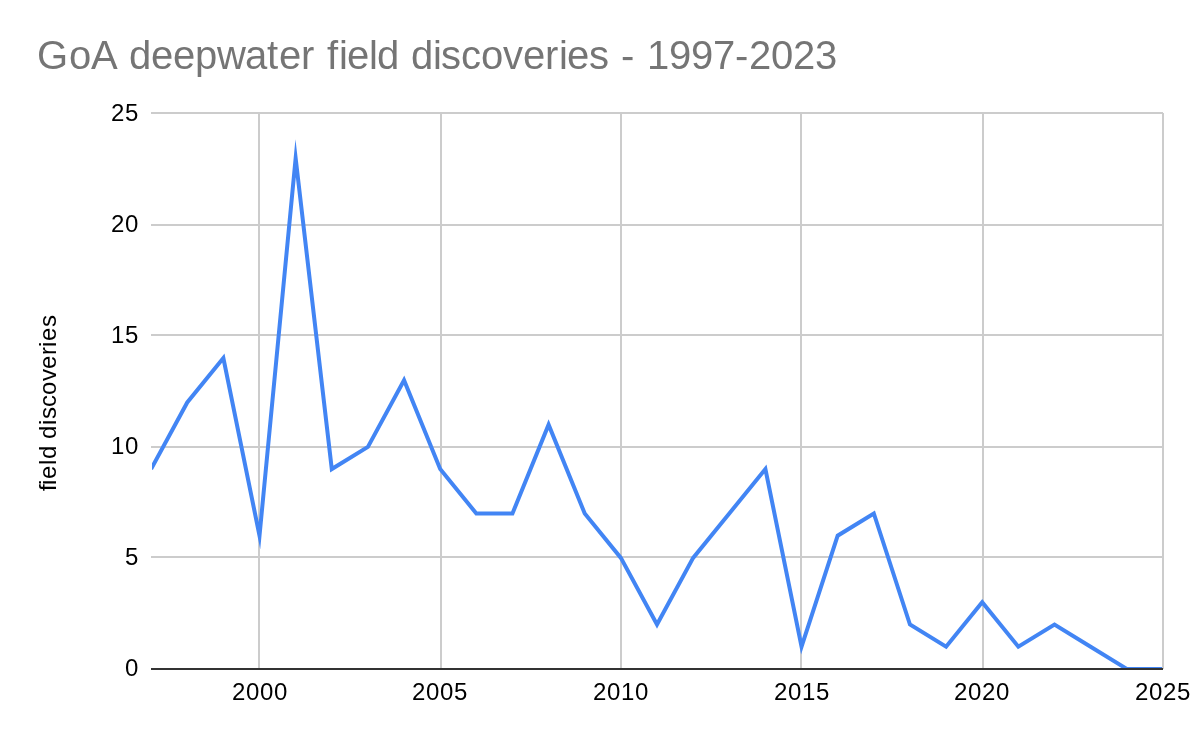
The decline in deepwater discoveries (BOEM data below) is particularly discouraging. Per BOEM, the last deepwater field discovery was in March 2023.
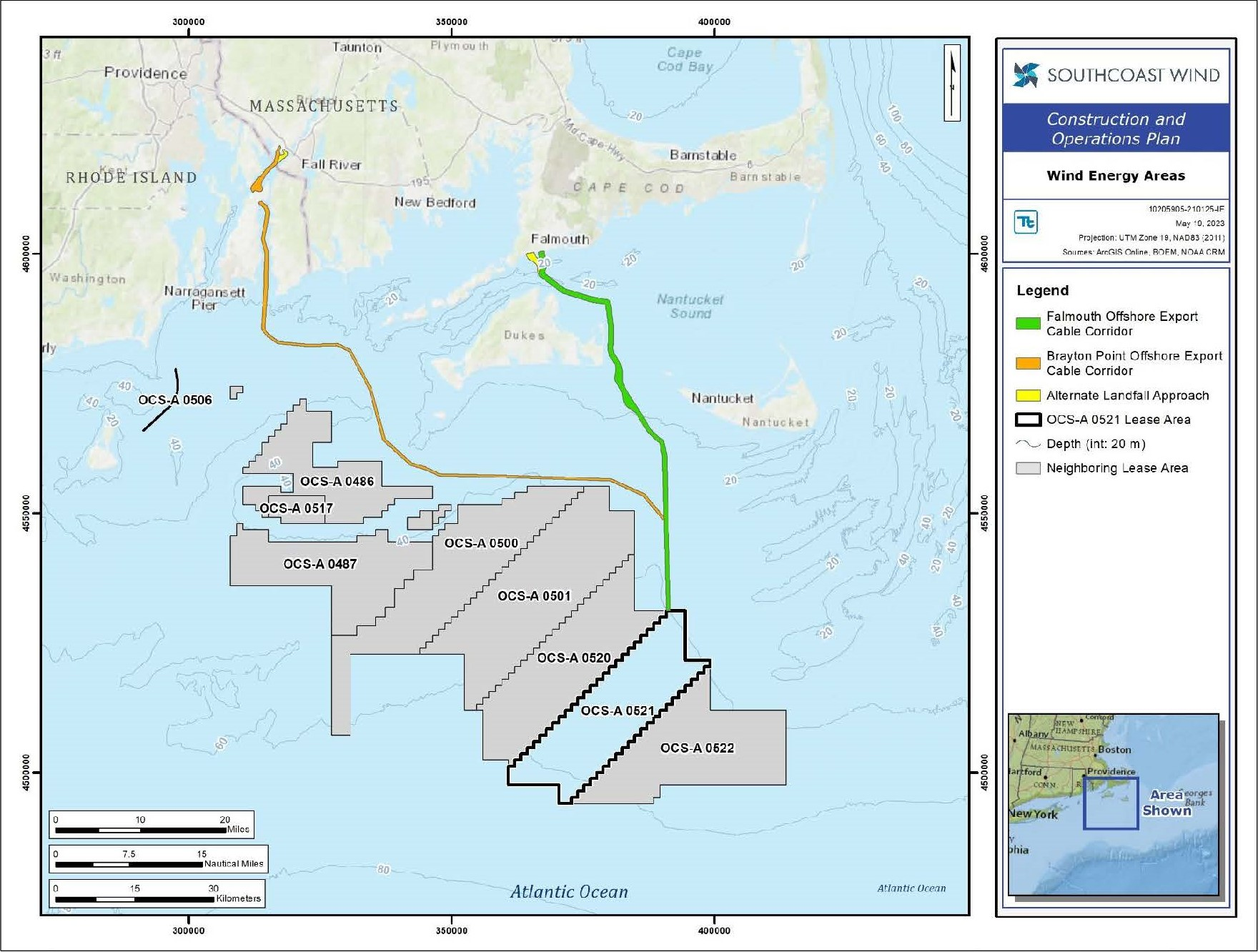
The Construction and Operations Plan (COP) for the SouthCoast Wind project was approved during the last week of the Biden Administration. That approval has been challenged by the Town and County of Nantucket. Ocean Wind, a joint venture of EDP Renewables (Portugal) and ENGIE (France), is the leaseholder.
As is the case for Maryland Wind, a court filing (attached) indicates that DOI is reconsidering the approval of the SouthCoast Wind COP. Construction has not begun on this project.
A further deferral of Federal Defendants’ responsive pleading deadline in this case is needed because Interior intends to reconsider its COP approval and will therefore be moving for a voluntary remand of that agency action by September 18, 2025.
Historically, State and local governments have tended to be aligned, either for or against offshore energy (primarily oil and gas) leasing. However, a new (offshore) world orderis emerging with local governments joining the new Administration in opposition to wind projects.
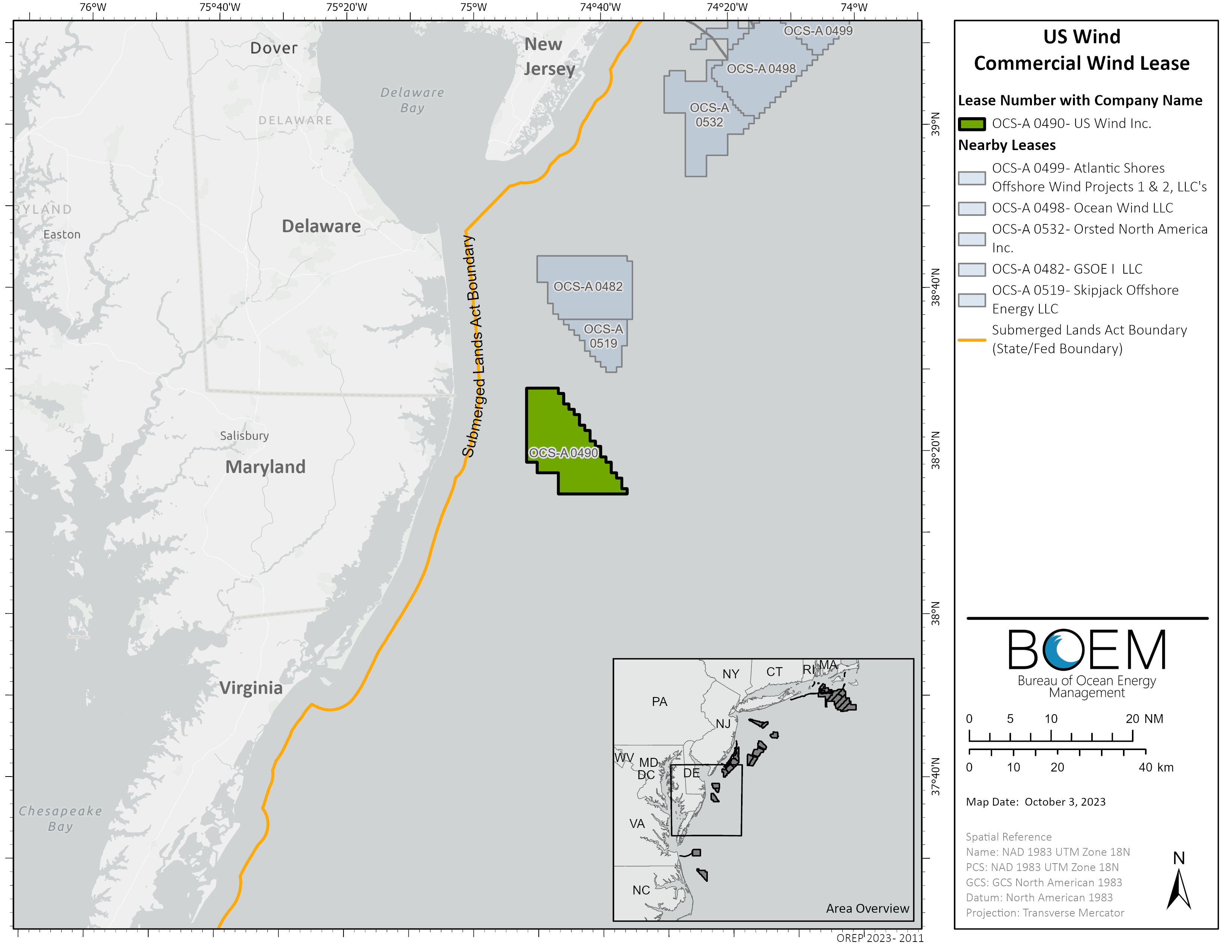
Most recently, and consistent with previous speculation, the Federal govt announced its intent to revoke approval of the Construction and Operations Plan for the US Wind project offshore Maryland and Delaware. (See the attached court filing.) This project is not yet in the construction phase.
Particularly noteworthy, as has been the case for other wind projects offshore Mid-Atlantic and New England states, is the alignment of Federal and local (coastal) govts in opposition to State policies.
Specifically, with regard to the US Wind project, the positions of State and local leaders couldn’t differ more:
Ocean City MD Town Manager Terry McGean:
“This is an extremely positive development in our fight against the irresponsible and costly US Wind project,”McGean said to WBOC on Monday. “We have stated all along that the approval of this project was fast and tracked without adequate public input and that approvals ignored significant risks to our economy, fishing industry, marine mammals, and the horseshoe crab. We are glad that our concerns are finally being taken seriously.”
“For the past eight years, Ocean City has voiced strong opposition to the proposed US Wind project. Unfortunately, we believe this project was fast-tracked and that our serious concerns have been largely ignored throughout the review process.“
“Canceling a project set to bring in $1 billion in investment, create thousands of good paying jobs in manufacturing, and generate more Maryland-made electrical supply is utterly shortsighted,” the Governor’s statement reads in part. “The President’s actions will directly lead to utility-rate hikes by taking off most promising ways for Maryland to meet its looming energy generation challenges.”
Such sharply divergent views are also evident in other coastal states. Offshore wind could be a factor in the upcoming gubernatorial race in NJ. The pro-wind energy candidate has the support of large environmental NGOs, while her opponent is supported by grass roots environmental groups that strongly oppose wind projects.