BOEM is charged with protecting the public from financial risks associated with the decommissioning of offshore facilities. Previous posts have addressed oil and gas facility decommissioning issues and proposed revisions to BOEM’s financial assurance regulations for those operations.
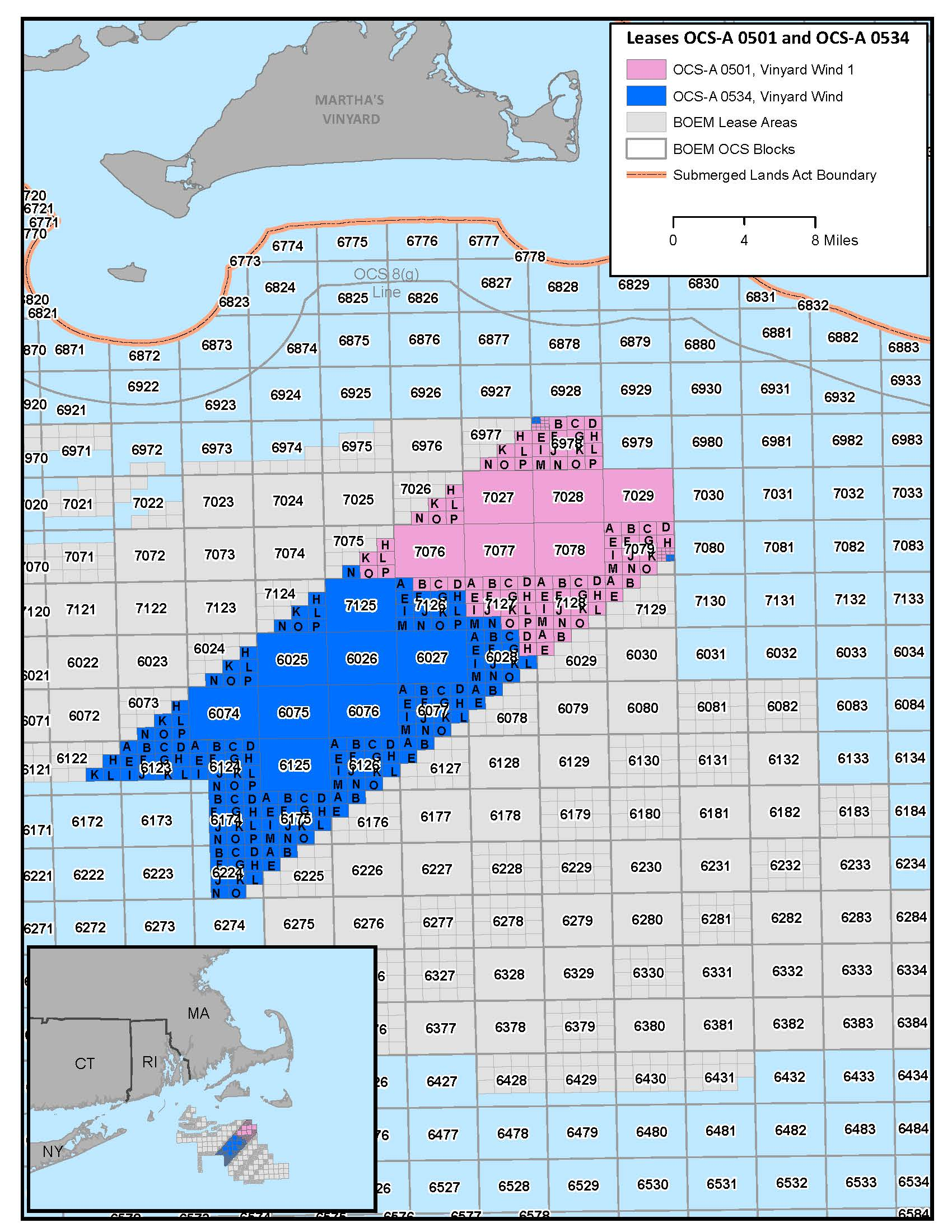
Recent disclosures indicate that BOEM, which very publicly promotes the offshore wind projects that it regulates, has waived a fundamental financial assurance requirement at the request of Vineyard Wind (approval letter attached). Given its broad applicability, this precedential waiver could have the effect of revising a significant provision of the offshore wind decommissioning regulations without public review and comment.
The issue is the “pay as you build” financial assurance requirement at 30 CFR § 585.516, which was waived by BOEM. This requirement, which is intended to project the public from decommissioning liability, is fair and reasonable given that wind developers must only provide financial assurance “in accordance with the number of facilities installed or being installed.” Companies that don’t have sufficient financial strength to comply with this requirement should not be installing and operating offshore wind turbines.
Vineyard Wind was either unable or unwilling to comply with the requirement. They instead requested to defer providing the full amount of the required financial assurance until year 15 of actual operations. The waiver changes “provide assurance when you install” to provide assurance 15 years after installation if everything goes as planned (hoped?).
After their waiver request was denied in 2017, Vineyard Wind resubmitted the request in 2021 seeking a favorable decision from an administration concerned that project cancellation or delay might tarnish the program that they were enthusiastically promoting.
BOEM (as directed from above?) granted the waiver, citing the general departure authority at 30 CFR § 585.103. However, that authority is intended for special situations, not for broadly applicable waivers that have the effect of revising the regulations without the public review required by the Administrative Procedures Act and Executive Orders 12866 and 13563.
There are no criteria in the Vineyard Wind waiver approval that could not apply to other wind developers. Vineyard Wind has simply committed to the same “risk-reduction factors” that apply to all offshore wind projects: damage insurance, the “use of proven turbine technology,” and long-term power purchase agreements. How could BOEM deny the same request from other companies?
It’s noteworthy that the regulations specific to financial assurance at 30 CFR § 585.516 provide no criteria for waiving the assurance requirements; nor do the regulations provide for the 15-year payment plan approved by BOEM. Given the precedential nature of the BOEM action and its enormous financial implications, a revision to the decommissioning regulations that provides criteria for such payment schemes should be promulgating before any similar departures are approved.
In light of the waiver, the public will likely incur substantial costs if Vineyard Wind fails, walks away, doesn’t fully fund their decommissioning account in a timely manner, or seeks new concessions after some or all of the 62 turbines have been installed.
Given the decommissioning obligations, what company would want to step in and assume responsibility for a failing project 10-15 years from now? What happens if Vineyard Wind’s project revenues don’t meet expectations and contributions to their decommissioning account are insufficient or used improperly? More concessions? We’ve seen this dance before.
Whether the project is for oil, gas, or wind energy, protecting the public from decommissioning liabilities should always be prioritized over facilitating development.