Top 5 Gainer Stocks for May 19, 2025$UNH UnitedHealth Group Incorporated 8.21%$BGC BGC Group, Inc 8.90%$HSAI Hesai Group 10.07%$ZI ZoomInfo Technologies Inc. 10.27%$SOC Sable Offshore Corp. 14.41%#stocks #stockmarketcrash #StocksToWatch #StockMarket #StocksToBuy… pic.twitter.com/CMieHfpbJU
— AryaFin (@AryaFintech) May 19, 2025
Archive for the ‘California’ Category
Sable Offshore topped the charts yesterday
Posted in California, Offshore Energy - General, tagged production restart, Sable Offshore, Santa Ynez Unit on May 20, 2025| 2 Comments »
Sable restarts production!!!
Posted in California, Offshore Energy - General, pipelines, tagged 5/15/2025, onshore pipeline, production restart, Sable Offshore, Santa Ynez Unit on May 19, 2025| Leave a Comment »
05/19/2025
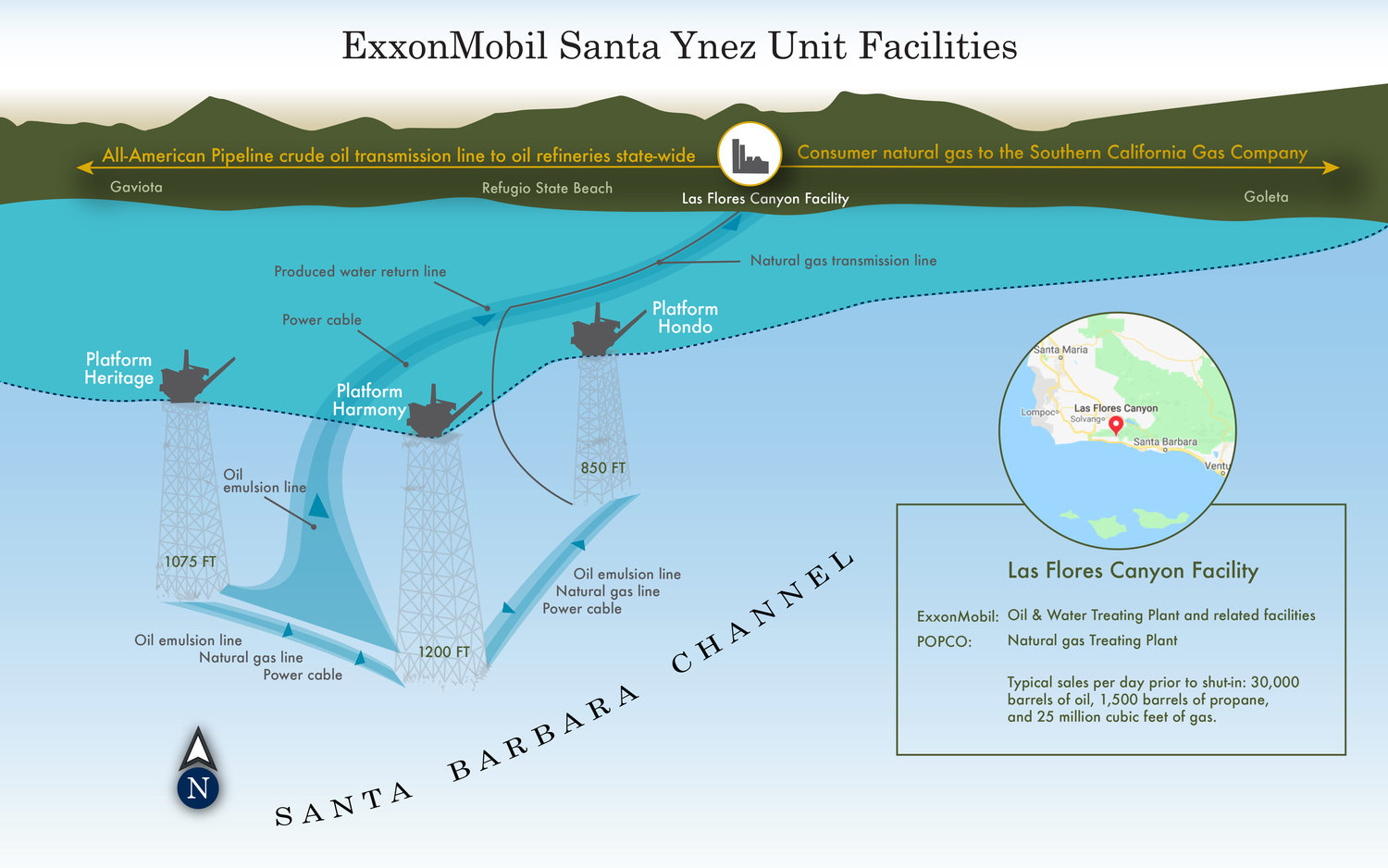
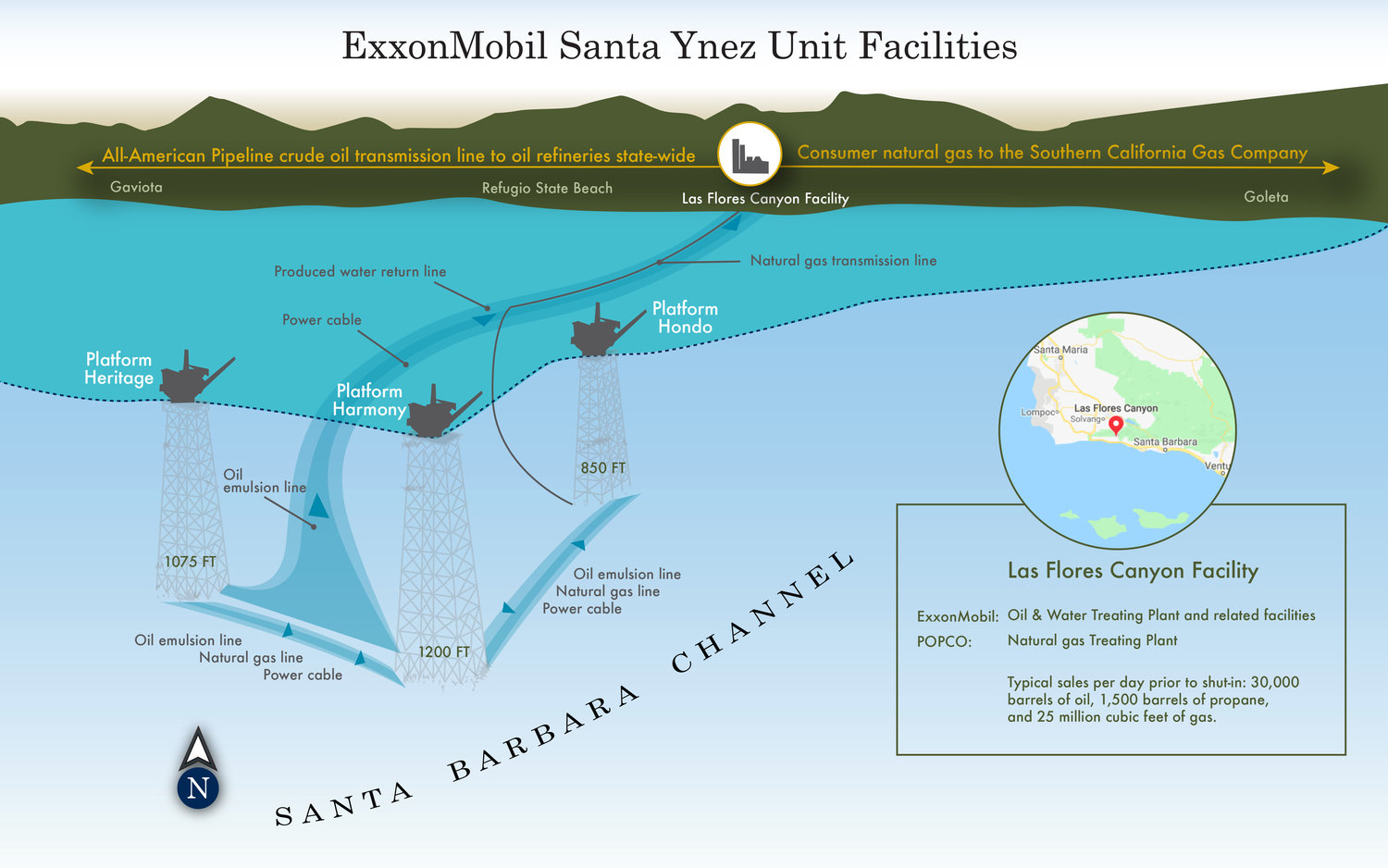
HOUSTON–(BUSINESS WIRE)— Sable Offshore Corp. (“Sable,” or the “Company”)(NYSE: SOC) today announced that as of May 15, 2025, it has restarted production at the Santa Ynez Unit (“SYU”) and has begun flowing oil production to Las Flores Canyon (“LFC”). Additionally, with the completion of the Gaviota State Park anomaly repairs on the Las Flores Pipeline System (the “Onshore Pipeline”) on May 18, 2025, Sable has now completed its anomaly repair program on the Onshore Pipeline as specified by the Consent Decree, the governing document for the restart and operations of the Onshore Pipeline.
Seven of the eight sections of the Onshore Pipeline have been successfully hydrotested. Sable will complete the final hydrotest in order to meet the final operational condition to restart the Onshore Pipeline as outlined in the Consent Decree. Sable expects to fill the ~540,000 barrels of crude oil storage capacity at LFC by the middle of June 2025 and subsequently recommence oil sales in July 2025.
Production Restart
- On May 15, 2025, Sable initiated the flow of oil production from six wells on Platform Harmony of the SYU to LFC at a rate of ~6,000 barrels of oil per day.
- Sable has been testing wells on Platform Harmony throughout May 2025 and the well tests have performed consistently stronger than they did at the time of shut-in on May 19, 2015 when the SYU produced approximately 45,000 barrels of oil equivalent per day.
- Approximately 30% of the 32 producing wells at Platform Harmony have been tested as of May 18, 2025 with the remaining Platform Harmony wells projected to be tested over the course of the next several days.
- Sable expects to initiate production from the additional 44 wells on Platform Heritage and the additional 26 wells on Platform Hondo in July 2025 and August 2025, respectively.
After 130 years, Santa Barbara County dismisses the oil industry without consultation
Posted in California, energy policy, tagged Charles Katerman, Darwin Sainz, oil industry dismissed, Old Maud, Santa Maria, Supervisor Bob Nelson on May 16, 2025| Leave a Comment »

In 1904 the famous “Old Maud” well (pictured) in Orcutt, Santa Barbara County, produced a million barrels in the first 100 days.
This week, the Santa Barbara County Board of Supervisors voted 3-1 to establish a framework to prohibit new oil and gas operations and phase out existing operations.
Given the industry’s long history in the County, one would have expected consultation with the remaining companies prior to that decision.
County staff informed Supervisor Bob Nelson, who voted against the ordinance, that they had not reached out to oil companies. Nelson described the ordinance as the nuclear option.
Charles Katherman, who started his own company in Santa Barbara 40 years ago, criticized the county for a lack of communication leading up to the ordinance. “What you’re proposing or looking at to vote on is a euthanasia of my industry,” Katherman said.
When John Smith told me about the County’s decision, I wondered what the late Darwin Sainz would think. Darwin was a proud 8th generation Californian, a well known rancher and oil industry veteran, a community leader, and Citizen of the Year in the Santa Maria Valley. His grandfather worked on the famous Old Maud well. Darwin was effective at reaching out to parties with opposing views and promoting dialogue and compromise. Sadly, reasoned dialogue no longer seems to be an option.

Sable Offshore Sues Santa Barbara County over Blocked Transfer Permit
Posted in California, Offshore Energy - General, Regulation, tagged Exxon, litigation, Sable Offshore, Santa Barbara County, Santa Ynez Unit, tie vote on May 13, 2025| Leave a Comment »
A good Nick Welsh, Santa Barbara Independent article has been brought to my attention by John Smith. Bonus points for the baseball analogy:

“In baseball, ties famously go to the baserunner, but in county government it’s forced a legal fight in the courts.”
“The oil company Sable Offshore is insisting that when the County Board of Supervisors voted 2-2 on whether or not to allow another oil company, Exxon, to transfer its permits to Sable, the tie goes to Sable.”
“Accordingly, Sable — much in the limelight recently — just filed a lawsuit against the Santa Barbara County Board of Supervisors in federal court to make that point. Joining Sable in this dispute is ExxonMobil, the oil giant that sold Sable its three offshore platforms, its 120-mile pipeline, and its onshore oil storage and processing facilities known as the Santa Ynez Unit two years ago.”
Because the Planning Commission had voted 3-1 to allow the transfer, Sable argues that the 2-2 Supervisors vote upholds the Planning Commission decision.
Never a dull moment in the Santa Ynez Unit restart doneybrook. More on the tie vote here and here.
Sable clears another hurdle
Posted in California, Offshore Energy - General, Regulation, tagged California Dept of Parks, exemption notice, Gaviota State Park, pipeline repairs, production restart, Sable Offshore, Santa Ynez Unit on May 12, 2025| Leave a Comment »
John Smith reports that Sable has cleared another significant hurdle in its attempt to restart production in the Santa Ynez Unit. The California DEPARTMENT OF PARKS AND RECREATION has determined that no permit is required for the pipeline anomaly digs in Gaviota State Park (see attached).
The reasons for the exemption are that the project consists of repairs to an existing facility with no expansion of use, and the footprint of the pipeline remains the same.
Maybe the SYU restart is not Mission Impossible after all.
“Idle Iron Decommissioning Offshore California and the Need to Amend Reefing Legislation”
Posted in California, decommissioning, energy policy, Offshore Energy - General, Regulation, tagged artificial Reefing plan, California, decommissioning, idle iron, John B Smith, rigs to reefs on May 6, 2025| Leave a Comment »
John Smith shared an outstanding paper (attached) that was presented by co-author Robert Byrd at the SPE Regional Meeting in Garden Grove, CA last week.
John Smith: “My objective in writing the paper is to hopefully spur legislators to recognize the benefits of reefing and the legislative fixes required to facilitate reefing and the removal of aging infrastructure. The California Department of Fish and Wildlife Habitat Lead was very complimentary of the paper and has distributed it to the Interagency Team which is developing a California Artificial Reefing Plan.”
John adds: “They are in the process of creating a statewide artificial reef plan and you can sign up for updates and get more information. The California Artificial Reef Program (CARP) Plan won’t discuss the specifics of Rigs-to-Reefs but will be compliant with the National Fisheries Enhancement Act and National Artificial Reef Plan and meet the BSEE requirement of having an adopted state artificial reef plan. The intent is to add an addendum to the plan when resources become available to move Rigs-to-Reefs forward in California. You can check out the latest program update that further discusses the CARP Plan and Rigs-to-Reefs.”
Restraining order on Sable denied; EDC calls for “All Hands on Deck;” hedge funds are buying Sable shares
Posted in California, Offshore Energy - General, tagged EDC, hedge funds, Judge Anderle, restraining order, Sable Offshore on April 22, 2025| Leave a Comment »
The roller coaster ride continues!
From the Santa Barbara Independent:
California Attorney General Rob Bonta unsuccessfully requested that a Santa Barbara Superior Court judge issue a temporary restraining order on the Texas-based oil company for defying a cease-and-desist order issued last week by the California Coastal Commission.
Initially, Judge Anderle planned on granting the restraining order at Bonta’s request in his tentative ruling. However, his opinion changed after reading Sable’s opposition documents in the courtroom on April 17.
Arguments for a preliminary injunction will be heard on May 14.
Meanwhile, in an “All Hands on Deck” message to their mailing list, the Environmental Defense Center (EDC) predicts doom and gloom unless supporters answer their fundraising call:
This fight is now in a critical phase. We need your help to ensure EDC can continue to present the strongest defense against Sable’s dangerous proposal.
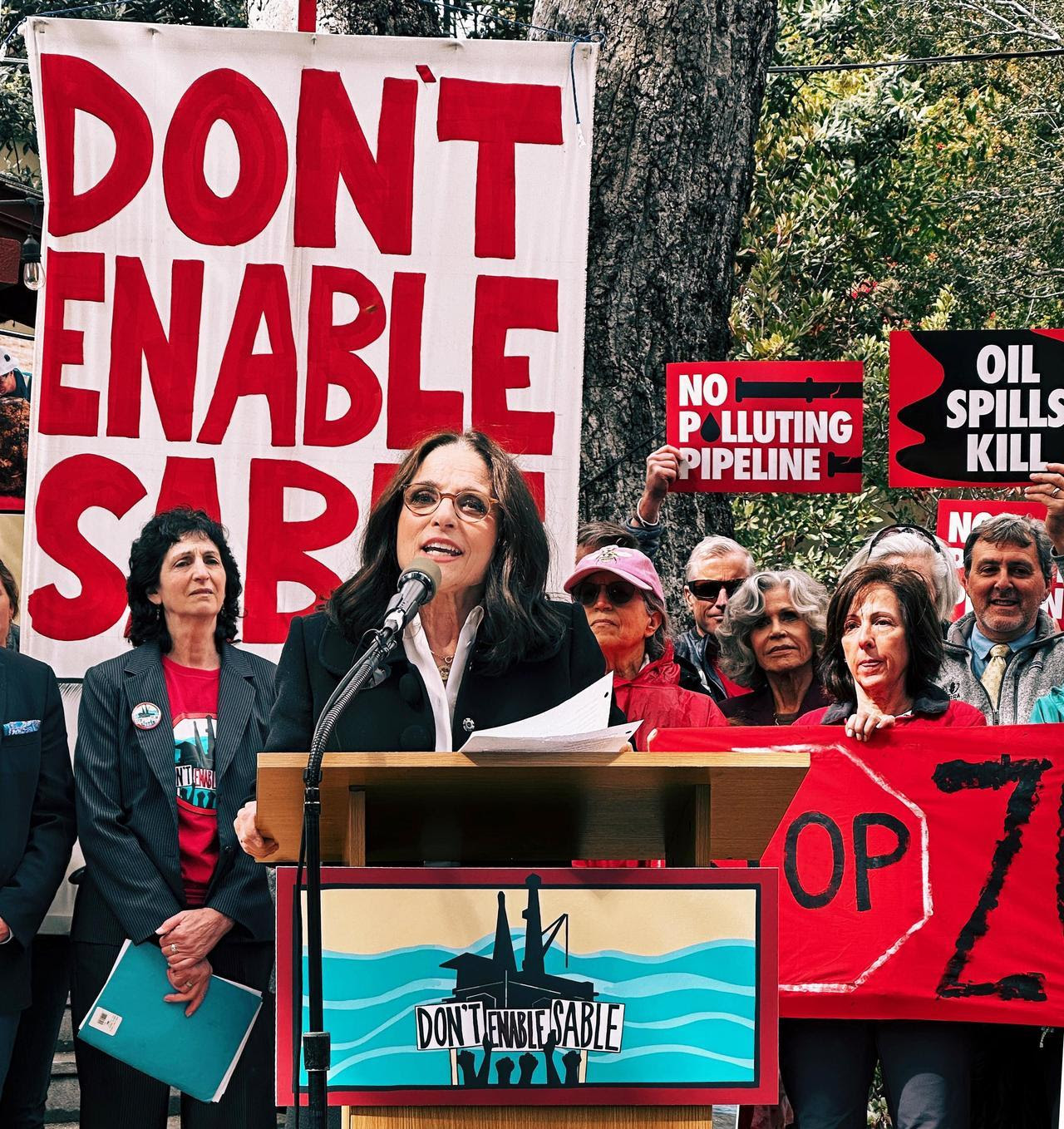
Lastly, Market Beat reports the following large purchases of Sable shares. Those investors better have a high risk tolerance!
- Harraden Circle Investments LLC bought 220,000 shares of Sable Offshore stock. Sable now accounts for approximately 4.6% of Harraden’s investment portfolio, making the stock its 9th largest position.
- State Street Corp boosted its stake in shares of Sable by 74.3% during the 3rd quarter. State Street Corp now owns 1,589,395 shares of the company’s stock after acquiring an additional 677,426 shares in the last quarter.
- Vanguard Group Inc. boosted its holdings in Sable Offshore by 23.6% in the 4th quarter. Vanguard now owns 3,486,126 shares of the company’s stock.
- Emerald Advisers LLC bought a new stake in shares of Sable Offshore in the fourth quarter valued at about $6,700,000.
- Bridgewater Associates LP acquired a new position in Sable Offshore in the 4th quarter valued at approximately $4,693,000.
- Renaissance Technologies LLC grew its holdings in shares of Sable Offshore by 313.8% during the 4th quarter. Renaissance now owns 269,800 shares of the company’s stock worth $6,178,000 after purchasing an additional 204,600 shares in the last quarter.
26.19% of Sable’s stock is owned by hedge funds and other institutional investors.
Straight talk about the Coastal Commission
Posted in California, energy policy, pipelines, Regulation, tagged California Coastal Commission, Gavin Newsome, Sable Offshore, Santa Barbara County on April 17, 2025| Leave a Comment »

The Santa Barbara Independent doesn’t pull any punches in this article about the once invincible California Coastal Commission. I recommend that you read the entire article, but here are some choice excerpts (emphasis added):
Lastly, it’s totally unprecedented for members of the commission to verbally eviscerate energy planners with Santa Barbara County at a public hearing for refusing to provide them requested planning documents having to do with Sable no fewer than seven times. While the county has denied this charge, no one from the county showed up for last week’s meeting to explain their actions. One commissioner termed this absence a “dereliction of duty.”
What actions and outcomes ultimately emerge from this rancor remain far from obvious. That’s in part because the political support enjoyed by the Coastal Commission — long regarded as one of California’s many “third rails” of state politics — has never been so uncertain. By “uncertain,” I mean rarely has any state agency been so reviled by such a wide swath of political players and stakeholder groups.
The question has become not so much who hates the Coastal Commission — it’s who doesn’t. Donald Trump has hated the commission since it objected to a 70-foot flagpole Trump planted on a beachfront golf course he owned back before he became president.
Elon Musk, Trump’s alter ego, sued the Coastal Commission — and lost — over the commission’s outspoken refusal to grant him the “consistency determination” he needed to increase the number of SpaceX rocket launches from Vandenberg Space Force Base from 35 to 50. Although a federal judge would rule in the commission’s favor, Governor Gavin Newsom, a noted Democrat, announced he was siding with Musk on this one.
So, what happens if Sable doesn’t pay the fine? Or keeps on working despite three cease-and-desist orders? The key question — still loudly unanswered — is what Attorney General Rob Bonta will do. Will Bonta throw his considerable heft behind the commission? He hasn’t yet. And it’s been several months. Does the governor want to pick his battles with the Trump-Musk White House for causes that enjoy more broad public support?
Sable fined $18 million for refusing to be bullied
Posted in California, energy policy, Offshore Energy - General, Regulation, tagged $18 million fine, California Coastal Commission, Fire Marshall, Sable Offshore, Santa Barbara County on April 11, 2025| Leave a Comment »
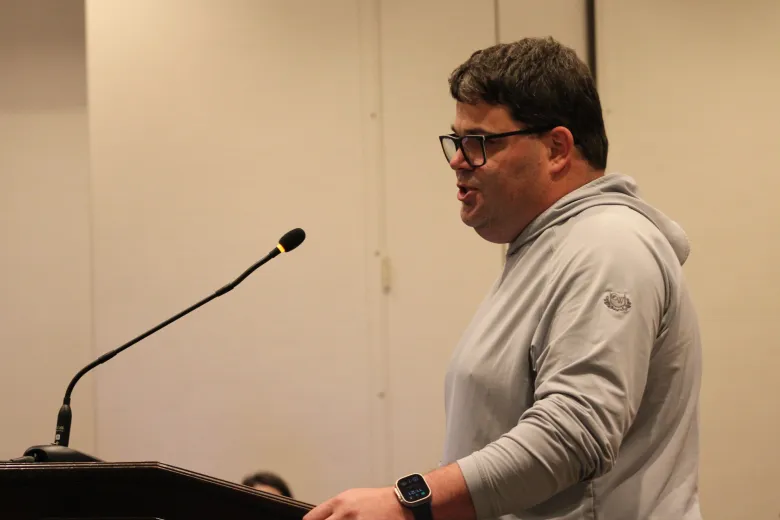
Yesterday, the California Coastal Commission voted 8-3 to fine Sable Offshore $18,022,500 for performing pipeline repairs necessary to minimize operating risks and comply with the FIre Marshall’s requirements.
In the minds of at least some commissioners, Santa Barbara County, which reached agreement with Sable on pipeline repairs, is also a villain in this matter. Per Commissioner Harmon:
“We have not gotten a foothold with Sable, and we’ve not gotten a foothold with Santa Barbara County either. So, we are where we are, and because of this absolute failure of communication and Sable’s, to be frank, absolute failure to follow the law, this hearing has become necessary,” Harmon said.
We’ll see how this gets sorted out in the courts. Sable appears to have a strong case against the Commission, but litigation in California courts is not exactly ideal for oil companies.
John Smith comments on the Coastal Commission’s Staff Report on the Sable Cease and Desist Order
Posted in California, energy policy, Offshore Energy - General, Regulation, tagged California Coastal Commission, Friends of Oceano Dunes, pipeline repair, Pismo Beach, Sable Offshore, Santa Barbara County, Santa Ynez Unit on April 9, 2025| Leave a Comment »
BOE contributor John Smith has shared (attached) his highlighted version of the 89 page California Coastal Commission staff report recommending imposition of a $15 million fine.
John finds it noteworthy that the report documents that Santa Barbara County did not concur with the CCC, and that the California State Lands Commission approved the span remediation work. John thinks this raises legitimate questions as to whether the CCC is overreaching in terms of asserting permitting authority for the repair and maintenance work.
John thinks it will be interesting to see how the Courts rule on this and expects an appeal regardless of the outcome. He points to the Court ruling against the CCC on Pismo Beach offroading case as being pertinent to the Sable-CCC dispute. (“Is the Friends of Oceano Dunes court victory a good omen for Sable?“)
In particular, note the text John has highlighted in green. These issues will likely be central to the Court deliberations.

