Feeds:
Posts
Comments

Archive for the ‘Offshore Energy – General’ Category

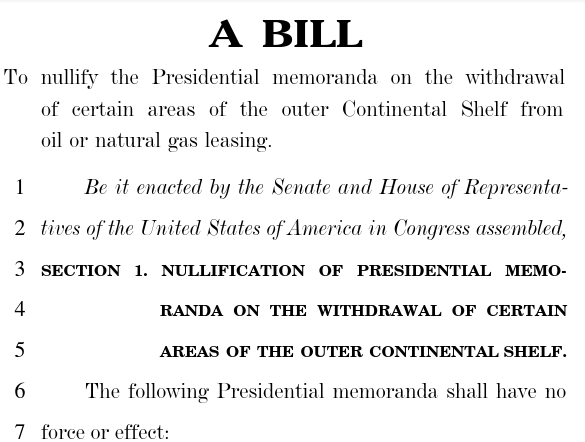
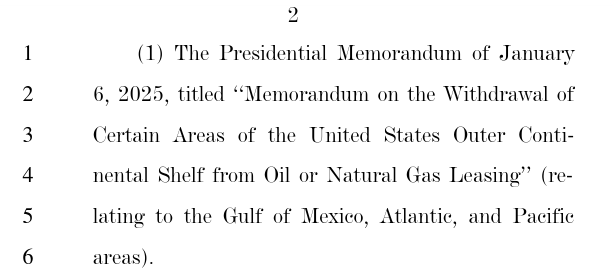
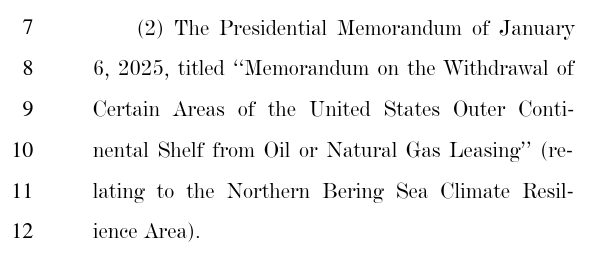
The attached bill not only nullifies most OCS leasing bans, but fundamentally changes the OCS Lands Act provision (Sec. 12(a)) that authorizes such Presidential withdrawals.

The well constructed bill addresses the issues previously raised on the blog. The bill would:

  • Revoke all Presidential leasing bans except for the 2020 withdrawals, which could presumably be reversed by President Trump.
  • Limit withdrawals to under 150,000 acres (the equivalent of 26 lease blocks of typical size) in total or contiguous with any other withdrawal.
  • Limit cumulative withdrawals to 500,000 acres (87 lease blocks) without congressional approval.
  • Sunset withdrawals after 20 years.
  • Require geological, economic, and security assessments for any future withdrawals.
  • Give Congress the authority to review and potentially overturn future withdrawals.
  • Ensure that future withdrawals do not contradict an approved Five-Year Offshore Oil and Gas Leasing Program.

Does this bill have a chance? Realistically, the prospects are probably not good. Although the bill currently has an impressive list of 24 sponsors, all are Republicans and none are from Florida. Absent support from Florida Republicans and some interior state Democrats, it will be difficult to gain traction.
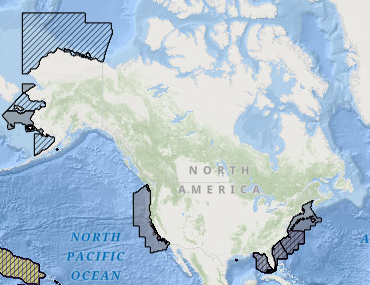
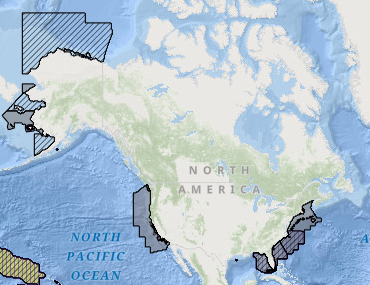
Interactive map showing OCS areas where oil and gas leasing is now prohibited (I.e everywhere but the Central and Western Gulf of Mexico and the Cook Inlet)

Read Full Post »

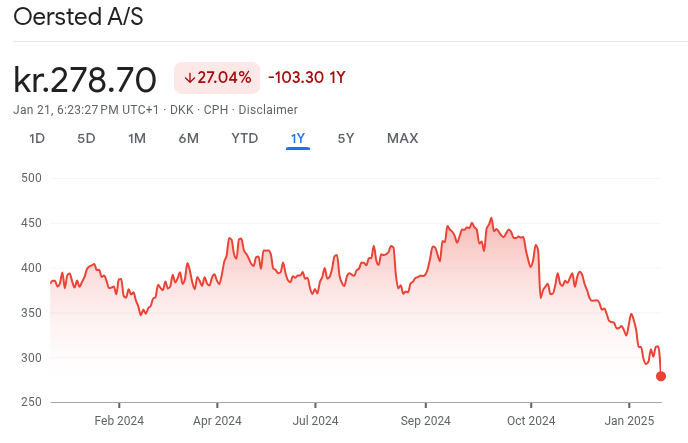
Equinor’s investment in Orsted and their Empire Wind project in the US Atlantic are featured in this DN article (translated to English). Excerpts follow:

Equinor’s investment of over 26 billion kroner in the Danish wind power company Ørsted has so far been a financial disaster – and now it’s going from bad to worse.

We are very negative about the whole green initiative, as the return on the investments they make is far too low. When they also buy minority stakes in other green companies that we cannot count on, such as Ørsted, it means that we would rather own other oil companies.” Gaute Eie, Eika Kapitalforvaltning

The market has long been concerned that Equinor will throw money at renewable projects with low or no profitability.

In a recent note, Pareto analysts Tom Erik Kristiansen and Olav Haugerud point out that the Ørsted writedown does not bode well for Equinor’s own US projects either. They foresee a writedown of up to $1.1 billion, given that Equinor faces the same type of challenges as Ørsted.

Eie believes there is no reason why Equinor in particular should have a green initiative:

Aker BP is not doing green, Vår Energi is not doing green, and all the big oil companies are going back on this. Then we’ll see if Equinor has the guts to buy even more Ørsted shares, because now it’s 35 percent cheaper. If they do, we’ll have even fewer Equinor shares.

Sissener believes Equinor should rather focus on dividends and concentrate on oil and gas projects.

We generally stay away from companies where the state is a major owner, because there you have to be so politically correct all the time. What we need are shareholder-friendly board representatives who know how to run a business and maintain control. In a broader perspective, this helps to destroy trust in Norwegian business.

Read Full Post »

Withdrawal from the Paris Climate Change Agreement:The US Ambassador to the UN shall immediately submit formal written notification of the US withdrawal from the Paris Agreement under the United Nations Framework Convention on Climate Change. 

Regulatory Freeze: Agencies may not propose or issue a rule until approved by a Presidential appointee. OMB may exempt emergency or urgent rules (déjà vu for regulators 😉).

Alaska: Withdraws a Secretarial Order intended to halt ANWR oil and gas leasing. Rescinds cancellation of ANWR leases.

Gulf of America: Renaming the Gulf of Mexico.

Unleashing American Energy (long, main items highlighted below):

  • Encourage energy exploration and production on Federal lands and waters, including on the Outer Continental Shelf.
  • Eliminate the electric vehicle (EV) mandate.
  • Requires immediate review of actions that could burden the development of energy resources.
  • Develop and begin implementing action plans to suspend, revise, or rescind all unduly burdensome agency actions.
  • Revoke climate change and “clean energy” EOs.
  • Terminate all activities, programs, and operations associated with the American Climate Corps (RIP 😉).
  • Expedite and simplify permitting processes.
  • Facilitate the permitting and construction of interstate energy transportation and other critical energy infrastructure, including pipelines.
  • Disband the Interagency Working Group on the Social Cost of Greenhouse Gases.
  • Terminate the Green New Deal.  All agencies must immediately pause the disbursement of funds appropriated through the Inflation Reduction Act of 2022 (Public Law 117-169) or the Infrastructure Investment and Jobs Act (Public Law 117-58).
  • The Secretary of Energy is directed to restart reviews of applications for LNG export projects as expeditiously as possible.

Offshore Wind

Read Full Post »

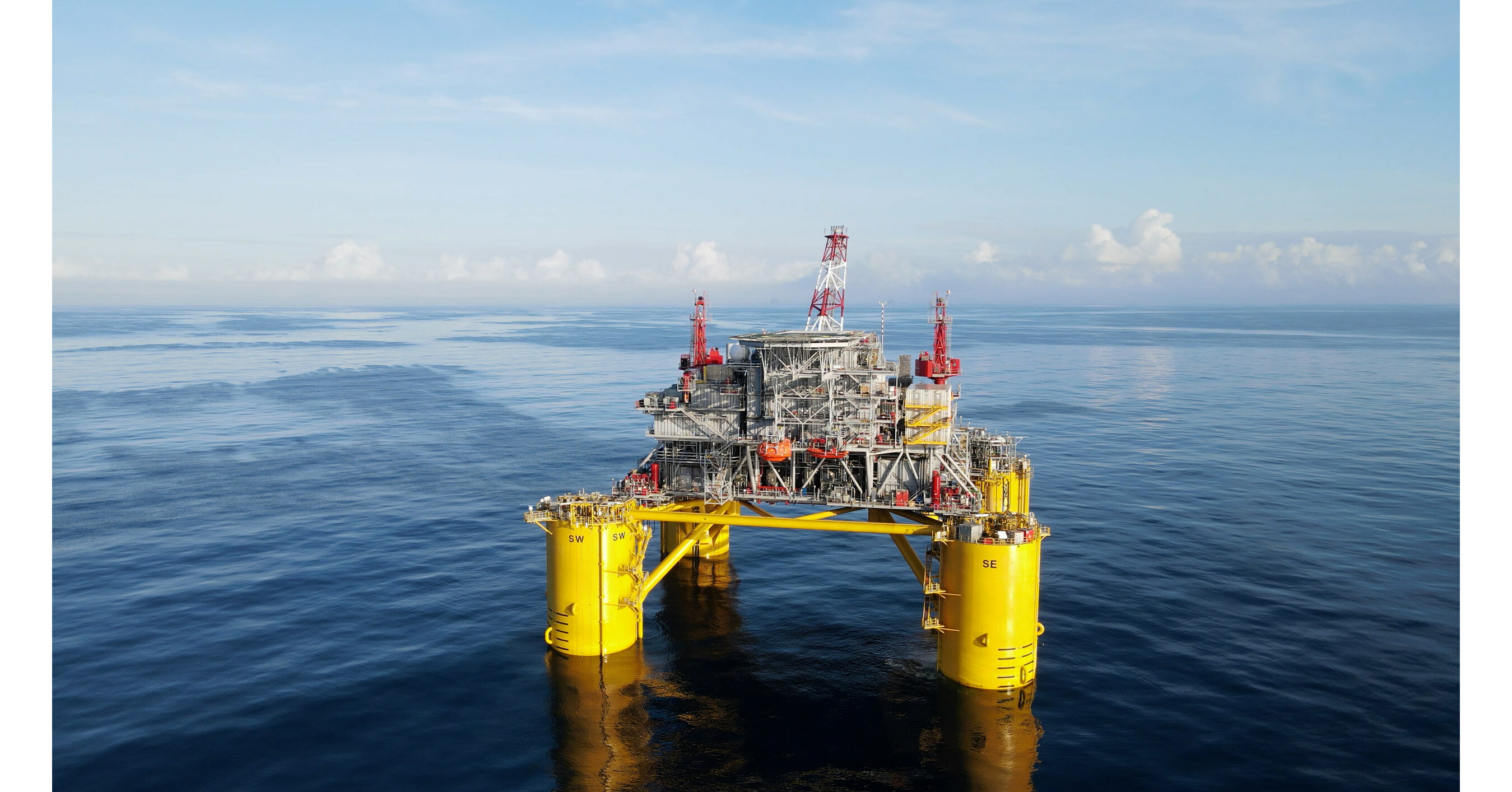
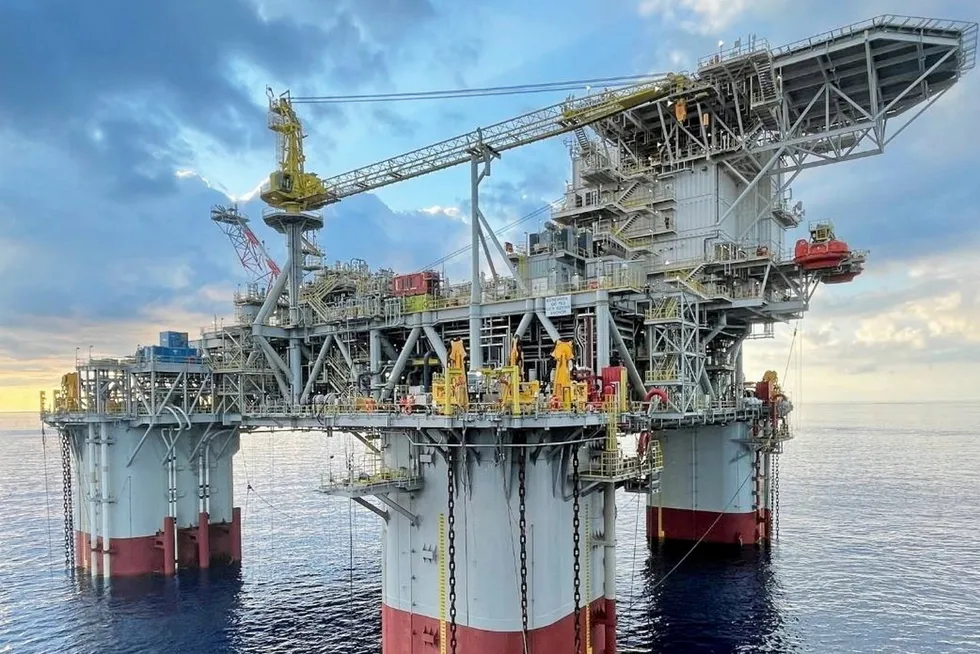
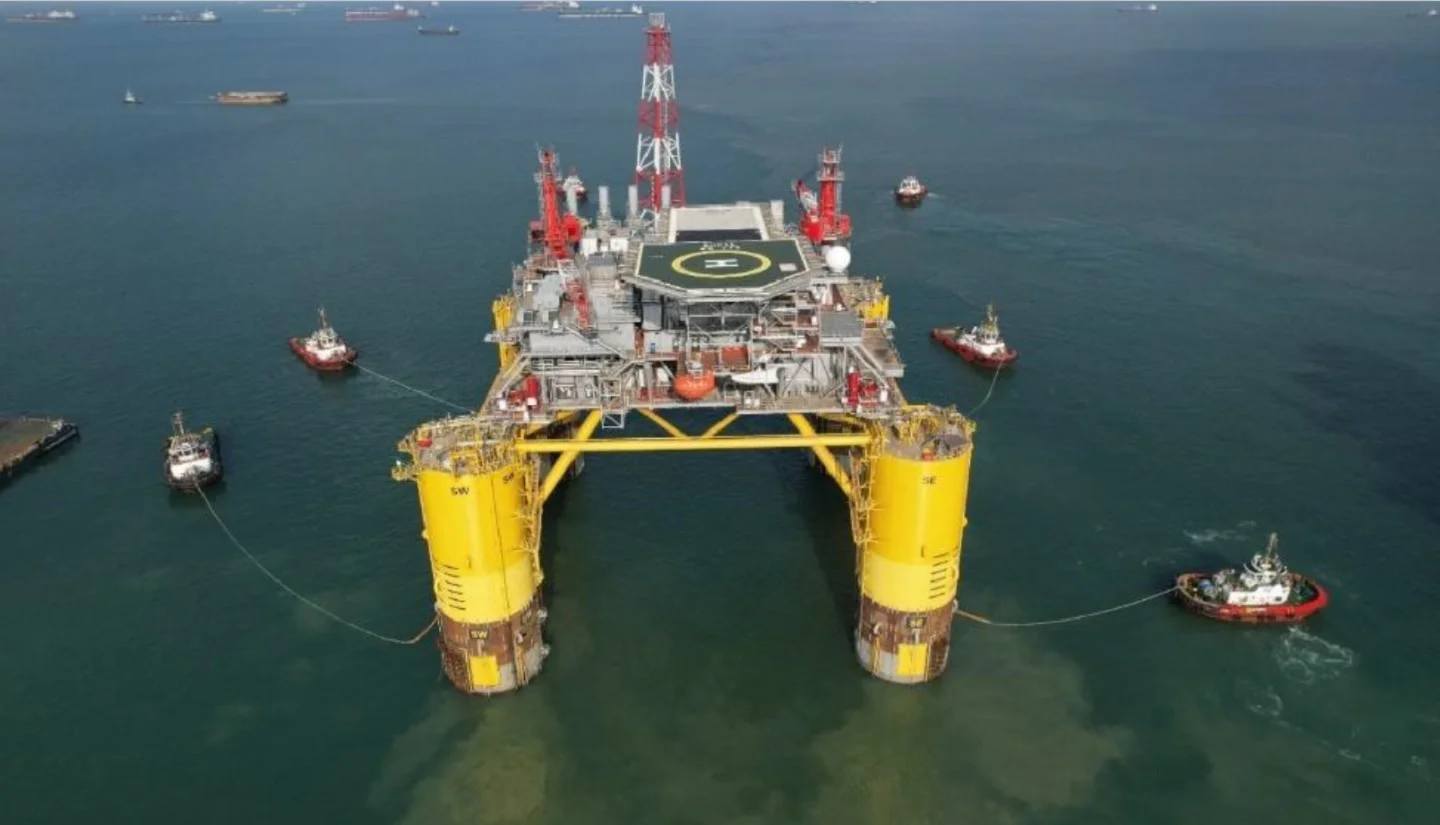
Shell’s Whale floating production unit began producing this month:

  • estimated peak production:100,000 barrels of oil equivalent per day (boe/d)
  • water depth – 8600 ft
  • 200 miles south of Houston
  • estimated recoverable resource: 480 million boe.
  • first oil only 7.5 years after discovery (includes COVID delay)
  • Vito clone: replicates 99% of the hull design and 80% of the topsides from Vito.
  • high efficiency gas turbines and compression systems
  • ~ 30% lower greenhouse gas (GHG) intensity over its life cycle than the already efficient levels being achieved at Vito. (Why the push to run electric cables from shore to North Sea platforms with ample gas production?)

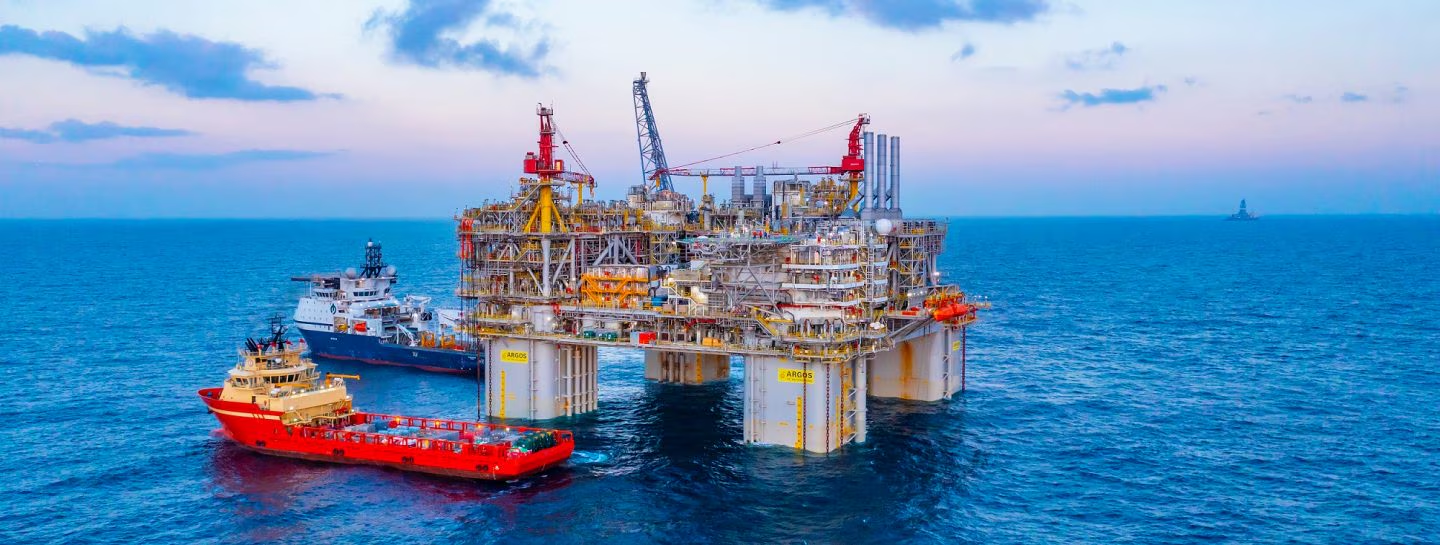
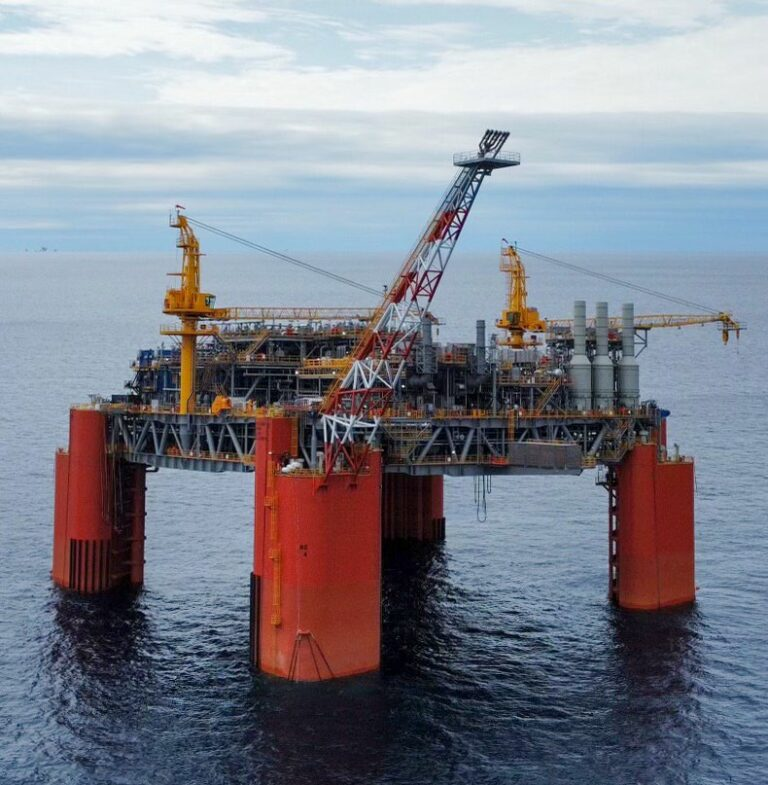
All 5 of the new simpler, safer, greener floating production units are now online:

platformoperatorfirst production
King’s QuayMurphyApril 2022
VitoShellFeb 2023
ArgosbpApril 2023
AnchorChevronAug 2024
WhaleShellJan 2025

This is all good, but what is next? Will technological advances once again sustain GoM production? The short answer appears to be yes!

The efficiencies achieved with the simpler platform designs combined with the high pressure (>15,000 psi) technology developed over the past 2 decades will facilitate production from the highly prospective Paleogene (Wilcox) deepwater fans. (For those interested in learning more about the geology, see the excellent presentation by Dr. Mike Sweet, Univ. of Texas, that is embedded in this post.)

Three major high-pressure projects, ala Chevron’s Anchor, are anticipated:

platformoperatordiscovery datefirst production
Kaskidabp20062029
SpartaShell20122028
ShenandoahBeacon20092025 Q2

The Gulf still has high production potential if properly managed with consistent lease sales.

Will Florida budge by supporting the lifting of the EGOM leasing moratorium? Here is why they should.

Read Full Post »

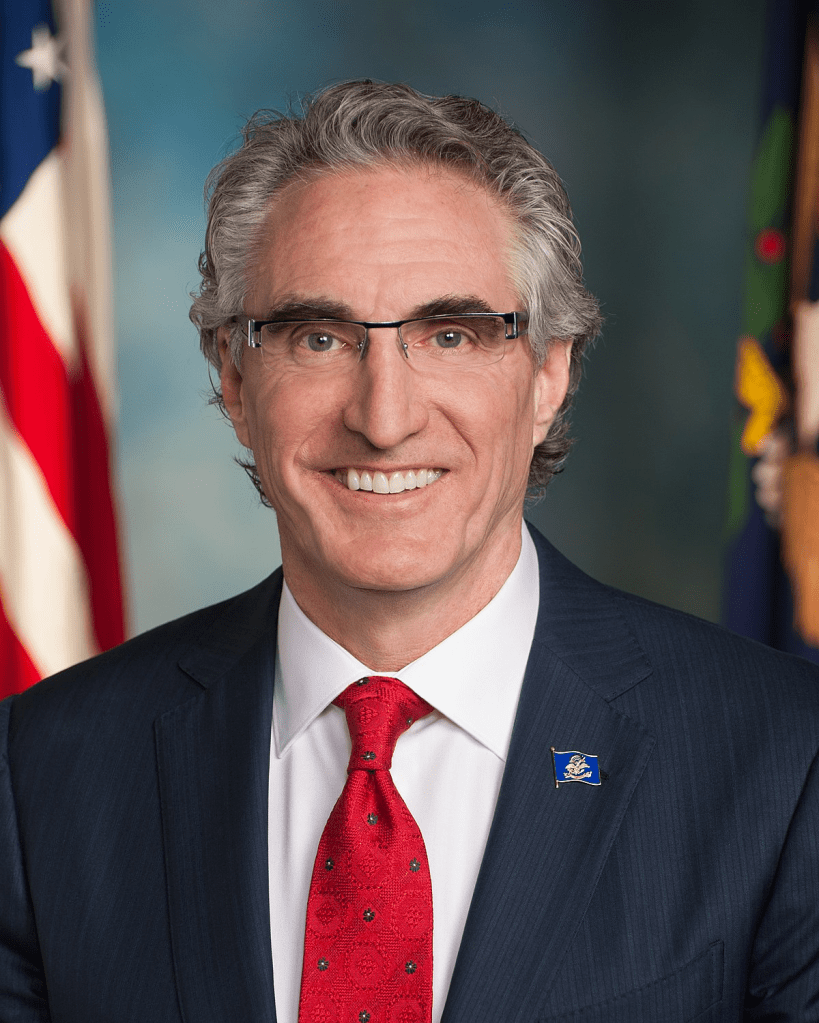
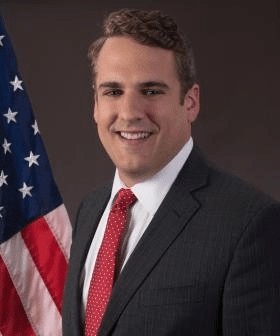
Burgum on offshore oil and gas lease sales: “The fact that during the current administration the lease sales have been so unpredictable and disruptive, and the fact that they’re projecting forward to have among the fewest we’ve ever had, almost would guarantee that we would see a decline in energy production in offshore in the years ahead because of the lead times.”

Link to the full Senate confirmation hearing

Read Full Post »

BOEM interactive map of areas where leasing is now prohibited (I.e everywhere but the Central and Western Gulf of Mexico and the Cook Inlet)

The Cruz-Arrington bill (pasted below), which would reverse the Biden oil and gas leasing bans, raises some interesting political questions:

  • Will Florida Republicans support this first step toward leasing offshore Florida, even if only tracts >100 miles from shore would be offered?
  • Will Mid- and South Atlantic State Republicans support the bill?
  • Will some Democrats, particularly those representing interior states, support the bill?

I suspect that the answer to each question is no, which means the bill will be difficult to pass.

If the bill should pass, President Trump would presumably nullify his own Atlantic and Eastern Gulf withdrawals, which would otherwise remain in effect through 2032.

50 wells were drilled in the Atlantic between 1975 and 1985. The drilling followed the oil embargoes, gas lines, and price surges in the 1970s. Waiting for similar turmoil to overturn the leasing bans would not be prudent given the time that is needed to issue, explore, and develop leases. The optimal approach would be limited, staged leasing to better assess the resource potential in these areas.

Read Full Post »

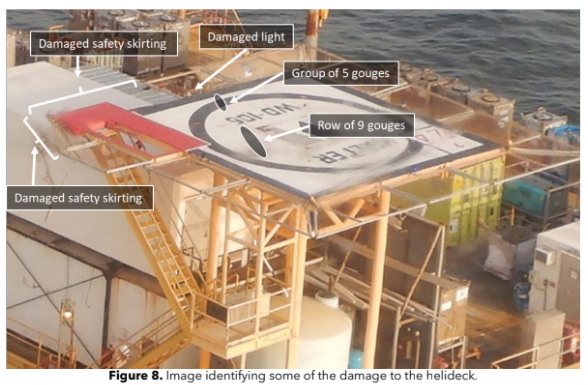
The NTSB has still not issued a final report, which is troubling. However, the detailed Operations Group Factual Report (including attachments) can be accessed in the case docket This and other items in the docket should be of interest to those involved with offshore operations and helicopter safety.

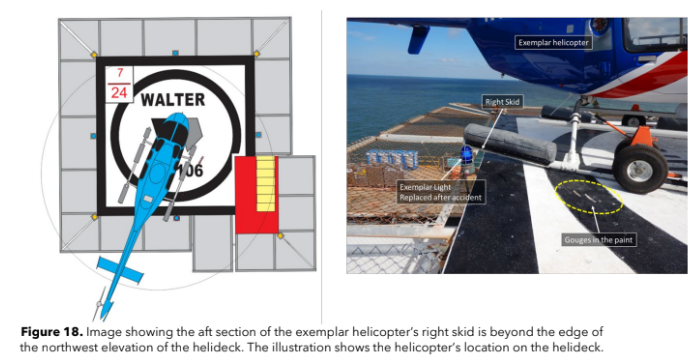
From the factual report, below are graphics showing the helideck damage and assumed final position of the helicopter.

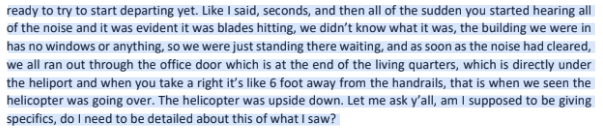
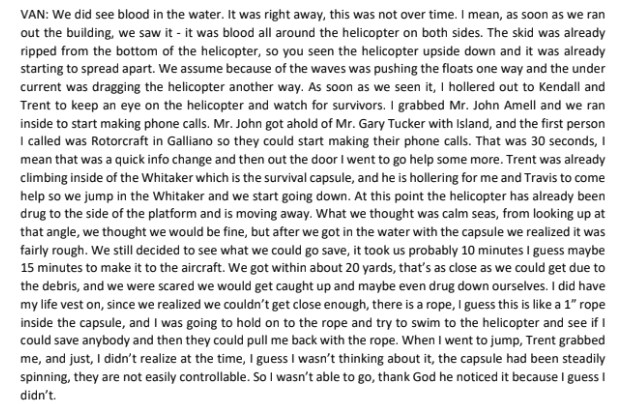
Excerpts from the testimony of a worker at the platform who was part of an attempted search and rescue operation in the platform’s Whitaker escape capsule:

Read Full Post »

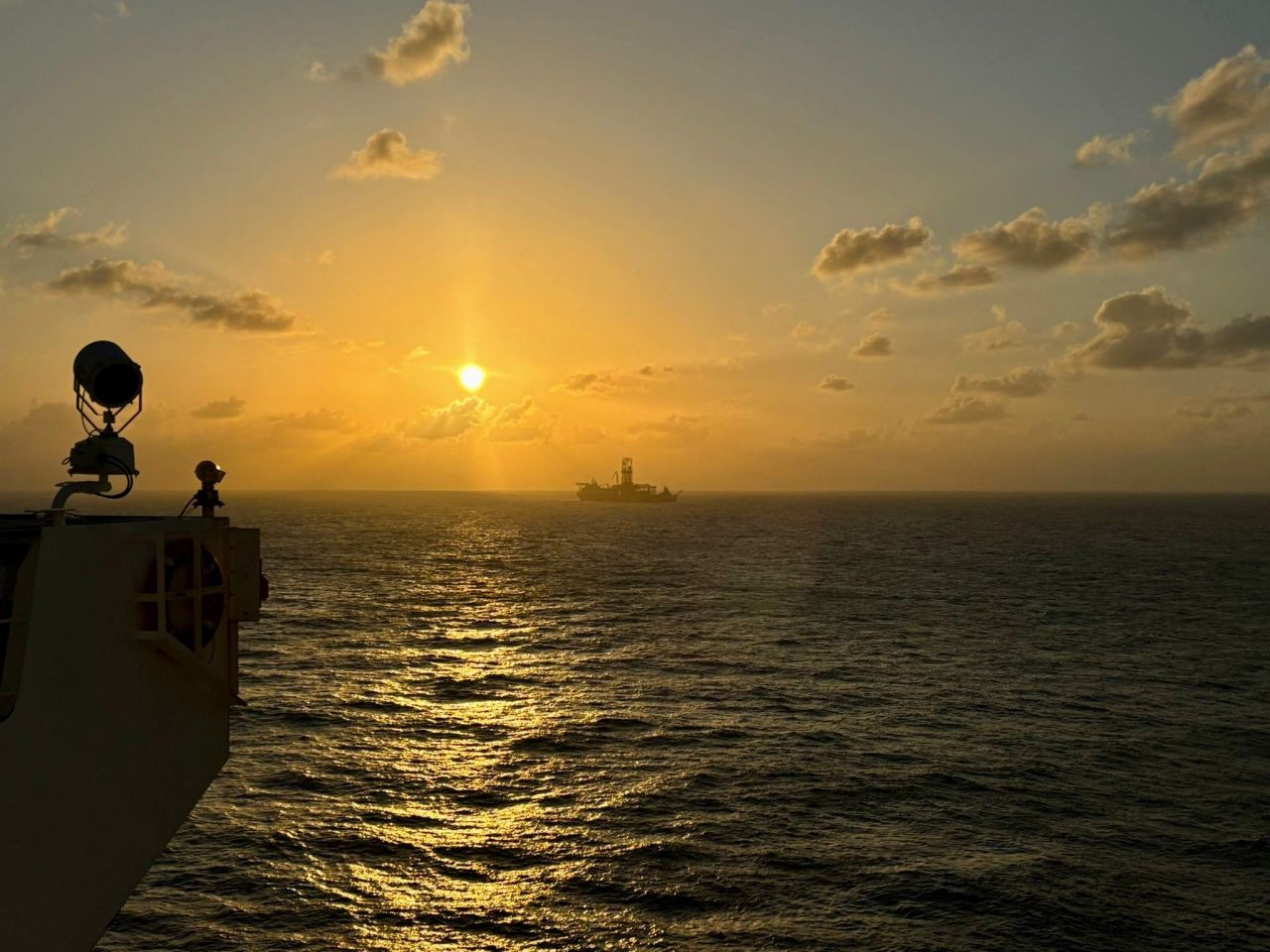
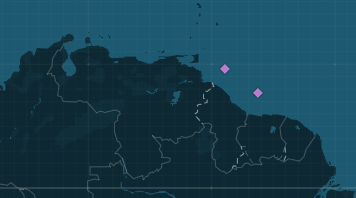
Below is a nice shot of the Stena Carron seen from the Stena DrillMAX offshore Guyana. The DrillMAX returned to Guyana after drilling the high potential Persephone well in the Orphan Basin offshore Newfoundland. Unfortunately, the Orphan Basin well failed to discover commercial hydrocarbons.

Richard Bounds photo posted by OilNow

StenaDrilling shows the current locations of the 2 drillships. The DrillMAX is northwest of the Carron.

Read Full Post »

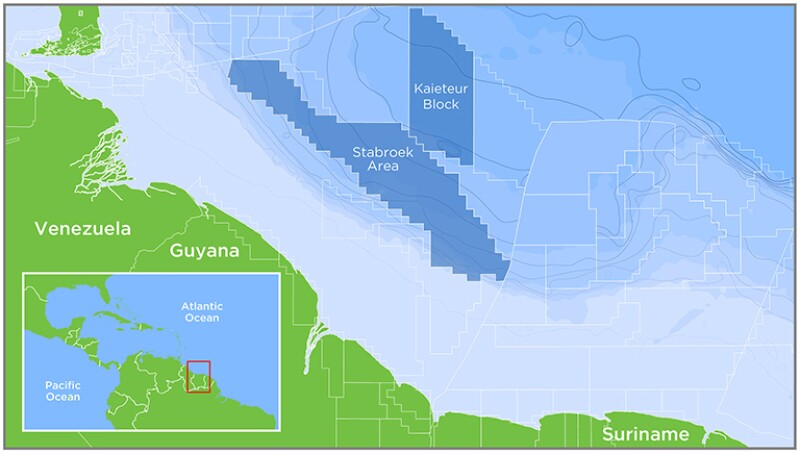
Most investors see Chevron and Hess emerging as victors in the case, Goldman analyst Neil Mehta said in an interview.”

This is consistent with the opinion previously expressed on this blog. How does a partner in a single Hess asset prevent Chevron from acquiring the entire company?

Chevron is not buying the Stabroek share; they are buying the company that holds that share. Hess is to be part of Chevron and there would be no change of control from the standpoint of the partnership.

As an offshore operator, Exxon has been highly responsible from a safety standpoint. However, the company is not reluctant to stretch the envelope when it comes to contract rights. The most recent example was their acquisition of 163 GoM oil and gas leases for carbon disposal purposes, contrary to the terms of the sale notice and lease contracts.

Interestingly, Exxon’s partner in this dispute is state-owned China National Offshore Oil Corporation. CNOOC acquired their 25% Stabroek share when they purchased Nexen, a Canadian company (sound familiar?). Both the Canadian and US governments had reservations about this acquisition and nearly nixed the deal. Would either government bless that acquisition today?

An International Chamber of Commerce arbitration panel will hear the Stabroek case in May 2025, and the final decision is expected by September 2025.

Read Full Post »

Katherine (Kate) MacGregor has been appointed Deputy Secretary of the Interior, the position she held under the previous Trump administration. She was highly regarded by DOI staff and advocates for responsible offshore energy development.

DOI is the most important Federal department from the standpoint of energy production on Federal offshore and onshore lands.

Also important from a policy perspective is the appointment of James Danly as Deputy Secretary of Energy. Danly is a former Army officer and Chairman of the Federal Energy Regulatory Commission

Read Full Post »

« Newer Posts - Older Posts »