Below is a report summary that was referenced in the Office of the Inspector General, Dept. of the Interior, Semiannual Report to Congress (9/30/2023). The summary does not identify the company that committed the violations.
Failing to identify the responsible company is not in the best interest of the OCS program or the many operators and contractors that are committed to safe operations and compliance with the regulations.
Presumably, BSEE has issued civil penalties, so we may be able to piece this case together when those penalties have finally been paid.
Summary: Offshore Servicing Company Failed to Conduct Mandated Safety Tests and Submitted False Information to BSEE Report Date: August 29, 2023 Report Number: 20-0425
The OIG investigated allegations that an offshore oil and gas servicing company bypassed safety valves and falsified mandated safety tests associated with an oil and gas production platform located in the Gulf of Mexico. The safety tests are required by Federal regulations enforced by the Bureau of Safety and Environmental Enforcement (BSEE) to ensure that equipment aboard the platform functions properly and prevents the discharge of hydrocarbons into Federal waters.
We found that the servicing company did not perform the mandated safety tests but submitted documentation to BSEE that falsely represented that the safety tests had been conducted. We also determined that multiple safety valves aboard the offshore platform were bypassed and remained in that condition for at least 59 days but potentially as long as 223 days. We presented our findings to the U.S. Department of Justice, which declined prosecution.
This is a summary of an investigative report we issued to the Director of BSEE for action as deemed appropriate.
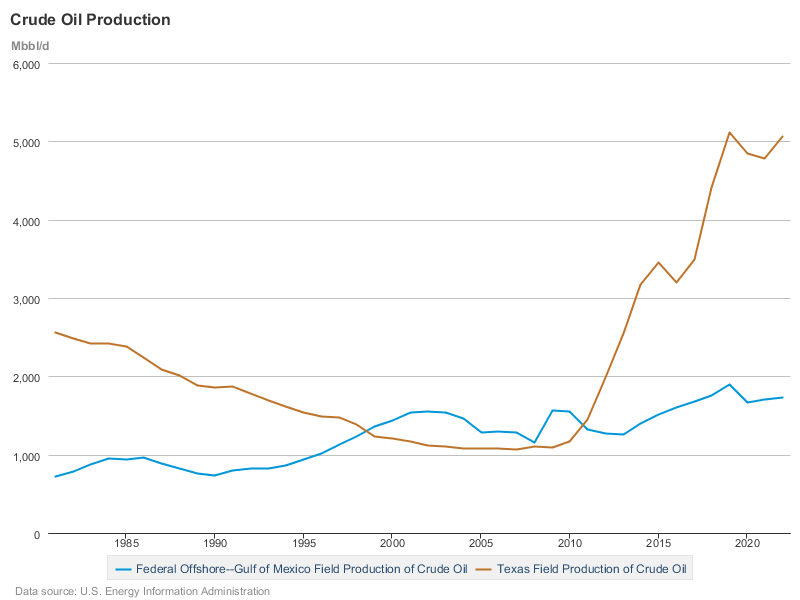
Per EIA, September Gulf of Mexico production averaged 2 million bopd on the button! New production from Vito and Argos were no doubt contributors, as production reached the 2 million bopd mark for only the third month in the history of the OCS program. The other 2 months were in 2019.
Imagine what US offshore production might be if the OCS oil and gas program was actually managed to succeed!
Also, as the official hurricane season comes to a close today, we are fortunate in that there have been no production shut-ins from tropical storms in 2023.
Firstly, taking 2.5 years to publish an investigation report is unacceptable for an organization with BSEE’s talent, resources, and safety mandate. Unfortunately, such delays now seem to be the rule as the summary table (below) for the last 4 panel reports demonstrates. The most recent report implies that the actual investigation was completed in 2-3 months. Why were another 2+ years needed to publish the report? (Note that the lengthy and complex National Commission, BOEMRE, Chief Counsel, and NAE reports on the Macondo blowout were published 6 to to 17 months after the well was shut-in.)
incident date
report date
elapsed time (months)
incident type
5/15/2021
10/31/2023
29.5
fatality
1/24/2021
7/24/2023
30
fatality
8/23/2020
2/15/2023
30
fatality
7/25/2020
2/15/2023
31
spill
Four most recent BSEE panel reports
The subject (May 2021) fatality occurred during a casing integrity pressure test, and some of the risk factors were familiar:
The platform was installed 52 years prior to the incident, and had been shut-in for more than a year.
The well of concern (#27) was drilled in 1970, sidetracked in 1995, and last produced in February 2013.
Diagnostic tests clearly demonstrated communication between the tubing, production casing, and surface casing.
In light of the known well integrity issues and the absence of production for more than 8 years, the prudent action would have been to plug and abandon the well in a timely manner. However, under 30 CFR 250.526 as interpreted at the time, Fieldwood had another option – submit a casing pressure request to BSEE to confirm the integrity of the outermost 16″ casing and (per p. 10 of the report) “continue to operate the well in its existing condition.” Given that the well had not produced for 8 years and that the platform had been shut-in for more than a year, the option to continue operating the well should not have been applicable.
The only issue for Fieldwood to resolve with the regulator should have been the timing of the plugging operation. Additional well diagnostics would only serve to create new risks and further delay the well’s abandonment.
The resulting pressure test of the outermost (16″) casing was solely for the purpose of confirming a second well bore barrier. Per the report (p.10), there is a “known frequency of outermost casings in the GOM experiencing a loss of integrity as a result of corrosion.” Whether or not the 16″ casing passed the test, the inactive well had clear integrity issues and should have been plugged.
Fieldwood proceeded with the pressure test rather than correcting the problem. The regulations, as interpreted, thus facilitated the unsafe actions that followed. These factors heightened the operational risks:
Extensive scaffolding and a standby boat were needed for the test.
Process gas via temporary test equipment was used to conduct the test.
The Field-Person In Charge (PIC) heard about the test for the first time on the morning of the incident.
The PIC and victim had no procedures to follow, and had to figure out how to conduct the test on the fly.
A high pressure hose was connected without a pressure regulator or pressure safety valve.
The digital pressure gauge had two measurement modes, one to display pressure in psi and the other in bars. (One bar is equivalent to 14.5 psi. Assuming that the readings were in psi rather than bars would thus result in serious overpressure of the casing.)
Seconds after the victim told the field-PIC the pressure was 175 psi (presumably 175 bar and 2538 psi), the casing ruptured. The force of the explosion propelled the victim into the handrail approximately 4 feet away, which bent from the impact. The victim’s hardhat was projected 60 to 80 feet upwards, lodging into the piping.
The investigation report fails to address the wisdom of conducting the pressure test and the regulatory weaknesses that enabled Fieldwood to defer safety critical well plugging operations. The pressure test option in 30 CFR § 250.526, was not intended for long out-of-service wells with demonstrated well integrity issues. The only acceptable option was corrective action (plugging the well) without further delay. The pressure test option added risks without addressing the fundamental problem and helped enable the operator to further delay decommissioning obligations.
Postscript: According to BOEM data, the lease where the fatal incident occurred expired on 7/31/2021. Per the BSEE Borehole and structures files, neither the platform (#14) nor any of the other 4 structures remaining on the lease have been removed, and the well (#27) has yet to be plugged.
Current structure count:1438 (Per BSEE’s platform structures online query, the number of non-removed structures is 1554. The reason for the discrepancy is unclear; perhaps the dashboard number is more current.)
Structures with decom application submittal: 291
Total structures on terminated leases: 318
Structures on terminated leases with decom application submittal: 196
Planned disposition of the 291 pending removals (25% of the structures to be reefed):
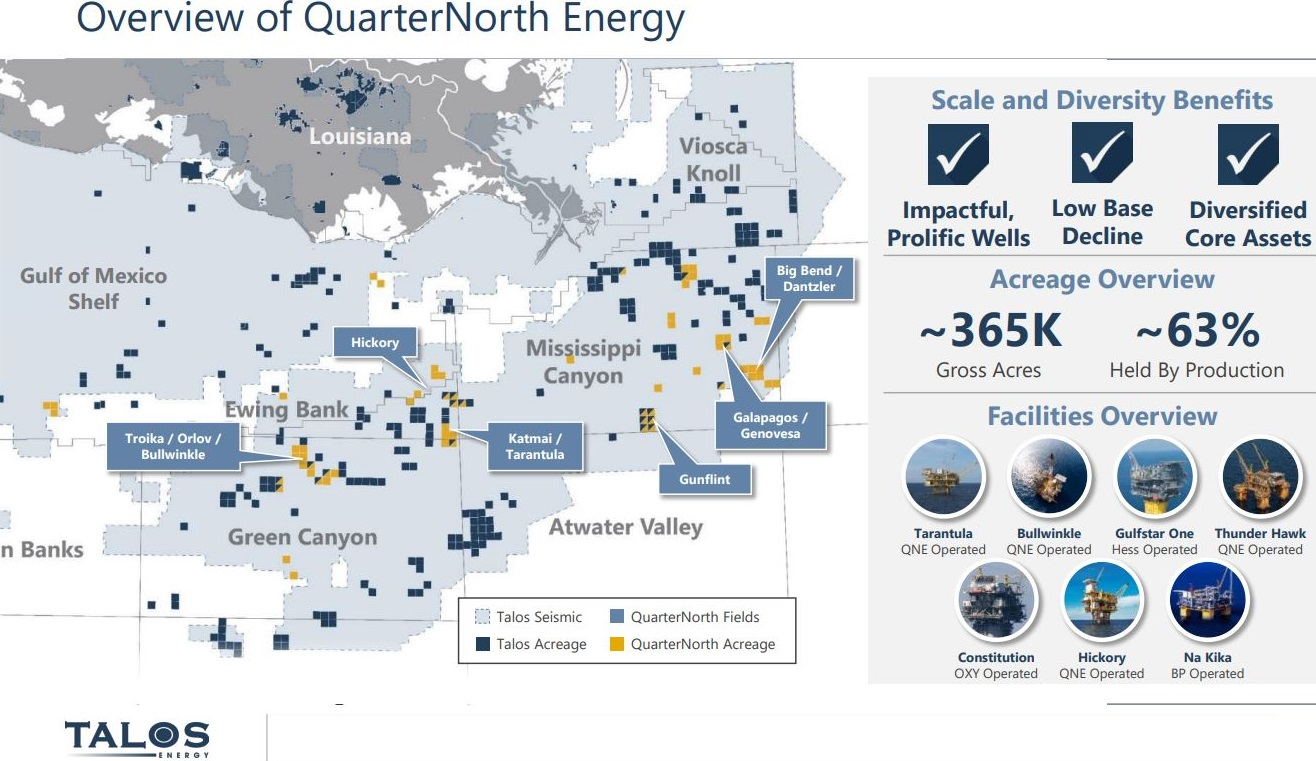
Karoon Energy, an Australian company, has entered the Gulf of Mexico in a big way by acquiring an interest in the Who Dat field (winner of BOE’s best field name award!) from LLOG. For more information on the acquisition, see Karoon’s slide at the end of this post. The full presentation is here.
To learn more about the cultural importance of ‘Who Dat,’ see the youtube clip below, or read this article. For more in-depth ‘Who dat’ history, this wiki page is quite good.
An excellent compliance and incident update by Jason Mathews is attached. BSEE’s focus on risk assessment, compliance and incident trends, high potential near-misses, medivac capabilities, hot work safety, lifting operations, and gas releases is encouraging. Good work by the folks in BSEE’s Gulf of Mexico Region.
Observations:
Zero 2023 occupational fatalities through Q3. Hoping this holds through the end of the year and beyond.
INCs/component are down but INCs/inspection are slightly higher. This may imply a relative increase in the inspection of high component deepwater facilities.
No. of hours worked is increasing; good sign for the offshore program.
Hand and finger injuries are driving up the injury count.
Well control incidents are stable at a low level.
Improved fire data help facilitate risk assessments
No YTD explosions
No. of collisions is down
10 YTD spills> 1 barrel (total volume not specified)
Some evidence of decline in lifting incidents in Q2 and Q3
Gas releases are up (aging facilities, decommissioning related?)
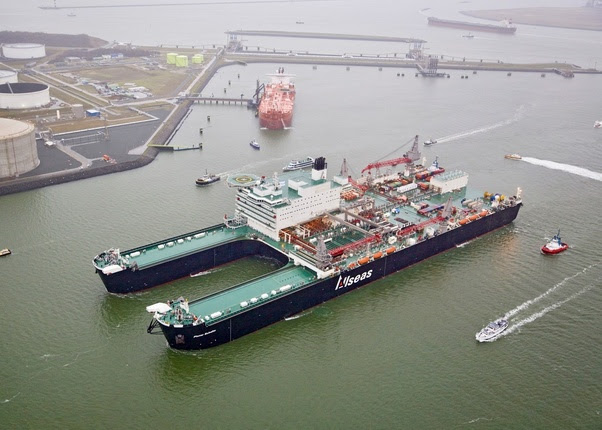
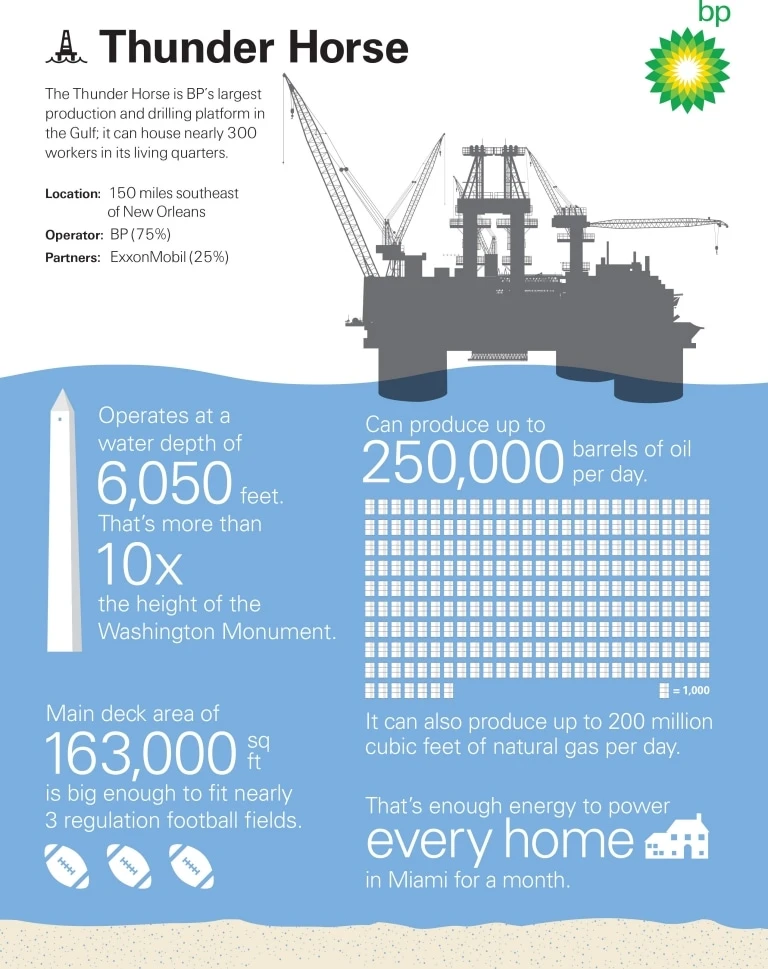
Lars Herbst noted another endangered whale sighting by the US Coast Guard. Unlike their erroneous Rice’s whale report in September (still waiting for their mea culpa), the Coast Guard has gotten this one right. The 25,000 ton Whale is pictured above.
Whale’s species is indeed endangered with the most serious threats coming from a faraway place on the Potomac River. The “newborn” Whale is one of only 15 of its species in the Gulf of Mexico. The entire platformus deepis genus numbers only 59, but their importance to society is enormous (read more).
Perhaps the wise people who control our offshore lands will do more to encourage and support these floating behemoths. Unfortunately, their 5 year management plan is not encouraging in that regard.
As a result of the order issued by the United States Court of Appeals for the Fifth Circuit on Nov. 14, 2023, the Bureau of Ocean Energy Management (BOEM) has scheduled Lease Sale 261 for Dec. 20, 2023.
The Gulf of Mexico oil and gas lease sale was originally scheduled for Sept. 27, 2023, and later scheduled for Nov. 8, 2023, in response to judicial orders.
Pursuant to direction from the Court, BOEM will include lease blocks that were previously excluded due to concerns regarding potential impacts to the Rice’s whale population in the Gulf of Mexico. BOEM will also remove portions of a related stipulation meant to address those potential impacts from the lease terms for any leases that may result from Lease Sale 261.
A Final Notice of Sale will be published in the Federal Register on Nov. 20, 2023, and will be available for public inspection on Nov. 17, 2023.
BOEM will live stream the opening of bids at 9 am CDT on Dec. 20, 2023. All terms and conditions of the lease sale are listed in the FNOS. For more information, go to: www.boem.gov/sale-261.
BSEE shouldn’t have to issue guidance about helicopter loading precautions that every worker and visitor should be taught before going offshore, but apparently they do. See the safety alert that is attached below.
In this alarming near-miss event, a helicopter was stationed on the facility’s helideck and a crew member approached the aircraft from the rear, entering the rotor arc area before the rotor blades had come to a complete stop. This unsafe action posed a significant threat to the safety of all personnel involved. An offshore helideck assistant repeated the unsafe behavior by approaching the helicopter from the rear, entering the vicinity of the tail rotor, and positioning themselves within the main rotor’s danger zone immediately after the helicopter had landed on the facility’s helideck.