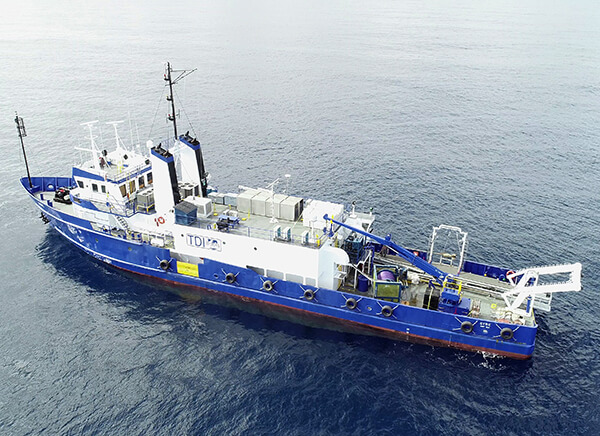
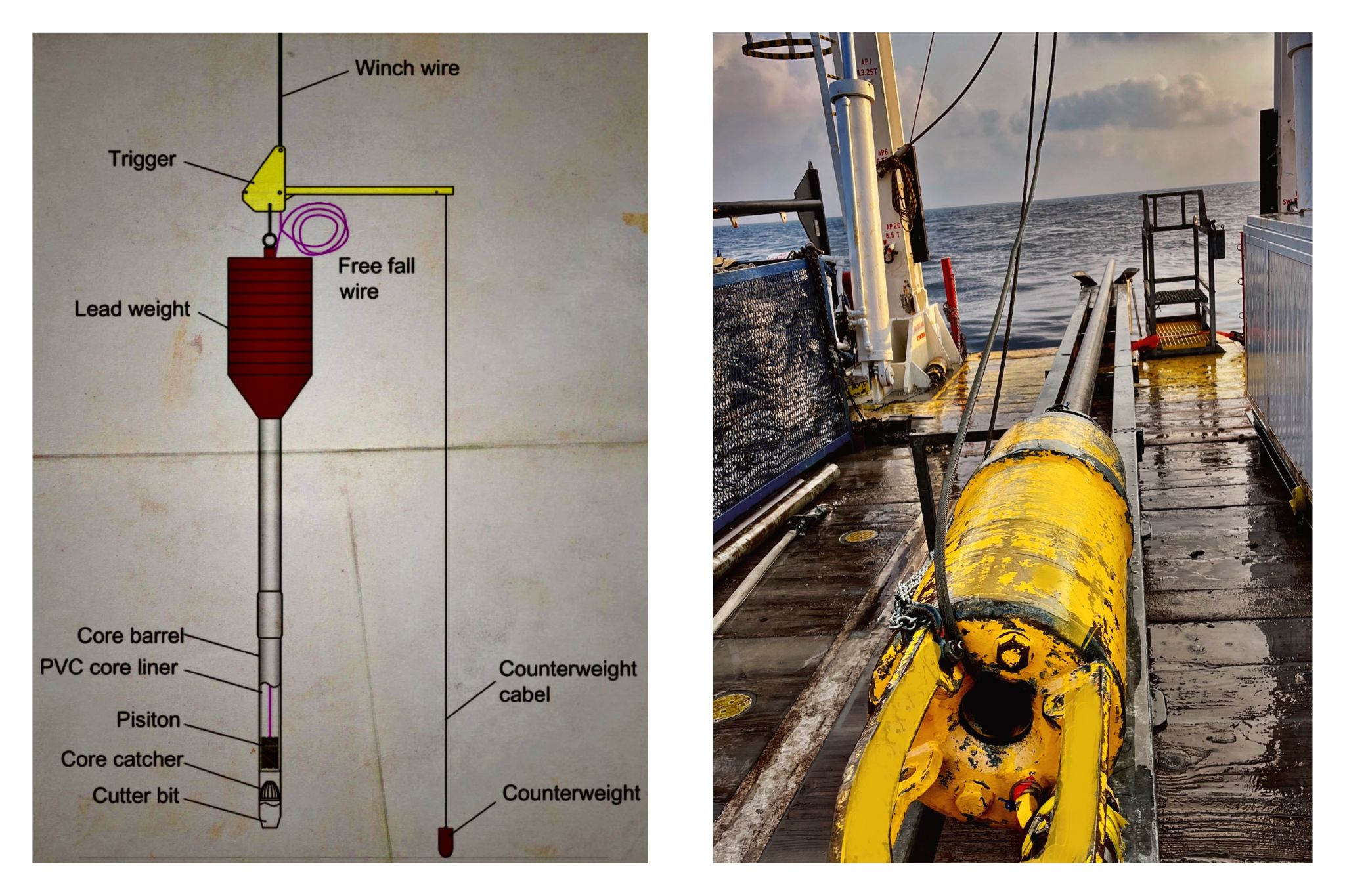
The piston coring survey will involve the collection of 40–60 seabed core samples across the Walton and Morant Basins, accompanied by bathymetric, multibeam echo-sounding, and heat-flow surveys.
The data will be analyzed for geochemical and thermal signatures to confirm the presence of thermogenic hydrocarbons, assess source rock maturity, and refine basin modeling, materially enhancing the definition of key prospects, including Colibri and Oriole.
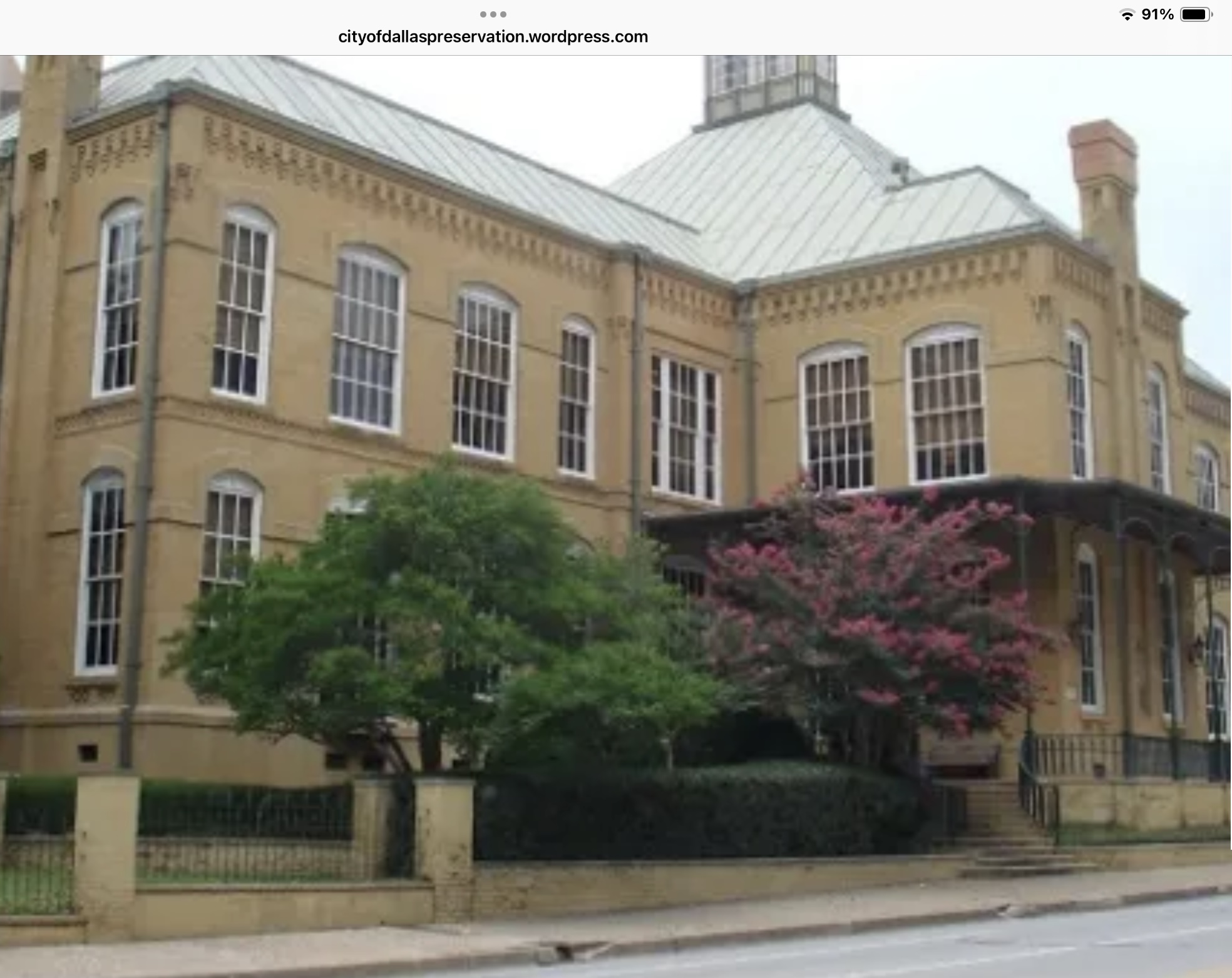
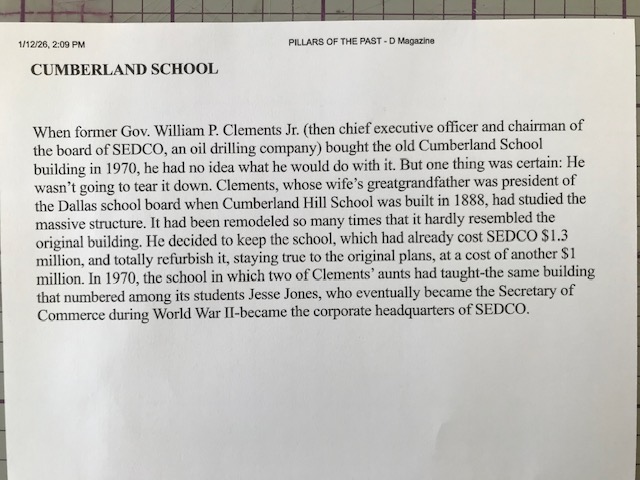
Per JL Daeschler, Sedco’s Far East, North Sea, and South America operations were all run from Dallas in the late 60’s. In 1970, an old schoolhouse became Sedco’s corporate headquarters (see picture and narrative pasted above). Thank you Bill Clements for saving this historic building – what a beautiful headquarters for the challenging and booming offshore industry!
JL: After 2 years with SEDCO in Miri, East Malaysia (1971) I moved to Brownsville Tx. But in 1979 I returned to the old school house in Dallas in secondment to Sedco Hamilton Production Services from Hamilton Brothers Oil & Gas. The main objective of the joint venture was promotion of floating production systems and in particular use of semi sub technology. One project assignment was the BP “Buchan” field in the North Sea. (Note: this work was a precursor to the deepwater floating production units that are now the method of choice for deepwater development in the Gulf.)
JL is pictured (right below) on the Sedco 135 during operations offshore East Malaysia.
Wisdom from JL: Rules were pretty simple, as you can read on the rig wall in the picture. No App, pin, or password…. In fact no internet and mobile phone, just a radio operator.
Safety was grounded in the attitude and respect of 100 + people living and working together (47 working / 47 sleeping and 6 managing and protecting others. More difficult was the integration of the visiting contractors, logging/cementing / diving / VIPs. (Still true today!) No division amongst ages, nationality ( sometimes 6 of them) religions, Job position , and ethnicity. Just get along and do what you get paid for! Safety issues were dealt with immediately with short, unscheduled “toolbox” meetings – less reporting and more fixing.
(As an aside, Dan Bourgeois and I were on assignment to Petronas in 1977 and visited their East Malaysian operations. Does anyone in Petronas remember us? 😉)
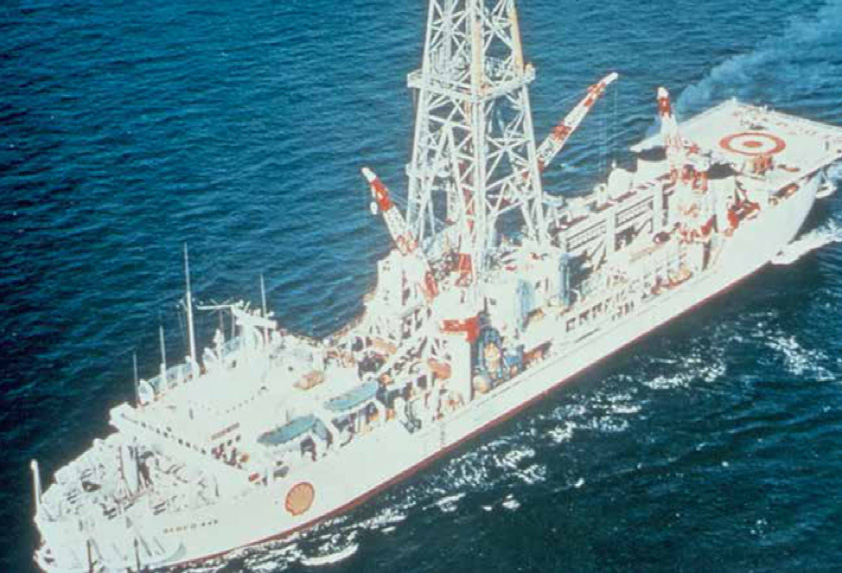
Bill Clements founded the Southeast Drilling Company (SEDCO) in 1947 with two partners and a loan. Clements grew the business from three used drilling rigs into a global leader and a deepwater pioneer. Through SEDCO, Clements developed strong international relationships that included the Shah of Iran, Reza Pahlavi. Clements went on on to serve as Deputy Secretary of Defense. He served as Governor of Texas from 1979-91.
BOE contributor and pioneering subsea engineer, JL Daeschler, fondly recalls working for Clements:
“He looked after the employees well, knew everyone by name on all his rigs, and was very encouraging. He was a great leader for the emerging deepwater industry. I often discussed a project with him on early Saturday morning office calls. Despite worldwide rig locations and time differences, he was able to read and digest all the morning reports. He conducted crisp executive meetings every Friday – very few speakers and to the point. He was no time waster. I learned a lot!
This picture was posted on the “Rig Pigs” Facebook page by Huston Funk. Per Huston: “First crew photo from the Deepwater Horizon. Taken in the Indian Ocean after we had left Singapore.”
Commenters identified 3 Macondo victims in the photo: Jason Anderson, Don Clark, and Stephen Curtis 🙏
Seconds matter – training, equipment maintenance, and effective leadership are critical!
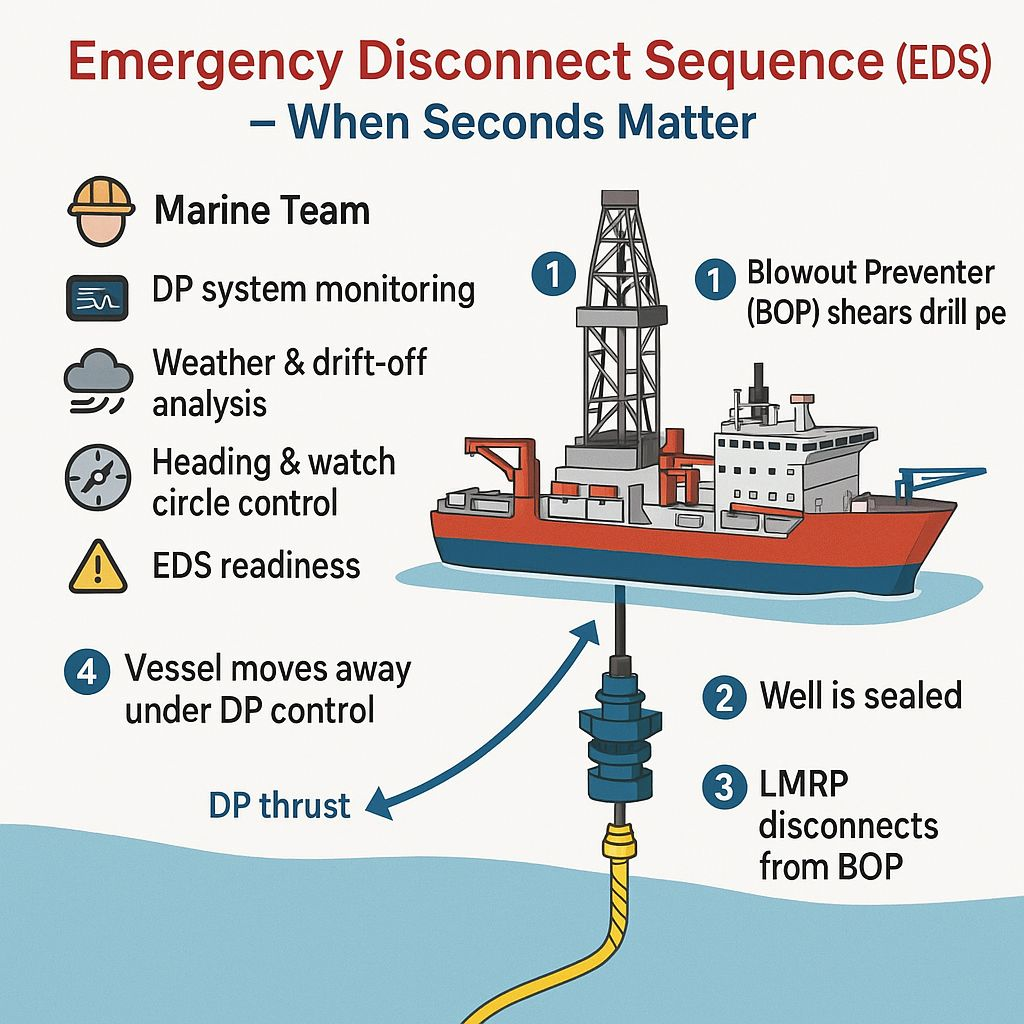
Several BSEE Safety Alerts have just been released. Of particular importance to those interested in deepwater drilling is the attached alert describing two separate Emergency Disconnect Sequence (EDS) incidents.
The EDS (see the diagram above) is a critically important safety protocol that ensures that a well is sealed and the riser and rig are disconnected from the blowout preventer in the event of a well control emergency, unforeseen weather/ocean conditions, loss of power, or positioning system malfunction. Note that the Macondo blowout could have been prevented if the Deepwater Horizon crew had activated the EDS in a timely manner.
The two EDS events cited in the Safety Alert were presumably the March 28, 2025 and March 5, 2024 incidents investigated by BSEE district offices. The drillships were the Stanley Lafosse and the Deepwater Poseidon The investigation reports provide detailed information on these incidents.
Unintended riser disconnects not associated with EDS activations are a related safety and pollution concern that necessitated the issuance of a 2000 Notices to Lessees that was subsequently updated:
“Natural gas and LNG are fast becoming the gravitational center of the global energy system, but some energy experts said the world is only beginning to grasp the scale of what’s to come.” ~Natural Gas Intelligence
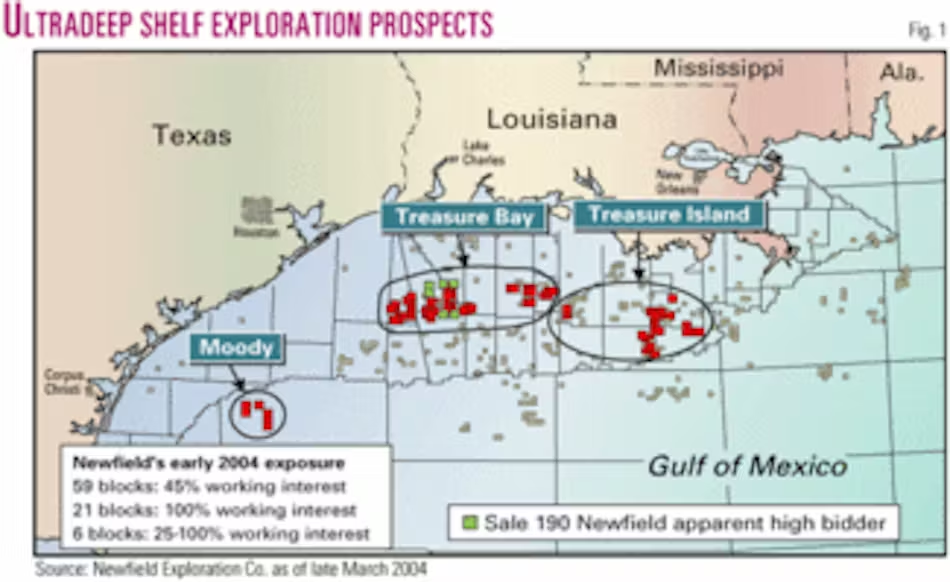
Demand and high well producibility are stimulating exploration in the high pressure, high temperature Western Haynesville (Texas) and other ultradeep onshore gas prospects. Is it time to revisit ultradeep gas on the Gulf of America shelf? See the above targets map from 2004.
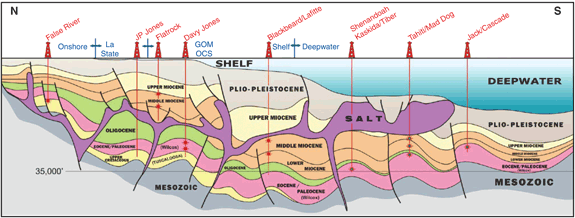
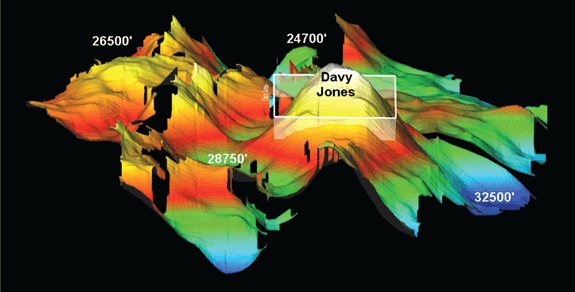
20 years ago Newfield, Exxon, and McMoRan drilled pioneering ultradeep wells targeting gas-prone reservoirs below salt welds in Miocene and older formations (diagrams below). The water depths were <100 feet but well depths exceeding 30,000 feet, and high temperatures and pressures, pushed the limits of drilling technology at the time. Noteworthy wells:
Blackbeard West (Exxon): Spudded in early 2005 in 70 feet of water in South Timbalier Block 168. The target was gas in Miocene sands at 27,000-32,000 feet total depth. Drilling reached 30,067 feet by 2006, but was prudently suspended due to extreme pressures, temperatures (up to 600°F), and technical challenges with equipment.
Blackbeard West, part 2: In 2008, McMoRan re-entered the well with upgraded equipment and drilled to a record 32,997 feet below the mudline. They encountered hydrocarbon shows in multiple zones, including potential gas pay in Middle and Deep Miocene sands below 30,000 feet, validating the ultradeep concept.
Followup McMorRan wells:
Blackbeard East (2010-2011): Drilled to 33,400 feet in South Timbalier Block 144, logged potential hydrocarbons in Sparta and Vicksburg sands.
Davy Jones (2009-2010): South Marsh Island Block 230 in 20 feet of water; reached 29,122 feet; discovered gas in Wilcox sands, but faced flow-testing challenges.
Lafitte (2011): Eugene Island Block 223, found additional pay in ultradeep Miocene zones. These wells targeted gas reservoirs but encountered operational hurdles.
Also, note that a company targeting hydrocarbons below 25,000 feet (true vertical depth subsurface) may earn an additional 3 years on their lease. (See the Notice for next week’s lease sale.) Will improved technology and demand expectations finally open the ultradeep gas frontier?
California Senate Bill 237, the compromise oil legislation supported by Gov. Newsom, Assembly Speaker Rivas, and Senate President McGuire, opens up Kern Co. drilling in exchange for pipeline safety measures that will doom the Santa Ynez Unit (SYU) if Sable fails to restart production by Jan. 1.
Particularly intriguing is the the list (below) of SB 237 supporters and opponents. The Western States Petroleum Assoc. (WSPA), is aligned with the unions for onshore drilling and against the SYU. Note that Exxon is a prominent WSPA members! Exxon assigned the SYU to Sable and is on the hook for massive decommissioning costs if production is not resumed. Perhaps Exxon has a backup plan for the SYU?
Also note that all of the environmental groups are aligned against SB 237. Compromise is not in their playbook.
John Smith’s highlighted summary of SB 237 is attached. Here is the provision that would seem to doom Sable:
Clarifies in the Coastal Act that development associated with the repair, reactivation, or maintenance of an oil pipeline that has been idled, inactive, or out of service for five years or more requires a new CDP, as provided.
REGISTERED SUPPORT / OPPOSITION: Support Associated Builders and Contractors of California Berry Petroleum Company, LLC California Conference of Carpenters California Independent Petroleum Association California Resources Corporation and Subsidiaries California state Pipe Trades Council California State Association of Electrical Workers City of Bakersfield Consumer Watchdog County of Kern State Building & Construction Trades Council of California Western States Petroleum Association
Opposition Asian Pacific Environmental Network Action California Environmental Justice Alliance Action California Environmental Voters Campaign for a Safe and Healthy California
Center for Biological Diversity Center on Race, Poverty & the Environment Central California Environmental Justice Network Clean Water Action Climate First: Replacing Oil & Gas Communities for a Better Environment Earthjustice Leadership Council for Justice and Accountability Physicians for Social Responsibility Los Angeles
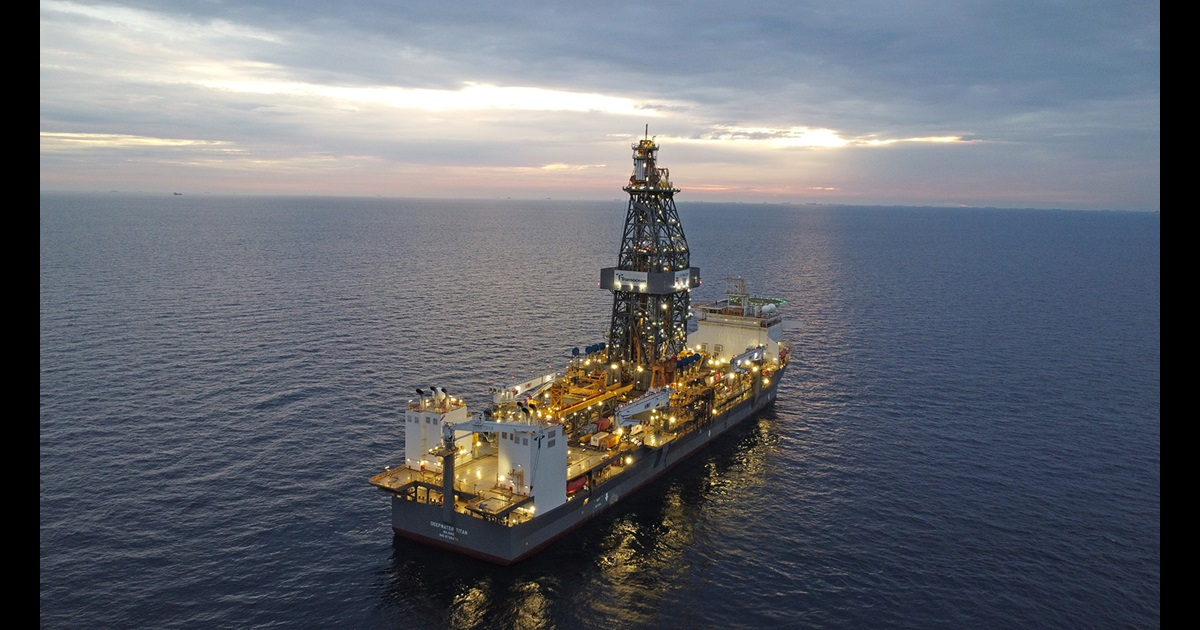
The latest Baker Hughes Rig Count Report shows only 10 rigs actively drilling in the Gulf. All are at deepwater locations – 7 in the Mississippi Canyon area, 2 in Green Canyon, and 1 in Alaminos Canyon. Per the BSEE borehole file, Shell accounts for most of the current MS Canyon wells and the Alaminous Canyon well. Beacon is also drilling in the MS Canyon, and the Green Canyon well appears to be a Chevron operation.
Only Anadarko/Oxy, Beacon/BOE, BP, Chevron/Hess, Shell, and Talos have spudded deepwater exploratory wells in 2025 YTD. Arena and Cantium are the only shelf drillers – all development wells.
Technological advances and extensions of past discoveries have sustained Gulf production, but declines are certain over the longer term if drilling activity doesn’t increase. Oil price uncertainty is an issue, but that’s always the case. Semiannual lease sales are now legislatively required and the terms will be attractive, so those issues are off the table. Let’s see what the bidding looks like at the upcoming sale.
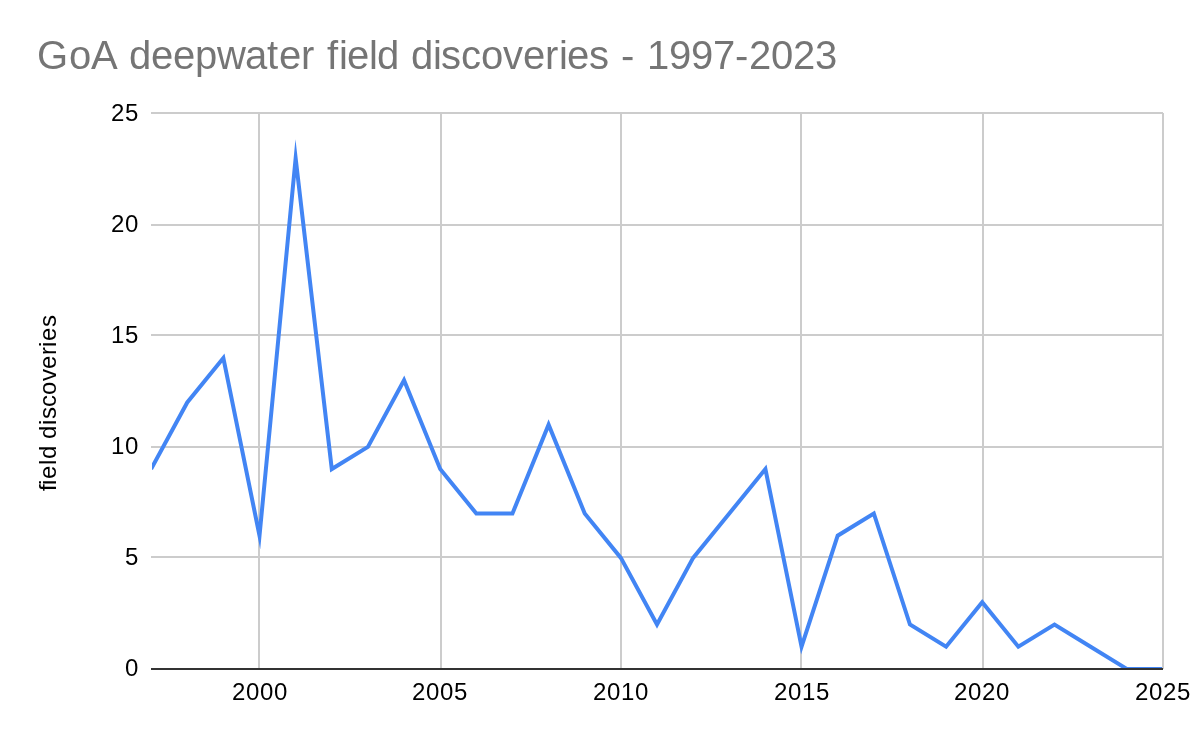
The decline in deepwater discoveries (BOEM data below) is particularly discouraging. Per BOEM, the last deepwater field discovery was in March 2023.
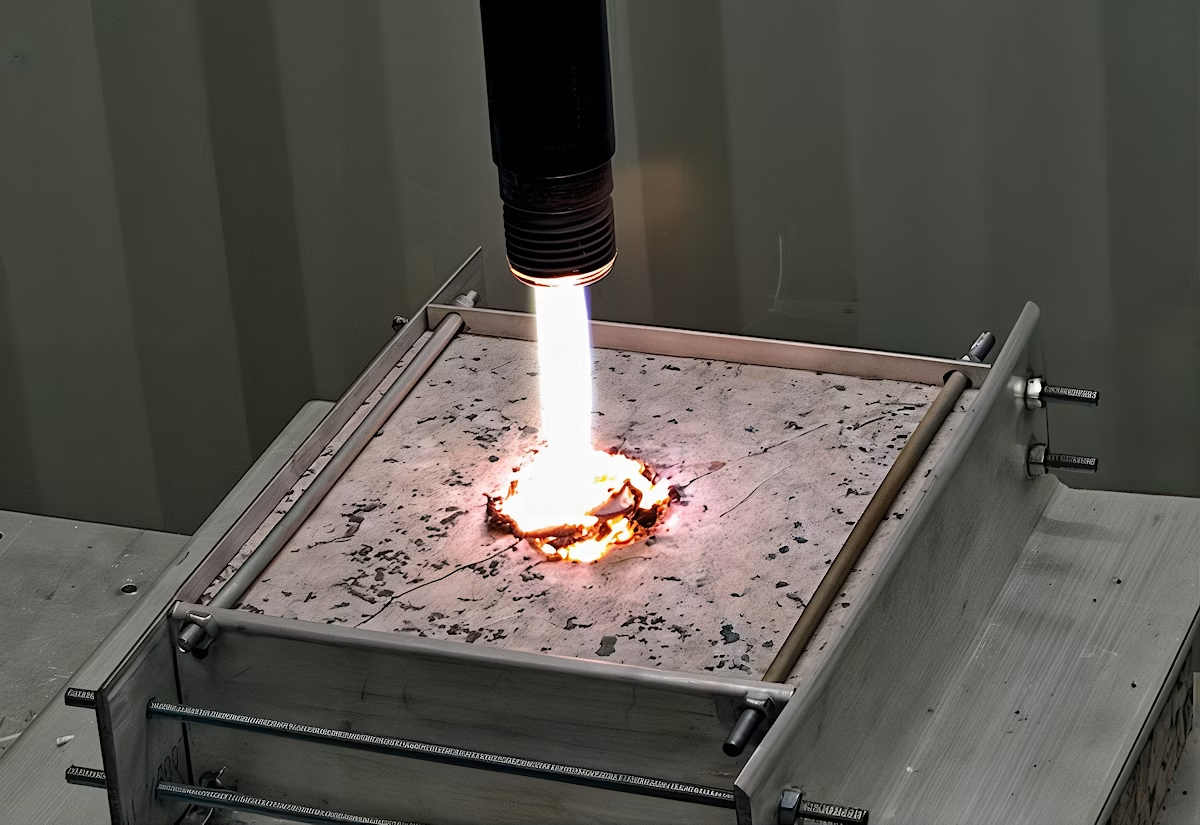
A short Quaise video (below) describes how conventional and millimeter wave drilling can be combined to reach superhot geothermal energy sources.
Keep in mind that superhot (300-500 deg. C) energy can be reached with conventional drilling at sites with high geothermal gradients. These “tier 1” sites will be the first targets (second video below).




 Bud's Offshore Energy (BOE)