Sept 22 (Reuters) – Talos Energy Inc (TALO.N) said on Thursday it will buy EnVen Energy Corp, a private producer in the deepwater U.S. Gulf of Mexico, in a $1.1 billion deal including debt.
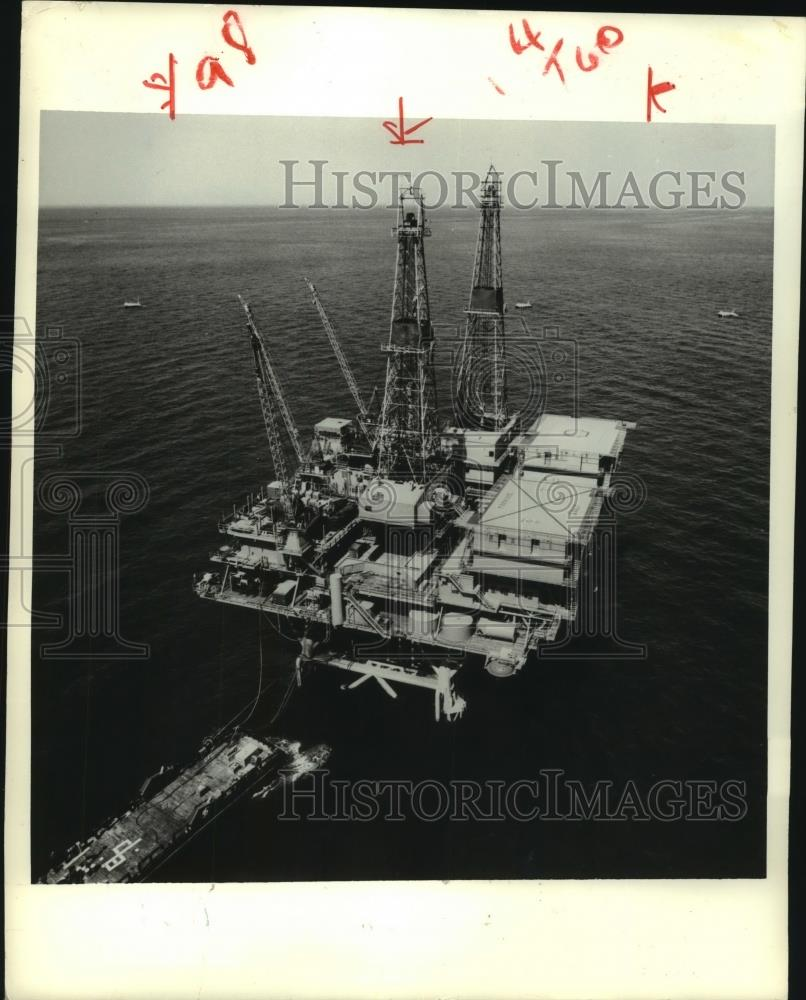
As the data below demonstrate, this is a significant merger from a regional perspective. In 2021, the combined company would have been the sixth largest GoM producer of both oil and gas. The two companies are operating 105 platforms, and their 8 deepwater (>1000′) platforms are 14% of the GoM total. Their compliance records, while not at Honor Roll levels, are better than the GoM average based on INCs/inspection. Some major decommissioning projects loom (see the second table below), and the extent to which the merged company is financially prepared for these obligations is unknown. Particularly noteworthy is the Cognac platform, which was the world’s first platform installed in >1000′ of water.
EnVen
Talos
2021 Oil (MMbbls)
9.6
17.5
GoM oil rank
13
7
2022 Gas (Bcf)
12.6
34.8
GoM gas rank
16
9
2021/2022 well starts
8
8
platforms: total
14
91
platforms >1000′
4
4
BSEE inspections
37
176
2022 INCs (W, CSI, FSI)
12/4/1
38/23/10
INCs/inspection
0.46
0.40
INC=incident of noncompliance; W=warning; CSI=component shut-in; FSI=facility shut-in
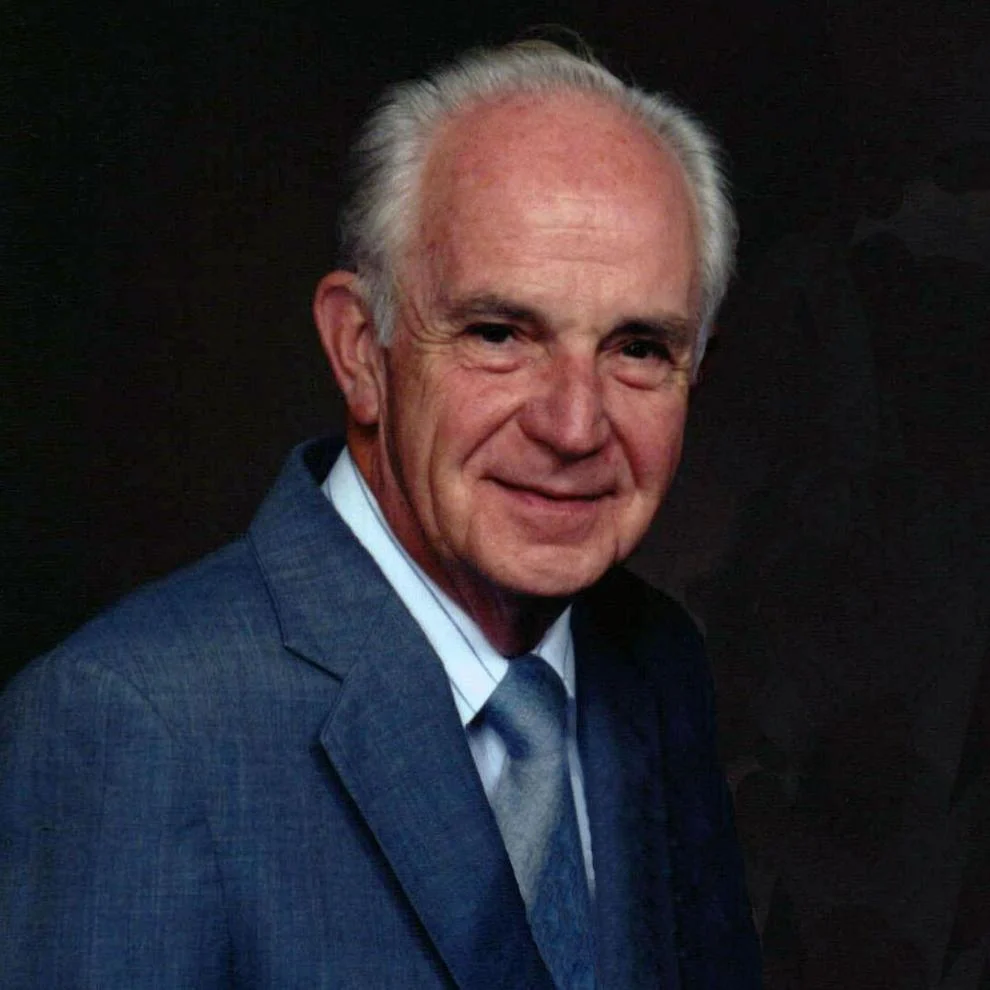
An important figure in the history of the US offshore program passed away last week. Gerry Rhodes was a petroleum engineer with an attorney’s gift for understanding laws and regulations. Among other leadership roles in the offshore regulatory program, Gerry was Chief of the Minerals Management Service’s Branch of Rules, Orders, and Standards in the 1990’s.
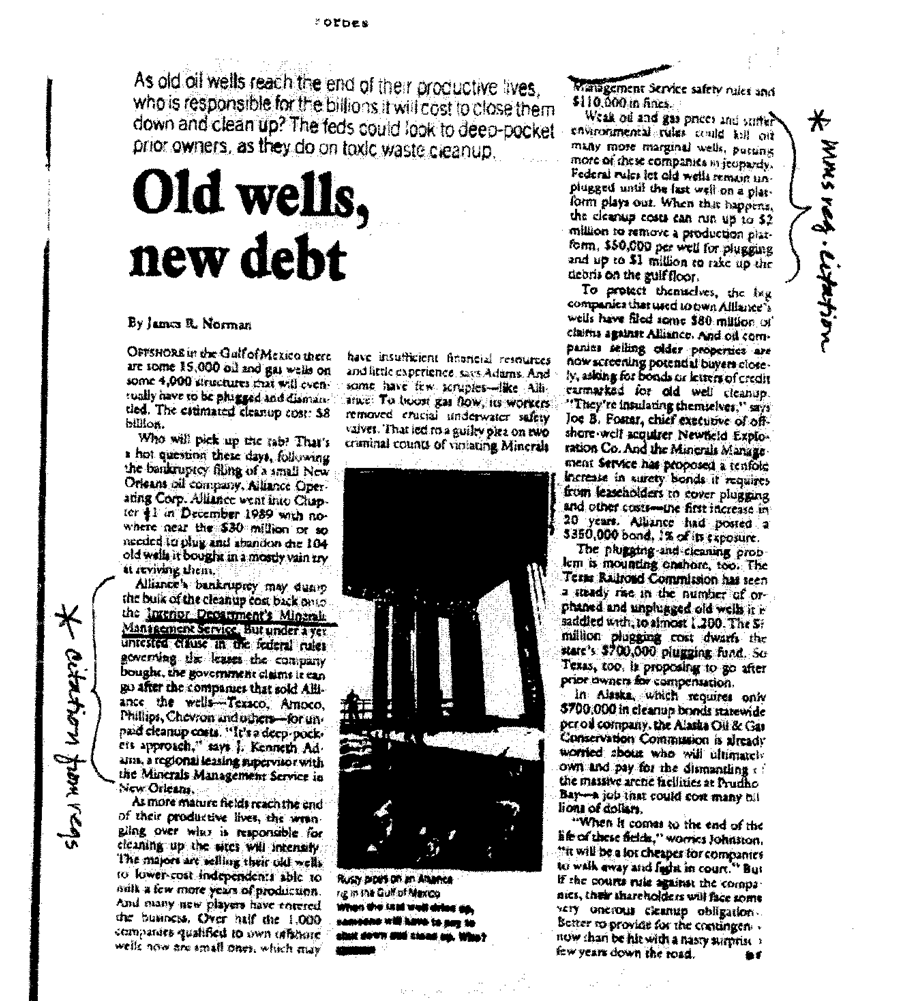
Gerry was among the first in the Federal government to fully understand the financial responsibility risks associated with the decommissioning of offshore facilities and the urgent need to update requirements for the plugging of wells and removal of platforms. The enormity of this challenge is described in the 1991 Forbes article pasted below. Despite sharp divisions within the offshore industry and the resulting political pressure, Gerry succeeded in finalizing regulations (including this 1995 rule) that are the basis for the current financial responsibility programs in BOEM and BSEE. Without Gerry’s resolve, subsequent financial assurance challenges and government outlays would have been far greater.
RIP Gerry. You were a true gentleman, a dedicated father and grandfather, and a diligent and highly accomplished colleague.
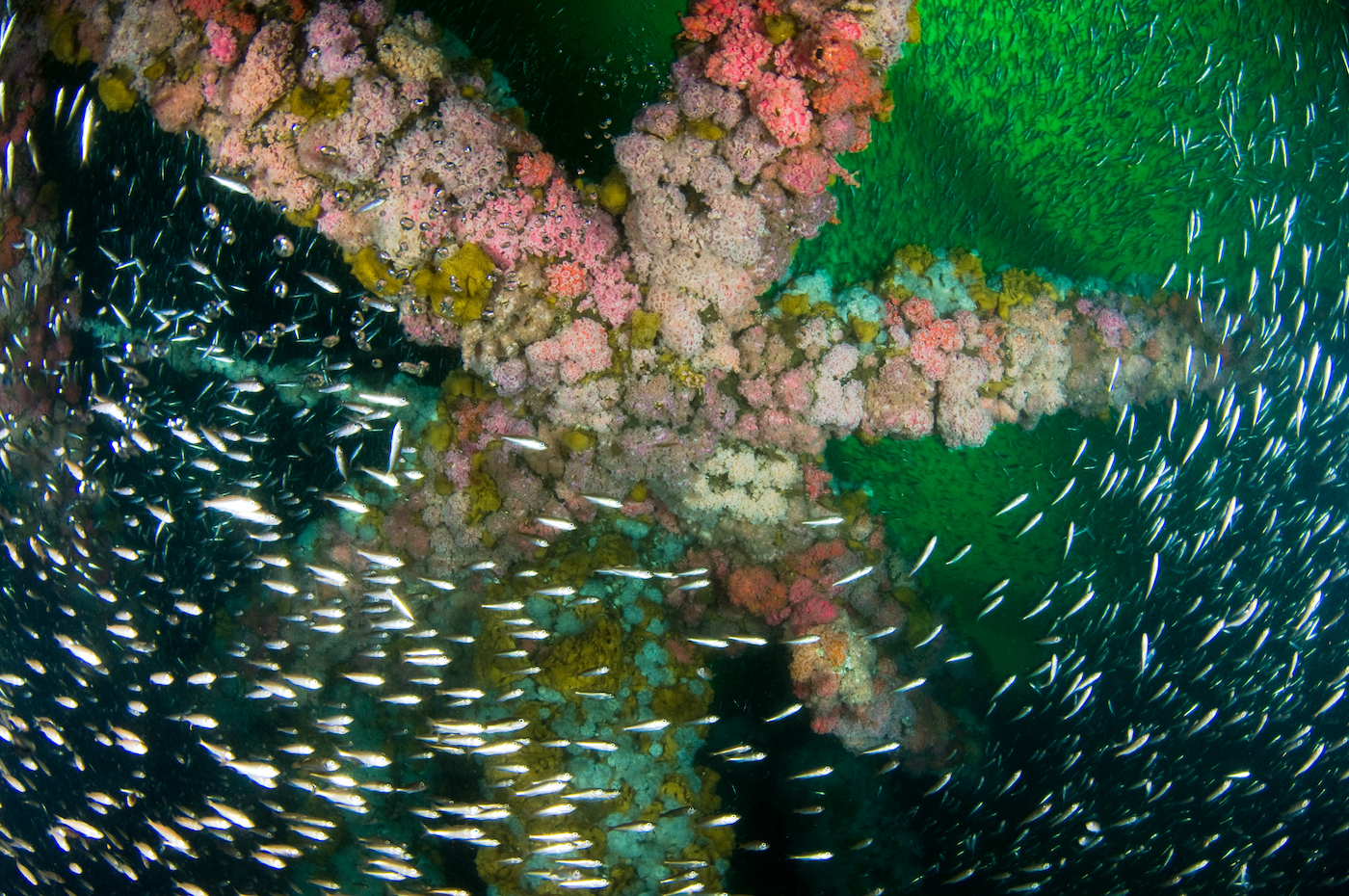
This Montecito Journal article explains the ecological importance of California offshore platforms and summarizes the challenging regulatory issues associated with their decommissioning.
According to a paper published in 2014 by marine ecologist Dr. Jeremy Claisse of Cal Poly Pomona, the oil and gas platforms off the coast of California are the most productive marine habitats per unit area in the world. “Even the least productive platform was more productive than Chesapeake Bay or a coral reef in Moorea,” said Dr. Love. (Milt Love, UCSB biologist)
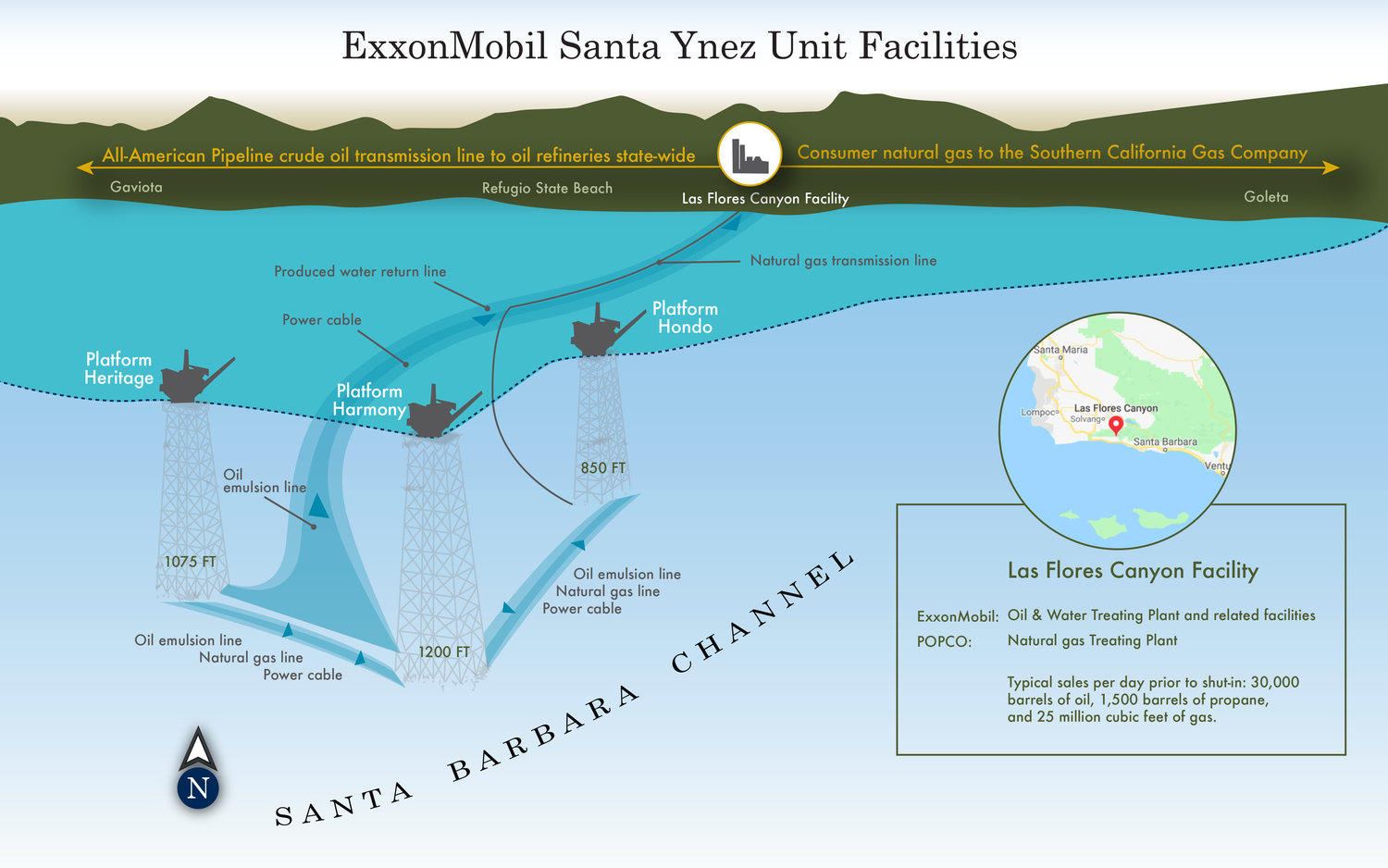
Offshore California, the best that most facility operators and their predecessors (to the extent they continue to hold decommissioning liabilities) can hope for is a graceful exit with manageable financial losses. (The situation is a bit different for Exxon’s Santa Ynez Unit, which has been shut-in since 2015 while the company seeks to resolve oil transportation issues resulting from an onshore pipeline rupture. Here is the latest episode of that amazing saga.)
California’s Federal offshore, where 9 mobile drilling units (MODUs) were operating concurrently in the early 1980s, hasn’t seen a MODU in over 30 years. However, 23 production platforms, some of which are massive structures, remain (see the presentation below). At this point, these platforms are expensive monuments given that their combined production (per EIA) is only 7000 BOPD.
Regardless of their production status, the California offshore platforms continue to be ecologically significant. Dr. Jerry Schubel is among the many marine scientists who understand the importance of the life that has grown on and around these structures. The scientific community also sees other research, educational, and recreational uses for these platforms as per our Rigs-to-Reefs +++ page.
To their credit, State and Federal agencies, trade organizations, and interested third parties continue to discuss the issues and consider alternatives. A recent workshop was helpful in that regard. Attached is the excellent presentation by Bob Byrd and John Smith, who have been at the vanguard in addressing California decommissioning issues. Embedded below is the YouTube video of the presentations from their session. These are excellent updates for those who have an interest in decommissioning issues.
Excerpts from a good OC Register article on the ecological significance of the 27 platforms in State and Federal waters offshore California:
“All the (California) platforms having booming ecosystems underwater,” marine scientist Amber Sparks said at an Aquarium of the Pacific lecture in Long Beach on Wednesday, March 2.
“There’s a lot of real estate; a lot of nooks and crannies for marine life,” she said. “Scientists at the National Academy for the Sciences have found California’s platforms are some of the most productive marine habitat in the world.”
The Gulf of Mexico is the poster child for rigs-to-reefs, with more than 500 decommissioned oil platforms turned into full-time artificial reefs over the past 30 years. It’s bold testament to the habitat potential of the rigs, transforming the relatively sterile, sandy bottom ecosystem there into one with hundreds of prime locations for marine life.
BSEE has posted the slides and presentation video announcing their draft Request For Proposals (RFP) to contract for the decommissioning of facilities on five Gulf of Mexico leases. Phase 1 involves the plugging of 15 wells. Per the presentation, this work would be paid for using “orphan well” funds appropriated in the 2021 Infrastucture bill.
Per BSEE’s online borehole file, the wells in question were drilled by Matagorda Island Gas Operations, Anglo-Suisse Offshore Partners, and Bennu Oil and Gas. Matagorda and Bennu declared bankruptcy and are no longer in business. The status of Anglo-Suisse is not entirely clear, but presumably they are no longer financially accountable.
Looking at BOEM online data, these leases had other owners including two US super-majors. However, the wells identified by BSEE were drilled after these and other financially strong companies had assigned their interest. They are thus not legally accountable, which is presumably why these wells were chosen for the RFP.
The unprecedented use of Federal funds for decommissioning reflects poorly on the offshore industry and Federal lease management practices. The financial risks associated with decommissioning have been apparent for more than 30 years (see the July 1991 Forbes article below). Why have these issues not been effectively addressed? Some thoughts:
Operating companies showed little interest in private industry-wide solutions. Rod Pearcy, one of the most respected managers in the history of the Federal offshore program, advocated an industry funded and managed entity to ensure financial assurance and guarantee well and facility decommissioning. This concept never gained traction.
Industry factions disagreed strongly on the regulatory approach that the Federal government should take. Simply put, “majors” wanted to limit future liability for leases they assigned. “Independents” wanted the assigning companies to retain liability such that their financial assurance requirements were minimized. These divisions continue to this day and are the main reason financial assurance regulations are so difficult to update.
Decommissioning costs vary wildly depending on the particular circumstances, making it difficult to establish the amounts of financial assurance to be required. For example, storm damage typically increases well and structure decommissioning costs by a factor of at least 10. Requiring worst case financial assurance amounts would preclude many assignments and the associated increase in oil and gas recovery.
Realistic amounts of bonding and other forms of financial assurance are routinely challenged by lessees and their political representatives.
Poor lease assignment and financial management decisions have significantly increased the risk exposure of predecessor lease owners and taxpayers. The troubling case of Platforms Hogan and Houchin, Santa Barbara Channel, demonstrates the implications of questionable lease assignments and the irresponsible use of decommissioning funds.
Government funded decommissioning will likely be more expensive and will subject the public to unforeseen costs and future liabilities should the operations not go as planned.
The future decommissioning of wind turbines is already a major issue, and measures must be taken to ensure that liability is clearly established and operator funding is assured.
In the past, the regulators, operating companies, and insurers have found ways to ensure that decommissioning costs did not fall on the taxpayer. BSEE continues to be resourceful in that regard. Private solutions should always be the objective. The proposed RFP opens the door to the potential for far greater Federal liabilities down the road, particularly given the uncertainty about predecessor liability in some important cases.
The law suit makes reference to the aging offshore facilities and the Huntington Beach pipeline spill:
Oil companies have been drilling off California for more than 50 years. The first platforms were installed in 1968 and production continues today. Much of this infrastructure has outlived its expected lifespan and is well beyond the age scientists say significantly increase the risk of oil spills.
Indeed, just months ago a pipeline connected to a platform in federal waters off Huntington Beach ruptured and spilled tens of thousands of gallons of oil into the marine environment. The spill fouled sensitive marine, beach, and wetland habitat; forced closure of fisheries; and harmed and killed birds, fish, plants, invertebrates, and marine mammals.
Coastkeeper’s upcoming Retiring Offshore Rigs Summit, or ROR, comes roughly ten years after Coastkeeper’s Rigs to Reef Conference in 2010. While that conference succeeded in passing new decommissioning and artificial reef enhancement laws, the language was not workable. In the decade since that legislation, known as AB 2503, or the “California Marine Resources Legacy Act” was signed into law, it was never implemented by the state.