Feeds:
Posts
Comments

Archive for the ‘California’ Category


Ourhistory-oilspill

On January 28, 1969, well A-21, the 5th well to be drilled from Union Oil Company’s “A” platform began flowing uncontrollably through fractures into the Santa Barbara Channel.

The absence of any well casing to protect the permeable, fractured cap rock meant that the operator couldn’t safely shut-in a sudden influx of hydrocarbons into the well bore (i.e. a “kick”). Shutting-in the well at the surface would create well bore fractures through which oil and gas could migrate to shallow strata and the sea floor. The probability of an oil blowout was thus essentially the same as the probability of a kick (>10-2). Compare this with the historical US offshore oil blowout probability (<10-4) and the probability of <10-5 for wells with optimal barrier management.

Here, in brief, is the well A-21 story:

  • Well drilled to total depth of 3203′ below the ocean floor (BOF).
  • 13 3/8″ casing had been set at 238′ BOF. The well was unprotected from the base of this casing string to total depth.
  • Evidence of natural seeps near the site suggested the presence of fracture channels
  • The well was drilled through permeable cap rock and a small high pressured gas reservoir before penetrating the target oil sands.
  • When the well reached total depth, the crew started pulling drill pipe out of hole to in preparation for well logging.
  • The first 5 stands of drill pipe pulled tight; the next 3 pulled free suggesting the swabbing of fluids into the well bore..
  • The well started flowing through the drill pipe. The crew attempted to stab an inside preventer into the drill pipe, but the well was blowing too hard. The crew then attempted unsuccessfully to stab the kelly into the drill pipe and halt the flow.
  • The crew dropped the drill pipe into the well bore and closed the blind ram to shut-in the well.
  • Boils of gas began to appear on the water surface. Oil flowed to the surface through numerous fracture channels. The sketch below by a former colleague depicts the fracturing, which greatly complicated mitigation of the flow.

Here is the link to an excellent US Geological Survey report from 1969 that describes the geologic setting, well activities, and remedial measures after the blowout.

We need to continue studying these historically important incidents, not just the technical details but also the human and organizational factors that allowed such safety and environmental disasters to occur. The idea is not to shame, but to remember and better understand.

Read Full Post »

The law suit makes reference to the aging offshore facilities and the Huntington Beach pipeline spill:

Oil companies have been drilling off California for more than 50 years. The first platforms were installed in 1968 and production continues today. Much of this infrastructure has outlived its expected lifespan and is well beyond the age scientists say significantly increase the risk of oil spills.

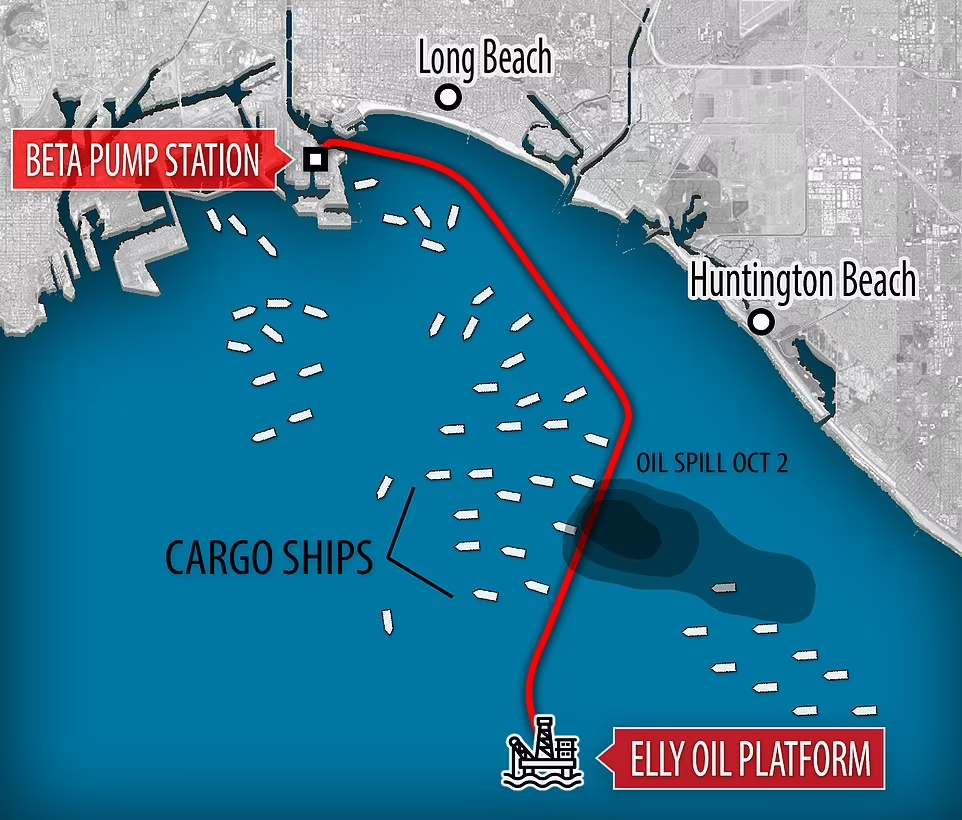
Indeed, just months ago a pipeline connected to a platform in federal waters off Huntington Beach ruptured and spilled tens of thousands of gallons of oil into the marine environment. The spill fouled sensitive marine, beach, and wetland habitat; forced closure of fisheries; and harmed and killed birds, fish, plants, invertebrates, and marine mammals.

CBD law suit

Read Full Post »

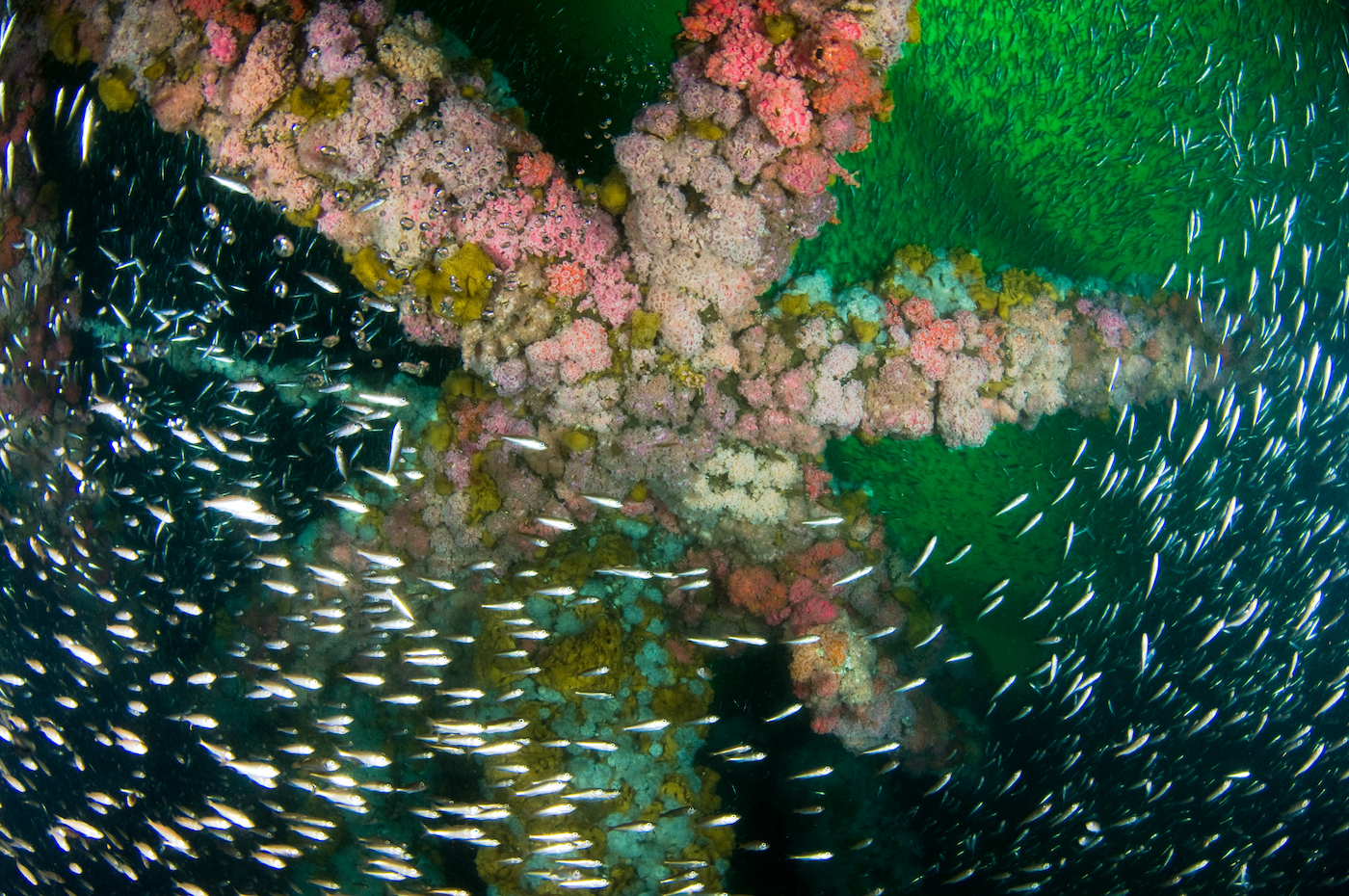
Per our post about old disputes preventing common sense decommissioning solutions for offshore California facilities, we were pleased to learn that an Orange County Coastkeeper’s workshop will address the flaws in the California’s unworkable rigs-to-reefs program with the objective of advancing decommissioning programs.

Coastkeeper’s upcoming Retiring Offshore Rigs Summit, or ROR, comes roughly ten years after Coastkeeper’s Rigs to Reef Conference in 2010. While that conference succeeded in passing new decommissioning and artificial reef enhancement laws, the language was not workable. In the decade since that legislation, known as AB 2503, or the “California Marine Resources Legacy Act” was signed into law, it was never implemented by the state.

Orange County Coastkeeper

Link for further information on the workshop.

Previous posts on California decommissioning:

Platform Houchin, Santa Barbara Channel

Read Full Post »

While the Fieldwood Energy violations drove up the number of Incidents of Non-Compliance (INCs) in the Gulf of Mexico in 2021, most operating companies appear to have had good compliance records. Among companies that were subjected to at least 10 facility inspection and drilled at least one well, BHP Billiton, Eni US, and Murphy (listed alphabetically) had the most impressive compliance records. These three operators were cited for 7 or fewer INCs, none of which required a facility to be shut-in. Other operators that exceeded those activity thresholds and had excellent compliance records were (listed alphabetically) Anadarko, ANKOR Energy, Chevron, EnVen, Shell, and Walter Oil and Gas.

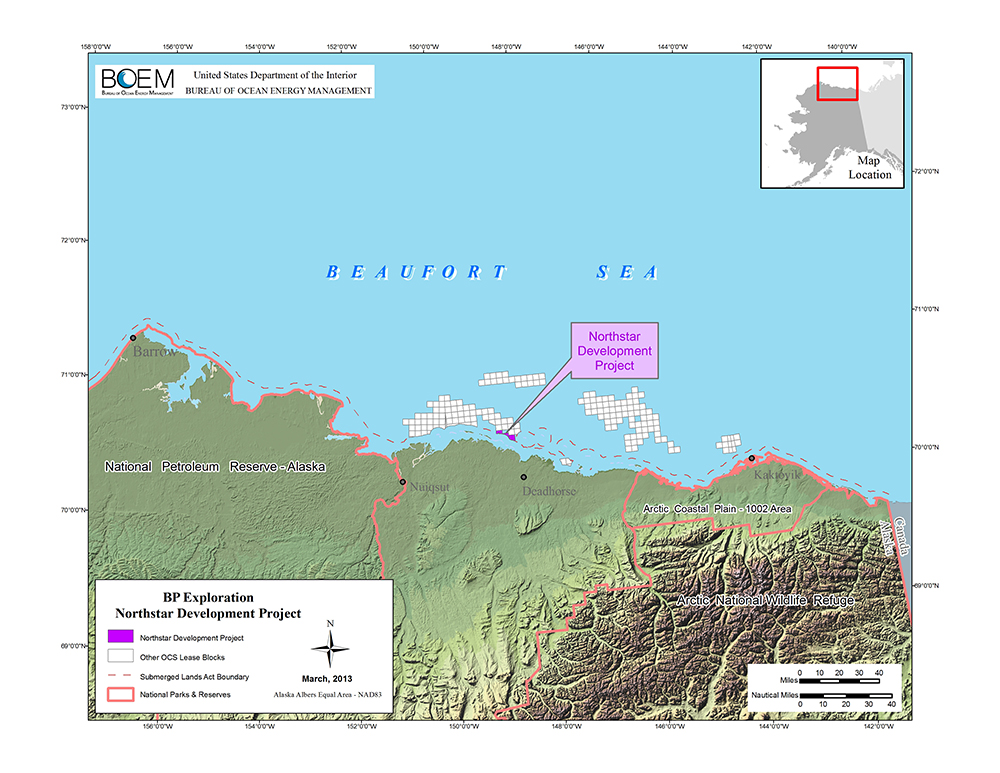
In the Pacific Region, Beta Operating Co., Chevron (now overseeing the former Signal Hill properties), and Exxon had excellent compliance records, although none of these facilities produced for the full year. In Alaska, Hillcorp had an excellent record at the Northstar Unit. (This is a gravel island facility in the State waters of the Beaufort Sea, but some of the wells produce from portions of the reservoir that are in the Federal sector).

Unfortunately, only summary inspection data are posted online. Without knowing the specific violations and circumstances, it’s not possible to fully assess the risk exposure. These oil and gas operations are conducted on public lands and are monitored by Federal employees. Inspection data and reports should be publicly accessible without having to submit Freedom of Information Act requests.

As has previously been discussed, incident updates should also be posted in a timely manner. Reference is made to this important recommendation in the 2016 National Academies report entitled Strengthening the Safety Culture of the Offshore Oil and Gas Industry:

Recommendation 4.2.2: Because accident, incident, and inspection data all are needed to identify and understand safety risks and corrective actions, the committee recommends full transparency such that regulators make all these data readily available to the public in a timely way, taking into consideration applicable confidentiality requirements.

Read Full Post »

Yesterday, BSEE issued investigation reports for 2 of the fatal 2020 incidents. Both of these incidents involved falls, a chronic and preventable cause of offshore worker casualties. Not enough industry and trade association attention is given to such incidents, which have been trivialized in the past by categorizing them as “slips, trips, and falls.” The reports are linked below:

The reports describe how the incidents occurred and what we can do better to prevent similar events in the future. Despite the advance in safety management programs over the past 30 years, there has been no discernible improvement in preventing these incidents. We need to rethink training programs, planning, and methods. Deadly falls are not inevitable.

Read Full Post »

Last month (12/2021), BSEE finally posted the 2020 incident statistics. Unfortunately, no details or incident summaries are provided for the 6 fatalities. The fatalities are simply classified as “occupational” (4) or “non-occupational” (2). As a result, we still know very little about these fatal incidents 13 – 24 months after they occurred.

The BSEE spreadsheet advises that 3 of the 4 “non-occupational” fatalities are being investigated, but the reports are still “pending.” Why the long delay? The National Commission, BOEMRE-CG, and NAE investigations of the Macondo tragedy were completed (and reports published) in less time.

No explanation is provided as to why the 4th occupational fatality is not being investigated.

Also, investigations of the preparedness and response aspects of the 2 non-occupational fatalities would have been beneficial. What was the cause of death? What medical screening procedures were in place? What treatment capabilities were available at the facility? How much time was required to transport the workers to hospitals? These are important considerations for the offshore community.

Below is a summary of the publicly available information for the 6 fatalities:

  • 1/14/2020: A worker died on a Diamond drillship on a lease (Mississippi Canyon 822) operated by BP. According to BSEE this was a non-occupational fatality. Per the listing of investigations, no investigation was conducted.
  • 5/16/2020: A worker died on a Fieldwood platform (Ewing Bank 826 A). Per BSEE, this was an occupational fatality and the investigation is still pending. There were no media reports or company announcements.
  • 6/2/2020: A worker died on the Valaris DS-18 drillship working for EnVen Energy at Green Canyon 767. Per BSEE, this was a non-occupational fatality and no investigation was conducted.
  • 6/20/2020: A worker died on at the Green Canyon 18 A platform operated by Talos. Per BSEE, this was an occupational fatality but no investigation is indicated for this incident. No media reports or company announcements could be found.
  • 8/23/2020: A worker died on the Pacific Khamsin drillship working for Total at Garden Banks 1003. A month later, at an Investors’ Day presentation, Total announced that the incident occurred while the crew was preparing to move the rig to avoid Tropical Storm Laura. Total’s statement included this defensive statement: “This is a routine operation that was executed with no time pressure as the rig disconnection had been decided well in advance.” Per Total, the findings of their investigation were shared with the regulators in Sept. 2020, but BSEE advises that their investigation is still pending.
  • 12/2/2020: A worker died on DCOR’s Platform Gilda in the Santa Barbara Channel offshore California. The BSEE investigations update provides no information on the status of the investigation. Per local media, 3 men fell from the platform and others jumped into the water to assist. No information is provided on the reason why the 3 men fell.

The number of US OCS fatalities remains unacceptably high, and timely data sharing and investigations are needed to better assess causes and trends. In that regard, this recommendation from the 2016 National Academies report entitled “Strengthening the Safety Culture of the Offshore Oil and Gas Industry” merits further industry/government attention and action:

Recommendation 4.2.2: Because accident, incident, and inspection data all are needed to identify and understand safety risks and corrective actions, the committee recommends full transparency such that regulators make all these data readily available to the public in a timely way, taking into consideration applicable confidentiality requirements.

Read Full Post »

Boats survey behind the surf with oil rigs in the background.
LA Times
Courage stopped O.C. oil platform blowout – Orange County Register

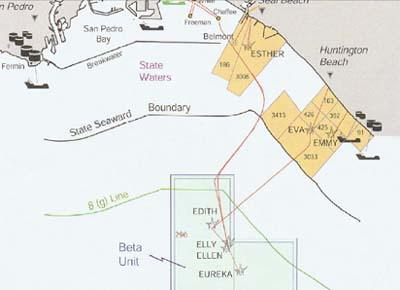
Per the LA Times, a DCOR pipeline has been identified as the source of a sheen in California State waters near Bolsa Chica State Beach. The pipeline transports oil from Platform Eva. All platform and pipeline operations in the vicinity have ceased.

Read Full Post »

NBC News Report

LA Times Report

This will be an interesting case given that the root cause of the leak appears to be anchor dragging and the responsible shipping company has yet to be identified. Also, these informed quotes about leak detection from a previous post are highly pertinent:

“My experience suggests this would be a darned hard leak to remotely determine quickly,” said Richard Kuprewicz, a private pipeline accident investigator and consultant. “An opening of this type, on a 17-mile-long (27-kilometer) underwater pipe is very hard to spot by remote indications. These crack-type releases are lower rate and can go for quite a while.”

The type of crack seen in the Coast Guard video is big enough to allow some oil to escape to potentially trigger the low pressure alarm, Kuprewicz said. But because the pipeline was operating under relatively low pressure, the control room operator may have simply dismissed the alarm because the pressure was not very high to begin, he said.

ABC News

Read Full Post »

BEIJING photo
Vessel Finder

According to the Coast Guard, investigators determined the ship “was involved in an anchor dragging incident on Jan. 25, 2021 during a heavy weather event that impacted the Ports of L.A. and Long Beach.” The anchor- dragging occurred “in close proximity” to an underwater pipeline later determined to be the source of the October leak that spilled thousands of gallons of oil into the ocean, forcing the closure of beaches and harbors across Orange County.

CBS-LA

The hearings and the liability battles that follow will be most interesting. Those lined up to sue the pipeline operator (Amplify), such as this Huntington Beach disc jockey, may have difficulties.

Read Full Post »

Last week’s successful Falcon 9 launch from Vandenberg Space Force Base (formerly Air Force Base) brought back memories of a less successful Vandenberg launch on April 18, 1986. I was just offshore from the base on Texaco’s Platform Harvest at the time. That is where the photo below was taken.

The Titan rocket carrying a secret spy satellite exploded in a huge orange cloud seconds after the launch. Because this was a classified mission, few residents knew that a launch was occurring. Fifty-eight people were treated for skin and eye irritation. Not a shining moment for the space program, particularly given the Titan failure the previous August and the tragic Challenger disaster earlier in 1986.

Photo taken from Texaco’s Platform Harvest
New York Times archive

Read Full Post »

« Newer Posts - Older Posts »