Feeds:
Posts
Comments

Archive for the ‘accidents’ Category

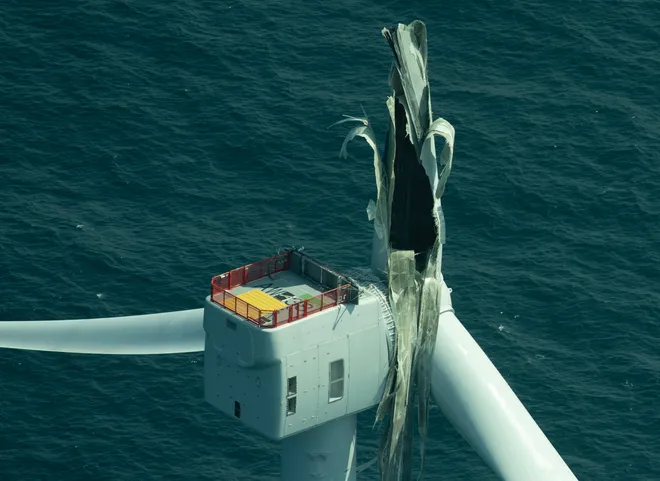
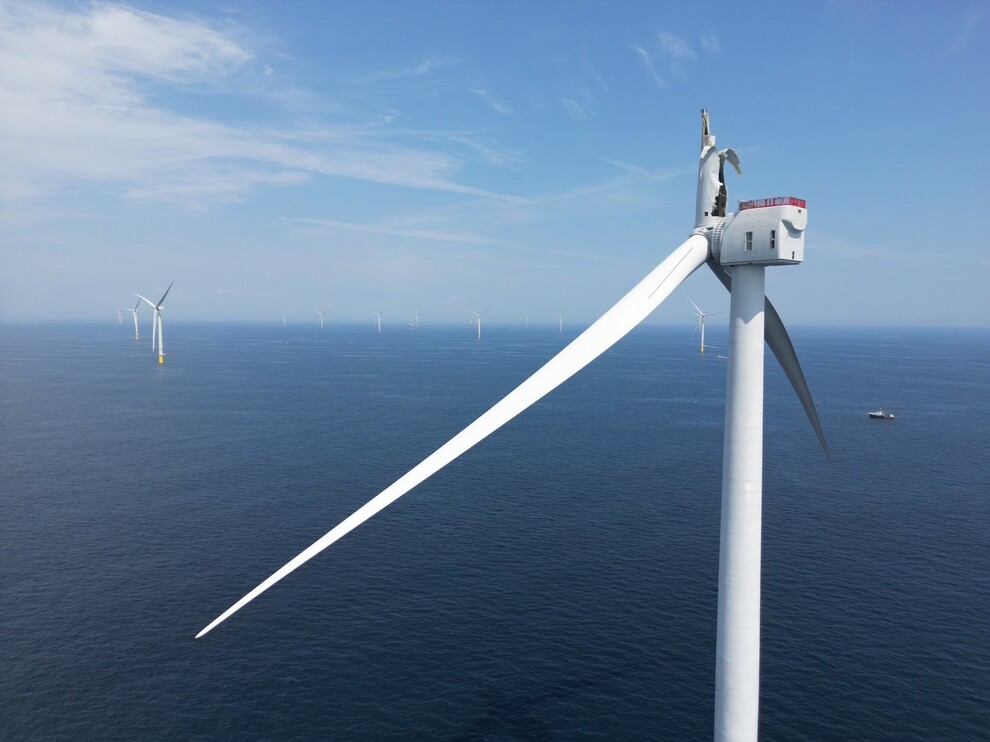
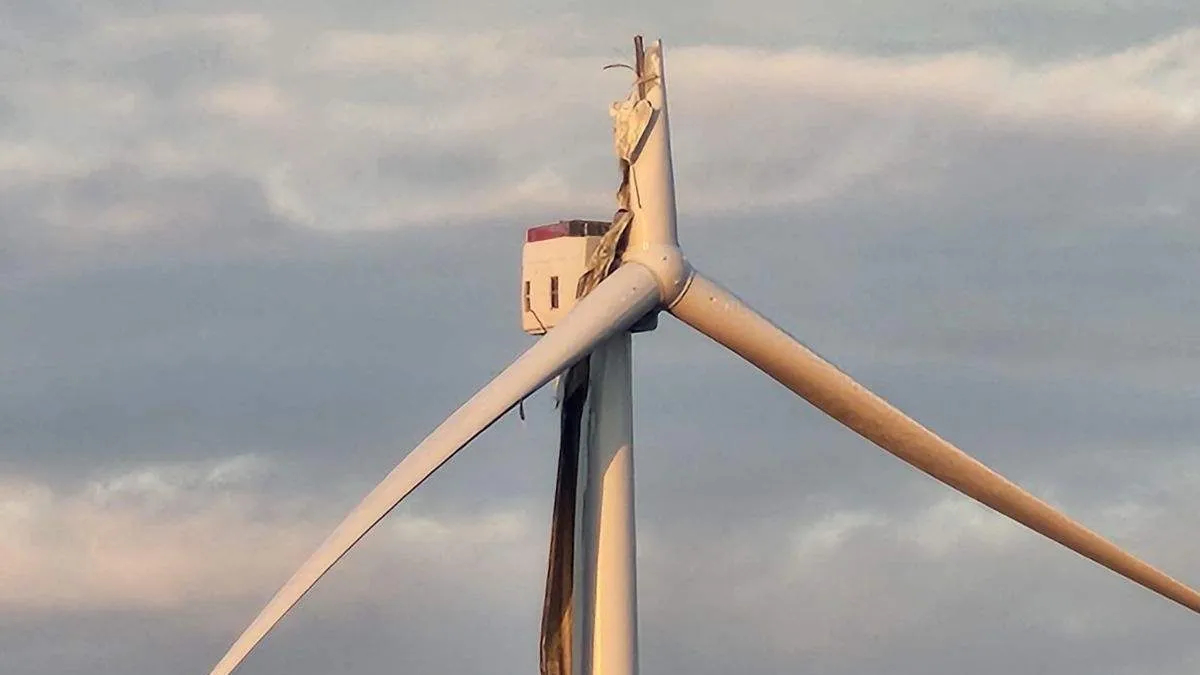
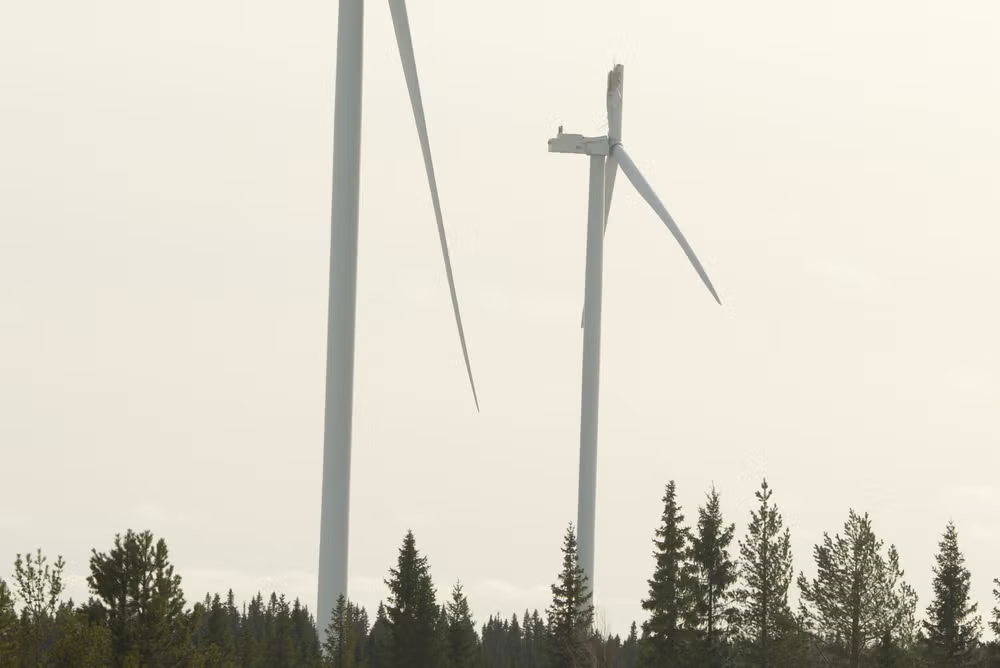
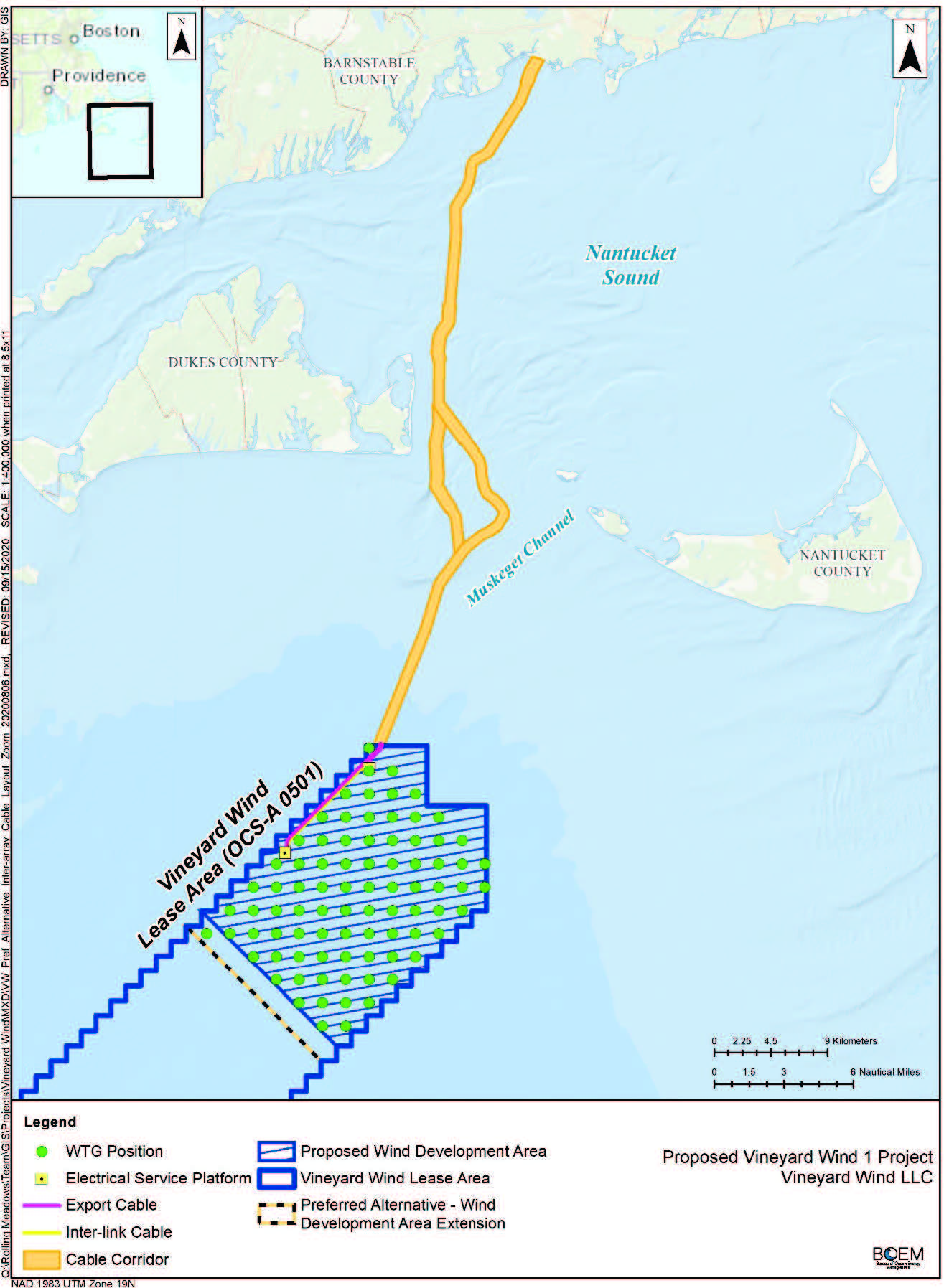
7/13/2024 Vineyard Wind turbine blade failure offshore Nantucket

The attached Memorandum of Understanding between Vineyard Wind (VW) and the Town of Nantucket is long on bureaucratic procedures and short on risk mitigation and penalties.

The agreement details requirements for monthly reports, liaisons, written correspondence, plan reviews, and participation on incident management teams, but excludes any monetary penalties for past or future incidents. (With regard to penalties, should BSEE have assessed civil penalties for the 2024 turbine incident in accordance with 30 CFR § 285.400 (f)? This was a major pollution event.)

This MOU provision gives the impression that the Town is subordinate to VW:

“The Town will provide Vineyard Wind 1 up to 4 business days, if required, to identify and correct errors in the Town’s intended public communications about the Project.”

The responsible party should not be exercising oversight over the communications of an affected local government. Can you imagine Santa Barbara County reaching such an agreement with Sable Offshore?

Finally, the MOU further establishes the Town as a de facto partner in the project. VW, not the Town, is the responsible party and must be held fully accountable for project performance.
Read Full Post »

Seconds matter – training, equipment maintenance, and effective leadership are critical!

Several BSEE Safety Alerts have just been released. Of particular importance to those interested in deepwater drilling is the attached alert describing two separate Emergency Disconnect Sequence (EDS) incidents.

The EDS (see the diagram above) is a critically important safety protocol that ensures that a well is sealed and the riser and rig are disconnected from the blowout preventer in the event of a well control emergency, unforeseen weather/ocean conditions, loss of power, or positioning system malfunction. Note that the Macondo blowout could have been prevented if the Deepwater Horizon crew had activated the EDS in a timely manner.

The two EDS events cited in the Safety Alert were presumably the March 28, 2025 and March 5, 2024 incidents investigated by BSEE district offices. The drillships were the Stanley Lafosse and the Deepwater Poseidon The investigation reports provide detailed information on these incidents.

Unintended riser disconnects not associated with EDS activations are a related safety and pollution concern that necessitated the issuance of a 2000 Notices to Lessees that was subsequently updated:

Read Full Post »

Sable Offshore is attempting to restart the same pipeline that caused the Refugio Oil Spill in 2015. | Credit: Paul Wellman File Photo

Sable Offshore oil believes the federal Pipeline and Hazardous Materials Safety Administration (PHMSA) , not the California Fire Marshal, should have jurisdiction over the company’s onshore pipeline.

I once had the same opinion as Sable. Their pipeline is, by definition, an interstate line because it carries OCS production. Then I read Appendix D of the court approved Consent Decree that was executed following the 2015 Refugio pipeline spill. That Decree is quite clear regarding regulatory jurisdiction, and would have to be overturned to transfer authority to PHMSA.

The full Consent Decree is attached. Pasted below is an excerpt from Appendix D:

Read Full Post »

Vineyard Wind turbine blade that was damaged on July 13, 2024, captured by a New Bedford commercial fisherman. Photo courtesy of Anthony Seiger

Excellent New Bedford Light piece on the unacceptable delay in completing the blade failure investigation report.

The Town of Nantucket’s attorney, Greg Werkheiser of Cultural Heritage Partners, told The Light last month that “it’s taken far too long” to get a final report on the blade failure. 

It’s noteworthy that there have also been unacceptable delays in issuing panel reports for serious offshore oil and gas incidents:

ncident datereport dateelapsed time (months)incident type
5/15/202110/31/202329.5fatality
1/24/20217/24/202330fatality
8/23/20202/15/202330fatality
7/25/20202/15/202331spill

Read Full Post »

“So, the safety culture is fine because we don’t report when people die.” Former Ørsted safety head, Eskild Lund Sørensen, accuses offshore wind body G+ of cherry picking data. The 2024 G+ incident data report is attached.

Member companies, which include major players such as Ørsted, Equinor, Vattenfall, RWE, and CIP, report quarterly data on accidents, near-misses, hazardous observations, and equipment damage. As is the case with most industry reporting schemes, anonymity is prioritized over transparency.

Sørensen asserts that the G+ wind industry data are incomplete: ”It shows that what is reported under the guidelines has gone down, and also that there is a cut off on what is being reported that does not include the full value chain on the industry.” He notes that a contractor to Northland Power from Canada, a member of G+, was involved in a 2024 workplace accident in Taiwan that resulted in three fatalities. (It’s also noteworthy that Equinor’s 2024 Empire Wind fatality was not included.)

Sørensen:There have been no significant improvements in the last 10 years. Safety in offshore wind is neither getting worse nor better. There are no signs of that.”

I’m speaking up because we owe people the truth. If we’re not honest about the actual safety conditions in offshore wind, we can’t change them. Misinformation about workplace safety creates a dangerous illusion that everything is “under control”, while too many people are getting hurt. But when we dare to speak about reality as it is, we create the foundation for a safer, faster, and truly sustainable energy transition,” Sørensen says.

”And then it becomes difficult to learn if you have to wait for something to go through 57 gates and down past legal,” he says. (Sound familiar?)

In the U.S., both industry and govt need to do a better job of sharing complete incident data in a timely manner.

Read Full Post »

The pipeline spill just north of Refugio State Beach on May 19, 2015, coated miles of shoreline and marine habitat, and dolphins, elephant seals, sea lions, pelicans and other birds. | Santa Barbara Independent

We can scream all we want (with some justification) about the California Coastal Commission, Santa Barbara County, and intractable environmental organizations, but the Santa Ynez Unit would still be producing today were it not for an ugly, preventable pipeline spill.

What happened:

At approximately 10:55 a.m. Pacific Daylight Time (PDT) on May 19, 2015, the Plains Pipeline, LP (Plains), Line 901 pipeline in Santa Barbara County, CA, ruptured, resulting in the release of approximately 2,934 barrels (bbl) of heavy crude oil. An estimated 500 bbl of crude oil entered the Pacific Ocean.

Why it happened:

1) Ineffective protection against external corrosion of the pipeline
 The condition of the pipeline’s coating and insulation system fostered an environment that led to the external corrosion.
 The pipeline’s cathodic protection (CP) system was not effective in preventing corrosion from occurring beneath the pipeline’s coating/insulation system.
2) Failure by Plains to detect and mitigate the corrosion
 The in-line inspection (ILI) tool and subsequent analysis of ILI data did not characterize the extent and depth of the external corrosion accurately.
3) Lack of timely detection of and response to the rupture
 The pipeline supervisory control and data acquisition (SCADA) system did not have safety-related alarms established at values sufficient to alert the control room staff to the release at this location.
 Control room staff did not detect the abnormal conditions in regards to the release as they occurred. This resulted in a delayed shutdown of the pipeline.
 The pipeline controller restarted the Line 901 pipeline after the release occurred.
 The pipeline’s leak detection system lacked instrumentation and associated calculations to monitor line pack (the total volume of liquid present in a pipeline section) along all portions of the pipeline when it was operating or shut down.
 Control room staff training lacked formalized and succinct requirements, including emergency shutdown and leak detection system functions such as alarms.

Plains Pipeline was the responsible party, but that doesn’t absolve the companies that were dependent on Plains to transport their production. Given the organized opposition that emerged following the Santa Barbara blowout in 1969 (the result of a reckless well plan), the integrity of that pipeline was critical to their business strategy and they should have exercised some oversight.

Offshore disasters have had enormous consequences for the oil and gas industry in terms of lost opportunities. Think about this: prior to the Macondo blowout, the Obama administration had proposed an oil and gas lease sale in the Atlantic and the Florida Senate was holding hearings about leasing in Florida State waters. Such lease sales are now completely out of the question.

Regulations and standards are not enough. We need open discussion about incidents, large and small, and a willingness to be critical of the responsible parties.

Read Full Post »

The Center for Offshore Safety (COS) was established in response to a recommendation by the National Commission on the BP Deepwater Horizon Oil Spill and Offshore Drilling for improved self-regulation by the offshore industry. The Commission supported the creation of a non-profit, industry-funded organization similar to the Institute of Nuclear Power Operations, to promote the highest levels of safety and operational excellence. 

The COS has been effective in strengthening corporate Safety and Environmental Management Systems, influencing the industry’s safety culture, and sharing best practices and lessons learned. These are important accomplishments.

The COS has fallen short in gathering the data needed to assess the offshore industry’s safety performance. As is the case with most voluntary reporting programs, data completeness and accuracy issues limit the significance of COS performance reviews.

Observations regarding the most recent COS Offshore Safety Performance Report follow:

  • The COS uses accepted performance indicators and a logical classification scheme.
  • COS reports that their members accounted for 78% of OCS oil and gas activity in 2024. This is accurate when cross-checked with BSEE hours worked data. However, the % of hours worked is not a good measure of the % of incidents reported in any category.
  • Companies not participating included important operators like LLOG, Cantium, Walter, and W&T, a host of smaller Gulf independents, the 2024 violations leader (by a wide margin) Cox, and troubled Fieldwood. (See Fieldwood’s 2021 and 2022 performance.)
  • Only two drilling contractors – Helmerich & Payne and Valaris – are members. Major contractors like Noble, Transocean, and Seadrill are not members. Their incidents will thus not be reported if they are not working for a COS member.
  • No production contractors are COS members. These companies conduct most of the platform operations on the shelf, where many of the lease operators are not COS members.
  • Pacific and Alaska Region operators do not participate.
  • Looking only at fatalities (table below), the most important and easily verified incident category, there are troubling omissions:
    • COS reports no 2024 fatalities when in fact there was a fatality during an operation for a COS member.
    • COS reports no 2022 fatalities when there were actually five. A workover incident took the life of one worker, and four died in a helideck crash on an OCS platform. In both cases, the facility operator was a non-member company.
    • COS records one 2021 fatality, but fails to include a 2021 Fieldwood fatality. There were also 6 “non-occupational” fatalities on OCS facilities in 2021, as classified by BSEE. Given the importance of worker health (the H in HSE), such a high number of non-occupational fatalities should be of interest industry-wide.
    • The COS report includes only two of the six 2020 fatalities, 2 of which were classified by BSEE as non-occupational.
    • The bottom line is that COS accounted for only 3 of 12 (25%) occupational fatalities during the 2020-24 period. There were at least 20 fatalities if you include the non-occupational incidents.
fatalities per COSoccupational
fatalities (from BSEE data)
non-occupational
fatalities (from BSEE data)
202401?
202300?
202205?
2021126
2020242

The offshore industry is only as good as its worst performer, so complete participation is essential. Voluntary reporting is seldom complete reporting, because some companies are more concerned about confidentiality than completeness and information sharing.

For industry reporting programs to be comprehensive and credible:

  • The entity receiving the reports and managing the data must be independent and not affiliated with an industry advocacy organization.
  • All operating companies must participate and complete reporting must be required. This can be accomplished contractually. If necessary, the regulator can require participation (either as a separate regulation or as a SEMS element).
  • Company incident submittals should be audited by the independent entity.
  • Fees should be solely for the purpose of supporting the independent reporting system.
  • For SP1 and SP2 incidents (per the COS classification scheme), the names of the responsible companies should be included in the performance reports. The current COS system prioritizes confidentiality over accountabiity and information sharing.

Read Full Post »

The Canada-Newfoundland Labrador Offshore Energy Regulator (C-NLOER) informs that once again no bids were received for tracts in the Eastern Newfoundland or Labrador South regions. According to this article, the outcome (no bids)was the same from 2021-2024.

Difficult operating conditions, high costs, and relatively modest oil price projections are no doubt factors contributing to the absence of bids. Energy NL has also pointed to the “complex, inconsistent and burdensome regulatory system” as a contributing factor.

Newfoundland’s newly elected Premier, Tony Wakeham, has said his Progressive Conservative Government will advocate for the cancellation of the emissions cap as it is a cap on production. He also supports incentives for offshore oil and gas projects such as an investment tax credit or the former Petroleum Incentive Program and indicated he would work with Energy NL to review incentives that could be implemented provincially.

The C-NLOER is committed to “review its land tenure system in collaboration with governments and others, to identify opportunities to enhance competitiveness in the Canada-Newfoundland and Labrador Offshore Area.”

On a separate policy matter, C-NLOER is applauded for announcing offshore safety/environmental incidents, including significant near misses, without delay. In the US, you have to scour BSEE investigation reports to find out about significant incidents or wait a year or more until the incident table is updated. This is inexcusable!

Read Full Post »

Plymouth MA wind turbine that lost a blade. (Stuart Cahill/Boston Herald)

Friday’s turbine blade failure in Plymouth MA is perhaps getting added attention given its proximity to the 7/13/2024 Vineyard Wind blade failure offshore Nantucket. The Plymouth blade landed in a nearby cranberry bog (video and picture below).

Per the MV Times, the turbines for the Plymouth project were manufactured by Gamesa, which is now part of Siemens Gamesa. Both the South Fork Wind and Revolution Wind projects off the coast of the Martha’s Vineyard are being developed by Ørsted using turbines from Siemens Gamesa. Coastal Virginia Offshore Wind, the largest offshore wind project in the United States, is also being developed with Siemens Gamesa turbines. This is not to imply a higher degree of risk for those turbines. Vineyard Wind, where the only US offshore failure has occurred to date, is using GE Vernova turbines.

Unfortunately, turbine blade failures are much too common. Last October, Lars Herbst reported, based on a Wind Power article, that “with an estimated 700,000 blades in operation globally, there are, on average, 3,800 incidents of blade failure each year.” Lars noted that the annual blade failure rate of about 0.5% translates to 1.5% of all operating wind turbines experiencing a blade failure every year, a remarkably high failure frequency.

Scotland Against Spin data indicate that blade failure is the second most common accident type in the wind industry, and the most common cause of accidents at operational wind turbine sites. SAS reports further that pieces of blade are documented as travelling up to one mile, and have gone through the roofs and walls of nearby buildings.

Lastly, we are still awaiting BSEE’s report on the Vineyard Wind failures so we can better understand what happened and why.

Read Full Post »

(from the BOE archives)

Vineyard Wind’s finest! Note the blade failures!

Wild Well Control!

Our North Atlantic District crew, Hyannis, Halloween 1981 <sigh>

Read Full Post »

Older Posts »