Feeds:
Posts
Comments

Posts Tagged ‘Offshore Wind’

I am disappointed that BOEM’s accelerated process over the last year has further divided stakeholder communities, and put the Confederated Tribes of the Coos, Lower Umpqua and Siuslaw Indians in the position of challenging BOEM in federal district court. Oregon’s legislative Coastal Caucus is likewise now in full opposition to BOEM’s proposed lease.

Despite the usual hype about the number of homes that could be powered and “good-paying jobs,” the upcoming Oregon wind lease appears to be very much in doubt. If legal action by Oregon tribes doesn’t halt or delay the sale, the absence of bidders may.

OregonLive reports that only one company, NewSun Energy, continues to be interested in participating in the sale. NewSun is primarily a solar energy developer with no apparent offshore wind experience.

Wind development offshore Oregon would be complex and very expensive given the need for floating turbines and new high-voltage transmission lines over the Coast Range. At least two counties, Coos and Curry, are set to vote on whether to publicly oppose offshore wind development off their coast.

If the sale is delayed such that BOEM is not able to issue leases before 12/20/2024, the leases cannot be issued until a qualifying oil and gas lease sale is held.

Read Full Post »

As previously noted, these power generation realities cannot be ignored:

  • Wind and solar power are intermittent, such that demand must respond to variable supply (not a prescription for economic growth).
  • Assuming sufficient capacity, gas power plants respond to variable demand.
  • Power grids can function effectively with only natural gas, but not with only wind/solar.
  • Integrated wind, solar, and gas systems can reduce, but not eliminate, demand for gas-generated power.

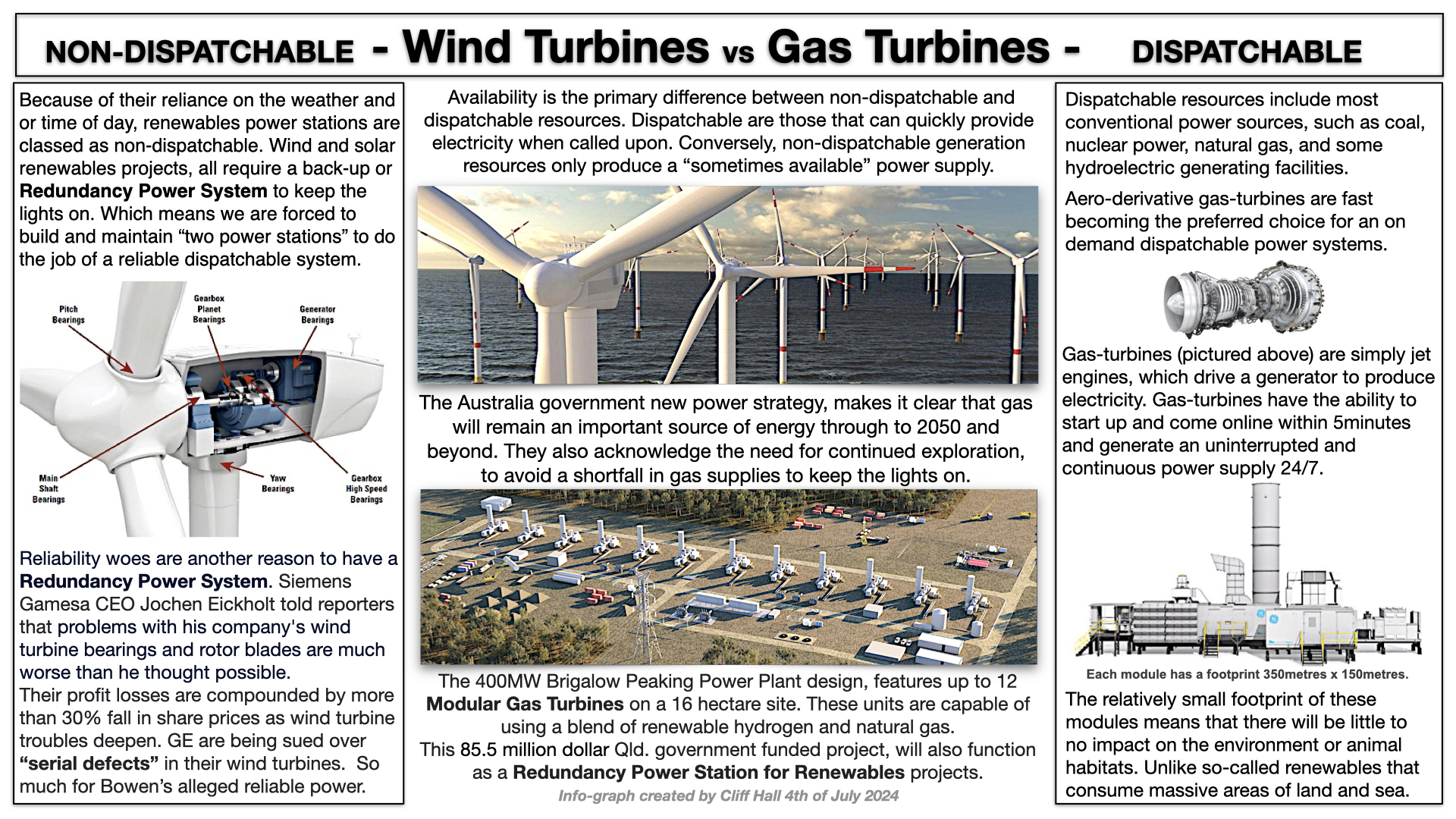
This graphic by Australian Cliff Hall explains the importance of “dispatchable” power. Of course, imported electricity, on which wind-leader Denmark relies heavily, is an alternative to dispatchable power. However, that option is less than optimal from economic growth and energy security standpoints.

Read Full Post »

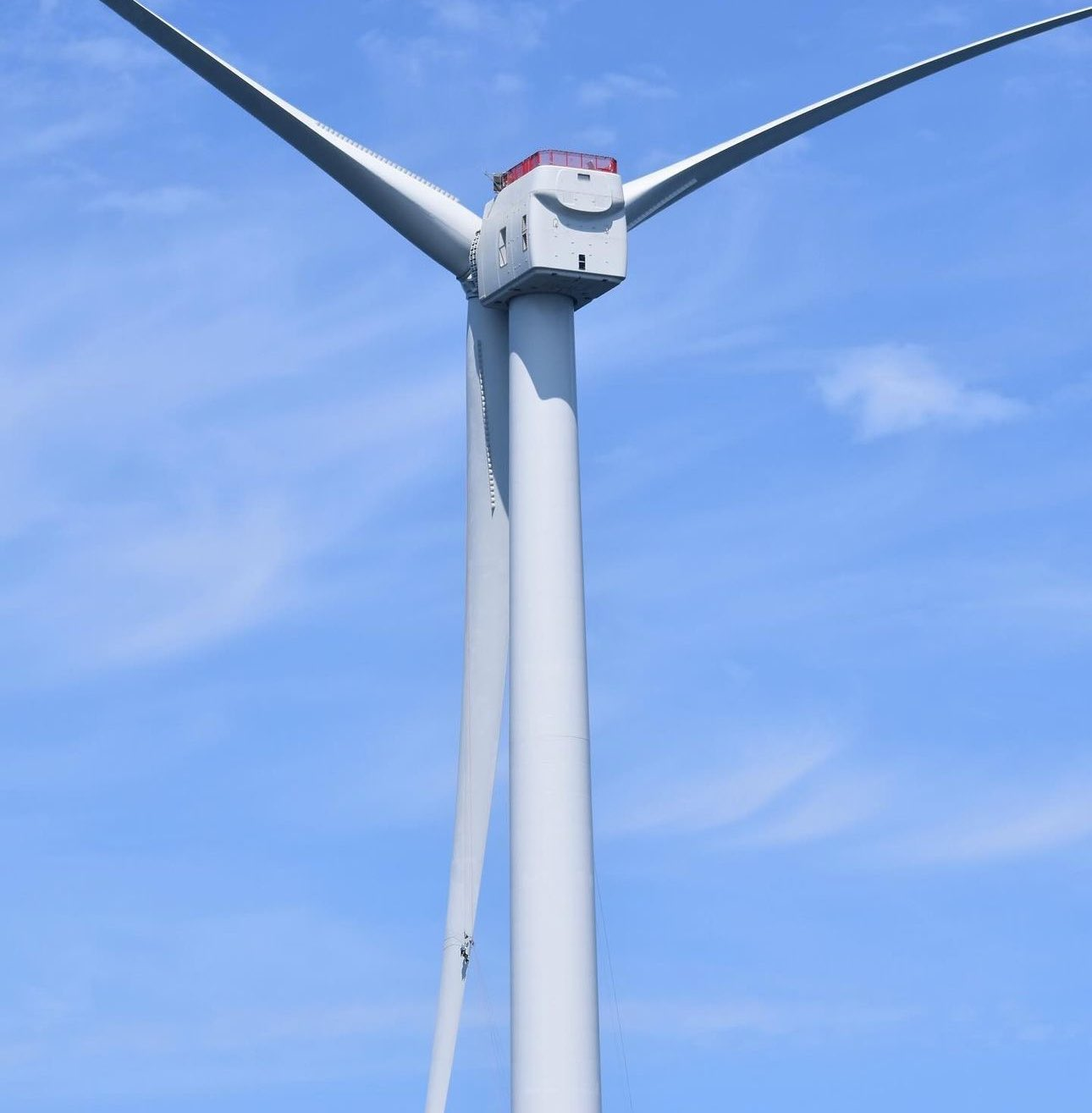
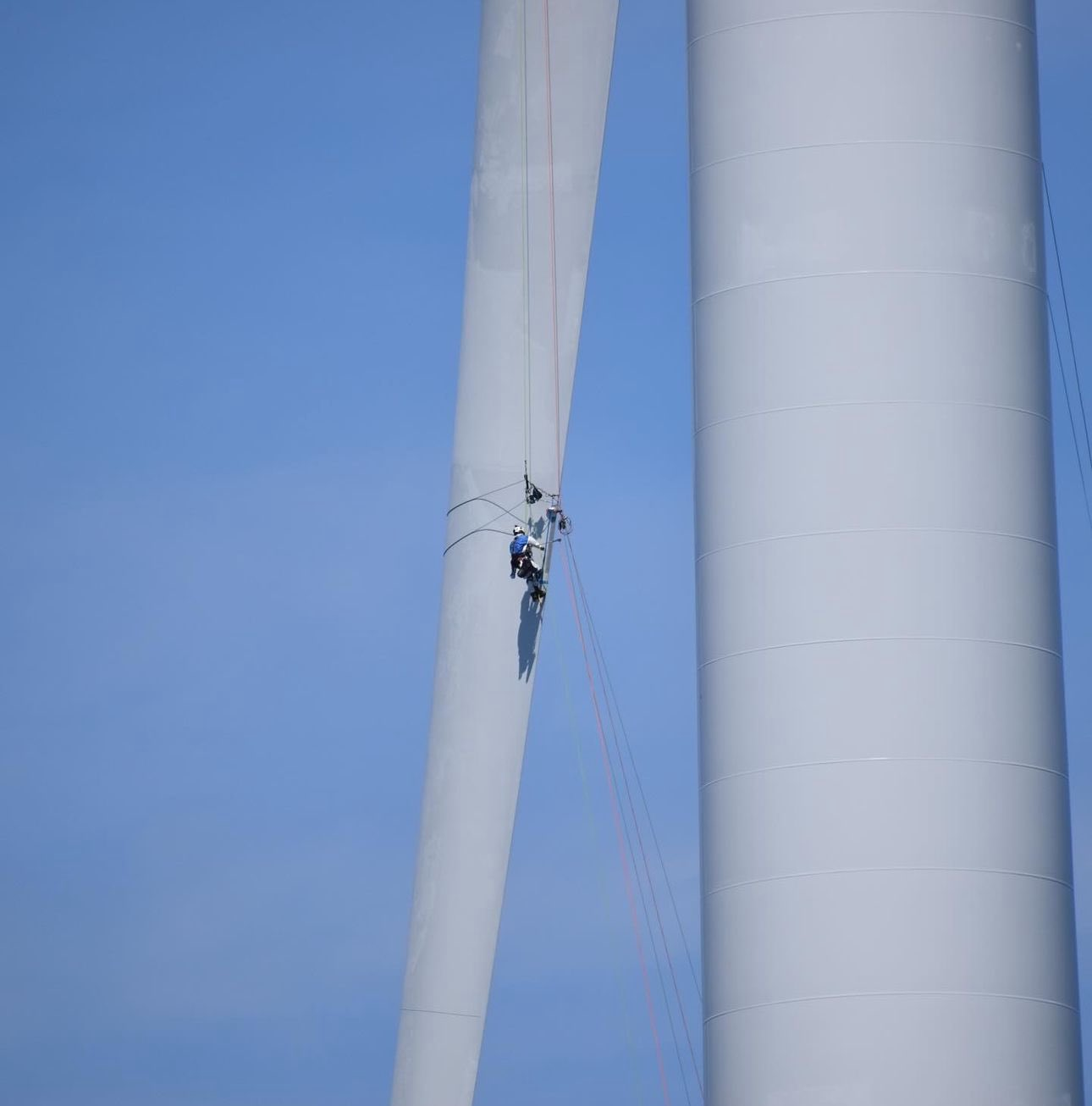
This real-life Spider-Man, seen on a Vineyard Wind turbine blade, is Tyler Paton. Tyler is an independent composite specialist who inspects and repairs blades on site. The Nantucket Current shared these images on X.

posted by Brian J @Mainsail23

Read Full Post »

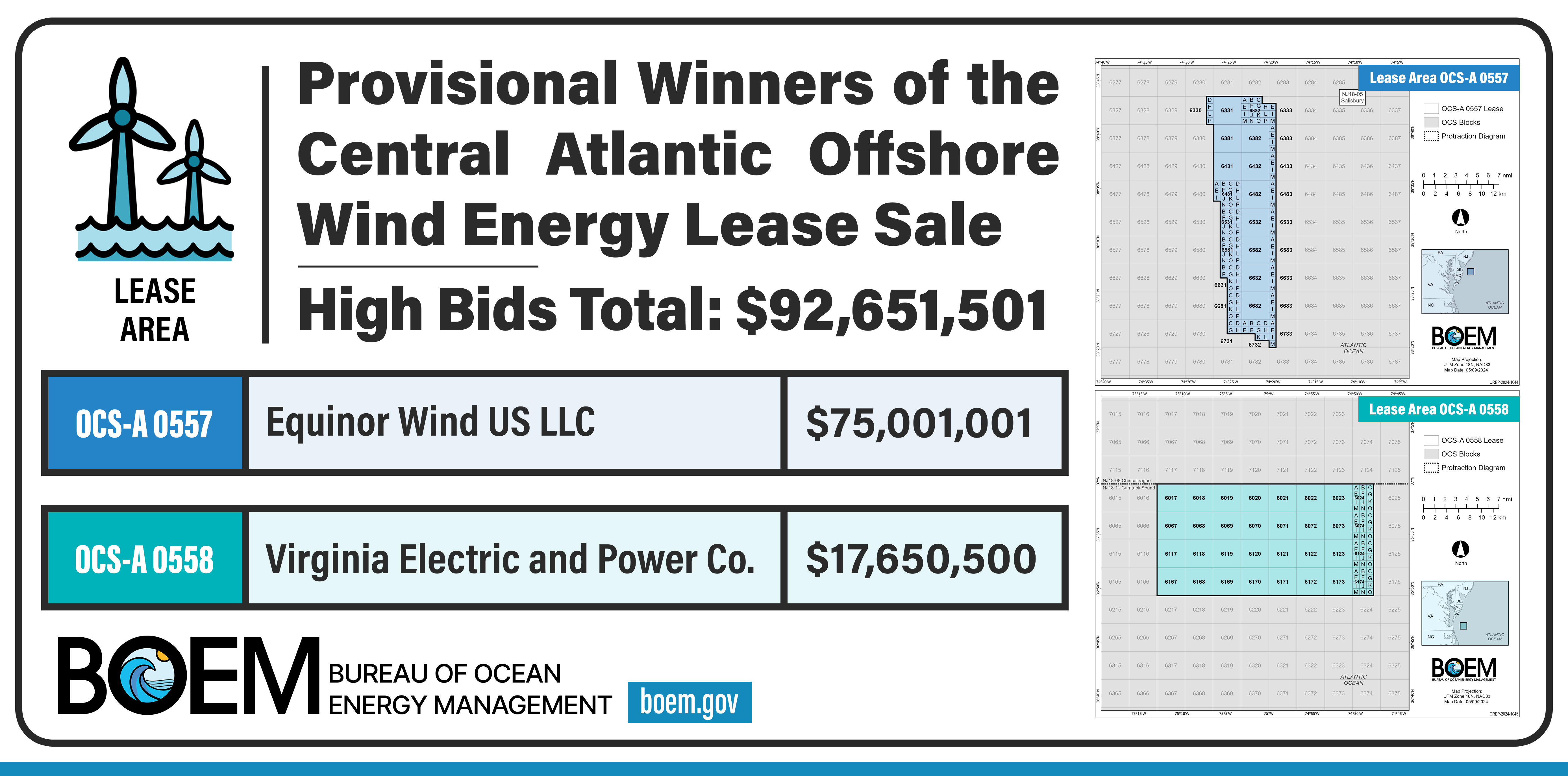
In the wake of last week’s lackluster Atlantic wind lease auction (summarized above), an excellent Renewable Energy World article documents the sharp decline in participation and bidding since the massive February 2022 sale of 6 leases offshore NY and NJ. That sale garnered bids ranging from $285 million to an astounding $1.1 billion, with total high bids of $4.37 billion! The sale was touted as the “nation’s highest grossing competitive energy lease sale in history.” The extravagant bidding, which made little sense then, seems downright irrational now.

Even the December 2022 California offshore lease sale, where development will be dependent on more expensive floating turbines, attracted substantially higher bids for leases (5) smaller than those auctioned last week.

The highly promoted Gulf of Mexico wind auctions were busts with the first sale receiving only one bid for $6.5 million and the second being cancelled due to lack of interest.

Major oil companies like bp and Shell seem to have exited the market for new US offshore wind leases. That leaves Equinor (2/3 Norwegian govt ownership) as the only major oil company pursuing US offshore wind leases.

In just 2 years, cost increases, coastal resident opposition, a troubling blade failure, and developer uncertainty have dramatically changed the outlook for US offshore wind. Nonetheless, the Administration’s wind advocates continue to sing from the same song sheet:

“Today’s lease sale reflects the forward momentum we are seeing to power millions of American homes with clean energy and create good-paying, climate jobs,” said White House National Climate Advisor Ali Zaidi. “With nine commercial-scale projects approved in the last three years and more to go, we are using every available tool to grow the American offshore wind industry as we strengthen the nation’s power grid and tackle the climate crisis.”

Read Full Post »

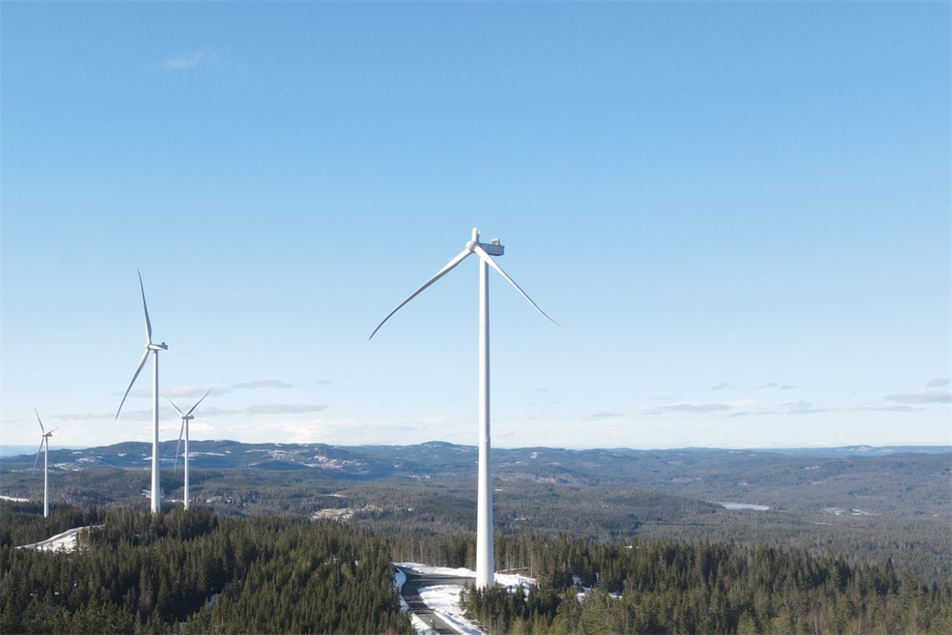
In April 2024, a 72 meter, 22 ton blade from a turbine at the Odal onshore wind farm in Norway fell to the ground. 15 of the wind turbines at the facility were already out of operation, 13 due to blade defects. In 2023, Siemens Gamesa warned of quality problems at its onshore unit.
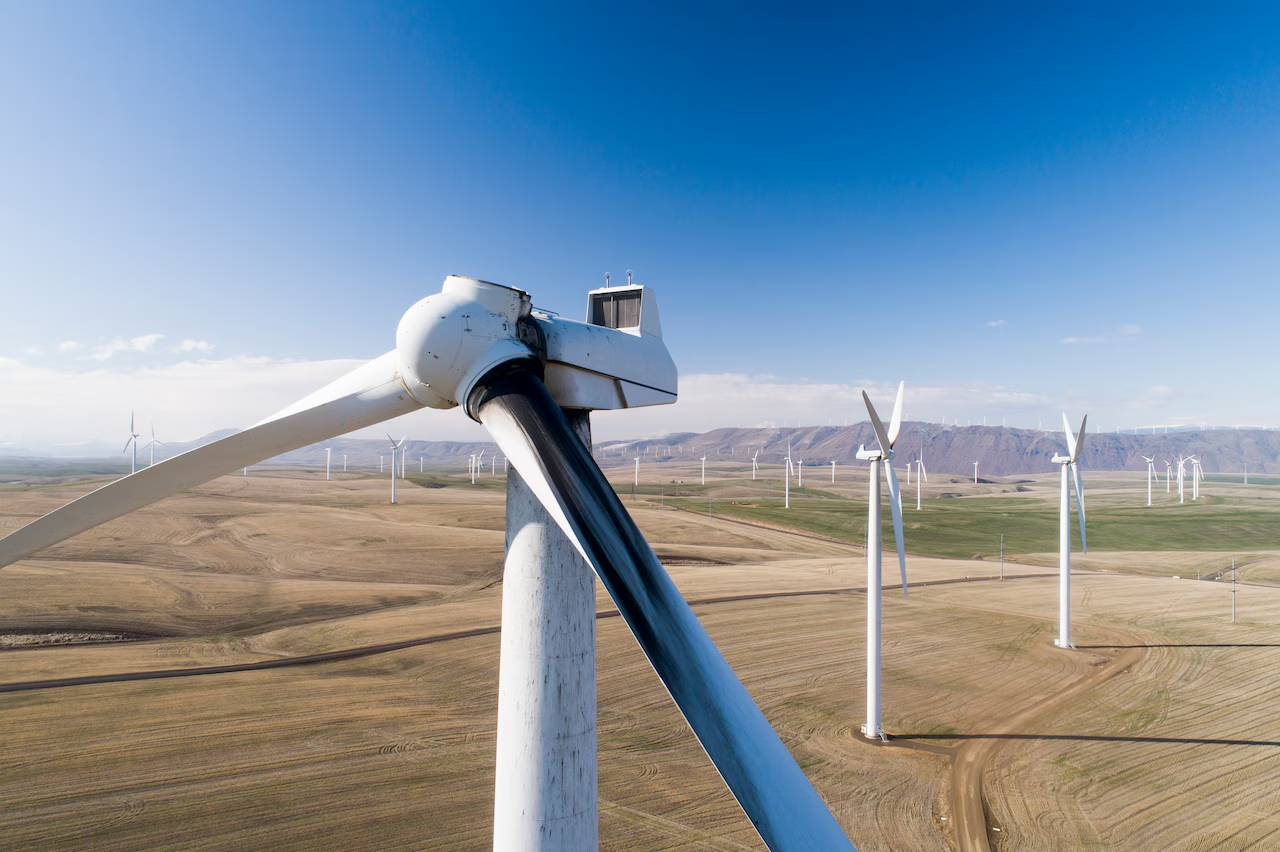
A Vestas turbine launched a a 7 ton blade and a shower of bolts amidst agricultural farmland at Portland General Electric’s Biglow Canyon wind farm.

As the above examples illustrate, turbine blade failures, like the Vineyard Wind incident near Nantucket, are not unique to GE Vernova. GE’s rivals, Siemens Gamesa and Vestas, have also experienced serious quality control issues.

Per ReviewEconomy (2023), “Unexpected and increasing wind turbine failure rates, largely in newer and bigger models, are savaging the profits of some of the world’s biggest manufacturers, as Siemens Gamesa, GE and Vestas report heavy repair and maintenance losses.”

All 3 manufacturers will be providing turbines for US Atlantic wind development. The table below lists the manufacturers for active projects with approved Records of Decision (RODs).

In light of the manufacturing challenges, all 3 companies report increased emphasis on quality control. Why has quality control to date been inadequate and how will the past problems be corrected?

Has the wind industry’s sense of entitlement, as evidenced in their tax credit, rate increase, and departure expectations, affected their safety and quality culture? Has industry and governmental wind energy promotion rushed development and compromised design and fabrication decisions? It’s time for wind developers, manufacturers, and regulators to make sure their priorities are in order.

projectturbine towersmanufacturer
Coastal VA Offshore Wind202Siemens Gamesa
Revolution Wind100Siemens Gamesa
Sunrise Wind94Siemens Gamesa
Atlantic Shores South200Vestas
Ocean Wind 198GE Vernova
Vineyard Wind 1100GE Vernova
Empire Wind 1 & 2147Vestas
New England Wind (phases 1&2)150Vestas

Read Full Post »

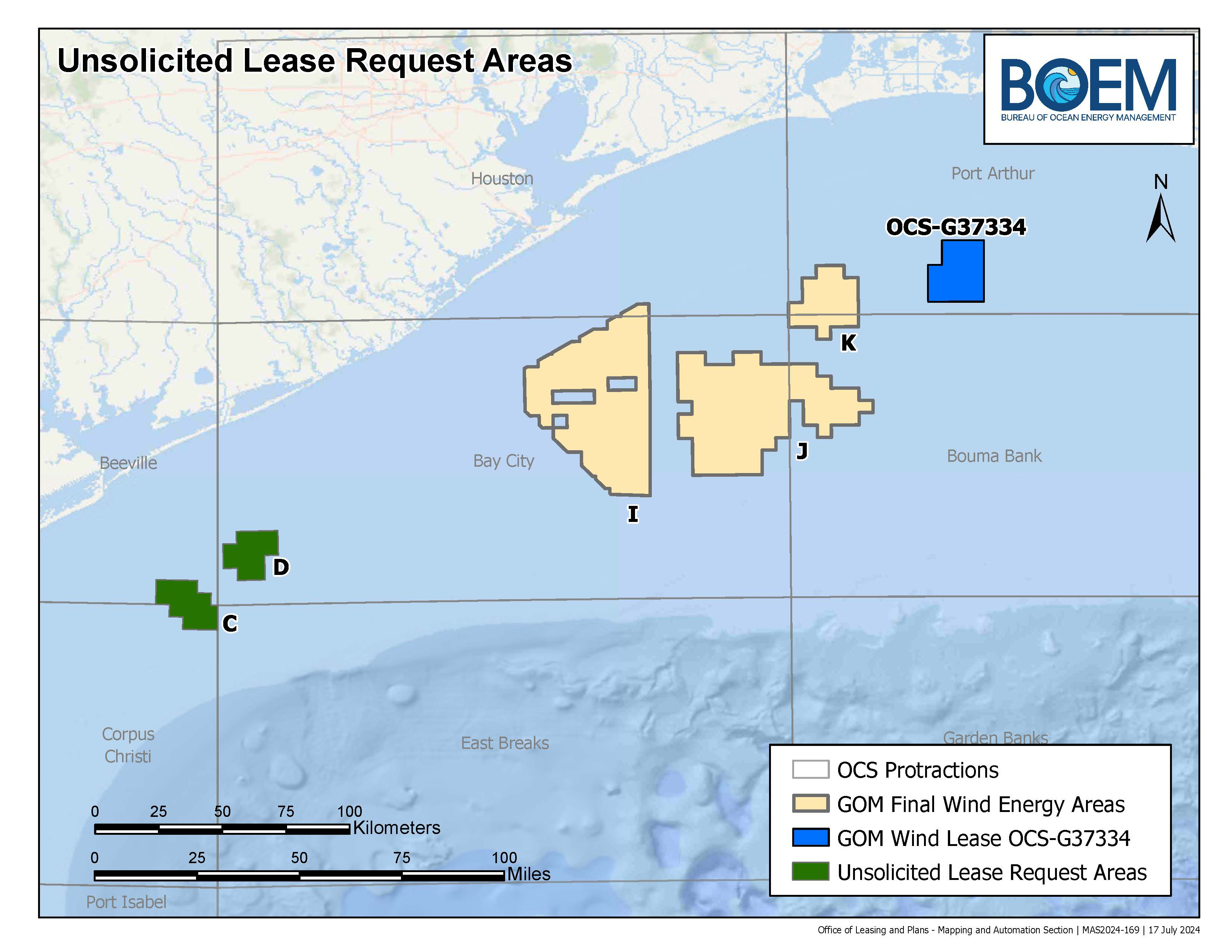
Hercate lease request – C & D. Wind areas that were considered for 2nd GoM sale – I, J, & K. Active RWE lease – blue.

GoM wind leasing update:

  • BOEM’s highly promoted 2023 GoM wind sale was a bust. The sole bidder, the German company RWE, acquired a single lease.
  • BOEM’s second GoM wind sale failed to get off the ground. Because only one company expressed interest in participating, that sale has been cancelled.
  • BOEM is now surveying interest in other GoM areas as a result of an unsolicited lease request from Hercate Energy.  
  • If BOEM does not receive competing indications of interest, they may (and probably will) issue a noncompetitive lease to Hecate.
  • BOEM calls Hercate an “industry leader.” However, per their website, Hecate is mainly a solar energy company with only 2 wind projects. Both of those wind projects are onshore (Kentucky), and are “in development” (i.e. not yet operating). Hercate is no doubt a fine company, but have they demonstrated the technical expertise and financial strength needed for offshore wind development?

BOEM’s aggressive wind leasing policy stands in stark contrast to their current oil and gas policy. Not a single oil and gas sale will be held in 2024. Were it not for a provision in the “Inflation Reduction Act,” the last 3 GoM sales (257, 259, and 261) would probably not have occurred.

The new 5 year oil and gas leasing plan confirms that the Dept. of the Interior (DOI) has no intention of fulfilling their statutory oil and gas leasing mandate. In announcing the new 5 year plan, DOI boasted that the plan includes the fewest sales (3) of any plan in the history of the program. DOI strongly implied that the only reason those 3 sales were included was to sustain the wind program.,

When we drafted the OCSLA amendments that authorize offshore wind leasing, we envisioned complementary and synergistic programs, not a dogmatic pro-wind bias. As experts like Daniel Yergin have repeatedly warned, the notion that wind energy can eliminate the need for oil and gas is pure folly.

Read Full Post »

Illustration credit: Kellen Riell / The New Bedford Light
Glauconite has been identified within the boundaries of lease areas marked with green. Credit: Kellen Riell / The New Bedford Light

Anastasia Lennon has published several informative articles in the New Bedford Light on the challenges posed by the presence of glauconite on North Atlantic wind leases. The above illustrations explain those challenges and identify where glauconite has been found to date. Per her latest article:

Preliminary geotechnical analysis for New England Wind, an Avangrid project, showed a risk of turbine pile foundation refusal in 50 of nearly 130 turbine locations, or about 40%, according to 2023 records obtained through a Freedom of Information Act request. 

The mineral’s behavior poses a “significant risk” to offshore wind development, said BOEM, the federal regulator of offshore wind, in a paper last year. 

The potential for foundation problems associated with glauconite and other geotechnical factors are among the reasons why decommissioning financial assurance should be demonstrated in full when turbines and other facilities are installed, not years later.

Read Full Post »

… and you deniers are fully responsible. There’s a reason why Texas is the most affected state 😉

But fear not, we will line our shores with wind turbines, restrict offshore oil and gas leasing, and subsidize carbon disposal in the Gulf of Mexico. All of this “help” will have a negligible effect on the climate, which will continue to change as it always has and always will.

Read Full Post »

(2) the Secretary may not issue a lease for offshore wind development under section 8(p)(1)(C) of the Outer Continental Shelf Lands Act (43 U.S.C.1337(p)(1)(C)) unless
(A) an offshore lease sale has been held during the 1-year period ending on the date of the issuance of the lease for offshore wind development; and (B) the sum total of acres offered for lease in offshore lease sales during the 1-year period ending on the date of the issuance of the lease for offshore wind development is not less than 60,000,000 acres.

‘Inflation Reduction Act of 2022,” p. 646

Lease Sale 261 was held on 12/20/23. Absent legislative action, no wind leases may be issued after 12/20/24 unless another oil and gas lease sale is held prior to that date. Given that the minimalist 5 year oil and gas leasing plan, which is being challenged, does not propose a sale until 2025, wind lease issuance will likely be suspended at the end of the year. (Note: I wonder if the legislative restriction also applies to lease assignments from existing owners to new owners? Probably not, but that would be very significant given the current state of the offshore wind industry.)

The legislative restriction may be a partial explanation for the apparent rush to issue wind leases. 16 new wind leases were issued in 2022 and 2023, bringing the total number of active leases to 36. The philosophy seems to be this: issue as many leases as you can, as fast as you can, wherever you can (ala James Watt’s failed strategy for the oil and gas program.) Coastal residents are not entirely thrilled.

Perhaps the wind program should be required to develop 5 year leasing plans, as is the case for the oil and gas program. This might facilitate a more holistic approach to wind energy development and ease concerns about cumulative impacts.

Morro Bay protest

Read Full Post »

North Atlantic Right Whale

Key takeaways after reviewing the BOEM/NOAA strategy document:

NARW status (pages 7-14):

  • Roughly 237 NARWs have died since the population peaked at 481 in 2011, exceeding the potential biological removal (PBR) level on average by more than 40 times for the past 5 years (Pace III et al. 2021).
  • Human-caused mortality is so high that no adult NARW has been confirmed to have died from natural causes in several decades (Hayes et al. 2023).
  • Most NARWs have a low probability of surviving past 40 years even though the NARW can live up to a century.
  • There were no first-time mothers in 2022.
  • About 42% of the population is known to be in reduced health (Hamilton et al. 2021)
  • A NASEM study confirmed that offshore wind has the potential to alter local and regional hydrodynamics
  • “Effects to NARWs could result from stressors generated from a single project; there is potential for these effects to be compounded by exposure to multiple projects.” (p. 14)

BOEM/NOAA strategy:

  • No new mitigation is recommended pending further study.
  • “BOEM and NOAA Fisheries will work together alongside our partners (including the OSW industry) to further develop the information and science the agencies will use to inform their decisions to responsibly develop OSW while protecting and recovering NARWs.” (Comment: While regulator-industry collaboration is essential for effective offshore development, be it wind or oil and gas, regulators and operating companies have distinctly different missions and responsibilities and should not be viewed as partners.)
  • (p. 15): “As the OSW industry continues to grow and as projects begin construction, BOEM and NOAA Fisheries will continue to work with our partners to evaluate existing strategies and to further collect and apply newly available information to inform future decisions. This Strategy is an integral step to organize BOEM, NOAA Fisheries, and their partners around a shared vision and clear path to effectively study and manage this issue moving forward.” (???)
  • (p.17): BOEM will “attempt to avoid issuing new leases in areas that may impact potential high-value habitat and/or high use areas for important life history functions such as NARW foraging, migrating, mating, or calving. For areas that are leased, permitting activities should minimize any known or potential threat to NARWs and their habitats, and developers and BOEM should support research and monitoring.”

Questions:

Pictured below: density of NARWs near wind leases and hydrodynamic effects of turbines

Read Full Post »

« Newer Posts - Older Posts »