Feeds:
Posts
Comments

Posts Tagged ‘intermittent energy’

This interesting Sunday Times (UK) piece was shared by JL Daeschler. A key point in the quote below is that you can’t neglect the gas (dispatchable energy) network when you increase the contribution of intermittent renewables.

When wind and solar generation are low, the nation switches on the gas — and in a big way. Take January 5 this year, when gas-fired generation jumped from 2.3GW to 26.1GW in the space of a day — enough to power 19 million homes. The upshot is that “less gas use doesn’t mean less gas network,” as one industry source puts it.

As Alex Epstein has frequently asserted “solar and wind aren’t real power sources, they’re intermittent fuel-savers.”

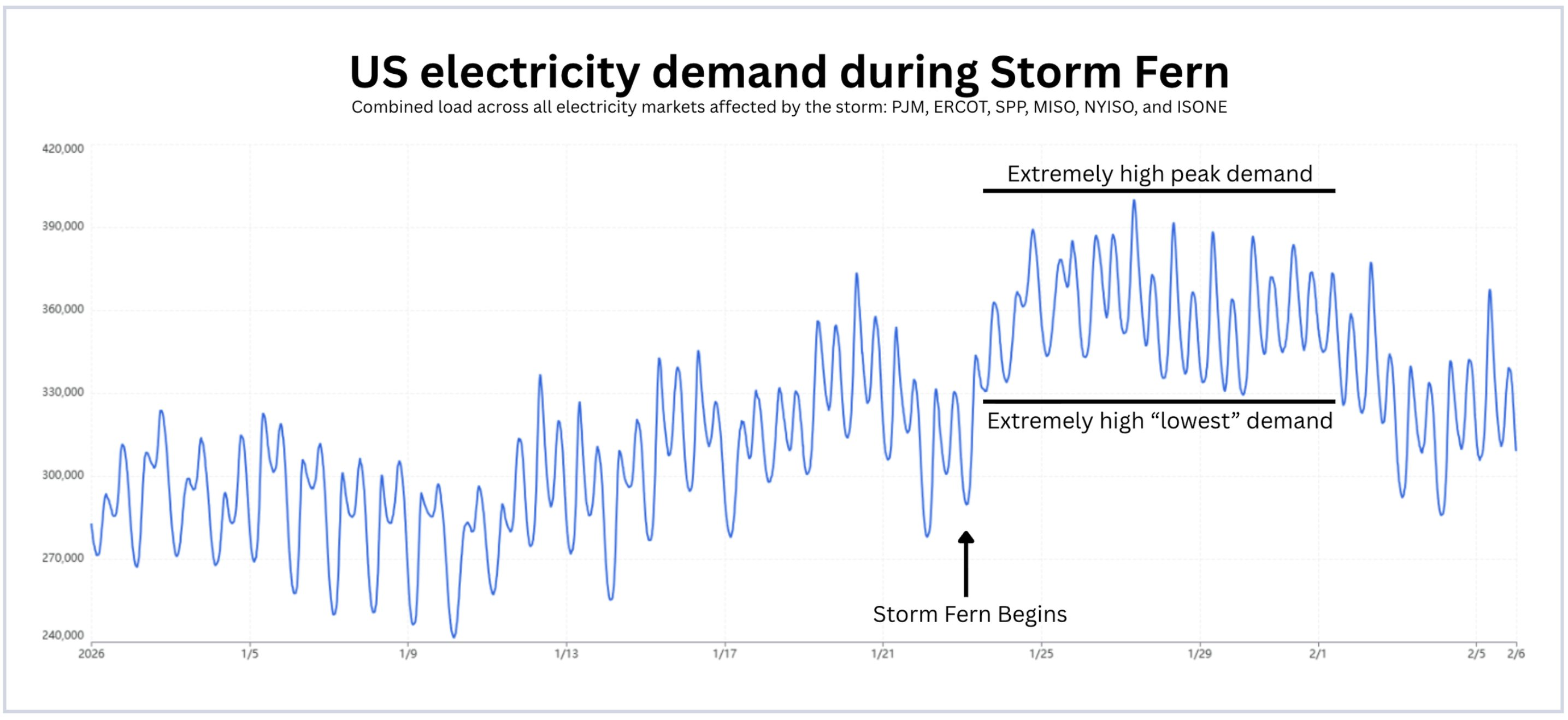
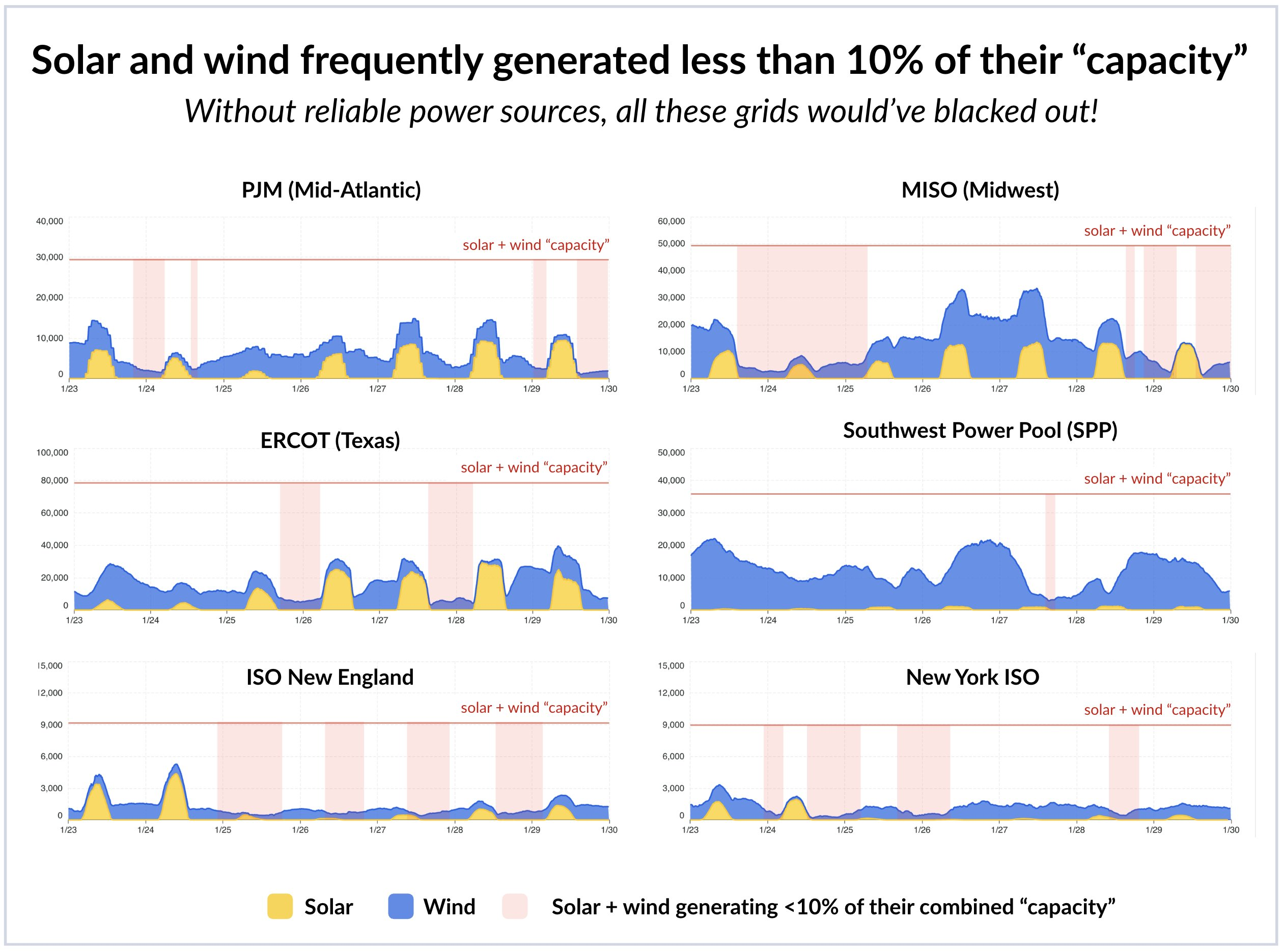
Winter Storm Fern (1/23-31/2026) affected much of the US stretching from the Southern Plains and the Gulf Coast through the Midwest, Mid-Atlantic, and New England. Power demand surged, and solar and wind power generation were minimal. (Alex Epstein charts below)
Read Full Post »

Die Dunkelflaute or dark lulls have drawn attention to the need for dispatchable power (typically from gas turbines or coal-fired power plants) when the weather isn’t cooperating.

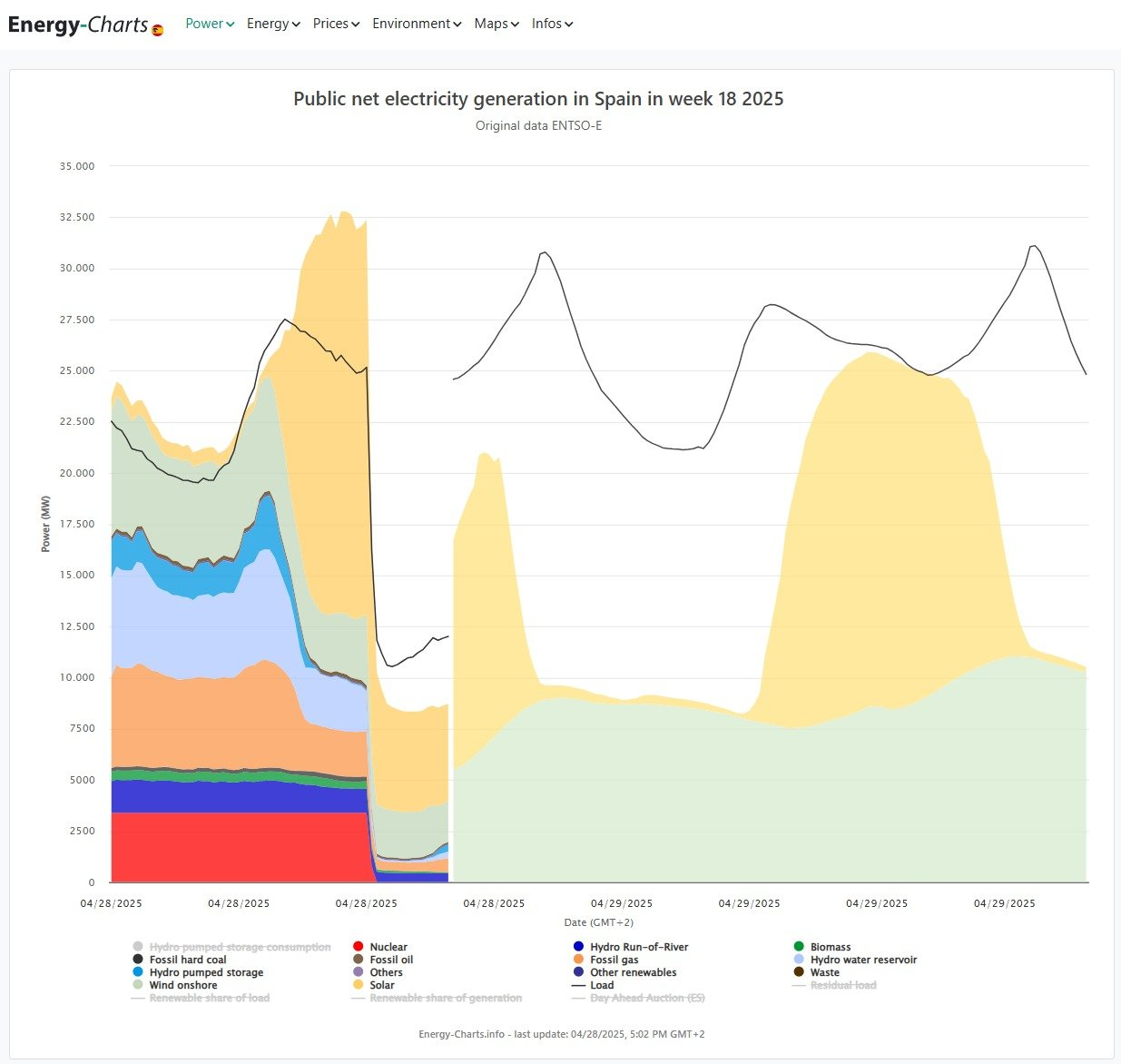
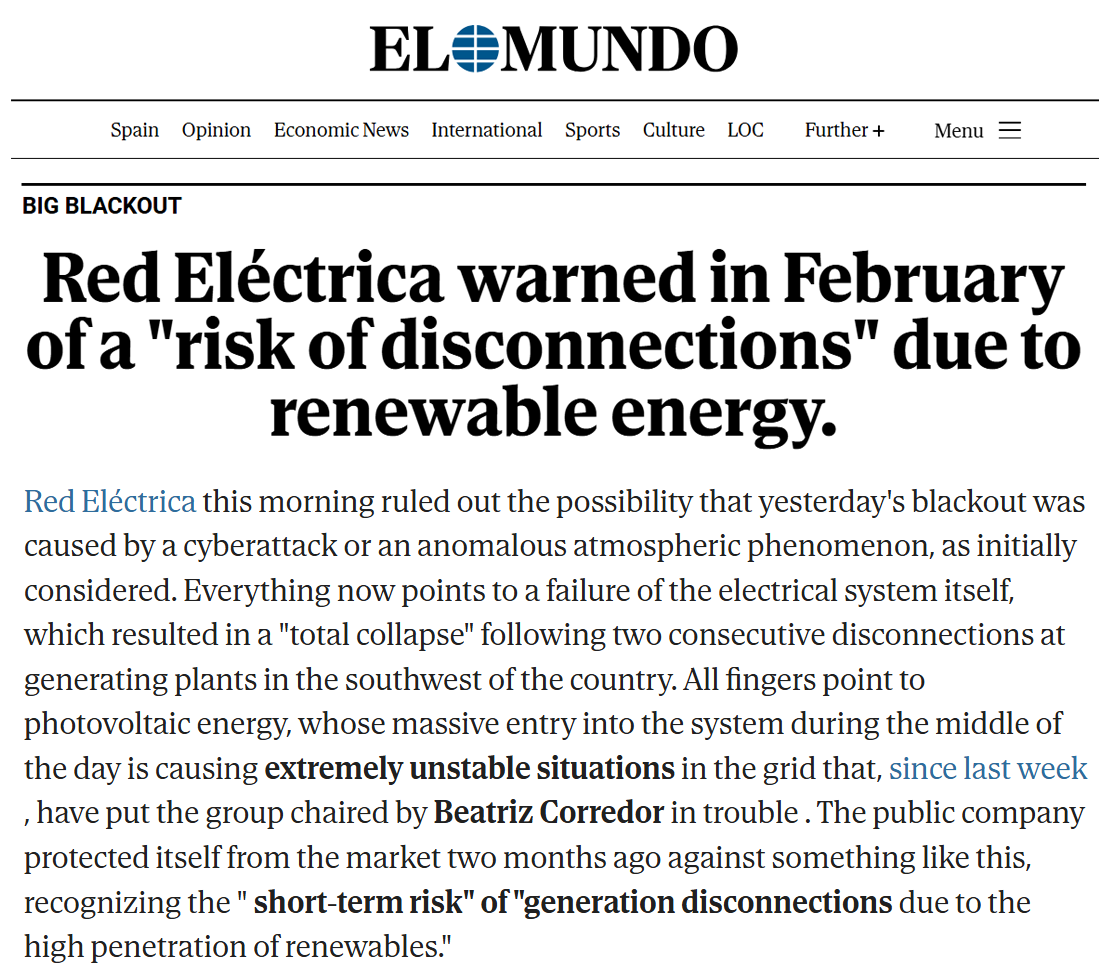
The massive power outage in Spain and Portugal on Monday may be the result of the opposite challenge – a surge in solar power supply greatly exceeding demand (dark line in chart below).

Note that no extreme weather events were reported in Spain on April 28, 2025. The Portuguese grid operator mentioned “extreme temperature variations” in Spain’s interior, possibly causing grid oscillations, but no storms or heatwaves were noted. Weather was typical for April, with mild temperatures (8-19°C) and some rain.

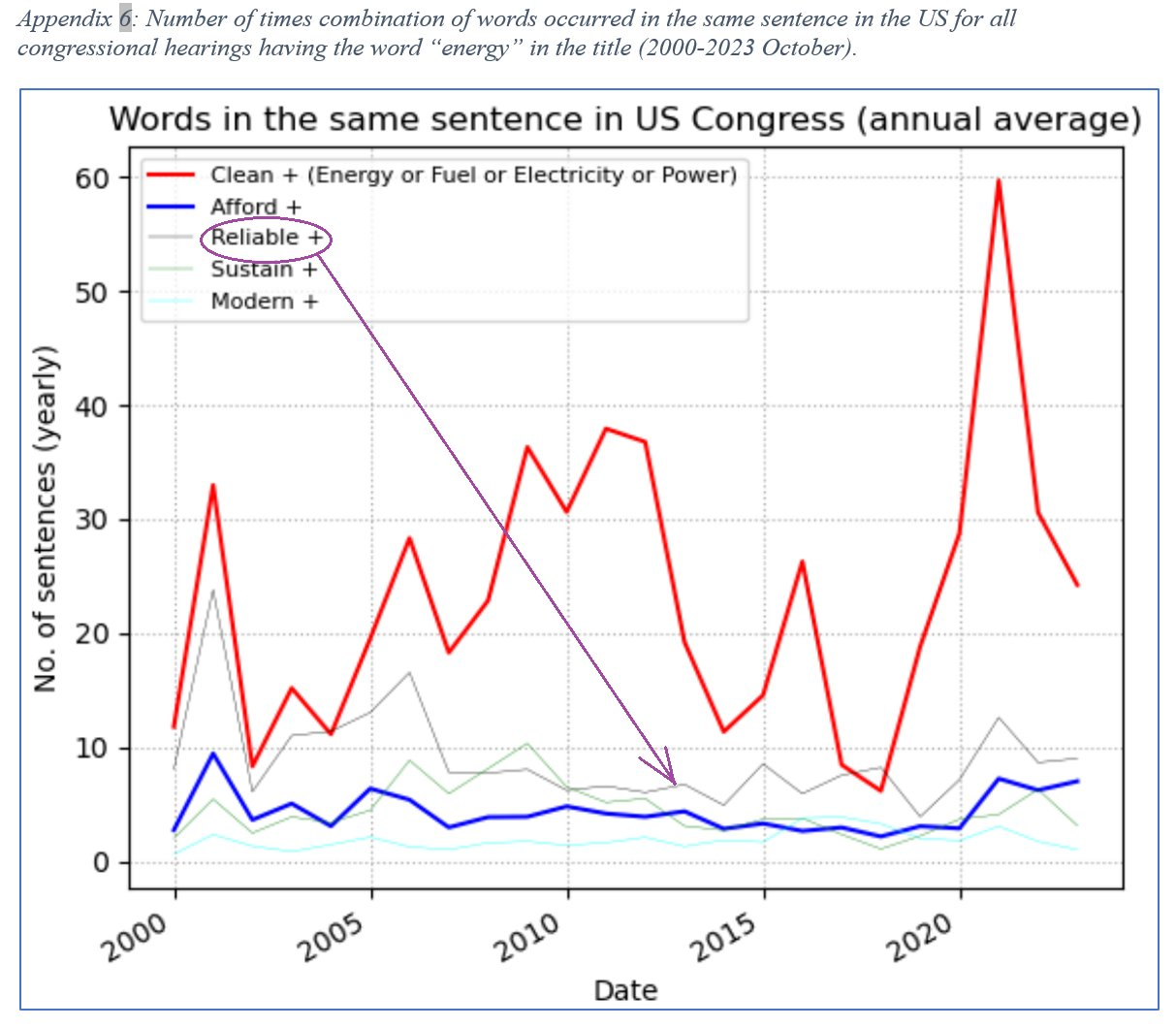
Meanwhile, the political focus in the US (chart below), and perhaps more so in Europe, had been on “clean” rather than reliable power.

Bottom line: Over-reliance on highly variable wind and solar power challenges grid management, putting supply reliability at risk.

Read Full Post »

As previously noted, these power generation realities cannot be ignored:

  • Wind and solar power are intermittent, such that demand must respond to variable supply (not a prescription for economic growth).
  • Assuming sufficient capacity, gas power plants respond to variable demand.
  • Power grids can function effectively with only natural gas, but not with only wind/solar.
  • Integrated wind, solar, and gas systems can reduce, but not eliminate, demand for gas-generated power.

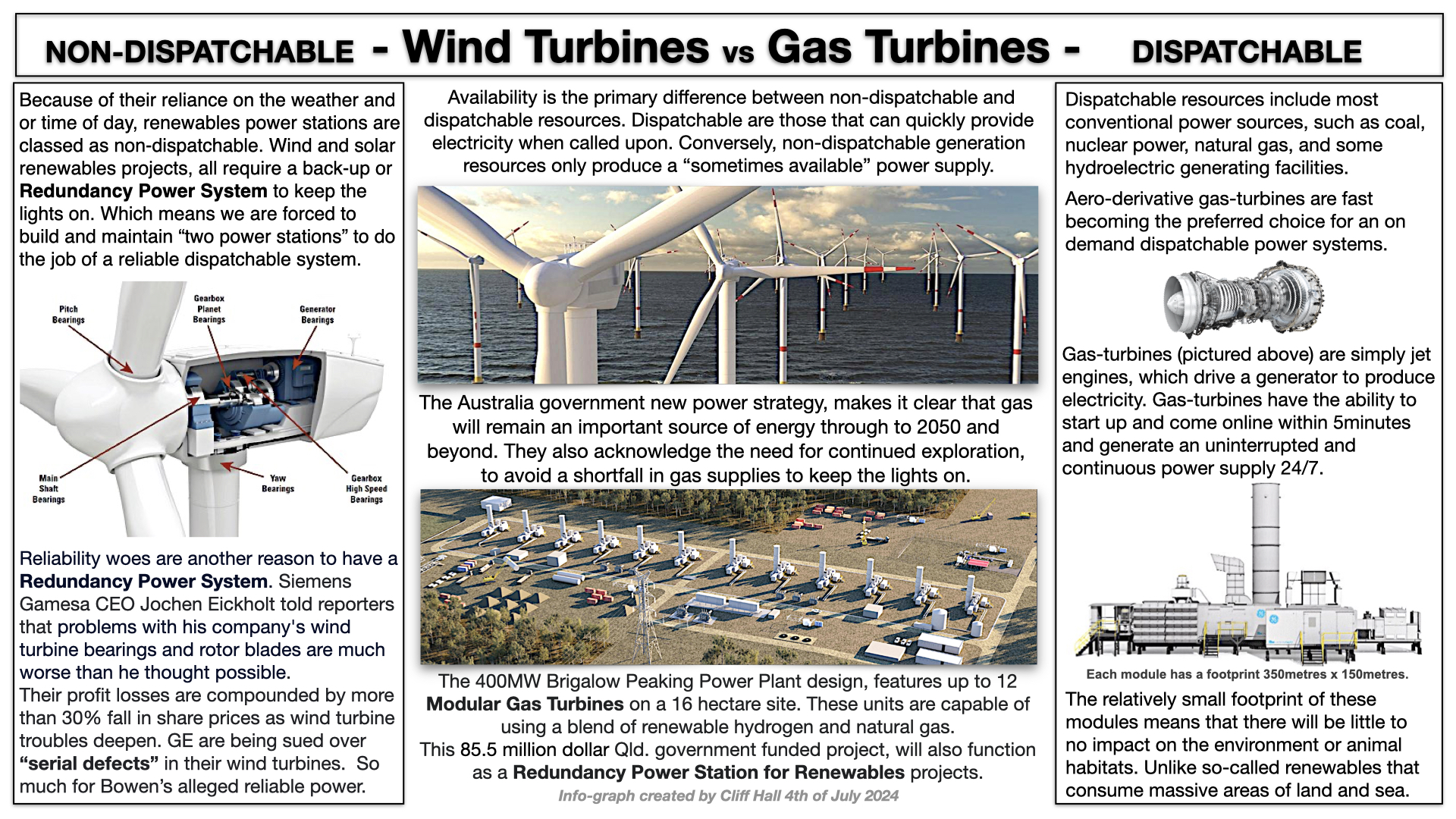
This graphic by Australian Cliff Hall explains the importance of “dispatchable” power. Of course, imported electricity, on which wind-leader Denmark relies heavily, is an alternative to dispatchable power. However, that option is less than optimal from economic growth and energy security standpoints.

Read Full Post »