Feeds:
Posts
Comments

Posts Tagged ‘gas turbines’

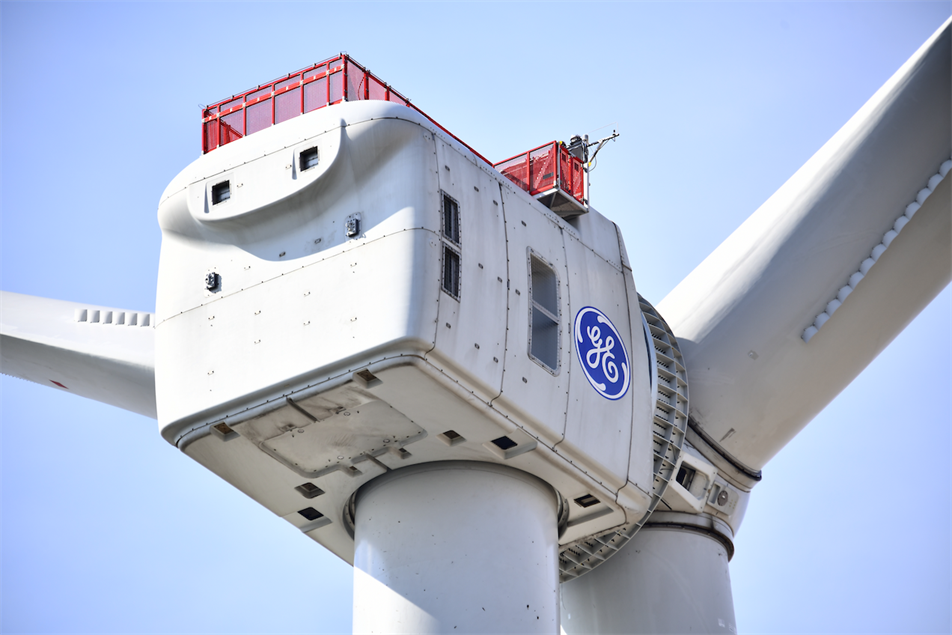
Steve Milloy, National Center for Public Policy Research: GE Vernova is losing money on wind turbines and will continue to lose money for the foreseeable future. Wind losses are real and guided to persist at ~$400 million in 2026.

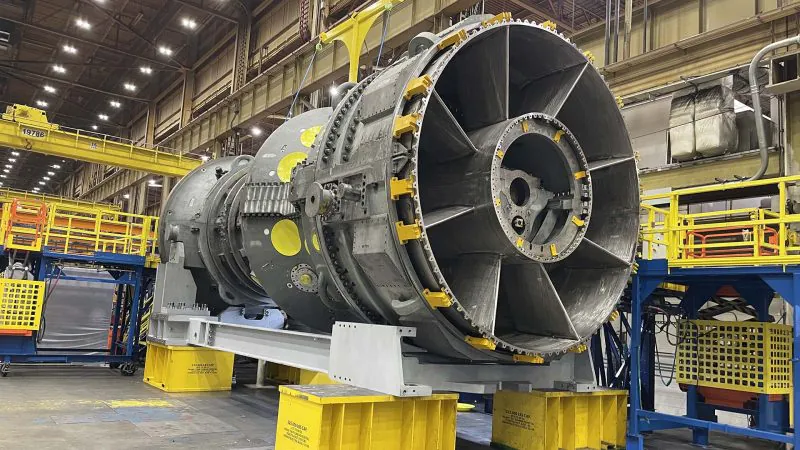
On the other hand, GE Vernova’s gas turbine business is booming. The gas turbine backlog and slot reservations surged from 83 GW to 100 GW in Q1, with a target of at least 110 GW by year-end. There is strong demand for reliable, dispatchable power to support data centers and grid stability. This segment is a major profit driver.

Milloy is asking GE Vernova shareholders to support the following resolution:

RESOLVED: Shareholders request that the Board of Directors of GE Vernova Inc. publish a report within the next year—prepared at reasonable cost and omitting proprietary or competitively sensitive information—assessing the extent to which the Corporation’s sustainability goals have been authorized and maintained on the basis of net-present-value and return-on-investment calculations.

The company’s Board of Directors has unanimously recommended that shareholders vote “AGAINST” this proposal, arguing that the Company already provides comprehensive, transparent disclosures on sustainability‑related risks, opportunities, goals, and progress.

Meanwhile, GE Vernova remains locked up in an ugly dispute with Vineyard Wind and is still prevented by court order from exiting that project.
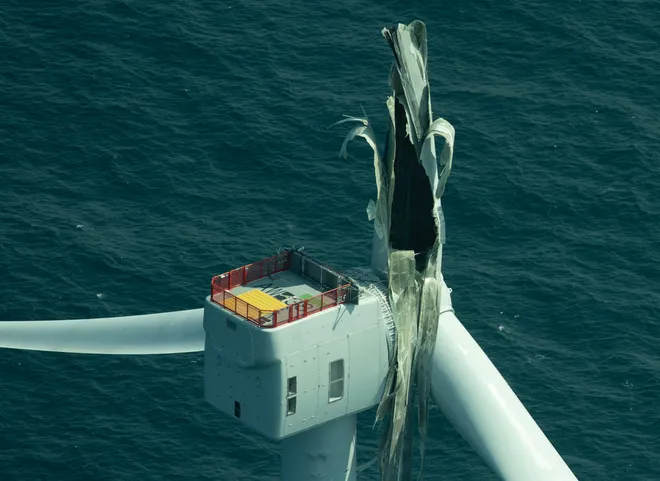
We are approaching the 2 year anniversary of the GEV blade failure that rocked the offshore world.

Read Full Post »

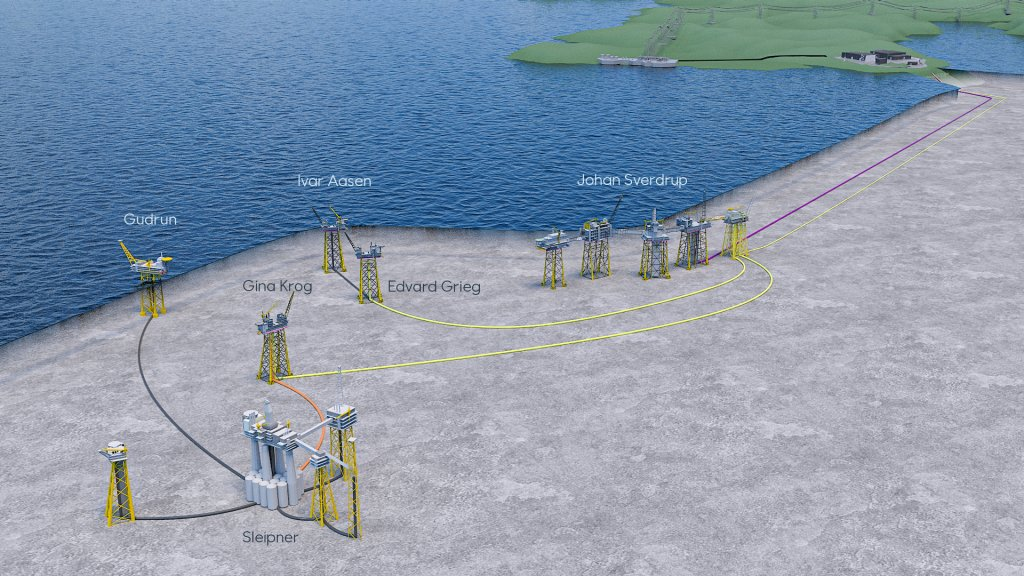
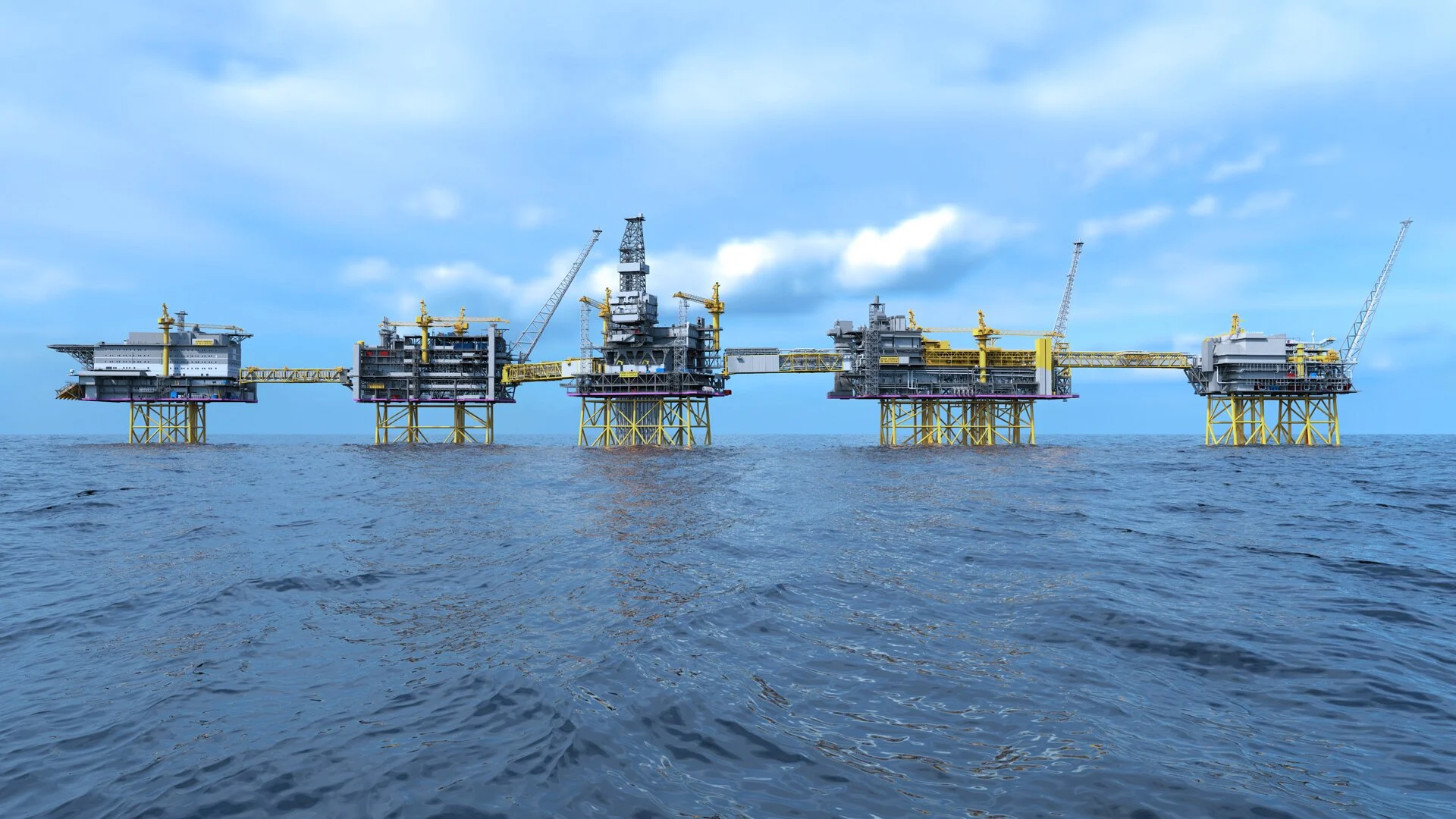
Johan Sverdrup field, 155 km from shore

Production from Equinor’s important Johan Sverdrup field, which accounts for 755,000 bopd (36% of Norway’s oil production), was shut-in on Monday as a result of a power outage. Production was in the process of being restored on Tuesday.

According to Equinor, the outage was caused by overheating at an electric converter station onshore.

A 2022 BOE post questioned Norway’s push to power offshore platforms with electricity transmitted from shore. This incident reinforces those concerns. Summary:

  • Most offshore platforms produce sufficient gas to support their power demands
  • Assuming gas that is not used to power a platform is marketed and consumed elsewhere, the net (global) reduction in CO2 emissions from electrifying offshore platforms is negligible. (Perhaps there is actually a small increase in net emissions given the power required to transport the gas to markets and the emissions associated with onshore power generation).
  • Offshore power demands are highly variable, especially when drilling operations are being conducted.
  • Gas turbines are reliable, and capable of responding to variable power demand. Excess generation capacity is typically provided.
  • Power from shore increases the cost of platform operations and could decrease ultimate recovery of oil and gas resources.
  • Per NPD, electrification of the shelf will increase electricity prices for onshore consumers and increase the need for onshore facility investment.
  • Gas turbines or diesel generators are still necessary to satisfy emergency power needs at the platforms.
  • Long power cables are vulnerable to damage (accidental or intentional), as are onshore power stations.

I hope the investigation of this incident considers some of these broader electrification policy issues.

Equinor diagram: The purple cable shows power from shore to Johan Sverdrup phase 1, established in 2018. The yellow power cable shows power from shore to Johan Sverdrup phase 2 and the Utsira High area solution, from 2022. The orange cable shows power from shore to the Sleipner field centre and connected fields from late 2022. Black cable shows existing power cables at Sleipner field centre and to the Gudrun installation.

Read Full Post »

As previously noted, these power generation realities cannot be ignored:

  • Wind and solar power are intermittent, such that demand must respond to variable supply (not a prescription for economic growth).
  • Assuming sufficient capacity, gas power plants respond to variable demand.
  • Power grids can function effectively with only natural gas, but not with only wind/solar.
  • Integrated wind, solar, and gas systems can reduce, but not eliminate, demand for gas-generated power.

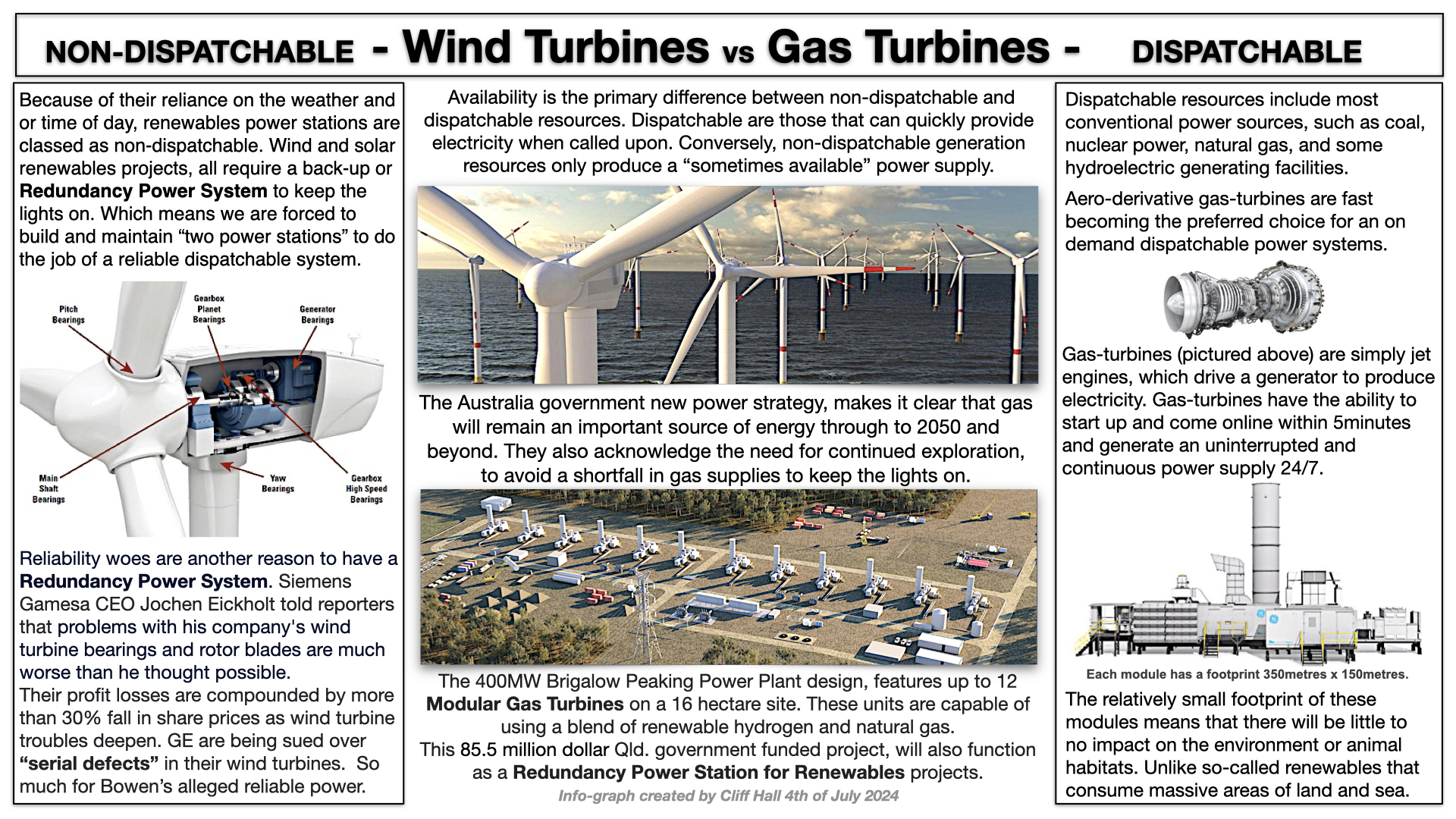
This graphic by Australian Cliff Hall explains the importance of “dispatchable” power. Of course, imported electricity, on which wind-leader Denmark relies heavily, is an alternative to dispatchable power. However, that option is less than optimal from economic growth and energy security standpoints.

Read Full Post »