Feeds:
Posts
Comments

Posts Tagged ‘decommissioning’

On January 2, 2024, Chevron Corporation announced that for fourth quarter 2023, the Company will be impairing a portion of its U.S. upstream assets, primarily in California, due to continuing regulatory challenges in the state that have resulted in lower anticipated future investment levels in its business plans. The Company expects to continue operating the impacted assets for many years to come. In addition, the Company will be recognizing a loss related to abandonment and decommissioning obligations from previously sold oil and gas production assets in the U.S. Gulf of Mexico, as companies that purchased these assets have filed for protection under Chapter 11 of the U.S. Bankruptcy Code, and we believe it is now probable and estimable that a portion of these obligations will revert to the Company. We expect to undertake the decommissioning activities on these assets over the next decade.

SEC filing

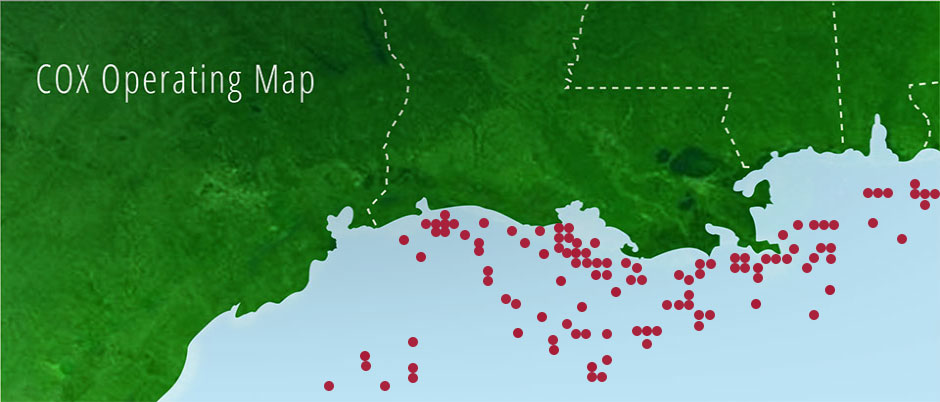
On Monday, we will be posting comments on the proposed bankruptcy sale of Cox’s GoM assets and the related safety and decommissioning concerns.

Read Full Post »

This Santa Barbara Independent article discusses the Record of Decision (ROD) for the Programmatic Environmental Impact Statement on Pacific OCS Decommissioning. A quote from the article regarding BSEE’s support for complete removal of all infrastructure follows:

“It’s great that the federal government finally has a loose game plan for getting oil companies to clean up their rusty messes,” said Miyoko Sakashita, oceans program director at the Center for Biological Diversity. 

Apparently the Center for Biological Diversity supports complete removal, the decommissioning alternative that would destroy “the most productive marine habitats per unit area in the world.” How’s that for irony?

Complete removal may be the most politically expedient alternative in California, but it is by far the most environmentally damaging and poses the greatest safety risks. Old disputes about offshore oil and gas production should not be driving decommissioning policy.

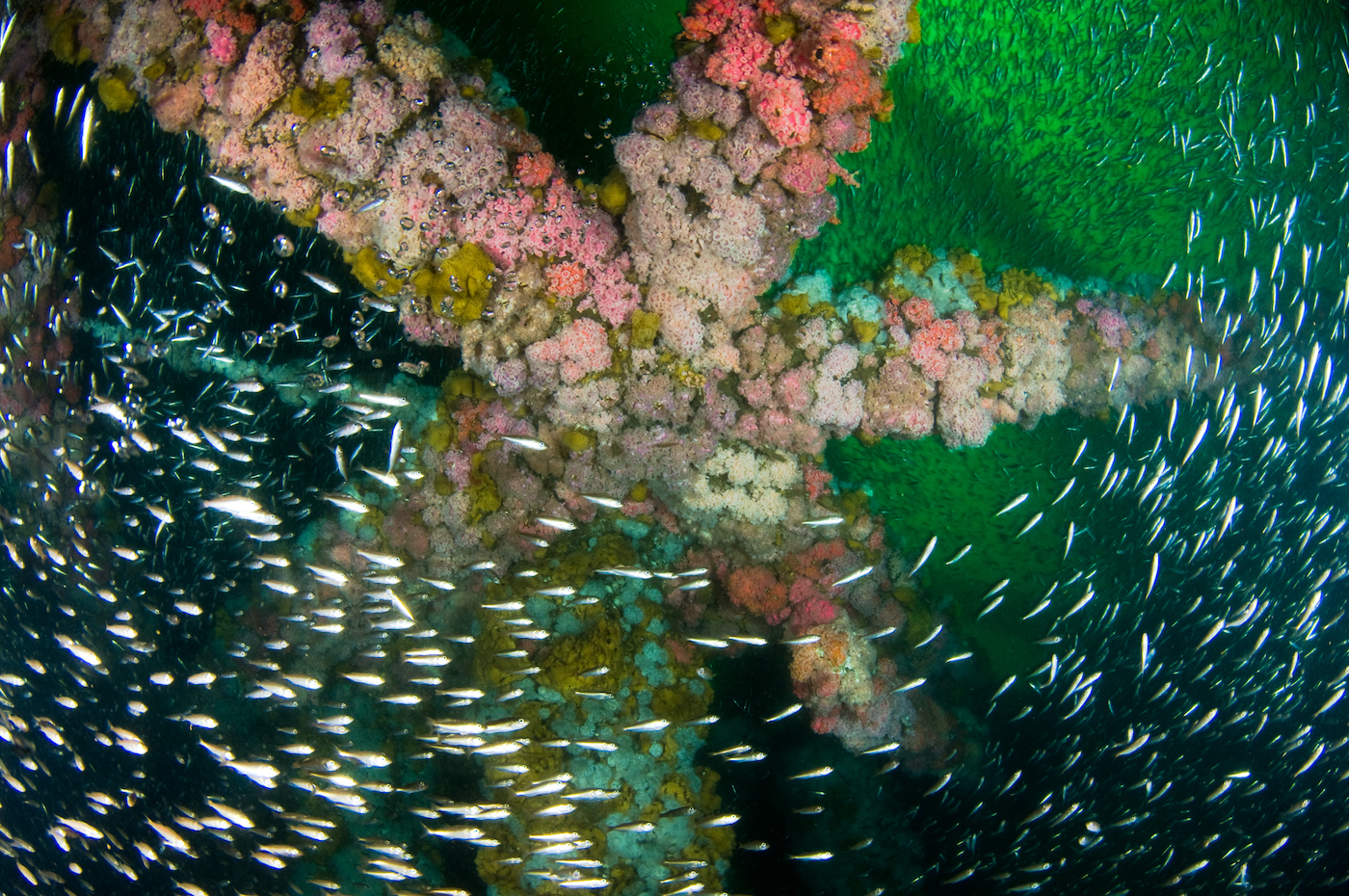
beneath Platform Gilda, Santa Barbara Channel

Read Full Post »

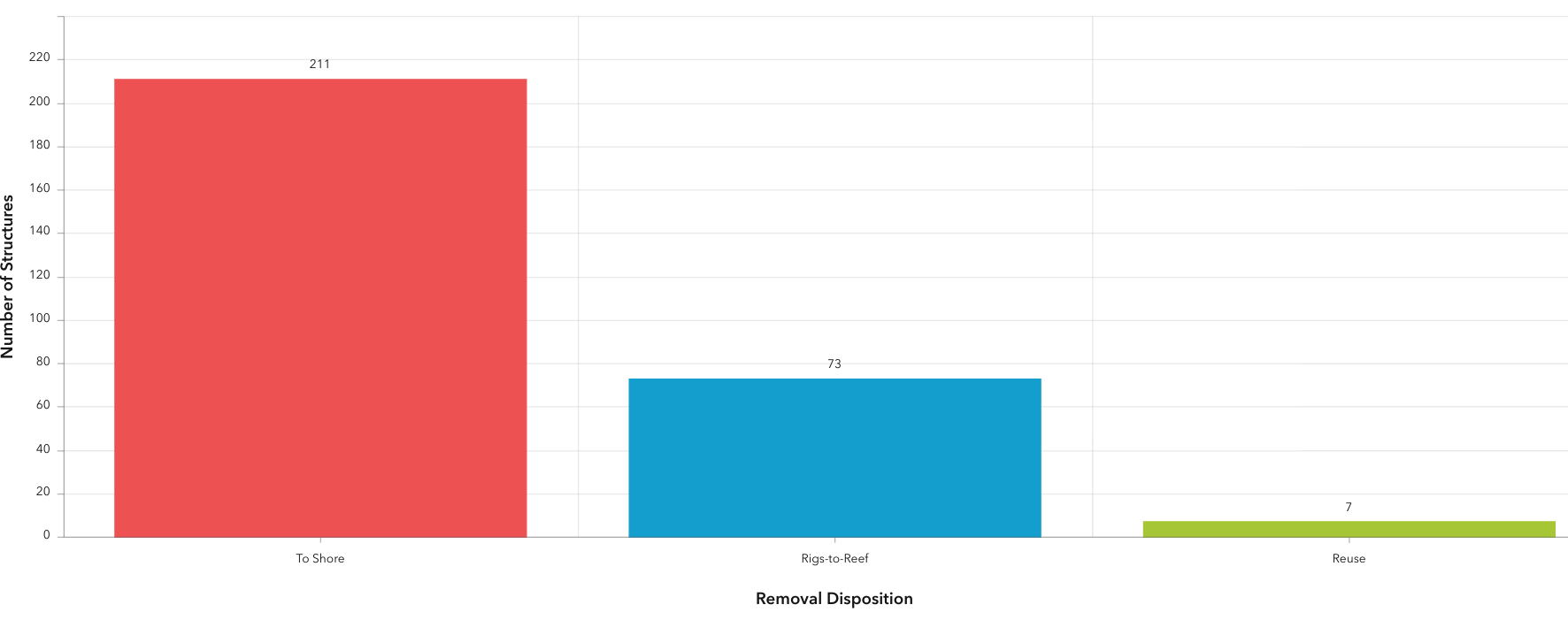
BSEE’s Facility Infrastructure Dashboard is a useful tool for tracking decommissioning activity in the Gulf of Mexico. A few numbers from the dashboard:

  • Current structure count:1438 (Per BSEE’s platform structures online query, the number of non-removed structures is 1554. The reason for the discrepancy is unclear; perhaps the dashboard number is more current.)
  • Structures with decom application submittal: 291
  • Total structures on terminated leases: 318
  • Structures on terminated leases with decom application submittal: 196

Planned disposition of the 291 pending removals (25% of the structures to be reefed):

Read Full Post »

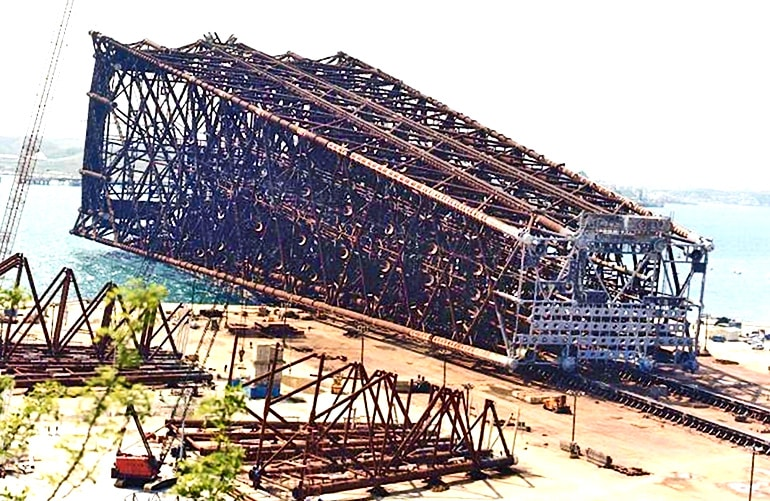
Platform Harmony jacket

An excellent paper by John Smith and Bob Byrd is attached.

The authors recommend the operators of large OCS platforms offshore California and in the Gulf of Mexico who propose to partially remove platform jackets prepare Comparative Assessments to support their decommissioning applications. The Comparative Assessments can also be prepared to support the case for allowing partial removal of smaller platform jackets and allowing pipelines and drill muds and cuttings to remain in-situ.

Read Full Post »

NOPSEMA has kindly provided links for the slides presented at the 3-4 October International Regulators’ Forum Offshore Safety Conference in Perth, Australia. They will be uploading the video recordings at a later date.

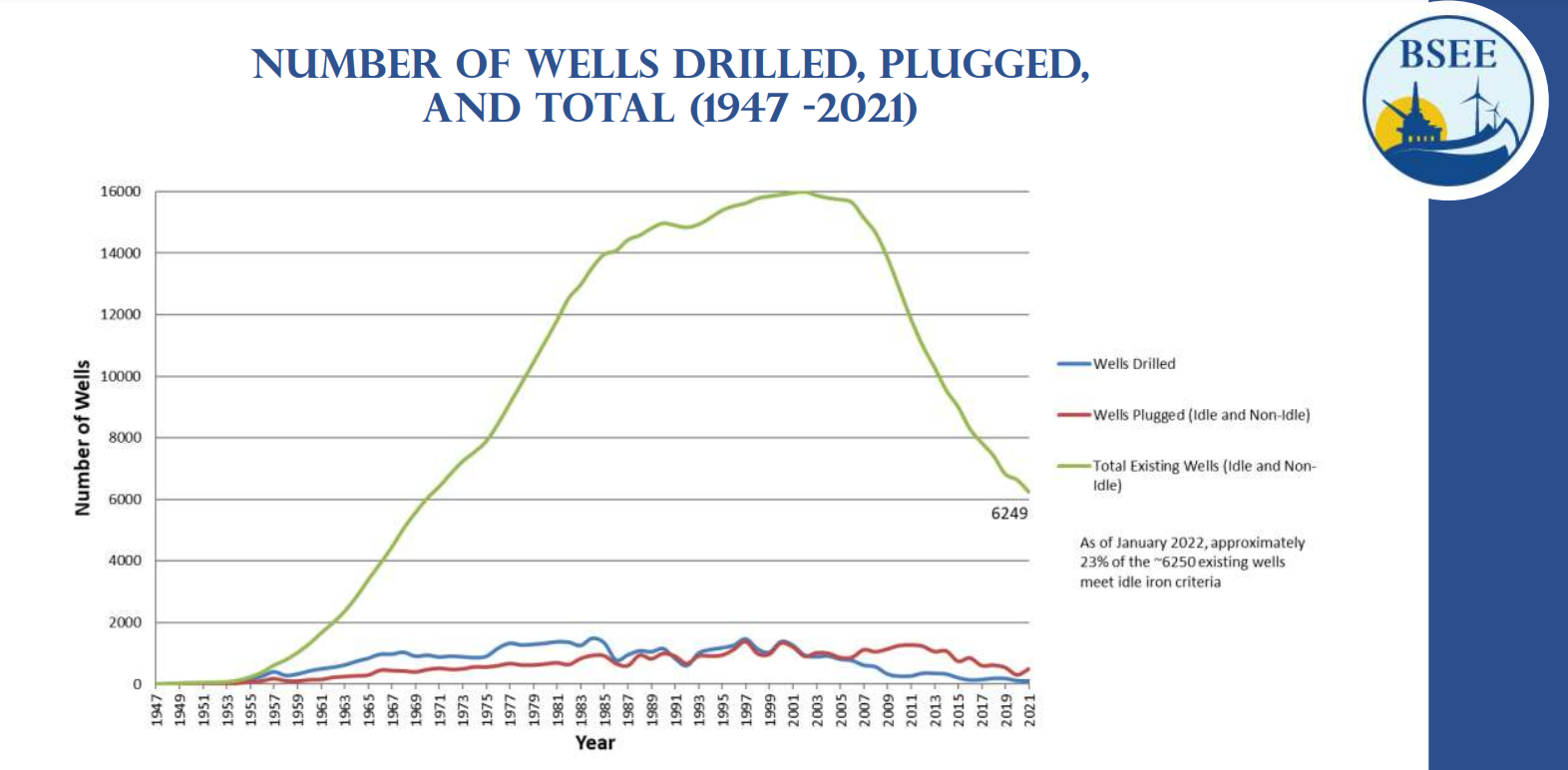
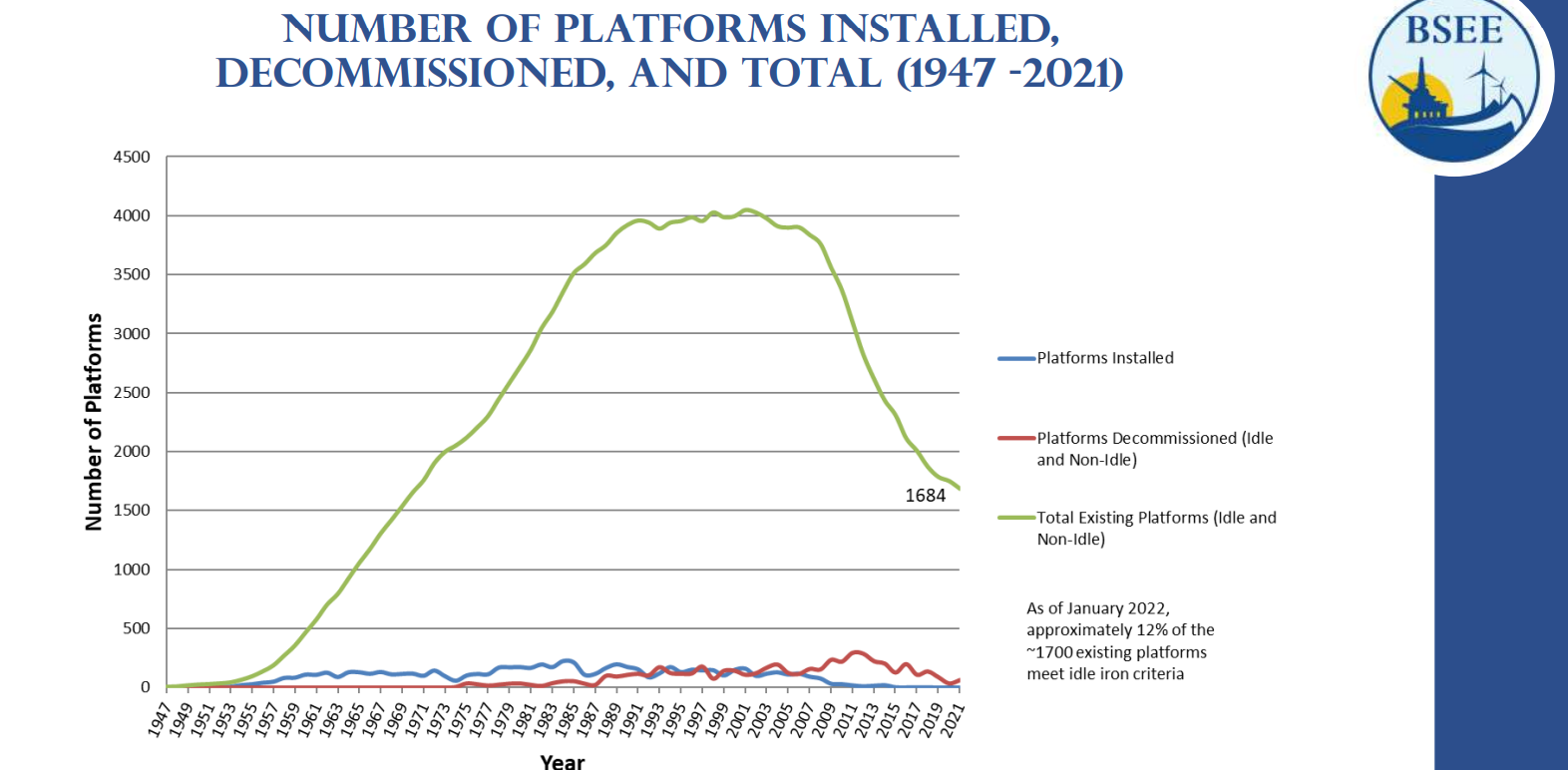
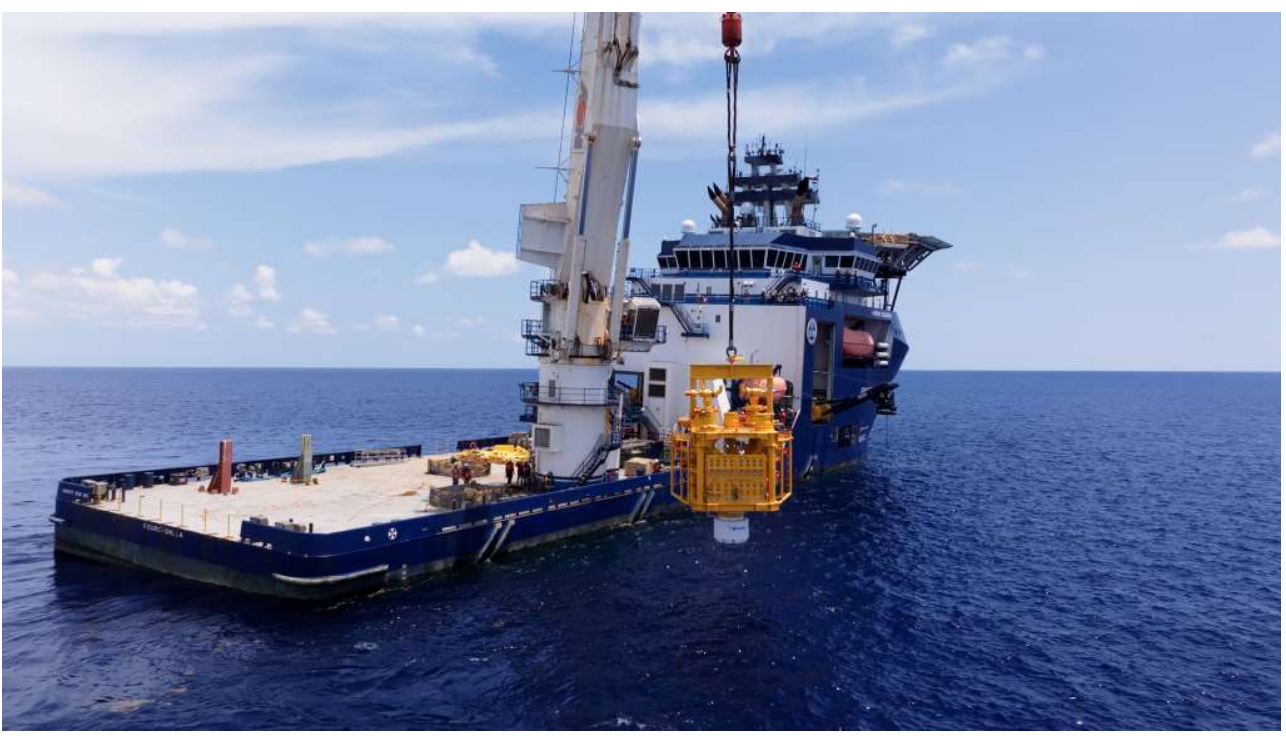
On day 2 (stream 2) Bryan Domangue (BSEE) presented updated data on the progress that is being made in plugging inactive wells and decommissioning idle platforms (see the charts pasted below). In the following session, Bryan made an interesting presentation on the capping stack deployment exercises in the GoM (picture below).

For excellent slides on investigation and sharing the lessons learned, see session 9 (day 2, stream 1).

Agenda

capping stack deployment exercise, Gulf of Mexico

Read Full Post »

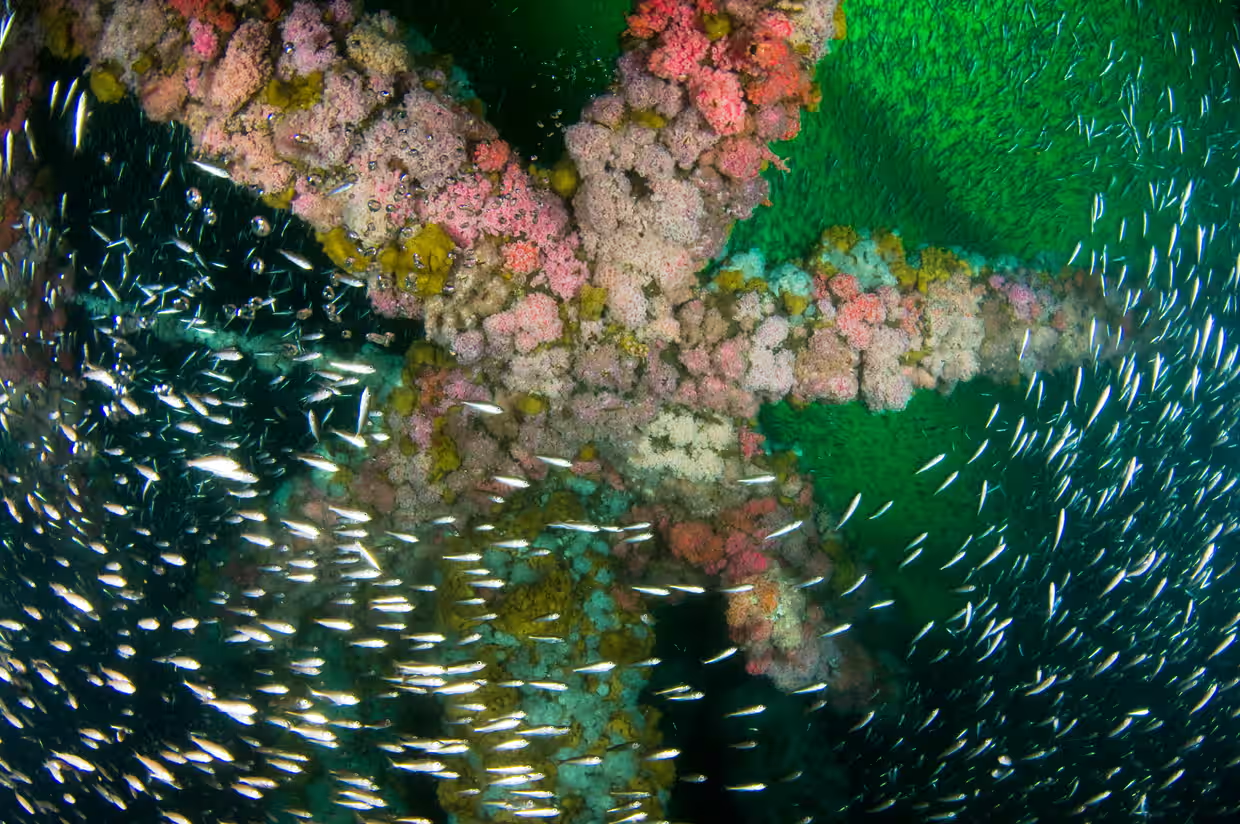
Guardian: Juvenile rockfish seen on an oil platform off the coast of Santa Barbara. For the scientists who study them, preserving these accidental marine ecosystems has become a moral issue. Photograph: Scott Gietler

Excellent Guardian article featuring my former colleague Dr. Ann Bull and Dr. Milton Love from the University of California at Santa Barbara.

According to a 2014 study they (Bull and Love) co-authored, the rigs were some of the most “productive” ocean habitats in the world, a term that refers to biomass – or number of fish and how much space they take up – per unit area. The research showed the rigs to be about 27 times more productive than the natural rocky reefs in California.

Guardian

More on decommissioning platforms offshore California.

Read Full Post »

The Bureau of Ocean Energy Management (BOEM) is extending the public comment period on our notice of proposed rulemaking (NPRM), “Risk Management and Financial Assurance for Outer Continental Shelf Lease and Grant Obligations,” by 10 days.

Federal Register

These comments were submitted 7 days (now 17 days) early 😀

Federal regulations: “decades to draft, days to comment”

Read Full Post »

The attached comments were submitted to BOEM via Regulations.gov. The comments address specific provisions of the proposed rule and include a recommendation to hold companies fully accountable for their lease transfers, but not for subsequent transfers in which they are not a party.

Do I get a t-shirt for being one of the first 2000 entries? 😀

Read Full Post »

1137 comments to date per Regulations.gov. This would imply one or more organized commenting campaigns.

I will share my comments on this blog after they have been submitted.

Read Full Post »

For the first time in the history of the US OCS program, Federal ontracts have been awarded for the decommissioning of facilities in the Matagorda Island area of the Gulf of Mexico. The use of taxpayer funds for this purpose should be an embarrassment for the offshore industry and its regulators, past and present.

Rather than touting these contracts, the regulators should be explaining how this happened and how it will be prevented in the future. Fortunately, BOEM’s proposed decommissioning financial assurance rule is open for comment until the end of this month, so we have an opportunity to provide input.

Matagorda Island Gas, the company whose wells the public will be plugging, had a poor compliance record, and is another example of why compliance should be a primary factor in determining supplemental financial assurance requirements.

Read Full Post »

« Newer Posts - Older Posts »