Feeds:
Posts
Comments

Posts Tagged ‘carbon disposal’

Big Beautiful Gulf of America

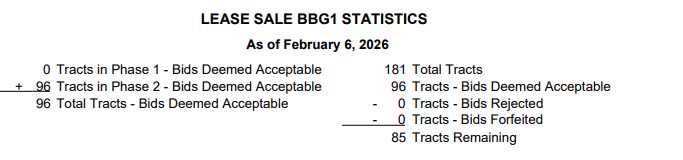
Will the oil and gas lease sale boldly named Big Beautiful Gulf 1 (BBG1) live up to its grand name? Given the more favorable lease terms and the 2 year gap since the last sale, BBG1 should surpass the previous 3 sales (table below). Questions:

  • Which majors will be the most active bidders? Chevron? Shell? BP? Oxy/Anadarko?
  • Will former Gulf of Mexico stalwarts Exxon and Conoco Phillips participate for the first time in years? Probably not, but US super-majors should participate in the US offshore program.
  • How many companies will submit bids? Would like that to be a number >35.
  • How many tracts will receive bids? A number >300 would be very encouraging.
  • Will the total high bids exceed $400 million?
  • Will we see an increase in shelf interest?
  • Which independents will be the most active?
  • After the not-so-clever carbon disposal acquisitions in the last 3 sales, will the number of carbon disposal bids be zero? For the first time ever, the Federal government felt compelled to stipulate the obvious (see the proposed notice for OCS Sale 262) – that an Oil and Gas Lease Sale is only for oil and gas exploration and development.

See the summary data below for the last 3 Gulf lease sales. We’ll fill in the blanks next week.

Sale No.257259261BBG1
date11/17/20213/29/202312/20/202312/10/2025
companies
participating
333226
total bids223328423161
tracts receiving bids214324422751
sum of all bids
$millions
198.5309.8441.9
sum of high bids
($millions)
101.7263.8382.2
highest bid
company
block
$10,001,252.00
Anadarko
AC 259
$15,911,947
Chevron
KC 96
$25,500,085
Anadarko
MC 389
most high bids
company
sum ($millions)
46
bp
29.0
75
Chevron
108.0
65
Shell
69.0
sum of high bids ($millions)
company
47.1
Chevron
108
Chevron
88.3
Hess
most high bids by independent14-DG Expl.13-Beacon
13-Red Willow
22-Red Willow
1excludes 36 leases improperly acquired for carbon disposal purposes; 2excludes 69 leases improperly acquired for carbon disposal purposes; 3excludes 94 leases improperly acquired for carbon disposal purposes

Read Full Post »

from: The People of Louisiana Against CCS

The carbon disposal industry, which overplayed its hand on the OCS, has managed to alienate traditional oil and gas industry supporters, sparking grassroots opposition in conservative areas of Louisiana. Carbon Capture and Sequestration (CCS) is also opposed by climate activists and the environmental justice movement.

The Advocate has nicely summarized opponents concerns: land rights; the impact on underground aquifers if CO2 leaks; skepticism of climate change; skepticism of its effectiveness in fully capturing CO2; and opposition to the use of federal money and tax credits to finance the effort.”

Gov. Landry issued an executive order on Oct. 15 in an apparent attempt to calm the opposition. Following 34 “whereas” clauses intended to justify carbon disposal in Louisiana, the EO directs a pause in the review of new Class VI CO2 disposal wells. As evidenced by the attached press release, Save My Louisiana and other opposition groups are far from satisfied.

Read Full Post »

Unsurprisingly, the carbon capture and sequestration (CCS) hype is fading fast. No other carbon strategy is so strongly opposed by both climate change activists and skeptics.

Support for CCS seems to be limited to those seeking to profit from subsidies, mandates, and disposal fees. In 2022, Exxon projected a $4 trillion CCS market by 2050. Pipe dream?

“Highlights” of the Gulf of America OCS carbon disposal era:

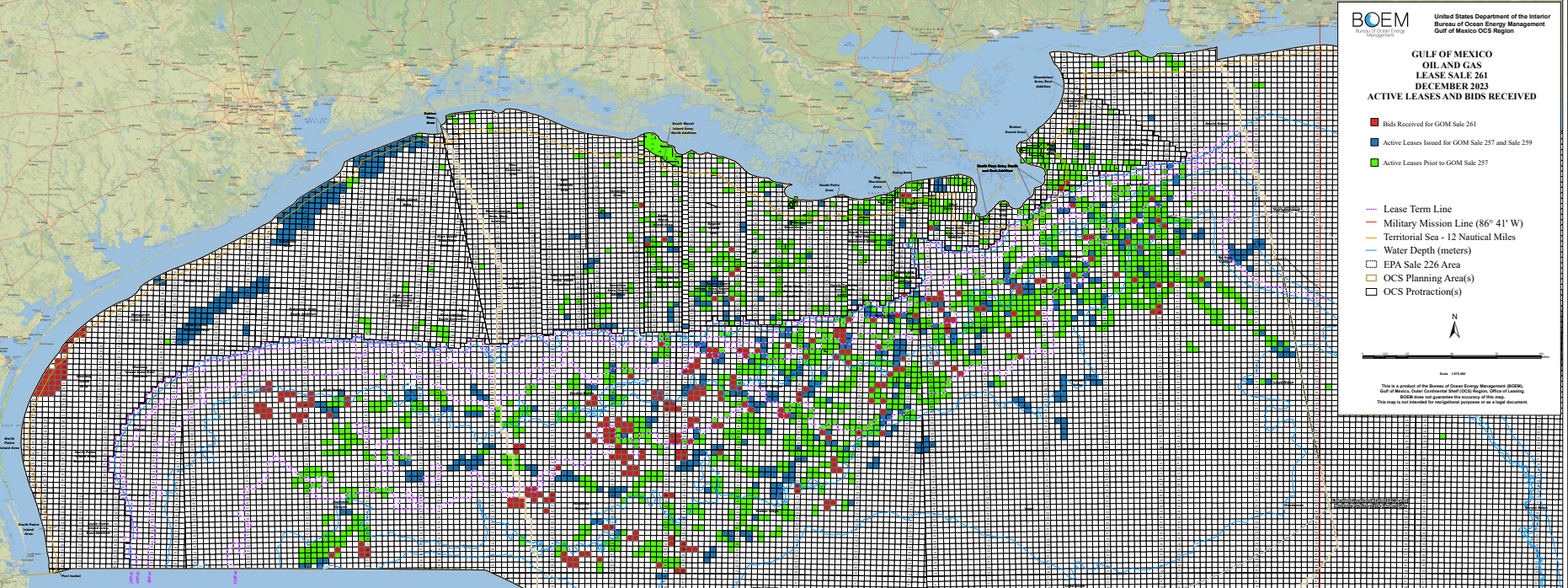
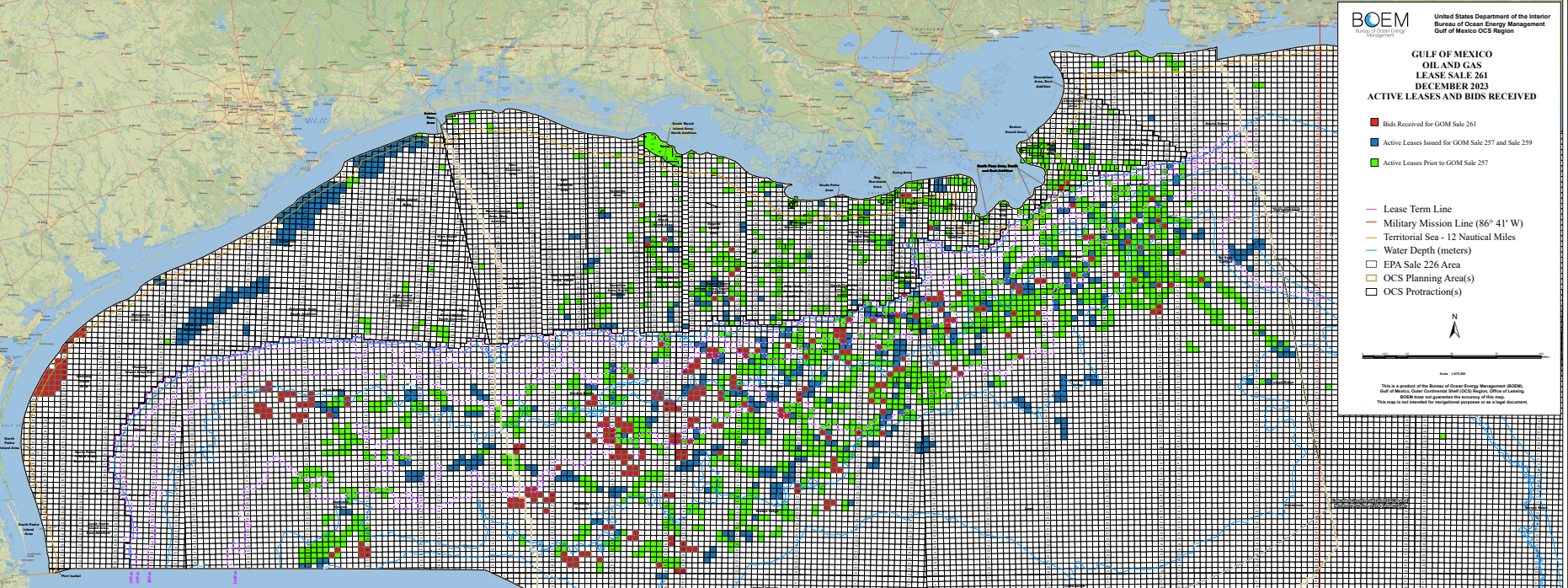
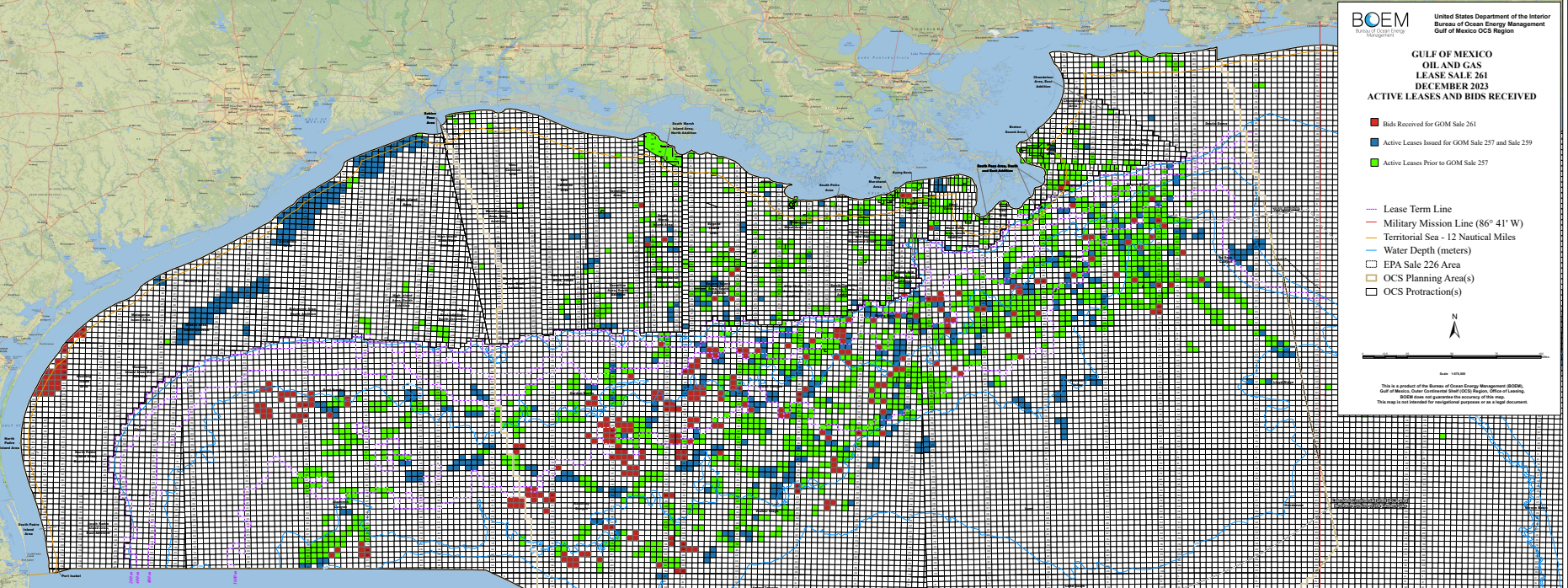
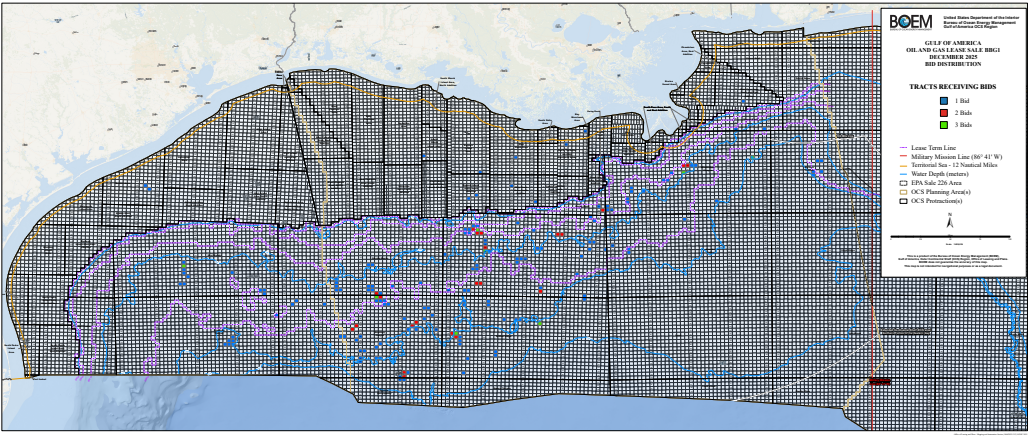
Gulf of America lease map: 199 oil and gas leases were wrongfully acquired for carbon disposal purposes. At Sale 261, Repsol acquired 36 nearshore Texas tracts in the Mustang Island and Matagorda Island areas (red blocks at the western end of the map above). Exxon had acquired 163 nearshore Texas tracts (blue in map above) at Sales 257 (94) and 259 (69).

Even those of us who are supporters of responsible offshore oil and gas production find it a bit unsavory that some companies are looking to cash in on (and virtue signal about) carbon collection and disposal at the public’s expense. Perhaps companies that believe oil and gas consumption is harmful to society should be seeking to reduce production rather than engaging in enterprises intended to sustain it.

Read Full Post »

Eye catching sentences in the news release and Proposed Notice of Sale:

“Leases awarded through Lease Sale 262 will be for oil and gas exploration and development only.” (News Release)

“Leases issued as a result of GOA Lease Sale 262 are expressly limited to oil and gas exploration and development.” (p. 16 of the Sale Notice)

Comment: Why would BOEM stipulate, for the first time ever, that an Oil and Gas Lease Sale is only for oil and gas exploration and development? Perhaps because, at the last 3 sales, 2 companies wrongfully acquired oil and leases for carbon disposal purposes. Those leases will likely expire at the end of their primary term, and the lessees will have nothing to show for their investment.

Other items of interest:

Congress may enact legislation through reconciliation efforts sometime after publication of this Proposed NOS

Comment: The Offshore Oil and Gas Leasing provisions in the “Big Beautiful Bill” make OCS leases more attractive in that they minimize sale uncertainty and return royalty rates to pre-IRA levels.

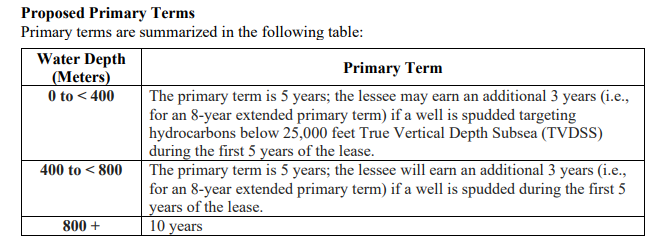
Proposed Primary Terms

Comment: Time for an update. The drilling requirements for a primary term extension should be the same for leases in 0-400 m as for those in 400-800 m. The requirement for an ultra-deep subsurface well is selectively punitive to shelf operations. These operations, although typically less lucrative, are important to the Gulf’s infrastructure.

Restricted Joint Bidders
On April 29, 2025, BOEM published the most recent List of Restricted Joint Bidders in the Federal Register (90 FR 17832). Potential bidders are advised to refer to the Federal Register prior to bidding for the most current list at the time of the lease sale. Please refer to the joint bidding provisions at 30 CFR 556.511-556.515

Comment: It’s past time for Congress to do away with the joint bidding restriction.

Comment: No surprises in the Lease Stipulations. Can BOEM finally drop the Law of the Seas stipulation (No. 6)?

Conclusion: There are no excuses for not participating in this sale!

Read Full Post »

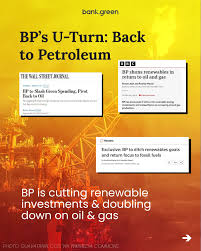
BP dropped the regrettable Beyond Petroleum campaign and has now cut their renewable energy investments to focus on oil and gas production. They are doing quite well in the Gulf of America where they are the no. 2 oil and gas producer.

The leading Gulf of America oil and gas producer, Shell, has also slowed its renewable investments and is no longer participating in any US offshore wind projects.

Only Equinor (formerly Statoil), which is 2/3 Norwegian government owned, remains committed to renewable projects, much to the chagrin of some private investors. Equinor’s Empire Wind misadventure may be matched in the Pacific where their floating wind project offshore California is a long way from reality.

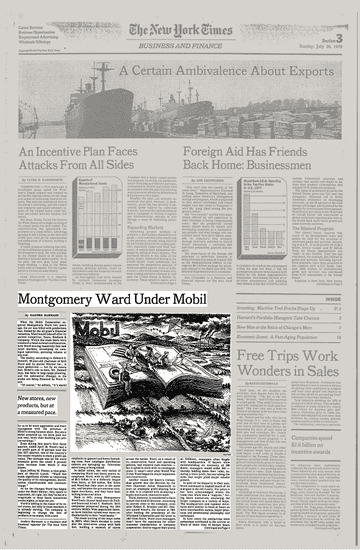
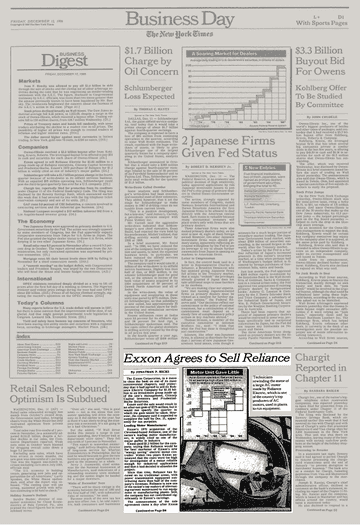
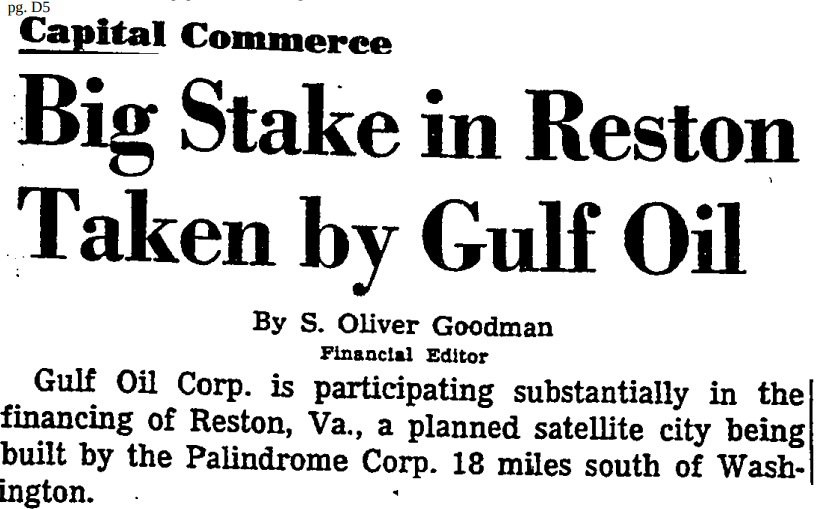
Farther in the past, there were noteworthy failures (below) like Mobil’s acquisition of Montgomery Ward, Exxon’s investment in Reliance Electric, and Gulf’s real estate ventures.

Finally, don’t expect the carbon sequestration boom that some are forecasting. As wind investors have discovered, industries dependent on mandates and subsidies are risky.

Not much unites climate activists and skeptics, but they are largely aligned in their opposition to carbon sequestration (euphemism for disposal), as are fiscal conservatives. The word chutzpah comes to mind when companies seek public funds to dispose of emissions associated with the combustion of their products.

And how are those 199 wrongfully acquired carbon sequestration leases in the Gulf working out (graphic below)? Barring some legislative sleight of hand, those leases are worthless.

199 oil and gas leases were wrongfully acquired at Sales 257, 259, and 261 with the intent of developing these leases for carbon disposal purposes. Repsol was the sole bidder at Sale 261 for 36 nearshore Texas tracts in the Mustang Island and Matagorda Island areas (red blocks at the western end of the map above). Exxon acquired 163 nearshore Texas tracts (blue in map above) at Sales 257 (94) and 259 (69).

Read Full Post »

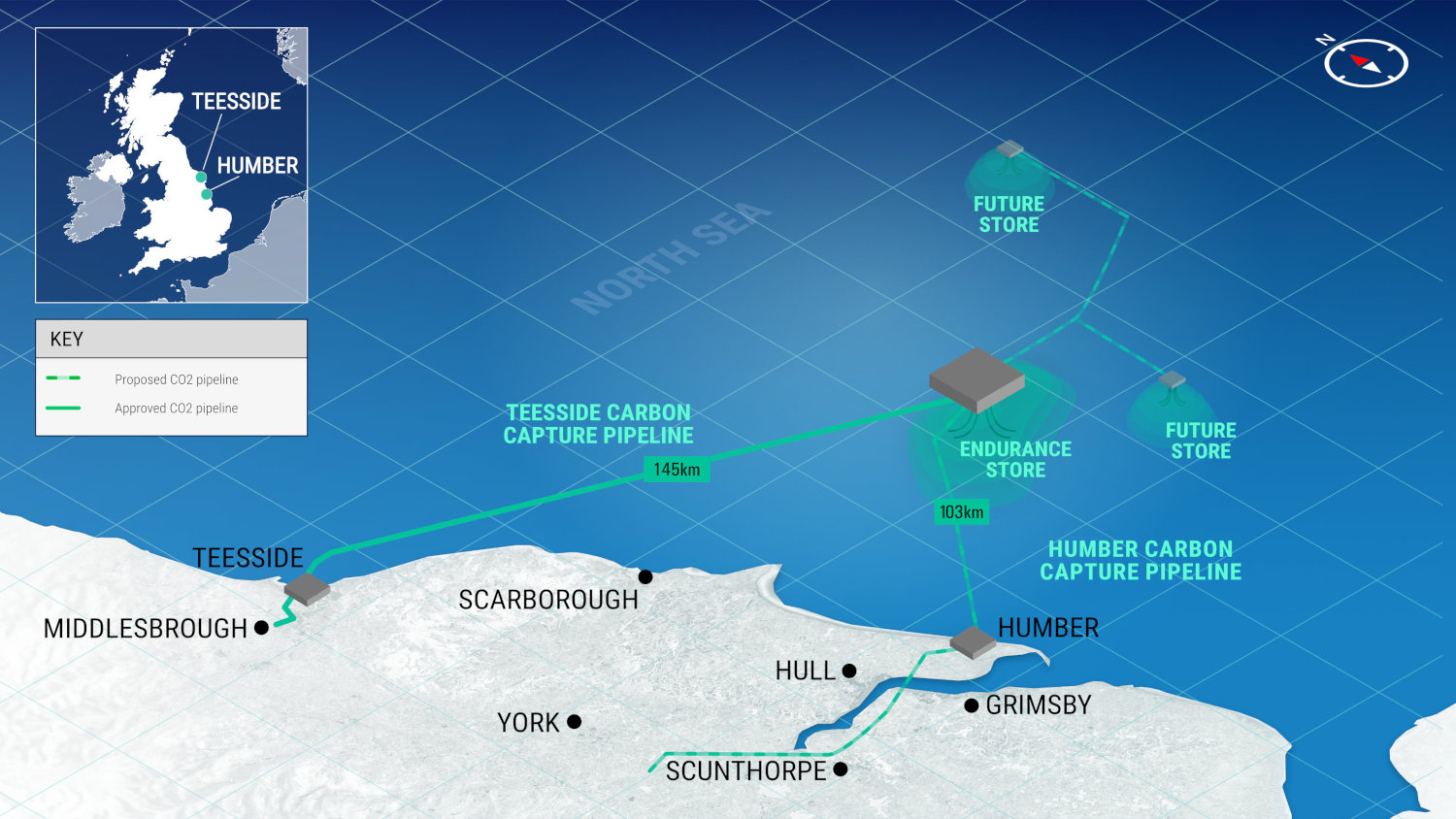
Northern Endurance Partnership (bp, Equinor, and Total) has been awarded the UK’s first permit to “store” CO2 beneath the North Sea. NEP plans to begin construction in the middle of 2025 with start-up expected in 2028 (bet the over!). Climate solution or costly virtue signaling at the public’s expense?

Fortunately, from the standpoint of US consumers and taxpayers, the push for carbon disposal in the Federal waters of the Gulf of Mexico has stalled, perhaps permanently. Oct.1 marked the 2 year anniversary of the 94 leases improperly acquired by Exxon at Sale 257 for carbon disposal purposes. Those leases will expire in 33 months (with the remaining 105 rogue leases expiring 1-2 years later) barring another legislative maneuver by industry advocates.

All of the previously posted questions about carbon disposal in the Gulf of Mexico remain, and most apply elsewhere. In particular, detailed cost-benefit analyses and risk assessments for these projects have not been provided. The intended permanency of offshore, subsurface carbon disposal raises complex monitoring, maintenance, liability, and decommissioning issues.

What are the carbon disposal proponents selling and why should governments be buying? If CO2 emissions are a significant threat to society (and informed opinions differ), is carbon disposal a cost effective solution? Policy decisions on subsidies for carbon disposal will be a good indication of how serious the new administration is about cutting Federal spending.

199 GoM oil and gas leases were wrongfully acquired for carbon disposal purposes. At Sale 261, Repsol acquired 36 nearshore Texas tracts in the Mustang Island and Matagorda Island areas (red blocks at the western end of the map above). Exxon had acquired 163 nearshore Texas tracts (blue in map above) at Sales 257 (94) and 259 (69).

Read Full Post »

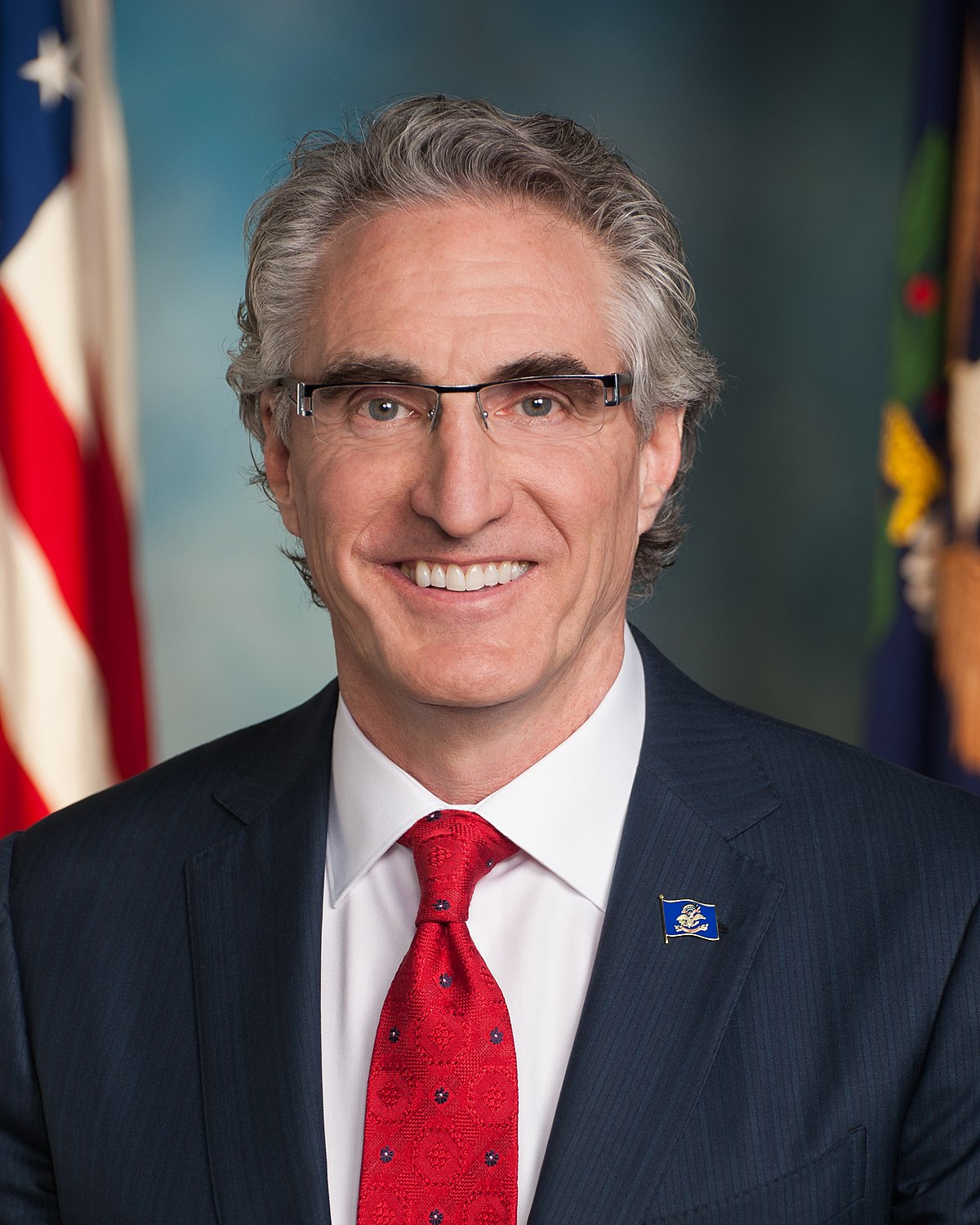
  • The Secretary of the Interior is the most important energy production position in the US govt, particularly for the offshore sector.
  • In recent years energy policy has been increasingly influenced (if not directed) by White House staff, most notably the White House Climate Office. Given that Burgum will also lead the new created National Energy Council, direction from White House staffers or other departments should not be an issue.
  • Burgum should work effectively with Dept. of Energy appointee Chris Wright, an engineer who understands energy production.
  • There is no apparent Republican dissent, so Burgum should have no problem being confirmed.
  • All of the offshore policy forecasts in the post-election post still stand.
  • Burgum is currently the Governor of North Dakota. Some energy production stats for the state:
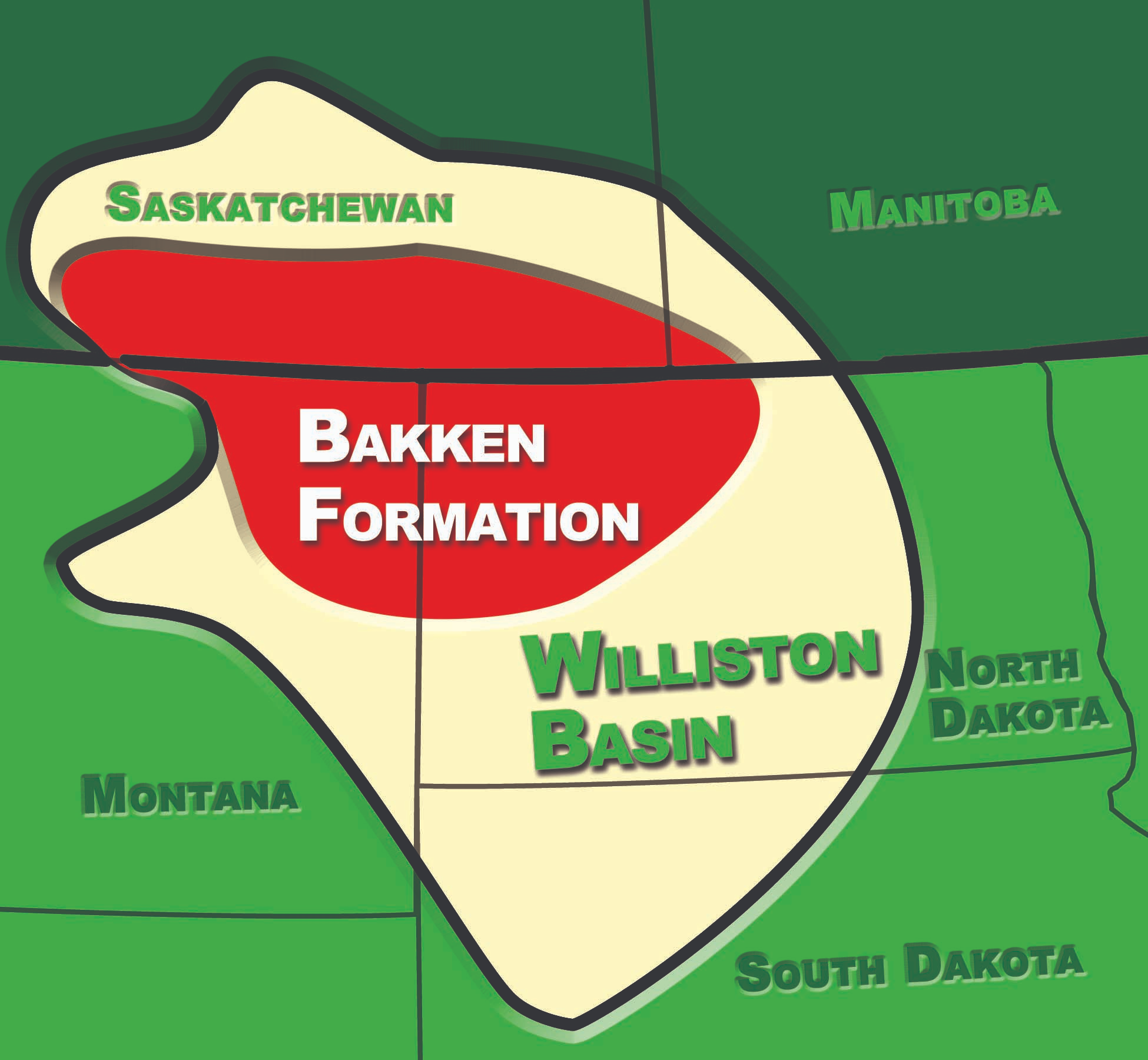
    • 2023 oil production: 435,080,323 bbls. ND is the 3rd leading oil production state behind TX and NM. Most ND production is from the Bakken formation (shale).
    • ND ranks 4th if the OCS, for which Bergum will soon be responsible, is included. The OCS ranked 2nd in oil production, behind only TX, despite seemingly being managed to fail.
    • 2023 gas production: 1.2 tcf. ND ranks 10th in natural gas production.
    • Current number of active drilling rigs: 39
    • Wind: In 2023, wind was the second-largest electricity generating source in ND behind coal. At the beginning of 2024, ND had about 4,000 megawatts of installed wind power generating capacity.
  • What about carbon sequestration (disposal)?
    • As Governor, Burgum supported CCS projects that could be lucrative for North Dakota.
    • As Interior Secretary and Energy Czar, he will have to consider the high Federal subsidy costs, efficacy, and net environmental benefits.
    • Companies looking to benefit from publicly financed CCS projects will lobby hard for Federal support. Budget hawks and most environmental activists will be strongly opposed. It will be interesting to see who prevails.
    • This blog has consistently opposed offshore carbon disposal.

Read Full Post »

Exxon CEO Darren Woods’ is concerned that US withdrawal from the Paris climate agreement would threaten carbon capture and sequestration (CCS), the foundation for which is government mandates and generous taxpayer subsidies.

Exxon projected a $4 trillion carbon capture and sequestration (CCS) market by 2050. The company was a primary driver behind the late additions to the 2021 Infrastructure Bill. That bill authorized carbon disposal on the OCS, exempted such disposal from the Ocean Dumping Act, and authorized $2.5 billion for commercial CCS projects.

Exxon sought an edge over CCS competitors by improperly acquiring 163 OCS oil and gas leases (map below) for carbon disposal purposes. Conversion of these leases is not authorized, which means they will expire at the end of their primary (5 year) term absent legislative or regulatory action.

The only solid support for CCS is from companies hoping to benefit from subsidies and charges to industries and individual energy consumers. It’s time to end the Federal government’s CCS programs.

199 oil and gas leases were wrongfully acquired at Sales 257, 259, and 261 with the intent of developing these leases for carbon disposal purposes. Repsol was the sole bidder at Sale 261 for 36 nearshore Texas tracts in the Mustang Island and Matagorda Island areas (red blocks at the western end of the map above). Exxon acquired 163 nearshore Texas tracts (blue in map above) at Sales 257 (94) and 259 (69).

Read Full Post »

199 oil and gas leases were wrongfully acquired at Sales 257, 259, and 261 with the intent of developing these leases for carbon disposal purposes. Repsol was the sole bidder at Sale 261 for 36 nearshore Texas tracts in the Mustang Island and Matagorda Island areas (red blocks at the western end of the map above). Exxon acquired 163 nearshore Texas tracts (blue in map above) at Sales 257 (94) and 259 (69).

Despite false starts by Exxon and Repsol (see above summary), no carbon sequestration (disposal) leases may be issued or developed until implementing regulations have been promulgated. In that regard, no news is good news for those who are less than enamored with CO2 disposal in the Gulf of Mexico.

The implementing regulations will be controversial. Most operating companies prioritize GoM production over GoM disposal. Most environmental organizations are strongly opposed to CO2 disposal schemes that sustain fossil fuel production and benefit fossil fuel producers. Taxpayers are leery of subsidizing these projects and absorbing increased costs for energy and consumer goods.

The Administration is, of course, well aware of this opposition and will not be publishing implementing regulations prior to the election. The next Administration, regardless of the election outcome, will no doubt take a hard look at these issues before proposing regulations.

The few oil and gas producers that are rather cynically hoping to cash in on CO2 disposal in the GoM will therefore have to wait, perhaps for a long time.

Read Full Post »

Carbon sequestration (i.e. subsurface disposal) is a controversial and divisive topic, and important questions regarding the costs and benefits remain. Nonetheless, the Infrastructure Bill of 2021 authorized the disposal of CO2 on the OCS, and stipulated that the Secretary of the Interior promulgate regulations for that purpose. However, that major task cannot be completed without a better understanding of the potential environmental impacts.

BOEM has announced a study (see attached pages from their new Environmental Studies Plan) to consider the potential for CO2 leakage and related environmental concerns. A few excerpts from BOEM’s summary follow:

Problem:  Potential CO2 leakage from carbon sequestration (CS) project activities could occur via a number of pathways. Few studies model and/or measure CO2 leakage, transport, dispersion, attenuation, and environmental impacts in the offshore environment, and those that do exist are preliminary. 

Intervention:   BOEM needs more information about the dynamics, fate, transport, and potential environmental impacts of CO2 leakage under various scenarios, including worst-case, on the OCS to inform the new nationwide CS Program and to protect the environment from CO2 leakage. 

Comparison:   The study will model CO2 leakage under various scenarios, including worst-case scenarios, using the GOM OCS Region as a case-study and can be applied to all OCS regions. Outcome The leakage and worst-case scenario modeling will aid BOEM’s ongoing rulemaking efforts, program development and implementation, and future operational needs including NEPA analyses, lease planning, lease stipulations, consultations, plan and permit approvals, mitigation measures, risk assessment and monitoring requirements, etc. Study results will also provide direction for future studies to include field and/or laboratory analyses.

The performance period for this important study extends through 2027, so it’s hard to envision final CS regulations prior to that date. You can’t issue regulations without first assessing the potential harm that could result from their promulgation (as required by NEPA).

BOEM’s summary mentions “the anticipation of a CS lease sale in the GOM after final regulations are published.” Hopefully, this also means that BOEM will not permit improperly acquired oil and gas leases (Sales 257, 259, and 261) to be converted to CS leases.

Read Full Post »

Older Posts »